

Introduction to Opening a Tow Truck Company
Starting a tow truck company is not only a promising business venture but also a vital service that can assist individuals in times of distress. The towing industry plays a critical role in ensuring public safety and convenience on the roads. Whether it’s helping stranded motorists after a breakdown, removing illegally parked vehicles, or providing emergency roadside services, a tow truck company can be the lifeline people need in unexpected situations. This is where the journey of understanding how to open a tow truck company begins.
The demand for towing services is consistently high, making it an attractive business option for aspiring entrepreneurs. Each day, numerous vehicles encounter mechanical problems, accidents, or simply run out of gas, creating opportunities for businesses equipped to assist. Therefore, recognizing the importance of timely vehicle recovery services is essential. By providing these services, you not only help people navigate challenging situations but also build a reputation for dependability and professionalism in your community.
Furthermore, entering the towing industry can lead to various service extensions, such as offering roadside assistance or specializing in luxury vehicle recovery. Those looking for guidance can find valuable resources, including related services and expertise, from established companies-learn more about roadside service. With this introduction, you’re poised to explore the steps necessary to successfully launch your towing business and make a difference in the lives of your customers.
Outline: How to Open a Tow Truck Company
- Introduction
- Brief overview of the towing industry and its significance.
- Mention the projected market size of $10.3 billion in 2023 with a growth rate of 4.1% (source).
- Market Research
- Understanding local demand and competition.
- Key statistics: 55,000 vehicles are towed daily in the U.S.
- Tools and resources for conducting market research.
- [Learn more about towing statistics]
- Business Planning
- Developing a comprehensive business plan including financial projections.
- Setting goals and defining the target market.
- Sample business plans for reference (source).
- Legal Requirements
- Necessary licenses and permits for operating a tow truck company.
- Compliance with state and federal regulations (source).
- Importance of obtaining comprehensive insurance coverage.
- Equipment Needed
- Types of tow trucks and equipment for various towing needs.
- Input on maintaining and managing towing vehicles (source).
- Marketing Strategies
- Effective marketing approaches to attract clients.
- Utilizing online platforms and local partnerships.
- Building a brand presence (source).
- Operational Guidelines
- Daily operations and management tips for towing businesses.
- Importance of developing a network with auto repair shops and insurance companies.
- Future trends in the towing market to consider for sustained growth.
- Conclusion
- Summary of the essential steps to opening a tow truck company.
- Encouragement to conduct thorough planning and research before starting.
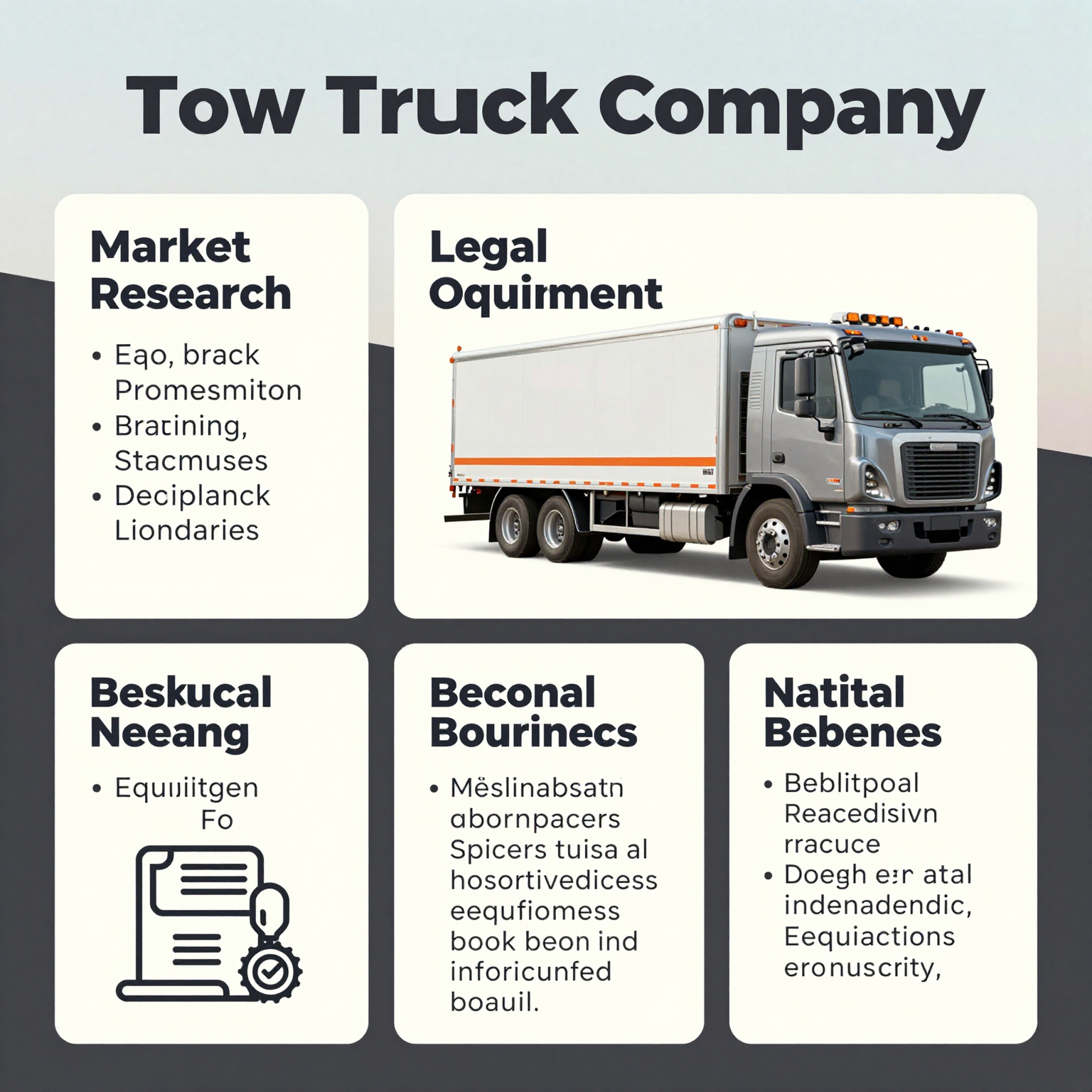
*This infographic visually summarizes the key topics for opening a tow truck company, including market research, business planning, legal requirements, needed equipment, marketing strategies, and operational guidelines.
Word Count: 392
The Significance of Market Research for Your Tow Truck Company
Starting a tow truck company can be a lucrative business venture, but to be successful, it’s imperative to conduct thorough market research beforehand. Market research enables potential business owners to identify target demographics, understand their needs, and analyze competitors. This foresight not only helps in formulating solid business strategies but also significantly increases the chances of establishing a successful and competitive tow truck company.
Understanding Target Demographics
The significance of conducting market research begins with identifying your target demographic.
- Local Demand Assessment: Research the regional demand for tow truck services. Understanding local traffic patterns, accident rates, and vehicle breakdown trends will help you determine the size and nature of your potential customer base.
- Customer Preferences: Understanding what customers value most-be it timely response, pricing, or additional services like roadside assistance-can inform your service offerings. This insight is crucial to tailor your business to better meet local needs and preferences.
Market research can reveal information such as:
- Peak seasons for vehicle breakdowns
- Average response times expected by customers
- Competitor pricing strategies
For instance, if you discover that a large number of service requests peak during specific seasons, you may choose to expand your fleet or hire additional staff during these times.
Competitive Analysis
Analyzing competitors is an essential part of your market research. This involves:
- Identifying Competition: Who are your direct competitors? Websites like Mikes Towing offer insights into what other companies are charging, the services they provide, and their marketing strategies.
- Service Offerings: Explore the unique selling points of your competitors, such as 24/7 availability or free first-hour service. Identifying gaps in the offerings can provide you with opportunities to differentiate your business effectively.
- Pricing Strategies: Understanding competitors’ pricing can guide you in setting competitive yet reasonable rates for your services. You can find detailed insights into the pricing of requested services on various industry websites to fine-tune your approach.
By leveraging market research, you can craft unique value propositions that resonate with your target audience. It can also prevent you from entering price wars that could jeopardize profitability.
Conclusion
In summary, conducting comprehensive market research before opening a tow truck company is vital. Not only does it help sharpen your competitive edge, but it also aligns your services with customer expectations and local market demands. As the tow truck industry continues to expand, being proactive through market research will lay the foundation for your company’s success. Taking these initial steps will enable you to learn more about effective towing services and ensure that your business is well-positioned for growth in a competitive environment.
By investing time and resources into market research, you are not just preparing to start a business; you are laying the groundwork for a thriving operation that stands the test of time.
| Equipment Category | Item Description | Suggested Price Range (USD) | Notes |
|---|---|---|---|
| Tow Truck | 12 Ton Under Lift Integrated Tow Truck (HOWO) | $25,000 – $70,000 | Includes 16-ton boom lift, integrated tow system, and winch; available in 4X2, 4X4, 6X4 configurations |
| Tow Truck | Heavy-Duty 4X2 Tow Wrecker Crane Truck (Dongfeng) | $33,000 – $33,800 | 30-ton towing capacity; equipped with Cummins engine, ISO9000/CCC certified |
| Tow Truck | Factory 3-15 Tons Tow Wrecker Rescue Truck (Foton) | $16,880 – $18,990 | 10-12 ton capacity; powered by Isde210 engine, 210HP; suitable for light to medium recovery operations |
| Towing Gear | Winch System (2 x 8-ton each) | $3,000 – $6,000 | High-capacity hydraulic winches for heavy-duty vehicle recovery |
| Towing Gear | Tow Bars & Recovery Straps (set of 4) | $200 – $600 | Includes ratchet straps, chain sets, and universal tow bars for secure vehicle transport |
| Towing Gear | Wheel Lifts & Dollies (2 units) | $800 – $2,000 | For lifting wheels during transport or when vehicles are disabled |
| Tools | Basic Emergency Tool Kit (including wrenches, jacks, tire irons) | $200 – $500 | Essential tools for roadside assistance and minor repairs |
| Tools | Diagnostic Scanner (OBD2) | $150 – $400 | For reading vehicle error codes and troubleshooting electrical systems |
| Tools | Mobile Communication Devices (2-way radios, cell phones) | $200 – $600 | For coordination between team members and dispatch center |
| Tools | Safety Gear (reflective vests, gloves, eye protection) | $100 – $300 | Required for compliance with OSHA and safety standards |
| Additional Costs | Licensing, Insurance, Registration | $5,000 – $15,000 | Varies by state and business structure; includes liability insurance and operating permits |
Note: Prices are based on current market data from verified suppliers as of May 2026. Final costs may vary depending on region, brand, customization, and additional features.
Additional Cost Analysis
Based on research for initializing a tow truck company in 2026, here are the estimated costs:
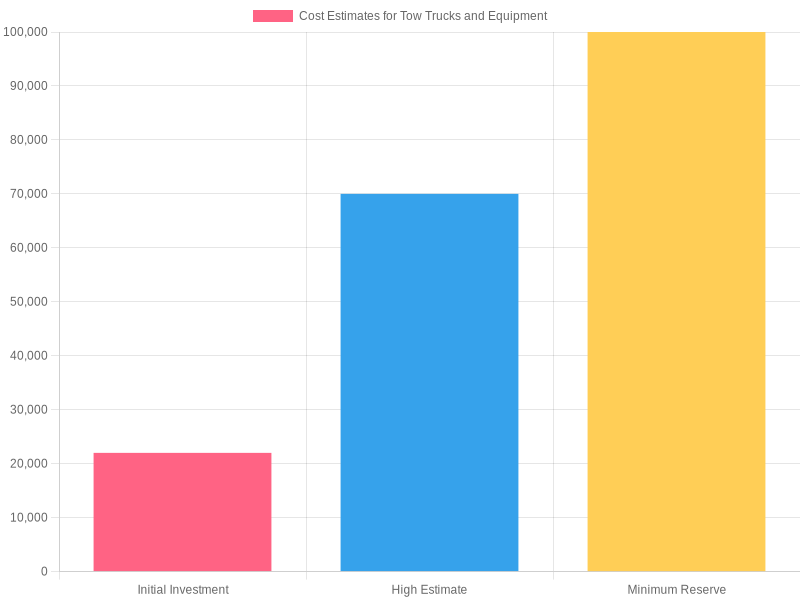
- Initial Investment Required (Single Truck + Essential Equipment): $22,000 – $70,000
- If planning for multiple trucks or establishing a service center, recommended reserve $100,000+ to get started effectively.
The Importance of Creating a Solid Business Plan for Your Tow Truck Company
When starting a tow truck company, drafting a solid business plan is crucial for several reasons. A well-thought-out business plan not only serves as a roadmap for your business trajectory but also helps secure financing, focuses on service offerings, and establishes financial sustainability. Here’s why it’s paramount to invest time in creating a detailed business plan.
Key Components of a Business Plan
-
Service Offerings: Your business plan should clearly outline the services you intend to provide. These may range from roadside assistance to specialized vehicle recovery and accident towing. Offering a diverse suite of services will allow you to capture various market segments and maximize your revenue potential.
-
Market Analysis: Understanding your target market is vital. This helps you tailor your services to meet customer needs and identify how your company can stand out from the competition. An in-depth market analysis enables you to determine pricing models for your services, which should be covered in your financial projections.
-
Financial Projections: Financial projections are a cornerstone of any business plan. They should include:
- Cash Flow Forecast: This helps you predict cash inflows and outflows, ensuring you have enough liquidity to cover operational costs and investments.
- Break-Even Analysis: This calculation helps you determine when your company will become profitable, which is essential for attracting investors or lenders.
- Budget for Equipment and Maintenance: Properly allocating funds for equipment purchases and regular maintenance is crucial in a service-oriented business like towing.
Attracting Financing
A comprehensive business plan acts as a powerful tool when seeking financing. Investors and lenders are more likely to support ventures with clear projections and service differentiation plans. Moreover, potential stakeholders want to see how you’ll achieve profitability and growth. A compelling plan should also include strategies for how you will manage seasonal fluctuations in demand, which is important in the towing industry, particularly during harsh weather conditions.
Real-Life Examples and Resources
According to a recent article from Entrepreneur.com, tow truck companies benefit significantly from adopting business plans that outline their service offerings and financial projections. Another resource by Small Business Trends emphasizes the necessity of aligning these projections with service expansions to avoid overextending resources. Numerous templates and examples are available online, with detailed business plan structures tailored for tow truck services seen in resources like this PDF from Scribd.
Conclusion
Creating a robust business plan is more than just a formality-it’s a critical step in ensuring the success of your tow truck company. By clearly delineating your service offerings, conducting thorough market analyses, and establishing well-thought-out financial projections, you position your business for growth and sustainability.
For further insights into the towing industry and how to manage your operations efficiently, consider checking out Mike’s Roadside Service or learn more about towing services in Houston.
Legal Requirements for Opening a Tow Truck Company
Starting a tow truck company involves navigating a complex landscape of legal requirements and regulations. Understanding and complying with these obligations is crucial to avoid any legal issues that could arise in the future. Here’s a comprehensive overview of what you need to consider when establishing your towing business.
1. Licensing Requirements
To legally operate a tow truck company, a variety of licenses and permits must be obtained, which can vary by state. At a minimum, the following should be considered:
- Commercial Driver’s License (CDL): Most states require tow truck drivers to hold a CDL, especially if the vehicle has a gross vehicle weight rating (GVWR) over 26,001 pounds. You will also need the appropriate endorsements for towing or hazardous materials.
- Business License: A business license from your local government is a common requirement to operate legally.
- Towing Operator License: Some states mandate specific licenses for towing operators, which may involve background checks, bonding, and knowledge of traffic laws and towing procedures. For example, California requires a Towing Operator License from its Department of Consumer Affairs, whereas Texas mandates registration with the Texas Department of Public Safety. Compliance with local municipal codes is essential as some cities impose regulations regarding towing operations (learn more about this here).
2. Insurance Requirements
Insurance is not only a legal requirement but also a necessary safeguard against financial loss from accidents, theft, or other unforeseen incidents. Here are the key types of insurance coverage you should consider:
- General Liability Insurance: Covers third-party injuries or property damage.
- Commercial Auto Insurance: Necessary to protect your tow trucks and comply with state regulations. This should cover primary auto liability and physical damage.
- Cargo Insurance: Protects vehicles being towed in the event of damage or loss during transport.
- Hired and Non-Owned Auto Liability (HNOA): Essential if employees use vehicles not owned by the company. This insurance helps cover accidents involving these vehicles (source).
In some states, minimum coverage levels for liability insurance, such as $1 million, are mandated. Moreover, having comprehensive coverage is vital because inadequate insurance can lead to significant financial consequences after an accident (see full details).
3. Compliance with Local Laws
Finally, your company must comply with local and state laws concerning transportation and towing. This may involve:
- Federal Regulations: If your tow truck operations cross state lines, you must comply with federal regulations enforced by the Department of Transportation (DOT). This involves obtaining a USDOT number, adhering to safety inspection requirements, and maintaining records related to service hours and vehicle maintenance (more on DOT compliance).
- Local Ordinances: Different municipalities may have specific zoning laws, operational hours, and required signage that your business must comply with to operate legally.
Conclusion
Establishing a tow truck company entails fulfilling several legal requirements, including obtaining the necessary licenses, acquiring appropriate insurance coverage, and ensuring compliance with local laws. Proper adherence to these legal standards is essential to minimize risk and protect your business from potential legal ramifications in the future. If you are in need of further assistance or specific details based on your location, consult with a legal expert or a local business advisory service that specializes in transportation and towing industries.
Following these guidelines will not only set you on the path to successful operations but also ensure that your business is built on a solid legal foundation. For more detailed services related to towing, check out our offerings.
Marketing Strategies for a Tow Truck Company
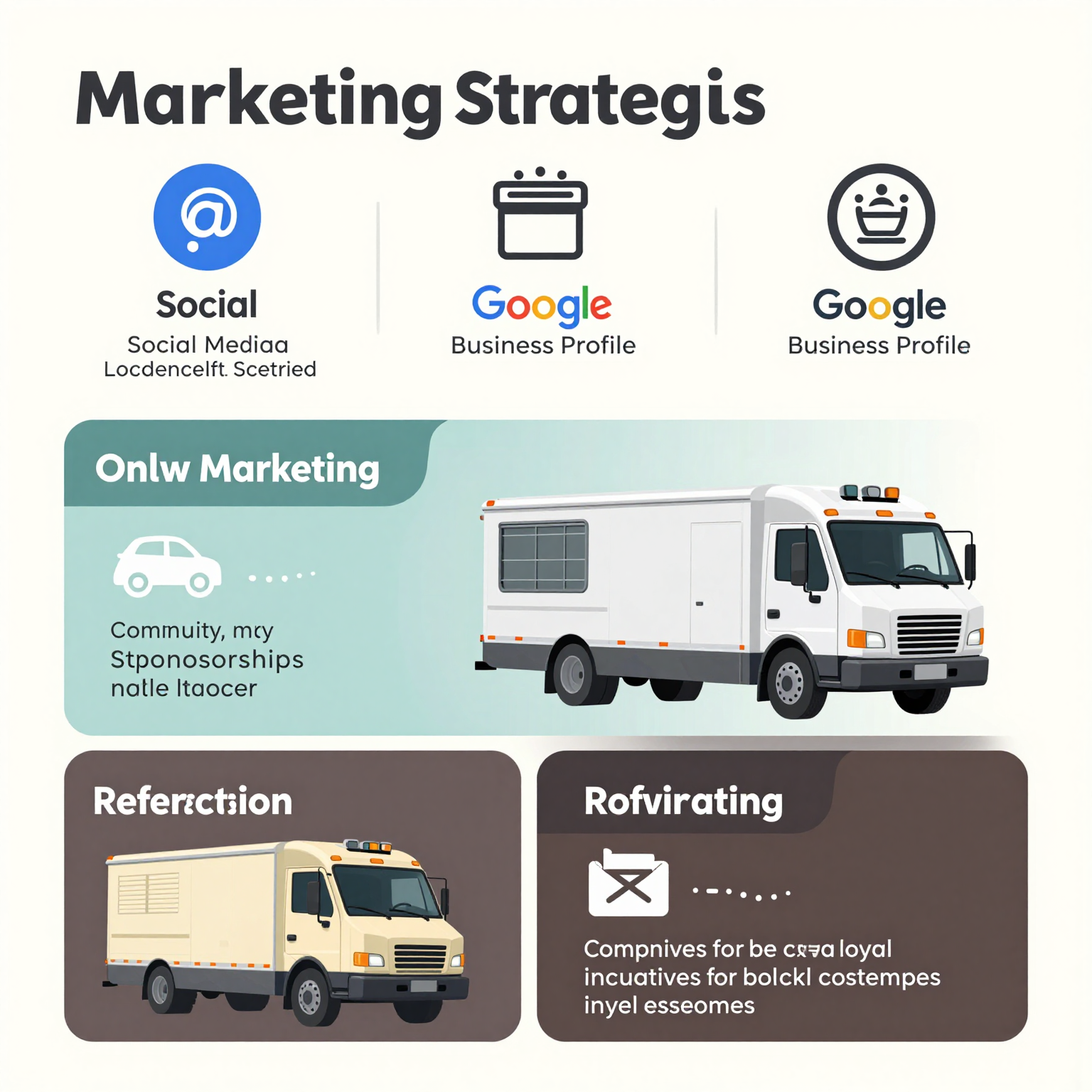
Starting a tow truck company can be a rewarding venture, but it’s essential to implement effective marketing strategies to attract customers. Here are various approaches you can adopt to establish your presence in the market and grow your business:
Online Marketing
In today’s digital age, having a strong online presence is critical. Here are some effective online marketing strategies:
-
Google Business Profile: Ensure that your towing business is listed on Google My Business. This boosts local visibility and helps potential customers find your services easily. Fill out your profile completely with current contact information, hours of operation, and customer reviews. According to a recent article from The Balance Small Business, maintaining an active profile can significantly improve search rankings in local markets.
-
Social Media Advertising: Platforms like Facebook and Instagram are powerful tools for local advertising. Tailor your ads to specific demographics and locations, targeting users who may need towing services. Engaging content such as customer testimonials and before-and-after recovery photos can help attract attention and gain trust.
-
Content Marketing: Create informative content that addresses common problems experienced by drivers, such as “What to Do After a Car Accident.” This content can improve your SEO ranking and establish your company as an authority in the field. Sharing video content across platforms like TikTok can also engage users, as suggested in Small Business Trends.
Local Advertising
Local advertising is crucial for a towing business, as most customers seek nearby services in emergencies:
-
Partnerships: Collaborate with local auto repair shops and gas stations. Offer referral bonuses for every customer they send your way, which can stimulate business for both parties. Plus, sponsoring local events or youth sports teams builds community recognition and goodwill.
-
Direct Mail: Use direct mail campaigns to reach homes and businesses within a specific radius. Including promotions like first-time customer discounts can encourage trials. Local SEO is also vital here; optimizing content for phrases like “emergency towing near me” will help capture high-intent customers, as highlighted by a guide from Inc.com.
Referral Programs
Creating a referral program can help turn satisfied customers into brand ambassadors:
-
Incentives for Referrals: Offer discounts, freebies, or cash bonuses to customers who refer others to your towing service. This strategy encourages word-of-mouth advertising, which is one of the most credible forms of marketing.
-
Customer Feedback: Actively solicit feedback from your clients and display testimonials prominently on your website and social media platforms. Positive reviews can significantly influence the decisions of potential customers looking for reliable towing services.
In conclusion, a multi-faceted marketing approach utilizing online visibility, local advertising, and referral programs is essential for a successful tow truck company. By implementing these strategies, you can effectively establish your brand and attract more clients.
“A well-equipped and maintained tow truck is the foundation of safety and efficiency, while the customer’s experience in a bind determines whether they will choose your service again.”
- President of the American Towman Association, as quoted in Towing & Recovery Magazine
This quote emphasizes the critical importance of both proper equipment and excellent customer service in the towing business. It’s vital for new business owners to understand that investing in quality equipment and customer relations can significantly impact their company’s reputation and customer loyalty.
Conclusion
Starting a tow truck company can be an immensely rewarding venture in the transportation industry, providing crucial services to motorists in need. Throughout this article, we’ve discussed the essential steps to get your business up and running, including obtaining the necessary licenses, purchasing quality towing equipment, and developing a comprehensive business plan.
These initial steps are crucial for ensuring that your company not only operates legally but also stands out in a competitive market. Additionally, we emphasized the need for effective marketing strategies and excellent customer service, which can significantly enhance your company’s reputation and client retention.
By taking the first steps today, you can pave the way for a successful towing business that will make a positive impact in your community. Whether it’s providing roadside assistance or handling vehicle removals, your towing company has the power to protect lives and property.
Don’t wait – contact us today to discuss your needs, request a quote, or learn more about how we can support your mission to protect lives and property. For more insight into roadside services, feel free to learn more about our services or explore options for starting a towing company in your area through our Towing Company Houston page.