
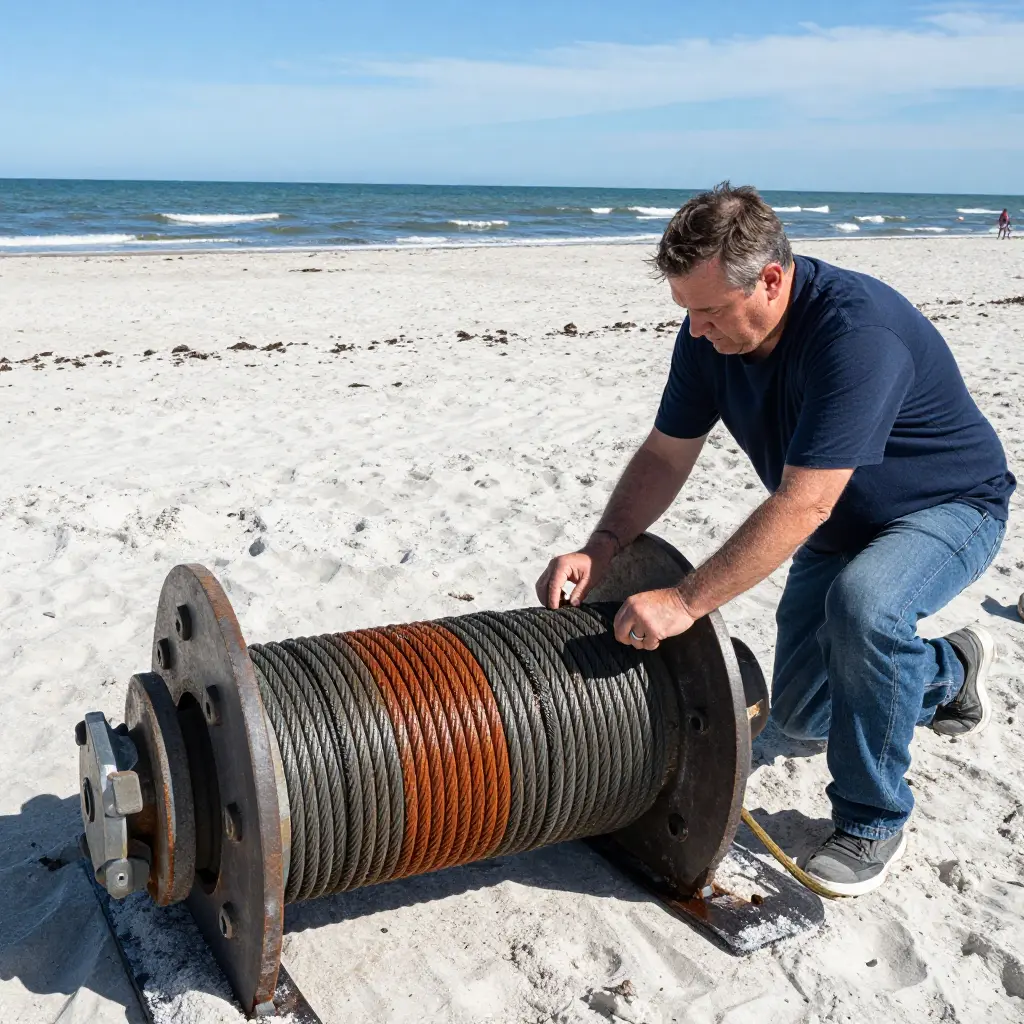
Introduction: Salt Air Corrosion and Winch Cable Wear at Jacksonville Beach
At Jacksonville Beach, the ocean is never far from your winch. Sand driving, a recovery near the dunes, an afternoon parked in the sea breeze: all of it exposes the rig to the same two things. Salt-heavy humidity attacks the steel, and fine sand works its way into every gap.
Corrosion starts small. The surface dulls, chloride works between the wires, and individual strands weaken while the cable still looks serviceable. Wear builds the same way, slowly and mostly where you cannot see it. A line that pulled a truck out last month can let go on the beach without any obvious warning.
What follows covers how salt air corrosion forms, what to look for on the sand, and how to judge whether a cable is safe to load before a pull. It is written for Jeep, truck, and SUV owners, surf anglers, and recovery operators along the coast, where a cable failure mid-recovery is not an option. Weekend drivers and working tow operators use the same checks.
How Salt Air Corrosion Attacks Winch Cable
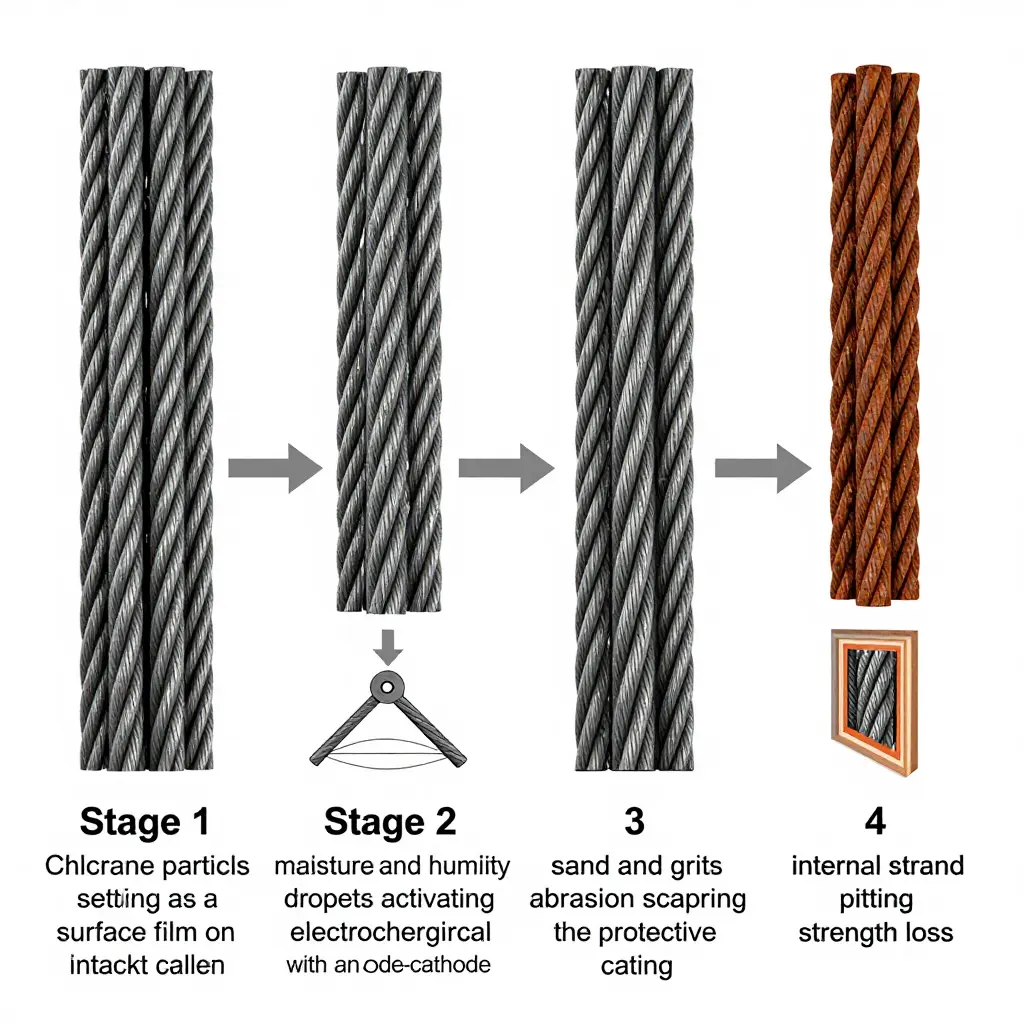
The ocean keeps working on your gear long after you leave the sand. Knowing how salt air corrosion develops is what lets you catch wear before a recovery goes wrong.
Step 1: Chloride Deposits
Sea spray carries chloride onto the cable as an invisible film. The particles are small and sticky, and they settle into the gaps between strands that a quick rinse never reaches.
Step 2: Moisture Activates the Cell
Humidity and dew turn that chloride film into an electrolyte. A thin layer of moisture is enough to start an electrochemical reaction: the steel becomes both anode and cathode, and metal dissolves at the anodes faster than it would at a bare inland site. This is why coastal corrosion keeps going even when the cable feels dry.
Step 3: Sand and Grit Breach the Coating
Sand dragged into the drum scours the galvanized or polymer coating. Each scratch exposes bare metal, which feeds the corrosion cell and hides the damage under grit.
Step 4: From Surface Film to Internal Pitting
Corrosion works inward, pitting individual strands while the outer wrap still looks fine. The cable loses strength quietly until a strand snaps under load. On synthetic winch rope hardware, the line itself may survive while the shackles, thimbles, and hooks rust and seize.
Inspection First, Load Second
Make winch cable inspection a pre-recovery habit: gloved hands along the line, feeling for roughness, broken wires, and stiff spots. For broader towing guidance, see this towing resource. A corroded cable is not a spare you keep running. Replace it before it fails.
Matching Your Winch Cable to Coastal Corrosion Risk
Salt air does not treat every winch line the same. Chloride-heavy mist off the Atlantic corrodes steel far faster than inland humidity, and each cable type fails in its own way once corrosion sets in. Use the table below to match your line to its coastal risk, then set your winch cable inspection schedule. If you run recoveries on the sand regularly, our Jacksonville Beach recovery specialists see these failures every week.
| Cable Type | Corrosion Susceptibility in Salt Air | Common Failure Mode | Inspection Frequency on Coastal Vehicles |
|---|---|---|---|
| Galvanized steel winch cable | Moderate to high – the zinc coating sacrifices itself first, then rusts through once it is scratched or worn | Internal strand rust, broken wires “meat-hooked” outward, sudden snap under load | Before and after every beach outing; full teardown check monthly |
| Stainless steel winch cable | Low to moderate – 316 resists chloride pitting well, while 304 pits more easily; both stay vulnerable near welds and terminations | Crevice corrosion at fittings, stress cracking, hidden strand fatigue | Every 4-6 weeks; always after saltwater immersion |
| Synthetic winch rope with metal hardware | Low on the rope / high on the hardware – the thimble, hook, and drum bolts are the weak links | Rusted or seized hook and thimble, UV-degraded rope, chafed sheath exposing core | Rope every trip; inspect and grease metal hardware monthly |
The Takeaway
Synthetic winch rope with metal hardware needs the closest watch at Jacksonville Beach. Its steel thimble and hook corrode fast even while the rope itself stays sound.
Step-by-Step Winch Cable Inspection After Salt Air Exposure
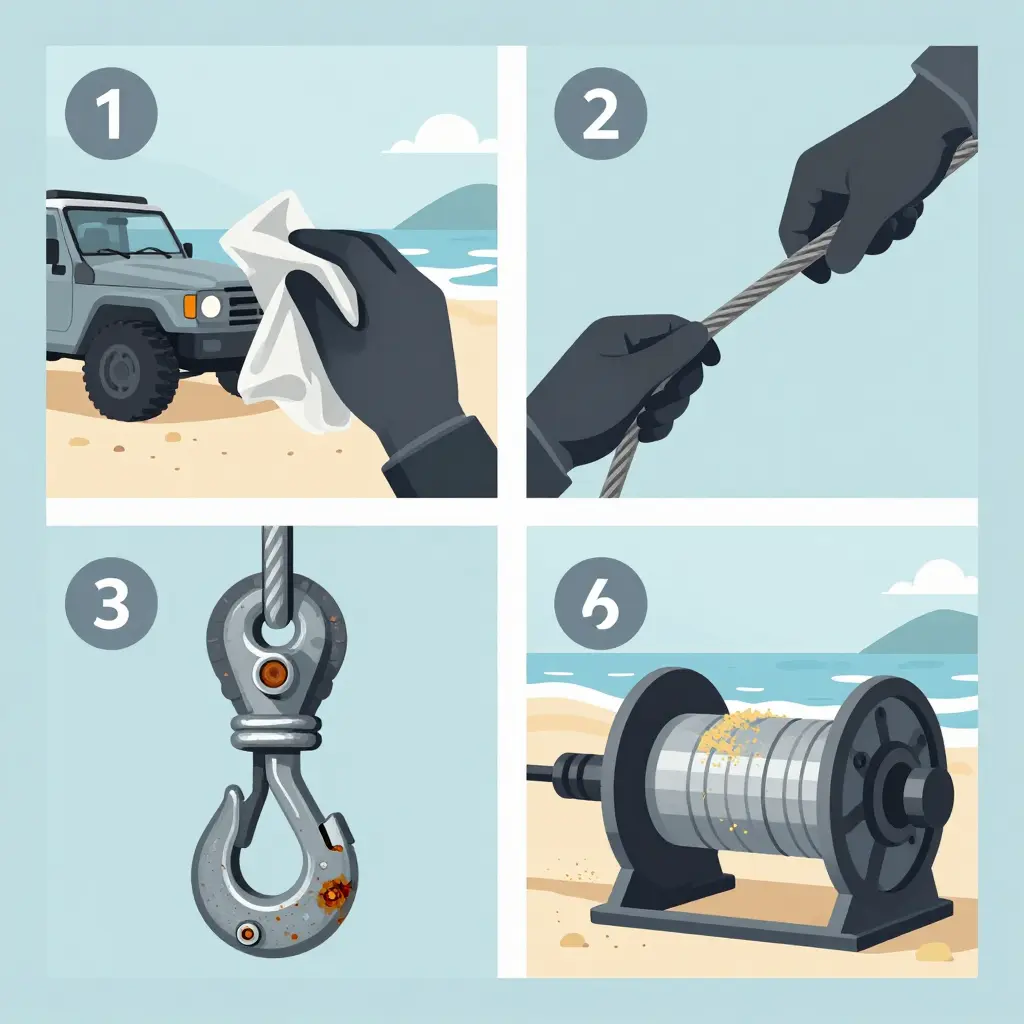
One recovery near Jacksonville is enough to drive salt air and fine sand into every fiber and wire of the winch. Corrosion does not stay on the surface. That is why a hands-on winch cable inspection before you pull matters. Here is the sequence.
Step 1: Safety first, always
Park on level ground, chock the wheels, and set the brake. Never inspect a cable under tension. A loaded line stores a lot of energy and can whip or snap without warning. Spool out at least ten feet of slack before you touch anything.
Step 2: Clean before you look
Wipe the cable with a dry rag to strip away the salt residue and grit that hide damage. Clean metal is the only way to see what you are dealing with.
Step 3: Run it through gloved hands
Wearing thick gloves, slide your hand along the cable away from the drum and feel for broken wires, kinks, and flat spots. A flat spot usually marks a crushed or overloaded section that can fail under load.
Step 4: Hunt for internal red powder
On steel cable, reddish powder between the strands means salt air corrosion is eating the wire from the inside. If you find it, replace the cable. The strength it has already lost is strength you cannot see.
Step 5: Inspect the hardware
Check the eye, thimble, hook, and shackles for pitting, cracks, and rust. A pit on a hook or shackle is a stress riser, and that is where a failure begins.
Step 6: Check the drum for trapped sand
Pop the cover and look at the drum. Beach sand packs into the spool, and every pull wears the cable from the underside. Clean it out before it grinds the line down.
Step 7: Synthetic rope needs its own eye
With synthetic line, unspool it and look for grit embedded in the fibers, which cuts them from the inside. Then check for UV damage: rope that is faded, brittle, or chalking has lost strength and needs replacing.
Step 8: Know when to call for help
If any part of the line or hardware looks questionable, do not bet on it at the waterline. Our team handling coastal towing and recovery in Jacksonville can take care of it safely.
The check takes a few minutes. Clean the cable, feel along it, and swap it out when anything looks wrong.
Reading the Cable: How Salt-Air Corrosion Moves Through a Strand Bundle
A winch cable rarely fails without warning. The problem is that the warning happens inside the bundle, and most beach drivers only glance at the outside of the line. The diagram below shows four stages you can learn to recognize before you ever spool out for a recovery.
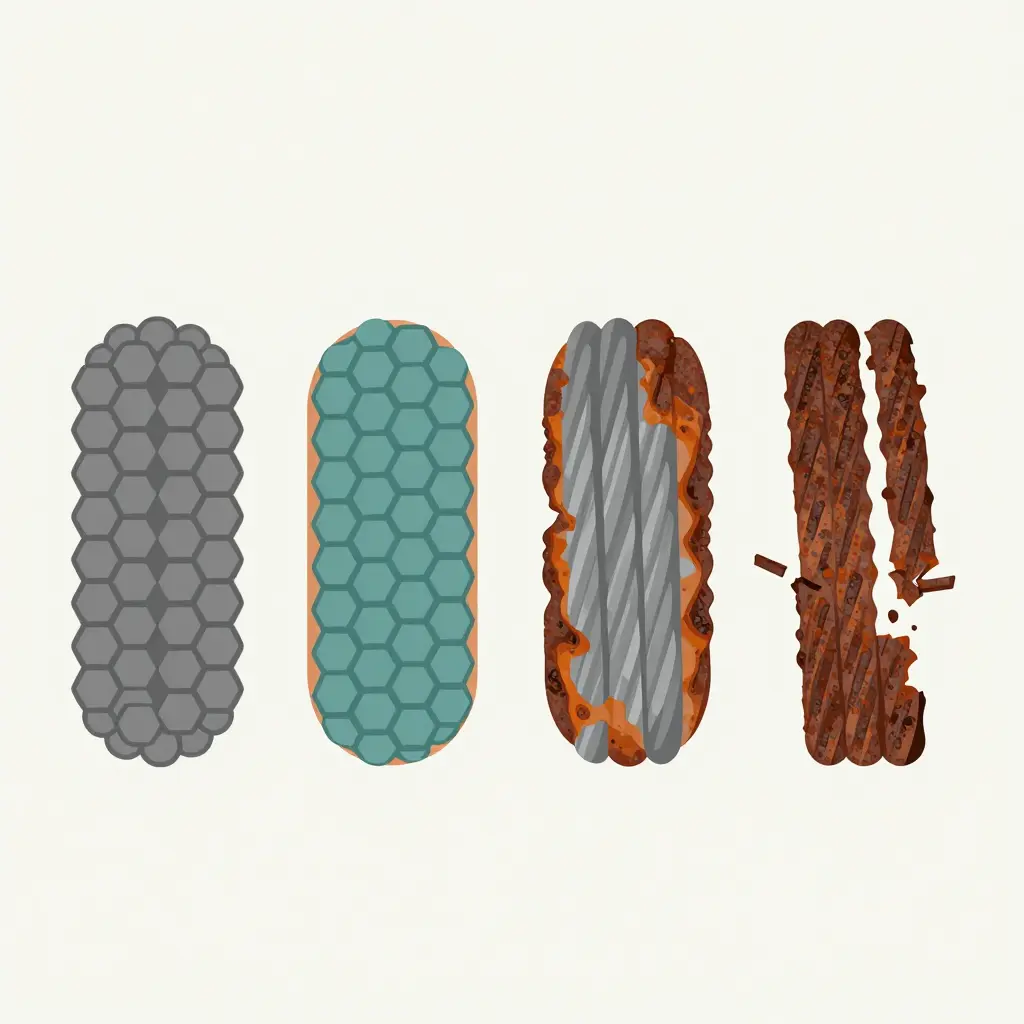
Read the stages left to right:
- Stage 1 – Clean bundle: the strands sit tight and uniform, with no visible gaps and no discoloration.
- Stage 2 – Surface film: a thin rust-colored film forms around the outer strands. Salt deposits chloride and moisture here first, so the surface goes before the core does.
- Stage 3 – Pitting: the outer strands develop rough notches and eaten edges. Each pit is a stress riser: that spot carries less load than its neighbors.
- Stage 4 – Internal failure: strands begin to break and gaps open between them. The cable loses the shared load path that made it strong, and a stuck truck plus a weak line becomes a real hazard.
Once you know the sequence, the check is simple: run a gloved hand along the line, watch for the orange film, and treat any pitting as a reason to retire the cable rather than baby it. Salt air does not let up, and the bundle shows the damage before the driver does. If corrosion has already taken a cable mid-recovery on the sand, a trusted Jacksonville towing team can get you and the rig off the beach while you arrange a replacement line.
Why Jacksonville Beach Conditions Accelerate Cable Wear
Winch cable rarely fails from a single event. At Jacksonville Beach, it fails because the environment keeps at it, trip after trip. Knowing what drives that wear is the difference between a cable that lasts a season and one that leaves you stuck mid-pull.
Salt Spray and Airborne Chloride
Onshore winds carry a steady aerosol of chloride onto anything parked near the dunes. It attacks the zinc coating on galvanized wire and the strands inside a wire rope, producing the pits that later become stress risers. Chloride speeds the electrochemical reaction well beyond what dry inland air allows, and bare steel here can flash-rust overnight.
High Humidity and Wet-Dry Cycling
Coastal humidity keeps cable surfaces above the level at which corrosion stays active, and the trip from the surf to a warm garage makes it worse. A wet spool dries slowly and unevenly, pushing moisture between the strands. Each wet-dry cycle leaves another layer of salt and oxide, so the wire inside decays while the outside still looks usable.
Abrasive Quartz Sand
Jacksonville Beach sand is mostly quartz: hard, angular, and abrasive. Dragged into the drum or through a fairlead, it works like grinding compound, scuffing off the protective coating and opening crevices where salt water collects. Together, abrasion and corrosion take metal off far faster than either one alone.
Saltwater Immersion During Recovery
Any beach recovery that ends with the cable in the surf gives it a concentrated salt bath. Water wicks into the core, and unless you flush, dry, and re-lubricate the cable right away, hidden oxidation starts within hours.
What This Means for Strength and Inspection
- Expect strength loss sooner than inland maintenance intervals would suggest.
- Shorten inspection cycles and check for broken wires, flattening, and rust bloom at the drum end.
- Grit and corrosion collect around the thimble and hook; inspect and lubricate those areas on their own.
- Replace any cable showing deep pitting, kinks, or internal rust, since the outer jacket can hide core damage.
When a cable lets go on the sand, Jacksonville Beach towing and recovery services work in these conditions every day. Treat salt exposure as routine maintenance rather than an emergency, and the rigging stays predictable when it counts.
Pre-Recovery Checklist Before You Winch on Sand
Sand recovery punishes shortcuts. Walk through these steps in order before you spool out an inch of cable. Every one of them exists because something fails when it is skipped.
- Inspect the whole cable. Run a gloved hand along the full length and watch for pitting, rust bloom, flattened spots, and broken or frayed wires. On coastal rigs, salt air reaches the inner wires first, so look closely near the drum where moisture sits.
- Confirm the winch’s rated capacity against your load estimate. A stuck 4×4 buried to the axles can pull far more than its curb weight once suction and slope are added. If your cable’s safe working load is below the estimated pull, stop and rethink the rigging.
- Choose solid anchor points and verify them. A buried spare, a proper ground anchor, or another vehicle’s rated recovery point will hold. A bumper tab, a trailer ball, or a rusted bracket will not.
- Check gloves and the dampener before you tension anything. Thick leather or recovery gloves protect your hands, and a weighted dampener over the cable absorbs energy if the line snaps. Never handle a loaded cable barehanded.
- Inspect the drum and fairlead for sand and grit. Grit packed into the drum or a roller fairlead grinds the cable and causes uneven spooling. Flush it clean, and confirm the fairlead rollers turn.
- Confirm the battery, connections, and rigging. A weak battery stalls mid-pull and leaves you worse off. Check the terminals, solenoid leads, and hook, and make sure the shackles are rated and correctly pinned.
- Plan the pull direction and clear the path. Decide where the vehicle will travel, keep the line as straight as possible, and avoid side-loading the winch. Angle the pull so the stuck tires climb instead of digging deeper.
- Set an exclusion zone and brief everyone. Mark a radius wider than the cable plus the rigging, keep bystanders and pets behind it, and make sure no one stands in line with the pull. Agree on hand signals before the motor starts.
If you would rather not risk a buried axle alone, professional beach recovery support in Jacksonville is a phone call away. Work the list and you will likely leave the beach on your own wheels.
Retire or Replace: Safe Operating Limits for Corroded Cable
On the beach, salt air corrosion never stops. It works into every strand and fitting on the drum, turning sound steel into a cable that looks fine until it snaps under load. Knowing when to cut a winch line loose is the difference between a controlled recovery and a flying cable that can kill someone standing in the wrong place.
Signs That Mandate Immediate Retirement
If you find any of the following, the cable is done:
- Broken wires in the outer strands – a few broken wires in one lay mean the rope is losing capacity, and a broken strand is worse.
- Severe pitting – deep corrosion craters reduce the wire’s diameter and create stress risers where fractures start.
- Kinks, birdcaging, or crushed sections – any deformation you cannot work out by hand has permanently damaged the strand structure.
- Reduced diameter – measure it. A cable that has shrunk noticeably from its original gauge has already lost load capacity.
- Corroded or cracked fittings – swaged ends, thimbles, and hooks fail from the inside, and rust at the termination is a warning.
| Defect Found | What It Means | Action |
|---|---|---|
| 3+ broken outer wires in one lay | Core strand failure underway | Retire now |
| Deep pitting / heavy rust scale | Cross-section reduced | Retire now |
| Kink, crush, or birdcage | Permanently deformed strands | Retire now |
| Measured diameter below spec | Lost breaking strength | Retire now |
| Rusted swage or cracked hook | Hidden internal failure | Retire now |
Why Derating Is Not a Fix
Some operators try to “derate” a corroded cable by pulling less. It sounds reasonable, but it treats surface appearance as real capacity. Winch cable wear from salt corrosion is rarely even: one section may be pitted while the rest looks clean, so the drop in safe working load cannot be calculated from the outside. You cannot judge the strength you have left by eye. A visibly corroded cable has an unknown working limit, and unknown limits are how people get hurt.
The Real Cost of a Failed Recovery
A cable that parts under tension becomes a whip. It can shatter glass, punch through body panels, and seriously injure anyone nearby. Against that, the price of a new line is small. When the conditions beat you – deep sand, rising tide, a stuck vehicle at dusk – call professionals who carry rated gear and rebuilt lines instead of gambling on a tired one. Reliable roadside and recovery resources exist for exactly these situations, and using them costs less than the consequences of a snap. Inspect before every pull, and retire a corroded cable instead of asking it to do a clean cable’s job.
The Pre-Recovery Decision at a Glance
Before you spool cable onto a drum, run the same three questions every time. The flowchart below maps the sequence: start, inspect the cable, decide whether corrosion or damage is present, then branch toward the recovery or toward replacing the cable first. Treat it as a companion to the checklist and operating-limit sections above.
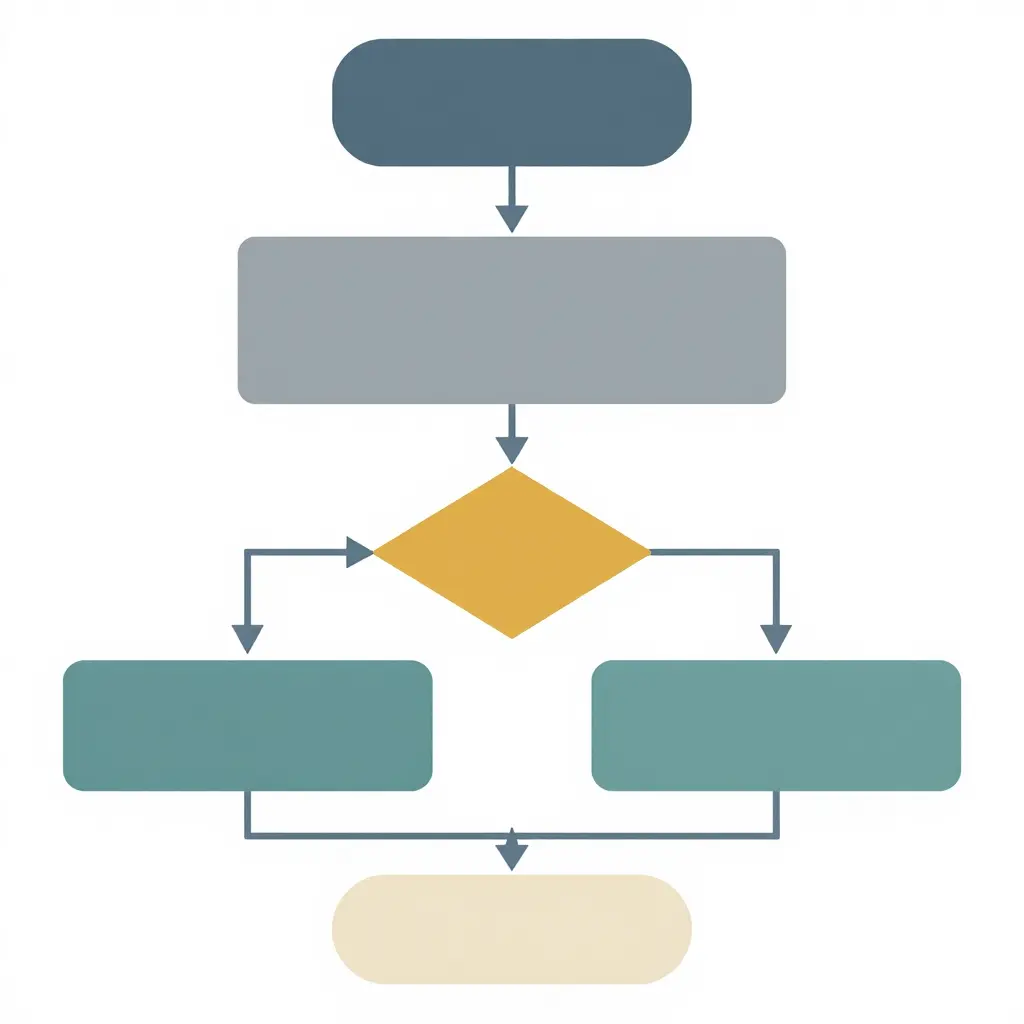
Start, inspect, decide, then act. The path is the same whether you are surf fishing off the sand or staging a full recovery.
If the inspection turns up damage you cannot work around, or you are not sure the cable will hold under load, stop and call for help rather than gamble on a stressed line. Coastal drivers around the Beaches can line up professional assistance through Mike’s Towing Jacksonville when a likely cable failure makes a self-recovery too risky to attempt.
Frequently Asked Questions
How often should I inspect the winch cable on a coastal vehicle?
Do a quick visual check before and after every beach session, and a full winch cable inspection at least once a month if you drive in salt air. Coastal exposure accelerates corrosion, so monthly is a minimum, not a target. After heavy surf or rain, inspect within 24 hours. Look for broken wires, flat spots, kinks, and discoloration along the full length.
Does synthetic winch rope corrode in salt air?
Synthetic rope does not rust the way steel does, so salt air corrosion will not eat through it. Sand and salt crystals do grind against the fibers, though, and sunlight breaks them down. Rinse the rope with fresh water, let it dry fully, and check for fraying, glazing, or stiffness. Replace it if the core or outer sheath shows damage.
How do I remove sand and salt from my cable after beach use?
Rinse the cable with low-pressure fresh water, working it through a bucket of clean water to lift out grit. Use a soft brush on the sand embedded in the strands, then towel-dry and allow it to air-dry fully before spooling. Never wind a wet, sandy cable back onto the drum, since trapped moisture and grit become a corrosion trap.
A little surface rust appeared. Is the cable still unsafe?
Light surface rust alone does not mean the cable has failed, but it is an early sign of salt air corrosion. Clean it with a wire brush, apply a light coat of cable lubricant, and re-inspect the whole line. If you find pitting, deep corrosion, or more than a few broken wires, retire the cable rather than risk a mid-recovery failure.
How long does galvanized steel cable last in salt air?
There is no fixed lifespan. In coastal conditions, unmaintained galvanized cable can degrade within months, while properly rinsed and lubricated cable may last several years. Heat, moisture, and repeated sand exposure shorten service life. The only reliable guide is inspection, not the calendar.
I found corrosion mid-recovery. What should I do?
Stop the pull. Reduce tension, secure the vehicle with a secondary anchor, and keep everyone out of the line of a loaded cable. Do not keep pulling hard on a compromised line. If you cannot rerig safely with a backup strap, call for professional help. For coastal drivers around Jacksonville Beach, our local towing team can recover the vehicle safely.
Key Takeaways for Coastal Recovery
Salt air corrosion at Jacksonville Beach is a slow process, not a single event. Every trip onto damp sand, every salt-laden breeze, and every grain of abrasive grit works on the cable from the outside in. The wire gives no signal when it crosses from “worn” to “unsafe.” The only protection a driver really has is inspecting before every recovery.
The essentials:
- Inspection cadence: full hands-on inspection before every recovery, plus a quick visual check after each use and a deeper examination at the end of every coastal trip.
- Warning signs: flattened strands, broken wires near the drum, rust staining, kinks, bird-caging, and dark discoloration that signals internal corrosion.
- Retirement criteria: any frayed spot, three or more broken wires in one lay, or heavy corrosion on a primary load-bearing strand means the cable comes off the drum, no exceptions.
Treat winch cable inspection as routine maintenance, not an emergency decision. Hold it to the same standard you use for tire pressure or fluid levels, and it stops being a guess.
When a recovery exceeds what you can safely handle on the sand, step back and bring in professional support. You can find nearby towing support before the situation escalates.
Inspect often, retire early, and never trust a cable you have not looked at yourself.