
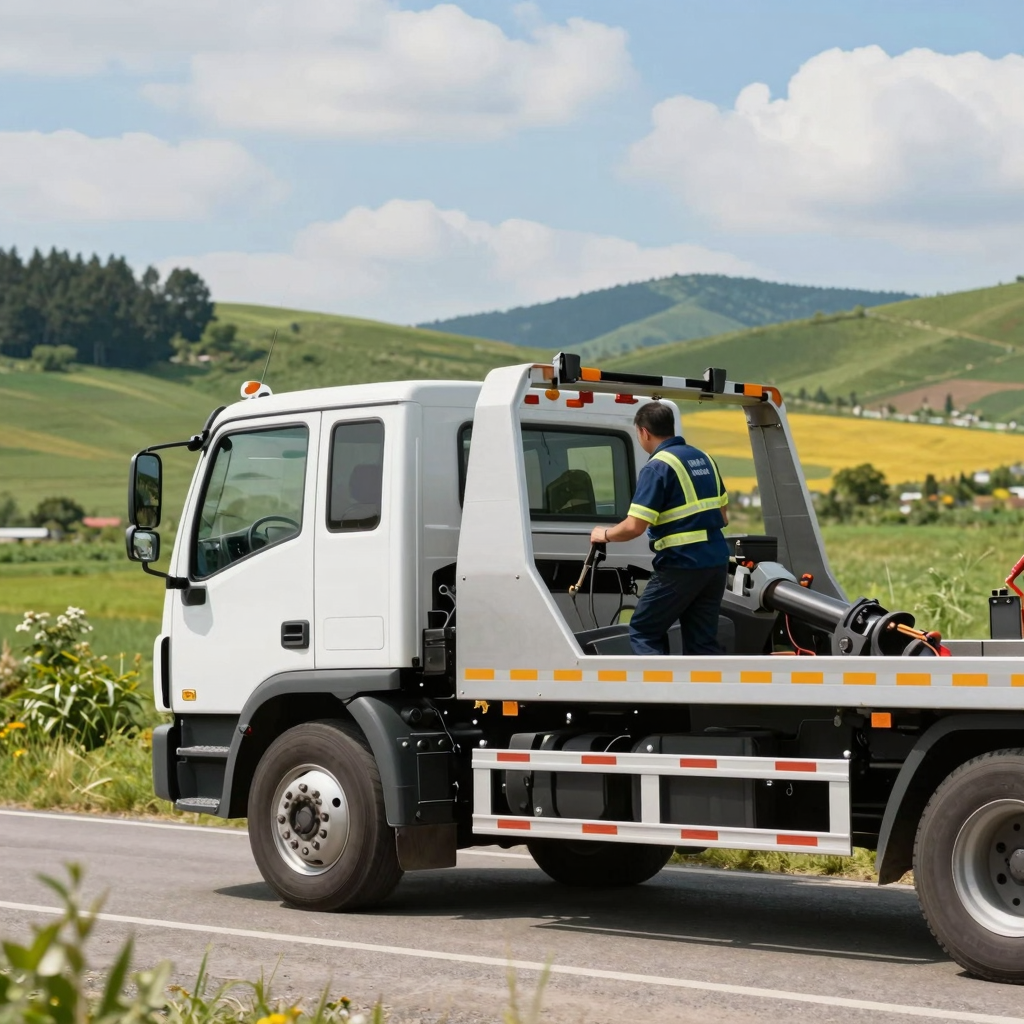
The Importance of Obtaining a Tow Truck License for Business Owners
In today’s fast-paced world, owning a towing business can be both a rewarding and challenging endeavor. With increasing numbers of vehicles on the road and the constant need for roadside assistance, having a reliable tow truck service is essential. However, to operate legally and ensure your business thrives, it is crucial to obtain a tow truck license. This license not only represents your compliance with local regulations but also enhances your credibility and ensures the safety of your operations.
A tow truck license is more than just a piece of paper; it’s a vital component of your business license requirements that protects you and your clients. By acquiring this license, you demonstrate your commitment to professionalism, which can lead to more clients and higher revenue. Additionally, navigating the myriad of business license requirements can be daunting, but understanding and fulfilling these obligations will help you avoid potential legal complications down the line. Business owners who overlook these essential steps may find themselves facing fines or even shutdowns due to non-compliance.
Moreover, having a licensed towing operation allows you to partner with larger companies in need of reliable tow truck services. This can open new doors to lucrative contracts and collaboration opportunities. As the demand for effective tow truck services continues to rise, getting your tow truck license becomes not just an obligation but a strategic advantage. For those eager to succeed in the towing industry, taking the right steps, such as obtaining a tow truck license, is the foundation for a thriving business.
To learn about how Mikes1 Towing can assist with roadside emergencies or to become part of our towing network, check out our roadside service or get to know our towing services in Houston.
Essential Requirements for Obtaining a Tow Truck License
To operate a tow truck legally, there are several essential requirements that must be met. Whether you are a business owner looking to start a towing service or an individual seeking a tow truck license, understanding these requirements is crucial. Here’s a list of the key criteria:
- Minimum Age: Applicants must typically be at least 18 years old. Some states may allow drivers aged 21 and above to drive larger vehicles.
- Valid Driver’s License: A valid, unrestricted driver’s license is mandatory. Some jurisdictions may require a Commercial Driver’s License (CDL), especially for heavy-duty tow trucks.
- Driving Experience: A minimum amount of driving experience may be required, often ranging from 1 to 2 years, which may include experience with larger vehicles.
- Background Check: Many states require applicants to undergo a background check that may include criminal history and driving records to ensure safety and reliability.
- Insurance Coverage: Towing businesses must carry liability insurance, and drivers may also need to provide proof of commercial auto insurance.
- Training and Certification: Completing a training program or certification course related to towing operations may be necessary.
- Fees and License Application: Applicants usually need to submit an application form along with fees that may vary by state or locality.
Understanding and meeting these requirements is essential for the successful application of a tow truck license. For more specific regulations and procedures based on your location, you can refer to the American Trucking Associations’ guide or check your local rules.
Benefits of Towing Services for Business Owners
Having a tow truck service can be a significant advantage for business owners, particularly those operating in industries that rely on the mobility of vehicles. A tow truck license enables businesses to efficiently manage their transportation needs while ensuring customer safety and asset protection. Here are some key benefits:
1. Enhanced Customer Safety
One of the primary advantages of using a professional towing service is the enhancement of customer safety. According to the American Automobile Association (AAA), towing services ensure that disabled vehicles are swiftly removed from traffic, which minimizes the risk of secondary accidents. This proactive approach helps safeguard not only the drivers of the disabled vehicles but also other motorists on the road. A certified towing provider significantly reduces the likelihood of vehicle-related incidents, making it a smart investment for any business reliant on a fleet of vehicles.
2. Asset Protection
In addition to ensuring customer safety, towing services are crucial for asset protection. When your vehicles break down, the longer they remain on the road, the more vulnerable they are to theft, vandalism, or further mechanical damage. The National Highway Traffic Safety Administration (NHTSA) highlights that businesses with formal towing agreements can experience a remarkable 25% improvement in fleet uptime. This increased uptime translates directly to higher productivity and less downtime-related costs, making towing services integral to the operational efficiency of a business.
3. Improved Recovery Times
Using a professional tow truck service can also dramatically enhance recovery times after a breakdown. Businesses with a reliable towing partner report recovering from roadside emergencies up to 60% faster. This increased speed not only heightens customer satisfaction but also minimizes the financial losses associated with prolonged vehicle repairs or replacements.
4. Reduced Insurance Claims
Owning a tow truck license and partnering with dependable towing services can lead to fewer insurance claims. According to data, companies that effectively manage their vehicle recovery process are likely to see a 40% reduction in recovery time. Reduced claims can lower insurance premiums and increase overall profitability.
In conclusion, investing in a tow truck service not only benefits business owners by enhancing customer safety but also plays a crucial role in protecting assets and improving operational efficiency. Investing in professional towing services is thus a pivotal step toward maintaining a successful and responsible business operation.
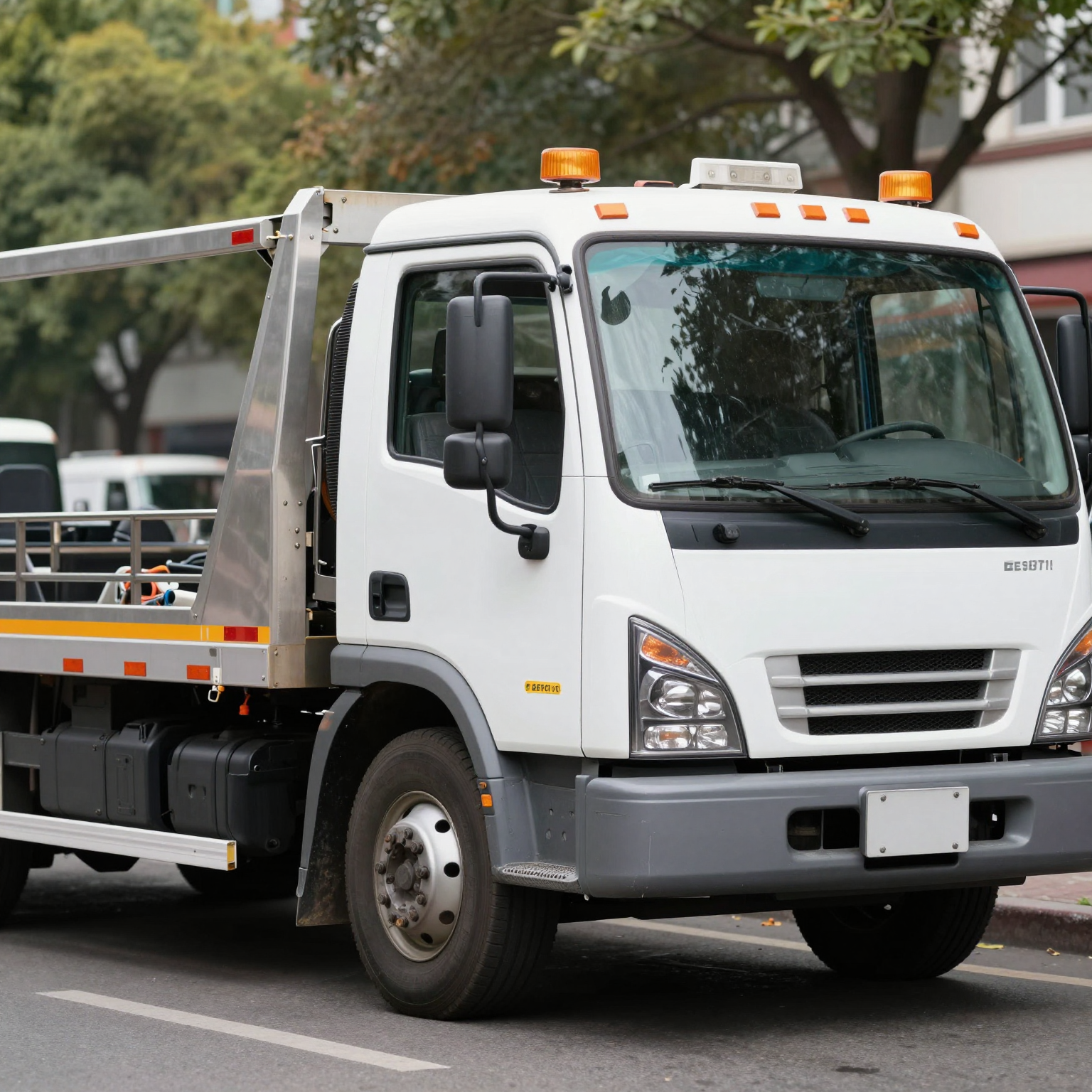
How to Obtain a Tow Truck License: A Step-by-Step Guide
If you’re a business owner looking to operate a tow truck, obtaining a tow truck license is essential. This guide outlines clear steps to help you navigate the process efficiently. From application processes to training requirements and estimated costs, let’s walk through the necessary steps.
1. Obtain a Commercial Driver’s License (CDL)
A Commercial Driver’s License is mandatory to operate any commercial vehicle, including tow trucks.
- Requirements:
- Must possess a valid non-CDL driver’s license.
- Minimum age of 18 years (21 for interstate driving).
- Pass written exams that cover traffic laws, vehicle inspection, and safe driving practices.
- Cost:
- Typically ranges from $100 to $150 for testing and license fees.
Learn more about CDL requirements.
2. Determine Appropriate CDL Class and Endorsements
Identifying the correct CDL class is crucial based on the weight and type of the tow truck.
- Notes on Classes:
- Class B: For vehicles over 26,000 lbs, typically used for large tow trucks.
- Class C: For vehicles under 26,000 lbs designed to transport hazardous materials.
- Add necessary endorsements (like “T” for towing with a trailer).
- Cost Impact:
- Additional costs can arise if endorsements are necessary (typically $20 to $50).
Explore CDL classes.
3. Complete State-Specific Training Program
Most states require completion of a state-approved training program for tow truck operators.
- Program Specifics:
- Covers towing techniques, safety procedures, emergency response, and vehicle recovery.
- Usually consists of 40-80 hours of instruction, including hands-on practice.
- Cost:
- Training fees can vary between states, typically between $1,000 and $3,000.
Check with your State’s DMV.
4. Pass State-Specific Towing Skills Test
Once trained, you need to demonstrate proficiency in towing operations.
- Test Details:
- Conducted at state testing facilities with both practical maneuvers and theoretical assessments.
- Requires use of your specific tow truck model.
- Cost:
- Testing costs may add up to another $50 to $100.
Find testing requirements on your State DMV Website.
5. Apply for Tow Truck Operator Certification
After passing the skills test, you can apply for the certification specific to your state.
- Application Needs:
- Submission of an application form and associated fees.
- Proof of completion of training and passing test scores.
- Cost:
- Fees depend on the state but typically range from $50 to $200.
Discover your State’s application process.
6. Undergo Background Check (if required)
In some cases, states may conduct background checks as part of the certification process.
- Check Details:
- Includes criminal history and driving record evaluation.
- Impact:
- This may be mandatory for operators working with public agencies.
More on background check guidelines.
7. Receive Final Certification and License
Upon successful completion of all steps, you will receive your official tow truck operator license.
- Final Notes:
- Typically valid for 1-5 years depending on state regulations.
- May require renewal periods including continuing education or retesting.
Learn about renewal processes.
Cost Overview
While costs vary by state, here’s a summary of anticipated expenses for obtaining a tow truck license:
| License/Training Element | Estimated Cost Range |
|---|---|
| CDL Testing and Licensing | $100 – $150 |
| Class/Endorsements (if applicable) | $20 – $50 |
| State-Specific Training | $1,000 – $3,000 |
| Skills Test | $50 – $100 |
| Certification Application | $50 – $200 |
| Total Estimated Costs | $1,220 – $3,600 |
Obtaining a tow truck license is a comprehensive process, but following these steps ensures you’re on the right track to becoming a licensed operator. If you need immediate towing services or want to learn more about operations, check out our services.
For additional resources or ongoing support, visiting a local towing association or the Towing and Recovery Association of America can provide further pathways and guidance.
This guide is designed for business owners keen on entering the towing industry, ensuring you understand all necessary steps for a successful application and operation.
Understanding State-Specific Regulations for Obtaining a Tow Truck License
When it comes to obtaining a tow truck license, regulations can vary significantly from state to state. Business owners looking to enter the towing industry must familiarize themselves with these state-specific requirements to ensure compliance and successful operation. Below is a summary of key regulations across various states.
General Requirements
Most states require applicants to meet the following general criteria:
- Minimum age of 18 (most states)
- Valid driver’s license (often a commercial driver’s license or CDL)
- Possible background checks and training requirements
Summary of Tow Truck Licensing Across States
Here is a table summarizing key licensing requirements:
| State | Minimum Age | Driver’s License Type Required | Additional Requirements |
|---|---|---|---|
| California | 18 years | Class B or C Commercial Driver’s License | Must have a Tow Truck Driver license from the DMV; may require background checks and training |
| New York | 21 years | Class B CDL | Must obtain a Tow Truck Operator License from the NYC DCA; includes background checks and fingerprinting |
| Texas | 18 years | Class A or B CDL | Must pass written and skills tests; some cities require local permits; background checks may be needed |
| Florida | 18 years | Class B CDL | Must register with DHSMV; background check and proof of insurance required |
| Illinois | 18 years | Class B CDL | Must have a tow truck operator permit; background check and drug testing required |
| Georgia | 18 years | Class B CDL | Must pass state-specific exam; background check and liability insurance needed |
| Pennsylvania | 18 years | Class B CDL | Must register with PennDOT; background check and vehicle inspection required |
| Ohio | 18 years | Class B CDL | Must complete a state-approved tow truck driver training program; background check required |
| Michigan | 18 years | Class B CDL | Must obtain a Tow Truck Operator License from LARA; background check required |
| Washington | 18 years | Class B CDL | Must pass a state-administered tow truck driver exam; background check and proof of insurance required |
Note: All states require a valid commercial driver’s license (CDL) for operating a tow truck. Specific requirements such as background checks, training, registration, and insurance are common across jurisdictions but vary in detail.
Key Differences and Similarities
- Age Requirements: Most states set the minimum age at 18, but New York increases it to 21.
- Class of License: A commercial driver’s license (CDL) is generally required across the board, though specific classes (like Class A or B) may differ by state.
- Additional Testing: A few states require passing both written and practical exams, while others may only require the basic CDL.
Licensing Authorities
Each state has a Department of Motor Vehicles (DMV) or equivalent agency that governs the licensing process. It’s vital for applicants to consult their state’s DMV or appropriate regulatory agency for the latest and most detailed information regarding the specific licensing process in their area.
For detailed assistance, visit Mike’s Roadside Service for more information on towing regulations and services.
Conclusion
Acquiring a tow truck license involves navigating a complex landscape of state regulations. Understanding these nuances can aid aspiring business owners in successfully meeting the necessary requirements for operation. Be proactive and stay informed by checking with state authorities for any changes to these regulations.

Sources:
- NTA – Tow Truck Licensing Requirements
- Indeed – How to Become a Tow Truck Driver
- Local State Departments of Motor Vehicles (DMVs)
Tow Truck Licensing Requirements by State
Here is a comparison table of licensing requirements for tow trucks in various U.S. states, including license costs, necessary training, and additional fees.
| State | License Cost | Necessary Training | Additional Fees |
|---|---|---|---|
| Texas | $100 | No specific training required | $50 for background check |
| California | $200 | Requires a driver safety course | $75 annual insurance |
| Florida | $150 | 4-hour training course | Registration fees up to $100 |
| New York | $300 | 8-hour safety and ethics course | $150 for vehicle inspection |
| Pennsylvania | $200 | No specific training required | Liability insurance certificate required |
For specific guidance and updates on these requirements, visit the National Association of Registered Tow Truck Operators or refer to state transportation department websites to ensure compliance.
The Importance of Proper Training for Tow Truck Operators
Tow truck service training is essential for ensuring that operators are well-equipped to handle the unique challenges of their job. From safety training to customer service skills, proper training can significantly impact both operator performance and customer satisfaction.
Safety Training
Safety is a top priority in the towing industry. Proper training for tow truck operators can reduce the likelihood of accidents and injuries on the road. According to a report by the National Highway Traffic Safety Administration (NHTSA), trained operators are up to 40% less likely to be involved in secondary crashes at accident scenes. This reduction is crucial given the high-risk nature of towing operations, where the potential for accidents is significantly heightened by the presence of damaged vehicles and the unpredictable behavior of other road users.
Key components of safety training include:
- Defensive driving techniques: Operators learn how to anticipate potential dangers and react appropriately.
- Hazardous materials handling: Training programs must equip operators with knowledge on safe management of potential hazards they may encounter on the job.
- Equipment operation: They need to master the safe operation of tow trucks and associated equipment to minimize on-the-job risks.
Customer Service Skills
In addition to safety, customer service is a vital skill for tow truck operators. Operators are often the first point of contact for stranded drivers, making their ability to effectively communicate and handle stressful situations essential. Training in customer service covers aspects such as:
- Professional communication: This helps to ensure that operators can convey critical information to clients clearly and calmly.
- Conflict resolution: Operators may find themselves in challenging interactions with distressed or frustrated customers, requiring effective conflict resolution strategies.
- Empathy and professionalism: Understanding the emotional state of customers can greatly improve their experience, turning a negative situation into a positive interaction.
Building a Positive Reputation
By investing in comprehensive training programs, towing companies can enhance their overall reputation. Operators who excel in both safety and customer service contribute to higher customer satisfaction and foster trust in the community. According to the AAA, companies that implement structured training programs see a 55% decrease in vehicle-related incidents over time, helping to solidify their standing in the industry.
Conclusion
For business owners in the towing industry, prioritizing tow truck service training for their operators is not only a regulatory requirement but also a strategic investment in the safety and efficiency of their operations. By equipping operators with necessary skills and knowledge, companies can ensure better service experiences, reduce accidents, and ultimately enhance their brand reputation. To explore more about how you can streamline your operations, visit our towing services page.
“在纽约市,拥有拖车公司执照对于业务所有者至关重要。该执照是合法运营的必要条件,允许企业移动或移除故障、非法停放或遗弃的机动车辆。没有此执照,业务将无法合法开展,可能面临罚款或其他法律后果。”
- NYC.gov
Obtaining a tow truck license is essential for business owners, particularly in ensuring compliance with regulations and maintaining operational legitimacy. It permits businesses to legally tow vehicles and helps establish trust with customers. For more information on towing services in Houston, check out our page on Houston towing.
This license not only upholds professional standards but also safeguards against potential legal issues that could jeopardize a towing business.
Conclusion
Navigating the process of obtaining a tow truck license can seem daunting for business owners keen on providing essential towing services. It’s critical to understand the specific requirements that vary by state, which often include having a valid driver’s license, being of a certain age, completing training, and passing medical exams or background checks. The regulations ensure that tow truck drivers are prepared to handle vehicles safely and competently, reinforcing the importance of a licensed towing service in protecting lives and property.
Additionally, investing in a quality vehicle that meets regulatory standards and ensuring that all operational protocols are followed will position your business for success in the towing industry. As you work through the foundational steps to secure your tow truck license, remember that support is available.
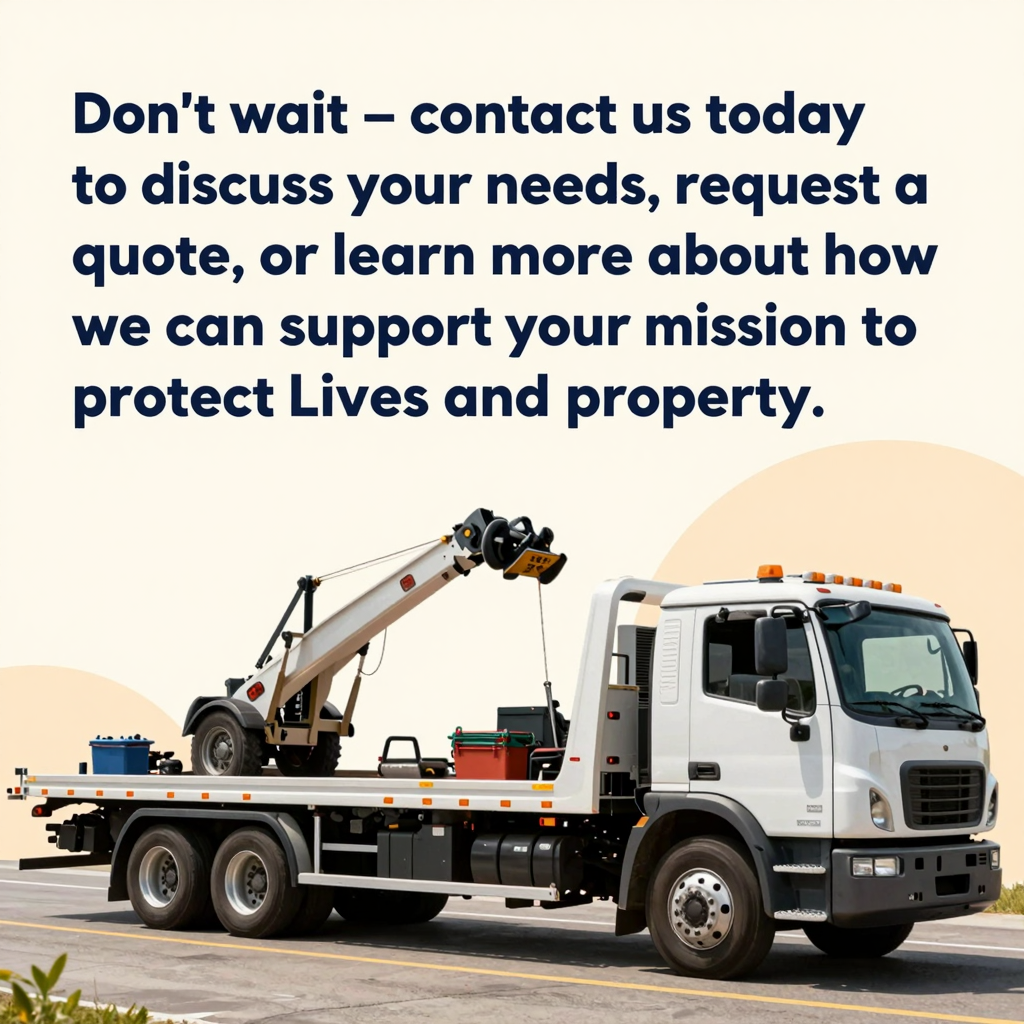
Don’t wait – contact us today to discuss your needs, request a quote, or learn more about how we can support your mission to protect lives and property.
For more detailed information, surprises, or specific questions regarding towing services in your area, feel free to check out our related services: our roadside service offerings and learn more about our towing company.
Getting your tow truck license is just the first step in delivering exceptional service; the support you need is just a call away!