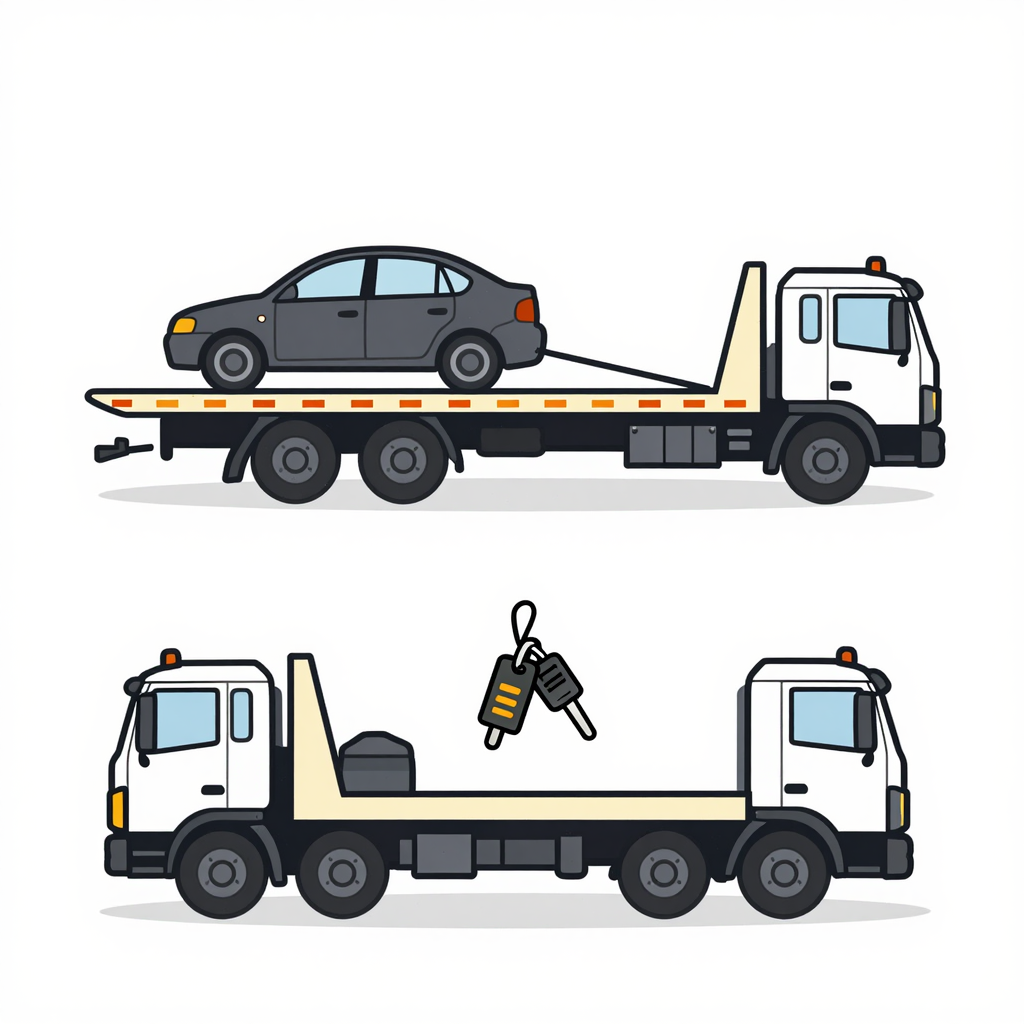
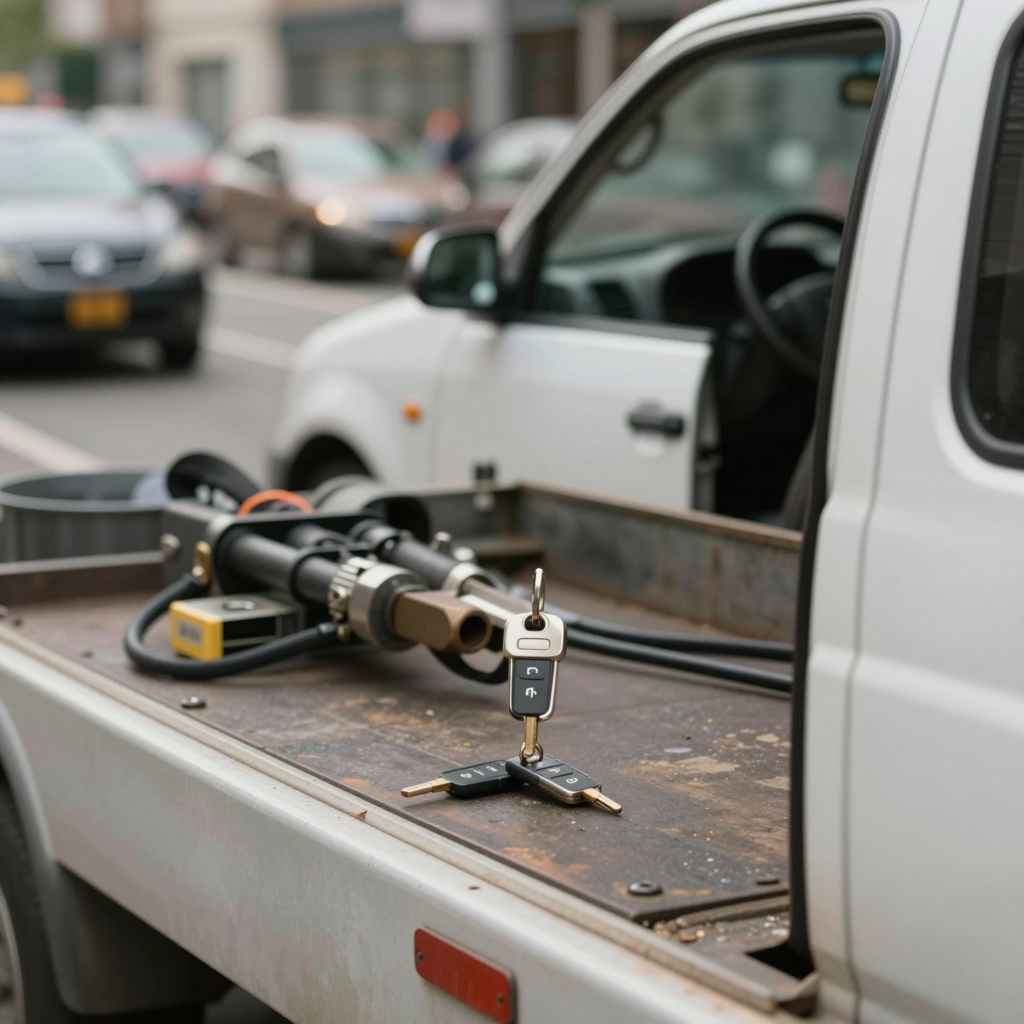
When you think of tow trucks, the first image that might spring to mind is one hauling away a stranded vehicle, but there’s much more nuance behind the operation of these essential services. For business owners, understanding whether tow trucks need keys can play a pivotal role in ensuring a smooth and efficient towing experience. After all, if your fleet of delivery vans or service vehicles breaks down unexpectedly, knowing how keys impact the towing process could save you time, money, and hassle. It raises an interesting question that not every business owner considers: do you need to supply keys to a tow truck driver when your vehicle needs assistance? The answer might surprise you, as it involves various factors ranging from the type of vehicle being towed to the specific towing service being utilized. As we dive deeper into this discussion, we’ll explore the implications of key requirements and the advantages of choosing reliable towing services like Mike’s Towing that understand the intricacies of such situations.
Why Tow Trucks Might Need Keys
Tow trucks often need access to the keys of the vehicles they are towing due to various operational circumstances. Ensuring safety and operational efficiency are paramount in towing services, particularly when it comes to handling vehicles on busy roads or in emergency situations.
Safety Considerations
-
Disengaging the Parking Brake: One significant reason tow operators require vehicle keys is to disengage the parking brake. According to NHTSA guidelines, keeping a vehicle immobilized during transport can lead to mechanical failures. Having a key allows operators to place the vehicle in neutral, which can prevent potential accidents caused by an unexpected movement.
-
Alarms and Security Systems: Many modern vehicles are equipped with alarm systems that may cause distractions during towing. When a tow truck driver has access to the keys, they can turn off alarms, minimizing unexpected noise and allowing the driver to focus fully on the towing operation, thereby improving overall safety.
-
Emergency Access: Being able to access the vehicle inside in case of emergencies is critical. If something goes wrong during towing-like a sudden stop or a rollover-tow operators need to be able to unlock doors or shut down the engine quickly to mitigate risks, enhancing overall safety for themselves and other road users.
Operational Efficiency
-
Streamlined Processes: Tow companies utilizing standardized key-handling procedures reportedly see improvements in their operational efficiency. A recent AAA industry analysis found that requiring keys can reduce the average turnaround time by 25%, allowing businesses to serve more clients efficiently.
-
Prevent Unauthorized Movement: Keys enable operators to secure the vehicle properly, ensuring compliance with manufacturer recommendations. This practice not only prevents unauthorized movement but also significantly reduces the chances of vehicle damage during transit.
-
Innovative Technologies: With advancements in technology, some tow companies now incorporate encrypted digital key systems integrated with GPS tracking. This new technology fosters accountability and further reduces theft risks associated with towing operations, as vehicles can be tracked and secured.
Conclusion
In conclusion, having access to keys when towing vehicles is not merely a procedural requirement but a crucial aspect that significantly enhances both safety and operational efficiency. For business owners in the towing industry, implementing rigorous key management protocols can lead to improved service quality and reduced liability, ultimately sustaining and growing their business success.
Expert Opinion on the Necessity of Keys in Towing
When it comes to the question of whether tow trucks need your keys, it’s important to understand the operational procedures and expertise involved. Many towing experts emphasize that while keys may not be necessary for the towing process itself, they play a crucial role in ensuring a smooth operation.
“While keys aren’t strictly necessary for towing, understanding the vehicle’s position and ensuring it’s in neutral is crucial to prevent damage. Proper procedures must be followed for a safe and effective towing process.”
This opinion reinforces the idea that the key’s presence can enhance the towing experience, allowing for proper checks and safety measures.
For more about how towing services operate, you can learn more about roadside assistance or explore our Houston towing services.
Scenarios Where Keys Are Unnecessary
While it’s common to think that a tow truck needs the vehicle keys to operate, there are several scenarios where keys are not required for a successful tow. Understanding these scenarios is crucial for business owners in the towing industry as they can enhance service efficiency and customer satisfaction.
Situations Where Keys Are Not Needed
Tow trucks can operate without keys in various circumstances, particularly during emergencies:
-
Disabled Vehicles: If a vehicle has broken down and is immobile due to mechanical failure, tow truck operators can utilize prescribed methods to secure and move the vehicle without needing access to the ignition. Techniques can involve engaging the parking brake or using wheel chocks to stabilize the vehicle during the towing process. This is often done using hydraulic lifts or rollback flatbeds.
-
Accidents: In the event of a collision where the vehicle may be damaged or the keys are not accessible, tow operators can safely recover the vehicle using industry-standard procedures that comply with safety regulations. Utilizing specialized tools, operators can bypass ignition locks to tow the vehicle without keys.
-
Abandoned Vehicles: In scenarios where a vehicle is considered abandoned, towing services can remove it legally without the owner’s keys. Similar practices involving secure towing protocols are employed, ensuring that the vehicle is moved without damage.
Implications for Business Owners
Business owners should recognize that these scenarios present opportunities to improve operational efficiency:
-
Operational Flexibility: By training staff on advanced towing techniques, companies can respond to a broader range of situations without delays related to key availability.
-
Enhanced Customer Satisfaction: Being able to tow vehicles without keys allows businesses to serve clients more promptly, particularly in emergencies where time is of the essence, thus fostering customer trust and loyalty.
-
Risk Management: Understanding and implementing these procedures can help reduce liability issues. Licensed professionals trained in towing without keys ensure that operations comply with safety standards and local regulations, minimizing the risk of accidents.
In light of these points, business owners in the towing industry should evaluate their operational protocols and ensure their staff is well-trained to handle towing scenarios where keys are not present. This not only helps in improving service efficiency but also positions the company as a reliable service provider.
For insights on improving your towing operations, learn more about our roadside services and see how we can assist you.
Best Practices for Towing Vehicles
When businesses need to have their vehicles towed, ensuring a smooth process requires careful planning and communication. Below is an ordered list of best practices that should be followed:
-
Assess the Situation: Before contacting a towing company, determine the vehicle’s condition and location. This assessment will aid in providing accurate information to the towing service.
-
Select a Trusted Towing Company: Choose a reputable towing service such as Mike’s Towing with good reviews and experience handling business needs. Ensure they have the necessary equipment and trained personnel.
-
Provide Detailed Information: When calling the towing company, offer as much detail as possible. This includes:
- Exact vehicle location
- Description of the vehicle (make, model, color)
- Nature of the issue (e.g., breakdown, accident)
- Communicate Key Management Clearly: Inform the towing company about the keys. If your keys are necessary for towing, ensure they are:
- Securely Provided: Deliver keys in a tamper-proof key box or agreed-upon location. Avoid leaving keys inside the vehicle unattended.
- Logged and Tracked: Maintain a record of who has access to the keys, and ensure only authorized personnel can provide them.
-
Identify Liability and Insurance: Clarify any concerns regarding liability and ensure that all parties understand the insurance processes in case of damage during towing.
-
Request Confirmation: After booking the tow, ask for a confirmation of details and estimated arrival time. This prevents miscommunication and delays.
-
Stay in Communication: Maintain communication with your towing service throughout the process. This can help in case of any changes or problems.
-
Follow Up: After the vehicle is towed, follow up with the towing company to confirm the vehicle’s safe arrival and take note of any lessons learned for future interactions.
For more about vehicle management and towing services, consider consulting with a local expert or explore more towing services in Houston.
Implementing these best practices will not only aid in effective vehicle towing but also ensure that businesses remain compliant and minimize risks.
Impact of Local Regulations on Tow Truck Operations
Local regulations play a critical role in the operational landscape of tow truck businesses, particularly regarding the handling of vehicle keys during towing operations. Understanding these regulations is paramount for business owners to ensure compliance and avoid potential legal implications.
Key Management Responsibilities
In many jurisdictions, regulations stipulate that tow truck operators must have proper procedures for managing vehicle keys. For instance, local laws often require that vehicle keys be securely stored and only accessible to authorized personnel. Failing to adhere to these laws can lead to significant legal repercussions. According to a guideline from Consumer Reports, improper key management can transform legal engagements from routine operations to significant liability issues.
Legal Implications
When a tow truck company operates without adhering to local regulations, it can face severe consequences. Here are a few points to consider:
- Liability for Vehicle Damage: If a vehicle is damaged during towing due to negligence, the towing company can be held liable for the damages. Local regulations often emphasize the importance of following safe towing practices and maintaining clear records of key management to mitigate claims. This is echoed in research from LegalMatch which warns that towing companies need to exercise reasonable care during operations to avoid liability (read more here).
- Compliance With Liability Regulations: Local jurisdictions may require proof of compliance with towing standards, which can include documentation on how keys are handled. Any deviation from accepted practices can result in fines or loss of operational licenses.
- Insurance Considerations: Insurance companies may refuse coverage for incidents involving improper key management. Therefore, towing businesses should actively educate their crews about local regulations to prevent claims from being denied due to non-compliance.
Best Practices for Compliance
To mitigate risks and enhance operational transparency, tow truck companies should:
- Implement a Key Management System: Establish protocols for the secure handling and storage of vehicle keys. This can include using lockboxes or key management software to track key usage.
- Train Employees: Regularly train employees on local regulations regarding towing practices and key management. This training should be documented to protect the company against potential disputes.
- Maintain Proper Documentation: Keep detailed records of all towing operations, including key management, as this may serve as evidence in the event of a dispute.
In summary, local regulations significantly impact tow truck operations concerning the need for vehicle keys. By understanding these regulations and implementing best practices, towing business owners can navigate the legal landscape effectively, minimizing risks involved in vehicle towing operations. To learn more about automotive safety regulations, check out our towing services in Houston.
Key management plays a crucial role in the efficiency and safety of towing operations. Here are some key insights and experiences shared by users and professionals in the towing industry, reflecting real-world scenarios and practical advice for business owners.
Importance of Prompt and Reliable Service
- Emergency Response: User testimonials often highlight the urgency and stress associated with vehicle breakdowns. One user from a Yelp review for Keyes Towing described a situation where they needed help late at night due to a car malfunction. The quick response from the towing service was a lifesaver. This emphasizes the necessity for towing companies to have a reliable system for obtaining and managing keys to ensure prompt service during critical times.
Simplifying Processes with Technology
- Digital Integration: The incorporation of towing apps has been positively reviewed by users. These applications allow customers to manage their requests and track service providers easily, issuing a call for assistance without delay. A highlighted feature is customer feedback mechanisms, which improve service transparency and accountability within the industry.
- For more on modern towing solutions, see Top Must-Have Features for Towing Apps.
Team Dynamics and Internal Management
- Employee Insights: Reviews from current and former employees at Key Towing indicate that a supportive team environment is crucial for success. Employees have noted that despite the high-pressure nature of the job, good relationships among crew members help in executing towing operations more smoothly. This underscores the importance of internal management and proper key handling protocols – ensuring that drivers have access to keys at all times can minimize delays and enhance service delivery. Explore Employee Experiences at Key Towing.
Learning From Mistakes
- Accident Analysis: A lesson shared in the towing community emphasizes that adherence to safety management systems is vital. An incident report discussed in Safety4Sea illustrated how a deviation from established protocols led to operational failures in towing tasks. This stresses that businesses should prioritize training personnel on key management and the importance of adhering to procedures to mitigate risks during operations.
- For a detailed read on towing operations, visit Lessons Learned.
Conclusion
For business owners in the towing industry, understanding the significance of user experiences and integrating feedback into operational strategies is essential. Whether simplifying key management through technology or fostering a positive work culture, these insights can lead to enhanced service quality and customer satisfaction. Prioritizing prompt, effective service and backing this with strong internal management practices can set businesses apart in a competitive market.
By taking these testimonials and operational insights into account, towing companies can improve their strategies and provide better services to their clients. For further information on the need for reliable tow truck services, explore Mikes Towing.
| Towing Company | Keys Needed? | Comment |
|---|---|---|
| AAA | Typically requires keys but may offer services without them for certain vehicles | Professional towing equipment can sometimes manage without keys, particularly for SUVs or trucks. |
| National Auto Body & Towing (NABC) | Varies by company; generally do not require keys but some situations may call for it | Specialized tools are often used; requires situational awareness and operator skill. |
| Local Independent Towing Companies | Often require keys; some may provide keyless towing options | Depends on the provider’s policies, and vehicles with electronic keys may complicate things without prior confirmation. |
| Insurance-Approved Towing Providers | Usually require keys; special authorization needed if keys are missing | Insurers often mandate key access to avoid liability; check with the insurance agent before towing. |
For more detailed information, check Mike’s Towing Services or explore our Roadside Assistance options.
Conclusion and Call to Action
In conclusion, understanding whether tow trucks require keys is critical for business owners in the towing industry. As highlighted throughout the article, most tow trucks do indeed need keys or key fobs for operation, similar to standard vehicles. This necessity emphasizes the importance of security and access control, safeguarding valuable assets from theft and unauthorized use. Notably, while some modern tow trucks may feature advanced systems such as keyless entry or biometric access, traditional keys remain a fundamental component of many towing operations.
Furthermore, the dual authentication systems now being adopted by numerous towing companies-integrating keys with fleet management software-underscore a commitment to security and efficiency. These measures not only help protect against theft but also ensure that only authorized personnel engage with the equipment, thereby minimizing liability issues.
For business owners considering the implications of these systems, it’s essential to stay informed and take proactive steps towards enhancing security measures within their fleet. Coupled with strategies for reliable service and effective customer engagement, understanding your equipment’s operational requirements forms a bedrock for successful towing operations.
Don’t underestimate the power of well-informed decisions in steering your towing business towards growth. For expert assistance and solutions in the towing industry, feel free to contact Zoomlion today. We’re here to provide you with a tailored approach to meet your towing needs. Visit our roadside services for immediate support!