
Introduction
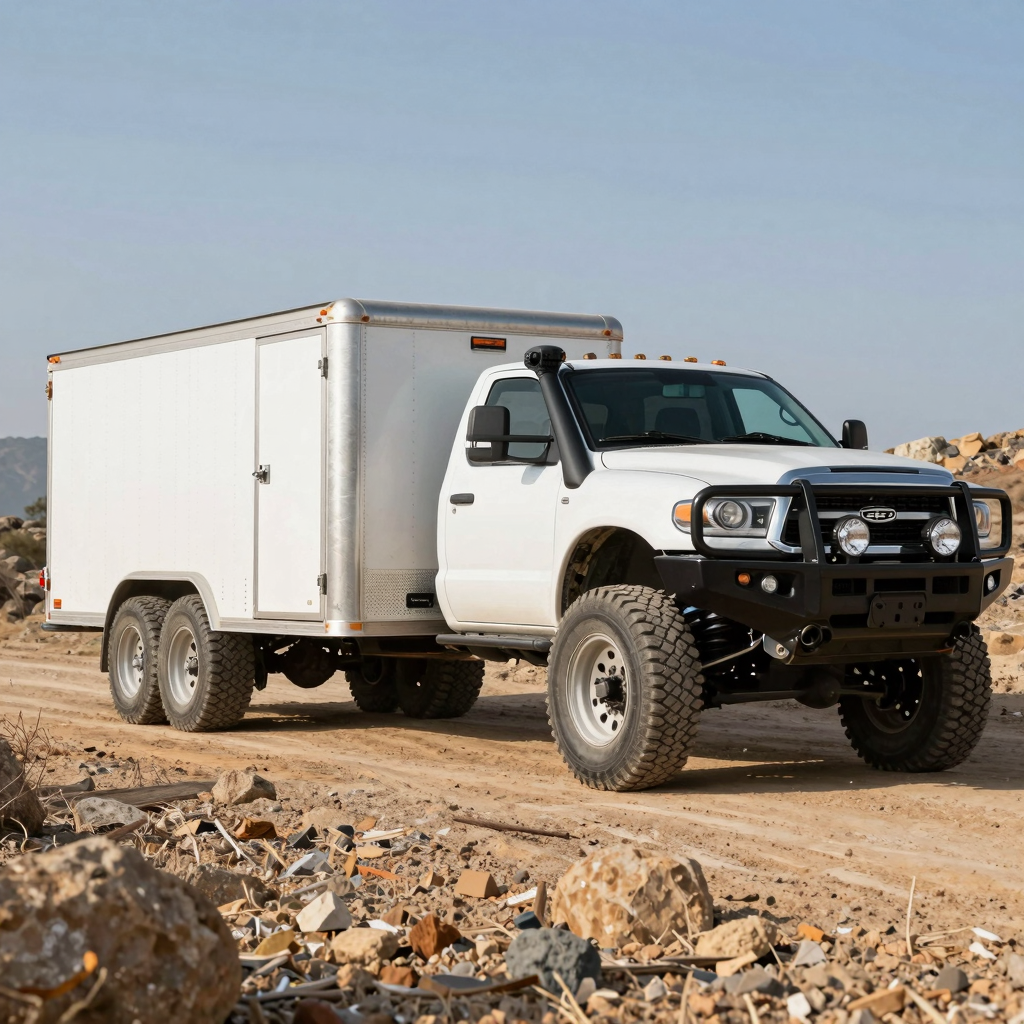
In the world of logistics and transportation, the phrase “lifting a truck” takes on a deep significance, especially when evaluating its impact on towing capacity. Truck modifications, particularly lifts and suspensions, can drastically alter how much weight a vehicle can handle while towing. For business owners relying on trucks for hauling goods and materials, understanding this relationship is crucial. Not only can it influence operational efficiency, but it also impacts compliance with safety regulations and the overall cost of ownership. Selecting the right lift can potentially enhance towing performance, allowing businesses to optimize their operations and take on larger, more profitable loads. Additionally, the current trend of truck customization speaks to a new generation of transport solutions, presenting opportunities for innovation and higher service standards in the industry. For those in the logistics sector, exploring how modifications, such as lifting a truck, can affect towing capacity can lead to informed decisions that enhance service quality and business growth. To dive deeper into effective towing solutions tailored to your needs, learn more about our towing services at Mike’s Towing, where we specialize in adapting to the dynamic demands of transportation.
Comparing Towing Capacities Before and After Lifting a Truck
When considering the impact of suspension modifications on towing capacities, it’s essential to analyze specific truck models. The table below provides a comparative view of the base towing capacities of popular trucks versus their capacities after aftermarket modifications.
| Truck Model | Base Towing Capacity (lbs) | After Suspension/Lift Modifications (lbs) |
|---|---|---|
| Ford F-150 | 14,500 | 16,000 |
| Chevrolet Silverado 1500 | 13,400 | 14,900 |
| Ram 1500 | 12,750 | 14,250 |
Note: The values after modifications are estimates based on industry-standard gains from suspension and lift upgrades, such as enhanced chassis support, upgraded towing packages, and improved weight distribution. Actual capacities may vary depending on engine configuration, drivetrain, and specific aftermarket modifications.
For further insights into towing services and other related modifications, you can learn more about our towing services in Houston. Also, consider exploring our roadside service options to enhance your truck’s functionality and safety while on the road.
Impact of Lifting a Truck on Towing Stability
Lifting a truck significantly impacts its stability during towing operations, primarily by altering weight distribution and handling characteristics. When a truck is lifted, its center of gravity is raised, which can diminish the vehicle’s stability. A higher center of gravity increases the likelihood of lateral oscillations, making the truck more prone to side-to-side swaying and possibly leading to yaw instability during towing maneuvers. This dynamic behavior is especially critical when navigating turns or making sudden stops, as the lifted truck can experience disproportionate weight distribution across its axles.
The changes in suspension geometry due to lifting can lead to uneven load distribution among the front and rear axles. This imbalance can compromise traction on the driven axles when towing heavy loads. Moreover, while cornering, the forces exerted on a lifted truck can create a higher risk of rollover, especially if the load is not secured properly or if the truck is traveling at higher speeds.
Research indicates that modified suspension systems with advanced damping can help mitigate some of these stability issues. For individuals or businesses using lifted trucks for towing, understanding the implications on handling and weight distribution is crucial. Regularly assessing the towing setup, including ensuring that weight is evenly distributed and that towing components are rated for the modified height, can enhance safety and performance during towing operations. To learn more about safe towing practices and professional assistance, consider checking out our towing service in Houston.
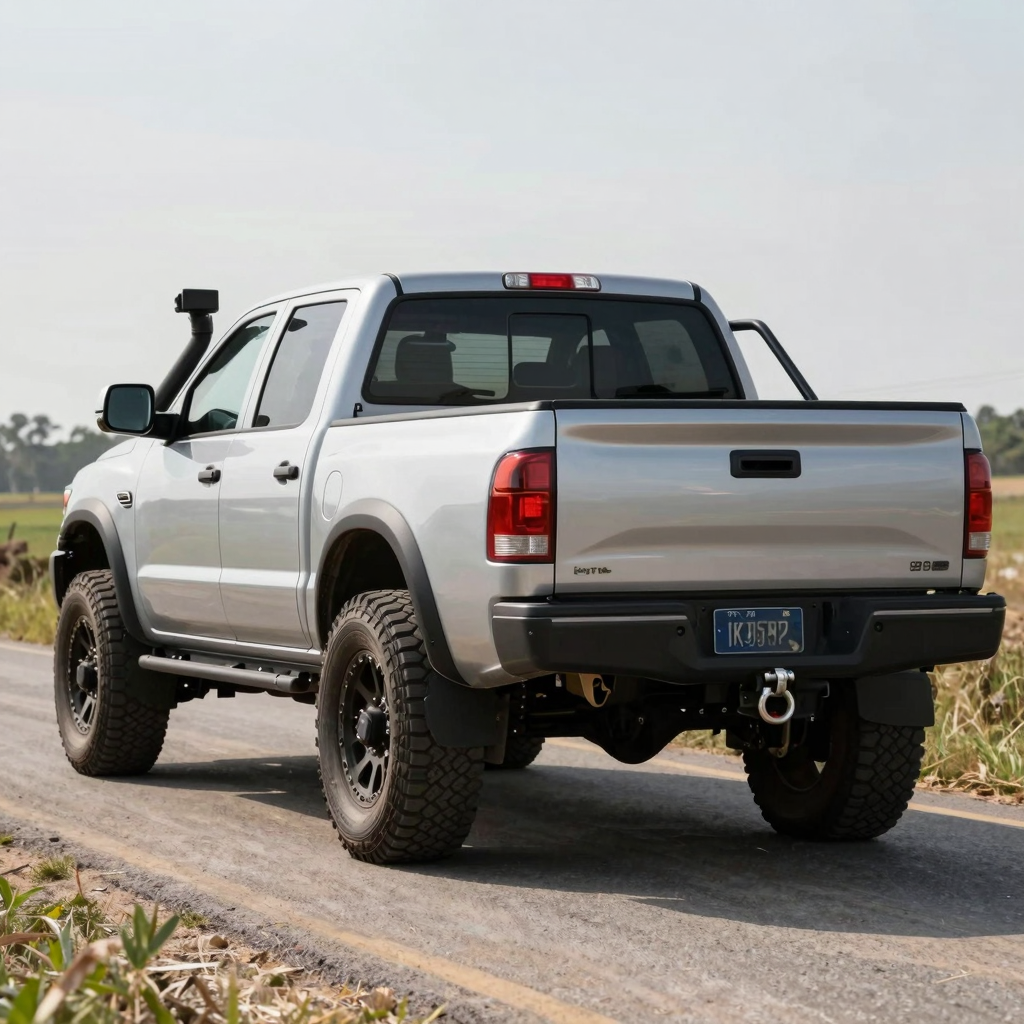
Lifting trucks has become a popular trend among enthusiasts who seek enhanced aesthetics and off-road capabilities. However, there are significant implications for towing performance that potential lift kit buyers should consider. Here, we summarize expert opinions and research findings regarding how lifting a truck affects its towing capacity.
Expert Opinions on Lifting Trucks and Towing
-
Car and Driver Analysis:
According to an article from Car and Driver, lifting a truck beyond factory specifications can considerably reduce its towing capacity. The altered weight distribution and increased center of gravity contribute to this reduction. Many aftermarket lift kits may be designed to maintain structural integrity, but exceeding the recommended lift heights can compromise safety and performance. It’s important to note that manufacturers determine towing capacity based on the stock ride height; modifications may lead to a decrease in safety towing limits by as much as 20%, depending on the specific vehicle and lift type. Learn more about this expert analysis. -
SAE International Research:
A technical paper published by SAE International emphasizes that raising a truck’s chassis through lifting kits increases the vehicle’s center of mass, negatively impacting dynamic stability. Their study indicates that even a modest 2-inch lift could reduce effective towing capacity by 10-15% due to the heightened risk of rollover and decreased traction efficiency. This report reinforces the understanding that OEM (original equipment manufacturer) towing ratings are based on a level, unmodified chassis, suggesting that any modifications must be considered for their impact on structural load paths and brake system performance. Explore the technical paper here. -
MotorTrend Insights:
In guidance provided by MotorTrend, automotive engineers caution that modifications to a truck’s suspension for increased lift could lead to unforeseen consequences concerning towing performance. They highlight that, even if the engine and transmission remain unchanged, heightened body roll and altered axle angles can contribute to premature wear on driveline components. This wear subsequently reduces control when towing heavy loads. Experts strongly recommend recalibrating or reevaluating towing capacity following any suspension modifications and utilizing manufacturer-approved lift kits to mitigate risks. For more details, check their expert advice article here.
Additional Considerations
When contemplating lifting a truck, business owners and truck enthusiasts should keep in mind the following factors:
- Warranty Implications: Modifications to a truck can often void warranties, particularly if the changes lead to failures related to the lift.
- Safety Regulations: It’s crucial to ensure that lifting kits comply with safety regulations to avoid legal complications and ensure public safety.
- Potential for Increased Damage: Raising a truck can expose it to increased risks, including component failure, particularly in heavy-duty conditions.
Conclusion
In summary, while lifting a truck can enhance its appearance and off-road capabilities, it poses considerable risks to towing performance. Consulting with experts and evaluating the structural impacts of any alterations are essential steps for anyone considering lifting their vehicle. Businesses in towing, like Mike’s Towing, must remain informed on these implications to advise customers accurately.
By understanding the potential effects of modifications, stakeholders can make more informed decisions about their vehicles’ capabilities, ensuring safety and efficiency in towing operations.
Advantages and Disadvantages of Lifting a Truck for Towing
As a business owner considering lifting your truck for towing purposes, it’s important to weigh the advantages and disadvantages:
Advantages:
- Increased Towing Capacity: Lifting a truck often improves its towing capacity, allowing it to handle heavier loads effectively. Enhanced weight distribution can lead to better towing performance.
- Improved Visibility: A lifted truck provides better ground clearance and improves overall visibility on the road, which is especially beneficial when navigating crowded urban areas or off-road terrains.
- Enhanced Off-Road Capability: For businesses that require towing in rough terrains, a lifted truck can provide the necessary ground clearance to tackle obstacles.
- Customization Options: Lifting a truck opens up a range of customization possibilities, allowing for additional modifications to accommodate specific towing needs and preferences.
- Aesthetic Appeal: Many find lifted trucks more visually appealing, which could potentially enhance brand image when utilized for business purposes.
Disadvantages:
- Decreased Stability: Lifting a truck can affect its center of gravity, leading to decreased stability, especially when making sharp turns or during sudden stops.
- Increased Wear and Tear: A lifted truck may experience additional stress on its suspension and drivetrain, resulting in more frequent maintenance needs and higher costs over time.
- Potential Legal Restrictions: Some regions have regulations regarding the height of vehicle modifications, which can complicate compliance and lead to fines.
- Decreased Fuel Efficiency: A higher ride height can adversely affect aerodynamics, potentially leading to lower fuel efficiency and increased operational costs.
- Impact on Towing Performance: Improperly lifting a truck can adversely affect its towing performance, particularly if the load is not distributed correctly. This could lead to decreased towing capacity by up to 30% in some cases.
For further insights into towing services, you can learn more about our towing options or explore our emergency roadside assistance.
Legal Considerations of Lifting a Truck
Lifting a truck can greatly enhance its performance and aesthetics, but it also comes with a host of legal considerations that business owners must understand. Local regulations often govern vehicle modifications, including lifts, wheel sizes, and axle configurations. These laws vary widely by state and municipality, necessitating thorough research before any modifications are made.
Local Regulations
In many regions, vehicles must comply with specific regulatory standards that dictate the maximum allowable height, weight, and axle load limits. For example, the Towing Services Act 2024 in Western Australia outlines detailed requirements for tow truck operators, emphasizing compliance with these regulations. Failure to adhere to such guidelines can result in fines, legal liabilities, or even criminal charges if modifications lead to road safety hazards.
Insurance Limitations
Insurance is another critical factor to consider when lifting a truck. Many insurance companies evaluate a vehicle’s modifications during the underwriting process and may categorize modified trucks as higher risk. According to an Insurance Information Institute report, failure to comply with compliance standards and regulations can lead to increased insurance rates or, in some cases, refusal to cover the vehicle altogether. Any accident involving a modified truck could lead to complications in claims, where companies might argue that the modification contributed to the incident.
Business owners must also consider the potential for liability in case of accidents. If an accident occurs and it is determined that a truck’s lift contributed to the severity or occurrence of the accident, the owner could be held responsible. This liability is further compounded if the lift violates local or state regulations.
Conclusion
Before lifting a truck, ensure you are well-informed about local regulations and insurance implications. It is crucial to consult with both legal and insurance experts to avoid costly mistakes that could jeopardize your business. Compliance with all regulations can not only protect your investment but also your company’s future.
Does Lifting a Truck Affect Towing?
Lifting a truck can significantly impact its towing capacity. Typically, a lifted truck experiences changes in weight distribution, which can affect both its handling and its ability to tow heavy loads safely.
Impact on Towing Capacity
When a truck is lifted, the center of gravity moves higher, which can lead to stability issues while towing. Furthermore, lifting changes the truck’s suspension geometry, which can also influence the load it can effectively tow. These adjustments may not be readily apparent but have considerable implications for a truck’s functionality.
“Modern heavy-duty pickup trucks have reached unprecedented towing capacities, but achieving that capacity is not merely about engine power; it’s about the whole drivetrain working together. Neglecting any aspect can lead to catastrophic failure.” – John Harper, Truck Industry Expert
This quote underscores the complexity involved in towing capacity, emphasizing that all components- from the differential to the hitch point-must work in harmony.
When considering truck modifications, it’s essential to assess whether the advantages of lifting outweigh the potential drawbacks regarding towing.
For those interested in professional towing services, learn more about our offerings at Mike’s Towing.
Cost Implications of Lifting a Truck for Businesses
Lifting a truck certainly brings aesthetic appeal and performance-enhancing benefits for certain applications, particularly for businesses involved in off-road work, but it also introduces a range of additional costs and considerations that businesses must review carefully. This analysis will breakdown the costs associated with lifting a truck and maintaining its towing capabilities, including modifications, insurance implications, and the overall potential return on investment.
1. Modification Costs
Lifting a truck generally requires various modifications to accommodate the increased height and ensure stability. Some common upgrades include:
- Suspension Kits: Typically ranging from $1,000 to $5,000, depending on the quality and brand. These kits alter the truck’s suspension system to enable it to handle the additional weight and altered center of gravity.
- Tires and Wheels: Larger, more robust tires are necessary for lifted trucks, often costing around $800 to $3,000 for a complete set. The installation of larger wheels may also incur additional labor costs.
- Towing Enhancements: Modifications for towing capabilities can range from $400 to $800 for installing proper hitches, brakes, and wiring tailored to the vehicle’s new specifications. This includes installations for aftermarket towing aids or controllers specific to handling increased loads safely.
2. Increased Maintenance Costs
Businesses can expect higher maintenance costs after lifting their trucks.
- Wear and Tear: According to recent fleet analysis, lifted trucks face 18% more mechanical breakdowns annually due to strain on shock absorbers, tires, and brake systems. This translates to about $1,200 to $2,500 annually in additional maintenance costs.
- Fuel Economy: Increased height often results in a drop in fuel efficiency-often up to 20%. Businesses could see an annual fuel increase of approximately $3,500 for trucks heavily laden due to the changes in aerodynamics and weight distribution.
3. Insurance Implications
Insurance considerations are crucial, particularly as lifted trucks are often considered higher risk by insurance companies.
- Increased Premiums: Organizations may see an increase in premiums, estimating an additional charge of about $1,200 per year due to the enhanced potential liabilities associated with these vehicles. Lifting a truck also increases exposure to rollover accidents, which can further escalate insurance costs significantly.
4. Compliance and Safety Risks
Lifting a truck can affect its handling characteristics and introduce additional regulatory considerations.
- Understanding Regulations: It’s vital for businesses to ensure that modifications comply with local laws and safety standards to avoid fines or liability. Failure to adhere to these regulations can result in hefty penalties, which can be distracting and detrimental to a company’s overall budget.
5. Returns on Investment
While costs may seem substantial, lifting trucks could also provide substantial returns for the right businesses.
- Enhanced Capabilities: The ability to tow heavier loads or navigate challenging terrains can lead to increased job opportunities and potential revenue. Businesses that leverage their lifted trucks for specialized services or off-road operations stand to enhance their operational capabilities, justifying the initial investment.
- Customer Appeal: Aesthetic and performance enhancements may attract clientele who value rugged and capable vehicles, translating into more business.
Summary of Estimated Costs Over Five Years
Here’s a breakdown of estimated additional costs associated with lifting a truck over a five-year period:
| Cost Category | Average Annual Cost (USD) | Five-Year Total Cost (USD) | Description |
|---|---|---|---|
| Maintenance Costs | $1,800 | $9,000 | Increased repairs and replacements due to higher wear. |
| Insurance Premiums | $1,200 | $6,000 | Higher costs due to elevated risk. |
| Fuel Consumption | $3,500 | $17,500 | Increased fuel costs from altered vehicle dynamics. |
| Tire Wear | $600 | $3,000 | Accelerated tire wear due to weight and torque changes. |
| Other Operating Costs | $400 | $2,000 | Additional ups in labor for upkeep and compliance checks. |
| Total | $7,500 | $37,500 | Overall additional expenditure related to lifting trucks. |
Considering these factors will help business owners make a more informed choice regarding lifting trucks for operational efficiencies. Learn more about towing services, and contact your local towing company to further discuss your specific needs.
In conclusion, understanding the potential changes in towing capacity when lifting a truck is paramount for business owners engaged in towing services. Lifting a truck can enhance its appearance and off-road performance; however, it can also negatively impact its towing ability due to alterations in weight distribution and towing dynamics. It is vital to carefully evaluate the specifications and limitations that come with modifications, such as the vehicle’s Gross Vehicle Weight Rating (GVWR) and towing capacity. By considering these factors, you not only ensure the safety of your towing operations but also optimize performance for your business. As you plan modifications for your trucks, consult with experts to make informed decisions that align with your business needs and operational efficiency. For more insights on safely modifying your towing vehicles, feel free to learn more about our towing services and how we can assist you in achieving optimal towing performance.