
The Unexpected Risks of Towing: What Business Owners Should Know
Towing a vehicle often seems like a straightforward process, something many business owners might not think twice about, especially when relying on towing services. However, there lurk unexpected risks that can turn a routine tow into a nightmare. Imagine a trusted tow truck backing up to your business, ready to assist a customer in need, only for something to go wrong-a wrong turn, a missed signal, or even unexpected damage during the loading process. What happens next can have significant consequences, not just for the vehicle owner but also for the business that facilitated the towing.
As a business owner, understanding the implications of tow truck operations is crucial, particularly when it comes to potential damages incurred during towing. If a tow truck accidentally causes damage to your vehicle, the right steps must be taken to address the situation. Knowing your rights, responsibilities, and the services available, such as those provided by Mike’s Towing, can help protect your interests. But what about the reputational impact? Any damage that occurs can lead to unsatisfied customers, negative reviews, and lost trust.
In a world where reliable service is paramount, it’s vital to grasp the intricacies of towing practices and the protections businesses can pursue. By empowering themselves with knowledge and choosing reputable towing services, business owners can better safeguard their investments and foster a smoother operational workflow. Explore this article as we delve deeper into the nuances of what happens if a tow truck damages your car, with insights specifically tailored for businesses navigating these waters.
Potential Damages Caused by Towing
Towing a vehicle may seem like a straightforward process, but it can result in significant damage if not executed properly. For business owners who rely on vehicles for their operations, understanding the potential risks associated with towing is crucial. Here is a detailed list of common types of damage a vehicle may sustain during towing:
-
Drivetrain Damage: This is perhaps the most concerning type of damage. Vehicles with automatic transmissions are particularly vulnerable. Towing with the drive wheels on the ground can lead to fluid starvation and expensive repairs. For all-wheel and four-wheel vehicles, failing to disengage the transfer case can result in severe internal damage.
-
Suspension Damage: When improperly loaded or towed, a vehicle’s suspension system may sustain wear and tear. Heavy or uneven loads can cause stress, leading to misalignment or even failure of crucial components. This type of damage may not be immediately visible and can accumulate over time.
-
Tire Damage: Tires can suffer from dragging along the roadside or from improper handling during towing. Common signs include uneven tread wear, bulging, or sidewall damage. This often occurs when a vehicle is towed across rough terrain or at high speeds without proper ties or restraints.
-
Body Damage: Cosmetic damage may arise from loose towing equipment or poor connection points. Scratches, dents, or in severe cases, structural damages can occur, detracting significantly from the vehicle’s value. Such damage often goes unnoticed until the vehicle is inspected post-towing.
-
Electrical Damage: If towing apparatuses like chains or hooks are not secured properly, they may scrape or pull on electrical components leading to faults. Wires can become pinched or even severed, necessitating costly rewiring or replacement.
To visualize the proportion of different damages, the following pie chart showcases distribution based on analysis of accident data related to towing:
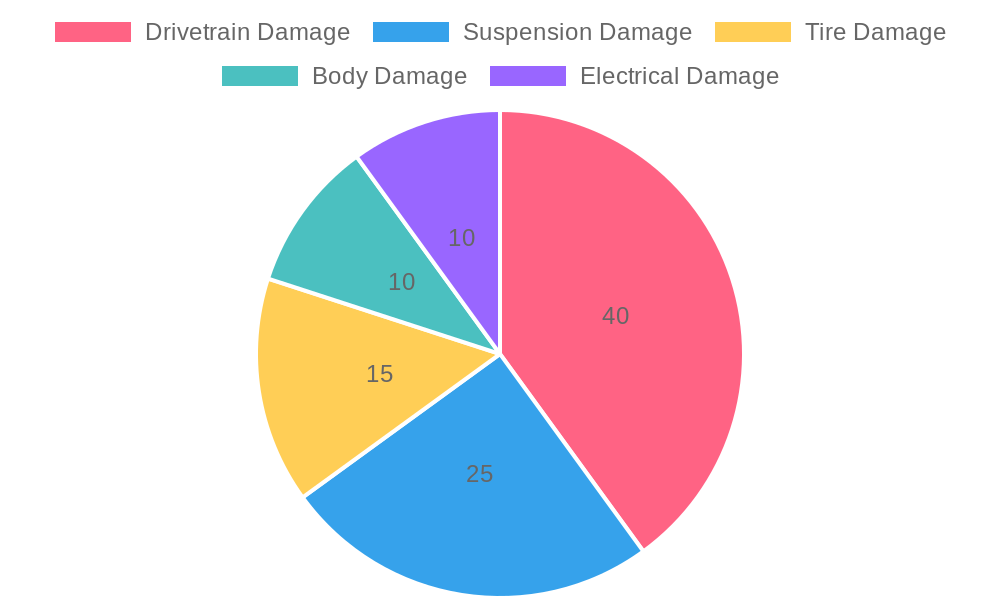
As highlighted, almost 40% of all towing incidents involve drivetrain damage, underscoring the importance of choosing a reliable towing service that prioritizes safety and proper technique. Learn more about our towing services to ensure your business vehicles are always protected and serviced correctly.
What to Do If Your Car Is Damaged by a Tow Truck
If you are a business owner and find that your vehicle has been damaged by a tow truck, it is crucial to take immediate and organized actions to document the situation and protect your rights. Here’s a step-by-step guide to help you navigate this process:
1. Document the Damage
- Take Photos and Videos: Use your phone or a camera to capture the damage to your vehicle from multiple angles. This provides clear evidence of the condition your car was in before the towing incident.
- Gather Information: Note important details such as the tow truck company’s name, the driver’s name, their license number, and any identifying features of the truck itself.
2. Contact the Towing Company
- Report the Incident: Reach out to the towing company as soon as possible to inform them about the damage. Use their official contact number or website to ensure you are speaking to a legitimate representative.
- Request Documentation: Ask for a written explanation of what happened and documentation related to the towing process. This can be useful for any claims you may pursue.
3. Know Your Rights
- Legal Responsibilities: Understand that towing companies are liable for any damage caused during the towing process. According to the Federal Trade Commission, you have the right to hold them accountable for damages.
- Seek Compensation: If the towing company is unresponsive or denies responsibility, consider escalating the issue to the appropriate state authority, such as the Department of Transportation or the Attorney General’s office. In some cases, pursuing compensation through small claims court may be necessary, especially if the damages exceed your insurance deductible.
4. Keep Records
- Maintain Documentation: Always keep copies of all your evidence, communications with the towing company, and any receipts related to repairs. This documentation is crucial if you need to take further action or file a complaint.
Conclusion
Taking quick and thorough action after damage from a tow truck can significantly affect the outcome of your claims. For further assistance, you might want to consider Mike’s Towing services to ensure your needs are adequately met while you handle this situation.
Insurance Implications for Business Owners if Their Vehicle is Damaged During Towing
When a business vehicle is damaged during towing, it can lead to significant implications for the owner, particularly concerning insurance coverage and claims processes. Here are key points that business owners need to consider:
Liability Coverage
- Commercial Auto Insurance: Typically, if a vehicle is damaged while being towed, the primary coverage comes from the business’s commercial auto policy. This will cover damages under collision or comprehensive coverage if applicable.
- Towing Company Liability: If the towing service is at fault (for instance, due to improper loading or using defective equipment), the business owner may pursue a claim against the towing company’s liability insurance.
Claims Process
- Document Everything: It’s crucial to document the incident. Take photos of any damage, maintain towing logs, and keep records of communications with the towing service.
- Notify Your Insurer: After an incident, business owners should contact their insurance provider to confirm what is covered under their policy and start the claims process promptly. This may include costs for towing and repairs under roadside assistance benefits.
Tips to Avoid Issues
- Review Your Insurance Policy: Ensure your commercial auto policy includes towing-related liability or transportation coverage. Some policies offer endorsements for ‘transportation of property’ or ‘non-owned vehicle towing.’
- Keep Records: Maintain copies of the towing contract, invoices, and repair estimates to support claims efficiently.
For more detailed guidance, you can explore resources like the SBA and The Hartford.
When dealing with tow truck damages, understanding liability laws in different states is crucial for business owners. Each state has its regulations regarding the responsibility of tow truck operators for damage inflicted on vehicles during the towing process. Below is a comparative table showcasing how liability varies across various US states.
Liability Regulations by State
| State | Liability Regulation Summary | Key Considerations |
|---|---|---|
| California | Tow truck operators are liable for damage if they fail to exercise reasonable care. Victims can sue for damages. | Liability often hinges on proof of negligence. |
| Texas | Towing companies must provide proper notice and can be held accountable for damages caused by improper handling. | Claims can be made through insurance or legal action. |
| Florida | Operators can be liable for damages unless they were caused by the vehicle’s own condition. | Damage during towing requires evidence of negligence. |
| New York | The towing company bears the burden of liability unless proven otherwise; they must handle vehicles carefully. | Documentation of damage and towing conditions is essential. |
| Washington | Clear liability laws require towing companies to follow safety regulations; failure to comply can result in lawsuits. | Operators must ensure all legal standards are met. |
| Michigan | Towing companies are responsible for any damage if they neglect their duty to secure the vehicle properly. | Proper record-keeping can influence claim outcomes. |
| Pennsylvania | Companies can be liable for damages unless they can show the vehicle’s condition led to the damage. | Negligence in securing vehicles can prompt claims. |
| Illinois | Tow truck operators must adhere to local ordinances; liability depends on adherence to safety protocols. | Being aware of local laws is critical to understanding limits. |
| Ohio | Generally, operators are liable for damages; claimants must prove negligence in handling the vehicle. | Legal guidance can help navigate complex claims. |
| New Jersey | Liability exists unless the vehicle’s condition is proven as the primary cause of damage. | Operators must document evidence of circumstances. |
The liability landscape can significantly affect how businesses recover damages from tow truck incidents. It’s essential to consult with a legal expert familiar with local laws to navigate these complex regulations effectively.
Understanding these core differences can help business owners make informed decisions on how to respond when faced with damage from tow truck services. For more insights into towing and roadside assistance, check out Mike’s Roadside Service or Towing Company in Houston.
Please note that liability laws can frequently change, so always check the latest updates or legal advice for the most accurate information.
The Risks Involved in Towing: What Happens if a Tow Truck Damages Your Car
Using a tow truck is sometimes a necessary and unavoidable part of car ownership, especially for business owners who often rely on their vehicles for daily operations. However, the towing process can come with its share of risks.
Understanding the Towing Process
When a tow truck is called to retrieve a vehicle, the process typically involves:
- Assessing the situation to ensure safe towing.
- Properly hooking up the vehicle.
- Transporting the vehicle to the appropriate location.
While companies like Mike’s Towing prioritize safety and efficiency, accidents can happen. Here are some common risks associated with towing:
- Improper Hook-Up: If the vehicle isn’t secured properly, it can fall off the tow platform, causing damage.
- Lifting Mechanism Malfunction: Mechanical failures can lead to accidents during transit.
- Road Conditions: Poor road conditions can result in unexpected incidents during towing.
What To Do If Damage Occurs
If you find yourself in a situation where your car has been damaged by a tow truck, there are steps you should follow:
- Document the Damage: Take photos and write down details about the incident.
- Notify the Towing Company: Inform them about the damage as soon as possible, making sure you have evidence ready.
- Check Your Insurance: Look into whether your insurance policy covers damages caused by towing.
- Seek Legal Advice: If necessary, consult legal counsel to understand your rights and potential compensation.
Remember, the safety of your vehicle is paramount, and understanding the towing process can help mitigate risks. If you ever require a towing service, consider trusted companies like Mike’s Roadside Service. They prioritize customer care and diligent practices to reduce the risks involved.
By staying informed and proactive, business owners can navigate these situations effectively and ensure their assets are protected.
In conclusion, understanding the risks associated with towing is essential for all vehicle owners, especially business operators who often rely on towing services. The chance of damage during towing operations is a concern, and being prepared can save you significant time, money, and stress if things go wrong. Proper documentation, timely communication, and knowledge of your rights are vital actions you can take if a tow truck damages your car. Always remember to document any damage thoroughly with clear photographs and detailed notes. Report the incident promptly to the towing company, ensuring you maintain records of all communications, including any dealings with their insurance provider.
If you’ve encountered damage from a tow truck, know that you have legal rights to pursue compensation. Most towing companies are required to carry liability insurance for such incidents, and you may be entitled to file a claim for the necessary repairs, rental cars, or other associated costs. However, it’s crucial to avoid signing any waivers at the scene, as this can jeopardize your ability to claim damages later.
At Mike’s Towing, we understand how distressing these situations can be. If you’re facing challenges related to towing damages, don’t hesitate to reach out to us for support. Our experts can provide guidance tailored to your specific predicament. For immediate assistance, check our towing services in Houston or contact us directly. Let us help you navigate the situation effectively and get back on the road safely and without unnecessary delays.
Legal Rights of Vehicle Owners
In cases where a tow truck causes damage to your vehicle, it’s crucial for vehicle owners to understand their rights. According to legal experts, if a towing company is negligent in its operations, vehicle owners are entitled to seek compensation. Legal expert Mike Agruss states:
“Vehicle owners have the right to pursue legal action against towing companies for damages resulting from improper towing procedures. Towing companies have a duty of care to handle vehicles responsibly during the towing process. If damage occurs due to negligence, improper manual handling, or equipment failure, the towing company can be held liable for damages.”
It’s important to document any damage immediately and retain any repair records as evidence. Vehicle owners should also be aware that timely reporting of any damage and formal complaints can strengthen their case for compensation. This understanding empowers business owners to protect their assets effectively. For more insight, consider Mikes Roadside Service for expert towing assistance.
Preventive Measures for Towing Services
Business owners can take several effective preventive measures to safeguard their vehicles while utilizing towing services. Here are some practical tips to minimize the risk of damage:
- Choose Reputable Towing Services: Always select an experienced and reputable towing company with good reviews. A reliable service like Mikes Towing ensures that your vehicle is handled with care.
- Inspect Equipment: Before the tow, conduct a thorough inspection of both the vehicle and the towing equipment. Make sure the towing vehicle is in top condition and that proper towing gear is used.
- Maintain Communication: Establish clear communication with the towing driver about your vehicle’s specific needs and any issues that might affect the towing process.
- Document the Condition: Take photos of your vehicle before it is towed and after it has been towed to document its condition.
- Verify Insurance Coverage: Ensure your towing service has adequate insurance. This will protect you if any damage occurs during the towing process.
By following these guidelines, business owners can significantly reduce the risks associated with vehicle towing services.
Understanding the Damage Claims Process When a Tow Truck Damages Your Car
When a tow truck damages your car, navigating the claims process can be overwhelming, especially for business owners who rely heavily on their vehicles. Here’s a step-by-step guide to help you understand the actions you need to take.
Steps in the Damage Claims Process
-
Ensure Safety and Call the Police
Prioritize your safety first. If you are involved in an accident, ensure everyone is safe and call the police if necessary. A police report can be crucial if liability is disputed. -
Document the Damage
Take photos of the damage from various angles and gather witness information. Documenting the damage helps provide evidence for your claims. -
Contact the Towing Company for Insurance Information
Gather information from the towing company, including their insurance details. This is vital for pushing your claim forward and understanding who is liable. -
Report to Your Insurance Company
Notify your insurance provider about the incident. Submit all collected documents, including photographs, witness statements, and the police report. -
Follow Up on the Claims Process
Regularly check in with your insurance company regarding your claim’s status. Provide any additional information they may request to ensure that your claim is processed promptly.
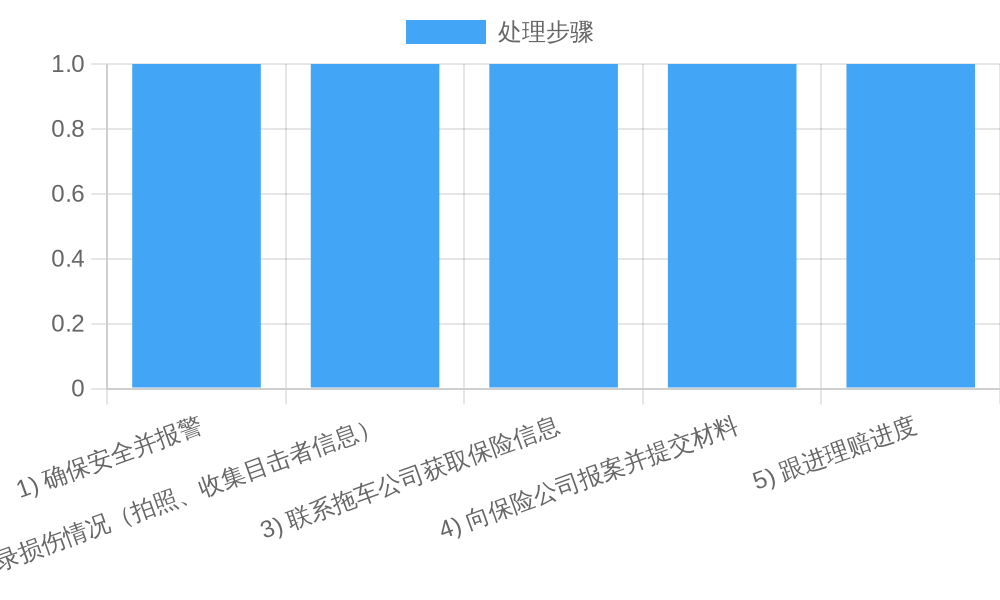
This chart visually summarizes the steps you need to follow when filing a claim after your vehicle is damaged by a tow truck.
Useful Resources:
- For more support, check out Mike’s Towing Services for understanding your options and legal rights.
By following these steps, business owners can better navigate the often confusing claims process after a vehicle has been damaged by a tow truck. Staying organized and proactive will greatly aid in securing a fair resolution.