
Introduction
When planning a getaway with a camper, many people ponder the question, “Can I rent a truck to tow a camper?” This inquiry is not just about finding the right vehicle; it’s essential to understand the towing requirements and safety considerations involved. Renting a truck may seem like a straightforward option for those without a suitable vehicle, but there are several factors to take into account. Towing a camper requires knowing the weight of the camper, the capacity of the truck, and ensuring that you have the appropriate hitch and accessories for safe towing. Moreover, understanding local regulations and rental policies is crucial for a hassle-free experience. Whether you’re embarking on an impromptu camping trip or a longer expedition, ensuring that you have the right truck to tow your camper will not only enhance your journey but also prioritize safety on the road. For more information on towing services, check out our towing service in Houston or learn about our roadside service options.
Types of Trucks for Towing Campers: A Comprehensive Guide
When considering renting a truck for towing a camper, it’s essential to know the different types of trucks available and their specific features. Here’s a quick overview:
- Light-duty Trucks: Ideal for smaller campers, these trucks typically have a towing capacity of up to 5,000 lbs. Popular models include the Ford F-150 and Chevrolet Silverado 1500.
- Medium-duty Trucks: Suitable for larger campers, these trucks can tow up to 10,000 lbs and include models like the Ram 2500.
- Heavy-duty Trucks: Best for hefty trailers, these trucks offer tow capacities exceeding 12,000 lbs, with models such as the Ford F-250 and Chevrolet Silverado 2500.
Understanding these options will help you choose the right truck for your camping adventures. For more information on related services, you can learn about our towing services in Houston.
Stay close for tips on how to find the perfect rental truck for your needs!
Key Considerations When Renting a Truck for Towing a Camper
When renting a truck for towing a camper, business owners should keep the following factors in mind to ensure a safe and efficient towing experience:
-
Towing Capacity: Always verify the truck’s towing capacity. This information can usually be found in the owner’s manual or on the driver’s side door jamb. Ensure that the truck can safely handle the weight of the camper and its contents, ideally with a capacity at least 10% higher than the total weight.
-
Gross Combined Vehicle Weight Rating (GCWR): Check the GCWR of the truck. This number reflects the maximum weight the truck can safely handle, including both the truck and the towed camper.
-
Hitch Compatibility: Ensure that the truck is equipped with a proper hitch that fits your camper. The rental company should provide a compatible trailer hitch and check if it has a factory-installed hitch receiver.
-
Towing Equipment: Confirm that the rental includes necessary towing equipment such as sway control systems, brake controllers, and safety chains. Additional features like upgraded brakes and cooling systems can be beneficial for heavy loads.
-
Rental Agreements: Review the rental agreement thoroughly. Look for details about insurance coverage, liability, mileage limits, and any additional fees for towing equipment.
-
Insurance: Verify that you have appropriate insurance coverage in case of accidents or damage during towing. Check if the rental company offers any specific insurance options.
-
Mechanical Condition: Inspect the truck for mechanical issues. Ensure that tires, brakes, and the cooling system are in good condition to handle the towing load efficiently.
By considering these factors, business owners can ensure a safer and more reliable towing experience. For more information on roadside services, explore Mike’s Towing Options.
Safety Regulations and Laws Surrounding Towing Campers
As a business owner in the towing industry, understanding the various regulations and laws that apply to towing campers is crucial for ensuring safety and compliance. These laws vary significantly from state to state and can impact your operations on multiple levels.
Importance of Compliance
Compliance with local towing laws is not just a matter of legality, but also affects safety on the road. Violations can lead to heavy fines, legal liability, and increased insurance premiums. According to the Recreational Vehicle Industry Association (RVIA), improper towing can lead to accidents, damaging not only property but also human life. This highlights the importance of adhering to state and federal guidelines when towing campers.
Key Regulations for Towing Campers
The following are some of the essential regulations every towing business should be aware of:
-
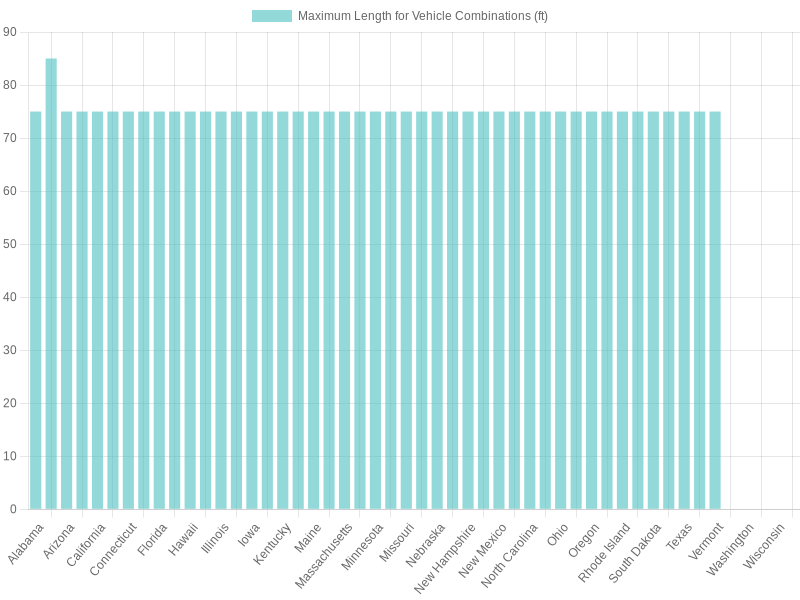
Weight Limits: Each state has different gross vehicle weight ratings (GVWR) and gross combined weight ratings (GCWR) that businesses must adhere to. For example, the maximum towing height is often limited to 13.5 feet in many states, while vehicle combinations may not exceed length limits typically around 65 to 75 feet depending on the state.
-
Permits: Some states require special permits for towing trailers or combinations over specific weight or length. For example, Alabama and Texas allow three-vehicle combinations but require special permits to do so legally.
-
Equipment Specifications: Towing vehicles must meet certain specifications, which may include the requirements for hitches, safety chains, and brake systems. According to a recent article from RVUSA, ensuring that your vehicle’s rated towing capacity exceeds the trailer’s weight is essential to avoid accidents.
Overview of Regulations by State
To navigate these complex regulations, business owners can refer to resources such as the RVIA’s towing laws guide and consult state-specific regulations. The chart below summarizes towing laws by state, including maximum length for vehicle combinations, maximum towing heights, and three-vehicle towing restrictions:
Conclusion
Staying informed and compliant with towing regulations is essential for business owners in the towing industry. Regularly reviewing these laws and ensuring proper equipment and training for your team can significantly reduce risks and enhance safety on the roads.
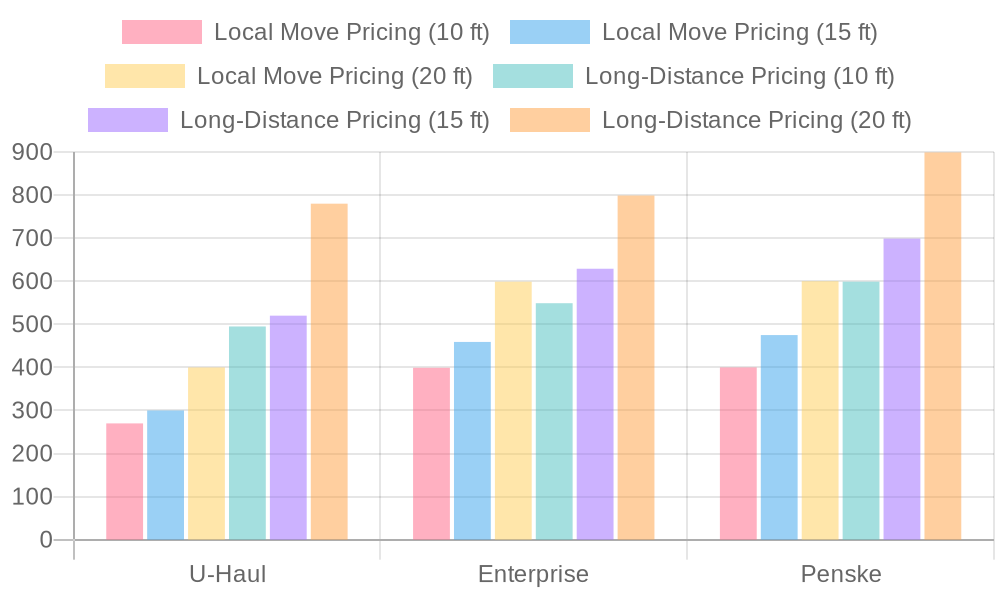
| Feature | U-Haul | Enterprise | Penske |
|---|---|---|---|
| Pricing (Local Move – 200 miles) | 10 ft: $270 15 ft: $300 17/20/26 ft: $400 |
10 ft: $399 15 ft: $459 20 ft: $599 |
10 ft: $400 15 ft: $475 20 ft: $600 |
| Pricing (Long-Distance Move – ~1,000 miles) | 10 ft: $495 15 ft: $520 20 ft: $780 26 ft: $1,040 |
10 ft: $549 15 ft: $629 20 ft: $799 |
10 ft: $599 15 ft: $699 20 ft: $899 |
| Truck Types Available | 10 ft, 15 ft, 17 ft, 20 ft, 26 ft | 10 ft, 15 ft, 20 ft, 26 ft | 10 ft, 15 ft, 20 ft, 26 ft |
| Insurance Options | Basic liability insurance included; optional full coverage, loss damage waiver (LDW), and supplemental liability insurance (SLI) available | Basic liability coverage included; comprehensive protection plans (including LDW and SLI) available for purchase | Basic liability coverage included; optional full-coverage rental protection plan (RP) with LDW and SLI |
| Customer Reviews (2024 Average Rating) | 4.2/5 (based on Google & Trustpilot) | 4.0/5 (based on Google & BBB) | 4.4/5 (based on Google & BBB) |
Source URLs:
- U-Haul Truck Rental Pricing & Features (2024)
- Enterprise Rent-A-Car Truck Rental Services
- Penske Truck Rental – Compare Prices & Book Online
Common Towing Challenges
When towing a camper, several challenges can arise that may affect safety and efficiency. Awareness and preparation are essential for overcoming these issues to ensure a smooth towing experience.
Handling and Stability Issues
One of the most prevalent challenges when towing a camper is maintaining handling and stability. Improper weight distribution can lead to swaying, making the towing vehicle difficult to control. To address this, ensure that the camper is loaded correctly: heavier items should be positioned low and as close to the axle as possible. Utilizing a weight-distributing hitch can help mitigate this issue by evenly distributing the trailer weight across the axles of the tow vehicle. This system not only enhances stability but also reduces the likelihood of a loss of control, especially at higher speeds or in windy conditions.
Traffic Conditions
Traffic conditions also present unique challenges when towing. In urban areas, frequent stops and sudden braking can shift the weight of the trailer unnaturally, causing rear-end sagging and affecting steering control. To navigate through heavy traffic safely, it is crucial to maintain moderate speeds and anticipate stops. The use of trailer sway control systems is highly recommended to counteract any side-to-side movement that may occur due to abrupt traffic changes. Learn more about safe towing practices.
Weight Distribution
Improper weight distribution not only impacts handling but can also lead to increased wear on tires and brakes. Regularly check the tongue weight of your camper, ideally keeping it between 10-15% of the total trailer weight. Regular maintenance checks on your towing setup, including brakes, tires, and the hitch system, are essential to ensure everything is in good working order. Discover effective towing solutions here.
By understanding these common towing challenges and adopting the appropriate strategies, you can enhance safety and improve your overall towing experience.
Towing Capacity Requirements for Campers
When it comes to renting a truck to tow a camper, knowing the required towing capacities for different camper sizes is crucial. The towing capacity required varies significantly based on the size and type of camper you plan to tow. Below is a chart that visually represents the towing capacities required for various camper sizes:
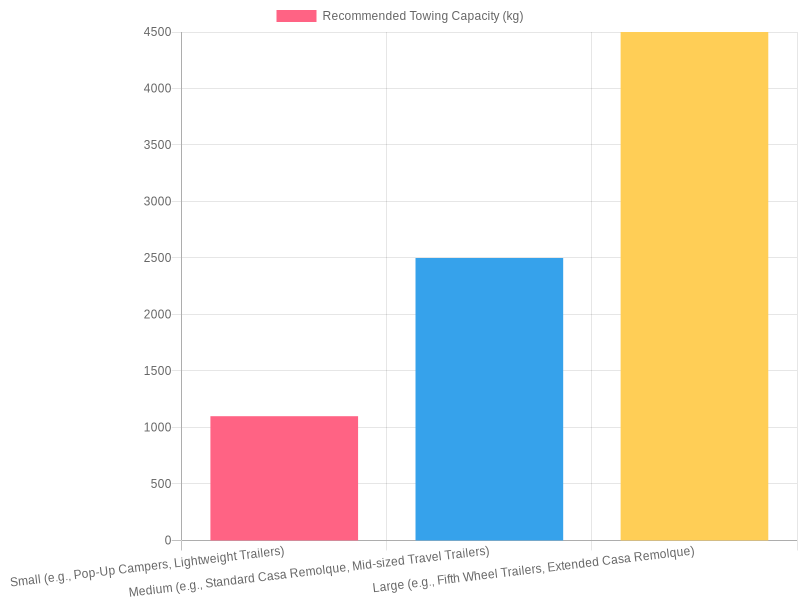
| Camper Size | Recommended Towing Capacity (kg) | Legal Towing Limits Based on Camper Type |
|---|---|---|
| Small (e.g., Pop-Up Campers, Lightweight Trailers) | 500 – 1,200 kg | Typically ≤ 1,500 kg; often compatible with compact SUVs and small trucks |
| Medium (e.g., Standard Casa Remolque, Mid-sized Travel Trailers) | 1,200 – 2,500 kg | Usually ≤ 3,500 kg; requires mid-sized pickup trucks or larger SUVs |
| Large (e.g., Fifth Wheel Trailers, Extended Casa Remolque) | 2,500 – 4,500+ kg | Often exceeds 3,500 kg; requires heavy-duty pickup trucks with specialized hitches |
Note: Legal towing limits vary by country and vehicle registration class. Always verify local regulations and your vehicle’s manufacturer specifications.
For more information on truck rental for towing, you can check out our towing services or roadside assistance options.
In conclusion, renting a truck to tow a camper is an efficient and economical option for those who want to enjoy the great outdoors without the commitment of vehicle ownership. Companies like Mike’s Towing offer a variety of trucks specifically designed for towing, featuring the necessary towing packages, such as heavy-duty hitches, trailer brake controllers, and additional safety features. This is particularly beneficial for individuals or families planning occasional trips, saving them from high investments associated with purchasing a dedicated towing vehicle.
Moreover, rental services provide added conveniences such as pre-trip inspections, roadside assistance, and flexible return options, which enhance the overall camping experience. As mentioned in Car and Driver and The Drive, the flexibility of having access to powerful trucks capable of handling heavy campers allows you to choose the ideal model for your journey without worrying about maintenance and depreciation.
If you’re ready to embark on a camping adventure and need a reliable truck to tow your camper, don’t hesitate to contact us at Mike’s Towing. We are here to help you find the perfect rental solution that fits your needs and ensures a safe and enjoyable trip. Visit our website to learn more about our services and get started today!
The Importance of Proper Towing Practices
Towing safety is paramount when it comes to ensuring the safety of both the towing vehicle and the trailer being towed. A relevant quote that emphasizes this aspect comes from Dr. Sarah Chen, a towing safety expert:
“The single biggest mistake people make is overloading their vehicle or trailer beyond its capacity. This dramatically increases stopping distance and reduces control, especially in emergency situations.”
This underscores the critical need for business owners and individuals alike to be diligent when it comes to loading and towing practices.
Additionally, the National Highway Traffic Safety Administration (NHTSA) also emphasizes that:
“Properly securing your load and ensuring your vehicle is rated for the tow weight are fundamental to safe towing. Always double-check hitch connections, brake systems, and tire pressure before hitting the road.”
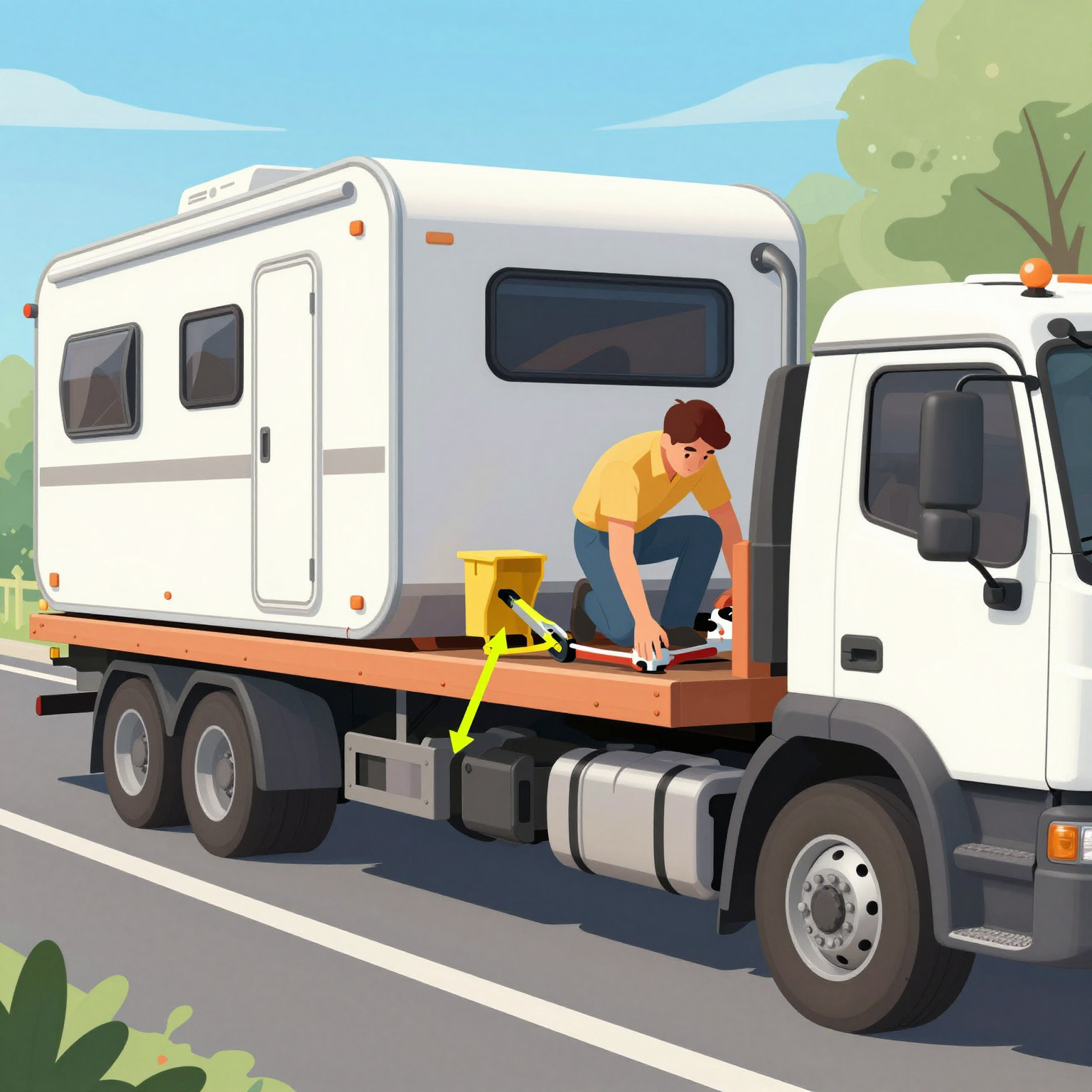
In conclusion, whether you are renting a truck to tow a camper or utilizing your own vehicle, understanding and adhering to proper towing guidelines can prevent accidents and ensure a safe journey.
For further guidance on towing services, you might find this resource helpful: learn more about our towing services.