
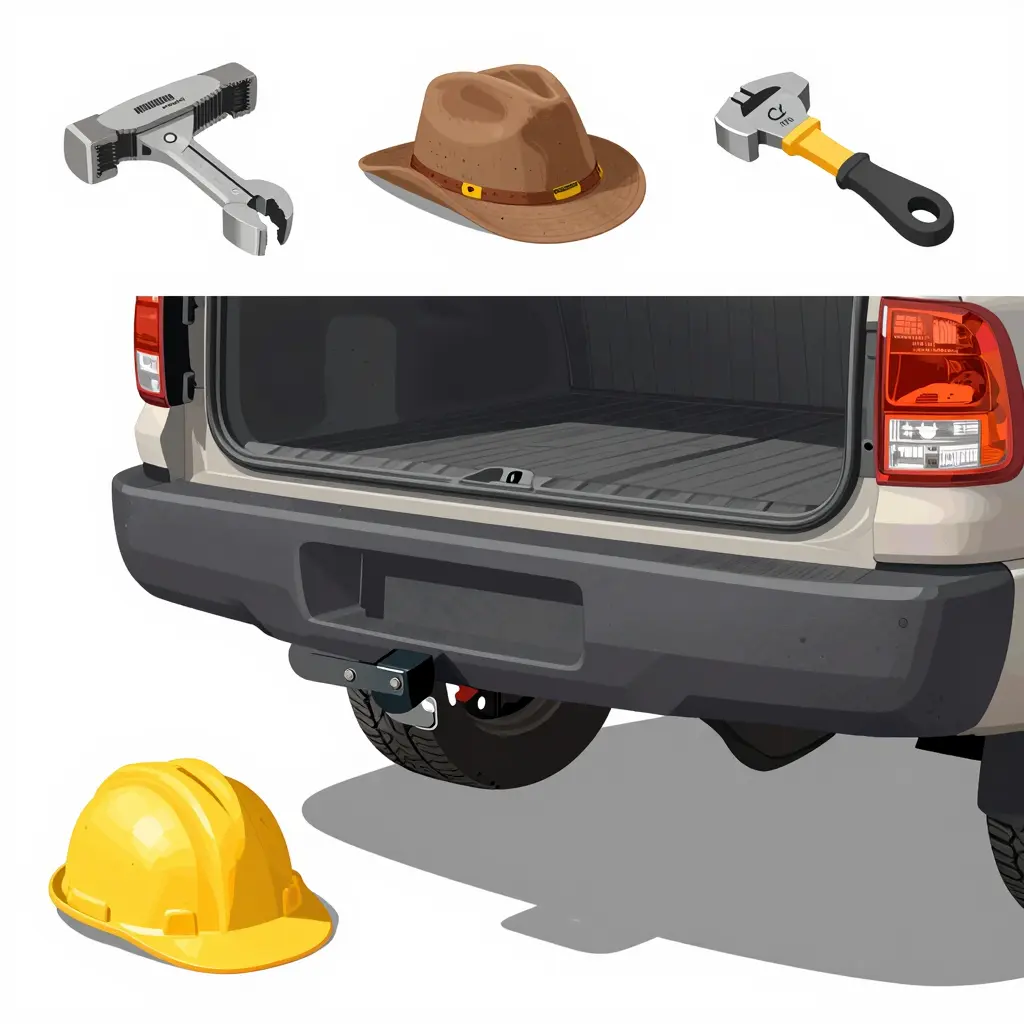
Introduction
For business owners who rely on transporting heavy loads, understanding the importance of a tow hitch is crucial. A tow hitch serves as an essential connector, enabling trucks to safely haul trailers, equipment, and various cargo. This critical truck accessory not only enhances the versatility of your vehicle but also ensures that your transportation solutions are efficient and reliable. Investing in a quality tow hitch is not just about convenience; it significantly boosts safety while moving large loads, minimizing the risks that come with improper towing. Moreover, a well-installed tow hitch can improve the overall functionality of your truck, making it a valuable asset in your business operations. Whether you’re navigating city streets or rugged terrains, a tow hitch equips you with the tools necessary for seamless transport, so you can focus on growing your business.
To explore more about how towing solutions can benefit you, check out our towing services.
Tools Required for Installing a Tow Hitch
Installing a tow hitch on your truck can be a rewarding task, particularly for business owners who require towing capabilities. Here’s a detailed list of essential tools and materials needed for a successful installation:
- Tow Hitch Kit – Ensure the kit is compatible with your vehicle.
- Drill – An electric drill may be necessary for making holes in the frame.
- Sockets and Ratchet Wrench – A set of sockets (both standard and metric) for tightening bolts and nuts.
- Torque Wrench – To tighten bolts to the manufacturer’s specifications.
- Pliers – For holding or bending materials during installation.
- Wire Brush – To clean any dirt or rust from the mounting area.
- Safety Glasses – To protect your eyes while drilling or cutting.
- Gloves – To protect your hands from sharp edges and hot tools.
- Measuring Tape – To ensure accurate placement of the hitch.
- Level – To check that the hitch is parallel to the ground after installation.
- Floor Jack or Jack Stands – For lifting the vehicle safely.
- Lubrication Spray – To ease the installation of bolts and make adjustments easier.
This list covers the basics, but depending on your specific vehicle and hitch type, additional tools might be necessary. For a detailed installation guide and tips, you can check out the article on how to add a tow hitch to your truck. Also, consider professional assistance if unsure about any part of the installation process, as underscored in the guide from Camping World Blog.
Selecting the Right Tow Hitch
Choosing the appropriate tow hitch is crucial for business owners who rely on trucks to transport goods and equipment. The right hitch not only ensures safety but also optimizes performance and efficiency.
Understand Truck Specifications
Before selecting a tow hitch, it’s vital to understand your truck’s specifications. Key points to consider include:
- Vehicle Weight: Check your truck’s Gross Vehicle Weight Rating (GVWR), as it affects the type of hitch needed.
- Towing Capacity: Know your truck’s maximum towing capacity. This dictates the weight limit of what you can effectively tow without risk of damage or accidents.
- Receiver Size: Most hitches fit standard receiver sizes (1.25″, 2”, etc.). Ensure your chosen hitch matches your truck’s receiver size.
Types of Tow Hitches
There are several types of tow hitches categorized primarily into classes based on their weight ratings:
| Hitch Class | Weight Rating (lbs) | Description |
|---|---|---|
| I | Up to 2,000 | Ideal for light-duty towing (e.g., smaller trailers or bikes). |
| II | Up to 3,500 | Suitable for medium-duty use (e.g., small boats or camper trailers). |
| III | Up to 6,000 | Common for heavier trailers including pop-up campers. |
| IV | Up to 10,000 | Designed for large trailers, perfect for hauling heavy loads. |
| V | 10,000+ | For heavy-duty and commercial towing including large trailers. |
Weight Distribution Hitches
If you’re towing heavy loads, consider a weight distribution hitch. This gear distributes the weight of the trailer across all axles, providing better balance and stability, particularly important for larger loads and longer trips. This ensures that both your truck and the trailer maintain a level ride, enhancing safety and control.
Making the Right Choice
To choose the best tow hitch for your truck:
- Assess your towing needs based on the type of load you’ll carry and the distance you will travel.
- Consult with specialists or resources like CURT Manufacturing’s hitch selection guide for expert advice.
- Always refer to your vehicle manual for specific recommendations on towing equipment.
By considering these factors, business owners can select the right tow hitch to efficiently and safely meet their towing requirements.
Regulatory Compliance Considerations for Installing a Tow Hitch on Trucks
When business owners decide to install a tow hitch on their trucks, it’s crucial to comply with various federal and local regulations. Non-compliance can lead to legal repercussions and safety hazards. Here are the key points you need to be aware of:
1. Federal Compliance
- FMCSA Standards: Compliance with the Federal Motor Carrier Safety Administration (FMCSA) safety standards is mandatory. These regulations cover all modifications, including towing equipment. The FMCSA outlines safety requirements aimed at preventing accidents caused by hitch failures. Learn more here.
2. Local Regulations
- Installation Standards: Local installation regulations can vary significantly. It’s essential for business owners to check state and municipal codes for specific towing hitch installation standards. This includes ensuring that the installation follows local safety codes to avoid penalties.
- Compliance Documentation: Documentation related to the installation process may be required to demonstrate compliance with local laws.
3. Types of Hitches
- Safety Guidelines: Different types of hitches-such as Ball, Receiver, Gooseneck, and Fifth Wheel-each have unique safety and installation guidelines. It is crucial to select the right hitch for the intended towing capacity.
4. Safety Standards
- Inspection and Ratings: Adhering to the proper hitch ratings and secure installation methods is critical. Regular inspections should be conducted to ensure the hitch is functioning safely. For example, businesses should ensure that the hitch and the vehicle structure are compatible. This ensures compliance with essential safety protocols. Explore more on safety standards.
5. Towing Capacity Compliance
- Follow Manufacturer Ratings: The towing capacity of the truck should not exceed the manufacturer’s rating, as this rating takes into account the vehicle’s size, engine power, and suspension.
Compliance Summary:
| Aspect | Details |
|---|---|
| Federal Compliance | FMCSA safety standards govern all modifications, including towing equipment. |
| Local Regulations | Check local codes for specific installation standards. |
| Types of Hitches | Compliance varies by hitch type; follow guidelines. |
| Safety Standards | Secure installation methods and regular inspections are required for safety compliance. |
| Towing Capacity Compliance | Must not exceed vehicle manufacturer rating. |
Compliance is not only crucial for legal reasons but also for ensuring safety on the road. By adhering to these guidelines, business owners can avoid accidents and regulatory penalties.
Comparison Table of Tow Hitch Types
When selecting a tow hitch for your truck, it’s essential to understand the differences between the various types available. Below is a comparison table that outlines key features, weight limits, and suitable applications for each type of tow hitch.
| Tow Hitch Type | Weight Limit | Features | Suitable Applications |
|---|---|---|---|
| Class I | Up to 2,000 lbs | Lightweight, two-inch receiver, simple installation | Small trailers, bike racks |
| Class II | Up to 3,500 lbs | Two-inch receiver, generally heavier duty than Class I | Utility trailers, personal watercraft |
| Class III | Up to 5,000 lbs | Stronger build, versatile for most applications | Larger trailers, boats, campers |
| Class IV | Up to 10,000 lbs | Designed for heavy-duty use, often includes weight distribution options | Heavy-duty trailers, construction equipment |
| Class V | Up to 17,000 lbs | Designed for extreme weight, often requires a special ball mount | Commercial trucks, heavy trailers |
| Detachable | Varied | Removable design for easy storage | Situational usage, frequent hitch changes |
| Pivoting | Varied | Allows for easier maneuvering of trailers | Off-road vehicles, diverse towing needs |
This table can help you choose the right tow hitch type for your needs, ensuring that your trailer or load is securely and safely transported. For more detailed information on towing services, you can learn more here.
Step-by-Step Guide to Tow Hitch Installation
Installing a tow hitch on your truck might seem daunting, but with the right tools and instructions, you can complete the installation process efficiently. This guide provides clear, step-by-step directions that every business owner can follow to ensure a successful tow hitch installation.
Step 1: Gather Your Tools and Materials
Before starting your installation, ensure you have all necessary tools and materials on hand:
- Tow hitch kit (specific to your truck model)
- Wrenches (varying sizes)
- Socket set
- Drill and drill bits (if required)
- Torque wrench
- Safety goggles
- Gloves
Step 2: Prepare Your Vehicle
- Choose a Suitable Workspace: Park your truck on a flat surface, ideally in a garage or driveway free from debris.
- Disconnect the Battery: To avoid electrical issues while working, disconnect the negative terminal of the battery.
- Clear the Tow Area: Remove any existing fixtures that might interfere with the hitch installation.
Step 3: Read Hitch Installation Instructions
Every tow hitch comes with a specific set of installation instructions based on the truck model. Read the manual thoroughly. Check out guides like Move.org’s installation tutorial for additional insights.
Step 4: Position the Hitch
- Lift the Hitch into Place: Align the hitch receiver with the pre-drilled holes under your truck.
- Secure the Hitch Temporarily: Use a few bolts to hold the hitch in place while you ensure everything is aligned correctly.
Step 5: Drill Additional Holes (If Necessary)
If your hitch requires additional holes:
- Use the drill to create mounting holes where necessary.
- Be cautious and wear safety goggles while drilling.
Step 6: Install the Tow Hitch
- Secure the Hitch: Start by tightening down all bolts using the appropriate size wrenches and a torque wrench for specified torque settings.
- Use Anti-Seize Compound: To ensure the durability of your installations, applying an anti-seize compound can help prevent rust.
Step 7: Reconnect the Truck’s Battery
Once the hitch is firmly secured, reconnect the negative battery terminal. This step is crucial as it ensures all electrical components are functioning.
Step 8: Test the Installation
- Check for Stability: Make sure the hitch feels stable by giving it a few shakes.
- Attach a Trailer (Optional): If comfortable, attach a trailer to ensure everything is functional.
Conclusion
Tow hitch installation can be a straightforward process as long as you follow the correct steps. For more information on tow services and advice, feel free to visit Mike’s Towing Service. With the installation complete, you’ll be ready to take on your towing tasks efficiently!
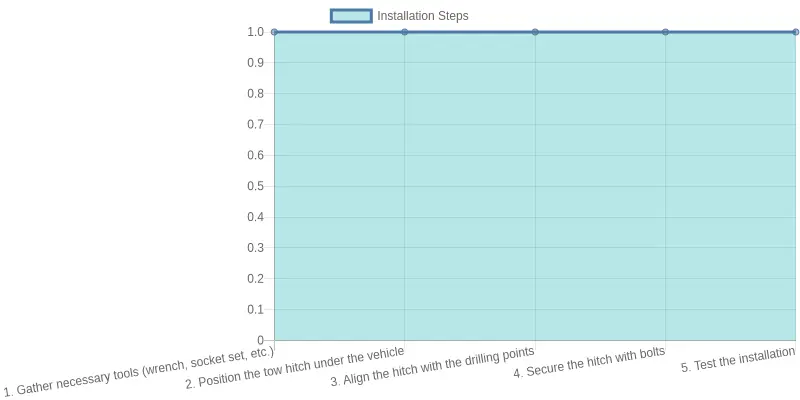
This image illustrates the steps to install a tow hitch on a truck, providing a visual reference to accompany the written instructions. For more information on towing services, you can learn more about our roadside services here.
“When installing a hitch on your vehicle, ensure compatibility with the trailer ball and mount. It’s important to follow safe installation practices to ensure secure towing.”
- Kellogg Supply, Trailer Hitch Setup and Safety Tips
The following chart illustrates how different weights impact the stability of a tow hitch during transportation. Proper weight distribution is crucial for maintaining stability and safety on the road. As shown in the chart below, lighter loads lead to greater stability, whereas heavier loads significantly reduce stability, illustrating the importance of proper cargo management.

| Weight (lbs) | Stability Rating |
|---|---|
| 500 | 9 |
| 1000 | 7 |
| 1500 | 4 |
| 2000 | 2 |
For more insights on safe towing practices, check out our towing service options and how to choose the right tow hitch.
Conclusion
In conclusion, understanding how to install a tow hitch on a truck is essential for business owners who are serious about optimizing their logistics and operational efficiency. Tow hitches provide significant advantages, such as flexibility in resource management and enhanced hauling capabilities. By making the smart choice to equip their trucks with tow hitches, business owners can effectively convert capital expenses into more manageable variable costs. This allows for better allocation of resources and ultimately leads to smoother business operations.
Moreover, the use of tow hitches enhances safety and compatibility with various loads, ensuring that businesses can transport equipment securely and efficiently. With an increase in the logistical demands facing modern businesses, investing in the right tow hitch is more relevant than ever.
Whether you are needing to haul trailers or transport equipment, a reliable tow hitch can make a tremendous difference. If you’re looking for support in choosing and installing the right tow hitch for your needs, contact us today to learn more about our services and how we can help you streamline your operations. Let’s drive your business forward together!
Stay connected with our resources to discover more about how a tow hitch can transform your business operations.
Word Count: 274