
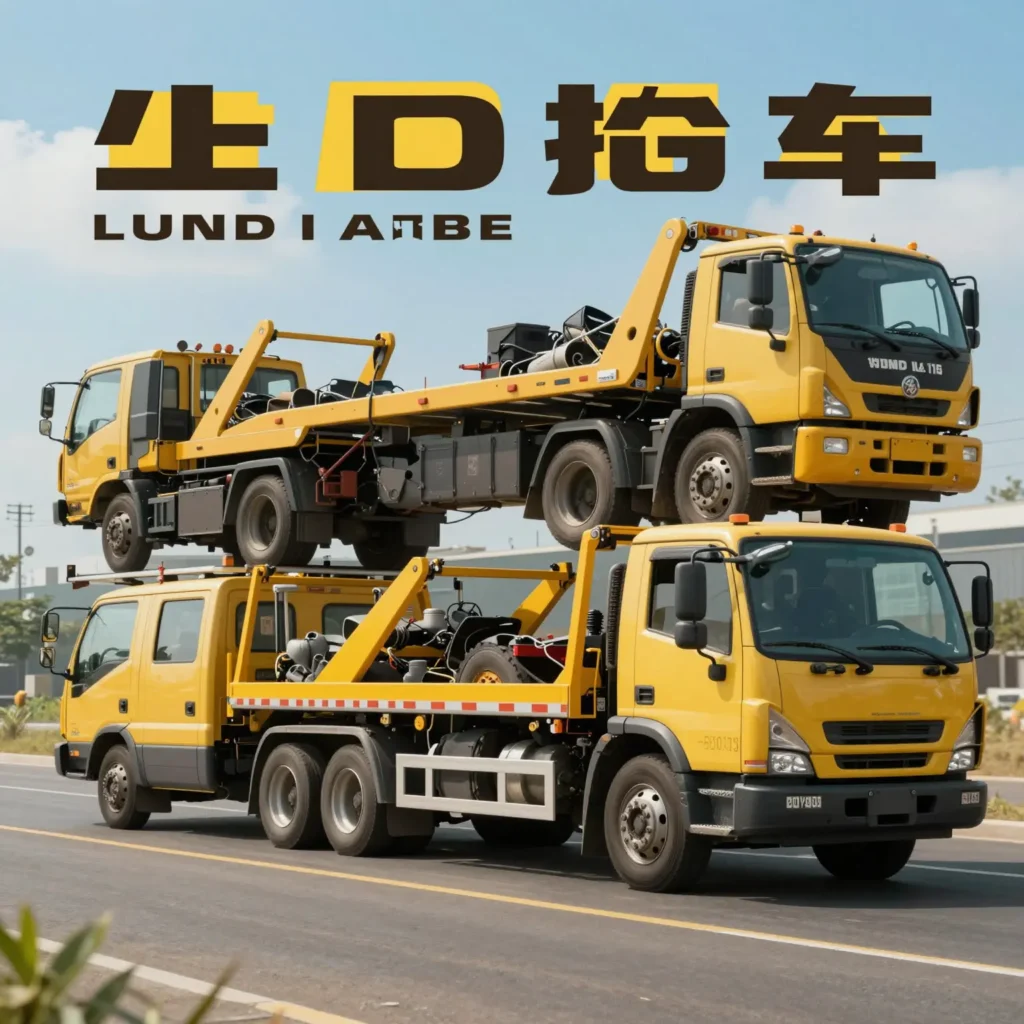
In the world of the towing business, owning a tow truck is not just an operational necessity; it’s a cornerstone of your enterprise’s success. As a business owner, the right tow truck can significantly enhance your service capabilities and elevate your reputation, positioning you as a reliable partner for individuals and businesses in need. Whether you’re just starting out or looking to expand your fleet, understanding what it takes to own a tow truck can unlock numerous opportunities for your business and bring added confidence to your operations. Learn more about our towing services and how they can support your success.
Reasons to Own a Tow Truck for Business Owners
Owning a tow truck can be a game-changing decision for business owners, especially within the automotive industry. Here are some compelling reasons why integrating tow truck services into your business model can enhance profitability and flexibility:
1. Increased Profitability
The towing industry in the U.S. was valued at approximately $10.3 billion in 2023, with projections showing a growth rate of around 4.1% annually. This indicates a robust demand for towing services and presents a lucrative opportunity for business owners looking to expand their service offerings. By owning a tow truck, businesses can:
- Capitalize on immediate service needs: Providing towing services allows businesses to manage on-the-spot customer needs, increasing potential revenue streams.
- Enhance service packages: For auto repair shops or dealerships, having a tow truck means that customers can have their vehicles towed at a discounted rate if they agree to repair service, which can maintain customer loyalty and boost profits.
2. Operational Flexibility
Owning a tow truck gives business owners flexibility in operations that can significantly improve their workflows.
- Affordable service adjustments: Business owners can adjust their towing rates based on demand, ensuring competitive pricing that attracts more clients. This can also lead to prioritizing urgent needs during busy hours.
- Expand service areas: With a tow truck, businesses can extend their operating area without relying on third-party towing services, giving them greater control over logistics and customer satisfaction.
3. Enhanced Customer Service Offerings
Integrating towing services can substantially improve customer satisfaction as clients appreciate convenience and comprehensive service offerings. Here’s how:
- Immediate Response: Customers often rely on fast service during emergencies. Owning a tow truck means providing swift assistance and improving response times.
- Additional Services: Offering roadside assistance or recovery services can attract more clients to your business and differentiate it from your competitors. For example, roadside tire changes or jump-starts can greatly enhance your service package.
Conclusion
In conclusion, owning a tow truck presents numerous advantages for business owners, including increased profitability, operational flexibility, and enhanced service offerings. For those ready to expand their business potential, investing in a tow truck can be a valuable step forward. If you’re curious about starting a towing service, consider exploring options with local experts such as Mike’s Towing or inquire about customizable towing solutions with Mike’s Roadside Service.
Types of Tow Trucks
When considering owning a tow truck, it’s essential to understand the various types available and their specific applications. Here’s a list of common types of tow trucks that may suit different business needs:
-
Flatbed Trucks: These trucks feature a flat platform that allows vehicles to be driven onto them. They are ideal for transporting damaged vehicles, as they can accommodate any car without risking further damage during towing. Flatbed trucks are often used in commercial towing and for transporting exotic cars.
-
Hook and Chain Trucks: This type utilizes a hook and chain system to lift vehicles from one end. While historically popular, they are less commonly used today due to the potential for damage to the towed vehicle. They are still suitable for towing junk or inoperative vehicles.
-
Wheel Lift Trucks: Similar to hook and chain trucks, wheel lift trucks attach to the wheels of the vehicle being towed. This method minimizes vehicle damage and is efficient for most towing jobs, making it a popular choice among tow truck operators.
-
Integrated Tow Trucks: These models combine a conventional tow truck with a boom lift system, integrated into a single vehicle. They are perfect for towing larger vehicles like buses or heavy-duty trucks, offering versatility and efficiency.
-
Boom Trucks: These trucks have a hydraulic arm that can extend and lift heavy loads, making them suitable for recovery operations. Boom trucks are often used in situations where vehicles need to be pulled from precarious positions, like ditches.
-
Rotator Trucks: Equipped with a rotating boom, these trucks are designed for heavy recovery jobs. They can handle large wrecks or vehicles that are overturned, making them valuable for emergency response operations.
Choosing the right type of tow truck is crucial for any business owner looking to enter the towing industry. For more tips on jumpstarting your towing business, check out this guide on starting a tow truck business.
Understanding the functionality of each truck type helps in making informed decisions based on operational needs and market demands. For further details on road assistance, feel free to visit Mikes Roadside Service.
Overall, investing in the right type of tow truck can enhance your service offerings and improve customer satisfaction within your towing business.
Financing Options for Purchasing a Tow Truck
When it comes to expanding your towing business, acquiring a tow truck can be a significant investment. Fortunately, there are several financing options available that can help business owners manage this cost effectively. Here’s a comprehensive overview of loans, leasing, and grants specifically tailored for those in the towing industry.
1. Loans
Obtaining a loan is one of the most common ways to finance the purchase of a tow truck. Business owners can consider different types of loans:
- Commercial Truck Loans: These loans are specifically designed for purchasing commercial vehicles like tow trucks. They often come with competitive interest rates and repayment terms that suit business cash flows. You will typically need to provide detailed business information, including your credit history and projected income.
- SBA Loans: The U.S. Small Business Administration (SBA) offers various loan programs that can be beneficial for tow truck business owners. These loans often have lower interest rates and longer repayment terms but may require substantial documentation and a strong credit profile.
2. Leasing
Leasing a tow truck can be an attractive alternative to buying one outright. Here are some advantages:
- Lower Upfront Costs: Leasing generally requires less upfront capital than purchasing a truck.
- Tax Deductions: Monthly lease payments can often be deducted as a business expense, providing potential tax benefits.
- Flexibility: At the end of a lease term, you can choose to upgrade to a newer model, which can help you keep up with advancements in towing technology.
3. Grants
While less common, there are grants available that may be applicable to tow truck businesses:
- Government Grants: Websites like Grants.gov offer information about available grants that can support small businesses, including those in the towing industry. It’s essential to thoroughly research and apply for grants that align with your business goals.
- Local Initiatives: Some local governments may offer grants specifically for vehicle purchases to support small businesses and encourage local economic growth.
Conclusion
Financing a tow truck is a critical step for business owners looking to expand their operations. Whether you choose to pursue a loan, lease a vehicle, or explore grant opportunities, it’s crucial to carefully evaluate your options. For more information on the best financing solutions tailored to your unique needs, consider consulting resources such as Tow Truck Finance for expert guidance.
Managing financing smartly can ultimately lead to more efficient operations and a more significant return on investment in the competitive towing business.

Regulatory Considerations for Owning and Operating a Tow Truck
Owning and operating a tow truck entails navigating various regulatory requirements and obtaining necessary licenses to ensure compliance with local, state, and federal laws. Here are some key considerations:
Licensing Requirements
-
Commercial Driver’s License (CDL): Depending on the weight of the tow truck, operators may need a Class B CDL. Specifically, if the gross vehicle weight rating (GVWR) is 26,001 pounds or more, including any towed vehicles, a CDL is necessary. This requirement is crucial for maintaining road safety and legal operation (FMCSA).
-
Towing Permit: Most jurisdictions require operators to have a towing permit which allows them to tow vehicles legally. In some cases, a Motor Carrier Permit is also required, especially for those who intend to operate across state lines (PFleet).
-
Business Insurance: Adequate insurance coverage is legally mandated in many areas to protect against liabilities and ensure financial security. Failing to obtain proper insurance can lead to fines and revocation of business licenses (Vocal.media).
-
State-Specific Licenses: Every state may have its specific licensing requirements. For example, in Washington State, obtaining a Registered Tow Truck Operator license includes adhering to particular registration and compliance steps (Washington State Department of Licensing).
Safety Regulations and Certifications
Safety in the towing industry is paramount. Here are some regulations and certifications you should be aware of:
- Safe Practices and Protocols: Towing companies must adhere to established safety standards which include maintaining specialized equipment and trained personnel. Regular vehicle inspections and driver safety training are essential to ensuring compliance with industry safety standards (Action Towing Service).
- OSHA Regulations: The Occupational Safety and Health Administration (OSHA) provides guidelines and resources relevant to the towing sector. Operators should ensure compliance with OSHA regulations to avoid safety hazards and improve operational protocols (OSHA).
- Mandatory Training Programs: In certain regions, new certification processes are being implemented which require tow truck drivers to complete a training program that focuses on safe transport practices (Ontario News).
Navigating the licensing and safety regulations is crucial for anyone looking to own and operate a tow truck. Staying informed about these requirements can help ensure a successful and compliant towing business.
Owning and operating a tow truck business can be both rewarding and challenging. Through the experiences shared by various business owners in the towing sector, we can learn valuable insights about their journeys, common challenges, and strategies for success.
Case Study 1: ASAP Towing
ASAP Towing, represented in an insightful article by UpFlip, illustrates how a tow truck business can grow substantially. The company started with a handful of trucks and a clear understanding of the local market dynamics. The owners emphasized the importance of obtaining the right licenses and permits, a fundamental step to establish a retail presence and gain customer trust.
Common Challenges:
- Competition and Market Understanding: New entrants must be attuned to local demand and competition to develop differentiated services.
- Initial Investment: Starting capital for trucks and insurance can be considerable, requiring careful financial planning.
Wins:
- Effective Marketing: Successfully leveraging digital marketing strategies to establish an online presence helped boost customer engagement and visibility.
- Building Relationships: Networking with local businesses and providing exceptional customer service resulted in referral opportunities, crucial for growth.
Case Study 2: Tidbits of Experience
Another valuable source of information comes from “Tidbits of Experience,” which highlights various real-life success stories from the towing industry. This collection showcases business owners who have tackled significant challenges, such as vehicle recovery in harsh conditions and maintaining high customer satisfaction rates.
Common Challenges:
- Operational Efficiency: Managing logistics and ensuring timely responses while operating in unpredictable conditions often proved demanding.
- Client Trust: Establishing credibility within the community was crucial, with many owners initially struggling to be perceived as reliable.
Wins:
- Problem-Solving Strategies: Successful owners showed resilience by developing effective solutions to complex recovery missions, enhancing brand reputation.
- Diversifying Services: Many businesses added complementary services like roadside assistance, which maximized revenue opportunities and customer retention.
Conclusion
The experiences of these tow truck business owners provide valuable lessons for aspiring entrepreneurs in the towing industry. Understanding market demands, investing wisely in marketing, and diversifying service offerings are key strategies that can lead to sustainable success.
Comparison Table of Popular Tow Truck Models
| Tow Truck Model | Features | Price Range | Towing Capacity |
|---|---|---|---|
| 2023 Ford F-550 | – Power Stroke Diesel Engine – 4WD – State-of-the-art towing technology |
$45,000 – $75,000 | Up to 19,500 lbs |
| 2023 RAM 5500 | – 6.7L Cummins Turbo Diesel – Heavy-duty chassis – Advanced towing features |
$40,000 – $70,000 | Up to 18,500 lbs |
| 2023 Hino 258ALP | – Compact with high payload capacity – Low cab forward design – Easy maneuverability |
$60,000 – $85,000 | Up to 20,500 lbs |
| 2023 Isuzu NPR | – Versatile for light-medium towing – Reliable Isuzu diesel engine – Spacious interior |
$35,000 – $55,000 | Up to 17,950 lbs |
| 2023 Ford Transit 350 | – Gasoline V6 engine – Low floor for easy loading – Versatile interior options |
$40,000 – $60,000 | Up to 7,500 lbs |
Key Considerations
- Price Range: The price can vary significantly depending on the included features and specializations within the model.
- Towing Capacity: Understanding what the truck can handle is crucial for business decisions and profitability.
For further details about towing services, check out Mike’s Towing to explore the options that align with your business strategy.
If you are interested in exploring towing services in your area, visit Mike’s Roadside Service.
Conclusion
Owning a tow truck is not just about having the right vehicle; it’s about making strategic decisions that will set your business up for success. Through our comprehensive guide, we’ve covered the critical steps involved in becoming a tow truck owner, from obtaining the necessary licenses and insurance to selecting equipment and understanding operational costs. Understanding the nuances of the towing industry is essential for any business owner venturing into this field.
It’s crucial to stay informed about industry standards and best practices to ensure your operations run smoothly and efficiently. Leveraging services like Mike’s Roadside Service can give you the edge you need, whether it’s for guidance on regulations or support in the operational aspect of your business.
If you are ready to take the next step in your journey, I encourage you to reach out to Zoomlion for more information on their tow trucks. Securing the right equipment is vital for providing quality service to your customers and driving your business forward. Don’t hesitate-contact Zoomlion today to find out how their solutions can meet your business needs! Each decision you make can propel your enterprise toward greater success in the lucrative towing industry.
Take action now, and transform your business ambitions into reality!
Quote on the Significance of Owning a Tow Truck
“Owning a tow truck is essential for providing reliable automotive services, enabling operators to assist stranded motorists, and ensuring vehicle safety during transport. It highlights the significant role tow trucks play in roadside assistance and the potential business advantages that come with owning such vehicles.”
- Winchester Tow Truck
Unlocking Your Business Potential
This quote emphasizes the multiple benefits of owning a tow truck, including improving customer service and enhancing business operations. For business owners in the towing industry, this investment is not just about equipment; it’s about establishing a reliable service that can lead to greater customer satisfaction and loyalty.
For more insights into the towing industry, check out Mike’s Roadside Service for comprehensive services that extend beyond just towing.