

Understanding Towing Services: A Vital Resource for Business Owners
As a business owner, being prepared for emergencies is crucial. Vehicles breaking down can disrupt operations and lead to unforeseen delays, making towing services an essential lifeline. Imagine if a delivery truck or a company vehicle encounters mechanical trouble-how quickly can you get them back on the road? This is where understanding your options, particularly the question “can I call a tow truck to tow a car?”, becomes pivotal.
Emergency situations require swift responses, and having a reliable towing service on speed dial can be the difference between a minor hiccup and a major operational setback. Quick response times not only minimize disruptions but also help maintain professionalism and uphold your business reputation. Additionally, knowing local towing resources, such as those found at Mike’s Towing, ensures that help is just a phone call away.
In an ever-challenging business landscape, embracing the reliability of towing services can empower business owners to handle emergencies more effectively, keeping their fleet running smoothly and enhancing overall productivity.
When to Call a Tow Truck: Essential Scenarios for Business Owners
For business owners, having a reliable towing service can be crucial for minimizing disruptions caused by vehicle mishaps. Here are key scenarios in which you should consider calling a tow truck:
1. Vehicle Breakdowns
- Engine Failure: Sudden mechanical issues, such as engine malfunctions or flat tires, can halt your operations. Immediate towing can ensure your vehicle gets to a trusted repair shop without unnecessary delays.
- Delivery Issues: Delivery vans or trucks that break down can jeopardize timely service delivery, affecting customer satisfaction and business reputation. Having roadside assistance options ensures quick recovery.
2. Accidents
- Collisions with Other Vehicles: If your commercial vehicle is involved in an accident, it’s vital to call for a tow truck if the vehicle is undriveable. This helps avoid legal complications and ensures the safety of all parties involved.
- On-Site Incidents: Accidents can also occur at job sites involving heavy machinery or service vehicles, necessitating immediate towing to remove hazards and restore operations.
3. Illegal Parking
- Towed for Violations: Business vehicles can be towed from restricted zones or for parking violations (like expired permits). Prompt action is required to retrieve your vehicle from the impound lot, minimizing downtime in your operations.
- Urban Compliance: Urban areas often have strict parking regulations. Business owners must be proactive about where they park to avoid potential towing issues.
4. Relocating Vehicles
- Between Job Sites or Repair Facilities: If you need to move vehicles between locations for maintenance or logistics, a towing service is essential for safely relocating assets without risking damage.
- Preventative Measures: Establishing a relationship with a reliable towing company can serve as a proactive strategy to manage potential vehicle breakdowns and enhance operational efficiency.
In summary, business owners should consider calling a tow truck in cases of vehicle breakdowns, accidents, and illegal parking incidents. Having access to reliable roadside assistance can help mitigate potential losses and maintain smooth business operations. Learn more about towing services in Houston to ensure you’re prepared for any road emergency.
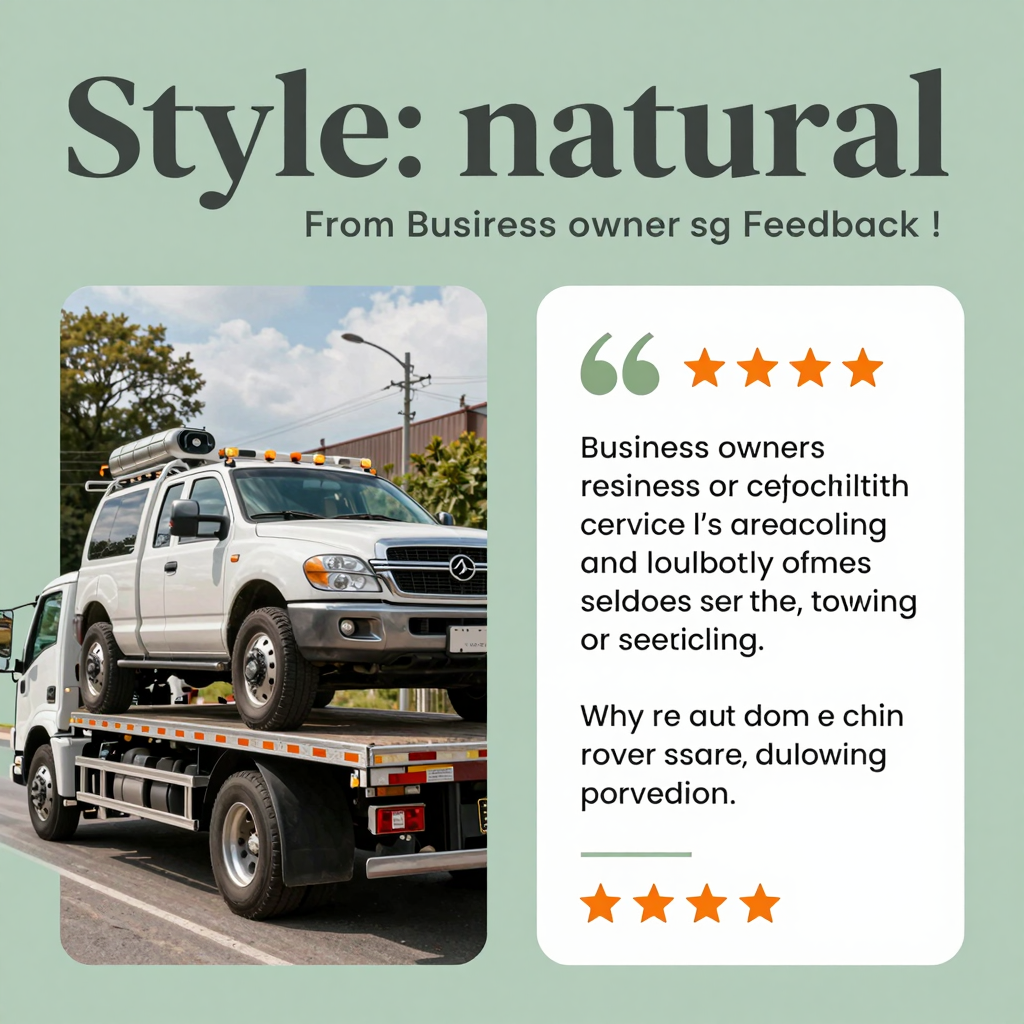
“I had to call Mike’s Towing on a Saturday afternoon when my truck broke down. They arrived quickly and handled everything with such professionalism. I couldn’t have asked for better service!”
- John D., Local Business Owner
When considering whether you can call a tow truck to tow your car, especially if you’re a business owner, it’s essential to know that timely towing services like those provided by Mike’s Towing are crucial for minimizing downtime and maintaining operations. Their commitment to prompt and reliable service is reflected in numerous testimonials from satisfied customers, including this one from a local business owner who experienced the difference firsthand.
For any business, having access to a dependable towing service can mean the difference between a minor inconvenience and a significant loss of revenue. To view more about their services, you might want to check out the available towing services in Houston.
Types of Tow Trucks: Choosing the Right One for Your Business
Tow trucks are essential in various industries, particularly for businesses reliant on vehicles. Understanding the types of tow trucks available will help business owners determine the most effective solutions for their needs. Here’s a closer look at the different types of tow trucks and their best applications in a business setting.
1. Flatbed Tow Trucks
Flatbed tow trucks feature a long, flat surface where vehicles can be securely strapped. Here are some key points:
- Mechanism: The bed can be lowered to the ground, allowing vehicles to be driven or winched onto it.
- Advantages:
- Zero ground contact prevents any tire or drivetrain damage.
- Ideal for towing all vehicle types, including low-clearance and all-wheel-drive models.
- Superior safety during transport, making it suitable for long distances.
- Best Uses:
- Towing luxury vehicles, accident recovery operations, and longer distances.
For more on roadside services, consider how flatbeds provide a secure transport option.
2. Hook and Chain Tow Trucks
As one of the older designs, hook and chain tow trucks use chains to hook onto a vehicle’s axle. Key aspects include:
- Mechanism: A heavy chain wraps around the front or rear axle.
- Advantages:
- Cost-effective and simple to deploy.
- Fast operation in urgent situations.
- Limitations:
- This method can damage the vehicle during towing, making it less suitable for high-value cars.
- Best Uses:
- Emergency towing of illegally parked vehicles and junkyard operations.
3. Wheel-Lift Tow Trucks
Wheel-lift trucks lift a vehicle by its wheels through a cradle mechanism, providing a versatile option for business needs:
- Mechanism: A hydraulic boom lifts one axle while the other remains on the ground.
- Advantages:
- High lifting capacity, effective in accident recovery scenarios.
- Allows for precise vehicle positioning, critical for urban towing.
- Limitations:
- Potential for damage to the vehicle’s undercarriage and requires skilled operators to ensure safe deployment.
- Best Uses:
- Emergency roadside assistance and urban towing operations.
Comparative Chart of Tow Truck Types
| Type of Tow Truck | Key Features and Mechanism | Advantages | Limitations | Best Uses for Business |
|---|---|---|---|---|
| Flatbed Tow Truck | Hydraulically operated, flat loading area | – Zero ground contact – Safe for all vehicles |
– Higher costs – Requires more space |
– Luxury and long-distance towing |
| Hook and Chain Tow Truck | Heavy chains and hooks | – Simple and cost-effective – Fast setup |
– Potential vehicle damage – Limited use |
– Towing junk and illegally parked vehicles |
| Wheel-Lift Tow Truck | Hydraulic lifting of one axle | – Effective for heavy vehicles – Precise |
– Risk of damage – Needs training |
– Emergency roadside assistance – Urban towing operations |
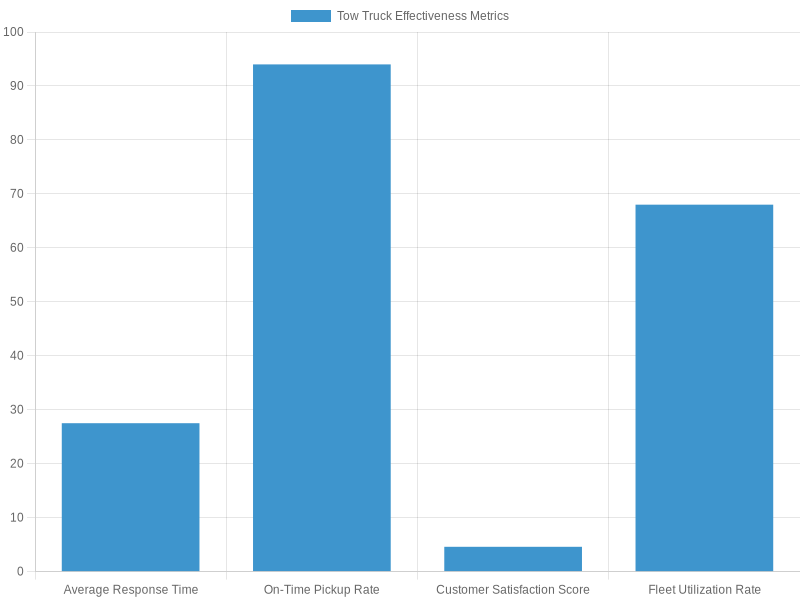
Tow Truck Effectiveness Metrics
Here’s a quick glance at the effectiveness metrics of tow trucks based on various business needs:
| Category | Statistics/Details | Source |
|---|---|---|
| General Industry Use | 1.2 million tow trucks in operation in the U.S. annually | NARS |
| Efficiency Metrics | Average response time for roadside assistance is 27.5 minutes | AAA, 2024 |
Understanding these types of tow trucks and their specific advantages allows businesses to optimize their vehicle recovery and roadside assistance operations. For more information on towing services, visit Mike’s Towing.
| Towing Option | Estimated Costs | Key Features | Pros | Cons |
|---|---|---|---|---|
| In-house Towing | $75,000 – $150,000 upfront | Full control, dedicated service | Faster response, higher customer satisfaction | High upfront investment, maintenance required |
| Third-party Towing Services | $100 – $200 per tow | Flexibility, no upfront costs | Lower initial costs, no maintenance burden | Variable service quality, longer wait times |
| Fleet Partnerships | $1,200 – $3,000 monthly | Shared costs & guaranteed response time | Predictable costs, contractual agreements | Requires commitment, potential service limits |
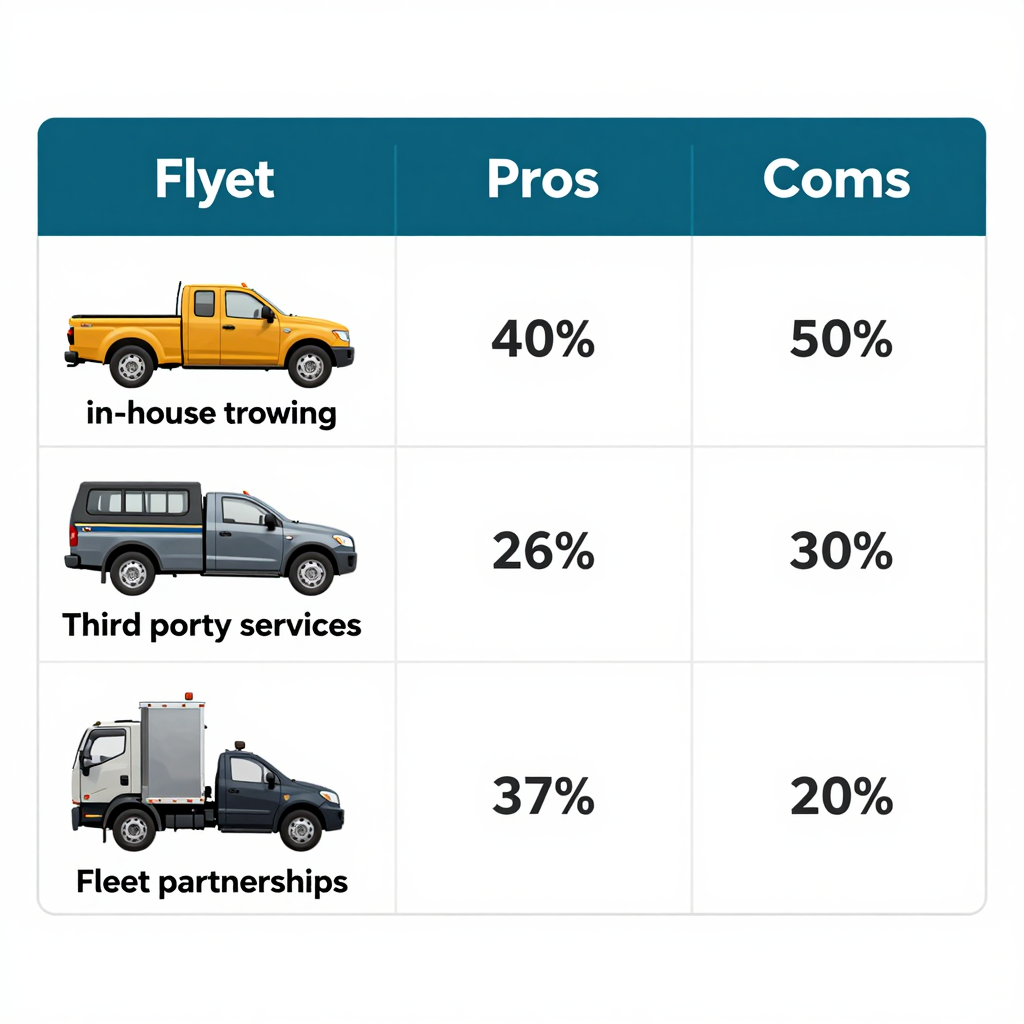
This table summarizes the different towing options available to business owners. For an in-depth look at towing services, check out our guide on towing solutions for commercial fleets and a cost comparison guide.
Don’t Wait – Contact Us Today!
If you find yourself in a situation where you need a tow truck, your first thought might be, “Can I call a tow truck to tow my car?” The answer is a resounding yes! But don’t just take your time. When an emergency strikes, you need a reliable towing service that responds quickly.
At Mike’s Towing, we’re dedicated to providing fast and professional service to business owners like you, ensuring your vehicle is handled with care and transported to your desired location. Our team is available 24/7, ready to assist you whenever you need help.
Don’t wait another minute! Contact us today at Mike’s Towing for immediate assistance, or explore our roadside services to learn more about how we can support you. Remember, we’ll be there when you need us most, ensuring you’re back on the road in no time!
Safety Considerations When Calling for a Tow Truck
Business owners need to prioritize safety when calling for a tow truck. Ensuring personal safety, vehicle protection, and awareness of local towing regulations are vital aspects of this process. Here’s what to consider:
Personal Safety
- Stay Alert: Always be aware of your surroundings when calling for a tow truck, especially if you’re on the side of a road. Ensure that you are in a safe location away from traffic.
- Wait Inside Your Vehicle: If you’re stranded on a busy road, it’s often safer to stay inside your vehicle with your seatbelt fastened. This keeps you out of harm’s way until help arrives.
- Use Hazard Lights: Activate your hazard lights to alert other drivers that your vehicle is stationary and you may need assistance.
- Share Location: Inform someone about your situation and location or use your phone’s GPS to share your exact location with the towing service.
Vehicle Protection
- Choose Reputable Tow Services: Always opt for a well-reviewed towing company. Learn more about Mike’s Towing Services to ensure reliability and professionalism.
- Inquire About Equipment: Ensure the tow truck is equipped appropriately to handle your specific vehicle type; this helps prevent potential further damage.
- Document the Condition: Take photos of your vehicle’s condition before it is towed. This documentation can be crucial in case of damage claims.
Know Local Towing Regulations
- Understand Local Laws: Familiarize yourself with the local towing regulations that apply to your area. For example, regulations may dictate how long a car can remain in a no-parking zone before being towed.
- Ask About Fees and Charges: Ensure you understand the fee structure for towing services, including any additional fees for storing your vehicle. For comprehensive information, read up on towing regulations in your area to avoid surprises.
Final Thoughts
By taking these safety measures into account, business owners can protect themselves and their vehicles during the towing process. Prioritizing safety not only helps prevent accidents but also ensures a smoother experience when engaging towing services.
User Experiences with Towing Services: Insights from Business Owners
As a business owner, reliable towing services are crucial to maintaining operational efficiency, especially for those managing fleets or providing roadside assistance. Recent feedback from various industry sources has highlighted key aspects of user experiences regarding towing services, emphasizing reliability and customer satisfaction. Here’s what business owners have shared about their experiences and expectations from towing companies.
Reliability and Response Times
One of the most significant factors influencing a business owner’s perception of towing services is reliability. According to a 2023 Consumer Reports study, major providers like AAA and Allstate Roadside Assistance consistently received high ratings in response times, with an average of under 30 minutes. Business owners noted that predictable pricing and clear communication during wait times greatly enhanced their satisfaction with these services.
The American Trucking Associations found that 78% of fleet operators consider reliability as a top priority. Key feedback involved expectations for a rapid response within 45 minutes and accurate diagnostic assessments before towing. Business owners expressed that delays in towing could lead to substantial downtime and revenue loss. In fact, 65% of operators indicated they would switch to a different provider if their current towing service fell short on reliability benchmarks.
Importance of Digital Integration
User experiences have increasingly highlighted the value of integrating technology into towing services. A J.D. Power study indicated that towing services offering mobile app features-such as real-time updates, tracking, and easy service requests-ranked significantly higher in reliability scores. Business owners particularly appreciated the convenience of service management through apps, which not only allowed for immediate assistance but also improved overall engagement with the towing provider.
Trust and Transparency
Feedback also underscores the significance of trust in the towing industry. Business owners reported that transparent communication, including upfront pricing and post-service follow-ups, led to greater customer loyalty. An article in Forbes noted that implementing feedback systems drastically improved response times and reduced recurring issues, such as inaccurate billing, thereby fostering a trustworthy relationship with customers.
Enhancing Customer Satisfaction
According to an analysis by the American Automobile Association (AAA), transparency and communication were highlighted as critical components of reliable towing services. Businesses that prioritized these aspects reported a 30% higher customer retention rate. Users expressed appreciation for consistent quality in service, which reinforced their trust in their towing providers.
By focusing on real-time tracking, professional service standards, and active customer engagement, business owners can significantly enhance their experiences with towing services. This feedback indicates that the right towing partner can help businesses minimize downtime and improve overall productivity, ensuring peace of mind during unexpected vehicle issues.
For further insights, consider exploring Mikes Roadside Service for reliable towing options in your area.
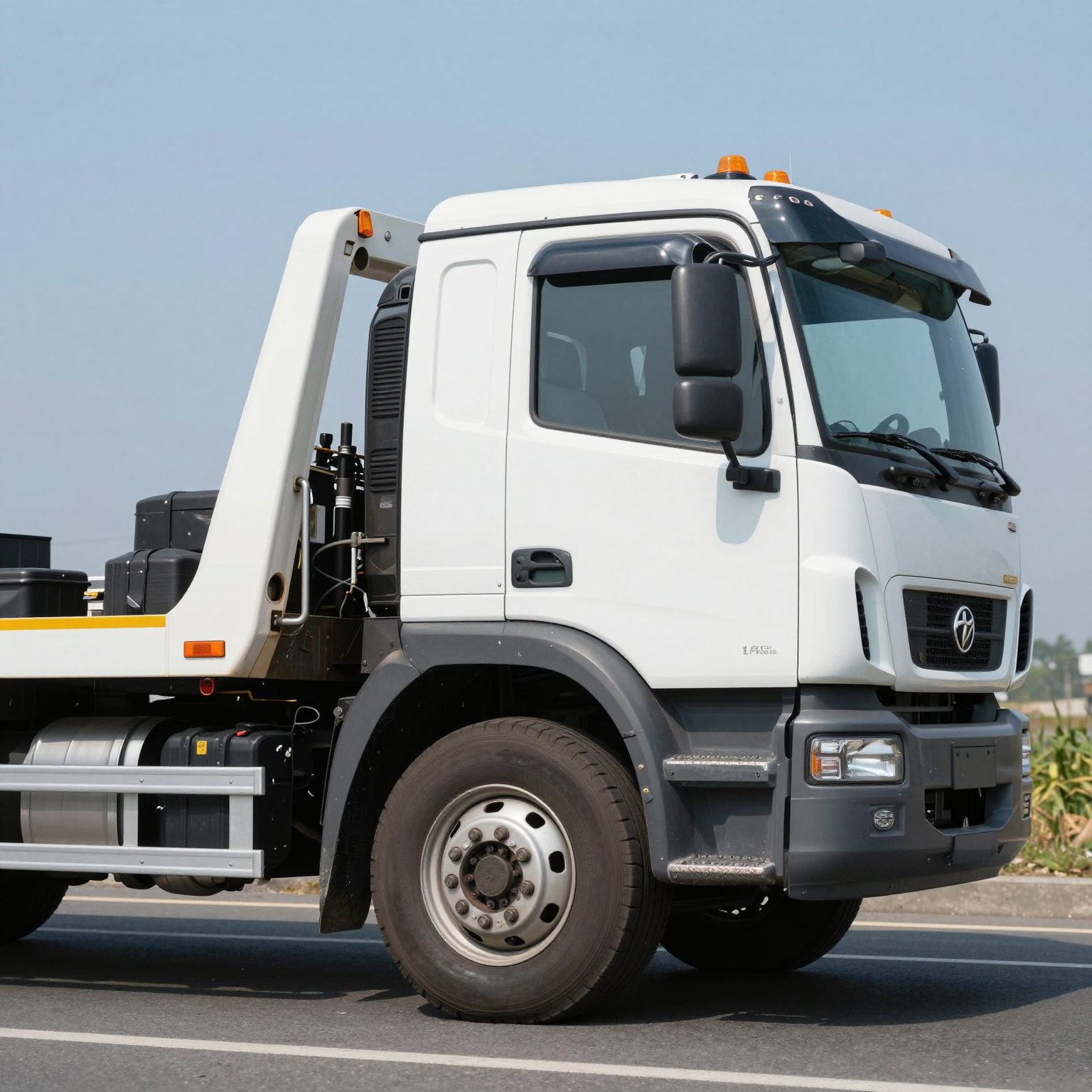
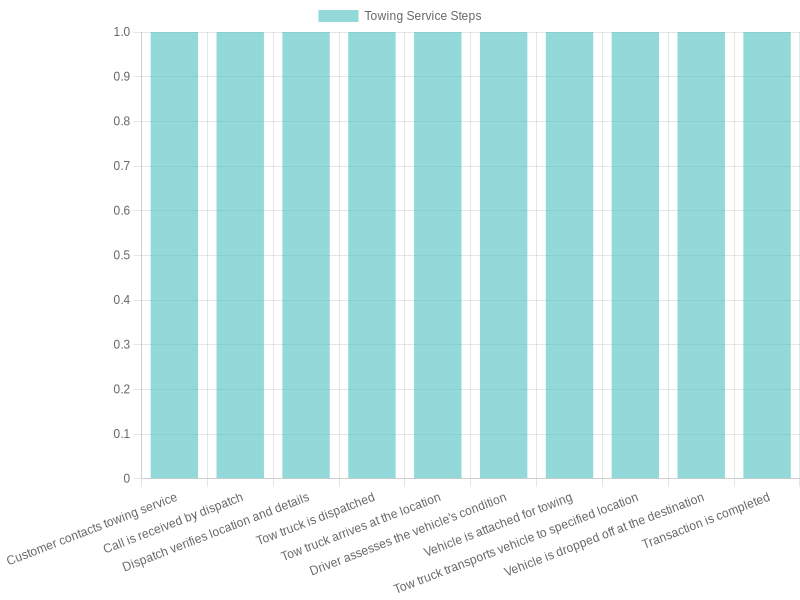
The towing process can be summarized in the following steps:
| Step | Description |
|---|---|
| 1. Customer contacts towing service | The customer calls the towing service to request assistance, typically due to a breakdown, accident, or vehicle issue. |
| 2. Call is received by dispatch | A dispatcher at the towing company answers the call and begins gathering information. |
| 3. Dispatch verifies location and details | The dispatcher confirms the exact location of the vehicle, type of incident, vehicle condition, and any special instructions. |
| 4. Tow truck is dispatched | Based on location and vehicle needs, the nearest available tow truck is assigned and sent to the site. |
| 5. Tow truck arrives at the location | The tow truck driver arrives at the scene and parks safely, assessing the situation before proceeding. |
| 6. Driver assesses the vehicle’s condition | The driver inspects the vehicle for damage, tire status, steering issues, and determines the safest method for towing. |
| 7. Vehicle is attached for towing | The driver secures the vehicle using appropriate towing equipment (e.g., flatbed, wheel-lift, or chain). |
| 8. Tow truck transports vehicle to specified location | The vehicle is driven to the agreed-upon destination (e.g., repair shop, storage facility, or private residence). |
| 9. Vehicle is dropped off at the destination | The tow truck driver delivers the vehicle and may assist with handoff procedures if required. |
| 10. Transaction is completed | The customer receives confirmation, pays the fee (if applicable), and the service is officially closed. |
For further assistance with tow services, you can learn more about our roadside services or explore our towing company options in Houston.