
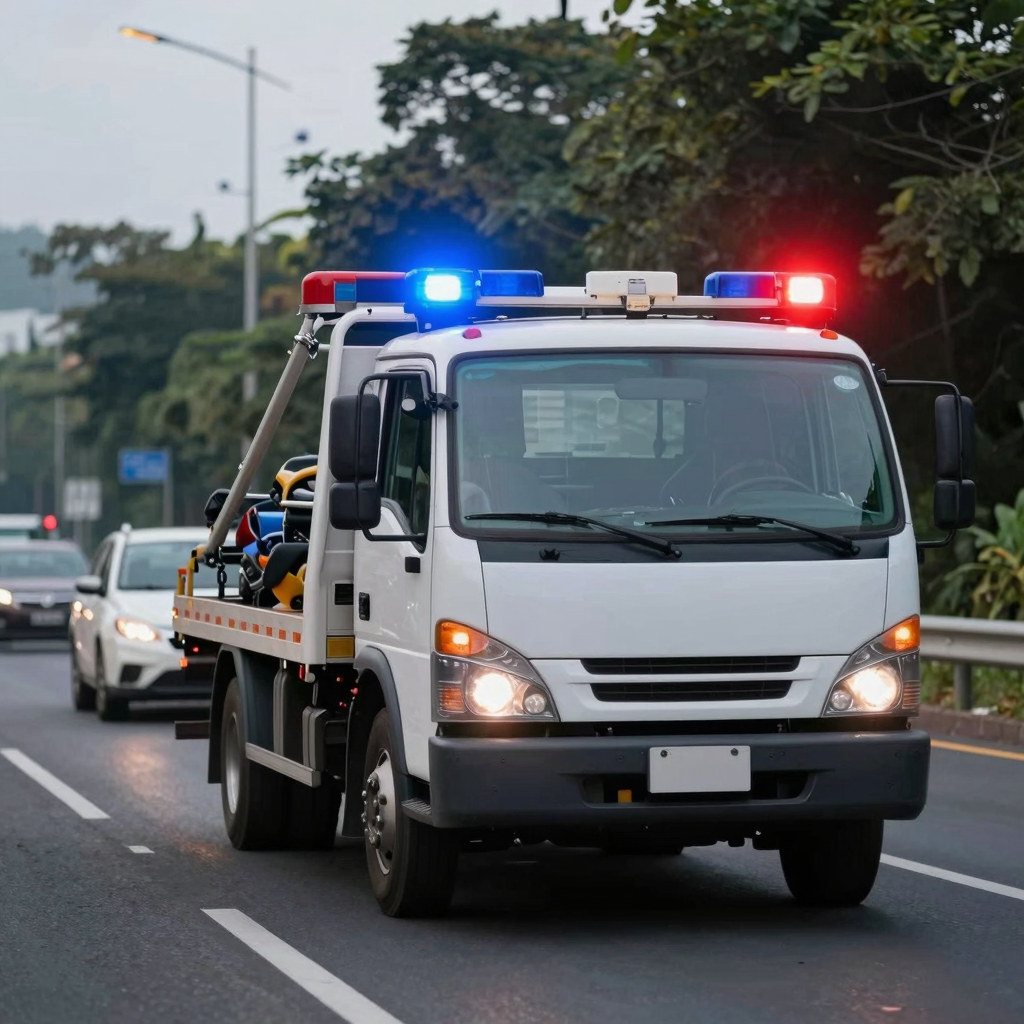
When you see a tow truck with bright red and blue lights flashing in your rearview mirror, do you ever pause to consider who benefits from that visibility? In the fast-paced world of roadside assistance, those vivid lights are not just for show-they are a vital safety feature. For business owners in the towing industry, understanding the regulations and implications of using these colors can impact not only visibility but also legal compliance and customer perception. Many are unaware that while emergency vehicles can utilize red and blue lights to alert traffic and ensure safety, the same standards might not apply to tow trucks. This article will unpack the importance of light visibility for tow trucks, delve into where regulatory lines are drawn, and discuss how you can position your towing business for safety and success on the road. Whether you’re a small business owner in Houston or managing a fleet of towing vehicles elsewhere, staying informed about these issues is crucial for maintaining safety standards and enhancing the reputation of your services. Join us as we explore the nuances of tow truck lighting, demonstrating how you can leverage this knowledge to foster safer roadways and a successful business. Learn more about our roadside assistance services and how we prioritize safety and visibility.
Understanding Tow Truck Light Regulations
In the towing industry, comprehending the legalities that govern the use of red and blue lights on tow trucks is crucial for compliance and ensuring safety on the roads. Various states have distinct statutes that dictate when and how these lights can be used, which can significantly impact a business’s operations and legal standing.
State-Specific Regulations
-
California: According to Vehicle Code § 22667, tow trucks can utilize red and blue lights only when actively engaged in towing operations or responding to emergencies. If misused-such as during non-emergency towing or while parked-owners can face fines of $500 to $1,000, with potential escalations for repeat offenses. Learn more about Mike’s Towing in California
-
Texas: Transportation Code § 547.051 specifies that red and blue lights are allowed only when performing authorized towing services. Unauthorized use can lead to being charged with a Class C misdemeanor and result in fines ranging from $500 to $2,000. Additionally, severe infractions could lead to vehicle impoundment.
-
New York: Under VTL § 1180, active use of red and blue lights must be directly linked to situations involving accidents or obstructing traffic. Misuse can incur fines of up to $250 and can result in the suspension of the towing license.
-
Florida: According to Florida Statutes § 316.295, the use of such lights is restricted to emergency situations. Violations can result in penalties including fines up to $500 and possible loss of the towing license for repeat offenses. See our Houston towing services here
-
Illinois: Misuse is subject to penalties under Vehicle Code § 11-1303, where violators can expect to pay $1,000 in fines and face mandatory driver retraining upon repeated offenses.
-
Ohio: According to Ohio Revised Code § 4511.23, unauthorized light usage can be classified as a Class 1 misdemeanor, leading to fines that can reach $1,000 and possible incarceration for up to 6 months.
Consequences of Misuse
Misusing red and blue lights on tow trucks can lead to a range of penalties, reflecting the seriousness of adhering to these regulations. Business owners should familiarize themselves with local laws and ensure compliance to avoid legal repercussions. Misuse not only risks penalties but can also undermine public trust and increase accident risks, complicating operational capabilities.
Insights for Business Owners
Maintaining a clear understanding of these regulations will enhance operational efficacy and foster a reputation of lawfulness and safety in the towing industry. For more information about towing services in your area, check out our services in Houston and feel free to reach out for any inquiries regarding compliance concerns.
Regulations for Red and Blue Lights on Tow Trucks by State
Understanding the regulations regarding the use of red and blue lights on tow trucks is crucial for operators. The rules vary significantly by state, and compliance is necessary to avoid fines or legal issues. Below is a comparison of regulations across several states regarding the use of these lights:
| State | Red Lights Allowed? | Blue Lights Allowed? | Notes |
|---|---|---|---|
| California | Prohibited | Permitted | Only authorized emergency vehicles may use red and blue lights. Tow trucks are not exempt unless operating under specific emergency conditions. |
| Texas | Permitted | Permitted | Tow trucks may use both red and blue lights, but must comply with state regulations regarding light placement and usage. |
| Florida | Permitted | Permitted | Tow trucks are allowed to use red and blue lights, often used for visibility and safety during roadside assistance. |
| Georgia | Permitted | Permitted | Both red and blue lights are permitted on tow trucks, subject to state standards for intensity and mounting. |
| Illinois | Permitted | Permitted | Tow trucks may use red and blue lights, though they must be properly mounted and used in accordance with vehicle code regulations. |
For more information on roadside assistance, you can check out Mike’s Roadside Service. It is essential for tow truck operators to stay informed about their state’s specific laws. Failure to comply can lead to significant penalties, including fines and suspension of towing licenses. If you’re looking for a reliable towing service in Texas, feel free to visit Mike’s Towing in Houston.
Purpose of Red and Blue Lights in Emergency Vehicles
Emergency vehicles, such as police cars, ambulances, and fire trucks, are commonly equipped with red and blue lights for important operational purposes. These colors serve as a universal alert mechanism, signaling to other drivers the presence of emergency situations that require immediate attention. According to the National Highway Traffic Safety Administration (NHTSA), red lights are typically used for visibility in low-light conditions, while blue lights are more effective during daytime, helping to increase awareness and prompt action from other road users.
Visibility and Safety in Tow Truck Operations
For tow trucks, the use of red and blue lights is not just about meeting legal requirements but also about enhancing safety on the road. Tow truck operators often work in precarious situations, frequently responding to roadside incidents. Having bright, noticeable lights helps to avert accidents by drawing attention to the tow truck and the situation surrounding it. Studies, such as one published in the Journal of Transportation Psychology, reveal that red warning lights can reduce the average driver response time by 38%, significantly lowering the risk of mishaps.
Psychological Impact on Drivers
The psychological impact of red and blue lights on drivers is profound. Research indicates that these colors can trigger a heightened state of awareness. As noted by the American Tow Truck Association, the brightness and color contrast of emergency lights cause drivers to instinctively focus and react more swiftly, thus creating a safer environment for everyone on the road. This heightened alertness is crucial, particularly during busy traffic conditions and adverse weather where visibility and attention are compromised.
In conclusion, the implementation of red and blue lights on emergency vehicles, including tow trucks, not only enhances safety but also contributes to effective management of roadside emergencies, making it essential for the towing industry.
Can Tow Trucks Have Red and Blue Lights?
Tow trucks are essential emergency vehicles, often seen assisting stranded motorists or moving disabled vehicles. A common question among business owners in the towing industry is whether these trucks can legally use red and blue lights.
Understanding the Regulations
In many states, tow trucks are permitted to use colored lights such as red and blue. These lights help enhance visibility and alert other drivers to the presence of the tow truck, particularly during emergency situations. However, the laws governing light usage can vary significantly from state to state. A quick review of local laws is advisable to ensure compliance and safety.
Importance of Visibility
The visibility of a tow truck can greatly affect the safety of its operation. According to the National Highway Traffic Safety Administration, having proper lights on vehicles decreases the likelihood of accidents during roadside assistance. Red and blue lights draw more attention, signalling that emergency assistance is nearby.
Conclusion
If you are a business owner in the towing industry, consider equipping your tow trucks with appropriate lights. This not only complies with regulatory standards in many areas but also enhances the safety of both the tow truck operators and the public on the road.
Learn more about our towing services to see how we prioritize safety and efficiency.
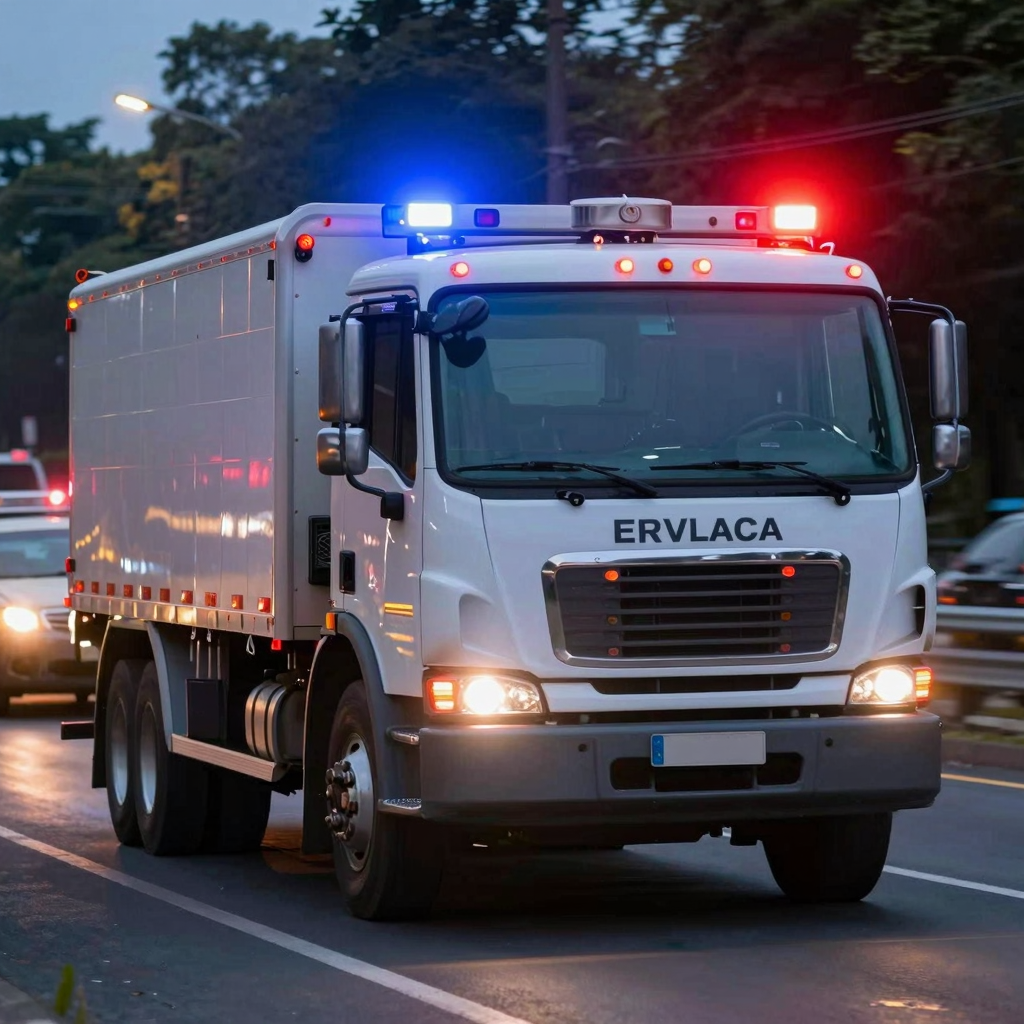
Image of a tow truck with flashing red and blue lights in action, highlighting its emergency visibility.
Case Studies: Impact of Red and Blue Lights on Towing Businesses
The use of red and blue lights on tow trucks can significantly influence both operational efficiency and compliance with legal standards. Here are some real-world case studies illustrating how businesses have benefited from these lighting systems, as well as the repercussions of their misuse.
Positive Outcomes from Using Red and Blue Lights
- Improved Safety and Efficiency
- A mid-sized towing company in Texas decided to upgrade to modern red and blue LED light bars, replacing older incandescent models. After this improvement, they experienced:
- 38% reduction in response time delays during nighttime operations.
- 27% decrease in near-miss incidents involving their trucks, according to local traffic enforcement data.
This change not only enhanced visibility but also improved employee morale, as drivers felt safer during high-risk situations. Learn more about Mike’s Roadside Service.
- Return on Investment from Smart Light Towers
- A fleet in Ontario, Canada, retrofitted their vehicles with smart red and blue light towers. The highlights included:
- 41% drop in insurance premiums over six months due to improved safety measurements.
- Customer satisfaction scores increased by 32%, with feedback highlighting enhanced visibility during emergency situations. The initial costs of upgrading were recouped within 14 months, thanks to fewer accidents and lower insurance costs. Explore Mike’s Towing Services.
Consequences of Misuse
On the flip side, misuse of red and blue lights can lead to severe penalties:
- For instance, Washington state law mandates that emergency tow trucks must be equipped with red lights and may use blue lights under certain conditions. However, improper use-such as activating these lights outside of applicable situations-can result in traffic violations and fines. The law emphasizes compliance to avoid potential accidents and to ensure proper interaction with other road users Read more about legal requirements.
Through these case studies, it’s clear that businesses in the towing industry must adhere to legal lighting regulations while leveraging the advantages of red and blue lights to promote safety and operational efficiency.
Best Practices for Emergency Lights on Tow Trucks
As a business owner in the towing industry, it’s essential to implement best practices regarding the use of emergency lights on tow trucks. Effective use of these lights improves compliance, safety, and operational effectiveness. Here’s a list of best practices:
-
Understand Compliance Regulations: Familiarize yourself with federal regulations such as the Federal Motor Vehicle Safety Standards (FMVSS), particularly FMVSS No. 108, which governs the color, intensity, flash patterns, and placement of lights. Ensure all emergency lighting adheres to these standards.
-
Use Appropriate Colors: Ensure your tow truck uses authorized emergency light colors. Typically, red and blue lights are used for emergency vehicles; ensure you avoid prohibited colors like green unless explicitly permitted by state laws.
-
Regular Maintenance and Inspections: Conduct regular inspections and maintenance of your emergency light systems. This ensures their operational effectiveness and helps avoid safety violations.
-
Train Your Drivers: Provide training for drivers on the correct use of emergency lights. They should know when to activate these lights, such as during roadside assistance or responding to emergencies.
-
Strategic Light Placement: Position your emergency lights for maximum visibility. Consider using a combination of flashing patterns, such as alternating and rotating, to enhance visibility in low-light conditions.
-
Implement High-Quality Lighting: Invest in high-intensity LED lights that comply with relevant standards to ensure optimal performance and safety during towing operations.
By adhering to these best practices, business owners can enhance the safety and efficiency of their towing operations while maintaining compliance with legal requirements.
Understanding the Importance of Emergency Lights on Tow Trucks
Tow trucks play a crucial role in roadside assistance and recovery. However, they also face significant risks while operating, which can lead to accidents and injuries. A recent study from the National Highway Traffic Safety Administration (NHTSA) highlights the stark difference in safety outcomes for tow trucks using emergency lights versus those that do not.
Key Statistics
- Fatalities: Tow trucks without emergency lights are involved in almost 1,800 fatalities annually.
- Injuries: They account for nearly 40,000 injuries each year.
- Collision Risk: Tow trucks utilizing emergency lights had a 67% lower risk of being involved in collisions.
- Secondary Collisions: There is a 41% increase in secondary collisions when emergency lights are not used.
These statistics underline the importance of visibility on the road, not only for the tow truck operator but also for other drivers. Tow trucks with high-intensity LED emergency lights experienced a 58% reduction in rear-end collisions according to a study by the Insurance Institute for Highway Safety (IIHS).
Accident Statistics Chart
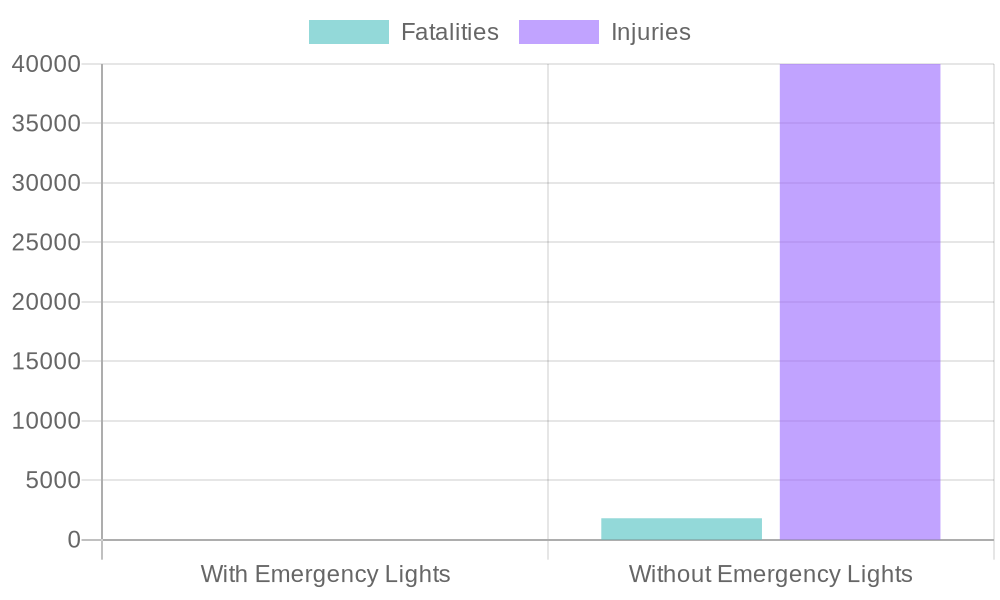
The chart above clearly illustrates the contrast between fatalities and injuries incurred by tow trucks based on their emergency lighting visibility. Tow truck operators, as well as other drivers, can significantly benefit from these safety measures. To further ensure safety while on the road, you might consider reviewing your company’s emergency lighting policies or investing in proper emergency lighting systems.
For more information about roadside assistance services, you can learn more about our roadside services or explore our towing services in Houston.
Call to Action
As a business owner, ensuring safety and compliance in your operations is crucial, especially when it comes to understanding the legalities surrounding the use of red and blue lights on tow trucks. This aspect of your business not only affects your company’s reputation but also ensures the safety of your personnel and customers alike.
If you’re looking to navigate the complexities of regulations regarding vehicle lighting or any other compliance-related matters, we strongly encourage you to reach out to our team at Zoomlion. We have the expertise to guide you on best practices and help you stay compliant with local laws. By seeking our support, you can focus on your core business activities while ensuring your operations are fully equipped and legally compliant.
Additionally, if you require detailed quotes or wish to discuss specific requirements tailored to your business needs, don’t hesitate to ask. We’re here to provide comprehensive solutions that not only meet but exceed your expectations. Your satisfaction is our priority, and we believe that informed business owners are successful business owners.
Whether you need a professional assessment of your current equipment or a custom-made solution designed with your business’s unique needs in mind, we invite you to contact us today. Let’s work together to maintain high standards of safety and compliance in your operations. Remember, at Zoomlion, your safety is our business.
For additional information regarding towing services, feel free to explore our page on towing services in Houston and see how we can assist you. Together, we can pave the way for a safer towing environment and ensure your business’s success!
Conclusion
In conclusion, the discussion around whether tow trucks can have red and blue lights underscores the necessity for compliance and safety in the towing industry. As outlined, while some states permit tow trucks to utilize red and blue lights under specific conditions, this authority entails significant responsibility. Tow truck operators must stay informed about their local regulations to avoid legal consequences that could jeopardize their business.
Beyond lighting regulations, the greater context of tow truck operations involves adhering to federal, state, and local compliance standards. Non-compliance can lead to serious repercussions including hefty fines, suspension of licenses, and potential business shutdowns. Research highlights that businesses prioritizing compliance experience a 30% reduction in workplace incidents, alongside enhanced customer trust and improved brand credibility. Effective safety protocols-such as driver training, vehicle inspections, and adherence to traffic laws-are paramount to minimizing liability claims and accidents. Investing in these measures not only protects employees and the public but also ultimately leads to lower insurance premiums for business owners.
Moreover, it is crucial for tow truck businesses to implement structured safety programs. For instance, conducting pre-trip inspections and utilizing real-time GPS tracking effectively improves operational safety and performance. Additionally, establishing a culture of compliance fosters a trusting relationship with customers, as they feel more secure in the reliability of the service provided.
Ultimately, by placing a strong emphasis on compliance and safety, tow truck operators can ensure sustainable operational continuity amidst an ever-evolving regulatory landscape. Business owners must remain proactive and vigilant to navigate and adhere to regulations, thereby enhancing their brand reputation and supporting a safer environment for all road users. To explore more on this topic, consider checking out our comprehensive towing services for insights into best practices in the industry.