
In the world of business, the importance of understanding towing capacity is often underestimated. For owners of trucks, this critical metric raises essential questions: How much weight can your vehicle safely tow without risking damage or legal issues? Does the weight of the truck itself factor into these calculations? For business operators who rely on trucks for transporting goods, adhering to specific weight limits is not just a regulatory requirement-it’s tied to operational efficiency and safety. Overloading a vehicle can lead to costly repairs, increased fuel consumption, and potential fines. Therefore, knowing your vehicle’s truck weight and how it affects vehicle capacity is vital for smooth operation. If you’re interested in learning more about effective towing solutions, feel free to explore our services. This understanding will not only save your company money but also enhance your reputation among clients for reliability and compliance.
Understanding Towing Capacity
Towing capacity refers to the maximum weight a vehicle can safely tow. It is a crucial specification, especially for commercial vehicles like trucks and SUVs used in various business applications. The manufacturing process determines this capacity based on several factors including engine power, transmission, chassis strength, and braking systems.
Importance of Towing Capacity
For business owners, understanding towing capacity is essential for several reasons:
- Safety: Exceeding the towing capacity can lead to significant safety issues such as brake failure, suspension damage, and an increased risk of accidents. Adhering to towing capacity ensures safe operations, especially when hauling crucial business equipment or goods.
- Compliance: The Federal Motor Carrier Safety Administration (FMCSA) mandates that commercial vehicles must display their towing capacity. Violating these guidelines can result in hefty fines or liability in accidents. For more details, learn about compliance.
- Cost Efficiency: Ensuring that the vehicle’s towing capacity matches the typical loads can enhance operational efficiency, reduce maintenance costs, and extend the vehicle’s lifespan. With fleets often relying on multiple trips to move heavier loads, aligning towing capabilities saves time and money.
Examples Relevant to Business Owners
- Delivery Services: A standard delivery truck may have a towing capacity of 7,500 pounds. This allows the vehicle to efficiently transport trailers or hauls of equipment which can significantly improve delivery times.
- Construction Companies: Heavy-duty trucks specifically designed for construction might have towing capacities of up to 30 tons (60,000 pounds). This capacity is vital for towing construction equipment like bulldozers and cranes.
- Landscaping Business: A medium-sized truck might have a towing capacity of 10,000 pounds, allowing landscapers to carry heavy trailers that transport tools and machinery.
Understanding and respecting towing capacity not only enhances safety but also optimizes operations for business owners. For those needing assistance, consider professional services such as Mike’s Towing to help with appropriate equipment and safety considerations.
In summary, towing capacity is a fundamental concept comprising safety, operational efficiency, and compliance for commercial vehicle operators.
Factors Influencing Towing Capacity
Understanding towing capacity is essential for ensuring safe and efficient towing. Several key factors affect how much weight a vehicle can safely tow, which is crucial information for business owners who depend on towing services. Here are the primary factors:
-
Vehicle Weight: The first critical factor to assess is the weight of the vehicle itself, commonly referred to as the curb weight. This is defined as the total weight of the vehicle without any cargo or passengers. The Gross Combined Weight Rating (GCWR), which includes the weight of the vehicle plus the weight of the trailer, is determined by the manufacturer. To ensure safe towing, the total weight should never exceed the GCWR.
-
Engine Power: Engine performance, particularly horsepower and torque, plays a significant role in towing capacity. A powerful engine generates sufficient force to tow heavier loads effectively. Generally, vehicles equipped with higher torque engines and those designed for towing will handle larger trailers with more ease.
-
Transmission Type: The vehicle’s transmission type and its gear ratios influence towing capabilities. Vehicles with lower gear ratios allow for better torque delivery, making it easier to tow faster and uphill. Automatic transmissions can provide more consistent performance under load compared to manual transmissions.
-
Design Specifications: The vehicle’s structural design, including the frame strength and wheelbase, affects stability while towing. A longer wheelbase enhances towing stability, reducing swaying. Heavy-duty suspension systems and integrated towing packages are also vital, as they help distribute the weight more evenly.
-
Braking System: An effective braking system is paramount for towing safety. Towing increases the stopping distance significantly, so having a robust braking system helps maintain control over the vehicle and trailer. Many modern vehicles come with integrated brake controllers that sync with the trailer brakes, an essential feature for heavier loads.
-
Cooling System: Towing generates additional heat, especially in the engine and transmission. Therefore, having an efficient cooling system is crucial to preventing overheating during longer voyages. Vehicles designed for towing often feature upgraded radiators and transmission coolers.
Each of these factors contributes notably to determining a vehicle’s towing capacity and aids in maintaining safety while towing. For more detailed insights on achieving optimal vehicle performance, you can learn more about our towing services here.
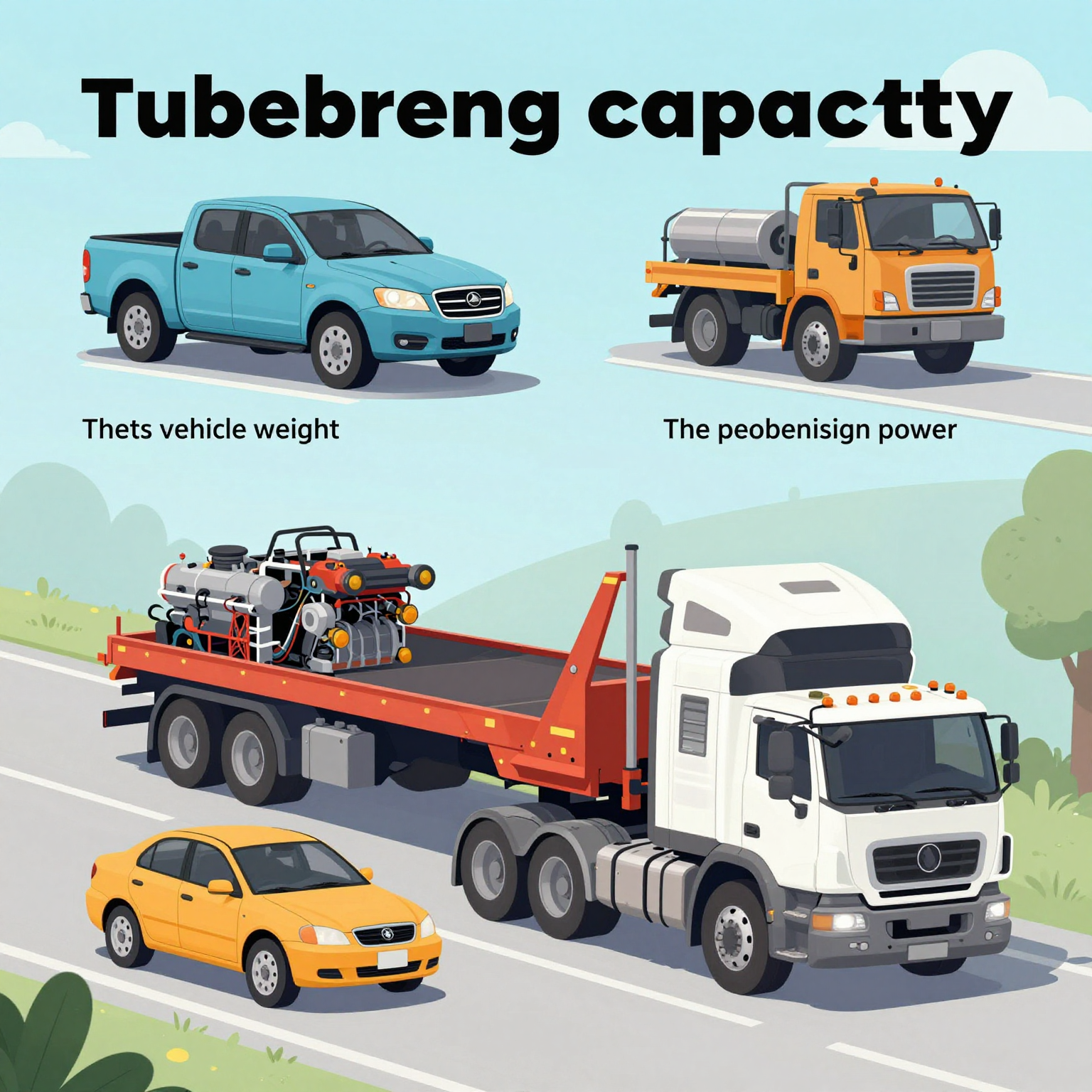
Understanding Truck Towing Capacities for Business Owners
When choosing a truck for business applications, one crucial aspect to consider is the towing capacity. This refers to the maximum weight a truck can safely tow. Understanding these specifications is essential for business owners who need to haul heavy equipment, trailers, or other vehicles. Below is a comprehensive comparison of several popular truck models and their respective towing capacities to help you make an informed decision.
Comparison of Truck Models and Their Towing Capacities
| Truck Model | Maximum Towing Capacity (Pounds) | Towing Type | Vehicle Classification | Source |
|---|---|---|---|---|
| Ford F-450 Super Duty | 40,000 lb (Gooseneck), 38,000 lb (Fifth Wheel), 30,000 lb (Conventional) | Gooseneck, Fifth Wheel, Conventional | Heavy-Duty | Ford F-450 Specifications |
| Chevrolet Silverado 4500HD | 36,000 lb (Conventional), 37,000 lb (Fifth Wheel), 38,000 lb (Gooseneck) | Conventional, Fifth Wheel, Gooseneck | Heavy-Duty | Chevrolet Silverado HD Towing Guide |
| Ram 3500Dually | 35,000 lb (Fifth Wheel), 38,000 lb (Gooseneck), 21,000 lb (Conventional) | Fifth Wheel, Gooseneck, Conventional | Heavy-Duty | Ram 3500Dually Towing Specs |
| GMC Sierra 3500HD | 35,000 lb (Fifth Wheel), 37,000 lb (Gooseneck), 29,000 lb (Conventional) | Fifth Wheel, Gooseneck, Conventional | Heavy-Duty | GMC Sierra 3500HD Towing Capacity |
| Freightliner Business Class M2 106 | 30,000 lb (Conventional), 35,000 lb (Fifth Wheel), 35,000 lb (Gooseneck) | Conventional, Fifth Wheel, Gooseneck | Medium-Duty | Freightliner M2 106 Specifications |
Note: Towing capacities are based on 2023 model year specifications and may vary depending on configuration (e.g., engine, drivetrain, axle ratio). All models listed are suitable for business applications requiring heavy-duty hauling or towing.
For more about towing services and roadside assistance, feel free to learn more about our services here and explore our towing company services in Houston.
The Implications of Towing Capacity on Business Operations
Understanding towing capacity is crucial for business owners, particularly those involved in sectors like transportation, construction, and emergency services. Towing capacity not only influences operational efficiency but also has significant financial implications that can impact business growth and sustainability.
Operational Efficiency
A higher towing capacity allows businesses to transport larger and heavier loads without the need for multiple trips or additional support vehicles. This is particularly important in commercial towing and recovery businesses, where reducing operational downtime is vital. For example, a 30-ton wrecker can recover large commercial vehicles such as buses and semi-trucks effectively, significantly improving response times and customer satisfaction. According to a 2025 report from Heavy Duty Trucking Magazine, companies using tow trucks with capacities ranging from 15 to 30 tons reported more efficient operations with reduced job time and improved turnaround.
Financial Implications
From a financial standpoint, selecting vehicles with the right towing capacity can lead to substantial savings. Business owners can write off purchase costs, depreciation, and fuel expenses as business costs, effectively lowering taxable income. The IRS notes that investments in vehicles with sufficient towing capacity can also yield tax benefits, such as accelerated depreciation under Section 179. Properly calculating towing needs can optimize procurement strategies, leading to better cash flow management and enhanced profitability.
Furthermore, studies indicate that businesses that invest in higher-capacity towing solutions can achieve up to 35% higher revenue per vehicle recovered when compared to those with lower-capacity models. This reflects both in the ability to handle more diverse contracts and the capability to engage in specialized sectors like highway recovery and industrial towing. Having the correct towing capacity can thus serve as a competitive edge in bidding for contracts, increasing market share and facilitating expansion into new areas.
Conclusion
In conclusion, understanding towing capacity is essential for business owners. It affects not only the operational effectiveness of their fleet but also crucial financial outcomes that can influence long-term growth. Engaging with qualified professionals or services, such as those offered by Mike’s Towing Services in Houston, can provide valuable insights into selecting the right towing solutions for businesses’ specific needs.
When discussing towing capacities, it can be helpful to visualize concepts to understand them better. This simple image showcases a truck towing a trailer on a highway, representing the essence of towing. Understanding how much a vehicle can tow is crucial for business owners who may rely on such capabilities for transporting goods or services. Whether you’re considering equipment, materials, or vehicles, knowing the towing capacity is vital to ensure safety and efficiency. You can explore more about towing services offered by Mike’s Towing or learn about roadside assistance to elevate your business’s service portfolio.
Case Study: Enhancing Operations Through Towing Capacity
Business Example: Local tow service company
A local tow service company, Towing Solutions Inc., effectively utilized the towing capacity of its trucks to enhance its operational efficiency and service delivery. This business focused on upgrading its fleet with modern trucks that had an increased towing capacity, thus enabling them to handle larger loads and more complex towing scenarios.
Key Benefits
- Increased Efficiency: With the new fleet, Towing Solutions reported an average of 30% more jobs completed per day due to the ability to tow multiple vehicles at once, significantly reducing downtime.
- Improved Customer Satisfaction: By expanding their service capabilities, the company was able to respond to customer calls more quickly, leading to a 20% increase in positive customer feedback, as reported in their quarterly surveys.
- Cost Savings: The upgrade to higher-capacity trucks allowed Towing Solutions to minimize fuel costs by utilizing a more efficient towing system, reducing operational costs by 15%.
Lessons Learned
- Investing Wisely: The company learned that investing in a versatile fleet is crucial. Not only does it enhance service delivery, but it also builds a competitive edge in the market.
- Training and Safety: With new technology and equipment, Towing Solutions prioritized training for their staff, ensuring that they were well-versed in the operation and safety protocols involved in towing heavier loads.
By implementing these strategies, Towing Solutions Inc. demonstrates how understanding and optimizing towing capacity can greatly enhance business operations and customer satisfaction. If interested in services that cater specifically to towing, consider exploring Mike’s Towing Services.

The integration of advanced technology and strategic business practices allowed this company to thrive in the towing industry, setting a successful example for others.
Understanding Weight Distributions in Towing
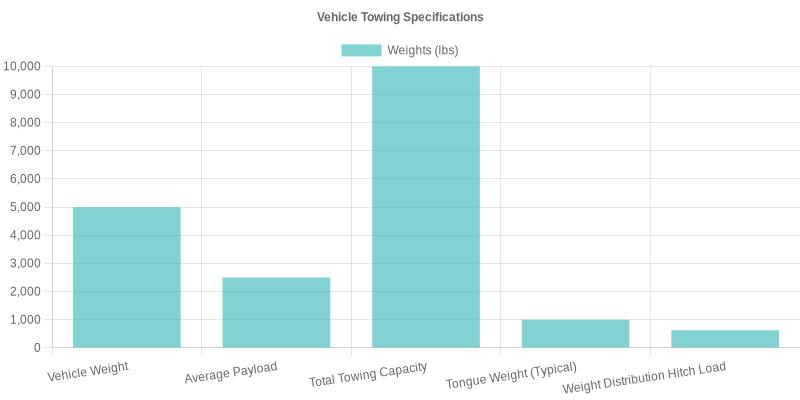
When it comes to towing, knowing your vehicle’s weight distribution is crucial for safety and efficiency. Typical weight distributions are classified into several categories including vehicle weight, payload, and total towing capacity. Below is an illustration that summarizes these key metrics:
Breakdown of Weight Distributions
Here’s a detailed view on what each category represents:
| Category | Weight (lbs) | Description |
|---|---|---|
| Vehicle Weight | 5,000 | The curb weight of the tow vehicle (e.g., a full-size SUV or pickup truck). |
| Average Payload | 2,500 | The combined weight of passengers, cargo, and accessories in the vehicle. |
| Total Towing Capacity | 10,000 | The maximum gross trailer weight the vehicle can safely tow. |
| Tongue Weight (Typical) | 1,000 | Approximately 10% of total towing capacity, representing the downward force on the hitch. |
| Weight Distribution Hitch Load | 625 | Portion of tongue weight redistributed to the tow vehicle’s front axle when using a weight distribution system. |
Note: These values are illustrative examples based on common towing scenarios for mid-to-large-sized vehicles. Actual figures vary by make, model, and configuration. Always consult manufacturer specifications.
Understanding these weight distributions ensures that you do not exceed your tow vehicle’s limits, which can lead to unsafe driving conditions. For professional towing help and services, learn more about our towing company. Whether you’re in need of roadside assistance or just want to clarify your towing capacity, our team is here to assist you with any towing needs.
Understanding Towing Capacity: A Critical Aspect for Business Owners
When it comes to towing, questions often arise about the capacity of the truck being used. Does towing capacity include the weight of the truck? This query is essential, especially for business owners who rely on their trucks to transport goods and equipment safely. Understanding towing capacity is not just about knowing how much weight a vehicle can haul; it’s also about ensuring safety and performance.
Industry experts highlight the necessity of grasping the nuances of towing capacity. According to a Car and Driver article, “Understanding towing capacity is crucial for safety and performance. Simply matching a vehicle’s towing capacity to a trailer’s Gross Vehicle Weight Rating (GVWR) is insufficient.” This highlights that business owners must consider various factors such as tongue weight, payload capacity, and the total combined weight rating (GCWR) when calculating their towing needs.
Several key points to remember:
- Towing Capacity vs. Total Weight: Business owners must be aware that the towing capacity listed by the manufacturer does not reflect the total weight, which includes all cargo and passengers. This can lead to overloading if not monitored.
- Technical Ratings: It’s important to consult your vehicle’s manual to understand the GVWR, GCWR, and payload limits. Ignoring these limits can lead not only to accidents but also damage to both the tow vehicle and the towed load.
- Safety Practices: Experts recommend that drivers never exceed 80% of the towing capacity for safer operation. This is critical in maintaining control and minimizing risk on the road.
Overall, comprehensively understanding towing capacity can prevent mishaps and ensure that business owners optimize their transport operations effectively. For those needing professional assistance with towing, Mike’s Towing offers reliable services to help navigate any towing challenges you may face.
Conclusion
Understanding towing capacity is crucial for business owners who rely on transporting goods or equipment using trucks and trailers. As outlined, towing capacity is the maximum weight that a vehicle can safely tow without risking damage or safety hazards. It is vital to consider that this capacity does not include the truck’s own weight, which is calculated through the Gross Combined Weight Rating (GCWR). Exceeding these limits can lead to expensive repairs, increased insurance costs, and even legal repercussions.
For business efficiency, adhering to towing capacity guidelines is imperative. Not only does it protect your investment in vehicles, but it also ensures the safety of your drivers and the public. As per recent insights, understanding and maintaining these specifications can foster operational efficiency, reduce the risks of accidents, and lead to lower downtime and insurance rates. Therefore, educating your team about the importance of towing capacity and integrating this knowledge into your operational standards is essential.
Don’t wait – contact us today to discuss your needs, request a quote, or learn more about how we can support your mission to protect lives and property.