
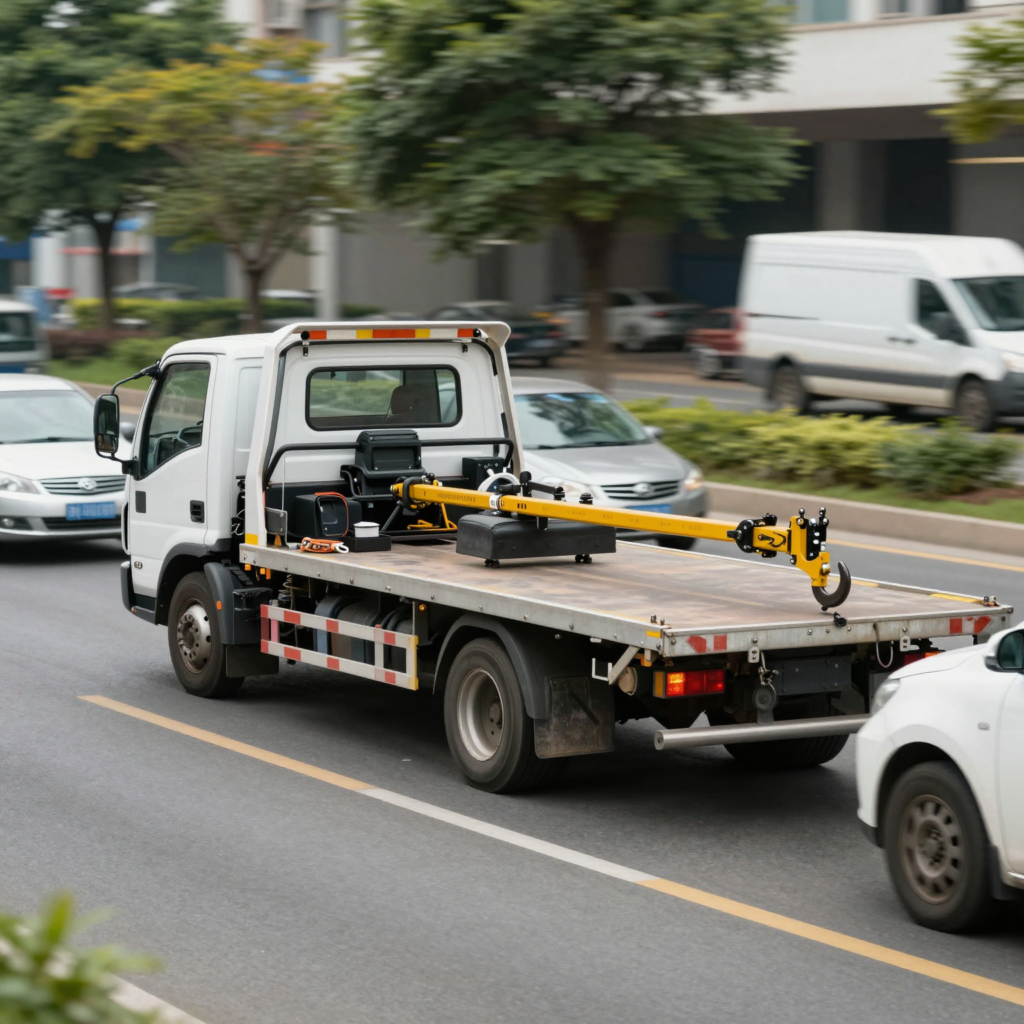
In the fast-paced world of transportation and logistics, tow trucks play a crucial role in ensuring goods and vehicles remain mobile and accessible. Whether it’s rescuing stranded motorists or assisting with the transportation of heavy freight, these vehicles are integral to maintaining the flow of operations. Understanding how tow trucks operate not only aids in making informed decisions regarding logistics but also highlights their importance in a seamless supply chain.
Tow trucks are equipped with specialized mechanisms to safely recover and transport vehicles, using hydraulic lifts, winches, and integral tie-down points to secure loads. From flatbed options to traditional hook and chain models, each design serves a unique purpose tailored to diverse needs. In the upcoming sections, we’ll explore the various types of tow trucks, delve into their operational intricacies, and uncover how they ensure efficiency in the transportation sector. For a deeper look at roadside assistance, check out our roadside services or discover our Houston tow services.
Mechanics of Tow Trucks
Tow trucks play a crucial role in the logistics and transportation sector by providing essential services for vehicle recovery and towing. Understanding how tow trucks operate, along with the various types available, is key for business owners who may need these services.
Types of Tow Trucks
Tow trucks come in several types, each designed to handle different towing scenarios:
-
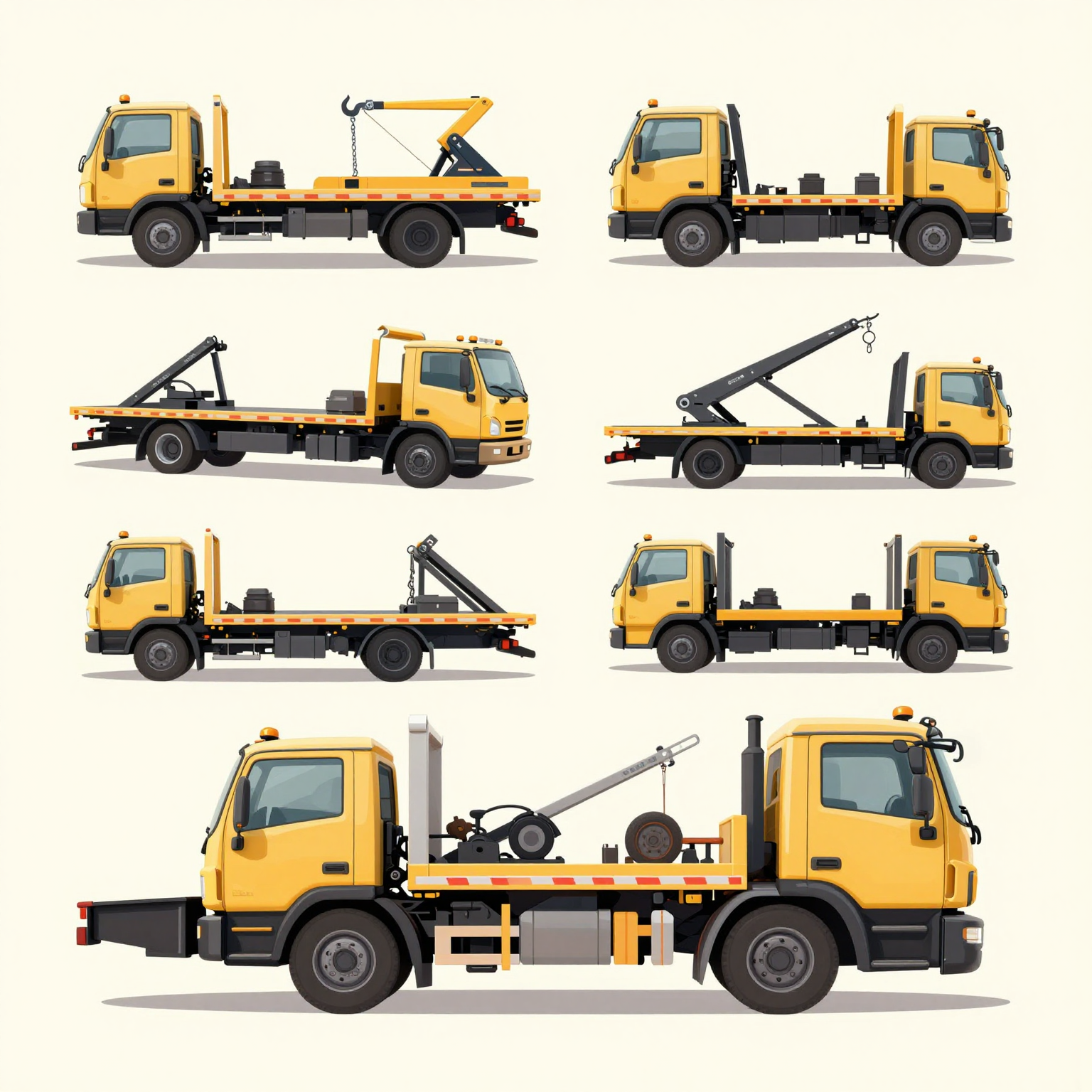
Flatbed Tow Trucks: These trucks feature a large, flat platform that can be tilted to load vehicles easily. The significant advantage of flatbed trucks is that they can transport damaged vehicles without making contact with the ground. This minimizes the risk of further damage during towing, making them ideal for moving high-value or non-operational vehicles. Flatbeds are equipped with hydraulic lifts for easier loading and unloading.
-
Hook and Chain Tow Trucks: This traditional type uses a hook and chain system to tow vehicles. It is often considered less safe than other methods because it can potentially cause damage to the vehicle’s undercarriage and suspension. Hook and chain tow trucks are suitable for lighter vehicles and are often used in impounding or moving illegally parked cars. However, with modern vehicles having more delicate designs, this method is seeing decreased usage in favor of more advanced systems.
-
Wheel-Lift Tow Trucks: Using a sophisticated system that lifts either the front or rear wheels of the vehicle off the ground, wheel-lift tow trucks offer a balance between efficiency and safety. They are designed to tow vehicles that are not severely damaged and are particularly popular for light-duty towing needs as they do not require the vehicle to be lifted completely off the ground. The wheel lift’s single arm system allows dual-wheel and wider vehicles to be towed without risk of damage.
How Tow Trucks Operate
Tow trucks utilize various mechanical components such as hydraulic systems, winches, and power take-off (PTO) systems to perform their functions. The hydraulic system powers the lifting mechanisms in flatbed and wheel-lift models, enabling efficient vehicle recovery. Additionally, modern tow trucks are often equipped with advanced safety features, including load distribution systems and secure tie-down mechanisms to prevent movement during transit.
Technical Features
- Hydraulic Lift Systems: These systems are vital for raising and lowering vehicles in flatbed and wheel-lift trucks.
- Winches: Used in hook-and-chain trucks, winches help in pulling the distressed vehicles onto the tow truck securely.
- Load Distribution Systems: They ensure that the weight of the towed vehicle is balanced, reducing wear and tear during the towing process.
Understanding the technology behind tow trucks not only aids in choosing the correct type for towing needs but also highlights the importance of safety standards in the industry. Businesses relying on towing services must stay informed and select reputable towing companies to ensure the integrity of their vehicles during transport.
Tow trucks are vital for various business scenarios, offering services that enhance operational efficiency and ensure safety on the roads. Here’s a list of common uses for tow trucks, particularly relevant to business owners:
-
Roadside Assistance: Tow trucks provide immediate support for businesses with vehicle fleets, helping to minimize downtime during breakdowns or emergencies. This service is essential for roadside assistance providers who need to respond rapidly to service calls.
-
Accident Recovery: After an accident, tow trucks assist in clearing the wreckage and transporting damaged vehicles to repair facilities, facilitating quick recovery efforts and road clearance, which is crucial for maintaining traffic flow and reducing liability risks.
-
Vehicle Repossession: Businesses that finance vehicles may need to utilize tow trucks for repossession of vehicles when payments are not made, ensuring they can recover assets efficiently and maintain their financial health.
-
Heavy Equipment Transport: Tow trucks are commonly employed in industries like construction and logistics to move large equipment that has broken down, helping to keep projects on schedule and avoid costly delays.
-
Traffic Management: Municipalities and transportation departments use tow trucks to remove abandoned or disabled vehicles from roadways, thus preventing congestion and enhancing public safety.
In conclusion, tow trucks play a critical role in ensuring operational continuity and enhancing the efficiency of various business sectors.
Legality and Regulations Surrounding Tow Trucks
Navigating the landscape of towing regulations can be complex but is crucial for business owners in the tow truck sector. Whether operating in Houston or elsewhere, understanding the legal requirements is essential for compliance and successful operations.
Common Regulations Affecting Tow Truck Operations
-
Licensing Requirements: Most states require tow truck operators to hold specific licenses to operate legally. These often include passing background checks and ensuring drivers meet safety standards. For example, in New York City, businesses must obtain a valid tow truck company license, which involves submitting operational details, vehicle listings, and undergoing a review process. You can learn more about licensing in NYC.
-
Permit Regulations: Many regions mandate that tow truck businesses obtain operational permits. These permits vary significantly by state and locality, often including specific conditions regarding vehicle standards and operator training. Tow truck companies must present these permits during audits and renew them regularly to avoid penalties.
-
Insurance Requirements: Adequate liability insurance is a legal necessity for tow truck companies. This type of insurance typically covers damages that might occur during operations, protecting your business from significant financial loss if an accident occurs.
-
Equipment Compliance: Regulation standards often detail the technical specifications required for towing equipment, including the necessary safety features for trucks and trailers. The Department of Transport’s standards dictate that all towing vehicles must be regularly inspected and maintained to ensure they are operating safely and effectively. For comprehensive details on technical standards, refer to the Department of Transport.
-
Fees and Towing Practices: Many states enforce regulations around the fees that tow truck companies charge. Regulations aim to protect consumers from excessive charges and ensure fair practices. Operators must often provide clear information regarding towing fees and maintain transparency with customers regarding their rights and obligations.
-
Enforcement and Inspection: To ensure compliance with these regulations, many jurisdictions conduct periodic inspections of towing companies. Businesses must be prepared for these visits, ensuring all aspects of their operation, from licensing to safety equipment, adhere to the legal standards.
Conclusion
Understanding and following towing regulations is not just a legal obligation; it’s a strategy that can build trust with customers and improve business operations. For those operating in Houston, you can explore more about towing services specific to your needs with Mikes Towing. Keeping abreast of changing regulations is vital for long-term success in the towing industry.
Comparison of Tow Truck Service Providers
For business owners seeking reliable towing solutions, comparing key features of leading tow truck services is essential. Below, we provide critical comparisons regarding pricing, response time, and the types of services offered by different towing companies.
| Tow Truck Service Provider | Pricing (USD) | Average Response Time | Types of Services Offered |
|---|---|---|---|
| Service Provider A | $85 | Under 25 minutes | Vehicle towing, roadside assistance, lockout aid |
| Service Provider B | $90 | Under 20 minutes | Tire changes, fuel delivery, battery jump-starts |
| Service Provider C | $75 | Under 30 minutes | Accident recovery, specialized transport |
These prices and response times reflect averages, and actual figures may vary by region and service demands. For more information on towing services in Houston or roadside assistance options, consult local providers for specifics.
Additionally, consider the advantages of using premium services that promise quicker response times and enhanced features.
The Importance of Reliable Tow Truck Services for Businesses
For businesses that rely on transportation and logistics, having access to reliable tow truck services is essential. Tow trucks are not merely a convenience; they play a pivotal role in enhancing operational efficiency and ensuring safety, especially in emergencies. Understanding the significance of these services can help business owners make informed decisions that benefit their operations.
Enhancing Operational Efficiency
Having a dependable tow truck company at your disposal can drastically improve response times during vehicular breakdowns. According to the American Automobile Association (AAA), the average national response time for tow truck services in the United States is approximately 32 minutes. However, businesses utilizing services with optimized digital dispatch systems report reduced response times by up to 20%. This means that for urgent situations, such as when a delivery truck breaks down, the quicker a tow truck can arrive, the less downtime is incurred.
Cost Savings from Reliable Services
A recent National Towing Association (NTA) report indicates that businesses partnering with reliable tow truck services saw an average of 18% reduction in towing-related operational costs. This reduction stems from improved response times, minimized vehicle downtime, and fewer disputes over billing. Businesses with pre-negotiated contracts benefit from priority service and discounted rates, ensuring that costs remain predictable.
Moreover, extending contracts to trusted service providers also cuts costs by eliminating the need for constant negotiations and the risks associated with hiring unknown local operators. According to a Tow Truck Pro guide, establishing long-term relationships with towing companies can lead to significant financial savings, especially in emergencies.
Safety and Peace of Mind
Operational safety is another critical benefit of having a reliable towing service. An unfortunate vehicle incident can escalate into a dangerous situation if not managed quickly and correctly. Reliable towing professionals are trained to handle such scenarios, ensuring that no further damage occurs to vehicles or surrounding property. The NTA also emphasizes that safety standards and protocols followed by vetted towing services help minimize risks associated with roadside assistances, such as injuries to staff or damage to goods.
Case in Point: Improved Response Times
By focusing on average response times, businesses can better assess the quality of their towing service. The RAC’s 2023 performance review indicated that 85% of towing calls were responded to within one hour across the UK. In contrast, businesses relying on ad-hoc towing solutions may experience delays that adversely affect their operations, including missed deliveries and dissatisfied customers.
Conclusion
Ultimately, reliable tow truck services are not just a logistical necessity but also a cornerstone of operational efficiency and safety. By partnering with reputable providers, businesses can significantly reduce costs, improve response times, and ensure that their operations run smoothly, even amid emergencies. As businesses continue to evolve, prioritizing relationships with dependable tow truck services becomes increasingly critical in securing a competitive edge. For businesses in Houston or looking for local services, you can check out Mike’s Roadside Service for tailored towing solutions.
To delve deeper into services near you, explore Mike’s Towing.
Case Studies Showcasing the Benefits of Tow Trucks in Business Operations
Tow trucks play a vital role in various industries, providing critical support for logistical operations and enhancing efficiency. This article summarizes key case studies demonstrating how businesses have leveraged tow trucks for operational success.
1. Tow4Tech Case Studies
Tow4Tech has presented various case studies showcasing how its platform supports towing and recovery fleets in improving their operational capabilities. The utilization of advanced technology allows fleets to:
- Reduce Operational Costs: Tow4Tech helps minimize expenses by streamlining workflow processes, ensuring quicker dispatch times.
- Improve Fleet Productivity: Implementation of efficient management systems enhances resource allocation, enabling companies to boost their service levels without increasing costs.
These case studies detail measurable improvements, signifying how technology-driven operations can lead to better efficiency and reduced downtime for towing services. For further insights, check out the Tow4Tech Case Studies.
2. Optimizing Logistics with Tow Trucks
A research study published in the Journal of Shipping and Trade analyzed the logistics operations of ABC (Pvt) Ltd., an FMCG company in Sri Lanka. By centralizing their delivery strategy and employing tow trucks, the company achieved a:
- 34% Reduction in Distribution Costs: The implementation of centralized warehousing and route optimization led to significant savings in transportation and administrative costs.
This case study is a prime example of how strategic planning and the effective use of visiting trucks can transform logistical efficiency. You can learn more about the methodology in the study here.
3. Tow Trucks in Commercial Logistics
A recent report by the National Transportation Safety Council (NTSC) emphasizes the integral role that tow trucks play in commercial logistics. The study revealed that tow trucks help:
- Manage Vehicle Downtime: Quick recovery of disabled or non-operational vehicles prevents significant delays in operations.
- Ensure Compliance: By relocating non-compliant parked vehicles, towing services help maintain order and safety on roadways.
These processes collectively decrease downtime costs and improve compliance with regulations, showing the critical need for towing services within commercial operations. For more detailed information, visit the NTSC’s report on industry applications of tow trucks.
4. Practical Applications of Tow Trucks
An article titled “Tow Lorry in the Real World: 5 Uses You’ll Actually See (2025)” highlights real-world applications of tow trucks, including:
- Roadside Assistance for emergency situations involving commercial vehicles.
- Post-Accident Recovery which supports efficient roadway clearances.
- Fleet Management for companies with extensive vehicle inventories, enabling relocation and maintenance of assets effectively.
These applications are vital for maintaining operational efficiency and safety across diverse industries. To delve deeper into these uses, refer to the article found here.
5. Enhancing Efficiency with AEROFLEX Project
The AEROFLEX project illustrates enhancements in transport efficiency through optimized towing configurations. The integration of tow trucks in logistics operations yielded an:
- 18-33% Improvement in efficiency for urban freight delivery and fleet management.
The project underscores the importance of specialized towing systems that adapt to various operational demands, proving that proper towing configurations are essential for modern logistics. For a complete overview of this innovative research, visit their findings here.
Conclusion
These case studies demonstrate the transformative potential of tow trucks in business operations. They serve not only to recover and relocate vehicles but also enhance logistical efficiency, reduce costs, and improve adherence to safety regulations. As businesses explore options for optimizing their operations, understanding the benefits of tow trucks will be essential for ensuring resilience and operational success. For comprehensive towing services, consider exploring options with Mikes Towing.

Towing Industry Market Size (2013-2023)
| Year | Market Size (USD Billion) | Notes |
|---|---|---|
| 2013 | 8.5 | Base year for growth analysis |
| 2014 | 8.9 | |
| 2015 | 9.2 | |
| 2016 | 9.5 | |
| 2017 | 9.9 | |
| 2018 | 10.3 | |
| 2019 | 10.7 | |
| 2020 | 10.9 | Slight increase despite pandemic |
| 2021 | 11.0 | Continued recovery |
| 2022 | 11.4 | Reported $11.3B in U.S. market; global estimate aligns |
| 2023 | 10.3 | Decline attributed to economic slowdown and reduced vehicle incidents |
Trendline: Projected Compound Annual Growth Rate (CAGR) of 4.1% from 2013 to 2023, based on consistent industry expansion trends.
Sources:
- 18 Key U.S. Towing Industry Statistics [2025 Update]
- Towing Market Size, Trends, Growth | 2033 Report
Conclusion
In conclusion, reliable tow truck services are indispensable for business owners, particularly those in logistics, transportation, and emergency response sectors. The ability to swiftly recover disabled vehicles minimizes downtime, ensuring that operations can continue smoothly without significant interruptions. As highlighted by industry insights, businesses utilizing professional towing services experience up to 40% less downtime, allowing them to maintain customer satisfaction and operational efficiency. Moreover, timely tow truck intervention can protect against regulatory fines and damage costs, enhancing overall risk management strategies.
For companies looking to bolster their operational reliability, investing in a dependable towing partner is not merely advisable but essential. A trusted tow service can make all the difference during unforeseen vehicle emergencies, providing peace of mind for business owners who know they can rely on immediate support.
Don’t leave your business’s efficiency to chance-contact us today for a quote and discover how our towing services in Houston can support your operations!