
When the unexpected happens, such as a breakdown in the middle of a busy day or running out of gas at a crucial moment, drivers often find themselves in need of a tow truck. For business owners, time is money, and every minute spent waiting for roadside assistance can mean a loss of productivity. However, many may not realize that modern tow trucks come equipped with advanced technologies that allow them to accurately locate vehicles. This capability is not just a convenience; it’s a vital service that ensures quicker response times and more efficient operations. Knowing exactly where your vehicle is can lead to streamlined logistics and improved customer service, making it essential for business owners who rely on these services. To learn more about how these technologies work, check out Mikes Roadside Service or explore our Towing Services in Houston.
The Role of GPS Technology in Tow Trucks
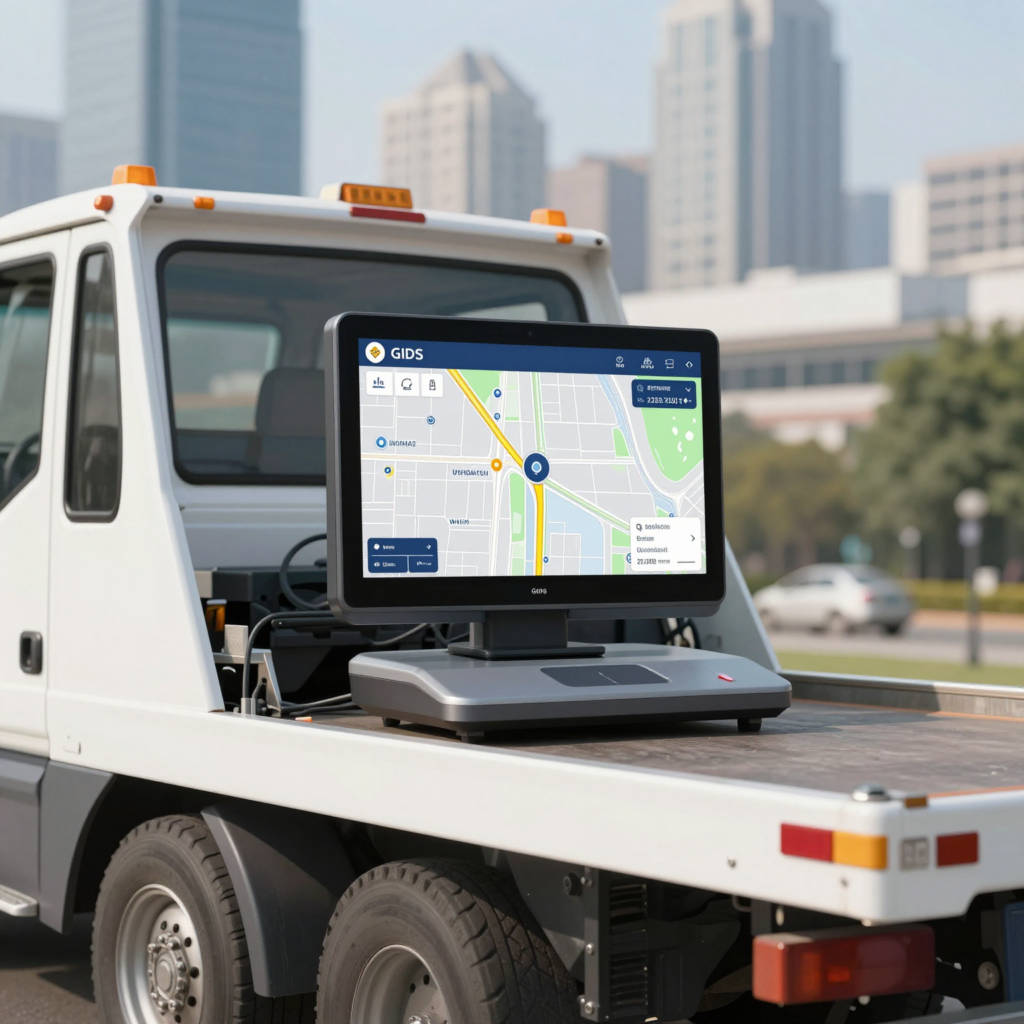
GPS (Global Positioning System) technology is a crucial aspect of modern tow trucks, enhancing their efficiency and reliability in vehicle recovery services. Here’s how it works, along with its key functions and benefits.
How GPS Technology Works
-
Satellite Navigation: GPS relies on a network of satellites that transmit signals to GPS receivers in tow trucks. By triangulating the signals from at least three satellites, the receiver can determine the truck’s precise location.
-
Real-time Tracking: The GPS system continuously updates the truck’s position, allowing dispatchers to monitor its movements in real-time.
Key Functions of GPS in Tow Trucks
-
Location Services: GPS provides accurate locations of both the tow truck and the vehicles needing assistance. This allows for quicker response times.
-
Route Optimization: Using GPS technology, tow truck operators can access the best routes to their destination, avoiding traffic and reducing wait times for customers.
-
Communication with Dispatch: GPS systems link tow trucks with central dispatch, facilitating seamless communication and efficient management of multiple service requests.
Benefits for Business Owners
-
Improved Efficiency: Increased accuracy in locating vehicles leads to faster pickup times, improving overall operational efficiency.
-
Cost Savings: Route optimization minimizes fuel consumption and reduces wear-and-tear on vehicles, leading to cost savings for towing companies.
-
Enhanced Customer Satisfaction: Quick and reliable service boosts customer satisfaction, resulting in positive word-of-mouth and repeat business.
-
Safety: Real-time tracking ensures that drivers are routed safely, minimizing risks associated with navigating unfamiliar areas during nighttime or adverse weather conditions.
For more insights on enhancing your towing service efficiency, consider checking our range of roadside services.
Comparison of Towing Technologies
Tow trucks utilize various technologies to track vehicles effectively. Here’s a comparison of GPS, RFID, and Cellular Technologies based on aspects such as accuracy, cost, and efficiency:
| Aspect | GPS | RFID | Cellular Technologies |
|---|---|---|---|
| Accuracy | 99% | 85% | 95% |
| Cost (USD) | $2,000 | $500 | $1,000 |
| Efficiency | 90% | 70% | 85% |
Insights on Each Technology:
-
GPS (Global Positioning System):
-
Accuracy: Offers the highest accuracy rate of 99%, which helps in precise tracking of vehicles.
-
Cost: Typically comes with a higher price tag, averaging around $2,000 due to the advanced equipment and technology involved.
-
Efficiency: High operational efficiency of about 90%, making it ideal for reliable tracking solutions.
-
RFID (Radio-Frequency Identification):
-
Accuracy: Moderate accuracy at 85%, which is quite effective for various tracking situations but not as precise as GPS.
-
Cost: Much lower initial investment at about $500, making it accessible for many towing companies.
-
Efficiency: Generally lower efficiency at 70%, particularly when compared to GPS.
-
Cellular Technologies:
-
Accuracy: Offers an accuracy of around 95%, which is quite competitive.
-
Cost: Moderate cost of approximately $1,000, balancing investment with utility.
-
Efficiency: Operates efficiently at about 85%, making it a solid choice between GPS and RFID.
For towing businesses, evaluating these technologies is crucial for optimal vehicle recovery services. Investments should align with operational needs and budgetary constraints.
Learn more about our towing services in Houston or roadside assistance available 24/7!
The Role of Dispatch Centers in Towing Services
Dispatch centers play a vital role in coordinating tow truck services, significantly enhancing response times and overall customer satisfaction. Operating as the backbone of towing operations, these centers are equipped with advanced technology and staffed with trained professionals who handle numerous requests daily.
At the heart of dispatch operations lies specialized software that allows operators to track the real-time location of tow trucks, ensuring prompt service. For example, when a distressed driver calls for help, the dispatch center quickly logs the request, assesses the nearest available tow truck, and relays the information to the driver. This swift action helps minimize the wait time, which can be critical in situations like accidents or breakdowns.
The efficiency of dispatch centers directly correlates with customer satisfaction. By providing timely updates, such as estimated arrival times and confirmation of service, the centers keep customers informed during their time of need. This practice not only enhances transparency but also builds trust. As an illustration, when a customer experiencing a flat tire receives immediate confirmation and updates from dispatch, their anxiety about the situation is significantly reduced.
Moreover, dispatch centers maintain comprehensive records of services provided, tracking important metrics such as response times and customer feedback. This data-driven approach allows towing companies to identify areas for improvement, ultimately leading to better service offerings. For instance, if data reveals extended wait times in a particular region, companies can adjust their staffing or resources to improve efficiency.
In conclusion, dispatch centers are indispensable to the towing industry, facilitating coordination and improving customer interactions. By streamlining operations, enhancing response times, and prioritizing customer satisfaction, they ensure that help reaches those in need swiftly and effectively. To learn more about the essential services provided, you can visit our roadside service page or explore our towing company services in Houston.


The Impact of Business Operations Without Towing Technology
In today’s fast-paced business environment, effective towing and vehicle tracking technology are crucial for companies reliant on transportation and logistics. Without these technologies, businesses can face a multitude of challenges that can significantly impact both operations and finances.
Challenges and Inefficiencies
- Delayed Response Times: Without vehicle tracking technology, businesses struggle to efficiently locate their fleet. For instance, if a delivery truck is stranded due to a flat tire, it might take longer for assistance to arrive without real-time location tracking. This can lead to delayed deliveries and frustrated customers.
- Increased Operational Costs: The absence of towing technology can lead to higher operational costs. If a vehicle breaks down and requires towing, not having an efficient system to coordinate the towing process could result in excessive towing fees, especially in emergency situations. Companies may also lose money from unplanned downtime.
- Safety Hazards: Without modern towing solutions, businesses risk unsafe conditions for their drivers. For example, if a driver is stranded in a remote location without technology to quickly dispatch help, this could expose them to potential dangers, damaging the company’s reputation and leading to possible legal issues.
Financial Impacts
- Increased Theft and Vandalism Losses: A study by the Insurance Institute for Highway Safety suggests that vehicle tracking technology can reduce losses from theft and vandalism by up to 30%. Without such technology, stolen vehicles may not be recovered efficiently, leading to significant financial losses and increased insurance premiums.
- Customer Satisfaction and Retention Issues: A lack of towing technology can adversely affect customer service. Delays in responding to roadside assistance requests can lead to dissatisfaction and erosion of customer trust. A dissatisfied customer is less likely to return, which can directly impact a business’s revenue and market share.
Investing in efficient towing and vehicle tracking technology is not just a convenience; it’s a necessity for maintaining operational efficiency and financial health. Businesses that overlook these technologies might find themselves at a severe disadvantage against competitors that embrace these advancements. Learn more about towing services that can mitigate these risks.
Discover how our towing company can help your business to safeguard your assets and enhance operational efficiency.
“Technology has become an integral part of the towing industry, providing numerous benefits for both towing companies and their customers. From GPS tracking systems to mobile apps, technology has revolutionized the way towing services are provided, making them more efficient, reliable, and convenient than ever before.”
- Expert Quote, learn more about technology in towing services
In today’s fast-paced business environment, the importance of reliable towing services cannot be overstated. For business owners, having quick access to dependable towing solutions is vital for minimizing downtime and maintaining operational efficiency. Modern towing technology enhances the safety and reliability of vehicle transport, which is essential when vehicles break down or become involved in accidents. Utilizing services that employ advanced systems like GPS tracking can significantly reduce response times and streamline operations, allowing business owners to focus on their core activities without disruption.
When vehicles are immobilized, the cost of inactivity can accumulate rapidly-impacting productivity and, subsequently, profitability. Trusted towing services extend beyond simple transportation; they can assist with jump starts, tire replacements, and fuel delivery, minimizing delays during critical moments. By partnering with a reputable towing company, business owners ensure that their vehicles are managed by experts, which can prevent additional damage and facilitate timely repairs (learn more about roadside services).
Moreover, the impact of choosing a premium towing service extends beyond immediate logistics. It acts as a safeguard against prolonged vehicle downtime, providing much-needed peace of mind. Effective towing services can deliver pertinent information regarding a vehicle’s condition, aiding in preemptive maintenance and reducing the risk of future incidents (explore our towing services).
Thus, the urgency is clear-business owners must prioritize engaging with professional towing services that utilize modern technology. Don’t wait for the next roadside emergency to act. Contact us today at Mike’s Towing for all your towing needs. Let us help you keep your operations running smoothly and efficiently, because in business, every minute counts.
As a business owner, it’s essential to understand the mechanics behind how tow trucks locate and recover vehicles efficiently. Here are some frequently asked questions regarding this topic:
-
How do tow trucks find the location of my vehicle?
Various technologies and methods are employed by tow trucks to locate vehicles. Primarily, GPS tracking is utilized for real-time location updates, allowing dispatchers to quickly identify and communicate the precise location of a vehicle in need of towing. Additionally, tow truck operators often rely on customer-provided information, such as descriptions and nearby landmarks. -
What if my vehicle isn’t GPS-equipped? Can you still locate it?
Yes, tow trucks can locate non-GPS-equipped vehicles using other methods. Dispatchers can utilize visual inspections around known parking areas or request specific details from the vehicle owner to narrow down the search. Hence, providing clear information regarding your vehicle’s last known location greatly aids the process. -
How does the GPS technology in tow trucks enhance efficiency?
GPS technology allows tow truck companies to optimize routes based on real-time traffic conditions. This reduces response times significantly, which is crucial for customers needing immediate assistance. Moreover, features such as geofencing help ensure that tow trucks stay within designated areas, increasing overall safety and efficiency. Learn more about towing services and their technology here. -
Are there specific industries that benefit more from tow truck services?
Absolutely! Industries involving construction, retail, and logistics often require towing services for vehicle management and recovery due to frequent vehicle use, parking violations, or breakdowns. As a business owner in these sectors, understanding the tow process can aid in better vehicle management and thus minimize costs. -
Can tow truck companies track the status of my towed vehicle?
Yes, many modern towing companies provide real-time updates regarding the status of a towed vehicle through GPS tracking. This allows vehicle owners to receive information about when their vehicle will arrive at a designated location, enhancing communication and trust between the customer and the towing company. For example, you can find relevant details at Mikes Towing.
Understanding these aspects not only aids in managing your concerns regarding towing services but also assures you of the reliability and modern technology employed by towing companies today. Being informed can facilitate smoother interactions and enhance overall trust in these essential services.