
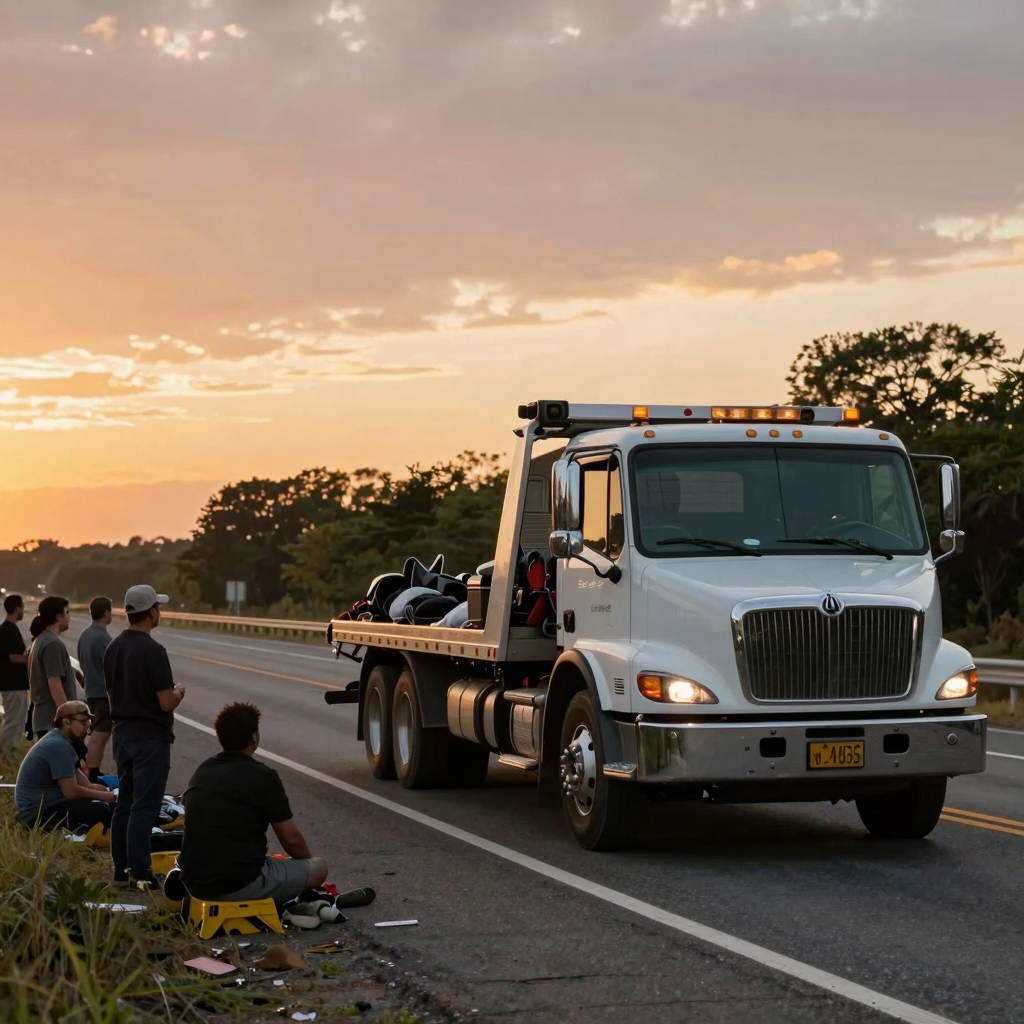
In a recent tragic incident on a Freetown highway, the local community mourns the loss of a dedicated tow truck driver whose life was cut short in a fatal crash. On October 12, 2023, this heartbreaking event not only claimed a life but also shook the fabric of the community, serving as a harsh reminder of the inherent dangers on our roads. The driver, recognized for his commitment to helping others in distress, contributed significantly to the safety and efficiency of traffic management in the area. Following this accident, community leaders have rallied to advocate for stronger road safety measures, highlighting the urgent need for reforms to protect all road users.
For business owners, especially those involved in transportation and logistics, this tragedy underscores a critical message: road safety must be prioritized. Traffic accidents can lead to substantial financial losses, increased insurance costs, and disrupted services, ultimately affecting a company’s bottom line and reputation. Investing in road safety not only safeguards employees but also enhances operational reliability, slashing accident rates by up to 50% according to the National Highway Traffic Safety Administration. As the community reflects on this tragic event, it becomes clearer than ever that proactive road safety measures are not just beneficial but essential for the well-being of businesses and communities alike. To delve deeper into how businesses can enhance road safety, feel free to learn more about our towing services in Houston.
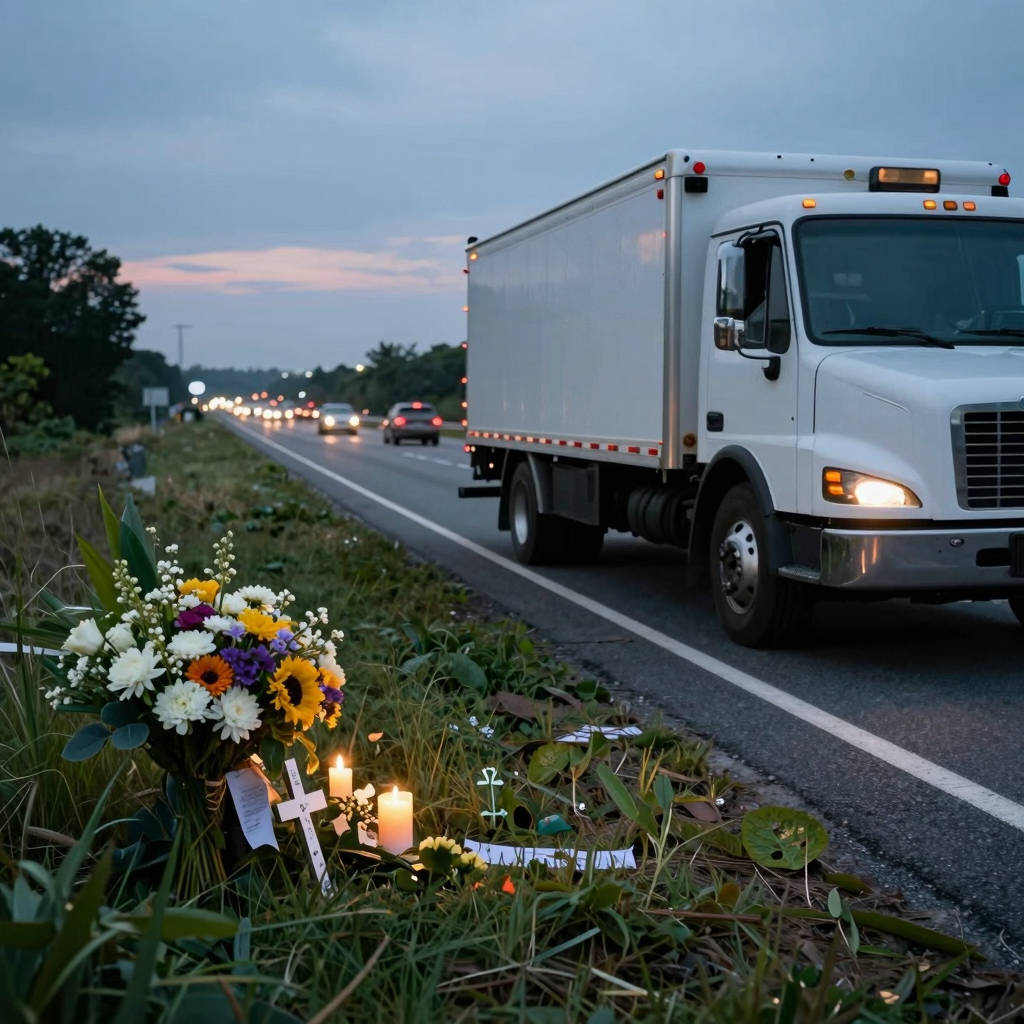
The Incident
On a tragic day on the Freetown Highway, a tow truck driver lost his life in a collision that has sent shockwaves through the towing community. This heartbreaking event highlights the dangers tow truck drivers face daily while serving in their critical role. For safety tips for road service workers, learn more here.
Detailed Summary of the Crash on Freetown Highway
On the evening of May 17, 2024, a tragic accident unfolded on Highway 140 in Freetown, Massachusetts, resulting in the untimely death of a tow truck driver. The incident occurred as the driver was responding to a reported vehicle breakdown on the roadside, an everyday duty that highlights the vital role tow truck operators play in maintaining road safety and aiding stranded motorists.
Events Leading up to the Crash
According to reports from local authorities, the tow truck driver was allegedly hit by a vehicle while attempting to assist another motorist. At the time of the accident, visibility conditions were reportedly clear, although the highway traffic volume was moderate. Emergency responders arrived shortly after the incident was reported, but despite their rapid action, the driver succumbed to injuries sustained in the crash. This incident serves as a stark reminder of the risks faced by roadside assistance workers and raises critical questions about highway safety protocols for businesses operating in such environments.
Authorities have launched an investigation to determine the circumstances leading to this heartbreaking event. Investigators are focusing on the possibility of driver inattentiveness or speeding, common factors that contribute to highway accidents.
Highway Safety Regulations Relevant to Businesses
Understanding highway safety regulations is especially vital for towing businesses. Regulations mandated by state and federal authorities aim to protect not just workers but all road users. According to a study published by the National Safety Council, tow truck drivers face alarmingly high accident rates, emphasizing the need for stringent safety protocols within the towing industry.
Key Regulations to Note:
- Visibility Standards: Tow trucks must be equipped with reflective tapes and proper lighting to enhance visibility, especially during nighttime operations.
- Traffic Control Measures: Implementing traffic cones and warning signs at the scene of a breakdown helps divert traffic away from the immediate vicinity, reducing the risk of secondary accidents.
- Operational Training: Businesses must ensure that their drivers undergo regular training on handling emergencies on the highway, including how to set up secure scenes and signaling for assistance effectively.
Statistics on Fatalities in the Towing Industry
To put into perspective the importance of adhering to highway safety regulations, consider the following statistics regarding fatalities in the towing industry:
| Category | Data |
|---|---|
| U.S. Motor Vehicle Towing Industry Fatality Rate (2015) | 54.6 fatalities per 100,000 workers |
This data illustrates the inherent dangers of operating in the towing sector; it is crucial for businesses to adhere strictly to safety guidelines to mitigate these risks. Learn more about towing safety practices.

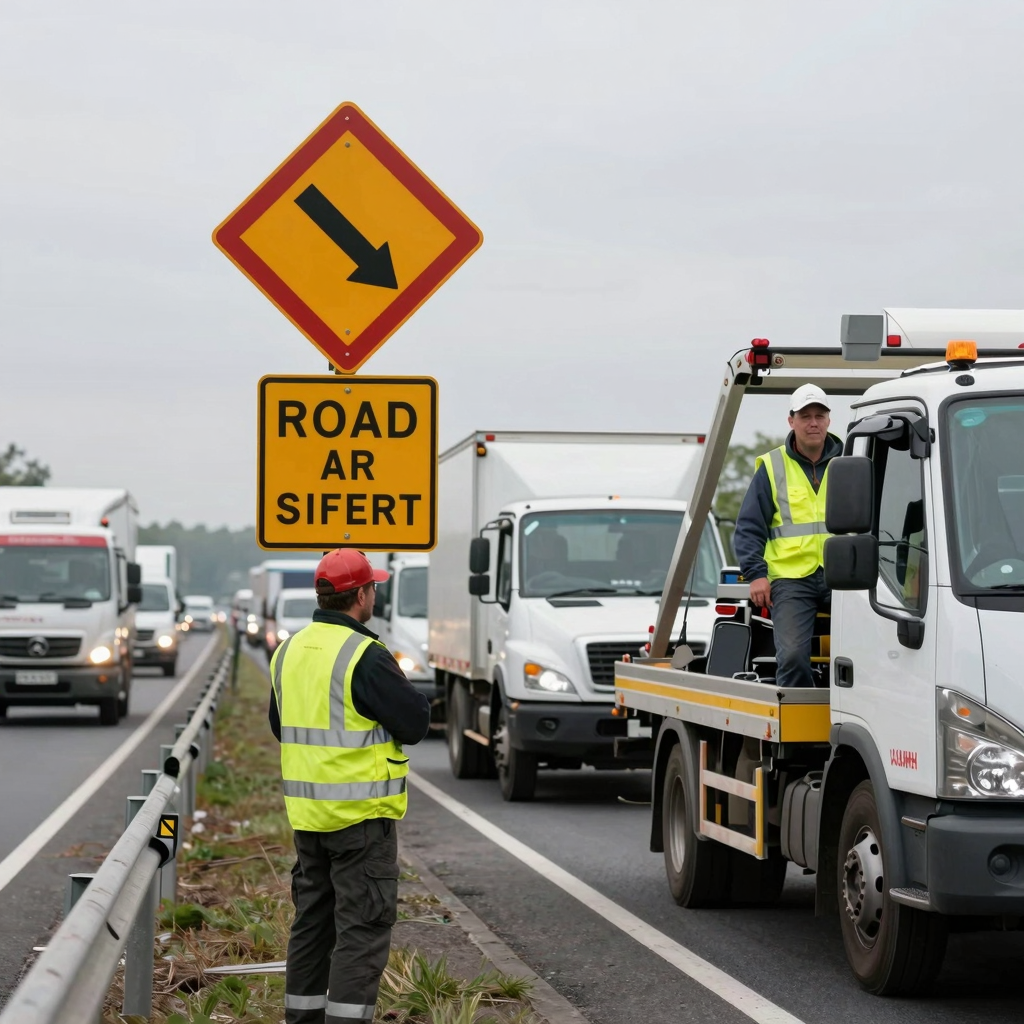
Safety first: A tow truck assisting vehicles on a busy highway.
Conclusion
The tragic death of the tow truck driver in Freetown serves as a wake-up call for all businesses involved in roadside assistance and towing services. By prioritizing safety protocols and adhering to highway regulations, the risk of accidents can be significantly reduced. The industry must come together to ensure that tragedies like this do not become a regular occurrence. Road safety is not just a legal obligation; it is a moral responsibility that protects the lives of both workers and the general public. For more information on implementing effective safety protocols in your towing business, visit our comprehensive towing services guide.
| Region/Agency | Key Safety Standards | Training Requirements |
|---|---|---|
| FMCSA (USA) | National safety standards including vehicle maintenance, driver qualifications, electronic logging devices (ELD), and safety requirements for vehicles operating within a limited radius. | Standards apply but may exempt tow trucks operating within a limited radius. |
| NHTSA (USA) | Comprehensive guidelines focusing on accident reduction, proper securing of disabled vehicles, use of warning lights, maintaining safe distances, and emergency response training. | Recommends training in emergency response; adherence to state-level regulations varies. |
| California DMV | Mandatory licensing, specific safety equipment (rear-mounted lights, reflective decals), regulations on towing practices, requires specialized exams for drivers. | All tow truck drivers must pass a specialized exam and background checks. |
| ATTA (USA) | Overview of training requirements varies by state; states like Texas and Florida require certification programs, whereas others allow employer-based training. | States with mandatory certification report lower incident rates; ongoing education credits are often required. |
| European Commission (EU) | Harmonized safety standards including installation of advanced safety features (lane departure warnings, automatic emergency braking), compliance monitoring, and mandatory certified training for operators. | Training in road safety, emergency response, and environmental protection is mandatory with regular audits. |
The tragic accident involving the tow truck driver on the Freetown highway has reverberated through the community, affecting emotional, social, and economic aspects significantly. Such incidents bring forth profound sorrow and concern among local residents, highlighting the intrinsic relationship between community safety and local businesses.
Emotional Repercussions
Accidents like these are not isolated; they alter the emotional landscape of the community. Witnesses and first responders may experience trauma, leading to a heightening of fear and anxiety surrounding road safety. The loss of a community member, particularly someone serving in a vital role like a tow truck driver, can spark grief and sorrow. This incident emphasizes the need for collective healing initiatives, such as memorial services and community support groups, fostering an environment where residents can share their feelings and work through their emotions in a supportive space.
Financial Consequences for Local Businesses
From a financial perspective, the repercussions can be devastating for local businesses. According to research by The Balance Small Business, accidents can lead to unexpected expenses due to vehicle repairs, legal fees, and increased insurance premiums, straining resources particularly for small businesses. Local businesses may also suffer from reduced customer foot traffic in the immediate aftermath of the accident. When fear of road safety looms high, consumers may choose to curtail travel, directly diminishing sales in retail, dining, and service sectors.
Moreover, a review of the financial impact of road traffic accidents highlights how they disrupt daily life and reduce consumer spending, ultimately affecting local economic vitality. Enhanced community support systems are crucial in mitigating these financial strains. For instance, local businesses can explore collaborations that promote community awareness about safety, such as safety workshops or partnerships with towing services, to reinforce trust and safety in their operations.
Safety Initiatives and Community Support
Emphasizing safety initiatives becomes paramount following such incidents. Implementing community-based safety programs can significantly contribute to reducing future accidents. For example, according to recent discussions on safety measures, proactive initiatives such as establishing dedicated road safety campaigns, improving road conditions, and conducting regular community training sessions can bolster awareness and preparedness. Supporting organizations like Mike’s Towing, which actively engage in roadside assistance and safety advocacy, can create a more robust safety net for the community. Learn more about Mike’s Roadside Service.
Furthermore, community engagement through volunteer initiatives focused on road safety can foster unity and resilience. Participating in or organizing events that promote traffic awareness and mutual support can strengthen community bonds and ensure that the emotional and financial impacts of accidents diminish over time.
In summary, the crash on the Freetown highway serves as a stark reminder of the interconnectedness of accidents, emotional turmoil, and economic repercussions. By fostering a culture of safety and support, businesses and community members can work together towards healing and resilience, ensuring that such tragedies prompt not just sorrow but also substantial efforts towards improvement and prevention in the future.
Employee Training and Safety Protocols for Tow Truck Operations
In light of recent incidents, including the tragic loss of a tow truck driver in a Freetown highway crash, it is imperative that business owners prioritize employee training programs focused on safety protocols in tow truck operations. A robust training framework serves not only to enhance operator awareness but also plays a critical role in reducing accidents and improving overall safety on the roads.
Understanding the Importance of Safety Training
Tow truck operations can be high-risk, yet by implementing comprehensive safety training, business owners can actively reduce accidents and promote well-being among their employees. Key reasons for prioritizing safety training include:
- Reducing injury and fatality risks: Proper training equips drivers with the skills necessary to handle emergencies.
- Complying with regulations: Following industry standards and legal requirements helps avoid penalties.
- Enhancing operational efficiency: Well-trained employees can perform tasks more effectively, leading to improved response times.
Key Components of an Effective Training Program
To successfully implement a training program, consider the following components:
- Onboarding Training for New Employees
New hires should undergo a structured onboarding program that lasts approximately four weeks, covering key topics such as:
- Equipment operation and maintenance
- Load securing standards (adhering to DOT regulations)
- Communication protocols with dispatch and law enforcement.
Refer to the International Towing & Recovery Association (ITRA) for insights on training frameworks.
-
Defensive Driving and Safety Checks
Training should emphasize defensive driving techniques to help operators anticipate and respond to potential hazards. Drivers should also learn routine vehicle inspections, including checking hydraulic systems and equipment integrity from the National Highway Traffic Safety Administration (NHTSA)
which offers detailed guidelines on this subject (NHTSA Guidelines). -
Scenario-Based Training
Incorporate scenario-based training that prepares drivers for real-life situations. Utilizing advanced training methods, such as virtual reality (VR) simulations, can enhance learning. These scenarios may include night operations, adverse weather conditions, or complex vehicle extractions (AAA Foundation for Traffic Safety). -
Continuous Learning and Refresher Courses
To maintain high standards, implement annual refresher courses and monthly safety meetings. This fosters open communication among team members to share experiences and identify safety improvement areas. -
Documentation and Feedback Loops
Create systems for documenting training completion, incident reports, and vehicle inspections. Regular feedback helps identify lessons learned from incidents, further enhancing the training protocol’s effectiveness. Notably, a study demonstrated that companies developing consistent training documentation saw a 45% reduction in workplace injuries (Journal of Occupational and Environmental Medicine).
Emphasizing Mental Health and Stress Management
Given the high stress associated with towing operations, integrating mental health and stress management modules into the training can significantly impact incident rates. Research shows that over 60% of incidents relate to operator fatigue or stress. Providing resources such as counseling services and stress management workshops can lead to a healthier work environment and better decision-making among drivers.
Building a Culture of Safety
Beyond training, instilling a culture of safety within the workplace is crucial. Encourage employees to speak up about potential hazards and reward safe behavior, creating an environment where safety is prioritized at all levels of the organization.
Conclusion
Investing in comprehensive training programs focused on safe towing operations is essential for business owners in the towing industry. By establishing effective training protocols and continually improving them, companies not only protect their employees but also enhance their service quality and reputation within the industry. For more information on towing services, visit Mike’s Towing.
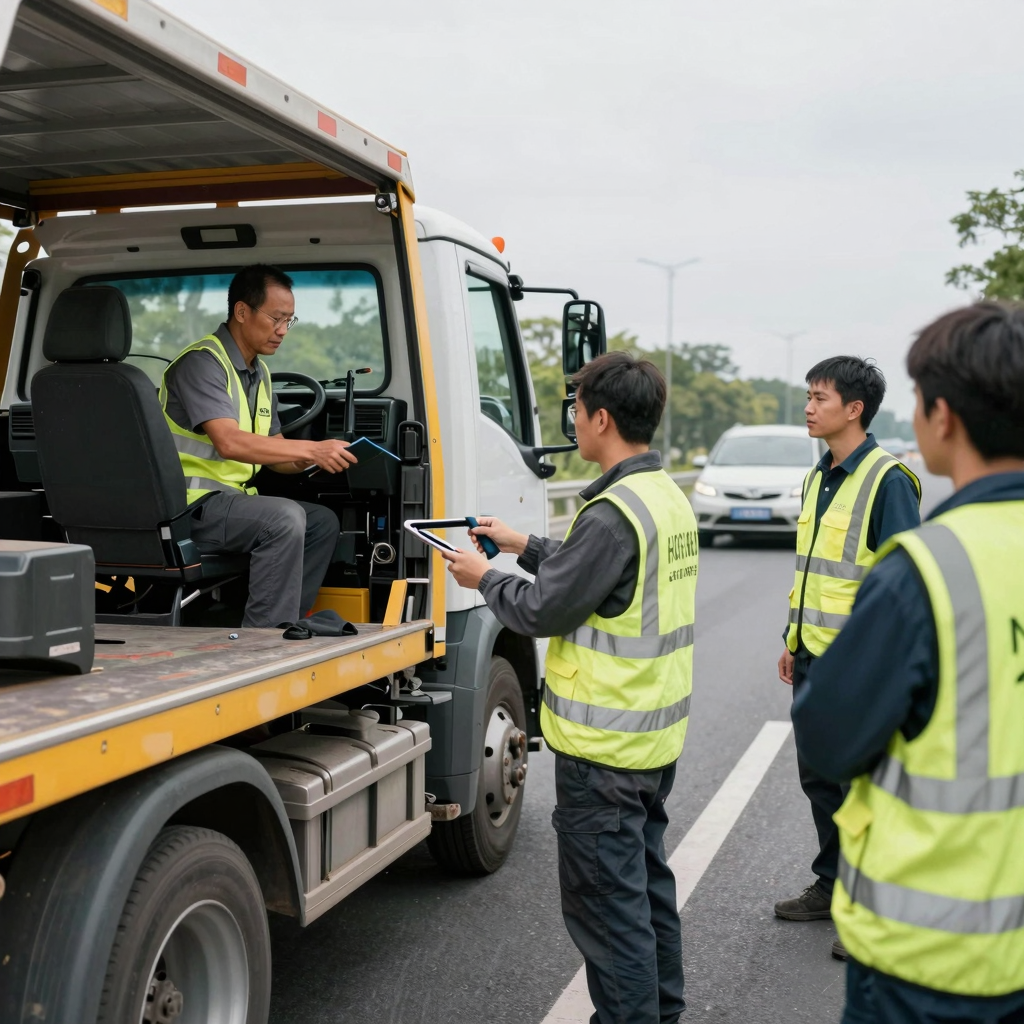
A visualization of safety training in the tow truck operation.
In light of the recent tragic accident involving a tow truck driver on a Freetown highway, it’s crucial to emphasize the integral role of safety in transportation
“Investing in transportation safety isn’t just about avoiding fines; it’s about protecting our people, our assets, and our reputation. We’ve seen a direct correlation between robust safety programs and improved driver retention, reduced accident rates, and lower insurance premiums. When our drivers feel safe, they perform better, which translates directly into more efficient operations and stronger customer trust.”
- Safety Spokesperson, Major Logistics Company
Safety initiatives not only safeguard lives but also enhance community health by reducing preventable accidents, which in turn supports business operations and fosters trust within communities. For more information, visit our towing services or learn more about our roadside service.
Preventative Measures for Businesses
As a business owner, ensuring the safety of your employees and customers is paramount, especially in industries with high operational risks, such as towing service. Here are key preventative measures businesses can implement:
- Regular Safety Training: Conduct workshops on safe operational procedures and emergency protocols. This will equip your employees with the knowledge necessary to handle unforeseen situations safely.
- Invest in Quality Equipment: Use well-maintained and updated equipment that meets safety standards to reduce the likelihood of accidents.
- Establish Clear Communication Protocols: Ensure that drivers and dispatchers are aware of safety guidelines and can communicate effectively, especially during emergencies.
- Monitor Weather Conditions: Be proactive about monitoring weather conditions and adjust operations as necessary to avoid dangerous situations on the road.
- Conduct Risk Assessments: Regularly evaluate your operations to identify potential hazards and take appropriate measures to mitigate them.
For more insights on providing efficient and safe towing services, see our article on Roadside Assistance. For specific towing services in Houston, check out Towing Company Houston.
Actionable Safety Measures for Business Owners to Enhance Road Safety
In the wake of alarming incidents like the recent loss of a tow truck driver in a highway crash, it’s essential for business owners to take proactive steps to enhance road safety for their employees. Implementing an effective safety strategy can not only protect employees but also reduce operational costs associated with accidents. Here are some actionable measures:
-
Develop a Comprehensive Road Safety Policy
Establish a clear road safety policy that outlines your organization’s commitment to safety. Ensure this policy includes protocols for safe driving, vehicle maintenance, and reporting of unsafe conditions. -
Conduct Regular Safety Training
Provide ongoing training sessions focused on road safety practices, including defensive driving techniques, fatigue management, and distraction prevention. For structured training programs, consider resources from OSHA and SHRM. -
Implement Vehicle Maintenance Checks
Regularly inspect and maintain vehicles to ensure they are in safe working condition. This includes checking brakes, lights, tires, and other critical systems. -
Promote Use of Technology
Use telematics to monitor driving behavior, allowing for the identification of unsafe driving practices, and providing data to help improve safety measures. -
Encourage Seat Belt Use
Foster a culture where all employees are encouraged and trained to wear seat belts at all times. This simple measure can significantly reduce injury severity in accidents. -
Establish Reporting Mechanisms
Create a system for employees to report unsafe behaviors or near misses anonymously. This encourages openness about safety issues within the organization. -
Lead by Example
Management should model safe driving behaviors. When employees see executives prioritize safety, they are more likely to adopt similar attitudes. -
Evaluate and Adjust Policies Regularly
Make sure to review safety measures periodically and adjust policies based on the latest safety data and incident reports. Collaborate with organizations such as the NHTSA for updated best practices. -
Incorporate Visual Reminders
Use posters and reminders about safe driving practices throughout your premises and inside vehicles to keep safety at the forefront of employees’ minds. -
Offer Incentives for Safe Practices
Consider introducing incentive programs that reward employees for safe driving records, further motivating them to adhere to safety policies.
By proactively implementing these measures, business owners can significantly enhance road safety for their employees, thereby fostering a safer working environment and potentially reducing costs associated with road incidents.