
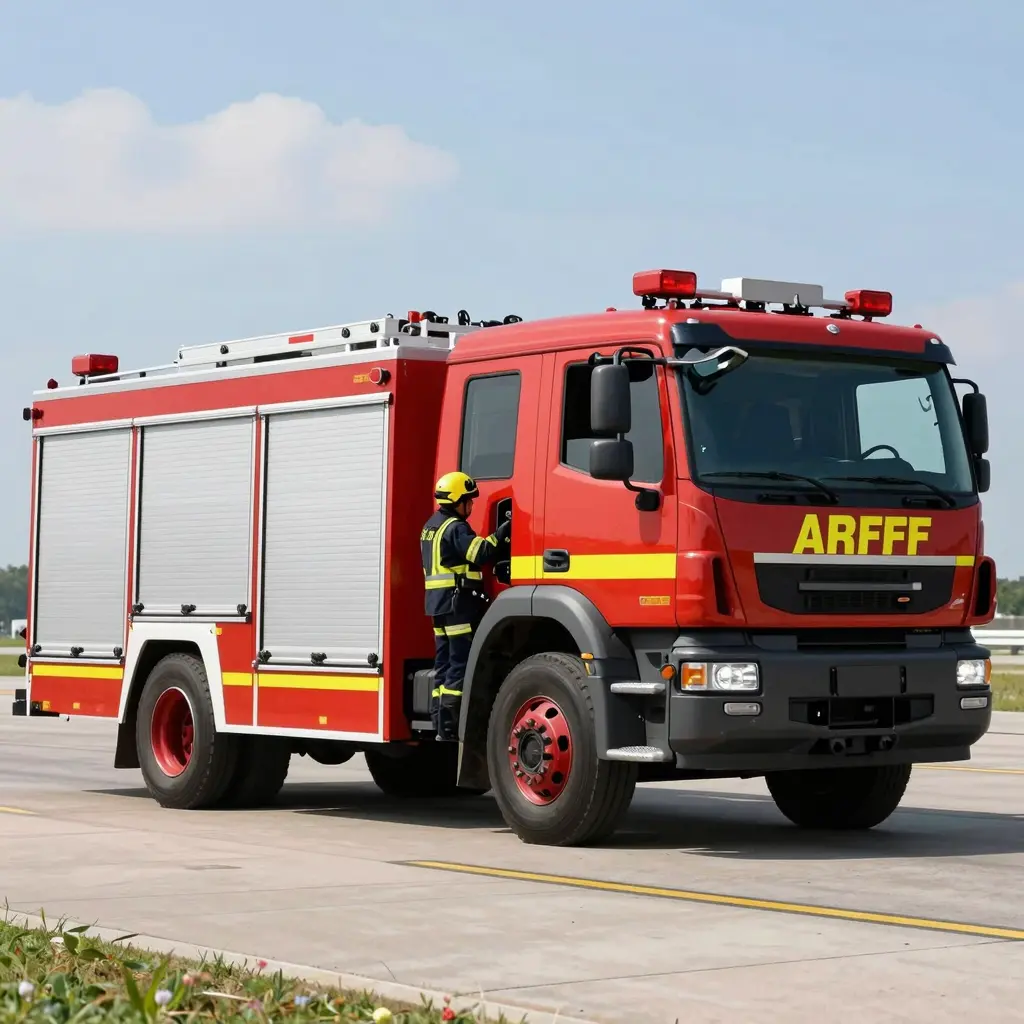
Introduction to ARFF Trucks and CIMC Tianda
Aircraft Rescue and Fire Fighting (ARFF) trucks serve an essential role in emergency response at airports, where the stakes can be life and death. These specialized vehicles are designed to tackle aircraft-related fires and incidents by combining water and foam agents effectively. In high-risk environments like airports, ARFF trucks are crucial for rapid intervention during emergencies such as aircraft fires or accidents. They ensure that emergency personnel have the necessary resources to manage situations effectively, safeguarding the lives of passengers and crew. The importance of these trucks cannot be overstated, especially as the aviation industry evolves and demands higher safety standards.
CIMC Tianda has positioned itself as a leader in enhancing the capabilities of ARFF solutions. They invest heavily in technology and innovation to create advanced firefighting equipment, bolstering airport safety measures. By integrating modern design and functionality, CIMC Tianda’s ARFF trucks offer improved reliability and operational efficiency, making them indispensable for efficient emergency responses in aviation. Learn more about our ARFF solutions here. With a commitment to enhancing safety measures at airports around the globe, CIMC Tianda continues to pave the way for cutting-edge fire rescue technologies that protect lives and property.
In an era where air travel is more common than ever, ensuring that emergency services are well-equipped is paramount. ARFF trucks from CIMC Tianda not only meet existing needs but also anticipate future challenges, ensuring they remain at the forefront of aviation safety.
For more information on our firefighting products, check out our various solutions here.
Key Features of ARFF Trucks for Firefighting and Rescue Operations
Aircraft Rescue and Fire Fighting (ARFF) trucks play a critical role in emergency response, especially in high-risk environments such as airports. Here are eight key features that make ARFF trucks vital for firefighting and rescue operations:
-
Advanced Suppression Systems: ARFF trucks are equipped with specialized foam, water, and chemical suppression systems that provide effective firefighting capabilities for aviation-related fires, including those involving jet fuel.
-
Enhanced Maneuverability: Designed to navigate tight spaces and challenging terrains, these trucks can quickly reach emergency sites, ensuring rapid response in critical situations.
-
Thermal Imaging Technology: Many ARFF trucks incorporate thermal imaging cameras, enabling firefighters to detect hotspots and assess fire conditions without entering hazardous areas.
-
High Capacity Water Tanks: Equipped with large water tanks and foam agents, ARFF trucks have a significant capacity to tackle fires immediately upon arrival.
-
Integrated Rescue Equipment: These trucks come with specialized tools and equipment for rescue missions, including hydraulic cutters and stabilizers for extricating victims from aircraft or collapsed structures.
-
Real-time Data Transmission: Advanced technology allows for real-time data communication with command centers, facilitating coordinated responses and resource allocation during emergencies.
-
Collision Avoidance Systems: Some ARFF trucks feature advanced sensors and radar technology to prevent collisions, enhancing safety during high-speed emergency response.
-
Sustainable Technology: Several modern ARFF trucks are now being designed with electric or hybrid engines, reducing carbon emissions and promoting environmentally friendly operations.
With these features combined, ARFF trucks not only enhance firefighting efforts but also improve overall safety protocols at airports. For comprehensive guidance about various firefighting vehicles, explore our product categories at CIMC Fire Truck.
Technology Integration in ARFF Trucks
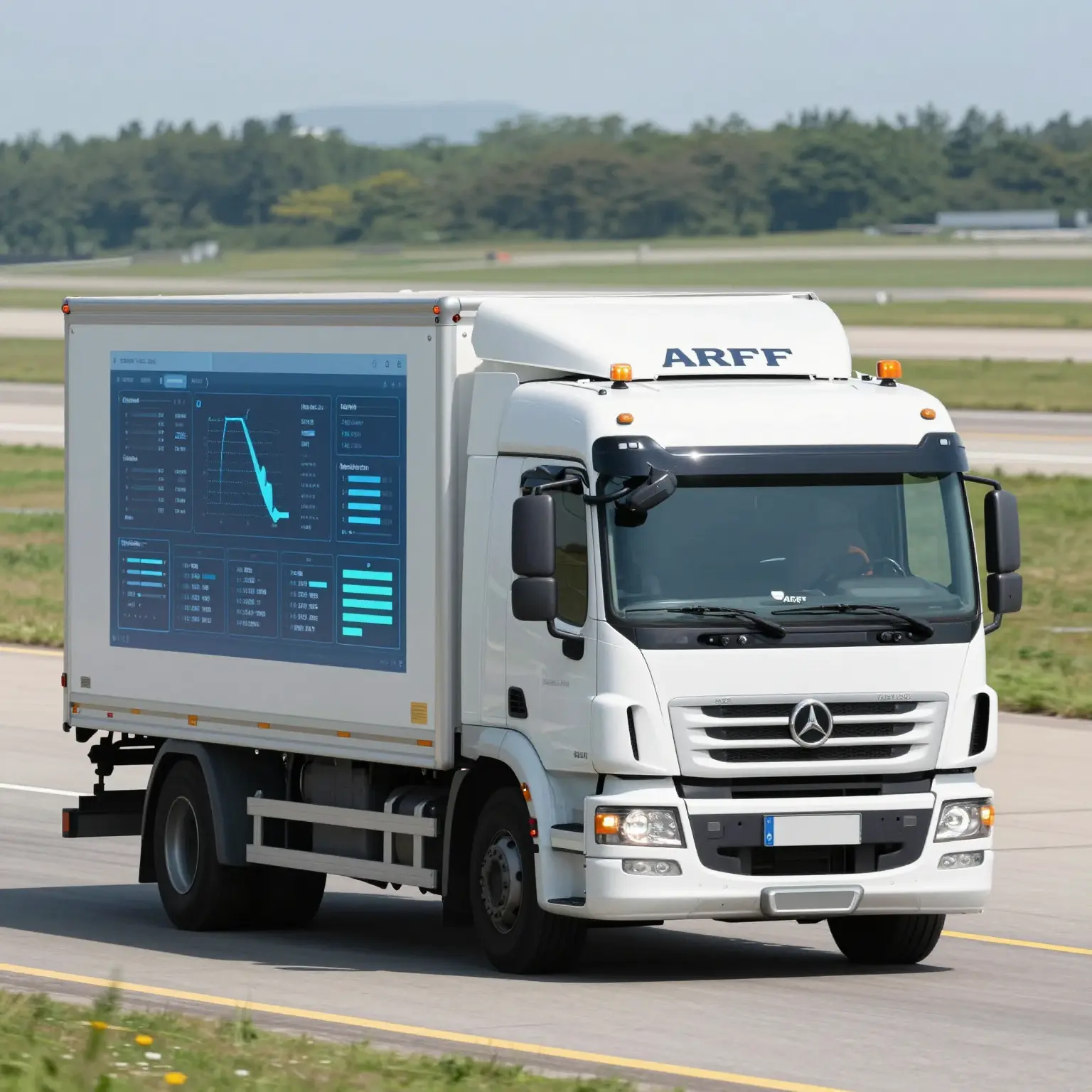
Advanced technology is pivotal in enhancing the operational capabilities of Aircraft Rescue and Firefighting (ARFF) trucks. With an increasing focus on safety and efficiency, modern ARFF vehicles are integrated with several cutting-edge technologies, including automation, communication systems, and real-time data analytics.
Automation
ARFF trucks are increasingly adopting automation to improve efficiency in emergency response. Modern fleets may integrate autonomous navigation systems that allow for quicker deployment and maneuvering around hazardous situations. According to a market insight report, approximately 35% of ARFF fleets aim to incorporate such automation technologies by 2033.
Communication Systems
Effective communication is critical in emergency situations. Advanced communication systems in ARFF trucks facilitate better coordination among firefighting teams and between different agencies. These systems utilize next-gen technology that strengthens communication channels, helping to ensure that responders have timely access to essential information.
Real-Time Data Analytics
Real-time data analytics play a crucial role in enhancing the safety and effectiveness of ARFF operations. By utilizing various data streams, including sensor inputs, weather conditions, and thermal imaging, ARFF trucks can make informed decisions during firefighting missions. These analytics help crews assess situations rapidly and deploy the most effective firefighting strategies.
Key Benefits
- Enhanced Situational Awareness: The integration of real-time analytics allows firefighters to understand the unfolding dynamics of the incident better, leading to timely responses.
- Improved Efficiency: Automation and data tools optimize resource deployment, ensuring that ARFF units can respond swiftly to emergencies.
- Predictive Capabilities: The use of predictive analytics in maintenance ensures that equipment remains reliable and ready for use, reducing downtime and enhancing overall operational efficiency.
Conclusion
The transformation of ARFF trucks through advanced technologies is indispensable for modern firefighting at airports. As these technologies continue to evolve, they not only enhance safety and efficiency but also set a new standard for emergency response operations. For more insights into ARFF trucks, check out our range of ARFF trucks that incorporate these innovative features.
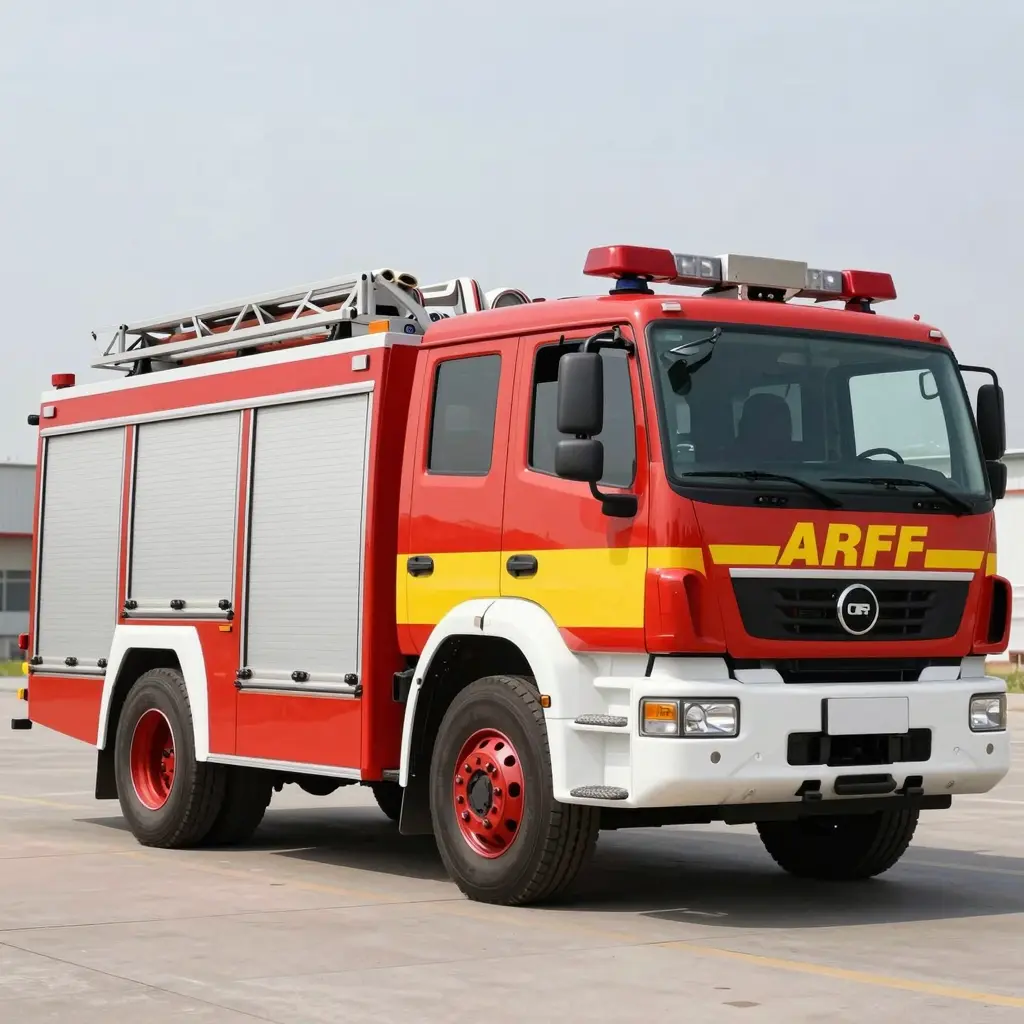
Advantages of CIMC Tianda’s ARFF Trucks: A Smart Choice for Business Owners
When it comes to Airport Rescue and Fire Fighting (ARFF) vehicles, CIMC Tianda stands as a beacon of reliability, advanced technology, and exceptional customer service. Business owners seeking to enhance their emergency response capabilities will find CIMC Tianda’s ARFF trucks not only meet, but exceed industry standards. Here’s how these remarkable vehicles stand out in the market:
Cutting-Edge Technology
CIMC Tianda’s ARFF trucks are equipped with the latest advancements in firefighting technology, ensuring a superior performance in emergency situations. The integration of electric air duct systems and advanced sensing technology enhances the operational efficiency of these trucks. This innovative design reduces response times and increases the safety of both personnel and equipment during critical moments. Business owners can rest easy knowing that their fleet is outfitted with performance-driven solutions that can withstand the demands of any emergency scenario.
Proven Reliability
One of the hallmark features of CIMC Tianda’s ARFF trucks is their reliability. These vehicles are meticulously engineered to operate under extreme conditions, providing firefighters with the confidence to make critical interventions without hesitation. Whether it’s during a routine operation or a life-threatening emergency, the durable construction and consistent performance of CIMC’s trucks ensure that they remain a dependable asset for airport fire departments. Reliable vehicles lead to timely interventions, which are crucial in minimizing risk and damage during emergencies.
Unmatched Customer Service
The commitment to customer satisfaction at CIMC Tianda is unparalleled. From the initial consultation to after-sales support, their dedicated customer service team is always ready to assist business owners in making informed decisions tailored to their specific needs. Understanding that each airport has unique operational requirements, CIMC Tianda works closely with clients, providing insights and support right through delivery and maintenance. This kind of proactive service fosters ongoing relationships built on trust and mutual success.
Compliant with Safety Standards
CIMC Tianda is consistently striving to comply with international safety standards, ensuring that their ARFF trucks are not only effective but also safe for use in airport settings. This compliance is crucial for business owners who wish to align with regulations and ensure the safety of their operations and personnel. With features that meet and exceed these standards, investing in CIMC Tianda means investing in the long-term safety and operational effectiveness of your fire response team.
Conclusion
In conclusion, CIMC Tianda’s ARFF trucks represent a perfect blend of cutting-edge technology, reliability, and exceptional customer service. For business owners in the aviation sector, these trucks are not just vehicles; they’re essential tools for safeguarding lives and property during emergencies. Investing in CIMC Tianda means choosing peace of mind, knowing you’ve partnered with a trusted leader in ARFF solutions. To explore more about CIMC Tianda’s offerings, visit our fire fighting truck products page and discover how we can elevate your emergency response capabilities!
ARFF Truck Models Comparison Table
In the realm of airport firefighting, ARFF (Aircraft Rescue and Fire Fighting) trucks are essential for response efficiency and effectiveness. Below is a comparison table of different ARFF truck models offered by CIMC Tianda, detailing their specifications including water capacity, engine type, and unique features.
| Model Name | Water Capacity | Engine Type | Unique Features |
|---|---|---|---|
| Model 1 | 8000 L | Diesel Engine | High-pressure water system for rapid response |
| Model 2 | 10000 L | Multi-fuel Engine | Advanced foam delivery system |
| Model 3 | 12000 L | Turbocharged Diesel | 360-degree maneuverability with high-intensity lighting |
| Model 4 | 15000 L | Electric Hybrid | Eco-friendly technology with minimal emissions |
For more detailed information about ARFF trucks, you can explore their specific models here.
Improving Firefighting Capabilities with CIMC Tianda’s ARFF Trucks: A Case Study
Overview
Aviation safety has never been more crucial, and among the frontline defenders is airport rescue firefighting (ARFF) trucks. In a notable case study, a mid-sized airport implemented CIMC Tianda’s cutting-edge ARFF trucks to significantly enhance their firefighting effectiveness and operational readiness.
The Challenge
Prior to adopting CIMC Tianda’s ARFF trucks, the airport faced delays in emergency response times and inadequate equipment that hindered effective firefighting during incidents. The previous fleet was outdated, leading to inefficiencies and heightened risks during potential aviation emergencies.
The Solution
Implementation of CIMC Tianda ARFF Trucks
The airport made a strategic investment in a fleet of CIMC Tianda ARFF trucks. These vehicles are equipped with advanced firefighting technology, including:
- High capacity water and foam delivery systems
- AI-driven support for optimized response strategies
- Exceptional stability and maneuverability thanks to a 6×6 configuration
Results and Benefits
The introduction of these ARFF trucks yielded remarkable results:
- Rapid Response Times: The airport reported a 25% reduction in average response times to incidents, significantly enhancing overall safety.
- Increased Effectiveness: According to a survey conducted post-implementation, fire department personnel indicated a 94% satisfaction rate with the new trucks, noting improvements in both speed and effectiveness when handling potential aircraft fires.
- Cost Efficiency: The upgraded technology allowed fire crews to manage incidents with fewer resources, ultimately reducing operational costs in the long run.
Conclusion
The case study demonstrates the profound impact of integrating CIMC Tianda’s ARFF trucks into airport firefighting operations. With enhanced capabilities and increased satisfaction among fire personnel, the airport is now better equipped to handle emergencies, ensuring the safety of passengers and staff alike. Learn more about CIMC Tianda’s ARFF trucks and their role in enhancing firefighting operations.
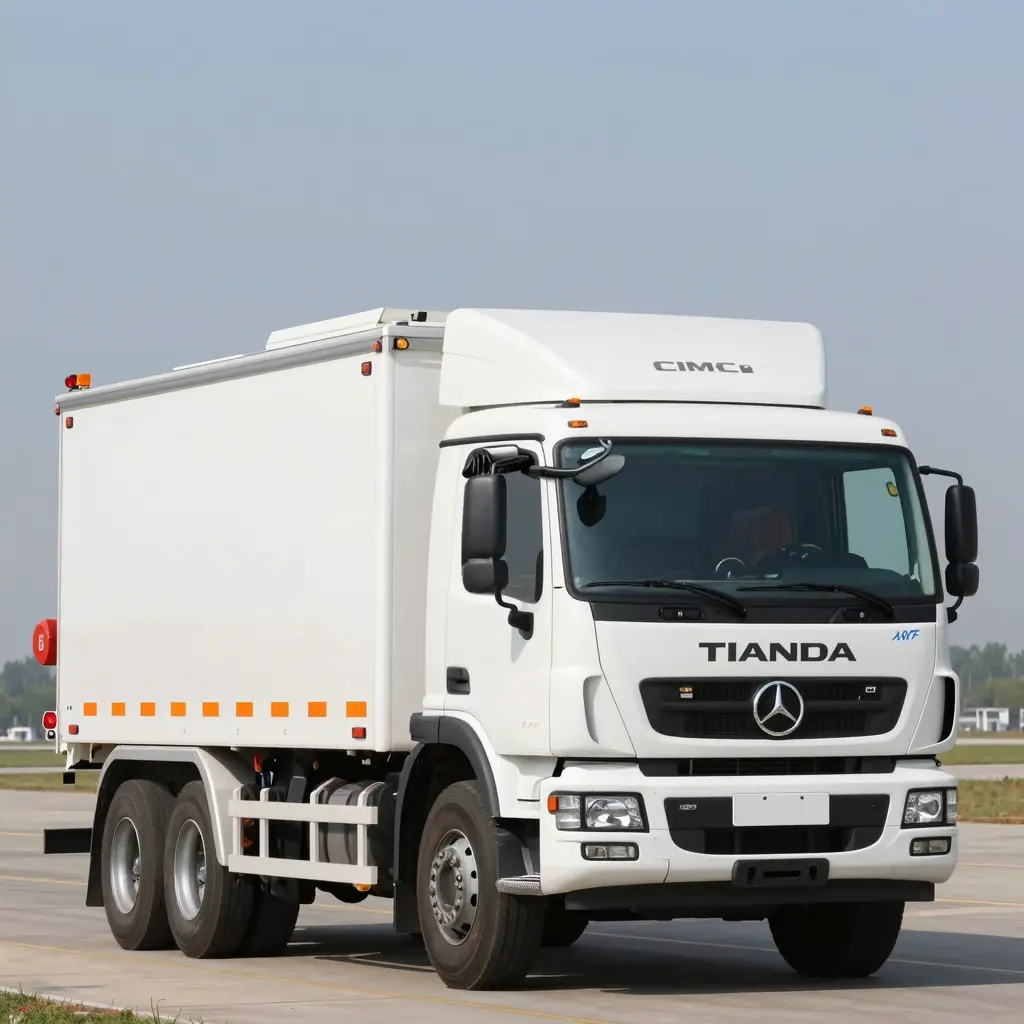
Additional Insights
For further details, refer to our other articles on firefighting capabilities and explore the range of vehicles provided by CIMC Tianda.
Market Trends in ARFF Trucks Demand
The demand for Aircraft Rescue and Firefighting (ARFF) trucks has seen significant changes over the past five years. Rising global air traffic and increasing investments in airport infrastructure have propelled growth in this sector. Below is a summary of the trends:
Demand Over the Years
The chart below illustrates the demand trends for ARFF trucks from 2019 to 2023:
As shown in the chart, the market for ARFF trucks is influenced by various factors, including enhanced airport safety measures and technological advancements leading to more efficient firefighting solutions. For further information on available ARFF trucks, you can view our ARFF truck collection here.
Conclusion
In summary, ARFF (Aircraft Rescue and Fire Fighting) trucks are vital assets in ensuring safety during aviation emergencies. These specialized vehicles are equipped with advanced features to respond swiftly to aircraft incidents, offering capabilities that significantly enhance firefighting operations. As observed in various airports, the introduction of state-of-the-art ARFF trucks has proven essential in improving emergency response times and effectively managing potential fire hazards in aviation environments. For business owners in sectors reliant on aviation, investing in ARFF solutions is not just about compliance; it’s about prioritizing safety and operational readiness.
Furthermore, opting for tailored firefighting solutions provides an advantageous edge in emergency response. Customized configurations can significantly enhance the effectiveness and efficiency of firefighting operations, ensuring that your organization meets specific challenges head-on. As seen in the benefits outlined in this article, personalized firefighting vehicles are essential to adapting to the unique requirements of different industries and environments.
If you are looking to bolster your firefighting capabilities with an ARFF truck or seeking customized fire solutions, do not hesitate to reach out to CIMC Tianda. Our team is ready to assist you in finding the perfect fire truck that meets your specific needs. Contact us today for personalized solutions tailored to your firefighting requirements!
Importance of ARFF Trucks in Enhancing Airport Safety
The role of Aircraft Rescue and Fire Fighting (ARFF) trucks in airport operations cannot be understated. These specialized vehicles are designed to respond quickly to emergencies, equipped with advanced firefighting technology to handle incidents involving aircraft and related emergencies effectively.
One fire safety expert noted, “ARFF trucks are crucial in ensuring a rapid response to fire incidents at airports, protecting not only passengers but also the integrity of airport operations.”
This sentiment is echoed across various industry analyses, where the consistent emphasis on the need for specialized firefighting protocols tailored for the unique environment of airports underlines their significance. To learn more about ARFF vehicles and their features, explore this link.
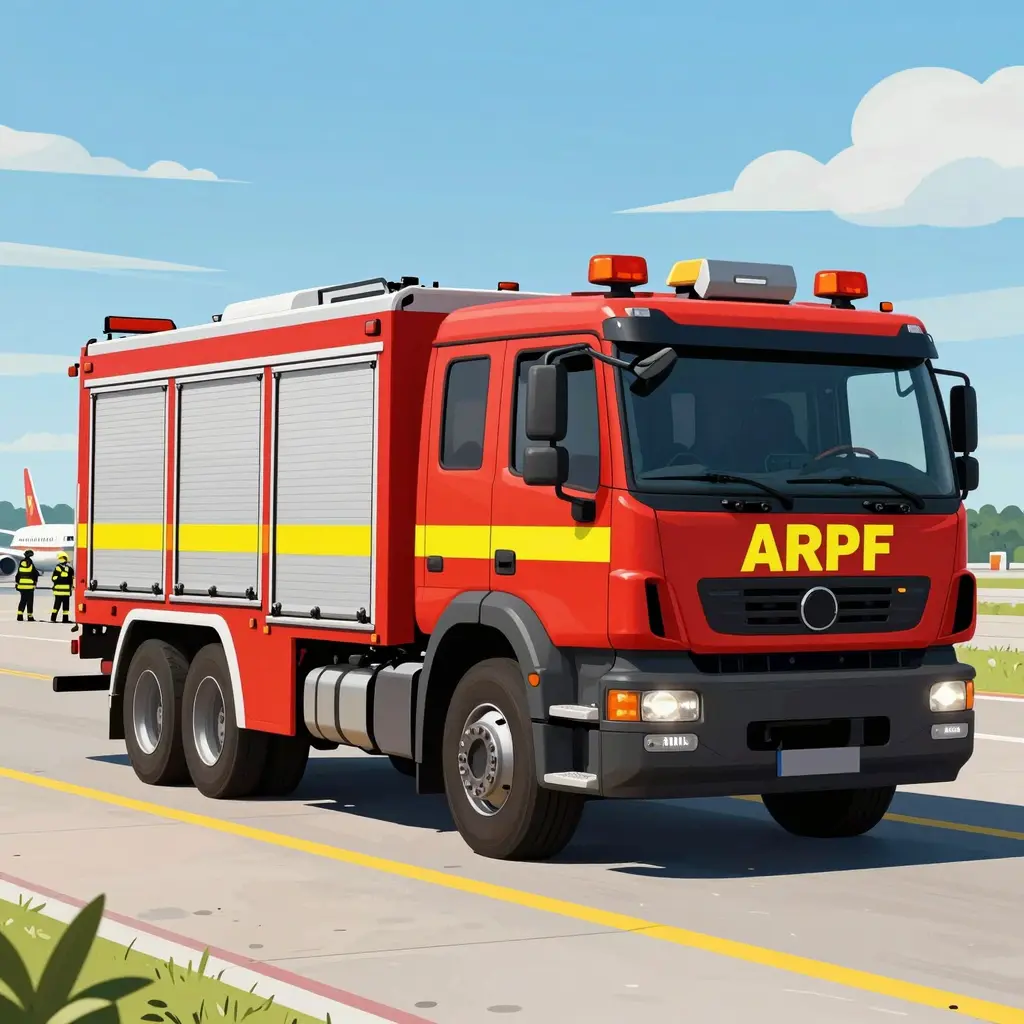
In broader discussions about airport safety, CIMC Fire Truck highlights how ARFF trucks facilitate improved emergency response strategies, making them an invaluable component of aviation safety measures.