
Introduction
In the bustling world of business, effective logistics can significantly impact operations, and towing services play a crucial role in ensuring everything runs smoothly. For business owners, knowing how to tow a truck with a truck is essential-especially when managing a fleet or dealing with unexpected vehicle breakdowns. Proper towing not only alleviates the stress of vehicle repairs but also minimizes downtime, allowing business operations to continue seamlessly. Yet, towing trucks can involve complex processes, requiring an understanding of weight limits, safety protocols, and the right equipment. It’s not just about hooking up a vehicle and driving; it demands knowledge of best practices and legal regulations to avoid potential liabilities. As business owners grapple with these challenges, having reliable towing services-like Mike’s Towing-can provide peace of mind and professionalism at critical times, ensuring that you are never left stranded when you need assistance the most.
Essential Tools and Equipment for Towing a Truck
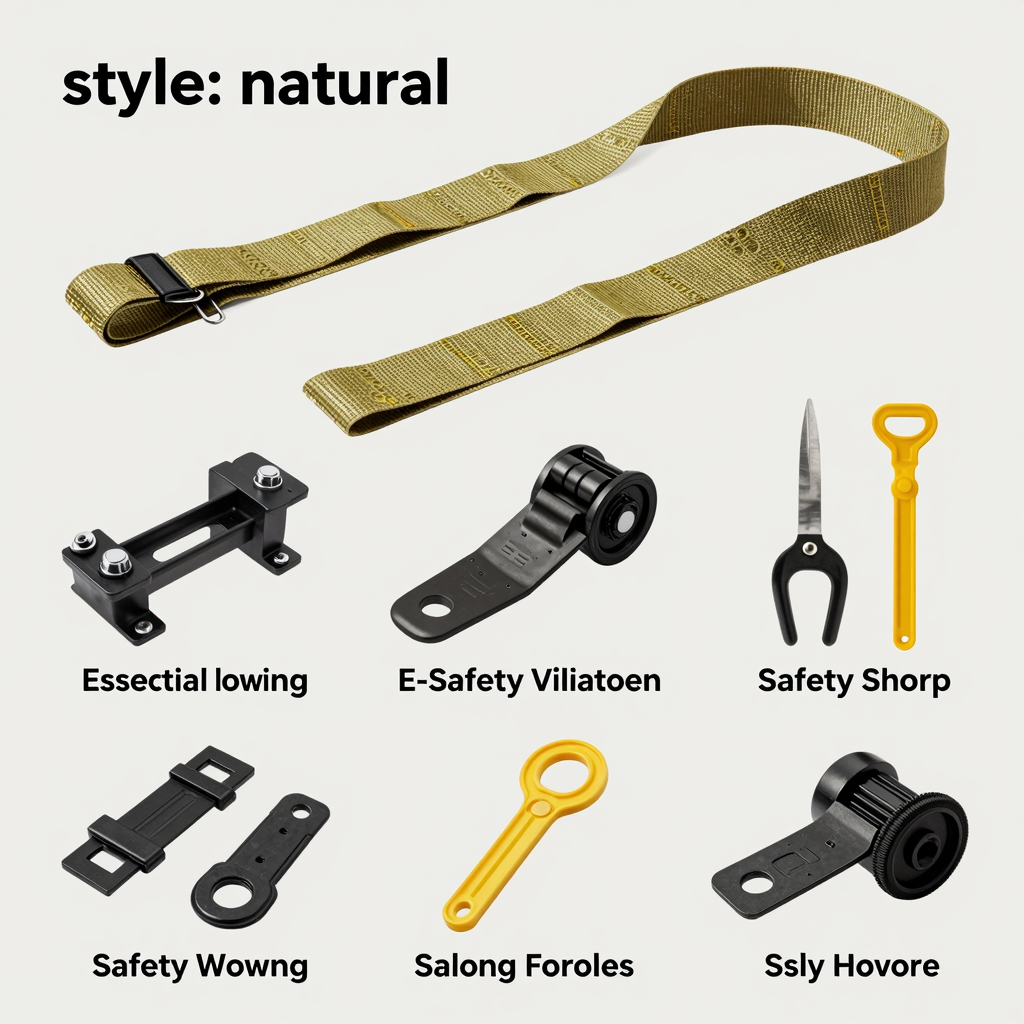
When it comes to towing a truck, having the right tools and equipment is crucial for safety and efficiency. Here’s a list of essential items you’ll need:
- Tow Truck: The vehicle responsible for towing. Make sure it has the right towing capacity.
- Hitch Types: Select between a class III, IV, or V hitch depending on the truck’s weight.
- Tow Straps: Heavy-duty nylon straps designed for towing; they’re durable and reliable.
- Chains: Used as a backup for tow straps, ensuring a strong connection between vehicles.
- Safety Flags or Lights: To signal the load being towed and maintain visibility.
- Winch: Helps pull a stuck vehicle without the need for a manual effort.
- Dolly Wheels: Useful for towing vehicles with wheels off the ground, supports a smoother tow.
- Tow Mirrors: Extends visibility for the driver, crucial for safe lane changes and turns.
- Emergency Brake Kit: Provides additional stopping power; essential for heavier loads.
- First Aid Kit: Always ready for emergencies, ensuring safety in unforeseen situations.
These tools and equipment will help ensure a safe towing experience. For professional assistance, you can learn more about our towing services or contact our roadside service.
Industry Expert Quote on Proper Towing Techniques
As Dr. Elena Rodriguez, Senior Safety Analyst at the National Highway Traffic Safety Administration, emphasizes:
“Improper towing techniques are a leading cause of preventable accidents involving heavy-duty trucks and commercial vehicles. Even a minor misalignment or overloading can lead to trailer sway, brake failure, or loss of control-especially on high-speed highways or in adverse weather. Proper hitching, weight distribution, and pre-trip inspections are not just best practices; they are regulatory requirements under the updated FMCSA guidelines effective January 2026.”
This statement from an industry expert underscores the critical importance of adhering to proper towing techniques. Safety and reliability should never be compromised, especially for business owners who depend on the safe transport of vehicles and equipment. To learn more about roadside assistance, check out our roadside service options.
For further insights on towing, explore our towing company services.
Safety Precautions When Towing a Truck
When towing a truck, it is crucial for businesses to prioritize safety to protect their team, equipment, and the load they are transporting. Adhering to specific safety precautions can significantly reduce risks associated with towing operations. One of the primary considerations is understanding and adhering to the weight limits of both the towing vehicle and the truck being towed. Every vehicle has a Gross Vehicle Weight Rating (GVWR) that must not be exceeded, as overloading can lead to mechanical failure or accidents.
Before towing, it’s essential to secure the load adequately. This involves using appropriate towing equipment such as chains, straps, or hooks that meet industry standards. The load should be balanced to ensure stability during transport; an unbalanced load can sway or cause the towing vehicle to lose control. Inspecting a tow hitch before departures is another critical step-making sure it is in good condition and securely attached to the towing vehicle can prevent disasters on the road.
Moreover, checking the towing equipment, such as braking systems and lights, ensures that everything is functioning properly. Tow operators should conduct a thorough safety check of the truck being towed as well, confirming that it is capable of safely being towed without mechanical issues. This can involve looking for leaks, ensuring the proper inflation of tires, and testing brakes.
Lastly, it’s vital for operators to receive adequate training on towing techniques and safety practices. Implementing a comprehensive training program can equip employees with the necessary skills to tow trucks efficiently while adhering to safety protocols. Failure to consider these precautions can lead to serious accidents, injuries, or even legal consequences. For more information on roadside safety and service methods, you can learn more about our roadside services. If you’re seeking expert help from a trusted towing company, visit our page about towing services in Houston.
Essential Towing Techniques for Trucking Business Owners
Towing trucks can be a crucial part of a business’s operations, especially in industries where transport and logistics are key. Understanding the various towing techniques is essential for ensuring safe, efficient, and damage-free transport of vehicles. Here’s an informative overview of towing techniques that business owners can utilize, including considerations for different scenarios and conditions.
1. Rollback (Flatbed) Towing
Rollback tow trucks, often referred to as flatbed trucks, are designed for full support of the towed vehicle. This method is especially beneficial for:
- Accident Recovery: It minimizes the risk of further damage to the vehicle during transport.
- Luxury Vehicles: Ideal for high-value or performance vehicles as it ensures they remain secure and undamaged.
- Long Distance Towing: The full support system is perfect for transporting non-operational vehicles across long distances.
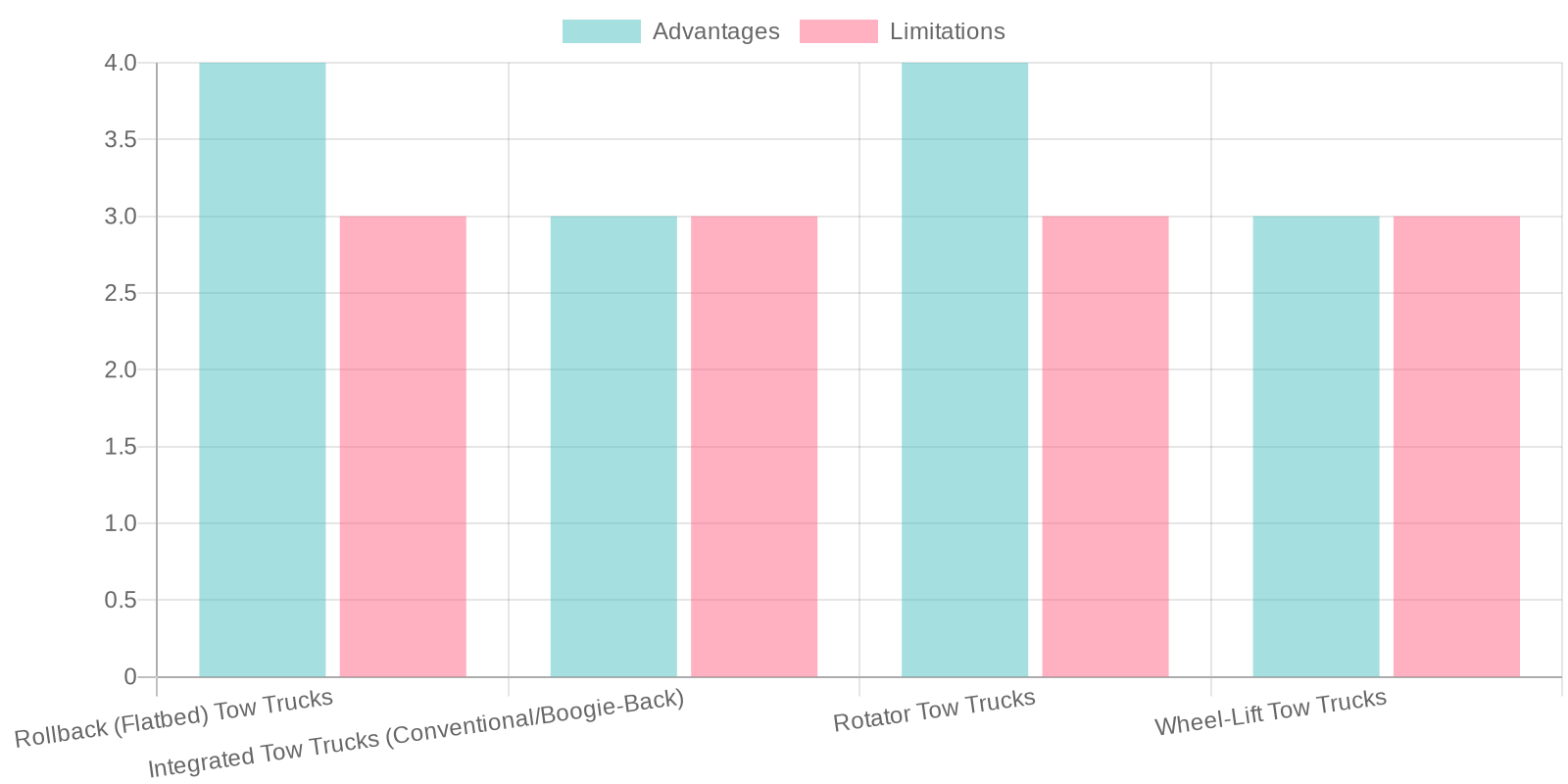
Advantages:
- Full vehicle support reduces the risk of damage.
- Safe for all-wheel and four-wheel drive vehicles.
- Can easily secure damaged vehicles with straps and wheel chocks.
Limitations:
- Higher initial costs and requires more training to operate safely.
Usage Scenarios:
- Accidents where the vehicle is badly damaged.
- Transporting heavy or luxury vehicles in urban environments.
2. Integrated Tow Trucks
Integrated tow trucks, also known as conventional or boogie-back, excel at urban towing and medium-duty truck recovery. They offer:
- High Maneuverability: Great for navigating tight urban spaces and accomplishing quick pickups.
- Stability and Balance: These trucks lower the center of gravity which makes towing safer.
Advantages:
- Excellent for quick urban roadside assistance.
- More affordable compared to rollback trucks.
Limitations:
- Limited versatility, especially in complex recovery situations.
Usage Scenarios:
- Daily operations within cities where quick service is needed.
- Recovery of passenger vehicles stuck in tight areas.
3. Rotator Tow Trucks
Rotator trucks are specialized vehicles designed for extreme recovery situations, such as highway accidents or vehicles that have rolled over. They are equipped with:
- 360° Boom Rotation: This feature allows for maximum versatility when maneuvering.
- High Lifting Capacity: Useful for heavy-duty vehicles or complex recovery tasks.
Advantages:
- Exceptional reach, reducing the need for secondary equipment.
- Very effective in challenging terrains.
Limitations:
- Higher cost and requires specialized training for safe operation.
Usage Scenarios:
- Recovering vehicles overturned on the highway.
- Operations in rural areas requiring flexibility in recovery tactics.
4. Wheel-Lift Tow Trucks
Wheel-lift trucks are compact and lightweight, making them perfect for city conditions where space is tight. These trucks:
- Quick Deployment: Can swiftly attach to vehicles for short-distance lifts.
- Cost-Effective: Generally lower operating costs associated with maintenance and purchases.
Advantages:
- Ideal for urban environments where speed is essential.
- Handle small, functional vehicles without significant risk of damage.
Limitations:
- Unsuitable for all-wheel drive vehicles directly; may require dollies.
Usage Scenarios:
- Emergency towing of operational vehicles.
- Quick service calls for minor accidents in dense city centers.
Conclusion
Selecting the right towing technique is crucial for business owners who provide towing services. Each method has its specific advantages and limitations that can affect the safety and efficiency of the towing operation. For optimal performance and safety, invest in comprehensive training and ensure your staff are familiar with various techniques applicable to the business’s needs. To learn more about proper towing practices, consider mike’s towing services and stay updated with industry standards to enhance your towing operations.
Comparison of Different Towing Techniques
| Towing Technique | Best For | Key Advantages | Limitations | Appropriate Usage Scenarios |
|---|---|---|---|---|
| Rollback (Flatbed) Tow Trucks | Professional towing services, accident recovery, luxury or performance vehicles, long-distance towing. | Full vehicle support reduces damage risk; safe for all-wheel and four-wheel drive vehicles; secure towing with straps and wheel chocks; ideal for transporting damaged or non-operational vehicles. | Higher initial cost and maintenance; larger footprint than wheel-lift models; requires more training to operate safely. | Recovering vehicles after accidents, especially those with drivetrain damage; transporting high-value or sensitive vehicles (e.g., sports cars); operations in urban areas where vehicle safety is paramount. |
| Integrated Tow Trucks (Conventional/Boogie-Back) | Urban towing, roadside assistance, recovery of large passenger vehicles and medium-duty trucks. | Excellent stability and balance; high maneuverability in tight spaces; efficient for quick urban pickups; lower center of gravity improves safety. | Limited reach compared to rotators; less versatility in complex recovery scenarios; fixed boom positioning reduces flexibility. | Daily roadside assistance calls in cities; recovering vehicles from narrow streets or parking lots; handling standard passenger vehicles and light commercial trucks. |
| Rotator Tow Trucks | Highway accidents, rollover recoveries, off-road rescues, challenging terrain operations. | Full 360° boom rotation for maximum versatility; exceptional reach and lifting angles; ideal for overturned or hard-to-reach vehicles; reduces the need for secondary equipment. | Higher purchase and maintenance cost; requires more training to operate safely; heavier weight impacts fuel efficiency. | Complex recovery operations on highways or rural roads; rescuing vehicles that are upside down, partially submerged, or trapped in difficult positions; operations requiring significant reach and flexibility. |
| Wheel-Lift Tow Trucks | City towing, short-distance recovery, compact cars, crowded urban environments. | Compact and lightweight design; faster deployment and setup; lower operational cost; ideal for quick urban pickups. | Not suitable for AWD/4WD vehicles without dollies; potential for undercarriage damage; less secure than flatbed towing. | Emergency towing of small, functional vehicles in dense city centers; quick response to minor accidents or breakdowns; situations where speed and agility are critical over vehicle protection. |
Towing Regulations for Business Owners
Understanding towing regulations is essential for business owners in the towing industry. These regulations encompass various areas, including licensing, insurance, and compliance with local laws. Here’s a concise summary of the key points:
Licensing Requirements
-
Business Authorization: Many jurisdictions require towing businesses to obtain specific authorization to operate legally. For instance, in Western Australia, all regulated towing companies must secure this authorization to conduct operations. Applicants must prove that they are fit and proper persons, meaning they should possess good character, integrity, and honesty.
-
National Police Clearance: It’s often necessary for all applicants and key personnel in the towing business to undergo a national police clearance (NPC) to ensure no serious criminal background exists. This is crucial for public trust and safety.
Insurance Requirements
- Mandatory Insurance Coverage: Towing businesses are generally required to carry specific types of insurance. These can include liability insurance to cover any damages or accidents that may occur during towing operations. The exact details of these insurance mandates may vary by region, so it is advisable to check local regulations thoroughly.
Compliance with Local Laws
- Adherence to Local Regulations: Business owners must comply with state and local laws governing towing operations. This includes abiding by local zoning regulations, operational hours, and fees associated with towing services. Additionally, there might be limits placed on where trucks can be towed from or to, depending on local ordinances.
Conclusion
In summary, towing regulations are critical for ensuring the legitimacy and safety of towing businesses. Business owners should stay informed about the licensing, insurance, and local law requirements in their area. For more detailed information on towing services, you can learn more about our services.
Further Reading: For more about compliance and operational standards, you may want to check our towing regulations guide.
Comparison of Towing Methods
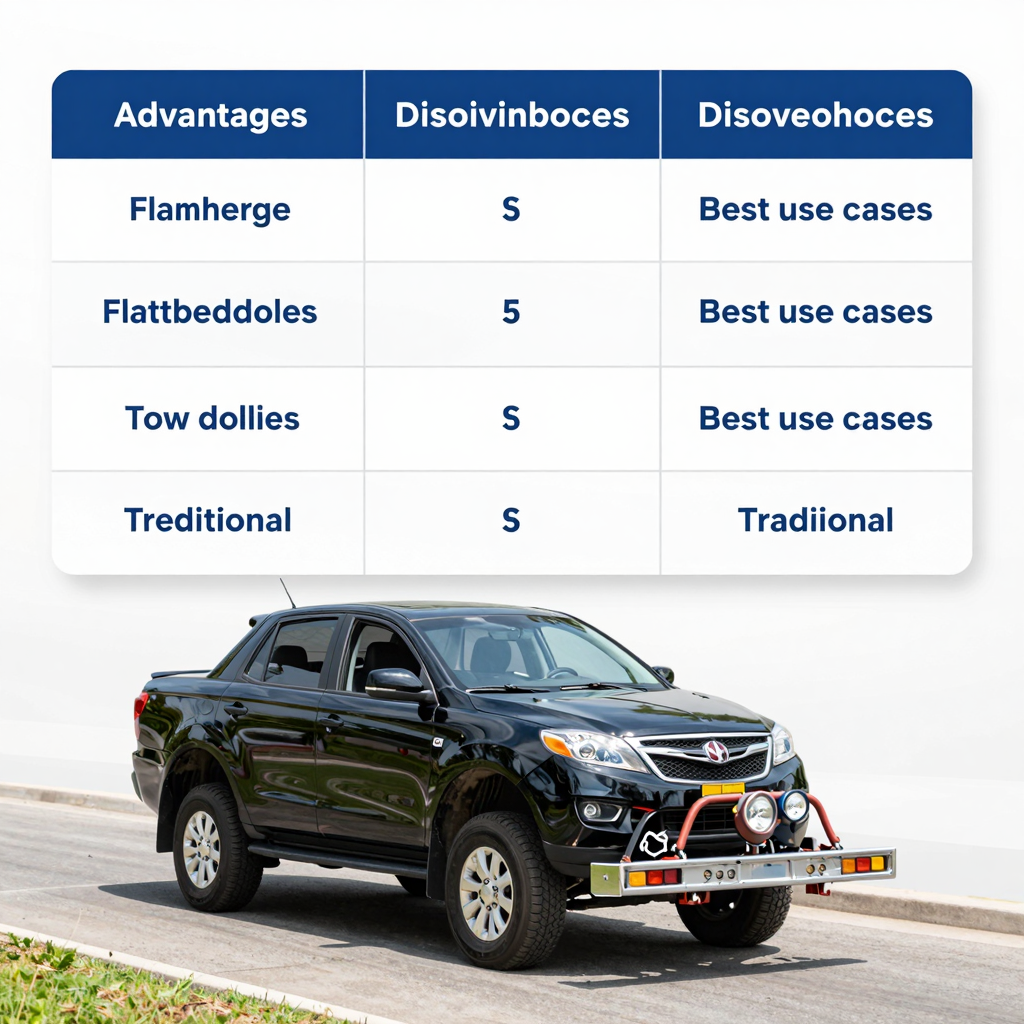
Here’s a comparative table summarizing the advantages, disadvantages, and best use cases of different vehicle towing methods, notably flatbed towing, tow dollies, and traditional towing.
| Towing Method | Advantages | Disadvantages | Best Use Cases |
|---|---|---|---|
| Flatbed Towing | – Safest method for all-wheel drive vehicles |
- Entire vehicle is loaded onto the truck, preventing tire and suspension damage | – More expensive
- Requires larger vehicles and skilled operators | – Accident recovery
- Transporting luxury or damaged vehicles |
| Tow Dollies | – Cost-effective for front-wheel drive vehicles - Easier to handle than flatbeds | – Can lead to drivetrain damage if used incorrectly
- Suitable only for specific car types | – Short-distance moves for two-wheel drive vehicles
- Cost-effective local towing |
| Traditional Towing| – Fast and efficient for urban towing - Lightweight equipment makes it easy to deploy | – Risk of undercarriage damage
- Unsuitable for all-wheel drive without dollies | – Immediate roadside assistance
- Urban breakdowns or minor issues |
For more personalized services, check out Mikes Roadside Service for on-the-go assistance.
If you’re located in Texas, learn more about our towing services in Houston.
In conclusion, understanding how to tow a truck with another truck is essential for business owners who frequently rely on heavy-duty vehicles for transportation and services. Throughout this article, we have discussed the steps to ensure a safe towing process, the necessary equipment involved, and the crucial considerations that must be taken into account to prevent vehicle damage and ensure safety on the road. Notably, professional assistance in towing is invaluable, as experienced tow service operators can bring efficiency and expertise that reduces downtime and enhances operational reliability. Emphasizing the need for a licensed and reputable towing company, we encourage all business owners to reach out to Mike’s Towing for their towing needs. With a focus on prompt service and customer satisfaction, Mike’s Towing provides a range of towing solutions tailored for your business, ensuring that you can minimize delays and maintain smooth operations. Don’t hesitate to contact Mike’s Roadside Service for support, because when it comes to towing, you deserve the best.
Contact Us for Quotes and Support
At Zoomlion, our commitment to providing exceptional service aligns with our mission to create value for our customers and to contribute to sustainable development. As a business owner, you understand the importance of having reliable equipment and support for your operations. If you’re seeking quotes or need assistance regarding our vast range of products and services, we invite you to connect with us.
Get in Touch
You can easily reach out to us through the following channels:
- Request a Quote: Visit our Sales and Service Support page to request a quote tailored to your needs.
- Customer Service: For inquiries or assistance, contact our dedicated customer service hotline at 400-819-5678 (within China), available from Monday to Friday, 8:30 AM to 6:00 PM.
- Online Inquiry: Use our Contact Us page for additional details or specific requests for support.
Why Choose Zoomlion?
- Innovative Solutions: We leverage advanced technology to enhance productivity and ensure that our equipment meets the evolving needs of your industry.
- Quality Assurance: Our commitment to quality means you can rely on us for durable and efficient machinery.
- Sustainability Focus: Join us in our mission of environmental stewardship; every decision we make is aimed at reducing our footprint while maximizing operational efficiency.
In conclusion, whether you need reliable equipment or expert support, Zoomlion is here to assist you. Don’t hesitate to contact us for all your machinery and service needs-because your success drives our innovation!