
Introduction
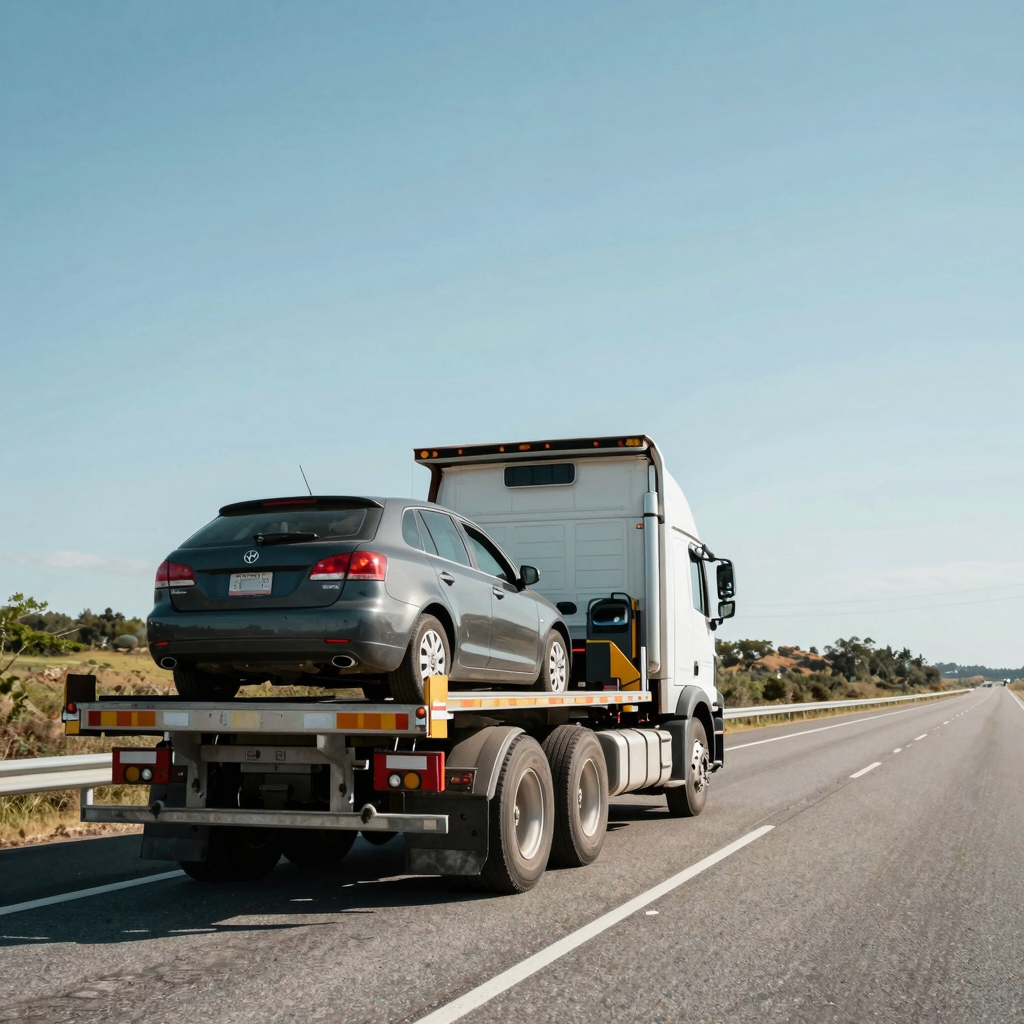
For business owners, the ability to tow a vehicle safely and efficiently is crucial, particularly when long distances are involved. Whether transporting equipment, delivering vehicles, or responding to roadside assistance calls, understanding the nuances of towing a car with a truck is imperative for smooth operations. Long-distance truck towing not only protects your assets but also ensures timely service delivery-factors that directly influence customer satisfaction and your bottom line. In today’s fast-paced environment, where delays can mean lost revenue, ensuring that you have the right knowledge and tools to execute a successful tow is paramount. At Zoomlion, we’re committed to providing you with the best resources and services to tackle any towing challenge, so your business can thrive without interruption. For more information on reliable towing options, feel free to explore our roadside services or contact our Houston towing company to discuss your specific needs.
Reasons Business Owners Might Need to Tow a Car with a Truck
Towing a car with a truck is a common necessity for many business owners, especially those who operate vehicle fleets or provide roadside assistance. Here are several compelling reasons why towing can be crucial:
-
Vehicle Breakdowns: Unexpected breakdowns can cause significant disruption. A tow truck allows business owners to quickly retrieve disabled vehicles and minimize downtime, ensuring operations continue smoothly. This is especially vital for logistics and service-oriented businesses where mobility is key.
-
Transporting Vehicles for Service: Business owners often need to transport vehicles to service centers for maintenance or repairs. Using a tow truck ensures safe and efficient vehicle relocation without risking additional damage during transport.
-
Moving Equipment: Apart from towing cars, trucks can also be used to move heavy equipment or trailers. This capability is vital for businesses in construction or event management that need to shift large items from one location to another.
-
Emergency Situations: In cases of accidents or hazardous road conditions, towing services provide necessary assistance to remove vehicles from the scene. This not only helps in clearing traffic but also ensures the safety of others on the road.
-
Customer Support Services: Many businesses, such as auto repair shops, offer towing as part of their service package. This can enhance customer satisfaction by providing immediate roadside assistance, building trust and loyalty.
-
Legal Compliance: In some cases, businesses may need to tow improperly parked vehicles or vehicles involved in accidents to comply with local laws and reduce liability.
For more information on how roadside assistance can help your business, learn more about our services.
In summary, from facilitating smooth operations to enhancing customer service, towing services play a pivotal role in supporting business activities.
Essential Equipment Needed for Towing a Car with a Truck
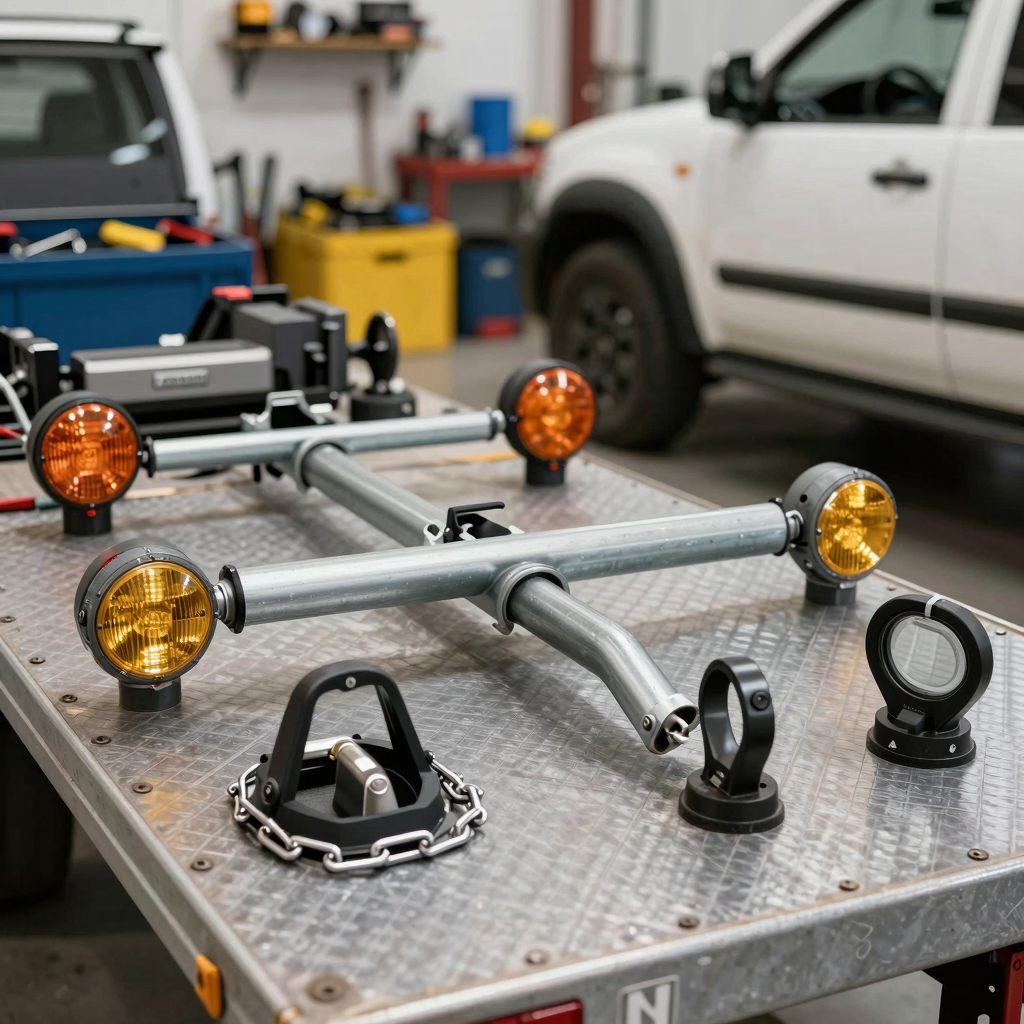
When it comes to towing a car with a truck, having the right equipment is crucial for safety and efficiency. Whether you are a business owner or a fleet manager, investing in high-quality towing equipment will ensure smooth operations and minimize risks. Here are the essential components needed for effective towing:
1. Tow Bars
Tow bars are a vital part of any towing setup. They connect the truck and the towed vehicle securely, allowing for safe transportation. It is recommended to choose a tow bar that is adjustable in length for greater flexibility and can accommodate different vehicles. Ensure that it is rated for the weight of the vehicle you plan to tow.
2. Safety Chains
Safety chains are crucial for securing the connection between the truck and the towed vehicle. They act as a backup in case the tow bar fails. Regulations often require using certified safety chains that are suitable for the weight class of the loads being towed. Always cross the chains beneath the tow hitch to create a cradle that will prevent the hitch from dragging on the ground if it comes loose.
3. Safety Lights
Proper lighting is mandatory for any towing operation. The towed vehicle must have functional tail lights, brake lights, and turn signals as required by law. Utilizing a 13-pin wiring connector ensures that all electrical systems remain operational. Ensure that all connections are secure and functional before departing on your journey to avoid accidents and penalties.
4. Hitches
Choosing the right hitch is paramount for a safe towing experience. The hitch should be rated for the weight of the load. A weight-bearing hitch helps distribute the load evenly, improving vehicle handling and stability. Additionally, consider investing in a hitch that can be adjusted for various towing situations.
Conclusion
For business owners, proper equipment not only enhances operational efficiency but also demonstrates professionalism. Regular inspections and maintenance of towing gear is crucial to ensure safety and compliance with regulations. To get professional towing services or to learn more about our towing offerings, don’t hesitate to reach out to us.
By making informed decisions on towing equipment, you’ll enhance the safety and reliability of your towing operations.
Comparing Truck Towing Capacities
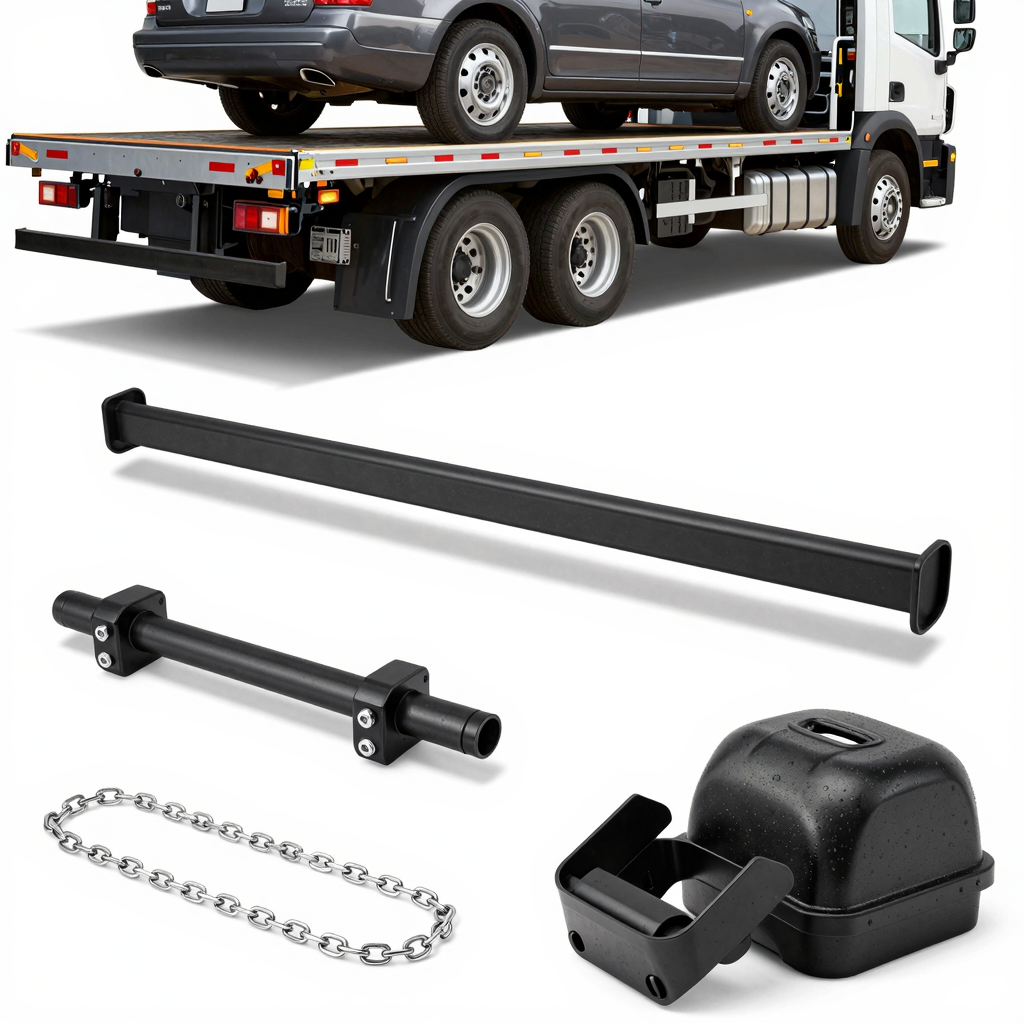
When it comes to towing cars over long distances, the choice of the truck is crucial. Here’s a comprehensive comparison of some popular truck models based on their towing capacities and unique features that cater specifically to long-distance towing needs.
| Truck Model | Maximum Towing Capacity (2023) | Key Features for Long-Distance Car Towing |
|---|---|---|
| Ford F-150 | Up to 14,000 lbs | Advanced Trailer Tow Prep Package includes a heavy-duty cooling system, integrated trailer brake controller, and trailer sway control. Offers Pro Power Onboard generator for roadside power needs. |
| Ram 1500 | Up to 12,750 lbs | Integrated Trailer Brake Controller and ParkView Rear-View Camera System; features a robust interior with premium materials for excellent ride comfort on long hauls. |
| Toyota Tundra | Up to 12,000 lbs | Standard 360-degree camera system and available JBL audio; known for reliability and resale value, ideal for long-distance use. |
| Chevrolet Silverado 1500 | Up to 13,400 lbs | Equipped with an advanced trailer towing system, including Trailer Reverse Guidance; offers a spacious, comfortable cabin with high-quality materials. |
| GMC Sierra 1500 | Up to 14,000 lbs | Features a diesel engine for superior torque and fuel efficiency; includes a 360-degree camera system and a quiet interior designed for extended driving comfort. |
This table highlights the towing capacities and unique features each model offers, which can enhance the towing experience over long distances.
For more details about the towing service, check out our roadside service options or learn more about our towing company in Houston.
Safety Precautions While Towing a Car
When it comes to towing a car over long distances, ensuring safety is paramount, especially for business owners involved in the towing industry. Here’s a guide to crucial safety precautions that every business owner should adhere to when towing a vehicle:
1. Know the Load Limits
- Understand Gross Vehicle Weight Rating (GVWR): Every trailer has a GVWR, which indicates the maximum weight it can safely carry, including the weight of the trailer itself and the car being towed. Ensure that your towing vehicle can handle this weight. Refer to NHTSA guidelines for more details on understanding load limits.
- Check Your Hitch Rating: Make sure the hitch used is rated for the weight of the trailer and the vehicle being towed.
2. Use Safety Chains
- Importance of Safety Chains: Safety chains are essential for secure towing. They should be rated for at least the GVWR of the trailer. The chains must be crossed beneath the trailer tongue to avoid dragging in case of detachment. For comprehensive advice on safety chains, consult the NHTSA.
- Proper Installation: Ensure that safety chains are firmly attached to the towing vehicle’s frame using secure connections. Regularly inspect chains for wear and replace them if necessary.
3. Ensure Proper Lighting
- Functional Lighting System: Check that all trailer lights are functioning correctly, including brake lights, turn signals, and rear lights. Proper illumination helps in communicating your intentions to other drivers on the road, especially during low visibility conditions.
- Regular Maintenance: Inspect your lighting system before towing to ensure compliance with safety regulations and to prevent potential accidents.
4. Conduct a Pre-Tow Inspection
- The Towing Checklist: Before you hit the road, perform a thorough inspection that includes checking tire pressures, brakes, lights, and the overall condition of the tow vehicle and the car being towed. Following a reliable towing checklist can help avoid common mistakes and ensure safety during the towing process.
- Adjust for Conditions: Be prepared to adjust speeds and braking distances, especially when towing heavier loads or driving in adverse conditions.
Conclusion
Implementing these safety precautions will not only protect the vehicles involved but also help maintain a good reputation for your towing business. Prioritizing safety can prevent mishaps and ensure smooth operations on the road. For more about safe towing practices, consider reaching out to Mikes Towing for professional advice and services.
The Towing Process for Business Owners
Towing a car safely with a truck requires a systematic approach, particularly for business owners who aim to maintain operational efficiency, especially during long-distance tows. Here’s a step-by-step guide to ensure safe and effective towing:
Step 1: Preparation
- Ensure Proper Equipment: Check that the towing truck is compatible with the vehicle being towed. This includes inspecting the tow hitch and ensuring it is securely fastened.
- Inspect the Towed Vehicle: Before towing, inspect the vehicle’s brakes, tires, and lights. Make sure that the vehicle can be safely towed without any mechanical issues.
Step 2: Secure the Vehicle
- Attach the Tow Bar: Connect the tow bar properly, following any specific instructions provided with the towing equipment. Make sure that the connections are secure to prevent any accidents during transport.
- Engage Safety Chains: Always use safety chains to add another layer of security. Cross the chains beneath the trailer tongue to prevent it from dropping to the road if it disconnects from the hitch.
Step 3: Safety Checks
- Inspect Connections: Do a final check of all connections, ensuring they are tight and secure. This includes the tow hitch, electrical connections, and safety chains.
- Check Tire Pressure and Lights: Make sure that both the truck and the towed vehicle have correct tire pressure and that all lights are functioning properly.
Step 4: Starting Your Journey
- Drive Sensibly: Begin your drive slowly to get accustomed to the new towing dynamic. It’s important to keep your speed down, especially on highways or during heavy traffic.
- Avoid Sudden Movements: Make smooth lane changes and avoid sudden braking or turning, as this can cause the towed vehicle to sway or detach.
Step 5: Monitor Progress
- Check Regular Intervals: For long-distance tows, it’s vital to pull over every 100 miles or so to check the vehicle’s condition and the security of the connections. Ensure that there are no signs of wear or loosening of attachments.
- Manage Time Wisely: Plan your trips with enough breaks to maintain focus and ensure that your vehicle remains in good condition to avoid delays.
Tips for Long-Distance Towing
- Use a GPS: Ensure you utilize a good GPS system to find the most efficient route, avoiding rough terrains and unexpected roadblocks.
- Check Weight Limits: Be aware of the towing capacities of your truck. Overloading can lead to mechanical failures and increase the risk of accidents.
Conclusion
The towing process requires attention to detail and a focus on safety to ensure that you complete your task efficiently. By following these steps, business owners can promote operational efficiency, reduce downtime, and maintain service quality. For further details on roadside assistance, visit Mike’s Roadside Service or for towing services in Houston, check out Mike’s Towing.
Common Towing Mistakes and Solutions
Towing can be a complex task, especially for business owners who need to transport vehicles over longer distances. Below is a detailed chart presenting common towing mistakes and their corresponding solutions. This knowledge can help avoid accidents and ensure smooth operations for businesses that rely on towing services.
Common Towing Mistakes
| Common Towing Mistake | Solution |
|---|---|
| Overloading the trailer | Ensure total weight is within rated capacity |
| Incorrect weight distribution | Distribute weight properly (60% front, 40% rear) |
| Not checking the brakes | Regularly inspect and maintain brakes |
| Ignoring light connections | Ensure all lights are functional |
| Speeding while towing | Reduce speed, allow for longer stopping distances |
| Incorrect use of hitch | Match hitch and trailer type correctly |
Understanding these common mistakes and implementing the solutions will enhance safety and efficiency in your towing operations. For more towing insights and services, consider checking out Mikes Towing or Mikes Roadside Service.
The Importance of Professional Towing Practices
When discussing the proper techniques for towing a car with a truck over long distances, it’s vital to emphasize the importance of professional towing practices. Expert advice highlights the risk involved when these practices are overlooked.
“Professional towing practices are essential for ensuring vehicle safety, preventing secondary accidents, and minimizing damage during transport. Improper towing can lead to costly repairs, legal liabilities, and compromised public safety.”
- Towing Industry Association (TIA)
This quote underlines the crucial role that trained professionals play in towing operations. By using certified equipment and standardized procedures, they not only protect your vehicle but also help maintain safe roadways.
For further information on safe towing practices, you can check out the resources from the Towing Industry Association for more insights on industry standards and guidelines.
Conclusion
In conclusion, towing a car over long distances effectively requires careful planning, the right equipment, and adherence to safety regulations. By understanding the dynamics of towing, including weight distribution, hitch types, and vehicle alignment, business owners can ensure a smoother towing experience. Additionally, knowing when to call for professional help can save time and prevent potential accidents on the road. If your company needs expert assistance in towing services, look no further than Mike’s Towing. Our team is dedicated to providing reliable and efficient towing solutions, tailored for your business needs. Don’t hesitate to reach out to Mike’s Roadside Service for any questions or to schedule your towing service today. Your peace of mind is just a call away!