
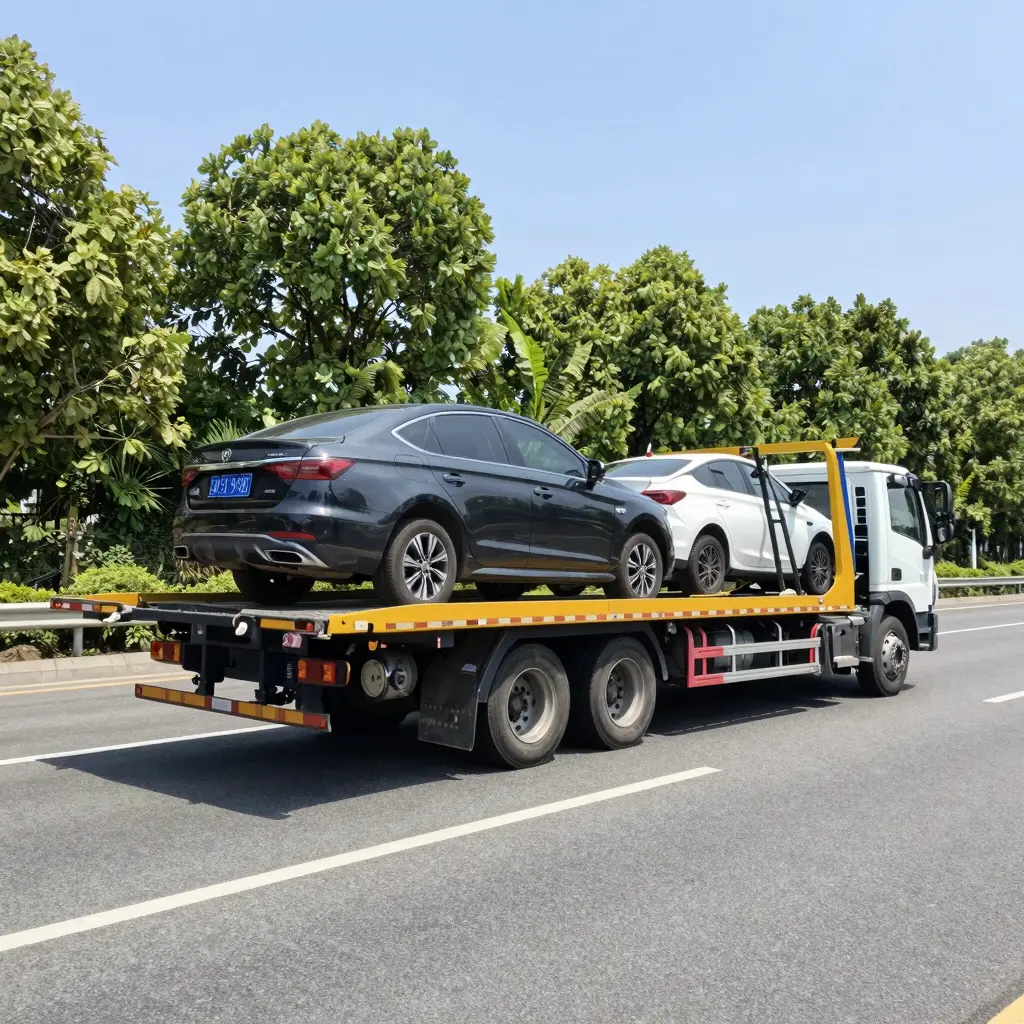
Introduction to Flatbed Tow Trucks
In the world of transportation, flatbed tow trucks hold a crucial position, especially for business owners who require reliable and efficient vehicle transport solutions. These versatile trucks are designed not just for towing but also for transporting vehicles and equipment safely across varying distances. Their flat and open design allows for easy loading and unloading of vehicles that cannot be driven, making them invaluable for repair shops, automotive businesses, and roadside assistance services. This article will delve into an often-overlooked aspect of flatbed tow trucks-their dimensions. We will explore how long flatbed tow trucks typically are, what factors influence their size, and why understanding these dimensions is essential for business owners who demand efficiency in their transportation operations. Additionally, we will provide insights into how the right towing solution can enhance operational logistics, enabling businesses to thrive. If you’re looking to streamline your vehicle transport needs, feel free to learn more about our roadside services or discover how we can assist with your towing requirements here.
Dimensions of Flatbed Tow Trucks
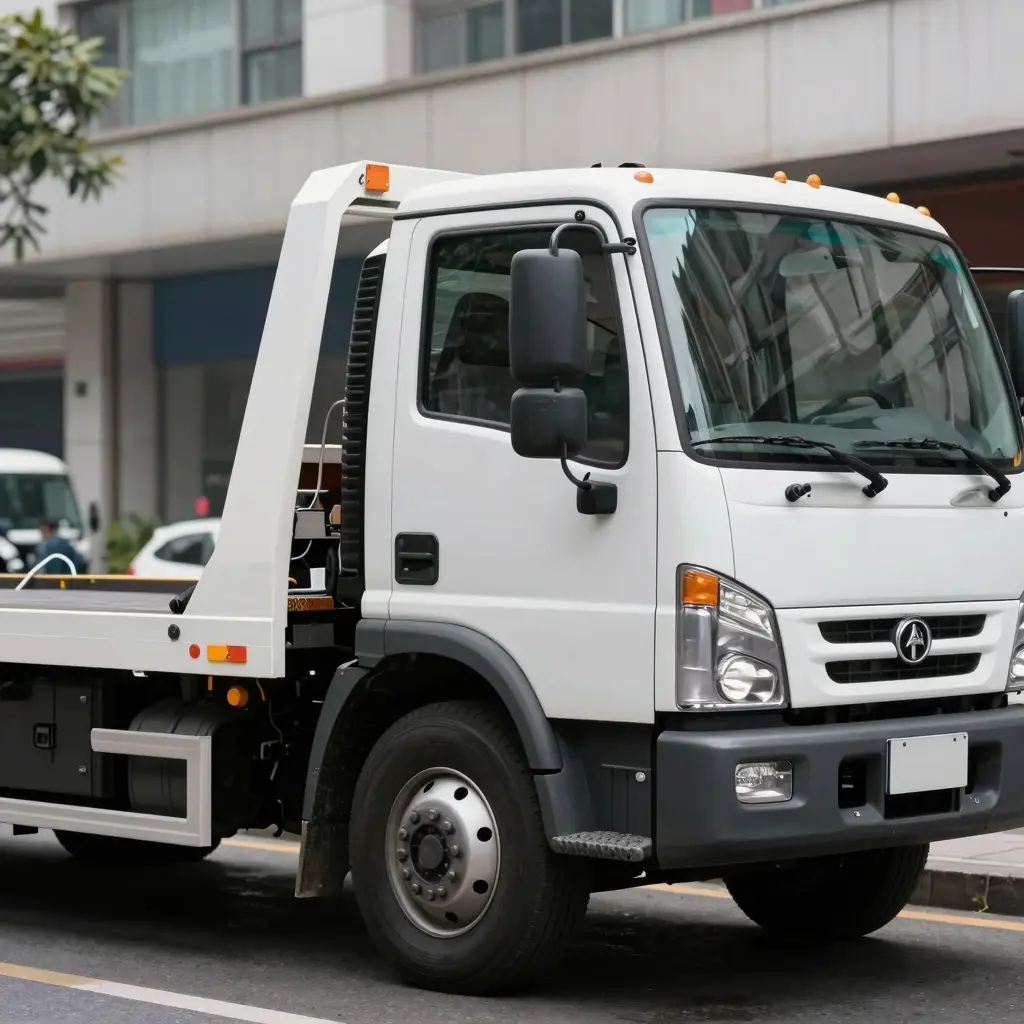
Flatbed tow trucks are essential for transporting vehicles safely and effectively. Understanding the standard dimensions of these trucks is crucial for business owners, especially those in the towing industry. Flatbed tow trucks come in various sizes, each designed to accommodate different vehicle types and weights. Here’s a detailed look at the typical dimensions and capacities of flatbed tow trucks:
Standard Dimensions
- Length: The length of flatbed tow trucks typically ranges from 5.2 to 6.0 meters (approximately 17 to 20 feet). This length allows for the transportation of a wide array of vehicles, from motorcycles to small pickup trucks.
- Width: Standard widths are between 2.1 to 2.3 meters (about 7 to 8 feet). This width is designed to provide stability during transportation and to accommodate various vehicle sizes.
- Height: Most flatbeds stand at a height of around 1.8 to 2.2 meters (approximately 6 to 7.2 feet) when unloaded. Variations in height are influenced by the chassis design and the type of equipment mounted on the truck.

Loading Capacities
Flatbed tow trucks also feature different loading capacities, generally offered in 2-ton, 3-ton, and 4-ton options. These capacities allow the trucks to cater to various towing needs, whether it’s for light-duty or heavier commercial vehicles.
Understanding these dimensions is vital for making informed decisions when purchasing or operating flatbed tow trucks. For business owners, this ensures compliance with regulations and optimizes efficiency in vehicle transportation. If you need professional assistance for your towing needs, learn more about our services.
Additionally, choosing the right flatbed tow truck can greatly impact service quality. For business owners seeking more details and support in the towing sector, exploring options such as Mike’s Roadside Service may prove invaluable.
Comparison of Flatbed Tow Truck Models
When choosing a flatbed tow truck, business owners need to understand the differences in specifications and utility. Below is a comparison table that outlines various flatbed tow truck models, their dimensions, lifting capacities, and key utilities:
| Feature | Standard Flatbed Tow Truck | Rollback Electric Flatbed Tow Truck | Stinger Electric Flatbed Tow Truck | Integrated Flatbed Tow Truck | Optima Flatbed Tow Truck | Slide Deck Tow Truck |
|---|---|---|---|---|---|---|
| Lifting Capacity | Up to 20,000 lbs | Up to 15,000 lbs | Up to 10,000 lbs | Up to 18,000 lbs | Up to 12,000 lbs | Up to 20,000 lbs |
| Platform Dimensions (Length x Width) | 24 ft x 8.5 ft | 22 ft x 8 ft | 18 ft x 7 ft | 20 ft x 8 ft | 16 ft x 7 ft | 24 ft x 8 ft |
| Maneuverability | Moderate | Low | High | High | Very High | High |
| Key Utility | General towing | Luxury vehicle recovery | Under-the-bumper towing | Urban towing | Luxury/Performance car transport | Accident recovery |
| Primary Advantages | Cost-effective | Smooth loading | Compact size | Improved stability | Low ground clearance | Zero ground contact |
| Limitations | No weather protection | Higher initial cost | Lower capacity | Complexity | Higher cost | Limited maneuverability |
| Best For | Roadside assistance | High-end vehicle transport | AWD/4×4 vehicle recovery | City operations | Auto dealerships | Long-distance transport |
For more in-depth information on towing services in Houston, check our site.
Lifting Capacity Comparison Chart
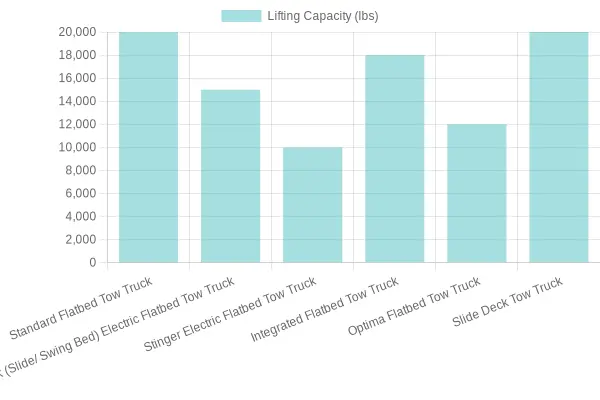
This chart provides a visual representation of the lifting capacities for various flatbed tow trucks. It is essential considering the capacity needed for your operations.
Benefits of Using Flatbed Tow Trucks for Businesses
Flatbed tow trucks have become essential tools for businesses in the towing and recovery sector due to their numerous advantages. By providing safe, efficient, and versatile transportation options, flatbed tow trucks can significantly enhance operational capabilities and customer satisfaction. Here are some key benefits to consider:
1. Safety First
One of the primary advantages of flatbed tow trucks is their emphasis on safety. The flatbed’s design allows businesses to transport vehicles without the risk of secondary damage that often accompanies traditional towing methods. Because vehicles are fully supported on a level platform, complications like drivetrain damage, tire wear, and the risk of additional mechanical failures are minimized. This is particularly important for high-value or delicate vehicles equipped with sensitive electronics, where safety and care are paramount. With flatbed tow trucks, businesses can ensure that their operations are underlined by a commitment to safety, fostering trust with customers.
2. Operational Efficiency
Flatbed tow trucks enhance operational efficiency in several ways. Their hydraulic systems make loading and unloading quick and straightforward, reducing the time spent on each job. This speed and ease of use translate into quicker response times and a higher turnover of jobs, thus maximizing profitability. Additionally, flatbed tow trucks eliminate the need for additional equipment or tools typically required for securing vehicles, which further streamlines the towing process. Businesses that utilize these trucks can expect to see increased efficiency and productivity on the road.
3. Versatility in Transporting Vehicles
The versatility of flatbed tow trucks cannot be overstated. Not only are they perfect for towing standard vehicles, but they can also accommodate a wide variety of cargo, including motorcycles, construction equipment, and even furniture. This flexibility allows businesses to broaden their service offerings and cater to diverse clientele, which is particularly beneficial in competitive markets. For instance, a flatbed can transport everything from cars to large machinery, helping businesses adapt to changing demands and open up new revenue streams.
4. Cost Savings
Investing in flatbed tow trucks can lead to significant cost savings in the long run. Since these trucks minimize the risk of damage during transport, businesses reduce potential repair costs and liability associated with accidents. Moreover, transporting vehicles on a flatbed reduces wear and tear on tires and other components, leading to lower maintenance costs over time. This combination of increased safety and efficiency creates a compelling financial case for businesses considering upgrading to flatbed tow trucks.
In summary, flatbed tow trucks represent a strategic asset for towing businesses. Their safety features, operational efficiency, versatility, and potential for cost savings make them indispensable in today’s towing landscape. By offering enhanced reliability and support for vehicle transport, they help establish businesses as trustworthy service providers, fostering long-term relationships with clients. Learn more about our services and how flatbed towing can work for you!
For businesses looking to streamline their towing operations, investing in flatbed tow trucks is a decision that not only enhances service quality but also positions them favorably in a competitive marketplace. If you are interested in expanding your towing fleet, consider finding a professional towing partner that understands these benefits and can assist with your towing needs in Houston and beyond.
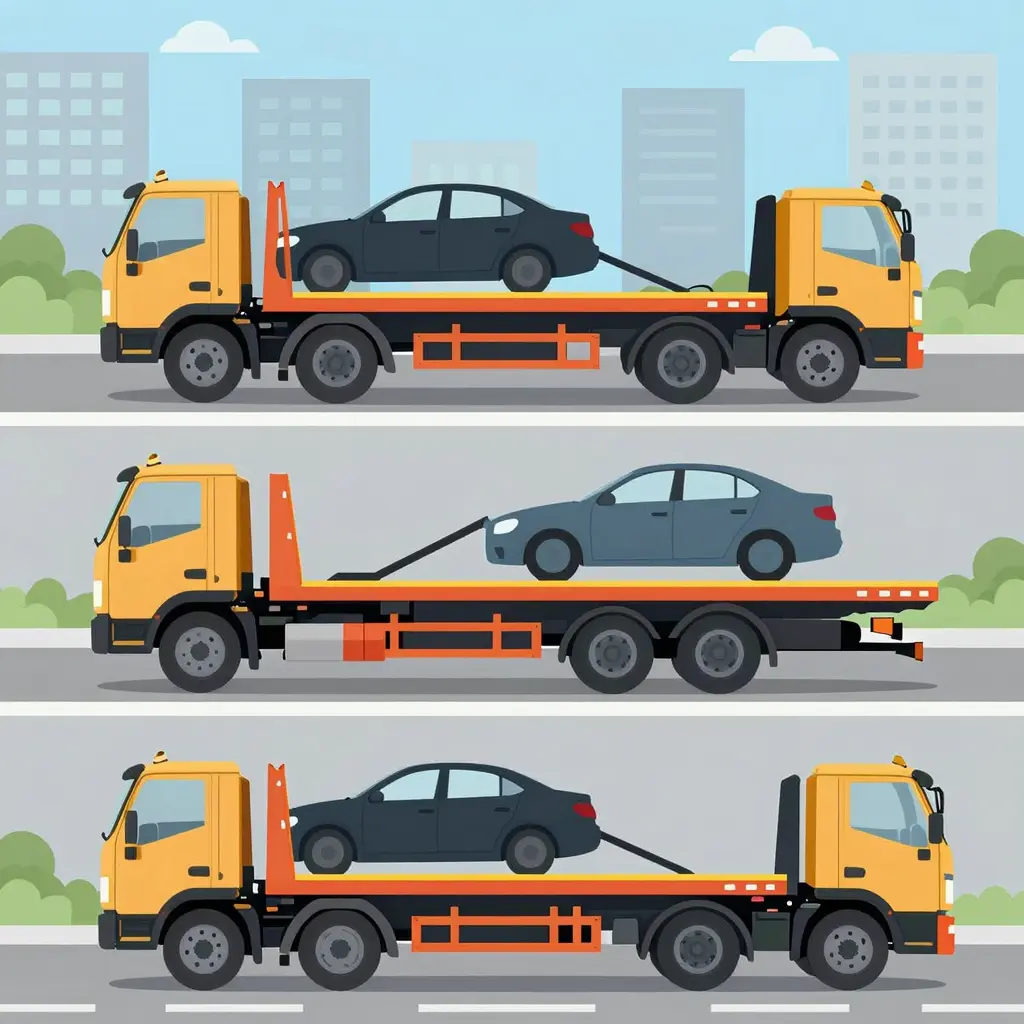
Increasing Adoption of Flatbed Tow Trucks in Businesses
Flatbed tow trucks play a crucial role in modern towing and transport industries, reflecting a significant trend in user adoption among various business sectors. The global tow truck market was valued at USD 2.5 billion in 2023, and projections indicate a growth rate of 5.57% CAGR through 2033. This growth is largely driven by the adoption of flatbed tow trucks, which are preferred due to their ability to transport vehicles without causing damage, particularly for luxury and all-wheel-drive vehicles.
Sectors Utilizing Flatbed Tow Trucks
- Professional Towing Services:
- A majority of professional towing companies (approximately 65%) have transitioned to flatbed systems in urban and highway environments. This shift is influenced by the need to minimize vehicle damage and align with federal and insurance requirements.
- Automotive Logistics Companies:
- Auto transporters increasingly integrate flatbed tow trucks for safe transport of inoperable or damaged vehicles. Their design ensures no mechanical stress is inflicted during transit, thereby safeguarding high-value assets.
- Roadside Assistance Providers:
- The demand for roadside assistance services is also on the rise, further boosting flatbed truck adoption. These vehicles allow service providers to efficiently handle diverse situations, particularly for motorists in need of immediate and secure vehicle recovery.
Adoption Rates Over Time
The following table outlines projected adoption rates for flatbed tow trucks among key sectors from 2023 to 2033:
| Year | Adoption Rate (%) |
|---|---|
| 2023 | 65.0 |
| 2024 | 68.6 |
| 2025 | 72.4 |
| 2026 | 76.4 |
| 2027 | 80.6 |
| 2028 | 85.0 |
| 2029 | 89.6 |
| 2030 | 94.4 |
| 2031 | 99.5 |
| 2032 | 104.9 |
| 2033 | 110.6 |
Note: Adoption rates exceeding 100% in later years indicate potential market saturation or expansion into multiple units per business.

Conclusion
The increasing adoption of flatbed tow trucks signifies a pivotal evolution in the towing and transport landscape. With their ability to prevent vehicle damage and meet growing insurance requirements, businesses across various sectors are likely to continue investing in these versatile trucks. For more details on available towing services, visit Mikes Towing.
Additionally, find roadside services offered by Mike’s to understand how they utilize flatbed systems effectively.
Common Myths About Flatbed Tow Trucks
Flatbed tow trucks have become increasingly popular among business owners for their versatility and safety. However, several misconceptions persist that can hinder their use and appreciation. Here, we address some common myths about flatbed tow trucks that business owners should be aware of:
Myth 1: Flatbed Tow Trucks are Only for Non-Operational Vehicles
Many believe that flatbed tow trucks are exclusively for transporting broken-down or non-operational vehicles. While their design does make them excellent for such situations, flatbeds are also ideal for transporting damaged or high-value vehicles. The flat surface allows for more stable and secure transport, minimizing the risk of damage during transit. This feature is essential for businesses that prioritize protecting their investments, such as luxury car dealerships and recovery services. Learn more about our roadside service.
Myth 2: Flatbeds are Too Expensive to Maintain
Another misconception among business owners is the belief that flatbed tow trucks are too expensive to operate and maintain. In reality, modern flatbeds are built with durable materials and advanced hydraulic systems that enhance their longevity and reduce maintenance costs over time. Investing in a flatbed can yield considerable savings by preventing damage to towed vehicles, thus lowering repair claims and ensuring higher customer satisfaction.
Myth 3: Flatbeds are Only for Long-Distance Transport
Many think flatbeds are impractical for urban environments, assuming they are not suited for short-distance towing. However, flatbeds excel in tight spaces, making them just as effective in urban settings as they are for long hauls. Their design allows operators to maneuver easily through crowded streets, avoiding trailer damage while providing efficient tow services. Furthermore, the quicker loading and unloading times with flatbeds can reduce operational downtime. Discover our towing services in Houston.
Myth 4: Operating a Flatbed Requires Specialized Training
Some business owners believe that additional training is required to operate a flatbed tow truck effectively. Contrary to this belief, most drivers can be trained relatively quickly to operate flatbeds, as the learning curve is not significantly steeper than conventional tow trucks. Thus, businesses can swiftly adapt their workforce to include flatbed operation without extensive retraining.
Conclusion
Understanding the realities behind flatbed tow trucks can help business owners make informed decisions about their towing needs. These myths can impede the growth and efficiency of towing services, but with accurate information, businesses can maximize their operational potential and customer satisfaction.
“The shift to flatbeds has been transformative-especially for handling luxury, AWD, and automatic transmission vehicles. It’s not just about safety; it’s about protecting our clients’ assets and reducing liability risks.”
- John Reynolds, Chief Operations Officer at National Recovery Services
In modern business environments, flatbed tow trucks have become indispensable due to their unique advantages, especially when transporting high-value vehicles. Not only do they provide full vehicle support, helping to minimize damage to drivetrains and suspensions, but they also align with the need for safety and efficiency in the towing industry. These trucks are particularly essential for transporting luxury and all-wheel-drive vehicles, which can be more susceptible to damage if towed incorrectly.
Flatbed tow trucks also play a key role in reducing overall liability risks for towing companies, making them not just a choice but a business imperative for many operators. As stated by mike’s towing service, having a reliable flatbed in your fleet can significantly enhance service quality and customer satisfaction.
Conclusion: Your Trusted Partner for Towing Needs
In summary, understanding the specifications of flatbed tow trucks and their benefits is crucial for business owners requiring reliable towing services. These trucks are designed to transport vehicles safely and effectively, especially the ones with sensitive drivetrains such as electric, luxury, or all-wheel-drive vehicles. Their hydraulic tilt mechanism allows for safe and efficient loading, ensuring that there is minimal risk of damage during transportation.
At this point, if you’re looking for expert towing services, look no further than Zoomlion. With a legacy dating back to 1992, Zoomlion has established itself as a leader in high-tech machinery and towing solutions, offering extensive expertise in transporting heavy vehicles and equipment. Over the years, they’ve built a solid reputation for their commitment to quality and safety, backed by cutting-edge technology and a skilled workforce.
Whether you need to transport construction equipment or recover a vehicle, their team is equipped to handle all types of towing requirements. With a strong emphasis on safety and efficiency, Zoomlion continually innovates to meet the growing demands of the towing industry.
Don’t leave your towing needs to chance-contact Zoomlion today and experience the reliability and expertise that comes with decades of industry experience. Your business deserves the best, and with Zoomlion’s unmatched support, you can ensure your towing operations are in capable hands.
Take action now and reach out to discuss your towing requirements!