
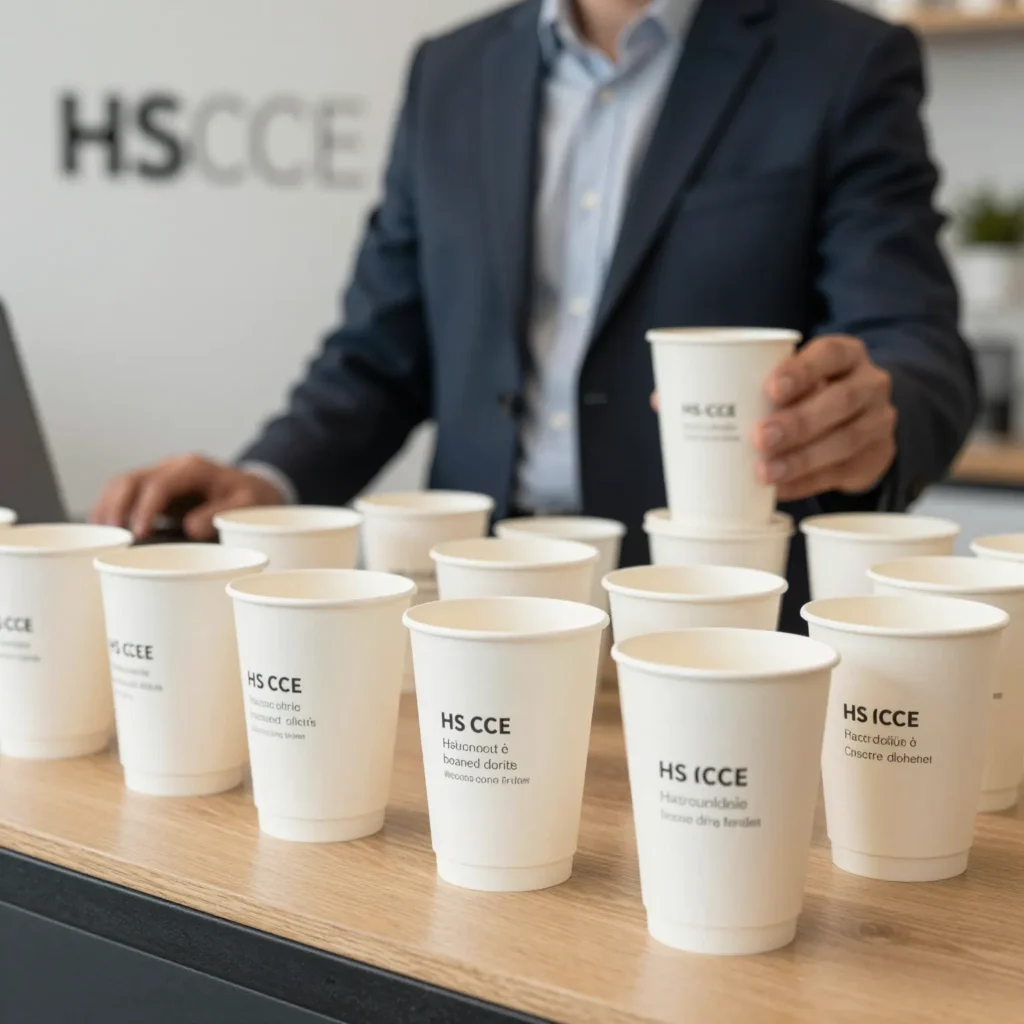
Understanding Disposable Paper Cup HS Codes
In the bustling world of food and beverage services, particularly for bubble tea shops, restaurants, food trucks, and event planners, the importance of compliance with packaging regulations cannot be overstated. One of the key elements in this realm is the disposable paper cup HS code. These codes serve as a passport for your products during international trade, ensuring that your disposable tableware meets essential safety standards and regulatory benchmarks.
For businesses involved in selling beverages, knowing the correct HS code for your disposable paper cups is crucial for compliant import and export operations. It not only helps streamline customs clearance but also allows for more precise inventory management. The significance extends beyond mere compliance; it reflects your commitment to providing customers with high-quality packaging solutions that align with health and safety regulations.
As you navigate through the complexities of the food service industry, understanding these codes will empower you to make informed decisions that enhance your product offerings, improve your logistics, and ultimately contribute to your business’s success. In the upcoming sections, we will delve deeper into the specifics of disposable paper cup HS codes, explore their implications for your operations, and highlight some valuable packaging solutions for your needs. So, stay tuned to ensure your business remains ahead of the curve in terms of compliance and quality!
Industries That Use Disposable Paper Cups
Disposable paper cups are widely used across various industries due to their convenience and practicality. Here’s a list of key industries that typically rely on these cups:
- Bubble Tea Shops: Serving drinks in a fun, portable way, these shops greatly benefit from disposable cups.
- Restaurants: Many eateries use paper cups for takeout beverages, ensuring customer convenience.
- Food Trucks: Quick service and mobility make disposable cups ideal for food trucks offering beverages.
- Catering Services: Events and gatherings often feature disposable cups for drinks, making cleanup easier.
- Event Planning: Temporary events like festivals and weddings use disposable cups to accommodate large crowds efficiently.
These industries emphasize the importance of reliable, disposable drinkware options. For more disposable cup products, visit our website!
Whether you’re a beverage chain or an event planner, selecting the right disposable packaging is crucial!
The Significance of HS Codes for Businesses in the Food and Beverage Industry
Understanding the Harmonized System (HS) codes is vital for businesses in the food and beverage sector, especially for those utilizing disposable products like paper cups. The disposable paper cup HS code plays a critical role in compliance with various trade regulations that can greatly impact the operational capabilities of companies such as bubble tea shops, restaurants, and catering services.
Compliance with Customs Regulations
HS codes serve as a universal classification system for products traded internationally, enabling customs authorities to categorize and impose duties or restrictions on specific items. For businesses to navigate international markets successfully, they must classify their products properly. Misclassifying items, such as disposable paper cups, can lead to delays, increased taxes, and potential fines. This is particularly important in the food and beverage industry, where compliance with health regulations is crucial to maintaining a safe product flow.
“With accurate HS classification, businesses can better manage trade compliance and streamline international trade operations.”
RSM Global learn more about HS codes
Trade Agreements and Preferential Tariffs
Having a clear understanding of HS codes allows companies to take advantage of trade agreements and preferential tariffs. Proper classification ensures businesses can apply for benefits under various international agreements, driving down costs for importing products. For instance, the HS code associated with disposable paper cups categorizes these items as hygienic, disposable articles that meet health regulations, significantly relevant to their operational logistics.
As noted by sources involved in customs processes, “the proper use of HS codes is crucial for determining product origins in trade agreements”. Therefore, companies must stay updated on the classification norms to optimize their supply chains.
Essential for Market Research and Product Statistics
HS codes also aid in market research by providing data on trade statistics. By understanding product-specific trends, businesses can make informed decisions on product offerings, stock management, and future innovations. For food and beverage providers, the ability to analyze market trends associated with disposable products like paper cups can help optimize their product lines and meet customer demands efficiently.
This knowledge not only supports compliance but also enhances business performance by enabling better strategic planning and marketing efforts.
For more information about using HS codes for your food service products, check out our range of disposable paper cups and related packaging materials.
In summary, grasping the significance of HS codes, especially the disposable paper cup HS code, is paramount for businesses in the food and beverage industry to ensure compliance with regulations, benefit from trade advantages, and enhance their market strategies.
As the demand for disposable paper cups continues to rise, so do the regulations governing their import and export. These regulations are influenced by safety standards and environmental guidelines designed to mitigate the negative impacts of single-use products. Here’s a comprehensive summary of the current landscape surrounding disposable paper cup regulations.
Safety Standards
The safety standards for importing and exporting disposable paper cups vary by region, but they generally align with overarching food safety regulations. For example, in the United States, the Food and Drug Administration (FDA) oversees the safety of food contact substances, which includes disposable paper cups. Importers must ensure that the materials used comply with these safety standards to ensure they do not leach harmful substances into food and drinks.
- Compliance with FDA Regulations: Disposable cups must meet specific criteria outlined by the FDA, including the composition of materials used and testing for potential contaminants.
- Health Monitoring: Regular testing and documentation are required for imported goods, ensuring they align with safety standards before reaching consumers.
For further details on safety compliance and regulations, you can also refer to the Export Administration Regulations (EAR) provided by the U.S. Bureau of Industry and Security.
Environmental Guidelines
Environmental regulations play a crucial role in shaping the disposable paper cup industry. Many countries are tightening controls on the use of single-use items due to their environmental impact, particularly concerning the waste generated by these products.
-
Compostability Standards: Some regions have started mandating that disposable paper cups be biodegradable or compostable. This pushes manufacturers to explore sustainable materials, such as cups lined with biodegradable films rather than plastic. An article on BioResources discusses ongoing challenges with recycling traditional paper cups that have plastic linings.
-
Recycling Initiatives: Programs advocating for the recycling of paper cups are gaining traction, emphasizing the need for manufacturers to develop products that can be easily processed. However, many disposable cups are not recyclable due to their composite materials, highlighting a gap that current regulations are attempting to address. This is detailed in the Choice discussion on the recyclability of takeaway cups.
-
Innovations in Material: Innovative solutions, such as using edible algae linings in cups to replace plastic, are emerging as part of a response to environmental concerns. This concept was highlighted in an article on Differ.
Import and Export Procedures
When it comes to the actual import and export of disposable paper cups, businesses must navigate various customs regulations. Countries often impose tariffs and duties on these products to encourage domestic production and sustainability.
-
Customs Compliance: Importers and exporters must remain vigilant about complying with customs regulations outlined by governmental bodies like GOV.UK, which stipulates the proper documentation and duties applicable to disposable goods.
-
Labeling and Certification: It’s essential for businesses engaged in international trade to ensure that all products meet local labeling requirements and certifications, which can vary significantly from one jurisdiction to another.
Conclusion
The landscape of regulations affecting disposable paper cups is continually evolving, driven by heightened safety requirements and environmental concerns. Businesses, including bubble tea shops, beverage chains, and food service providers, must stay informed and compliant with these regulations to successfully navigate their import and export activities. For those interested in further enhancing their sustainable practices, explore our range of eco-friendly products designed to meet these stringent guidelines.
By understanding and adapting to these regulatory frameworks, businesses can not only ensure compliance but also promote a greener and more sustainable future for disposable paper products.
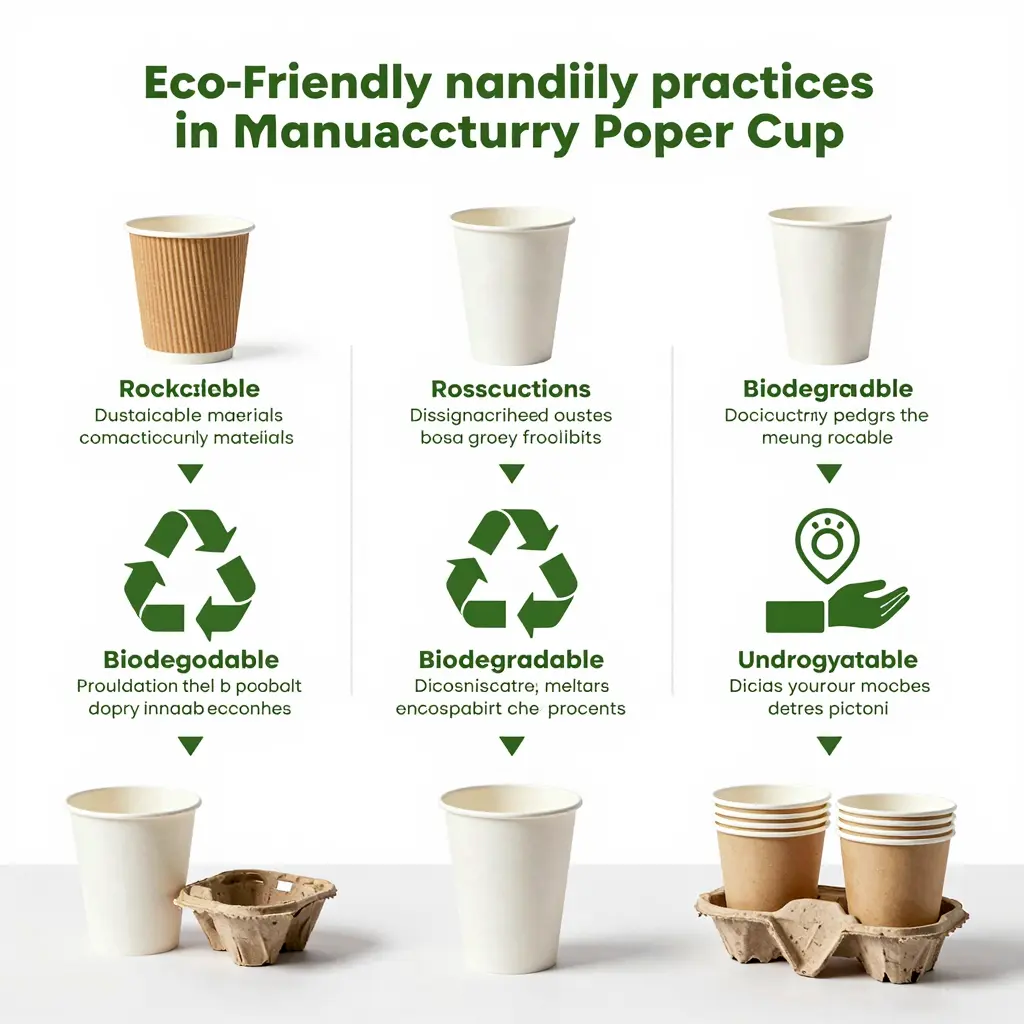
Eco-Friendly Practices in Manufacturing Disposable Cups
As concerns about environmental sustainability continue to grow, manufacturers of disposable paper cups are increasingly adopting eco-friendly practices. These practices not only reduce the environmental impact but also provide significant benefits for businesses in the food and beverage industry.
Importance of Sustainable Materials
Eco-friendly disposable cups are often made from biodegradable materials, which break down more easily than conventional plastics. Utilizing materials such as recycled paper or plant-based polymers helps reduce waste in landfills and the overall carbon footprint of the production process. Manufacturers are also focusing on sourcing materials from sustainable forestry and ensuring that they are free from harmful chemicals, thereby promoting safer consumption.
Innovative Production Techniques
Adopting innovative production techniques can also enhance sustainability. For instance:
- Water Usage: Reducing water consumption during the manufacturing process can lead to less pollution and waste. Techniques like closed-loop water systems can help recycle water used in production.
- Energy Efficiency: Implementing energy-efficient machinery and practices, such as using renewable energy sources, can reduce the overall energy consumption of the manufacturing process.
Waste Minimization
Implementing a waste-minimization strategy in the manufacturing of disposable cups can drastically decrease the amount of waste generated. This can involve:
- Recycling: Recycling offcuts and defective products can lessen waste and maximize resource use.
- Biodegradable Additives: Some manufacturers are incorporating biodegradable additives into their products, allowing them to decompose naturally in composting environments while maintaining the functional properties of traditional cups.
Benefits for Businesses
Integrating eco-friendly practices not only benefits the environment but also yields various advantages for businesses:
- Enhanced Brand Image: Companies that emphasize sustainability can attract eco-conscious consumers, positively impacting their reputation and customer loyalty.
- Regulatory Compliance: As regulations around single-use plastics tighten, adopting eco-friendly practices ensures compliance with local and global standards, safeguarding against potential fines and enhancing market access.
- Cost Savings: While initial investments may be higher, long-term cost savings can be realized through reduced waste disposal fees, lower energy costs, and increased operational efficiencies.
By adopting these eco-friendly manufacturing practices, businesses in sectors like bubble tea shops, restaurants, and catering services can not only contribute to a healthier planet but also drive their success in a competitive market. In light of increasing consumer demand for sustainable products, manufacturers are encouraged to explore eco-friendly disposable options to meet evolving expectations.
Comparison of Disposable Cups
When choosing the right disposable cups for your bubble tea shop, restaurant, or catering service, it’s essential to understand the differences between various types of cups available in the market. Here’s a detailed comparison table showcasing paper cups, plastic cups, and biodegradable options based on their features such as size, material, and sustainability.
| Cup Type | Material | Common Sizes | Sustainability Features | Typical Use Cases |
|---|---|---|---|---|
| Paper Cups | Paper (often with a plastic lining) | 8 oz, 12 oz, 16 oz | Biodegradable but may contain plastic lining that complicates recycling | Coffee shops, tea shops, events |
| Plastic Cups | Polypropylene (PP) or Polystyrene (PS) | 12 oz, 16 oz, 24 oz | Non-biodegradable, recyclable only in some areas | Fast food, water, soft drinks |
| Biodegradable Cups | Plant-based materials (PLA, sugarcane) | 8 oz, 12 oz, 16 oz | Fully biodegradable, typically compostable | Eco-friendly restaurants, outdoor events |
Key Takeaways
- Sustainability: While paper cups are often seen as a more eco-friendly option, many still contain plastic linings. Biodegradable cups made from plant-based materials tend to offer better ecological benefits.
- Performance: Plastic cups are often the most durable; however, they contribute significantly to environmental pollution and waste.
For more information on sustainable packaging, check out our paper cup collection and explore eco-friendly options like sugarcane cups.
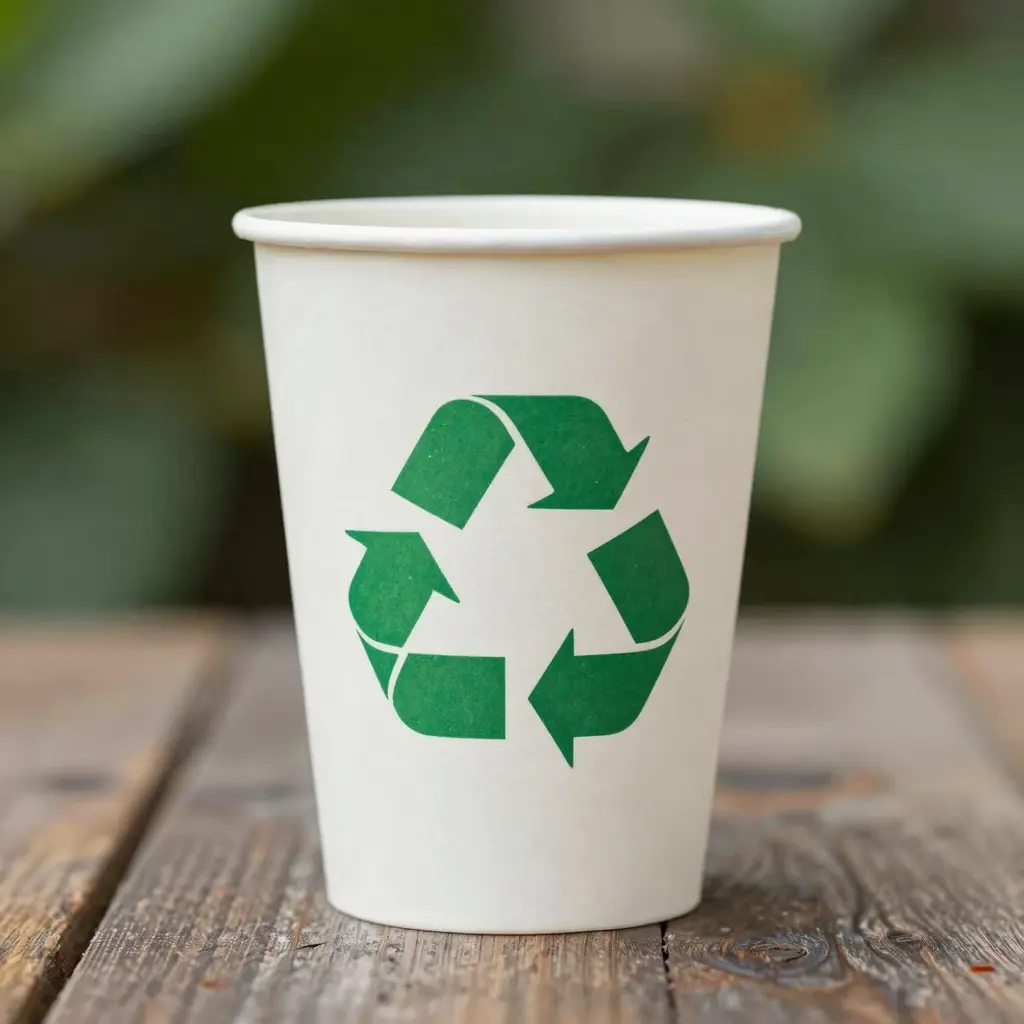
This image showcases a visually appealing disposable paper cup, perfect for use in a variety of settings such as cafes, restaurants, and events. Its design emphasizes both functionality and eco-friendliness, making it an ideal choice for businesses focused on sustainability.
For more options, explore our range of paper cups and other paper packaging solutions!
Benefits of Using Disposable Paper Cups
Disposable paper cups offer numerous advantages that can significantly benefit businesses such as bubble tea shops and similar establishments. Convenience, hygiene, and branding are just a few of the compelling reasons to choose disposable options over traditional reusable cups.
“Disposable paper cups present advantages in terms of convenience, ease of use, and hygienic properties, helping eliminate cleaning tasks and reducing the risk of breakage.” – KimEcopak
In bustling environments like food trucks and catering services, the ease of use that disposable paper cups provide can streamline operations and enhance customer satisfaction. Moreover, their eco-friendly design, particularly for options made from biodegradable materials, aligns with current consumer preferences for sustainability.
By adopting disposable cups, businesses can create a more efficient service model while simultaneously promoting a hygienic environment for their customers.
For those interested in exploring different packaging solutions, check out our wide range of paper cups and paper packaging.
Ultimately, selecting disposable paper cups not only meets the practical needs of your business but also reflects a greater commitment to sustainability and customer convenience.
Conclusion
In conclusion, the significance of HS codes for disposable paper cups cannot be understated. These codes play an essential role in international trade, ensuring that businesses comply with regulations and facilitating smoother customs processes. The growth of the disposable paper cup market reflects shifting consumer preferences and regulatory pressures towards sustainable packaging solutions. As the industry moves towards 1.2% CAGR growth through 2035, understanding and utilizing the correct HS codes will be vital for businesses in the bubble tea, beverage, and food service sectors.
By staying compliant with HS code regulations, businesses not only streamline their shipping logistics but also enhance their market entry strategies. As highlighted in various industry insights, the increasing demand for stylish and eco-friendly paper cups calls for precise classification to avoid potential delays at customs.
If you are involved in running a bubble tea shop, restaurant, food truck, or catering service, now is the time to evaluate your disposable paper cup solutions. With the right support, you can navigate the complexities of HS codes and ensure that your products meet both consumer expectations and regulatory requirements.
For tailored solutions to your disposable paper cup needs, explore our comprehensive range of products or contact us at Green Dispo Pack for guidance specific to your business. Together, we can foster a more sustainable future while ensuring your operational success!
Let’s work together to meet your packaging needs with compliance and style.
Trends in Disposable Cup Usage Over Recent Years
In the food and beverage industry, the usage of disposable cups has seen a significant increase over the past five years. This growth can be attributed to the rising demand for convenience, particularly highlighted during the COVID-19 pandemic, which drove up consumption rates. Below is a chart that visually represents the trends in disposable cup usage over this period.
Disposable Cup Usage Data
| Year | Disposable Cup Usage (Billion Cups) | Notable Milestones |
|---|---|---|
| 2019 | 16.5 | |
| 2020 | 17.5 | |
| 2021 | 18.5 | 1 billion cups used during COVID-19 |
| 2022 | 21.0 | |
| 2023 | 23.0 | |
| 2024 | 25.02 |
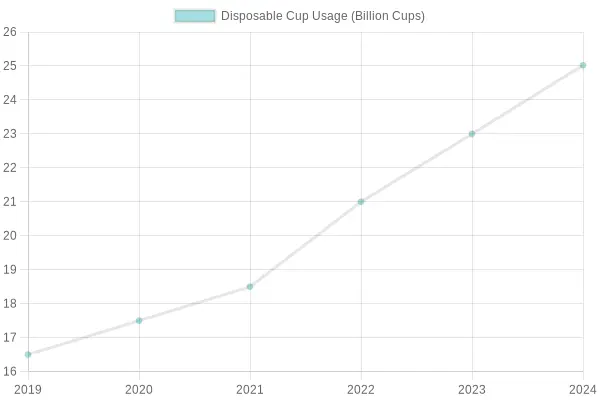
As depicted in the chart, the market size for disposable cups is projected to reach USD 25.02 billion by 2024, up from USD 16.5 billion in 2019. Notably, in 2021 alone, the consumption in cafes and fast food chains exceeded 1 billion cups, highlighting a significant trend during the pandemic.
For those in the food and beverage industry looking to adopt eco-friendly solutions, consider exploring options for sustainable paper cups to align with changing consumer preferences towards environmental responsibility.