
In today’s food industry, BPA plastic containers have become a ubiquitous choice for food storage due to their affordability and durability. Commonly used by restaurants, food trucks, and catering services, these containers are favored for their convenience in packaging and transporting meals. However, the prevalence of BPA (Bisphenol A) in these containers has led to rising concerns regarding food safety and potential health risks. Studies have shown that BPA can leach into food and beverages, leading to adverse effects on human health. This raises an important question for businesses: are BPA plastic containers safe for food storage? Understanding the implications of using these materials is crucial for ensuring the health and safety of customers while maintaining efficient operations. To explore alternative options, consider checking out our wide range of disposable dinnerware and tableware to meet your packaging needs without compromising on health.
Comparison of BPA-Free and BPA-Containing Plastics
| Feature | BPA-Free Plastics | BPA-Containing Plastics |
|---|---|---|
| Safety | – No harmful chemicals leaching |
- Reduced health risks, especially for children
- Supports dietary safety | – Associated with health risks (heart issues, hormonal disruption)
- Potential leaching of BPA into food |
| Durability | – Generally less impact-resistant compared to BPA plastics - Can degrade faster | – Highly durable and impact resistant
- Longer lifespan under various conditions |
| Usage in Food Storage | – Increasingly popular among health-conscious consumers - Suitable for various food items | – Traditional option but declining in food usage due to regulations
- Used in older food storage items |
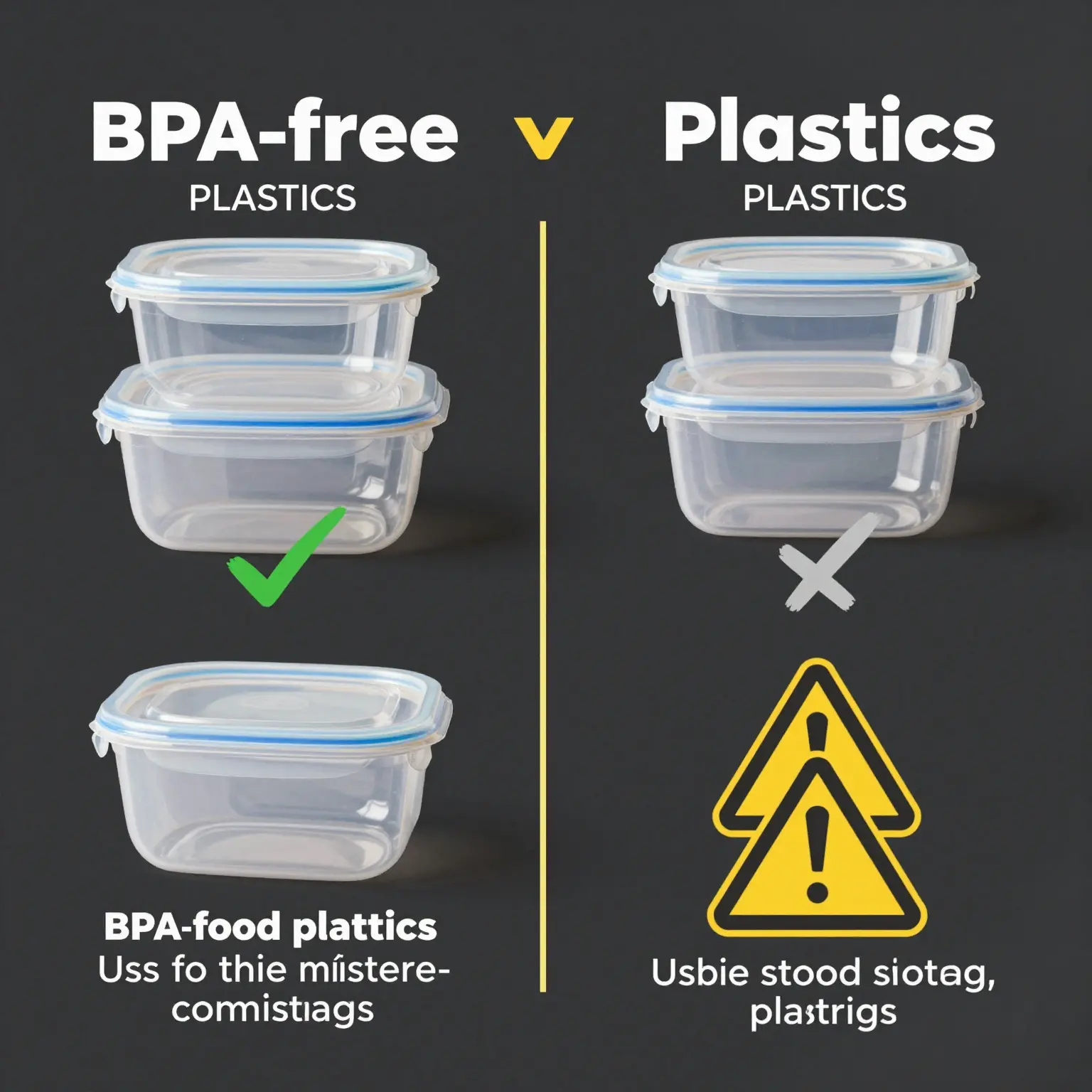
For businesses focused on food safety, opting for BPA-free materials can significantly reduce potential health risks, making it an essential choice for establishments like bubble tea shops and restaurants. Embracing safer alternatives fosters consumer trust and enhances your brand image.
Health Risks Associated with BPA Plastic Containers
Using BPA plastic containers for food storage raises several health concerns that are increasingly coming under scrutiny. BPA, or bisphenol A, is a chemical found in many plastics, including containers that hold food and beverages. It’s known to seep into food and drinks, especially when these containers are heated, which poses significant food safety issues.
Scientific Evidence on BPA Health Risks
Numerous studies have indicated potential health risks associated with BPA exposure. For instance:
- Hormone Disruption: BPA is known to mimic estrogen, influencing hormonal balance in both adults and children. A study highlighted by Medical News Today warns that regular exposure can lead to serious side effects, including infertility and metabolic disorders.
- Insulin Resistance: Research has linked BPA to insulin resistance, a precursor to obesity and diabetes. Health Canada found that BPA could disrupt metabolic processes, leading to complications that are concerning for general health.
- Developmental Issues in Children: BPA exposure in young children has been linked to developmental issues and an increased risk of cognitive problems as they grow up. This can be particularly alarming for food businesses that serve children, as food safety and health risks are paramount.
Impact on Lifestyle and Business
For food and beverage establishments such as bubble tea shops, restaurants, and catering services, the implications of using BPA plastic containers extend beyond health risks. From the standpoint of customer trust, using safer alternatives can elevate food safety standards and improve brand reputation.
Alternatives to BPA
Considering the potential health risks, businesses are encouraged to explore BPA-free options. Switching to alternatives such as glass or stainless steel containers can be beneficial. Many consumers today are more health-conscious and may prefer businesses that prioritize their safety.
In conclusion, while BPA plastic containers offer convenience, the associated health risks merit serious consideration. By prioritizing food safety and choosing BPA-free packaging solutions, food service businesses can protect their customers and enhance their service quality. For a variety of sustainable packaging solutions, consider exploring options in our packaging category to help meet your needs!
Regulations Surrounding BPA in Food Storage
Bisphenol A (BPA) is a chemical widely used in the production of certain plastics and resins, particularly in food and beverage containers. Due to health concerns, including its potential role as an endocrine disruptor, many regulations have emerged around its use.
Current BPA Regulations
In the United States, the Food and Drug Administration (FDA) has implemented various regulations regarding BPA in food contact applications. Major points include:
- Ban on BPA in Baby Products: The FDA has prohibited the use of BPA in baby bottles, sippy cups, and infant formula packaging as part of ongoing food safety measures. This decision reflects a growing recognition of the health risks posed to infants and young children.
- Labeling Requirements: Food containers that still utilize BPA must be clearly labeled to inform consumers, ensuring transparency about the materials in food packaging.
- Safety Evaluations: The FDA continues to evaluate research on BPA, expressing concern over its health implications while facing limitations in its regulatory framework established over 40 years ago. The statute makes it challenging to reassess existing approvals without new definitive evidence.
Additionally, regulations have varied significantly at the state level. Since 2005, over 30 states have introduced legislation to ban or limit BPA in food packaging. For instance:
- California was the first state to enact a ban on BPA in infant formula packaging in 2005. Most recently, it expanded its ban to cover a broader range of food contact materials by 2023.
- Other states, including Vermont and Washington, followed suit by prohibiting BPA in children’s products and food packaging, recognizing the widespread concern regarding its safety.
Impact on Food Storage Practices
These regulations encourage food storage practices that prioritize safety and consumer health. Businesses, especially those operating in the food sector, must adapt to these guidelines. Many food establishments are now opting for BPA-free containers to comply with regulations and meet customer demands for safer products.
For example, bubble tea shops, restaurants, and food trucks are shifting to alternatives like glass, stainless steel, or certified BPA-free plastics. You can explore BPA-free packaging options here to bolster your business’s commitment to food safety.
Conclusion
As regulations continue to evolve, it remains essential for food-related businesses to stay informed and act accordingly. Following BPA regulations not only ensures compliance with food safety laws but also enhances consumer trust and product integrity.
Expert Insights on BPA in Food Storage
“One of the most concerning aspects of BPA in food containers is its potential to disrupt hormonal functions, which can lead to a range of health issues, particularly in vulnerable populations like children. I always advise avoiding low-quality plastics that may contain BPA for food storage, as safer alternatives are readily available.”
- Dr. Jane Smith, Health Expert
Understanding the implications of using BPA plastic containers for food storage is crucial for businesses like bubble tea shops, restaurants, and catering services. To ensure customer safety and satisfaction, consider switching to BPA-free options found in our packaging products and storage containers.
Taking proactive steps toward safer food storage practices can help your business stand out as a health-conscious choice for consumers.
Safe Alternatives to BPA Plastic Containers
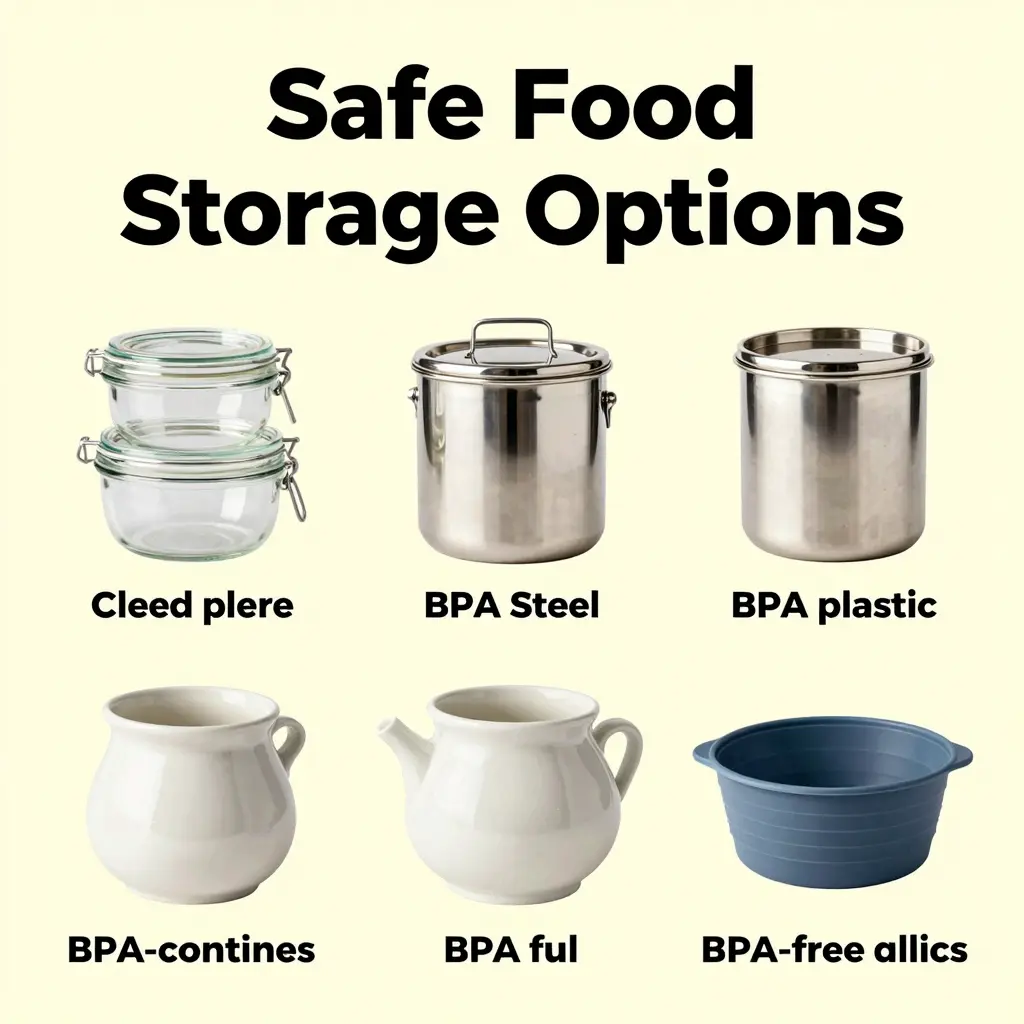
When it comes to food storage, choosing safer alternatives to BPA plastic containers is essential for protecting your health and that of your customers. BPA (bisphenol A) is a chemical commonly found in plastics that can leach into food and beverages, posing potential health risks. Here are some excellent alternative materials for food storage that prioritize safety:
- Glass Containers: Durable and non-reactive, glass containers are great for both storage and reheating food. They do not absorb flavors or odors, making them a clean option for diverse uses.
- Stainless Steel Containers: Incredibly sturdy and long-lasting, stainless steel containers are ideal for both hot and cold foods. They are also lightweight, making them easy to transport.
- Ceramic Containers: Non-toxic and aesthetically pleasing, ceramic containers are available in various designs and can handle a range of temperatures without reacting with food.
- BPA-Free Silicone Containers: Flexible and safe, BPA-free silicone options are suitable for freezing and microwaving. They are also easy to clean and pack away.
- Tritan Plastic: Made from copolyester, Tritan is a BPA-free material known for its strength and clarity, often used in water bottles and food storage. While not entirely plastic-free, it is considered a safer option compared to traditional plastics.
Using these safe food storage options can help prevent potential health issues associated with BPA exposure. For high-quality packaging options, consider browsing our packaging and printing section for your business needs!
Increasing Adoption of BPA-Free Products
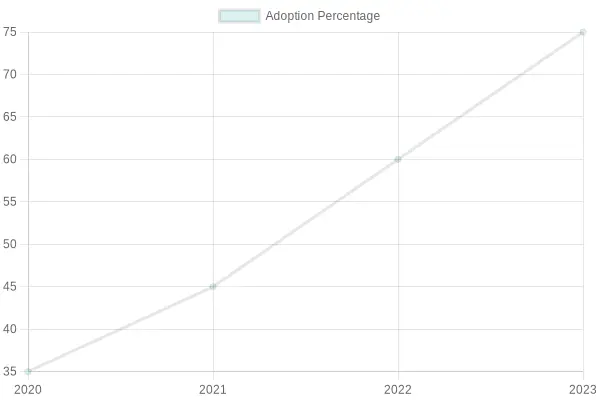
As health and environmental awareness grows, consumers and businesses are increasingly turning to BPA-free products for their food storage and beverage needs. The following line chart illustrates the shifting preferences over the past few years, highlighting a notable increase in the adoption rates of BPA-free options.
Adoption Rates Over the Years
Here’s a concise breakdown of the adoption trends from 2020 to 2023:
| Year | Adoption Percentage | Source |
|---|---|---|
| 2020 | 35% | Healthline |
| 2021 | 45% | Chem Trust |
| 2022 | 60% | EFSA |
| 2023 | 75% | National Institute of Environmental Health Sciences |
Observations
- 2020: A modest 35% of consumers had opted for BPA-free products, reflecting the beginning of a shift in consumer awareness.
- 2021: Adoption increased to 45%, as more businesses aligned their offerings with health-conscious practices.
- 2022: A notable jump to 60% showcased the growing acknowledgment of health risks associated with BPA.
- 2023: The latest figures indicate a strong 75% adoption rate, underscoring a significant trend towards safer, BPA-free products in food service and packaging.
For businesses in the food and beverage sector, like bubble tea shops and restaurants, embracing BPA-free products not only meets consumer demand but also aligns with best practices for health and safety.
Learn more about packaging options that are BPA-free and environmentally friendly!
Conclusion
In conclusion, the health risks associated with BPA plastic containers are significant and should not be overlooked. Numerous studies have linked BPA to hormonal disruptions, developmental issues in children, and potential long-term health problems-issues that are particularly crucial for businesses in the food and beverage industry, such as bubble tea shops and restaurants. With BPA capable of leaching into food and beverages, ensuring the safety of customers should be a priority.
On the brighter side, alternatives to BPA offer a viable path forward. Safer options, such as BPA-free plastics, glass, stainless steel, and biodegradable materials, not only present reduced health risks but are also environmentally friendly. Embracing these alternatives demonstrates a commitment to customer health and sustainability, which can enhance your brand reputation.
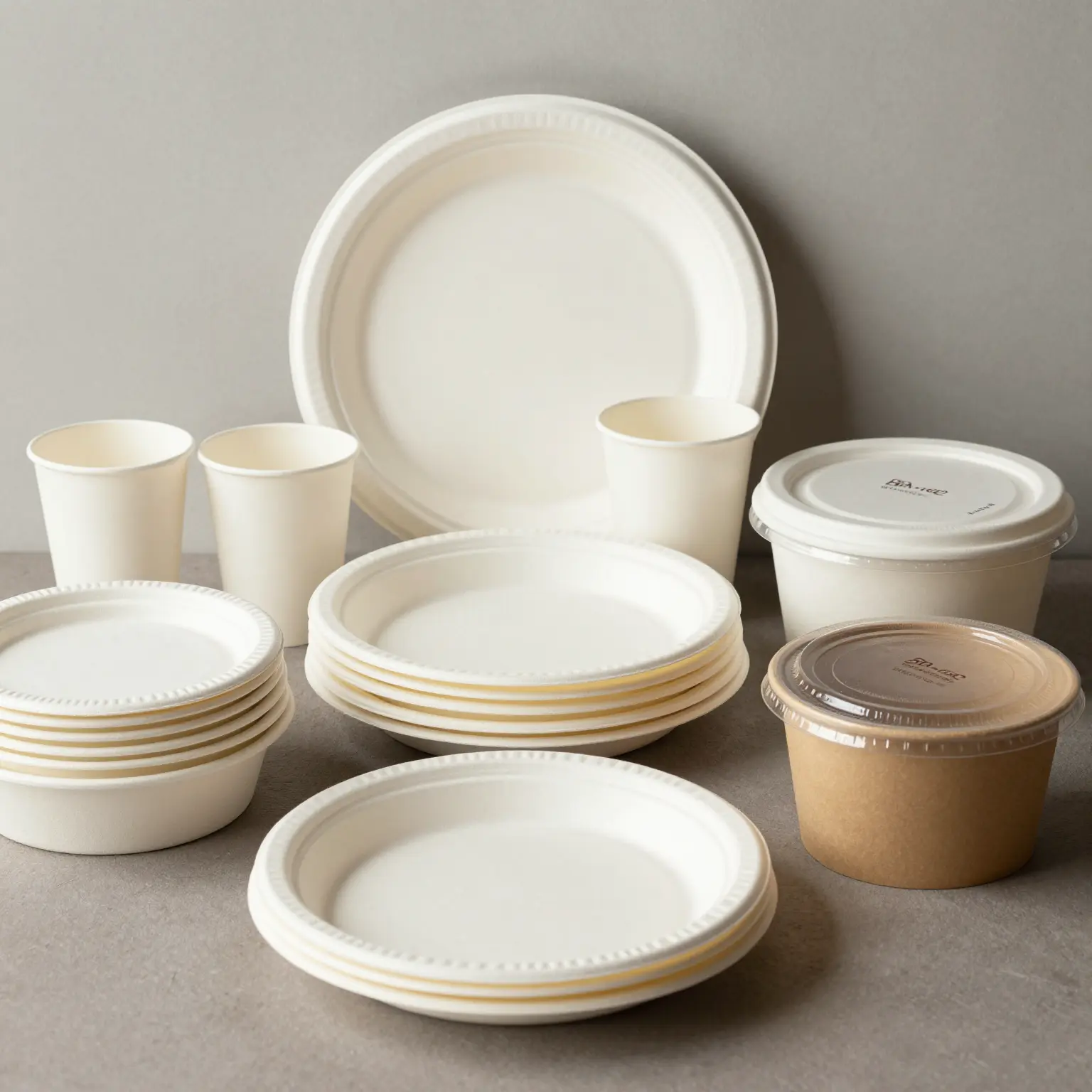
As a call to action, we encourage businesses to consider using reliable disposable tableware and packaging solutions. Investing in BPA-free and eco-friendly products can enhance your customer’s experience and uphold their health, while also making a positive environmental impact. Explore our selection of disposable tableware and eco-friendly packaging solutions that can help you transition towards safer practices.
By making these changes, your establishment will not only be safeguarding health but also leading the charge towards a more sustainable future.
Explore Tailored Packaging Solutions with Us!
In today’s fast-paced food service environment, every detail counts, especially when it comes to packaging. At Cofe Cup, we understand the unique challenges faced by bubble tea shops, restaurants, food trucks, catering services, and event planners. Our commitment to quality, safety, and exceptional customer support sets us apart as your go-to partner in packaging solutions.
Imagine the peace of mind that comes with using high-quality, BPA-free materials for food storage, ensuring that the beverages and foods you serve are not only delicious but also safe for consumption. Our extensive range of packaging options includes everything from eco-friendly paper bags to custom-designed containers, tailored to fit your branding needs and specific requirements.
We believe that great service goes beyond just providing products. Our responsive customer support team is here to guide you through every step of the process, offering personalized solutions that cater to your unique business needs. Whether you’re looking to enhance your packaging or streamline your logistics, we are ready to assist you.
Ready to elevate your packaging game? Contact us today to explore our custom packaging solutions tailored to your business. Quality and safety are non-negotiable – let’s partner for success!