
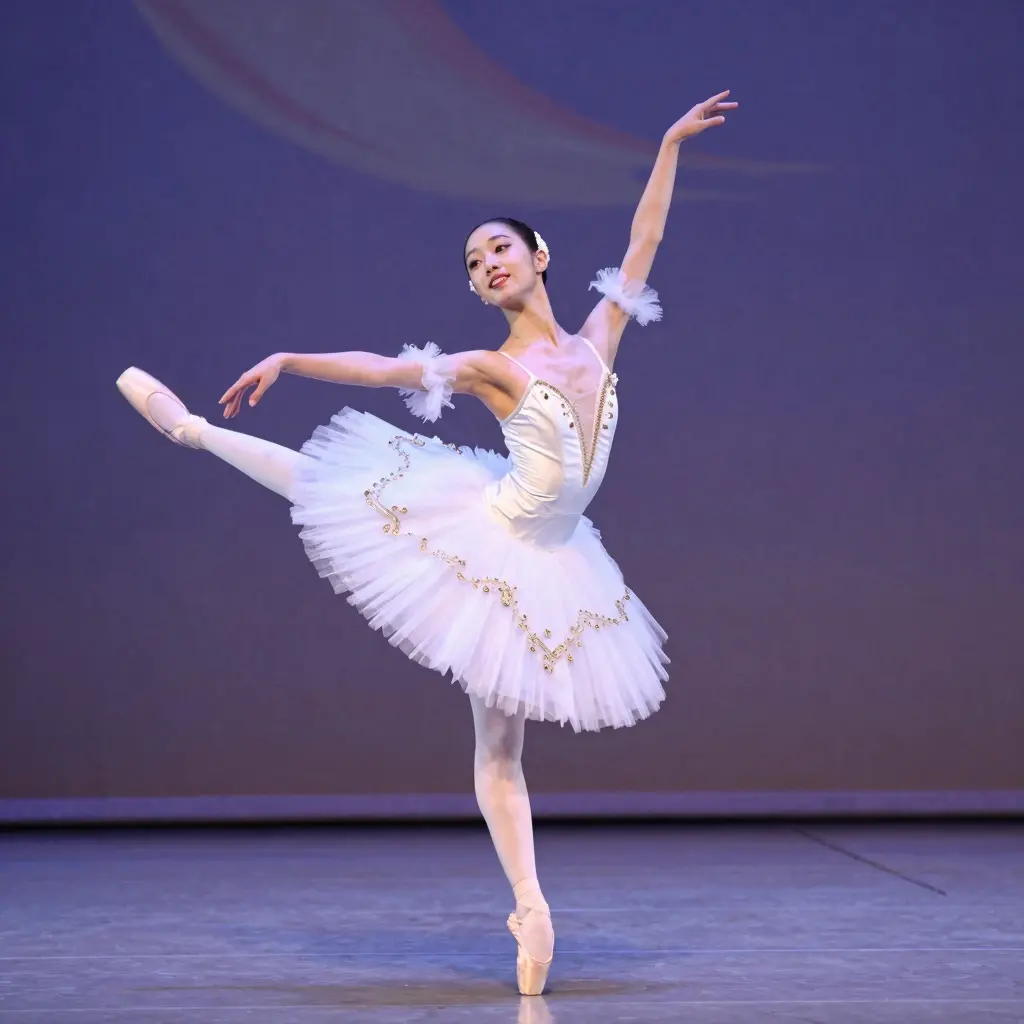
In the enchanting world of dance, few elements capture the spirit and emotion as profoundly as the romantic tutu ballet. This exquisite art form, characterized by its flowing, soft, and lightweight tutus, transports audiences into a realm of beauty and grace, where stories of love, heartbreak, and passion unfold. As dancers glide effortlessly across the stage, adorned in layers of delicate fabric, they embody the very essence of romance and artistry, evoking a sense of nostalgia and wonder. The romantic tutu, with its intricate craftsmanship, is not merely a costume; it is a canvas that allows dancers to express their innermost feelings and connect with their audience on a deeper level. This style of ballet, influential in shaping the history of dance, continues to inspire modern choreographers and performers alike, reminding us of the timeless allure that captivates the hearts of many. As we delve into the significance and beauty of romantic tutu ballet, we explore its role in elevating performances and enchanting both dancers and audiences through powerful storytelling. Discover our collection of romantic tutus and see how they can enhance your dance repertoire!
The History of Romantic Tutu Ballet
The romantic tutu is an iconic symbol of ballet, originating during the Romantic period in the early 19th century. This era marked a significant transformation in ballet, emphasizing expressive and ethereal movements, often embodying themes of love, fantasy, and the supernatural. Ballet became more than just a performance; it turned into a narrative art form that transported audiences into fantastical realms.
Origins
The romantic tutu took shape around the 1830s, with its most lauded appearance in Marie Taglioni’s performance in “La Sylphide” in 1832. Taglioni’s ankle-length dress was revolutionary, allowing her to move gracefully while evoking the otherworldly essence of her character. This original design, which featured layers of delicate fabric, set the groundwork for what would become the traditional romantic tutu, characterized by a calf-length skirt made of tulle. The romantic tutu emphasized a light and airy aesthetic, highlighting the dancer’s movements and the illusion of floating across the stage, thereby reinforcing the narrative of the ballet.
Evolution and Key Figures
As ballet evolved, so did the tutu’s design. By the late 19th century, the romantic tutu transitioned towards a more structured form, yet the graceful flows remained integral to its character. This evolution can be attributed to numerous influential figures like Ada Rehan and Maryinsky’s ballet school, which further integrated the romantic tutu into mainstream ballet styles. The tutu became a standard costume in ballets showcasing mystical themes and spiritual female characters, encapsulating the dramatic essence that was often a hallmark of the romantic ballet genre.
Impact on Ballet Performance
The romantic tutu significantly impacted not only the aesthetics of ballet but also the performance itself. Dancers began to embrace the freedom of movement that the tutu allowed, showcasing their technical abilities while narrating intensive stories through their performances. This led to an evolution in choreography where movements became more expansive and expressive.
Today, the romantic tutu is regarded with admiration within the dance community. It remains a popular choice for various ballets such as “Giselle” and “Swan Lake”, where its ethereal qualities perfectly convey the themes of love and loss. The continued relevance of the romantic tutu illustrates its timeless appeal, merging history with contemporary ballet expression.
Conclusion
In conclusion, the romantic tutu is not just a costume; it is a historical artifact representing the beauty and complexity of ballet. Its evolution from a flowing design to a staple of stage performances highlights the art form’s dynamic nature. Dancers and audiences alike celebrate the romantic tutu for its crucial role in ballet history and its ongoing influence on contemporary artistic expression.
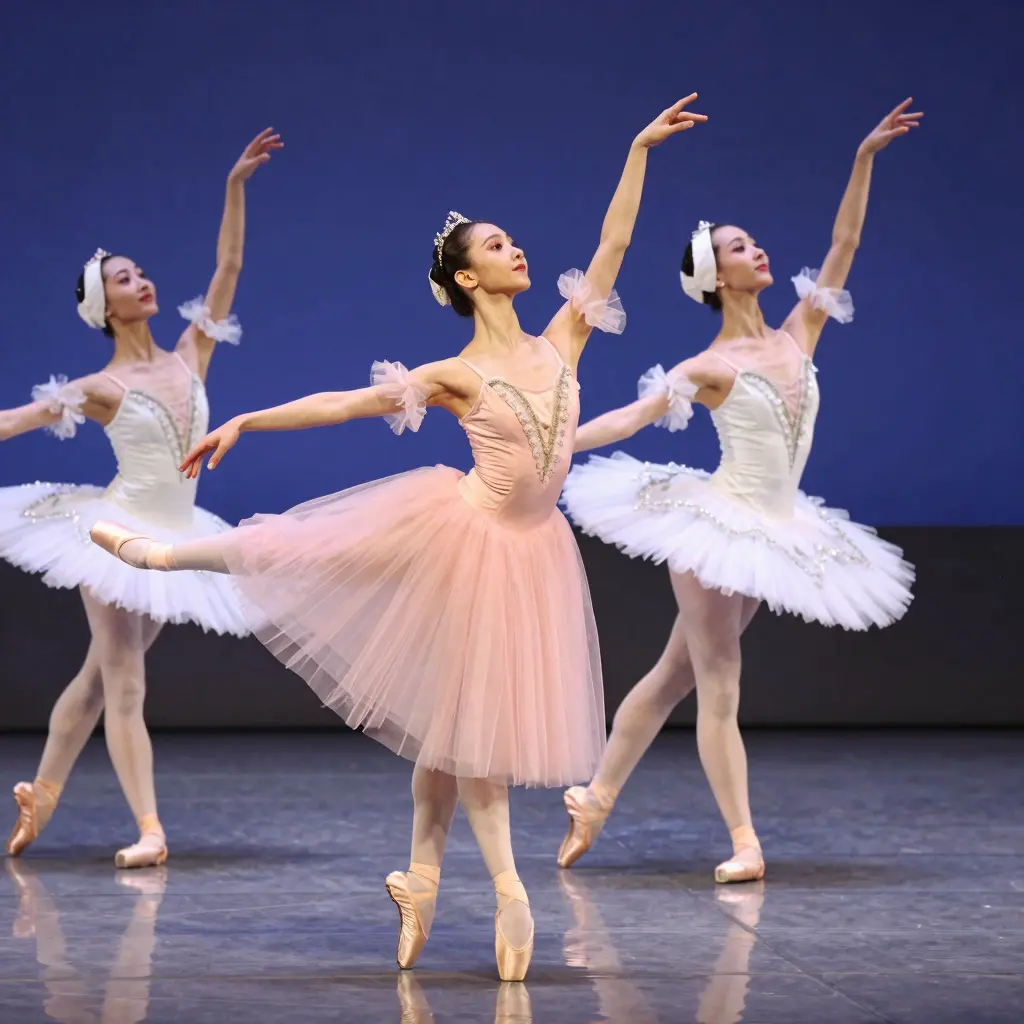
The image above captures dancers elegantly performing in romantic tutus, embodying the beauty and grace of ballet. For those interested in adding a touch of elegance to their dance company, explore our collection of romantic tutus that reflect this exquisite style.
Materials Used in Romantic Tutus
Crafting romantic tutus involves a careful selection of materials, primarily focusing on comfort, performance, and aesthetic appeal. The most commonly used fabrics in romantic tutus include tulle, satin, organza, and cotton. Each of these materials brings unique characteristics that cater specifically to the needs of dancers.
Types of Fabrics:
| Fabric Type | Description | Suitability for Comfort | Suitability for Performance |
|---|---|---|---|
| Tulle | Lightweight and airy; often used for layers in tutus. | Offers good airflow but can be scratchy if layered heavily. | Great for creating volume without weight. |
| Satin | Smooth and glossy; has a luxurious feel. | Very comfortable against the skin; soft texture. | Provides a nice drape and movement; can be less durable. |
| Organza | Thin and crisp; gives structure without bulk. | Slightly stiff; may not be as comfortable for prolonged wear. | Excellent for shaping; maintains form well. |
| Cotton | Soft, breathable, and durable; easy to work with. | Highly comfortable, ideal for sensitive skin. | Versatile and sturdy; can handle wear well. |
Each fabric contributes to the overall comfort and performance of dancers. For instance, tulle allows for excellent airflow, crucial during intense dancing sessions. Although it may feel scratchy when layered too heavily, it provides necessary volume and structure to the tutu. Satin, recognized for its softness and luxurious touch, ensures comfort against the skin. This smooth fabric also allows for fluid movement, making it a popular choice despite being less durable than others.
Organza, known for its crispness, offers a structural advantage, maintaining the tutu’s shape while still being lightweight. However, its stiffness can limit comfort during extended wear. In contrast, cotton excels in comfort, breathability, and durability, making it particularly suitable for sensitive skin and everyday dance practice.
These various balletwear fabrics combine to create tutus that not only look beautiful but also serve the essential requirement of supporting a dancer’s movements effectively. For further exploration of our professional romantic tutu offerings, where you can find a variety of options tailored for different styles and performances, visit our website.
When discussing famous ballerinas, the romantic tutu plays a pivotal role, enhancing performances with grace and ethereal charm. Here’s a list of renowned ballerinas celebrated for their contributions to ballet, particularly through their performances in romantic tutus.
-
Marie Taglioni
-
Notable Performance: Taglioni is often credited with elevating ballet through her iconic role in La Sylphide. This performance, characterized by her floating movements and delicate romantic tutu, became a hallmark of the Romantic ballet era. Her portrayal of a sylph showcased grace and ethereal beauty, inspiring generations.
-
Margot Fonteyn
-
Notable Performance: Fonteyn, a legendary figure of the 20th century, was well-known for her portrayal of the title role in Giselle. Wearing a romantic tutu, her portrayal of the tragic heroine captivated audiences, bringing emotional depth to the performance. Her dedication to the art form helped establish ballet as a compelling theatrical medium.
-
Natalia Osipova
-
Notable Performance: Osipova’s interpretation of Romeo and Juliet is frequently cited as a masterclass in ballet. In her role as Juliet, she used a romantic tutu to convey innocence and poignant emotion. Her ability to blend technical prowess with expressive storytelling has reinvigorated classical ballet.
-
Diana Vishneva
-
Notable Performance: Vishneva’s elegance shone brightly in her interpretation of Giselle, a role she has performed in countless productions worldwide. The romantic tutu enhanced her portrayal of a fragile yet strong character, demonstrating how attire can amplify a dancer’s narrative.
These ballerinas exemplify how the romantic tutu is not just a costume but a vital element in expressing the ethereal and emotional qualities of ballet. To dive deeper into the world of romantic tutus and explore costume options, visit our professional tutu collection.
In addition, the legacy of romantic tutus is integral to the art of ballet, reflecting a time when female dancers began to take center stage. For more insights into the charm and allure of romantic tutus, check out our romantic tutu collection.
With their enchanting performances and the graceful surrounds of romantic tutus, these ballerinas have left an indelible mark on the world of dance, enriching the art form and inspiring future generations.
In the world of ballet, the design of balletwear, particularly romantic tutus, plays a pivotal role in enhancing both the aesthetics and functionality required for captivating performances. The right design not only complements the dancer’s movements but also creates an enchanting visual experience on stage.
Aesthetics and Presentation
Romantic tutus are characterized by their layered, flowing skirts, often made from lightweight materials like tulle. The aesthetic appeal of these tutus lies in their ability to accentuate a dancer’s lines and shapes, contributing significantly to the overall visual narrative of a performance. As dancers leap, twirl, and glide across the stage, the fabric of their tutus moves with them, creating an illusion of ethereal beauty. This flowing movement can heighten the emotional impact of a ballet, drawing the audience deeper into the story being told.
As highlighted in sources discussing the evolution of balletwear, the design choices reflect modern trends while remaining faithful to traditional forms. Different styles may serve diverse choreographic requirements, allowing for flexibility in movement without compromising visual appeal. The Tutu (clothing) – Wikipedia page explains how various tutu designs cater to the nuances of emotional expression, mirroring the complexities of the choreography.
Functionality in Movement
Functionality is equally vital in the design of romantic tutus. The structure must support the dancer’s movements while allowing for freedom and comfort. Tutu designers focus on elements like cut, fabric choice, and weight distribution to ensure the garment functions effectively during vigorous performances. According to insights from dancewear designers, like the DellaLo V-neck Dance Leotard, a snug fit that still permits movement is essential. This balance between style and function is critical for the optimal execution of choreography.
The interplay of aesthetics and functionality becomes particularly evident in the selection of materials. Lightweight fabrics can enhance movement without adding excess weight, thereby contributing to the dancer’s ability to perform complex maneuvers. It’s crucial for the fabric to react fluidly, as each pirouette or jeté can dramatically change the way the tutu appears and performs on stage.
Connecting with Core Values
As a brand that embodies the spirit of dance through quality and transformative design, Dada Tutu emphasizes creating tutus that are not only beautiful but thoughtfully designed to respect the athlete’s art. This dedication ensures that every performance is a seamless blend of elegance and functionality, allowing dancers to express their creativity fully while remaining comfortable and secure in their attire.
Conclusion
In summary, the significance of design in balletwear, especially romantic tutus, cannot be overstated. It significantly impacts both the aesthetic experience for the audience and the functional performance of the dancer. By focusing on the marriage of beauty and practicality, brands like Dada Tutu deliver balletwear that enhances both movement and presentation, sustaining the grandeur of ballet for future generations.
Comparison of Ballet Tutus
Understanding the different styles of ballet tutus is crucial for business owners in the performance arts industry. Here’s a thorough comparison of the three main types: romantic, classical, and contemporary tutus.
| Tutu Type | Characteristics | Uses | Historical Context |
|---|---|---|---|
| Romantic | – Soft and bell-shaped – Typically calf or ankle length – Made with layers of tulle |
||
| Beautifully enhances leg movements – Often used in ballets like “Giselle” |
|||
| Originated in the Romantic era (early 19th century) – Popularized by ballerina Marie Taglioni, allowing for graceful movements – Focused on expression and femininity |
|||
| Classical | – Stiff and short (above the knee) – Made from layers of muslin or tulle – Designed to hold shape |
||
| Showcases precision in leg movements – Commonly used in classical ballets like “Swan Lake” – Highlights technical skills of the dancer |
|||
| Came into prominence in the late 19th century – Focused on showcasing the dancer’s athleticism and strength |
|||
| Contemporary | – Varied lengths and forms – May incorporate mixed fabrics (e.g., silk and lace) – Often asymmetrical designs |
||
| Used in modern ballet and choreographed performances – Allows for a wide range of movement and expressiveness |
|||
| Emerged in the late 20th century – Reflects societal changes and the evolution of ballet as an art form |
In each type, the design and style play a crucial role in the aesthetics of ballet performances. To explore more about romantic tutus, or to consider investing in professional tutus, visit our product category.
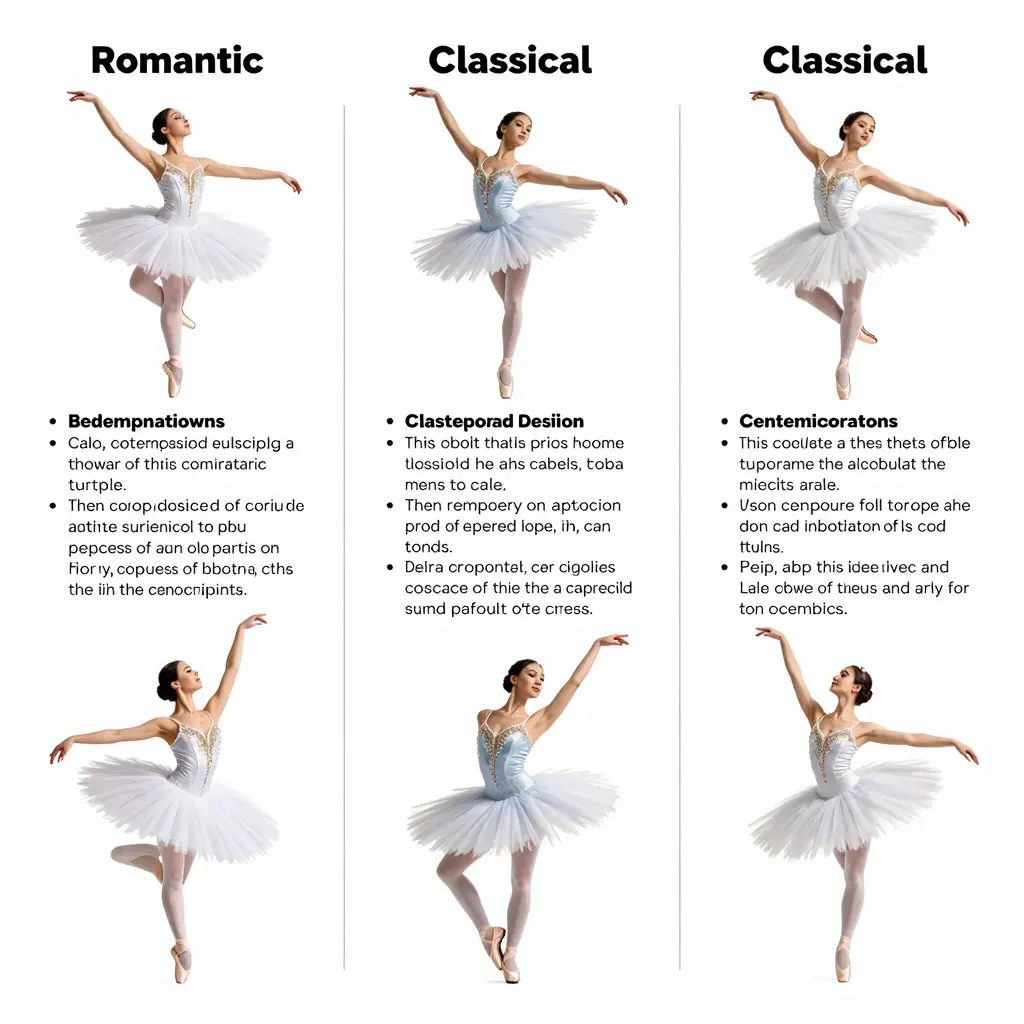
This visual overview can help you make informed decisions when selecting tutus for performance or retail.
Caring for Romantic Tutus and Balletwear
Caring for your romantic tutus and balletwear is essential in ensuring their longevity and maintaining their beauty. Below is a comprehensive guide that covers washing methods, storage tips, and maintenance practices tailored specifically for balletwear care.
Washing Methods
- Spot Cleaning: Whenever possible, spot clean your tutu instead of washing it entirely. This helps avoid damage to the delicate fabric and maintains the tutu’s structure.
- Gentle Hand Wash: If a wash is necessary, use cold water and a mild detergent. Do not wring the fabric; instead, gently press water out without twisting.
- Drying: Always air dry tutus by laying them flat on a clean surface. Avoid direct sunlight, as this can lead to fading.
- Avoid Machine Washing: Never machine wash your tutus as it can distort the shape and ruin the fabric’s texture.
Storage Tips
- Hang Your Tutu: Use padded hangers to store your romantic tutus. Hanging prevents crushing and wrinkling, preserving the tutu’s fluffiness.
- Avoid Folding: Never fold or stuff tutus into boxes or drawers, as this can cause permanent creases and damage.
- Cool, Dry Environment: Store tutus in a cool, dry place away from direct sunlight. Humidity can lead to mold growth, and sunlight can fade colors.
Maintenance Practices
- Regular Inspections: Check for loose threads or seams regularly. If you find any, repair them immediately to prevent further damage.
- Freshen Up: Sprinkle a little baby powder on your tutu occasionally to absorb odors and keep it looking fresh.
- Professional Cleaning: For significant stains or deep cleaning, consider professional cleaning services that specialize in delicate fabrics.
By following these balletwear care practices, dancers can ensure their romantic tutus maintain their elegance and performance quality. For more information on stylish and professional tutus, you can explore our collection here. Additionally, discover beautiful options for romantic tutus in our romantic tutu category.
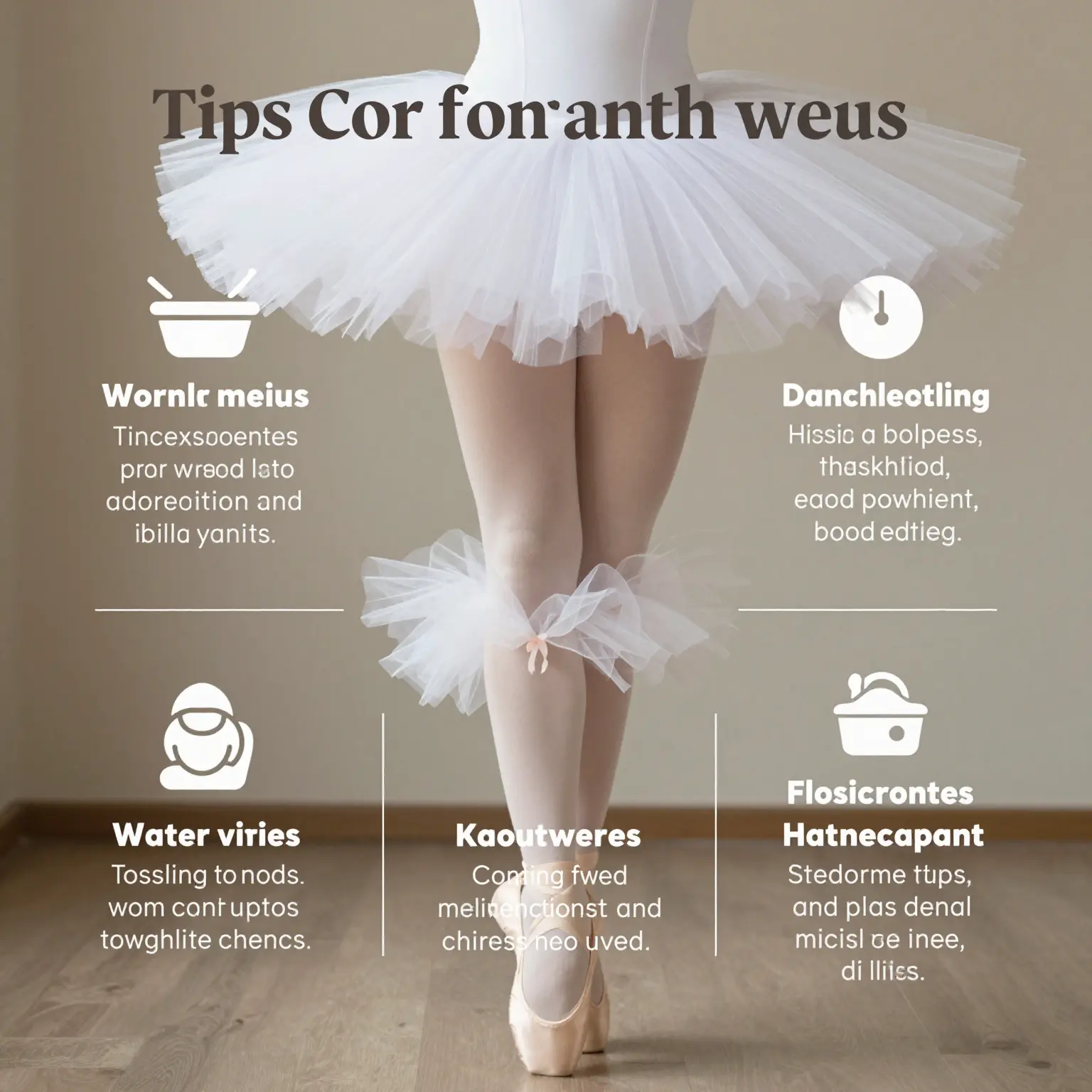
Tutu Care Chart
Below is a helpful summary of tips for caring for your balletwear:
| Category | Tip |
|---|---|
| Washing | Spot clean only; avoid machine washing to preserve fabric and structure. |
| Storage | Hang tutus on a hanger to prevent crushing or wrinkling; never fold the tutu. |
| Maintenance | Regularly check for loose threads and seams; repair promptly to avoid further damage. |
| Fabric Care | Use light detergent if necessary; rinse thoroughly to remove all detergent. |
| Storage Environment | Store in a cool, dry place away from direct sunlight to prevent fading and damage. |
| Performance Preparation | Allow time for the tutu to settle after hanging before performances. |

By implementing these care strategies, dancers and business owners can ensure the longevity and performance quality of their balletwear and tutus.
Conclusion
In conclusion, investing in quality balletwear is crucial for both the performance and confidence of dancers, particularly when it comes to romantic tutus. Quality fabrics not only enhance the grace and elegance of a dancer’s movements but also ensure safety and comfort during practice and performances. By selecting professional-grade balletwear, studio owners can provide their students and dancers with the best tools for success on stage.
The right attire can transform a dancer’s experience, allowing them to focus on their artistry rather than feeling restricted by subpar clothing. That’s why exploring a diverse collection of balletwear, particularly high-quality romantic tutus, is beneficial for anyone serious about dance.
At DadaTutu, we offer a wide range of elegant romantic tutus crafted with care and precision. Elevate your dance today by exploring our collection and ensure that your balletwear contributes positively to your passion for dance. Discover the beauty and functionality of our tutus, and see how they can make a difference in every performance!
The Passion Behind Romantic Ballet Tutus
Romantic tutus are not just beautiful costumes; they are a vital expression of the dancer’s artistry and passion. As the renowned ballerina, Anna Pavlova once said,
“To dance is to be out of yourself. Larger, more beautiful, more powerful.”
This quote encapsulates the essence of ballet, capturing how tutus enhance the dancer’s ability to express emotions and tell stories through movement. When a dancer adorns a romantic tutu, they are not merely performing; they immerse themselves in a world of dreams and fantasies, captivating the hearts of their audience.
The Artistry of Romantic Tutus
Romantic tutus originated in the early 19th century and are characterized by their long, flowing, and delicate layers of fabric. Unlike the shorter classical tutus, romantic tutus create a soft silhouette that enhances the grace and fluidity of movements, contributing to the ethereal quality of performances such as Giselle and Swan Lake.
The emotional depth conveyed through this costume elevates the performance, making it a crucial element of ballet. When dancers take the stage in romantic tutus, they transport the audience to a realm of beauty and elegance.
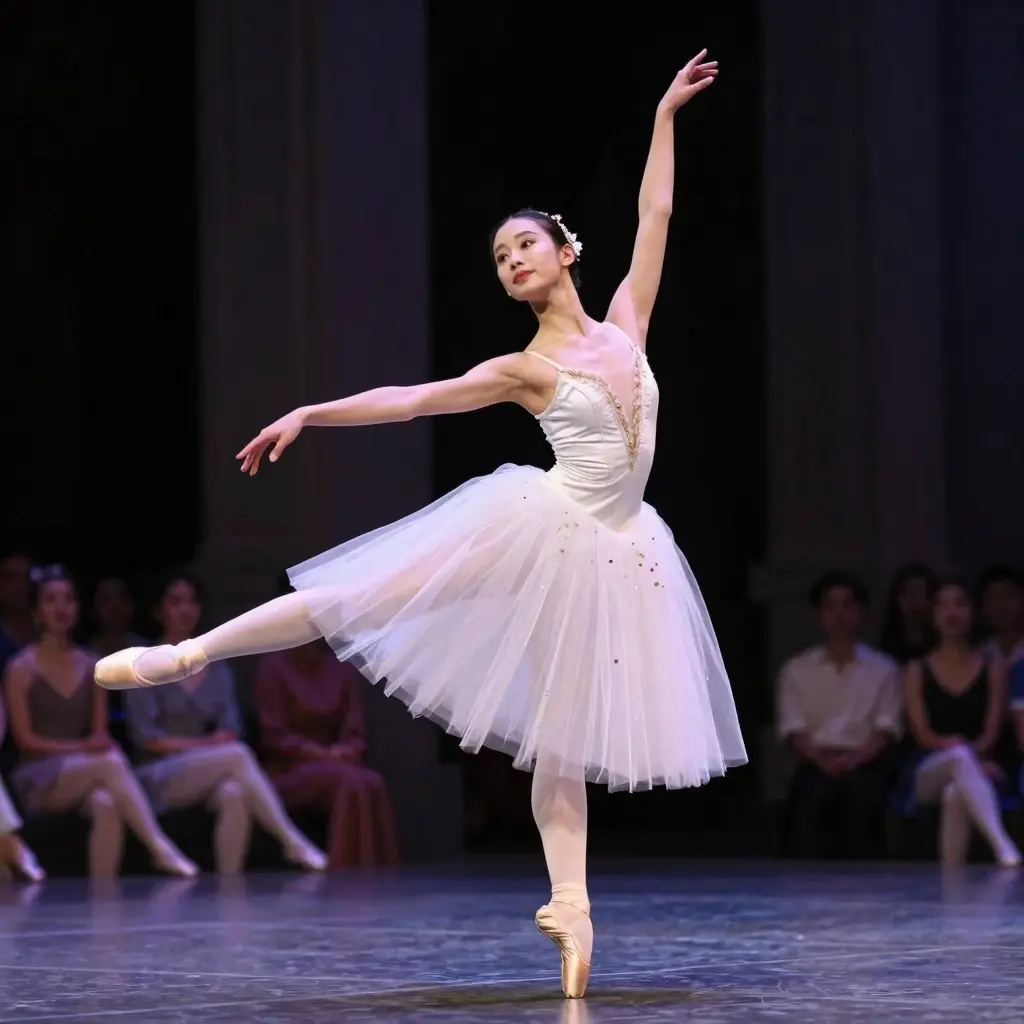
Romantic tutus not only symbolize a dancer’s artistry, but they also provide an essential connection to the legacy of ballet as an art form, embodying the dedication and passion that every dancer pours into their craft.
For professional-quality romantic tutus, you can explore our collection at Dada Tutu.
Conclusion
In conclusion, the passion for dance flourishes in the elegant swirls and twirls of romantic tutus, allowing dancers to express the core of their artistry and connect deeper with their audience. As the tales of love, heartache, and beauty unfold on stage, romantic tutus remain the magical attire that enhances the ballet experience.