
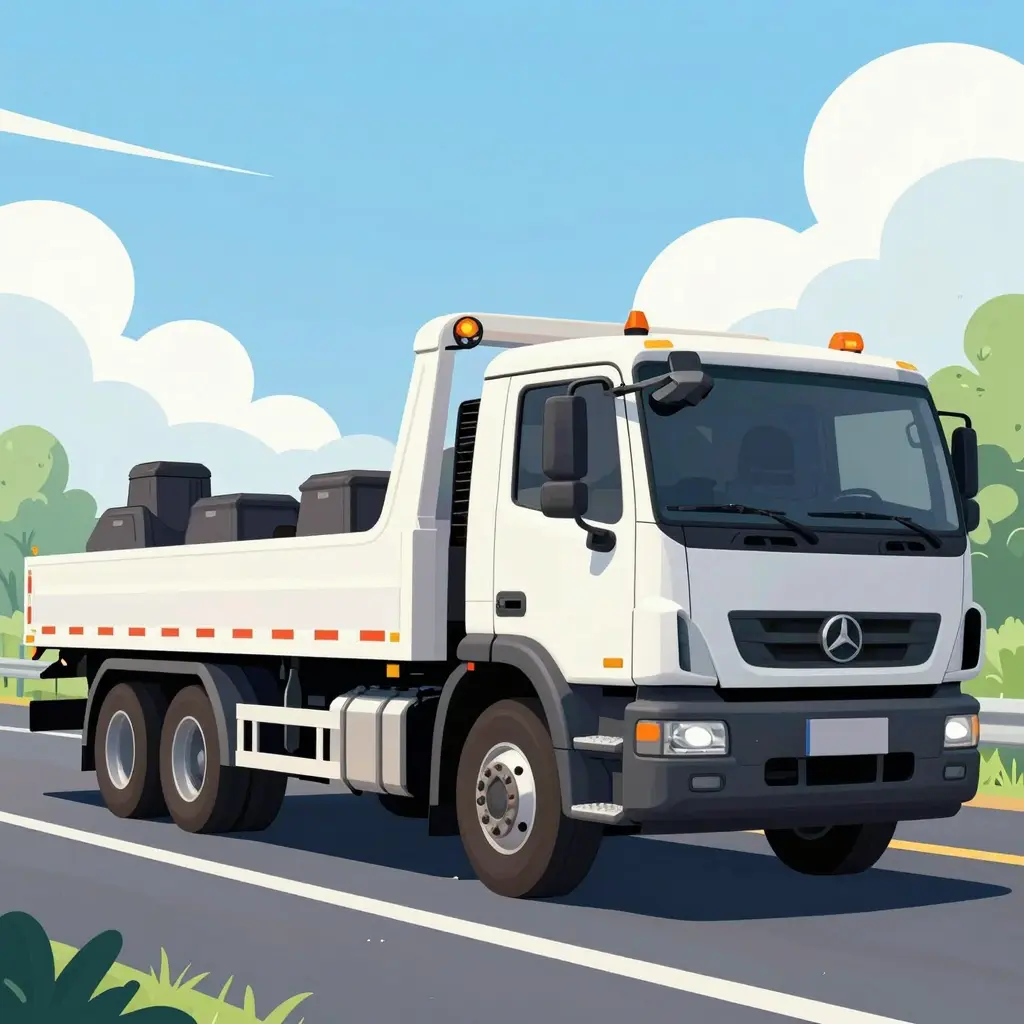
In the automotive services sector, having a well-designed tow truck can significantly enhance your business’s professionalism and visibility. Understanding how to draw a tow truck is more than just a creative exercise; it’s a valuable skill for business owners who want to communicate their services visually, from marketing materials to signage and branding. A well-rendered tow truck can capture the essence of your business, helping you stand out in a competitive marketplace. Moreover, visual representation is key in the modern digital age where engaging graphics can draw in potential customers and set a strong first impression.
From road service scenarios to showcasing your fleet, being able to draw a tow truck effectively allows you to grasp the technical elements that go into these vehicles, thereby increasing your credibility among clients. Not only does this skill allow you to create mockups and promotional materials that reflect your brand accurately, but it also develops a deeper appreciation for the services you provide, whether it be roadside assistance or specialized towing services. For those passionate about their work, learning how to draw a tow truck can act as both a practical skill and an avenue for artistic expression. Additionally, Mike’s Roadside Service offers insights into how visuals can capture the attention of your audience, further solidifying the importance of mastering this art for your business success.
Essential Tools for Drawing a Tow Truck
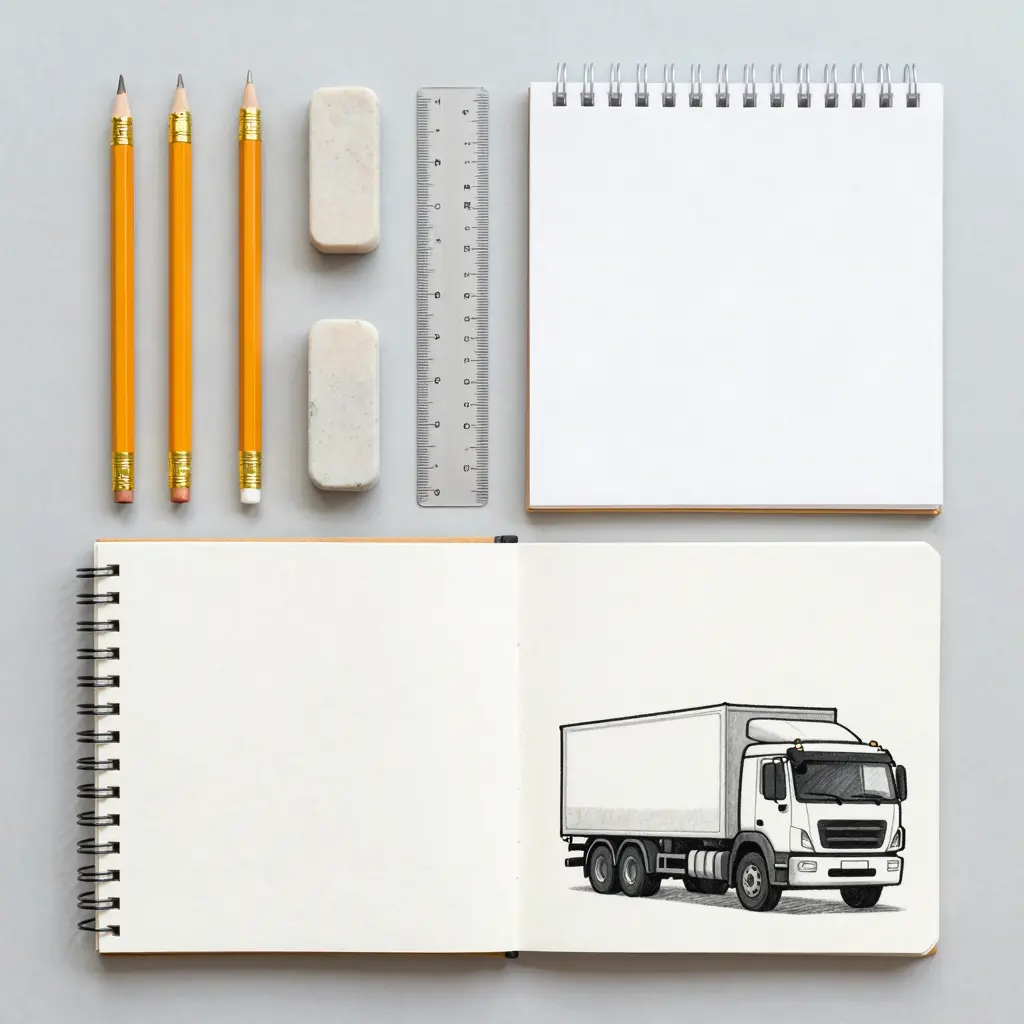
Creating an impressive tow truck drawing requires the right tools to enhance your artistic skills. Here’s a list of essential drawing tools that will help you achieve a detailed and vibrant illustration of a tow truck:
-
Pencils: A variety of pencils (ranging from 2H to 4B) are essential for sketching and outlining your drawing. Harder pencils (like 2H) are ideal for fine lines, while softer pencils (such as 4B) offer deeper shading and darker outlines.
-
Erasers: A good quality eraser is crucial for correcting mistakes and refining details in your drawing. Consider using a kneaded eraser for gentle adjustments without tearing the paper, along with a regular vinyl eraser for heavier corrections.
-
Rulers: Straight edges are important when drawing the geometric shapes of a tow truck, such as the body and ramps. A clear plastic ruler allows you to see your sketches while ensuring precise lines.
-
Colored Markers: Once your outline is complete, vibrant colored markers can be used to bring your tow truck drawing to life. Alcohol-based markers blend well and provide rich colors, perfect for adding depth and dimension.
-
Fine-liner Pens: After finishing your pencil sketch, fine-liner pens can be used to go over your lines, giving your drawing a polished and professional look. These are available in various widths, allowing for detail work and clean lines.
-
Sketch Paper: The choice of paper influences the overall quality of your drawing. Use a quality sketch paper that can handle erasing and ink without bleeding through.
-
Blending Stumps: For shading and blending, blending stumps allow you to create smooth transitions, especially useful when working with pencil or charcoal.
By utilizing these essential drawing tools, you’ll be well-equipped to draw a tow truck with precision and creativity. Each tool plays a crucial role in the drawing process, so select those that resonate with your artistic style and preferences.
For further tips on vehicle illustrations, learn more about our towing services to find inspiration from the real-life tow trucks we work with!
How to Draw a Tow Truck
Drawing a tow truck can be a fun and rewarding experience, especially if you’re planning to use your artwork for promotional materials in your business. In this guide, we’ll walk you through step-by-step instructions on how to draw a tow truck. So grab your pencil and paper, and let’s get started!
Step 1: Gather Your Materials
Before we dive into the drawing, ensure you have all the necessary materials:
- A good quality pencil for sketching
- An eraser for mistakes
- A ruler for straight lines
- Colored pencils or markers for finishing touches (optional)
Step 2: Start with Basic Shapes
Begin by drawing the basic shapes that will form the foundation of your tow truck:
- Draw a rectangle for the truck’s body, which will act as the cab and the cargo area.
- Add another smaller rectangle on top of the first for the cab.
- Draw circles at the bottom of the rectangle for wheels. These shapes will help you maintain proper proportions as you add details later.
Step 3: Outline the Tow Arm
Next, you’ll want to create the tow arm:
- Draw a long, slightly angled rectangle extending from the back of the truck. This will represent the arm that connects to the vehicle being towed.
- Add a smaller rectangle at the end of this arm to represent the winch.
Step 4: Add Details to the Cab
Now, let’s focus on adding details to the cab:
- Draw two windows: one for the driver and one for the passenger. You can create these by adding smaller rectangles within the cab shape.
- Include a windshield by sketching a larger curved line at the front of the cab.
- Don’t forget to add headlights by drawing two small circles or ovals at the front of the truck!
Step 5: Define the Shape of the Tow Truck
Make your tow truck look more realistic by refining its shape:
- Smooth out corners and adjust shapes where necessary to give it a more aerodynamic feel.
- Add lines along the body to indicate doors and other features.
- Detail the wheels by adding inner circles to depict the wheel rim.
Step 6: Enhance the Tow Arm
Proceed to add more details to the tow arm:
- Create a hook at the end of the tow arm by drawing a small curve that resembles a hook shape.
- Draw a cable or rope extending from the winch to the hook, which can be shown with a thin, wavy line.
Step 7: Finalize the Drawing
Once you are satisfied with the shapes and details:
- Go over your drawing with a darker pencil or pen to emphasize the final lines. This will give your artwork clarity and make it pop!
- Erase any unnecessary lines from the initial shapes to clean up the drawing.
Step 8: Add Color and Texture
Now it’s time to add personality to your tow truck:
- Use colored pencils or markers to fill in your drawing. Traditional tow trucks often come in bright colors like yellow, red, or blue.
- Shade areas to create depth; for example, darker shades on the lower part of the body where shadows naturally occur.
Step 9: Review and Adjust
Take a step back and review your drawing:
- Make any necessary adjustments to the colors or shapes. Add highlights with a lighter color to enhance the shiny look of the metal.
- Adding a background can also enhance the overall presentation. Consider a simple road or a garage backdrop.
Conclusion
With this step-by-step guide, you now know how to draw a tow truck! This skill can be invaluable for creating promotional materials for your business. For more resources and service details, visit Mike’s Towing Services in Houston and explore how quality imagery can enhance your marketing efforts!
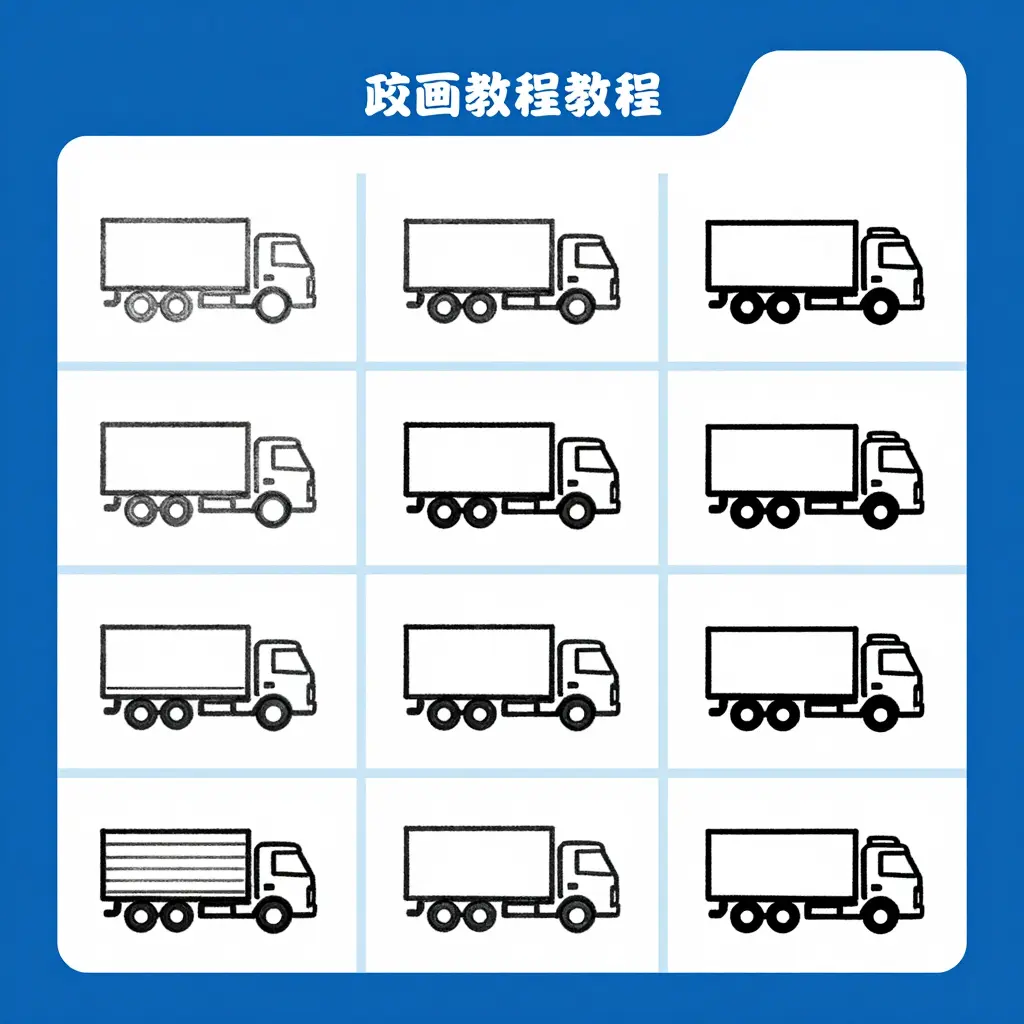
Using illustrations in your advertising materials can help catch your audience’s attention and communicate your services effectively. Happy drawing!
Comparison of Different Tow Truck Types
Tow trucks come in various types, each designed for specific applications and vehicle handling. Here’s a detailed comparison of the three main tow truck types: Flatbed, Wheel-Lift, and Hook and Chain.
| Tow Truck Type | Features | Typical Uses |
|---|---|---|
| Flatbed | – Hydraulically operated, tilting platform |
- Full vehicle support
- Integrated winches
- Secure tie-down systems | – Accident recovery
- Long-distance towing
- Transporting non-operational vehicles
- Luxury vehicle towing |
| Wheel-Lift | – Metal yoke system lifts one end of the vehicle - Compact and lightweight | – Urban environments
- Quick pickups of compact cars
- Vehicle retrieval in tight spaces |
| Hook and Chain | – Manual/hydraulic hook system with chains - Cost-effective for heavy-duty tasks | – Industrial and construction settings
- Salvage operations
- Towing of large machinery and vehicles |
Summary
Using the right type of tow truck is crucial for both safety and efficiency during towing operations. Learn more about our towing services to understand which type may suit your needs the best!
For additional assistance or to find a reliable service, visit Mikes Roadside Service.
Tips for Improving Drawing Skills Specific to Vehicles and Tow Trucks
If you’re a business owner in the towing industry looking to improve your drawing skills, particularly for vehicles like tow trucks, here are some practical tips to elevate your abilities:
1. Study Real Tow Trucks
Understanding the real object is the first step. Visit a tow truck yard or use online resources to find images of various tow trucks. Pay attention to their structure, proportions, and details. For instance, observe how the wheels align with the body and how the trailer connects to the truck chassis.
2. Master Proportions
Using appropriate proportions is crucial for realistic drawing. Start with basic shapes-rectangles and cylinders-to construct the main body of the vehicle. For example, the main part of the tow truck can be seen as a rectangle, and the wheels can be drawn as circles. Practicing these shapes will help you achieve a well-balanced look in your drawings.
3. Utilize Gesture Drawing
To capture the essence of a tow truck quickly, practice gesture drawing. This involves sketching the basic outline and flow of the vehicle without focusing too much on details. Setting a timer (for example, 30 seconds) can help you draw faster and develop your confidence in capturing the vehicle’s shape and movement.
4. Focus on Details
Once you’re comfortable with the basic shapes and proportions, don’t forget to add details. Illustrate features like headlights, tow hooks, and identifying logos, which personalize your vehicle drawings and enhance realism.
5. Experiment with Perspective
Understanding perspective is vital for making your tow truck drawings dynamic. Practice drawing from different angles to see how the vehicle looks in perspective. Maintaining proportion while adjusting the angle can be challenging but rewarding.
6. Keep Practicing with References
Use reference images for practice sessions. Websites like Drawabox provide structured exercises specifically focused on vehicles, allowing you to develop forms, structure, and shadows accurately (Drawabox Lessons). Daily practice helps build muscle memory and precision.
7. Join Drawing Communities
Consider joining online forums or local groups where you can share your work and receive constructive feedback. Engaging with fellow artists can give you new insights and inspiration, keeping you motivated on your artistic journey.
By integrating these practices into your routine, you should see significant improvement in your ability to draw tow trucks and other vehicles. Don’t be discouraged by initial challenges; artistic growth takes time and dedication!
Importance of Practice and Creativity in Vehicle Design
Creative expression in vehicle design is crucial for innovation and functionality. An insightful quote by Shao Jingfeng, the chief expert at SAIC Motor, encapsulates the essence of balancing creativity with industry demands:
“真正的创新不是对传统的颠覆,而是在理解并尊重车辆作为交通工具本质属性的基础上,通过材料、工艺、人机交互等多维度进行系统性提升,实现美学价值与功能性能的统一。”
- Shao Jingfeng, Chief Expert of SAIC Group
Learn more about industry insights
This quote emphasizes that true innovation merges aesthetic value with functional performance in vehicle design, highlighting the importance of systematic enhancement through materials and engineering principles.
For business owners in the towing industry, understanding these principles can enhance not only design skills but also provide valuable insight into effective branding and service delivery, ultimately improving customer satisfaction and operational efficiency.
Mastering the skill of drawing a tow truck is more than just a creative endeavor; it’s an essential tool for business owners in the towing industry. By cultivating this ability, companies like yours can effectively differentiate themselves in a saturated market. Illustrations not only serve as eye-catching marketing materials but also enable you to communicate your brand’s story, values, and unique offerings in a compelling visual manner. As the demand for quality visuals in advertising continues to rise, investing time in developing your drawing skills can pay substantial dividends in your marketing strategy.
Using customized drawings of tow trucks can enhance your branding efforts across various platforms-be it your website, social media, or promotional materials. These illustrations can help create a strong brand identity that resonates with your target audience, leading to improved customer engagement and higher conversion rates. As outlined in recent industry insights, commercial illustrations are essential for brands looking to leave a memorable impression on consumers. Therefore, integrating creative illustrations into your marketing campaigns is crucial for standing out and attracting potential clients.
If you feel ready to take your marketing to the next level and aren’t sure where to start, we’re here to assist. Our team at Mike’s Towing is dedicated to helping businesses like yours thrive by providing tailored marketing strategies that incorporate powerful visuals. Don’t hesitate to contact us for assistance in creating stunning illustrations that showcase your tow truck services. Together, we can elevate your brand’s presence and ensure you are not just another company but a market leader that clients can trust!

User Feedback on Learning Vehicle Drawing: Focus on Tow Trucks
Learning to draw vehicles, particularly tow trucks, presents a mix of challenges and successes for both beginners and experienced artists. This summary reflects user experiences and insights from various sources, highlighting common difficulties faced and strategies employed to achieve better results.
Common Challenges
-
Complex Structures: Many artists find that tow trucks feature intricate details such as hydraulic arms, winches, and the towing mechanism, making them tough to accurately depict. An article from the ArtStation Community Blog emphasized that beginners often struggle with maintaining correct proportions and accurately rendering the mechanical aspects, particularly when trying to show the vehicle in motion.
-
Depth Perception: Users frequently report difficulties with depth perception in their drawings. Incorrect perceptions can lead to flat or awkward compositions, undermining the three-dimensional representation of the truck. Focusing on perspective and studying reference photos can significantly help in overcoming this hurdle.
-
Breaking Down Components: As noted in a Reddit thread about learning to draw vehicles, breaking the drawing process into manageable parts can be quite beneficial. Beginner artists are encouraged to practice individual components like the cab or the towing arm before attempting to combine them into a complete vehicle.
Success Stories
Despite the challenges, many users have reported significant improvements and successes in their drawing skills:
- Simplifying Structures: Some artists found that simplifying the truck’s structure into basic shapes made it easier to understand and draw. This approach not only streamlined the drawing process but also resulted in cleaner lines and proportions.
- Consistent Practice: Many success stories highlight the value of regular practice. For instance, a user’s account mentions that after dedicating three months to consistent drawing of tow trucks, they were able to produce a detailed sketch that met their expectations.
- Using Resources Wisely: Leveraging tutorials and step-by-step guides like the one from Draw Central has proven helpful. Many users appreciate guides that break down the process into clearer steps, allowing for focused learning.
Conclusion
The journey to mastering the drawing of tow trucks and other vehicles is often filled with both obstacles and rewarding moments. By recognizing common challenges and implementing effective strategies-such as simplifying designs, practicing consistently, and utilizing accessible resources-aspiring artists can boost their confidence and refine their skills in vehicle drawing.