
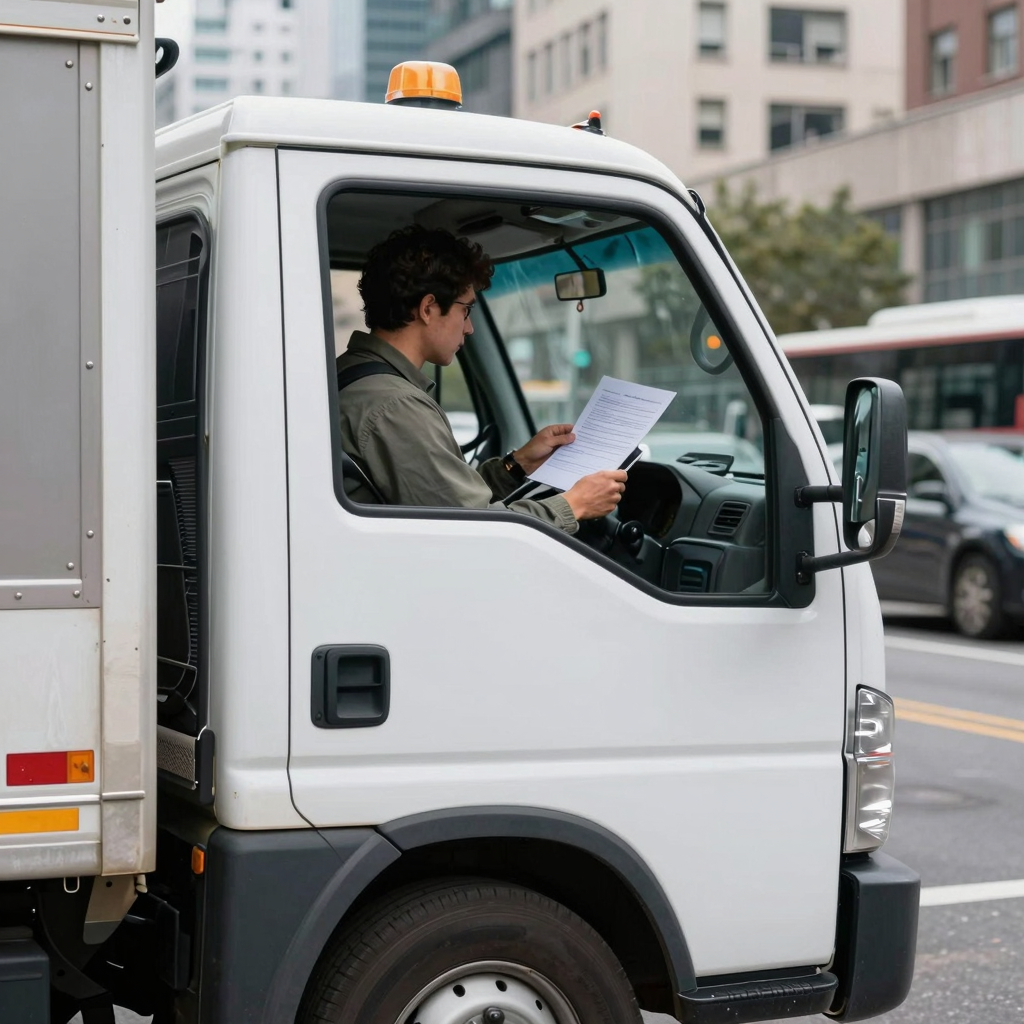
When it comes to operating a tow truck, a common query arises among business owners in the towing industry: Do I need a Commercial Driver’s License (CDL)? This question is not just a matter of legal compliance; it can significantly impact your operations, business growth, and the safety of your drivers. Imagine a scenario where a simple misunderstanding of the licensing requirements leads to hefty fines or operational setbacks. With the increasing demand for towing services, especially in urban areas such as Houston, TX, understanding the legal requirements surrounding CDL for tow truck operation is paramount for business owners. This article will address crucial questions, including: What specific types of tow trucks require a CDL? What are the implications of operating without one? And how can understanding these regulations keep your business compliant and profitable? For those seeking to expand their service offerings in the towing sector, knowing the answers to these questions is essential. Whether you are running a towing company in Houston or exploring roadside services, this comprehensive guide will navigate you through the complexities of CDL requirements for tow trucks, ensuring that you are well-informed and ready to make the best decisions for your business.
“The CDL requirement for tow truck drivers isn’t just about bureaucracy-it’s a critical safety measure. When we’re pulling disabled vehicles, especially large commercial trucks or buses, we’re handling massive loads that can be extremely dangerous if not managed properly. A CDL ensures drivers have the specialized training in vehicle control, weight distribution, securement techniques, and emergency response that are non-negotiable for public safety.”
- Johnathan Reed, Director of Safety and Compliance at the National Towing Association
This quote emphasizes the significant role that CDL regulations play in maintaining safety in the towing industry, particularly for tow truck drivers handling large vehicles. CDL requirements help ensure that drivers are properly trained to manage the complexities and risks associated with towing, which is vital for protecting both the public and the drivers themselves.
Regulations and Requirements
When it comes to operating a tow truck, understanding the federal and state regulations regarding Commercial Driver’s Licenses (CDLs) is crucial for business owners. The Federal Motor Carrier Safety Administration (FMCSA) lays out baseline requirements, but individual states may have their own additional stipulations.
Federal Regulations
According to the FMCSA, any tow truck driver must hold a CDL if:
- The Gross Vehicle Weight Rating (GVWR) of the tow truck is more than 26,000 pounds.
- The tow truck is used for transporting hazardous materials or passengers.
To obtain a CDL, drivers must:
- Be at least 21 years old (18 for intrastate).
- Pass a written knowledge test and a practical skills test, which includes a pre-trip inspection, basic control skills, and on-road driving performance.
- Obtain specific endorsements if operating vehicles designed for transporting hazardous materials or which have specific configurations.
State-Specific Requirements
State laws vary widely. Here are some examples:
- California: Requires a Class B CDL with a ‘T’ (Tow Truck) endorsement for tow trucks with a GVWR over 26,000 pounds. Drivers must also complete a state-approved training program and pass a specialized exam. (Learn more)
- Texas: Similar to federal laws, requires a CDL if the tow truck GVWR exceeds 26,000 pounds or if towing a vehicle over 10,000 pounds.
- Florida: Ensures that operators of tow trucks involved in towing operations must have a valid CDL, regardless of vehicle weight, if involved in commercial operations.
Business owners operating across different states should keep in mind that while some states follow federal guidelines closely, others have unique regulations that may impose additional training or licensing requirements. Failure to comply with these regulations could lead to fines, penalties, or even legal issues.
Certification Programs
Some states and private companies also recognize programs like the Tow Truck Operator Certification by the National Private Truck Council. While not mandatory, obtaining such certifications can enhance business credibility and attract more clients by demonstrating a commitment to professionalism and safety in heavy-duty towing operations.
To summarize, the complexity of CDL regulations for tow truck drivers necessitates that business owners stay informed about both federal and state-specific laws. Regularly consulting local Department of Motor Vehicles (DMV) or relevant state authorities is advisable to ensure compliance and promote safe towing practices.
Visual Representation
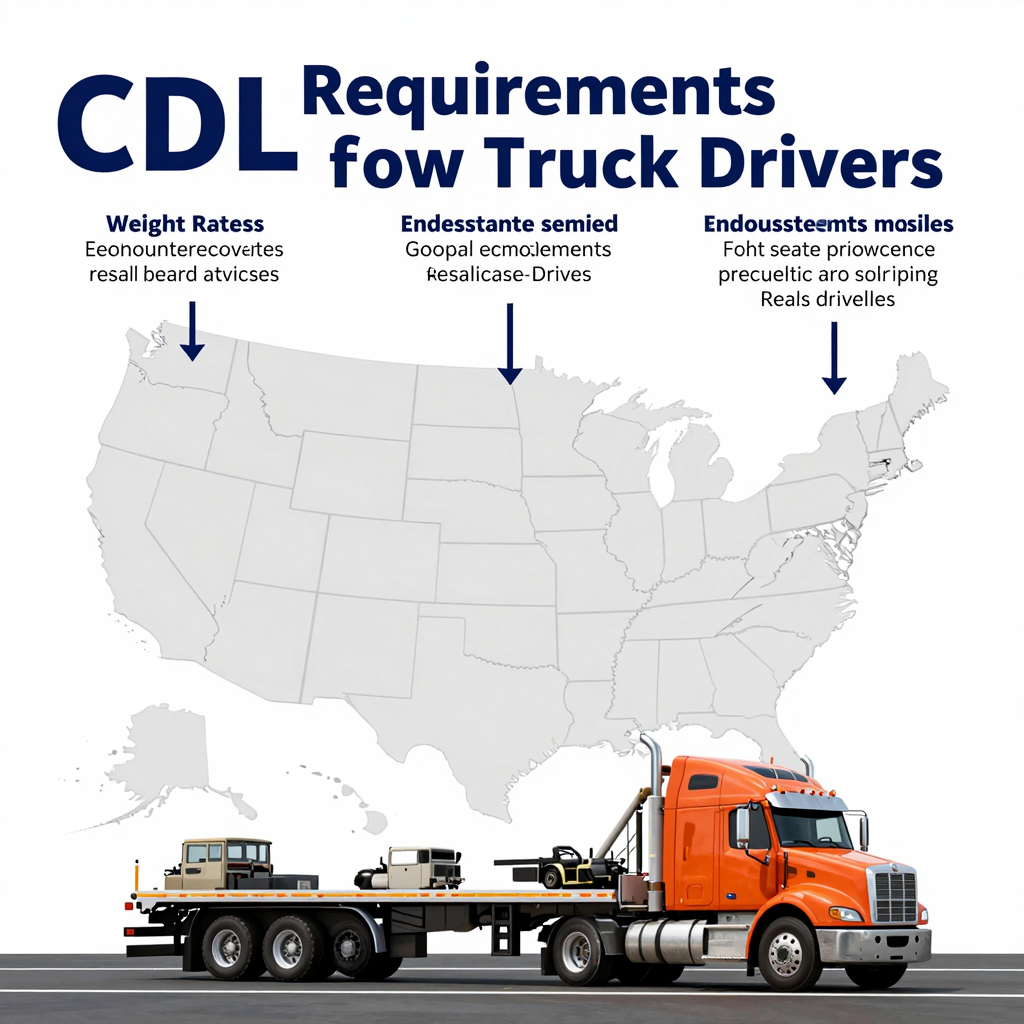
This infographic summarizes key CDL requirements for tow truck drivers and highlights differences across states.
For further insights on towing services, consider visiting Mikes Roadside Service or our Towing Company in Houston to explore how we comply with these regulations and ensure safety in our operations.
| State | CDL Requirement |
|---|---|
| California | Class A CDL for trucks over 26,001 lbs; ‘T’ endorsement |
| Texas | Class B CDL with ‘T’ endorsement for all tow trucks |
| Florida | Regular driver’s license if under 26,001 lbs; ‘T’ required for hazardous materials |
| New York | Class A CDL for larger wreckers; ‘T’ endorsement for tow trucks |
| Illinois | Class B CDL with ‘T’ endorsement for tow trucks over 26,000 lbs |
| Pennsylvania | Class B CDL with ‘T’ endorsement for tow trucks over 26,000 lbs |
| Ohio | CDL only if the tow truck is used commercially or carries heavy loads |
| Georgia | CDL required for vehicles over 26,001 lbs; endorsements may be needed for hydraulic lift trucks |
| Michigan | Class B CDL required if GVWR is over 26,001 lbs; ‘T’ endorsement for towing |
| Arizona | Class B CDL for trucks over 26,001 lbs; ‘T’ endorsement for towing |
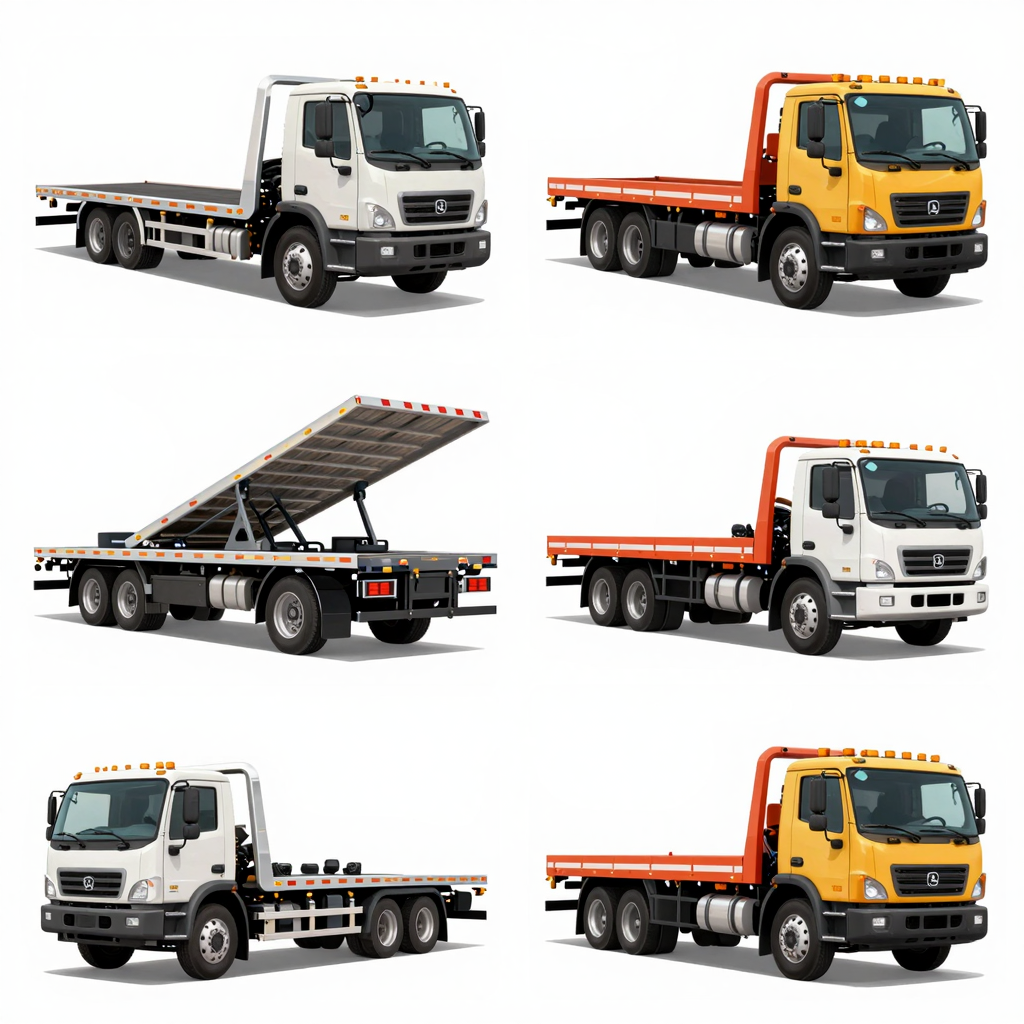
Common Misconceptions About CDL Requirements for Tow Trucks
When it comes to operating a tow truck, business owners often grapple with the question of whether they need a Commercial Driver’s License (CDL). Unfortunately, various misconceptions can lead to misunderstandings about this requirement. Here, we clarify common myths surrounding CDL requirements for tow trucks, providing valuable insights for business owners in the towing industry.
Misconception 1: All Tow Trucks Need a CDL
One of the most prevalent misconceptions is that all tow truck drivers are required to have a CDL. According to the Federal Motor Carrier Safety Administration (FMCSA), a CDL is only necessary if the Gross Combined Weight Rating (GCVWR) of the vehicle exceeds 26,001 pounds, or if the vehicle being towed weighs more than 10,000 pounds. Thus, many light-duty tow trucks used for non-commercial purposes may not require a CDL, which can save time and resources for business owners.
Misconception 2: Manual vs. Automatic Transmission Requirements
Another misunderstanding is the requirement related to the type of transmission a tow truck has. Some believe that only tow trucks with manual transmissions require a higher class of CDL. In reality, the necessity for a CDL depends solely on weight and commercial use, not the transmission type. Hence, both automatic and manual transmission tow trucks have the same licensing requirements, provided they meet the weight criteria.
Misconception 3: Light-Duty Tow Trucks Don’t Require a CDL
There is a widespread belief that light-duty tow trucks are exempt from CDL requirements. However, as per the National Private Truck Council (NPTC), if a light-duty tow truck meets the weight parameters for commercial use, a CDL may still be necessary. For example, if a tow truck weighs 10,500 pounds and is used for commercial towing, the driver must possess at least a Class B CDL, regardless of the vehicle being smaller than traditional heavy-duty trucks.
Misconception 4: Non-Commercial Towing is Always Exempt
Many believe when they deal with non-commercial towing, they can avoid CDL requirements altogether. This misconception is misleading. If a towing operation involves charging fees or contracting services, it is classified as commercial use. In such cases, the driver must adhere to the CDL requirements, which means having the appropriate license.
Summary
Business owners must navigate these misunderstandings carefully. Knowing the specific definitions of weight ratings and commercial use can ensure compliance with the law. Uncertainty regarding CDL requirements can lead to serious legal consequences and financial penalties for business operations. For further tailored assistance with your towing needs, check out our towing services in Houston.
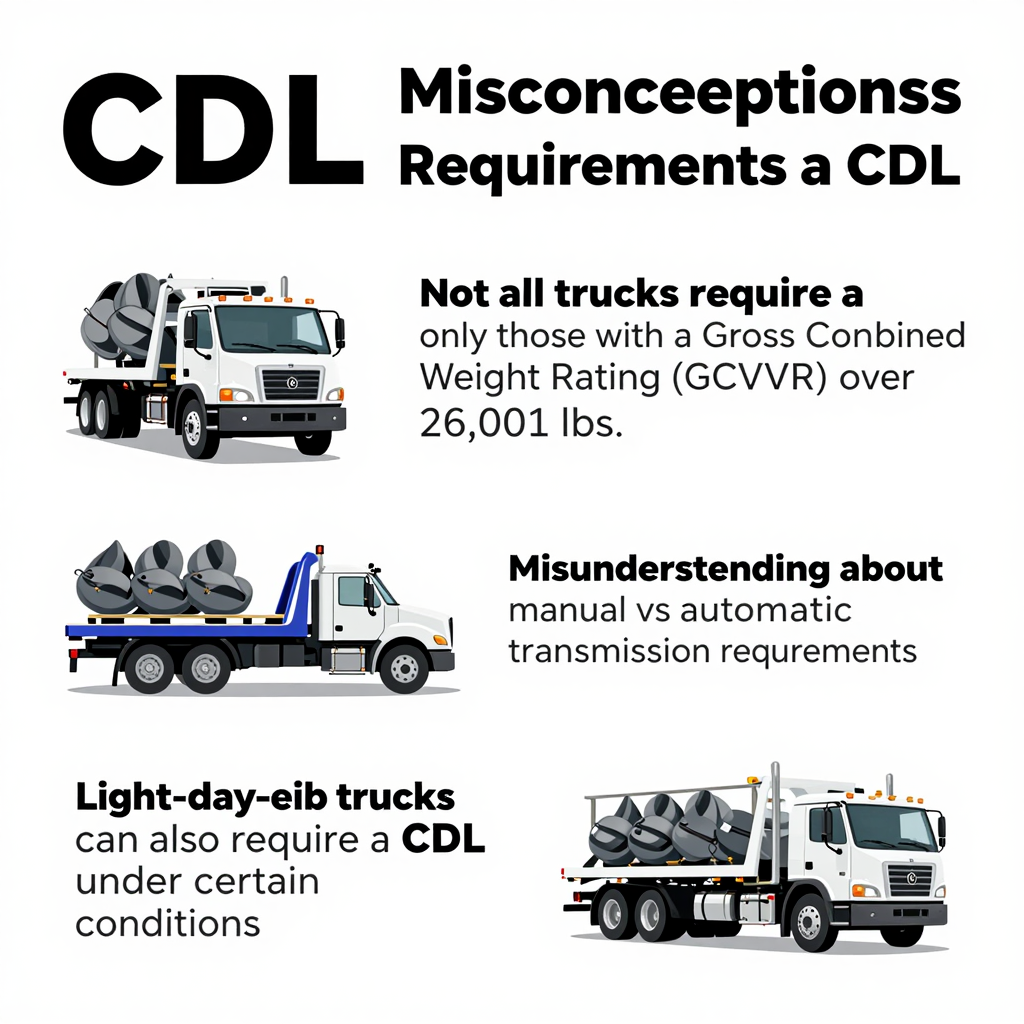
Understanding these misconceptions can foster a well-informed towing business, ultimately leading to safer operations and compliance with regulations.
Statistics on the Towing Industry: CDL vs Non-CDL Operators
The towing industry is a critical component of roadside assistance and vehicle recovery, with specific regulatory requirements governing who can operate tow trucks. Among these, the necessity of a Commercial Driver’s License (CDL) is a significant aspect influencing the qualifications of tow truck operators.
CDL Requirements in the Towing Industry
According to the Federal Motor Carrier Safety Administration (FMCSA), as of 2023, approximately 78% of all tow truck operators in the United States must hold a CDL. This requirement pertains primarily to vehicles with a Gross Vehicle Weight Rating (GVWR) exceeding 26,000 pounds or those designed to transport 16 or more passengers. Conversely, 22% of operators utilize non-CDL vehicles, typically lighter-duty tow trucks that are sufficient for local towing within urban settings where these weight restrictions are not met.
The National Association of Roadside Services (NARS) reported that 75% of professional towing companies employed CDL-holding drivers in 2023. This reflects industry trends driven by fleet standardization and the insurance requirements often mandated by larger towing companies. Notably, nearly 40% of non-CDL operators were found among independent and small-scale towing businesses, indicating a substantial market segment that uses lighter trucks under 26,000 lbs GVWR.
Trends and Training
The Bureau of Labor Statistics (BLS) confirmed that 76% of heavy and tractor-trailer truck drivers, inclusive of tow operators, held a valid CDL as of 2023. However, for lighter duties (such as rollback wreckers), operating without a CDL is common, leading many local towing services to function without commercial licenses.
With the growing complexities of the towing industry, there has been a 12% year-over-year increase in CDL training programs specifically tailored for tow truck drivers, underscoring the industry’s evolving standards and requirements.
For more insights on towing services in your region, you can explore our towing company in Houston or our roadside service options.
Checklist for Business Owners: Do You Need a CDL for Your Tow Truck Operations?
As a business owner operating tow trucks, understanding whether you need a Commercial Driver’s License (CDL) for your operations is crucial. Here’s a comprehensive checklist to help you make this determination.
1. Determine the Gross Vehicle Weight Rating (GVWR)
- CDL Required: If the GVWR of your tow truck is 26,001 pounds or more.
- No CDL Required: If the GVWR is 26,000 pounds or less.
- Practical Step: Obtain the vehicle’s GVWR from the manufacturer’s documentation or verify using a certified scale.
2. Classify the Vehicle Based on Use
- Class B CDL: For single vehicles weighing ≥ 26,001 pounds.
- Class A CDL: Needed if towing a trailer with a GVWR > 10,000 pounds.
- Practical Step: Assess the usage of your tow truck to figure out its classification. You may need to check state regulations.
3. Evaluate Your Operational Requirements
- CDL Required if you are:
- Operating a vehicle over 26,000 lbs GVWR.
- Towing a trailer over 10,000 lbs GVWR while under commercial services.
- No CDL Needed if:
- Your vehicle is under 26,000 lbs GVWR.
- Not operating commercially or towing trailers ≤ 10,000 lbs.
- Practical Step: Keep accurate logs of vehicle weights and operations.
4. Confirm State-Specific Regulations
- Certain states have unique requirements; for example, California requires a Class B CDL for tow trucks with GVWR ≥ 26,001 lbs.
- Practical Step: Familiarize yourself with state-specific laws by visiting your local DMV or state transportation agency’s website.
Additional Resources
For further details on compliance and regulations, check out the FMCSA CDL Requirements and state-specific guidelines from the U.S. Department of Transportation.
Visual Aid
Understanding these steps helps ensure that your business complies with legal requirements, enhancing safety for your operations and your clients.
Conclusion
Understanding the requirements for obtaining a Commercial Driver’s License (CDL) is crucial, especially for business owners involved in driving tow trucks. As outlined in various resources, driving a tow truck that weighs over 26,000 pounds generally mandates a CDL, ensuring that drivers meet specific safety and operational standards. Given the complexities of regulations, it is essential that business operators familiarize themselves with these requirements, which are not only dictated by federal laws but can also vary by state.
The importance of CDL compliance transcends mere legal adherence; it directly impacts business operations. Recent changes by the Federal Motor Carrier Safety Administration (FMCSA), including strict penalties for drug and alcohol violations, have precipitated a significant shortage of qualified drivers. As reported, approximately 177,000 drivers are currently ineligible due to such infractions, which has detrimental effects on logistics, freight logistics operations, and other aspects of the supply chain.
Moreover, these challenges can lead to increased operational costs, longer delivery times, and reduced capacity. Companies that rely on just-in-time inventory systems face heightened risks, including potential delays in receiving goods and higher freight rates. The FMCSA’s measures serve to maintain safety standards, but they also reinforce the necessity for businesses to stay educated and adaptable in the fast-evolving landscape of transportation regulations.
In essence, navigating CDL requirements is not just a matter of compliance but also a strategic aspect of business operation in the towing industry. For additional insights and operational assistance, you might consider exploring roadside service options or our towing services in Houston. By understanding and addressing these requirements, businesses can better ensure their success and stability in the competitive towing market.
Take Action Today for Your Towing Business
As a business owner in the towing industry, ensuring that your operations align with the necessary regulations is not just essential; it’s also a lifeline for your company. Understanding the complexities of compliance and how it pertains to CDL requirements can be daunting. That’s why partnering with experts like Zoomlion can make all the difference.
Zoomlion offers a comprehensive suite of services tailored specifically to support your towing operations-helping you navigate through regulations and optimize your fleet’s performance. Whether you need insights on vehicle compliance or assistance in upgrading your towing equipment, they bring the expertise and resources you need.
Don’t let uncertainty around regulations slow your business down. Reach out to Zoomlion today to discover how their services can enhance your towing operations and ensure that you remain compliant with all necessary laws. They are dedicated to helping you succeed, providing tailored solutions that fit your unique business needs.
Contact Zoomlion for more information on how they can help support your towing operations and keep you compliant.