
Driving a tow truck is not just about moving vehicles from one place to another; it encapsulates a critical responsibility that requires the right licensing and training. For business owners in the towing industry, understanding the licensing requirements is essential for maintaining compliance and ensuring safety on the roads. A valid tow truck license is not only a legal requirement but also a testament to the professionalism and reliability of your towing service. Failing to secure the appropriate license can lead to severe implications, including hefty fines, liability issues, and damage to your business’s reputation. This article will delve into the various licenses required for operating a tow truck and why having the right credentials is crucial for success in the competitive towing sector. Learn more about Mike’s Towing services in Houston and ensure you’re well-informed about your licensing needs.
Types of Licenses Required for Tow Truck Operations
Operating a tow truck requires various licenses and compliance with federal and state regulations. Here’s a comprehensive overview of the different licenses necessary for tow truck operations:
1. Commercial Driver’s License (CDL)
- Requirement: Under federal law, drivers of vehicles with a Gross Vehicle Weight Rating (GVWR) exceeding 26,000 pounds must hold a CDL. Most tow trucks fall into this category.
- Class B CDL: Typically required for tow trucks, this license covers vehicles over 26,000 pounds that are not classified as tractor-trailers.
- Endorsements: Depending on the type of towing operation, drivers may need additional endorsements, such as:
- Tank Vehicle (N): If the truck hauls any tank vehicles.
- Passenger (P): For vehicles that may transport passengers.
Learn more about CDL requirements.
2. Registered Tow Truck Operator (RTTO) License
- State-specific requirement: Many states require tow truck operators to obtain this specialized business license to ensure compliance with training and insurance standards.
- Application Process: Involves submitting proof of liability insurance, a background check, and knowledge of state towing laws.
- Consequences: Failure to acquire this license can lead to fines and suspension of towing privileges.
Find more information about state-specific requirements.
3. Towing and Recovery Equipment Endorsement
- Federal requirement: CDL holders must possess a ‘T’ (Towing/Recovery) endorsement if operating a vehicle designed for towing disabled or wrecked vehicles.
- Testing: Requires passing both a written test and a skills test to demonstrate safe towing practices.
- This endorsement is crucial for tow trucks that carry a GVWR over 26,000 pounds.
Learn additional specifics about endorsements.
4. State Business Licenses and Permits
- Varies by State: Apart from federal and CDL requirements, each state may have unique regulations including business registration and permits for operations.
- Additional Documentation: Operators must also comply with local rules regarding vehicle equipment and insurance coverages.
Conclusion
Horse out of the gate and be diligent with the different licensing requirements to ensure your tow truck operations are compliant with all necessary regulations. Each state might impose varying rules so it’s essential to check local laws before initiating operations.
For more insights into tow truck services, visit Mike’s Towing.
Understanding Tow Truck Types for Licensing
When considering what license is required to operate a tow truck, it’s essential to understand the different types of tow trucks available. Each type requires specific training and may be governed by different regulations. Here’s a brief overview of common tow truck types:
-
Flatbed Tow Trucks: These are designed with a flatbed that can be lowered to the ground, allowing vehicles to be driven or towed onto the bed easily. They provide excellent stability and safety for transporting vehicles.
-
Hook and Chain Tow Trucks: These trucks utilize a hook and chain system to lift vehicles from one end. While effective, they’re less commonly used today due to the potential for damaging vehicles.
-
Integrated Tow Trucks: These are built with a boom and are particularly useful for towing larger vehicles, like heavy-duty trucks. They combine the features of other tow trucks, making them highly versatile.
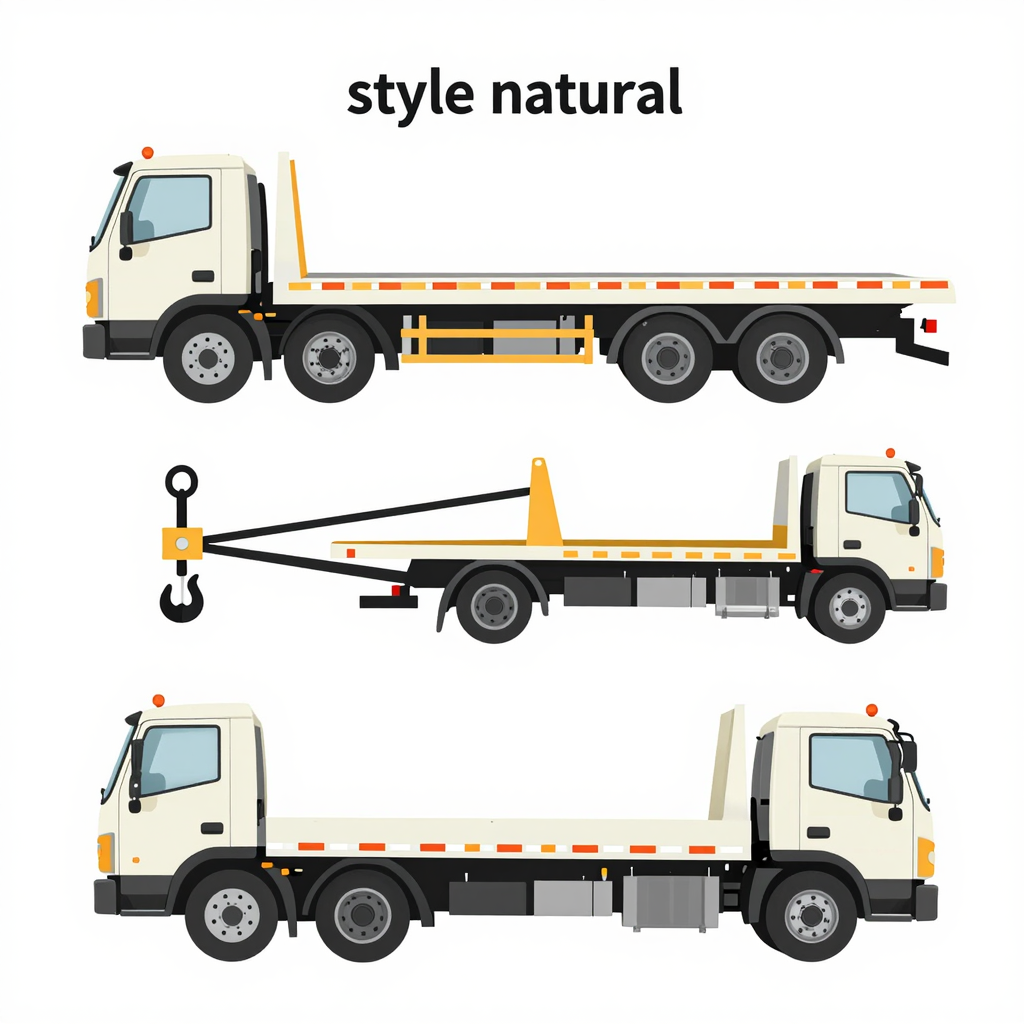
Understanding these types ensures compliance with licensing requirements and proper operation of the equipment. For more details on towing services, check out Mike’s Towing!
State-Specific Requirements for Tow Truck Licensing
Operating a tow truck requires compliance with various licensing regulations, which differ from state to state. Understanding these unique requirements can be crucial for business owners operating in multiple jurisdictions. This overview highlights the specific licensing requirements across California, Texas, and New York, three states with notable differences in their regulations.
California
In California, operators must possess a Class B Commercial Driver’s License (CDL) alongside a ‘T’ endorsement which authorizes them to operate tow trucks. Additionally, a state-issued tow truck operator permit is mandatory. This permit requires applicants to complete a written exam and undergo a background check. California’s strict regulations are aimed at ensuring safety and accountability in towing operations.
Texas
Similar to California, Texas requires a Class B CDL with a ‘T’ endorsement. To legally operate a tow truck here, drivers must also obtain a state-issued tow truck operator license. This involves passing a written examination and a criminal background check. These measures are designed to maintain high safety and service standards within the towing industry.
New York
New York’s requirements differ slightly, as they also necessitate a CDL with a ‘T’ endorsement; however, applicants must additionally acquire a tow truck operator license. This license is issued by the New York Department of Motor Vehicles and requires comprehensive training to ensure that operatives are knowledgeable about safe towing practices.
Conclusion
As evidenced by these examples, while federal regulations mandate a CDL for vehicles over 26,000 pounds, state-specific regulations add an additional layer of requirements that can vary significantly. For businesses operating in multiple states, staying informed about local licensing requirements is not just a compliance issue; it can greatly impact operational efficiency and safety standards. For further guidance on towing services, explore our offerings.
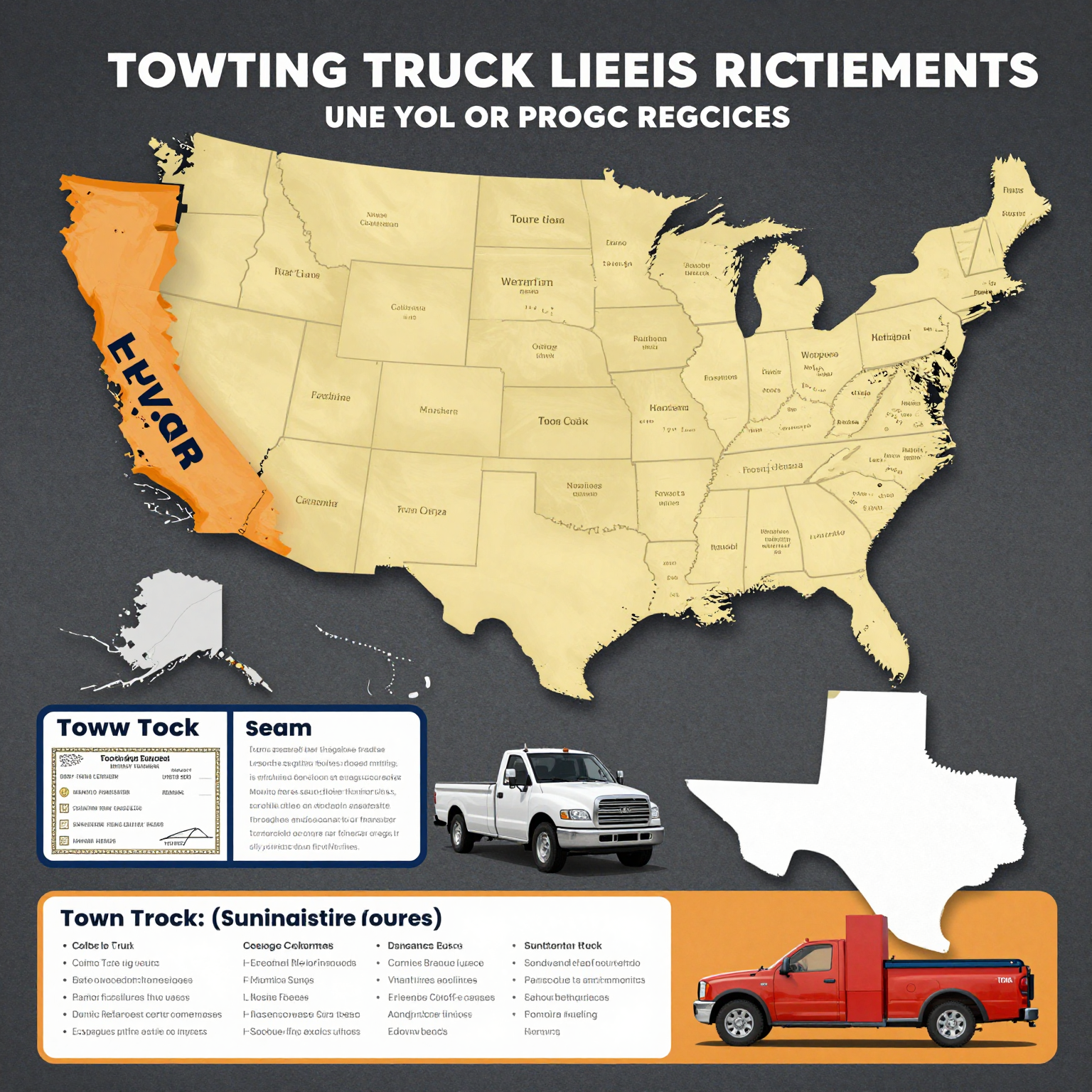
Towing Licensing Requirements by State
When considering the operation of a tow truck, one of the critical elements is understanding the licensing requirements that vary from state to state. This table summarizes key requirements, including the minimum age for drivers, the type of Commercial Driver’s License (CDL) required, and any special training or certifications that might be necessary.
| State | Minimum Age | CDL Requirement | Special Training or Certifications Needed |
|---|---|---|---|
| Texas | 18 years old | Class A or B CDL | No specific training mentioned; standard CDL requirements apply. |
| California | 18 years old | Class B CDL required | Must pass a written exam from the DMV and adhere to safety protocols during operations. |
| Florida | 18 years old | Class E license (may require upgrade to CDL based on weight) | State-issued ‘Tow Truck Operator’ license and completion of a certified training program is mandatory. |
| New York (NYC) | 18 years old | Class E license in NYC | No specific training mentioned; however, a Tow Truck Driver license is required. |
| Western Australia | Not applicable | Not applicable (information pertains to Australian regulations) | Specific requirements for crash towing, including conduct and obligations; licensing and regulatory information available. |
For business owners in the towing industry, ensuring that you and your drivers comply with state-specific licensing requirements is essential for legal operation and maintaining a professional reputation. Additionally, many states require proper insurance coverage for tow truck operations. For further information on services offered, check out Mike’s Roadside Service and Houston Towing Services for your towing needs.
User Adoption Data for Tow Truck Licenses
The adoption of licensing for tow truck drivers reflects a significant commitment to safety and regulation within the industry. As of 2023, the landscape of tow truck licensing varies across the United States, leading to insights that are critical for business owners in the towing service sector.
Current Statistics
According to data from the Federal Motor Carrier Safety Administration (FMCSA), approximately 1.8 million licensed tow truck drivers operate in the U.S., and 48 states have specific requirements for drivers operating vehicles with a gross vehicle weight rating (GVWR) exceeding 26,000 pounds. These drivers must hold a Commercial Driver’s License (CDL), and many states mandate additional licensing or special endorsements for tow truck operations.
The National Towing Association (NTA) reports that 37 out of 50 states now require specialized “tow truck operator licenses” or crash-tow permits alongside standard CDLs. These licenses often entail mandatory safety training, background checks, and compliance with local towing regulations. For instance, states like California and Florida have enforced comprehensive safety examinations and insurance requirements.
Impact on Safety and Regulation
The U.S. Department of Transportation (USDOT) highlights that states with robust licensing frameworks have seen a 28% reduction in tow truck-related accidents. States mandating both CDLs and additional certification have significantly lower incident rates, as evidenced by data indicating that only 15% of drivers in non-compliant states had completed necessary safety training, compared to 89% in states with strict regulations. This underscores the importance of adopting formal licensing systems for enhancing road safety in towing operations.
For more on our towing services in Houston or emergency roadside assistance, check out the links provided.
What License to Drive a Tow Truck
When it comes to operating a tow truck, proper licensing is crucial for both compliance and public safety. Towing businesses are required to obtain specific licenses to ensure their operations are lawful and reliable. Without the necessary permits, companies risk facing hefty fines and potential legal actions which can jeopardize the business.
As industry expert Linda Johnson, President and CEO of the American Towing Association (ATA), states:
“Compliance is the cornerstone of the towing business. Without proper licensing, companies face not only significant fines and legal repercussions but, more importantly, they endanger public safety. A licensed towing company means that its employees are background-checked, vehicles meet safety standards, and adequate insurance covers them in case of accidents. This is not just a responsibility to customers, but a commitment to overall roadway safety.”
Proper licensing not only elevates the trustworthiness of towing services but also ensures that drivers are adequately trained to handle the complexities of towing safely and effectively. For business owners in the towing industry, understanding the specific licensing requirements in your state is essential to running a legal and ethical operation.
For more on safe towing practices, you can check out Mike’s Roadside Service or learn about local towing services in Houston at Mike’s Towing.
The Consequences of Not Having a Proper License for Tow Truck Operations
Operating a tow truck without the necessary licenses can have serious legal and financial repercussions for business owners. Compliance with licensing regulations is not just a bureaucratic formality; it plays a critical role in ensuring the safety, legality, and trustworthiness of towing services.
Legal Repercussions
Failure to secure the appropriate licenses can lead to significant legal issues. According to the National Association of Tow Truck Operators (NATTO), operating without a valid license is a serious violation across most U.S. states. The consequences include, but are not limited to:
- Fines: Penalties can range from $500 to as high as $15,000 per incident, depending on the severity and jurisdiction.
- Vehicle Impoundment: Authorities may seize towing vehicles, causing disruptions in operations.
- Revocation of Operating Privileges: Business owners may face suspensions or complete revocations of their towing licenses.
- Criminal Charges: In some jurisdictions, repeat offenses can lead to misdemeanor or even felony charges.
Financial Repercussions
The financial impact of operating unlawfully can be devastating:
- Insurance Denial: Unlicensed operators typically find themselves without insurance coverage for any accidents or damages. This leads to personal liability where operators may be forced to pay for injuries or damages out of pocket (potentially exceeding $50,000 in damages).
- Loss of Business Revenues: Without a proper license, operators cannot charge for their services legally, leading to financial losses.
- Legal Liability: If an unlicensed truck is involved in an accident, the operator can face lawsuits from involved parties, exacerbating financial stress and liability.
Furthermore, without proper licensing, companies could face legal actions for damages caused during tow operations due to lack of insured protection. The inability to collect payment for services rendered can further cripple an unlicensed business.
Importance of Compliance
The licensing process serves as a shield for both the business and its clients. It ensures that:
- Standards are Maintained: Licensed operators are usually required to uphold specific industry standards, including safety protocols and qualified personnel management. This reduces the risk of accidents and enhances public safety.
- Trust and Credibility: A valid license signals to potential customers that the business adheres to regulatory and safety norms, boosting its reputation in the community.
For business owners operating tow trucks, understanding these implications is vital. Not only does licensing provide a legal framework for operations, but it also contributes to the overall reliability and credibility of towing services.
For more information about safe towing practices and licensed operators in your area, check out Mikes Towing Services to ensure compliance and peace of mind for your business.
What License Do You Need to Drive a Tow Truck?
Driving a tow truck is not just about steering a vehicle; it involves a set of regulations and licensing requirements that ensure safety and legality in the towing industry. Business owners should be aware of the necessary licenses and documentation required to operate a tow truck effectively and legally.
Required Licenses and Documentation
- Commercial Driver’s License (CDL):
- Most states require tow truck drivers to have a CDL, specifically a Class A or B license, depending on the weight of the vehicle being towed.
- Towing License:
- Some states have specific towing licenses, which may require passing a written test or completing a training course.
- Proof of Insurance:
- Operators must have adequate insurance coverage for liability, cargo, and other potential damages that can occur during towing.
- Vehicle Registration:
- All tow trucks must be properly registered, and the registration documents must be kept up-to-date.
- Other Permits:
- Depending on local regulations, additional permits may be required for specific towing operations, such as impounding vehicles.

For more details on services and requirements, feel free to contact our towing service in Houston or explore our roadside service options.
Conclusion
In summary, possessing the right license to drive a tow truck is not just a legal requirement; it is essential for ensuring safety, compliance, and professionalism in the towing business. Throughout this article, we have highlighted the various types of licenses required, including the significance of having a Commercial Driver’s License (CDL) with the appropriate endorsements. Those looking to operate heavy-duty tow trucks must meet state-specific regulations, which often require specialized training and certifications to handle complex towing tasks safely.
Driving without a proper license can lead to severe financial and legal repercussions. Potential penalties can range anywhere from thousands of dollars in fines to longer-lasting consequences like vehicle seizure and increased liability in case of an accident. The consequences don’t merely include monetary penalties; they can also jeopardize the legitimacy of your business. As discussed, insurance providers often refuse to cover damages incurred during incidents involving unlicensed operations, leading to substantial out-of-pocket costs and legal battles.
On the flip side, having the appropriate licenses enhances the credibility of your business, lowers insurance costs, and opens up a realm of opportunities that unlicensed operators miss. Businesses with licensed drivers tend to demonstrate higher safety records and operational efficiency. They also gain access to a broader range of commercial hauling jobs, contributing positively to revenue generation.
As a business owner, it’s imperative to recognize these aspects and implement them as part of your operational strategy. If you are considering expanding your towing services or want to ensure compliance with licensing requirements, you should seek professional guidance and support tailored to your needs.
If you are unsure about your current licensing situation or require assistance with obtaining the necessary credentials, contact us at Mike’s Towing. Our team is well-versed in towing regulations and can help you navigate the complexities of licensing. Don’t risk your business with improper licensing-reach out today and secure your towing operations legally and effectively! Learn more about our services or give us a call at Mike’s Towing.
Consequences of Driving Without a License for Towing Vehicles:
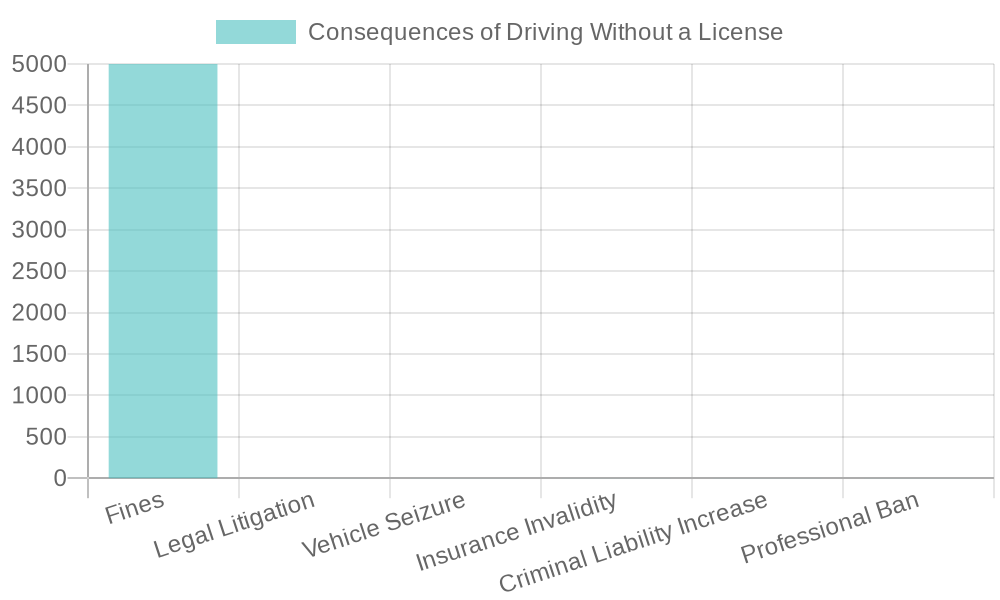
This graphic summarizes the severe repercussions faced by those who drive tow trucks without the appropriate licensing. Understanding these risks underscores the necessity of being fully compliant with towing regulations.
Your business deserves to operate on a solid legal foundation and with the confidence that comes from being properly licensed!