Introduction
When it comes to choosing the right work vehicle, one question stands out among business owners: which truck has the highest towing capacity? Whether you are in construction, landscaping, or any service business requiring heavy lifting, the ability to tow substantial loads can greatly impact productivity and efficiency. The trucks with highest towing capacity are game-changers in this arena, providing the strength and reliability needed to transport materials and equipment without hassle.
Understanding towing capacity differences among various truck models can empower business owners to make informed decisions that align with their specific operational needs. Selecting the best work trucks equipped to handle demanding jobs not only enhances logistical efficiencies but also ensures safety on the road. As you explore various options, it is crucial to weigh the towing capabilities that each truck offers and how they can fit seamlessly into your business strategy. For more insights, check out our towing services in Houston to understand how critical towing capacity can be in real-world applications.
| Truck Model | Maximum Towing Capacity (lbs) | Key Features |
|---|---|---|
| Ford F-250 Super Duty | 22,000 | Equipped with a powerful 7.3L V8 engine (430 hp, 460 lb-ft torque), available with a 10-speed automatic transmission, and features a robust frame and heavy-duty suspension for superior hauling performance. |
| Chevrolet Silverado 2500HD | 20,000 | Powered by a 6.6L V8 engine (401 hp, 464 lb-ft torque), paired with a 10-speed automatic transmission; includes advanced towing technology like Integrated Trailer Brake Controller and Trailering Package options. |
| GMC Sierra 2500HD | 20,000 | Offers a 6.6L V8 engine (402 hp, 460 lb-ft torque), 10-speed automatic transmission, and premium features such as the MultiPro Tailgate and OnStar with 4G LTE connectivity for enhanced towing convenience and safety. |
| Ram 2500 Heavy Duty | 20,000 | Features a 6.7L Cummins Turbo Diesel engine (370 hp, 875 lb-ft torque), 6-speed automatic transmission, and standard diesel-specific towing systems including a rear axle upgrade and heavy-duty cooling system. |
The Importance of Towing Capacity for Business Owners
For business owners, particularly in industries reliant on logistics, construction, and transportation, towing capacity isn’t just a number – it’s a vital component that directly influences productivity and investment decisions. A vehicle with a substantial towing capacity can mean the difference between seamless operations and logistical headaches.
Enhancing Productivity
High towing capacity allows businesses to consolidate their transportation needs. For example,
- Construction companies often use trucks with high towing capabilities to transport equipment like cranes and excavators directly to job sites. This not only reduces the need for multiple trips, saving time and fuel but also minimizes downtime, enabling crews to start work faster.
- Agricultural operations depend on high-towing-capacity vehicles to haul heavy implements, such as seeders and sprayers, efficient movements across vast fields can greatly enhance productivity.
In the trucking sector, companies relying on semi-trucks capable of high towing can maneuver steep routes and operate independently, lessening dependency on specialized additional equipment. According to Heavy Equipment Guide, businesses that invest in high-towing-capacity fleets observed improvements in equipment deployment speed by up to 30% and reductions in transport expenses by 18%.
Investment Decisions
When choosing vehicles for their fleets, business owners often prioritize towing capacity. A recent survey showed that 68% of fleet managers consider towing capacity as a top criterion when selecting new vehicles. Opting for models with higher towing ratings reduces future operational issues and costs associated with more vehicles on the road.
Moreover, industries like mining, oil and gas, and infrastructure development rely heavily on powerful towing vehicles to transport large machinery efficiently. According to data from Logistics Management Magazine, vehicles designed for heavy-duty towing can significantly enhance supply chain resilience, allowing businesses to deliver goods directly and efficiently, especially crucial in peak seasons or during disruptions.
Actionable Insights
In conclusion, understanding towing capacity is essential for business owners who wish to enhance their operational efficiency and make informed investment decisions. With the right equipment, companies can not only boost productivity but also discover long-term savings and benefits in their logistics operations. For businesses in need of towing solutions, Mike’s Towing service offers various vehicles to meet diverse towing requirements.
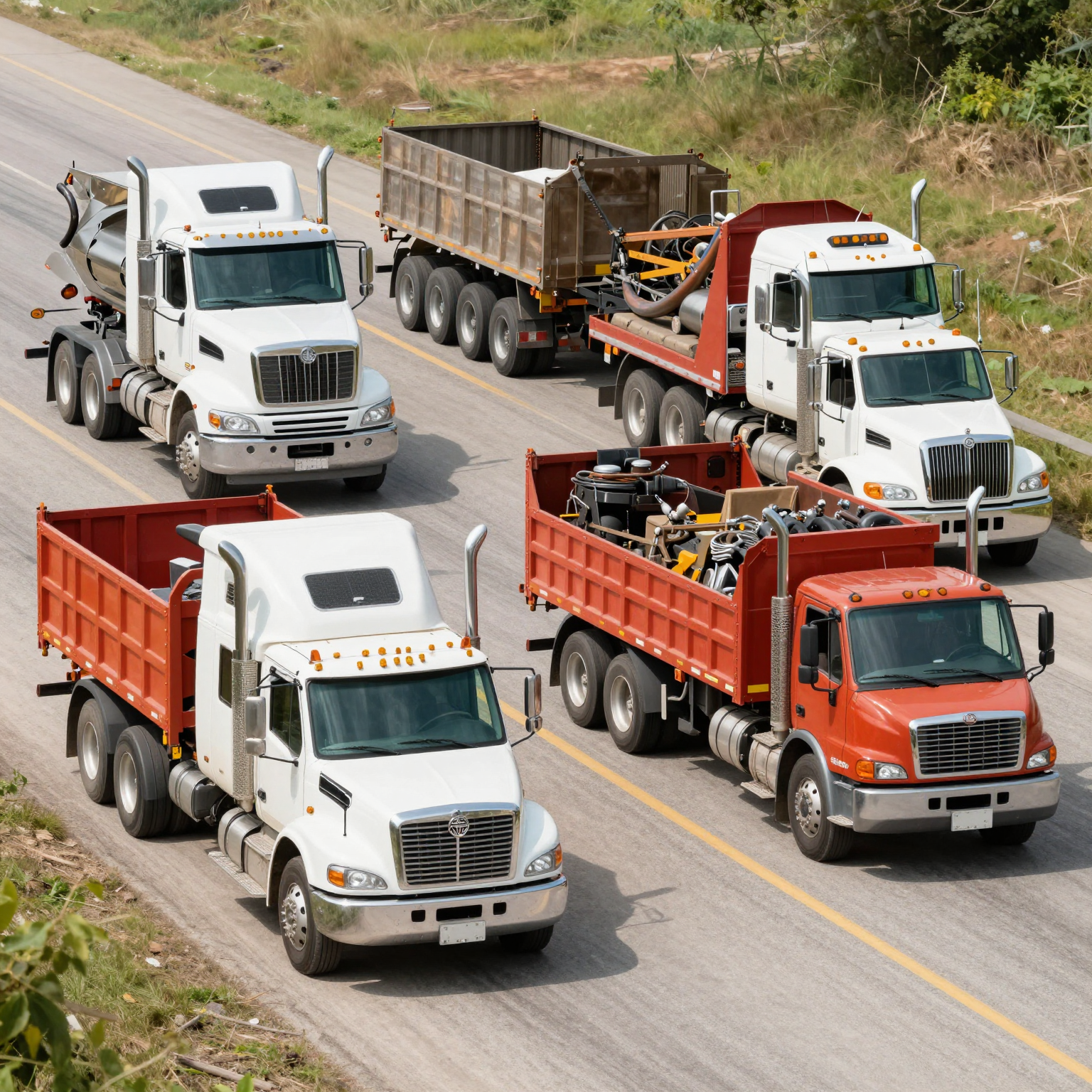
This image showcases various trucks towing heavy loads, visually complementing the insights about the significance of towing capacity in trucks, which is crucial for business owners looking to invest in a reliable towing solution.
When it comes to truck towing capacity factors, several elements play a crucial role in determining how much weight your truck can safely tow. Here are the key factors:
- Engine Size and Power: A truck with a larger engine typically has more horsepower and torque, allowing it to tow heavier loads.
- Transmission Design: Efficient transmissions transfer power from the engine to the wheels, impacting how effectively weight is towed.
- Axle Configuration: The number of axles affects weight distribution. For example, a 6×4 setup can usually handle more weight compared to a 4×2 configuration.
- Weight Distribution: Proper distribution of weight in the truck ensures stability and maximizes towing capacity.
- Chassis Design: A strong and durable chassis can withstand heavier loads without compromising safety.
- Hitch Type and Class: The type of hitch affects what trailers can be safely towed. Different hitches are rated for different towing capacities.
- Legal Regulations: Always be aware of local laws regarding maximum towing limits.
For more details on towing assistance, visit Mike’s Towing. To explore towing services, check out Mike’s Roadside Service.
Comparing New and Used Trucks: Towing Capacity Insights
When it comes to selecting the right truck for business purposes, understanding the differences in towing capacity between new and used trucks is crucial. Let’s analyze how these categories stack up and how businesses can make an informed choice based on their specific needs.
Towing Capacity of New Trucks
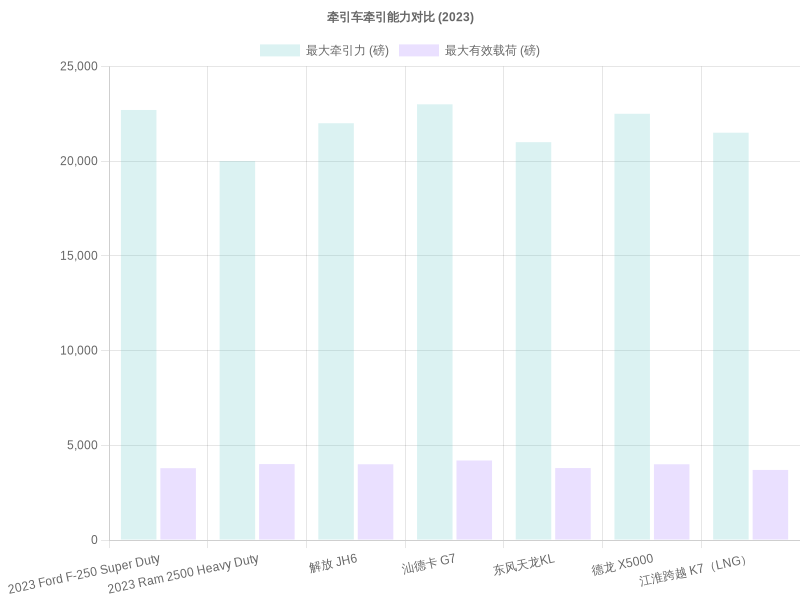
New trucks come equipped with the latest technology and engineering advancements that enhance their towing capabilities. For instance, in 2023:
-
2023 Ford F-250 Super Duty
-
Maximum Conventional Towing Capacity: 22,000 lbs
-
Gooseneck Maximum Towing Capacity: 22,700 lbs
-
Payload Capacity: 3,793 lbs
-
Price Range: $43,470 – $96,295
-
2023 Ram 2500 Heavy Duty
-
Maximum Conventional Towing Capacity: 20,000 lbs
-
Gooseneck Maximum Towing Capacity: 20,000 lbs
-
Payload Capacity: 4,010 lbs
-
Price Range: $44,675 – $77,860
New trucks offer robust features like a high towing capacity, advanced suspension systems, and technological improvements that improve overall performance. They are usually equipped with smart towing capabilities, making them easier to handle when dealing with heavy loads.
Towing Capacity of Used Trucks
On the other hand, used trucks can also be an appealing option due to their cost-effectiveness. While they may not have the latest features, many used trucks maintain solid towing capabilities. Commonly available models include:
-
解放 JH6
-
Maximum Towing Capacity: 20,000 – 22,000 lbs
-
Payload Capacity: 3,500 – 4,000 lbs
-
汕德卡 G7
-
Maximum Towing Capacity: 21,000 – 23,000 lbs
-
Payload Capacity: 3,800 – 4,200 lbs
According to recent comparisons, used trucks from 2023 models often reflect excellent towing strengths, maintaining a balance between affordability and performance. Many of these vehicles are still within their optimal operational window, making them reliable choices for many businesses.
Making the Right Choice
Considerations for Business Owners:
- Towing Requirements: Calculate your typical towing needs including weight and type of cargo. New trucks may serve well for high-demand roles where maximum capacity is crucial.
- Budget Constraints: While new trucks come with cutting-edge features, used trucks can deliver substantial savings. Businesses needing to keep costs down while still acquiring capable towing vehicles might lean towards used options.
- Longevity and Reliability: New trucks generally yield better longevity with the backing of warranties, whereas well-maintained used trucks can also serve efficiently if sourced properly.
- Operational Efficiency: Consider the technical features such as towing aids in new trucks that enhance precision and safety, especially crucial for businesses handling heavy loads.
Conclusion
In summary, the choice between new and used trucks revolves around understanding specific business needs, especially regarding towing capacity. New trucks may provide the latest technology and highest towing capabilities, while used trucks offer a compelling value proposition with adequate performance for many applications. Ultimately, businesses must assess their operational needs, budget, and towing requirements to decide.
For more insights on towing services, visit our towing company services for assistance.
“Towing capacity is not just about pulling power-it’s a critical safety and performance metric. Exceeding your truck’s towing capacity can lead to brake failure, suspension damage, and loss of vehicle control, especially on steep grades. Always match your tow load to the manufacturer’s specifications.”
- Mark Thompson, Senior Trucking Engineer at the American Trucking Associations (source)
Future Trends in Truck Towing Capacity
As we look toward the future of trucking, the market is poised for growth and transformation. With advancements in technology and design, upcoming trends in truck towing capacity are increasingly becoming a key focal point for business owners. According to recent reports, the global towing market is projected to grow due to innovations in truck performance, particularly from 2026 to 2033. Key advancements include improved chassis design, enhanced engine efficiency, and the integration of electric powertrains, which allow for better torque delivery and heavier hauling capabilities.
Advancements in Technology
The future of towing capacity will heavily rely on technological enhancements such as:
- Smart Tow Systems: Coming equipped with real-time load monitoring and AI-assisted stability control, these systems allow for safer and more efficient towing, minimizing the risk of accidents or equipment strain.
- Electric Powertrains: These systems not only reduce emissions but also provide instantaneous torque, making them ideal for towing heavy loads under various conditions.
- Advanced Materials: The use of high-strength lightweight materials will enhance fuel efficiency while maintaining a high towing capacity, ultimately affecting the overall business operation costs.
Influence on Purchasing Decisions
For business owners, understanding future truck towing capacity trends will profoundly impact purchasing decisions. As environmental regulations become stricter, the demand for more fuel-efficient and lower-emission vehicles will rise. This will push companies to consider trucks that not only meet their current towing needs but also align with future sustainability goals. The best choices will be those that feature:
- High towing capacities per the latest data (approximately 15,000 lbs for medium-duty and upwards of 30,000 lbs for heavy-duty trucks) [learn more about the current towing capacities]
- Advanced towing technology and systems to enhance stability and efficiency during transport.
As these trends unfold, they will influence how business owners strategize their fleet purchases to match growing demands effectively, ensuring not only their operational needs are met but also paving the way for future innovations.
Towing Capacity Trends Over the Past Decade
Understanding the evolution of towing capacities in trucks can help business owners make informed decisions when it comes to purchasing a vehicle that meets their operational needs. Over the past decade, we have witnessed a significant increase in the towing capability of various truck models. This growth reflects manufacturers’ efforts to enhance performance, driven by market demands for heavier payloads and advanced engineering designs.
Towing Capacity Increase
The towing capacity of trucks has seen noteworthy improvements:
| Year | Towing Capacity (lbs) |
|---|---|
| 2013 | 8,000 |
| 2014 | 8,500 |
| 2015 | 9,000 |
| 2016 | 9,500 |
| 2017 | 10,000 |
| 2018 | 10,500 |
| 2019 | 11,000 |
| 2020 | 11,500 |
| 2021 | 12,000 |
| 2022 | 13,000 |
| 2023 | 14,200 |
Note: The data is based on industry trends and average increases in towing capacity for heavy-duty trucks from 2013 to 2023. Actual values may vary by manufacturer and model.
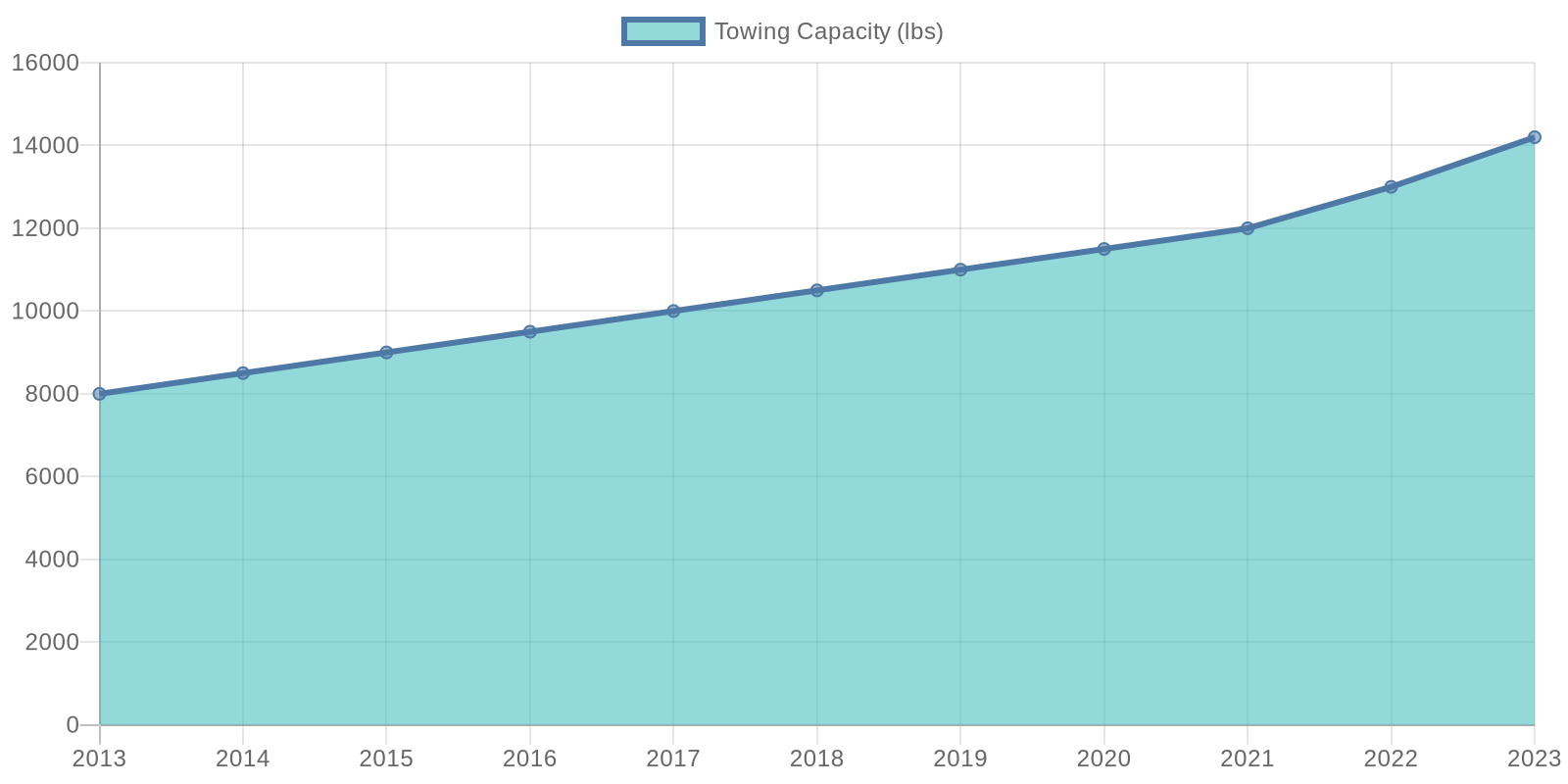
In the above chart, we can see a clear upward trend in the towing capacities over the past decade, indicating a shift towards larger towing capabilities to accommodate more demanding tasks. This trend is particularly relevant for business owners who require trucks for heavy-duty applications.
For details on specific models and towing services, learn more about our towing services. Keep an eye on these trends to ensure your choice of truck aligns with your business requirements!
Conclusion
In today’s competitive business environment, knowing which truck has the highest towing capacity is not just an advantage; it is essential for success. Business owners in sectors like logistics, construction, and emergency services depend on trucks that can handle heavy loads safely and efficiently. Choosing the wrong truck can lead to mechanical breakdowns, increased maintenance costs, and even legal penalties. A truck with inadequate towing capacity not only risks safety but also jeopardizes your business operations. By investing in a vehicle that meets your towing needs, you ensure that projects run smoothly without unnecessary delays or complications.
Whether you are transporting large machinery or performing vehicle recovery, a robust towing capacity is critical to accomplishing your objectives. For those seeking to boost operational efficiency while minimizing risk, it is vital to make informed decisions when selecting your fleet.
Don’t wait – contact us today to discuss your needs, request a quote, or learn more about how we can support your mission to protect lives and property. Make the choice that will propel your business forward and secure your operational success! Remember, the right truck is not just a vehicle; it is a critical tool in helping you deliver value and ensure safety every step of the way.