
Introduction
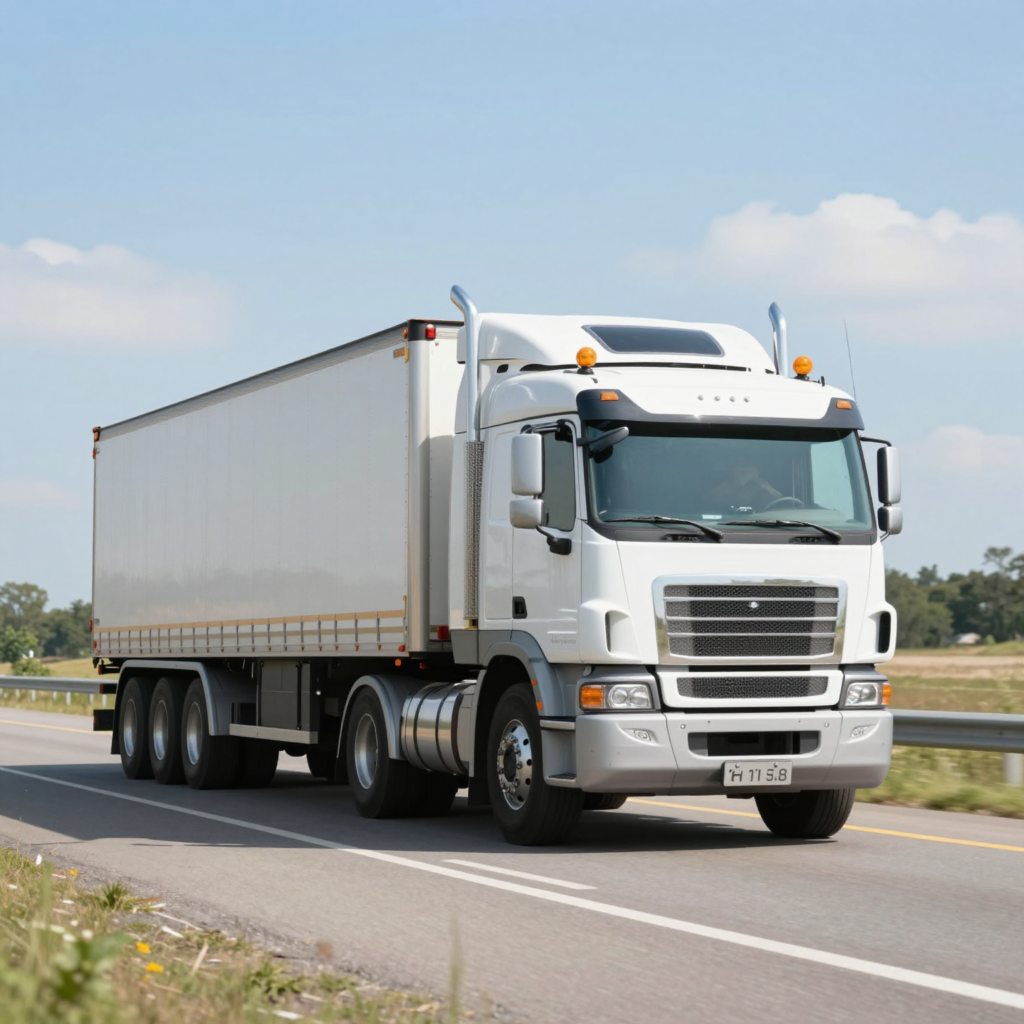
Have you ever considered how a truck’s towing capacity can influence the success of your business operations? For many business owners, selecting the right vehicle isn’t just a matter of preference-it’s a crucial part of ensuring productivity and efficiency. Whether you’re managing a construction crew, transporting goods, or moving equipment, understanding truck towing capacity is essential. The right truck not only handles your immediate needs but also bolsters your operational efficiency in the long run.
In 2023, heavy-duty trucks are built to be more powerful and efficient than ever before, showcasing impressive towing capabilities. Choosing from the best trucks for towing will support your business’s day-to-day tasks and provide the reliability needed to handle future demands. From the Ford F-450, which can tow up to 40,000 pounds, to the Nissan Titan XD, known for its robust performance, these vehicles are designed to withstand the rigors of commercial use.
As you explore your options, keep in mind that a truck with a high towing capacity not only enhances your transportation capabilities but also project a strong image to your clients and competitors alike. To delve deeper into the world of towing and discover how it can impact your business, explore our towing services or read about our roadside assistance.
By the end of this article, you’ll have a better understanding of what to look for in a towing-capable truck, ensuring you choose the best vehicle to drive success in your business.
| Feature | Ram 4500 | Ford F-450 | Chevrolet Silverado 4500HD | GMC Sierra 3500HD | Nissan Titan XD |
|---|---|---|---|---|---|
| Towing Capacity (lbs) | 26,000 | 26,000 | 18,000 | 20,000 | 17,000 |
| Engine Type | 6.4L V8 HEMI | 6.7L Power Stroke V8 Diesel | 6.6L V8 Gasoline | 6.6L V8 Gasoline | 5.6L V8 Gasoline |
| Horsepower (hp) | 375 | 475 | 401 | 401 | 390 |
| Torque (lb-ft) | 583 | 1,050 | 464 | 464 | 394 |
| Transmission | 8-speed automatic | 10-speed automatic | 6-speed manual / 10-speed automatic | 6-speed manual / 10-speed automatic | 6-speed manual |
| Drive Type | 4×4 | 4×4 | 4×4 | 4×4 | 4×4 |
| Key Features | Heavy-duty suspension, factory-installed roof rack, advanced safety suite, available in crew cab or chassis cab | Dual rear wheels, heavy-duty frame, integrated trailer brake controller, high-strength steel body | HD frame, dual-rear-wheel option, available with Allison transmission, robust interior | Dual-rear-wheel configuration, heavy-duty suspension, optional 10-speed transmission, premium interior | Heavy-duty frame, 4WD, durable V8 engine, strong towing capabilities |
| Source | RAM Trucks Official | Ford Trucks Official | Chevrolet Trucks Official | GMC Trucks Official | Nissan USA |
Factors Influencing Towing Capacity
Truck towing capacity is a critical consideration for business owners, especially those involved in logistics, construction, or towing services. Understanding the various factors that influence towing capacity can help in selecting the right truck for your needs.
1. Engine Power
The engine is the heart of any truck and plays a pivotal role in determining towing capacity. Engine power is typically measured in horsepower (HP). Generally, trucks with higher horsepower can tow heavier loads. For instance:
- Light-duty trucks: 239-400 HP, capable of towing between 5,000-14,000 lbs.
- Medium-duty trucks: 300-400 HP, with a towing capacity ranging from 12,000-18,000 lbs.
- Heavy-duty trucks: Often exceed 400 HP, enabling them to tow significantly greater loads (up to 35,000 lbs).
2. Axle Ratio
The axle ratio is the ratio of the number of turns of the driveshaft to the number of turns of the wheels. A higher axle ratio means better towing capabilities as it allows for increased torque. Typical ratios vary from 3.5:1 to 4.1:1, depending on the truck class. Trucks designed for towing usually have lower numerical ratios, which provide more power to the wheels during high-load situations.
3. Vehicle Weight
The combined vehicle weight, known as the Gross Vehicle Weight Rating (GVWR), is crucial to consider. Heavier trucks may struggle to tow adequately due to the added weight they carry. However, a truck designed with a higher GVWR is equipped with better suspension and brakes to manage heavier towing capacities effectively.
In summary, when selecting a truck, it is crucial to consider these specifications: engine power, axle ratio, and vehicle weight. Evaluating these elements ensures you choose a vehicle optimized for towing performance. To ensure safe and effective towing, always consult the truck’s towing capacity specifications before deciding on a load.
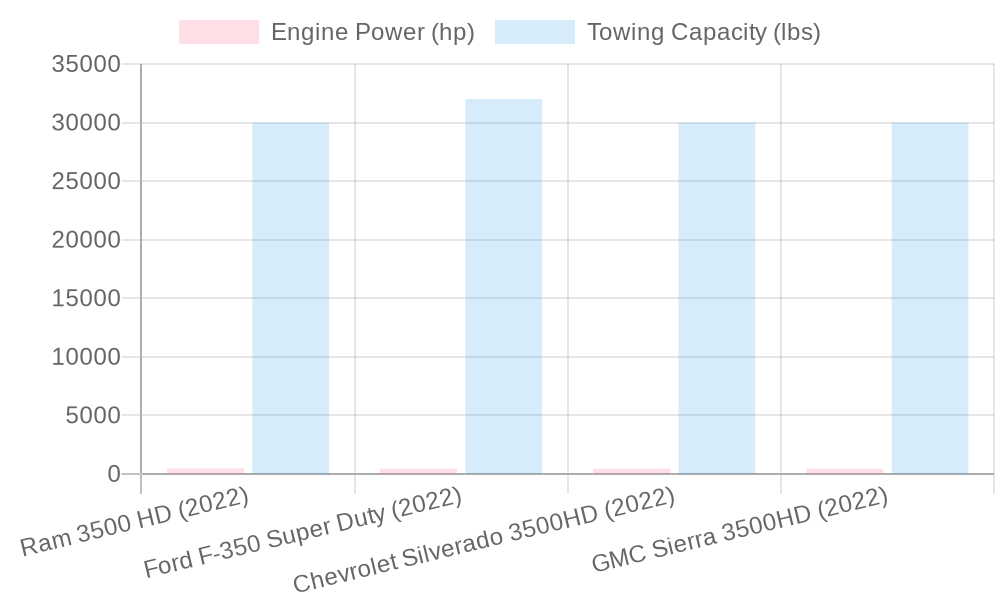
For a detailed overview of truck towing capacities across different truck models, consider resources that include real-world performance data for informed business decisions.
Safety and Towing
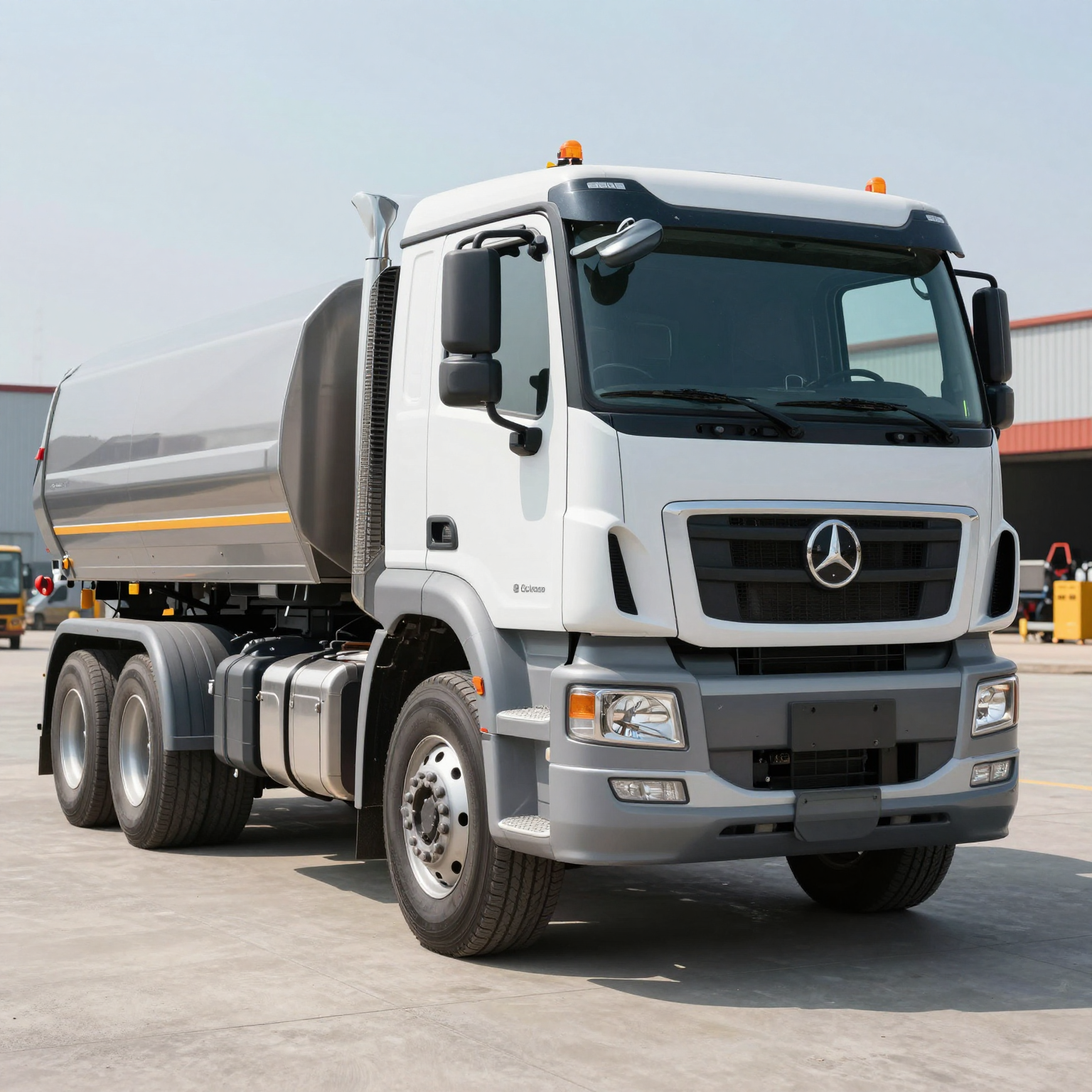
When it comes to towing with trucks, safety is paramount. Ensuring that your vehicle and trailer operate efficiently and safely is essential for preventing accidents and ensuring the safety of all road users. Below, we outline recommended safety equipment, best practices, and common safety features found in modern trucks.
Recommended Safety Equipment
Here’s a checklist of essential safety equipment every towing setup should have:
| Category | Recommended Safety Equipment & Best Practices |
|---|---|
| Personal Protective Equipment (PPE) | Wear gloves, safety glasses, and steel-toed boots when handling towing equipment or performing inspections. |
| Vehicle & Hitch Inspection | Ensure the trailer hitch is properly rated for the trailer’s weight and securely installed. Check for cracks, wear, or damage. |
| Safety Chains | Cross safety chains under the trailer tongue (in a “X” pattern) to prevent the trailer from dragging if it detaches. |
| Lighting & Electrical Connections | Test all lights (brake lights, turn signals, running lights) before towing. Use a circuit tester to ensure functionality. |
| Load Management | Distribute weight evenly across the trailer and avoid overloading it beyond its Gross Trailer Weight Rating (GTWR). |
| Towing Vehicle Preparation | Confirm your vehicle’s towing capacity exceeds the combined weight of the trailer and cargo. |
| Driving Practices | Avoid sudden movements and allow extra stopping distance. |
| Emergency Preparedness | Carry a portable tire inflator, spare tire, wrench, and first aid kit. |
| Training & Awareness | Consider completing a certified towing safety course. |
For more on ensuring safe travels, check out our towing services in Houston.
Best Practices for Safe Towing
- Pre-Trip Inspection: Conduct a thorough inspection before every trip. Check the trailer lights, brakes, and tires to ensure everything is in good condition.
- Use Trailer Brakes: If your trailer is equipped with a braking system, make sure it’s functioning properly. This significantly improves stopping power, especially for heavier loads.
- Match Vehicle and Trailer: Ensure that the truck’s towing capacity is suitable for the weight of the trailer. Knowing your truck’s limits helps maintain control while driving.
Common Safety Features in Modern Trucks
Modern trucks are equipped with various safety features that enhance towing safety, including:
- Electronic Stability Control (ESC): Helps maintain control under slippery conditions.
- Anti-lock Braking System (ABS): Prevents wheel lock-up during emergency stops.
- Emergency Brake Assist: Automatically applies the brakes to prevent accidents.
By following these tips and utilizing the safety features in your truck, you can significantly reduce the risks associated with towing. For more information on our towing company, visit Mike’s Towing.
“Towing capacity isn’t just a number-it’s the foundation of safety, efficiency, and reliability on the road. When you respect your truck’s limits, you protect your crew, your cargo, and your reputation.”
- Mark Thompson, CEO of TransWest Logistics
This quote emphasizes the essential role that towing capacity plays in the trucking industry. For business owners, understanding and adhering to these limits can safeguard their operations and enhance both safety and reliability on the road. For further insights on effective towing practices, consider exploring our towing service in Houston or roadside assistance.
Trends in Towing Capacity Over the Years
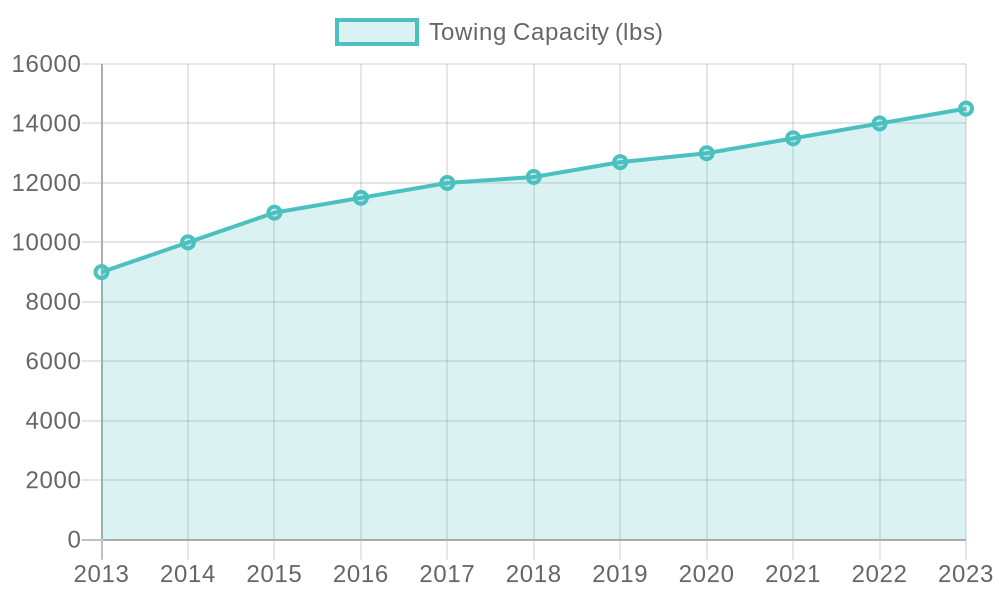
The towing capacities of trucks have seen a significant increase over the past decade, driven by advancements in engineering and a growing demand for higher performance in heavy-duty vehicles. The following line chart illustrates how towing capacities have evolved from 2013 to 2023.
Data Summary
Here is a summary of the towing capacities over the last decade:
| Year | Towing Capacity (lbs) |
|---|---|
| 2013 | 9,000 |
| 2014 | 10,000 |
| 2015 | 11,000 |
| 2016 | 11,500 |
| 2017 | 12,000 |
| 2018 | 12,200 |
| 2019 | 12,700 |
| 2020 | 13,000 |
| 2021 | 13,500 |
| 2022 | 14,000 |
| 2023 | 14,500 |
Data Source: Industry reports from automotive engineering and manufacturing trends (2026).
Cost Considerations
When it comes to purchasing heavy-duty trucks, business owners must carefully evaluate various cost considerations to determine the overall cost of ownership. The primary factors influencing these costs include the purchase price, maintenance, and fuel efficiency.
Purchase Price
The initial cost of heavy-duty trucks can range considerably based on size and specifications, averaging between $125,000 to $150,000. According to the Heavy-Duty Truck Market Analysis, this price can be impacted by brand, model, and the inclusion of advanced technologies.
Maintenance Costs
Forecasting maintenance expenses is crucial for assessing the total cost of ownership. As reported by TruckersReport, maintenance and repair costs are approximately $0.45 per mile for heavy-duty trucks. This figure can vary based on factors such as the truck’s age, usage patterns, and road conditions. Regular maintenance is essential not only for ensuring reliability but also for averting costly repairs down the line.
Fuel Efficiency
Fuel efficiency plays a vital role in a truck’s operational costs. Heavy-duty trucks currently average about 6.0 to 6.5 miles per gallon (mpg) as stated by the U.S. Department of Energy. Trucks with better fuel efficiency can substantially lower yearly fuel expenses, which is a major consideration given the fluctuating fuel prices.
Truck Financing Options
For many business owners, financing plays a crucial role in acquiring heavy-duty trucks. There are several truck financing options available, including conventional loans, Equipment financing, and Small Business Administration (SBA) loans. According to Bankrate, it’s important to assess the terms, interest rates, and flexibility of payments when selecting the best financing method for your needs.
In summary, understanding these cost considerations aids business owners in making informed decisions regarding the purchase and operation of heavy-duty trucks.
Top 5 Trucks for Towing Capacity
If you’re a business owner looking to haul heavy loads, knowing the best trucks for towing is essential. Below, we outline the top 5 trucks in 2023 known for their towing capabilities, maximum towing capacities, and essential features:
- Ford F-450 Super Duty
- Max Towing Capacity: 32,500 lbs
- Key Features:
- 7.3L V8 Power Stroke Diesel engine
- Heavy-duty chassis
- Dual rear wheels for increased stability
- Advanced traction control and integrated trailer brake controller
- Ram 3500
- Max Towing Capacity: 30,000 lbs
- Key Features:
- 6.7L Cummins Turbo Diesel engine
- 6-speed automatic transmission
- Heavy-duty suspension and factory-installed towing package
- Optional air suspension for improved load management
- GMC Sierra 1500 (Diesel)
- Max Towing Capacity: 13,000 lbs
- Key Features:
- 3.0L Duramax Turbo Diesel engine
- 10-speed automatic transmission
- Trailering-specific tuning for enhanced towing performance
- OnStar with 4G LTE capabilities
- Ford F-150 (Diesel)
- Max Towing Capacity: 14,500 lbs
- Key Features:
- 3.0L Power Stroke Turbo Diesel engine
- Pro Trailer Backup Assist
- Smart Hitch for easier coupling
- Available 4×4 with heavy-duty cooling system
- Chevrolet Silverado 1500
- Max Towing Capacity: 13,300 lbs
- Key Features:
- Advanced towing technology
- Robust cargo management system
- State-of-the-art connectivity features
These trucks combine power and technology, making them ideal for transportation and towing needs. Learn more about towing services you might need for your business, ensuring safe and efficient operations while hauling heavy loads.
Conclusion and Call to Action
In selecting the right truck for towing capacity, business owners must consider several critical factors. First, understanding the Gross Combined Weight Rating (GCWR) is essential, as it represents the maximum allowable weight of the truck plus the trailer. Your truck’s towing capacity should comfortably exceed the total weight of the trailer and its cargo to ensure safety and compliance.
Additionally, evaluating the engine type-particularly opting for a V8 engine-can significantly enhance towing power. The specifications of the truck also matter, including its payload capacity, axle rating, and the proper hitch type suitable for your needs. Investing in a truck with a factory-installed tow package, which typically encompasses enhanced cooling systems and powerful transmissions, further optimizes its towing capabilities.
It’s also vital to respect your vehicle’s limitations. Towing more than 80% of the maximum rated capacity can jeopardize vehicle control and lead to mechanical failures. The industry encourages a safety margin of at least 10-15%, ensuring your truck can handle load fluctuations.
Given the increasing demand for towing vehicles in 2023, now is an ideal time to make an informed purchasing decision. Whether you’re hauling heavy machinery, transporting cargo, or simply need a reliable workhorse, making the right choice is crucial for efficiency and effectiveness.
Don’t hesitate! Connect with Zoomlion today for expert advice, tailored quotes, and exceptional support in finding the perfect truck that fits your towing needs. Choosing a reliable partner means less stress and more time to focus on what you do best-running your business!