
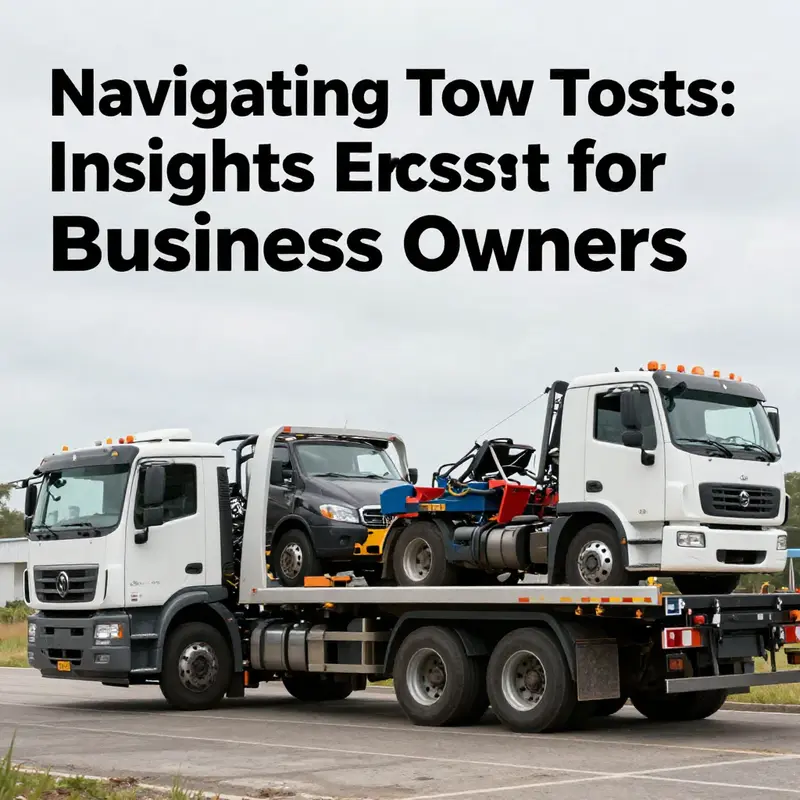
For business owners relying on trucks for daily operations, understanding the costs associated with towing can be crucial. Whether it’s a small delivery vehicle or a heavy-duty truck, the expenses can vary greatly. Factors such as vehicle classification and pricing structures, external influences on service fees, and strategies for reducing costs all contribute to the overall towing experience. This guide will help you navigate these complexities, ensuring you have the information needed to make informed decisions regarding towing services.
Tow Costs Demystified: Reading the Numbers Behind Truck Towing Fees
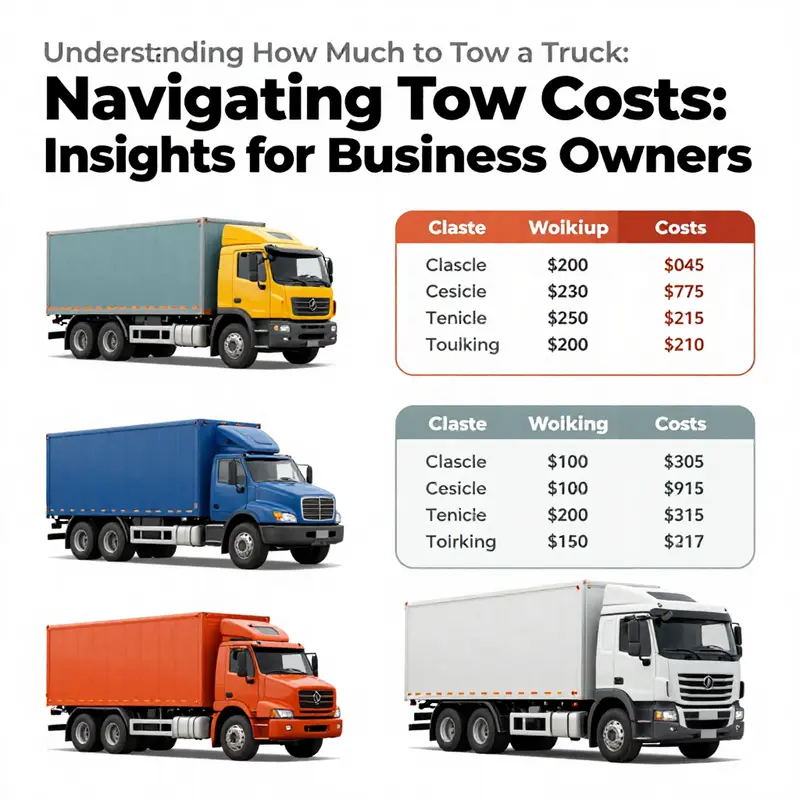
When you ask how much to tow a truck, you are really asking about a chain of decisions, not a single price. The final bill depends on the vehicle’s size and weight, how far it must travel, where you’re located, what time of day you call, and whether any extra services are needed to move the truck safely. The thread that ties all of these factors together is the notion of vehicle classification. Towing companies group trucks by weight and dimensions, because a heavier vehicle requires different equipment, more labor, and more fuel to move. In everyday terms, a small pickup will ride on a lighter setup than a large commercial rig, and a semi will demand an entirely different operation than a compact SUV. In practice, many providers use a rating system based on the vehicle’s gross vehicle weight rating, or GVWR, to estimate labor, fuel, and equipment needs. That single measure helps a tow operator translate a complex scene—wrenches, winches, wheel lifts, and cranes—into a price that can be communicated before the truck ever leaves the curb. The result is a pricing ladder that starts with a base charge and then climbs with distance and demand, much like a meter running as the miles accumulate and the work intensifies. The numbers from one large market illustrate how this works in concrete terms. For smaller Class I vehicles, the base fee for the first 10 kilometers typically sits in a range around ¥260 to ¥280. If the tow continues beyond that initial segment, the price commonly adds roughly ¥15 to ¥27 for each additional kilometer. A simple example helps: tow a small pickup 15 kilometers, and the cost may be around ¥280 plus 5 kilometers at ¥15 per kilometer, totaling about ¥355. Medium-sized Class II trucks follow a higher starting point, with a base around ¥350 to ¥380 for the first 10 kilometers, and then roughly ¥20 per extra kilometer. A 20-kilometer tow might land near ¥580. Large Class III trucks push the base to about ¥400 to ¥450, with subsequent kilometers priced around ¥22 each. A 25-kilometer haul might hover near ¥780. When the vehicle grows to heavy-duty Class IV or V status, the base rises again to the neighborhood of ¥500 to ¥580 for the first 10 kilometers, with additional distance at about ¥25 to ¥27 per kilometer. A 30-kilometer tow of such a vehicle could reach roughly ¥1,100. These base structures are not universal, though; they illustrate how the scale shifts with the truck, and they also reflect regional variation. One region may price a 7-seat car—the practical analogue for a small truck—quite differently from another. A guide in one province might show a base of ¥260 for the first 10 kilometers, while another province could set base fees anywhere from ¥350 to ¥850 for the same distance, with extra mile charges that can run up to ¥35 per kilometer beyond 10 kilometers. The difference is not just about the truck’s size; it’s about the operator’s costs, local competition, and the accessibility of the scene. Beyond the base price, the total can be stretched by a handful of factors that are easy to overlook at first glance. Time of service is a big one: after-hours work, nighttime hours, or holiday periods can push the bill up by roughly 30% to 50%. If the truck is carrying hazardous materials, there is often a surcharge—commonly around 10%—because the operator must follow stricter safety protocols and handling procedures. If a crane or winch is required to flip an overturned load or lift a stubborn vehicle, that is typically billed separately, and it can approach half of the core towing fee in certain scenarios. Long-distance or cross-regional towing brings its own premium, reflecting added fuel, driver time, and complex logistics. Location matters, too. Urban areas with dense traffic and higher operating costs tend to command higher rates than rural regions, and the same distance might be priced differently depending on the terrain, road access, and local regulations. In practice, a driver facing a tow in Guangdong might experience a different pricing curve than a driver in Shanxi, even if the distance is identical. These dynamics are why many experts advise treating towing quotes as a negotiation rather than a single, fixed number. To prevent surprises, there are practical steps you can take before you commit to a service. First, check whether your auto insurance includes roadside assistance or towing benefits. Many policies offer a certain number of miles free or discounted towing, which can make a substantial difference if you need a longer haul. Second, favor government-approved or licensed towing providers, which are required to display pricing transparently in many jurisdictions. Third, if time allows, obtain multiple quotes. A quick online calculator or a written estimate can help you compare apples to apples rather than chasing the lowest base price and discovering costly extras later. When you are weighing options, a transparent quote is worth more than a rock-bottom number. For those who want a straightforward path to price transparency, some providers maintain online calculators that factor in vehicle type, distance, and special services. If you’re curious about a local option that emphasizes clarity and response readiness, you can explore the service listed under Mikes Roadside Service as a representative example. Mikes Roadside Service. While the exact figures will still depend on the specific situation, this approach steers you toward a realistic expectation and away from guesswork. In addition to local quotes, it is helpful to keep one external reference in mind as you plan, especially for broader guidelines. The American Automobile Association (AAA) maintains comprehensive resources on towing procedures, cost estimation, and best practices for both consumers and service providers. For a broader context and safety-oriented framework, you can consult AAA’s towing services guidance: https://www.aaa.com/autocare/towing-services/what-to-expect-when-you-need-towing. This external resource offers a structured view of what to expect when you need a tow, how professionals handle different vehicle classes, and how to interpret charges in a fair, transparent way. In the end, the price you pay to tow a truck boils down to a combination of size, distance, timing, and service needs. Knowing the classification system helps you understand why a heavy-duty carrier costs more than a compact pickup, and why a short urban tow might be cheaper than a long rural haul. The more you can quantify each element before you call, the better your chance of locking in a fair price and avoiding surprises when the truck is finally loaded and on its way. As you prepare, keep the focus on clarity, not just cost. With the right questions and a few informed quotes, you can navigate the towing landscape with confidence and get the service you need at a price that reflects the work involved, the risks managed, and the distance traveled.
Tow by the Mile: How Distance, Size, and Circumstances Shape the Cost of Moving a Truck
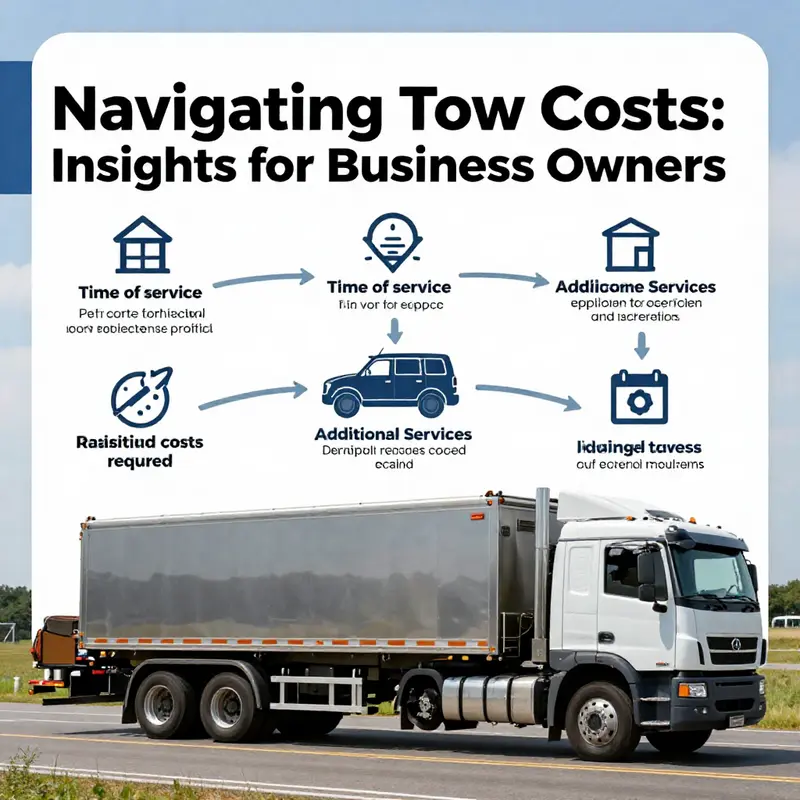
When a truck is stranded, the immediate question is not only whether you can get it moving, but what the bill will look like. The price to tow a truck is not a single number stamped on a sign; it is a moving equation that changes with distance, vehicle size, time, terrain, and the services required to complete the job safely. Understanding the core factors can turn anxiety into a practical plan, especially when you need to compare quotes quickly or decide when to schedule a tow to minimize costs.
Distance drives the most visible portion of the bill. Most tow operators start with a base fee, sometimes called a hook-up charge, and then add a per-mile (or per-kilometer) rate. The longer the truck must be moved, the more fuel the tow truck will burn, the more time the driver spends behind the wheel, and the greater the wear on expensive equipment. Practically, a tow that runs across town will feel different from a cross-regional relocation, even if the mechanics of hooking up the vehicle appear similar at first glance. If the destination is a repair shop, a transport yard, or a destination out of state, the base grows if the distance grows, and the trip becomes a test of the operator’s logistics as well as your patience.
The size and weight of the truck are another fundamental lever. Small Class I pickups or light commercial vans demand less powerful gear and fewer crew hours than mid-size Class II rigs or heavy-duty Class III and IV vehicles. The equipment used matters: flatbeds are gentler on a damaged or disabled chassis, while wheel-lift or classic wrecker setups require different handling and, often, more specialized manpower. In real terms, what starts as a modest tow for a compact truck can mushroom into a much larger bill for a heavy-duty tow when the vehicle’s weight demands a bigger rig, more robust chains, stronger winching, and sometimes a second operator to manage stability and safety during the move. A practical rule of thumb is that the more the truck exceeds the size of a typical passenger vehicle, the more you should expect to pay, because the job triggers more complex logistics and risk management.
Time of service matters just as much as the distance and the mass. Night hours, weekends, and holiday demand create what the industry often calls a rush fee. A typical premium range runs roughly from a third to nearly a half more than daytime service, reflecting the difficulty of scheduling staff, the increased risk of incidents after dark, and the challenge of getting a crew to respond quickly. That premium is especially noticeable on remote nights when weather or traffic conditions complicate the operation. If the concern includes hazardous materials or other special loading conditions, you should also expect a small surcharge on top of the standard rate, reflecting the extra precautions and regulatory responsibilities that come with handling those cargos.
Site conditions and access can push the price up even more. A truck stuck on a narrow hillside road, in soft ground, or inside a fenced yard can require additional personnel, extra time, and sometimes off-site maneuvering to achieve a safe lift. If the pickup site is on rough terrain, in a construction zone, or in a location with limited space, the crew may have to expend greater effort to set up equipment, stabilize the truck, and protect surrounding property. In such cases, operators may apply an access surcharge or a labor premium that adds a significant percentage to the base tow. Conversely, a straightforward backyard jump or a clear, level highway pull tends to stay closer to the standard rate, all else being equal.
The method of towing itself shapes the cost in meaningful ways. Flatbed towing, which transports the whole vehicle on a bed, is usually the least invasive for the truck and is preferred for damaged or non-operational vehicles. It requires specialized equipment and secure loading, which can add to the base price but often reduces risk for the vehicle. Wrecker towing, where the truck is towed with wheels on the ground, is common when the vehicle can still roll but may require more careful attachment and stabilization. Winch towing is used when a vehicle is stuck off the road, in mud, or otherwise inaccessible, and it can be more labor-intensive due to the extra pulling and recovery steps. Each method affects not only the equipment and labor costs but also the risk profile, which in turn influences the final quotation the operator provides. It is worth asking how the chosen method aligns with the truck’s condition and the destination’s requirements, since a mismatch can quietly inflate the bill through unexpected handling fees.
Geography remains a quiet but powerful factor. Urban centers with higher living costs, dense traffic, and stricter licensing regimes tend to push towing prices upward. Rural areas, while potentially offering lower rates, can introduce longer response times and occasional travel costs that still add up if the job spans a long distance. Some regions impose legal caps or specific fee schedules that can shape the final price, particularly for common carrier-type towing or regulated roadside assistance. The regional price environment means that the same nominal service can look very different depending on where you are calling from, which is why a quick, local quote is never a bad idea before you commit.
The quality and reliability of the service provider also matter. Licensed, insured operators with modern fleets may charge more, but they bring transparency, accountability, and protection for both vehicle and owner. Reputable firms are more likely to display clear pricing, provide a written estimate, and honor it, reducing the risk of surprise charges after the tow is complete. In contrast, less regulated or informal operators may quote aggressively over the phone and then add a la carte fees at the end. The safest approach is to seek clear, itemized estimates and verify the operator’s credentials before agreeing to a tow. If you want a local, well-regarded option to compare quotes, you can explore nearby services such as Mikes Towing. Mikes Towing.
Together, these elements create a practical framework for estimating the cost of tow work before the technician arrives. A prudent plan is to ask for a written estimate that breaks down the base hook-up, distance charges, time premiums, access surcharges, and any special handling fees. If you anticipate cross-border or cross-regional transfer, request a price that considers fuel, driver time, and possible overnight accommodations for crew. And remember that the most accurate numbers will come from direct conversations with local providers who can review the specific truck, the exact location, and the intended destination. If you’re trying to manage costs, consider coordinating with your insurer, as many policies include roadside assistance with defined limits; some cover certain distances free of charge or at a discounted rate, depending on the policy.
For readers seeking a broader context, external resources offer frameworks that complement the guide above. An authoritative overview can be found at NAAC, which discusses the factors driving towing costs and the importance of transparent pricing in the industry. https://www.naac.org/towing-cost-factors
Tow Smart, Pay Less: Practical Strategies for Reducing Truck Towing Costs
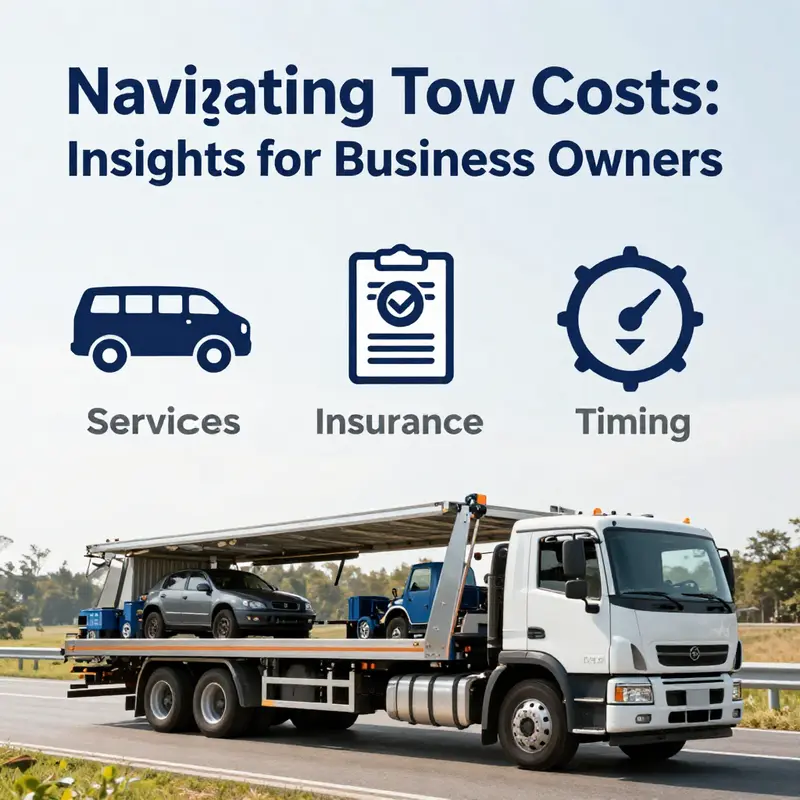
When a tow is necessary, the instinct is to move quickly. Yet the cost landscape for towing can be understood and negotiated to save money. Towing fees are not a single fixed charge; they vary with vehicle class, distance, timing, location, and the specifics of the job. Base fees for small trucks are usually lower than for heavy-duty equipment, and longer trips or overnight requests typically incur surcharges. Viewing the price as a pattern rather than a single number helps you plan and compare options.
Beyond the base, expect additional charges for night or weekend service, holidays, and special handling. If the vehicle has flipped, requires crane or winch work, or needs extra staging to unload, those services are often billed separately and can add a meaningful amount to the final bill. Regionally, local labor rates and fuel costs shift prices as well. The farther the vehicle must travel to reach a repair facility, the larger the distance-based portion of the bill.
To reduce costs, start by collecting multiple quotes and demanding a line-item breakdown that shows base fee, per-kilometer charges, dispatch fees, fuel surcharges, and any after-hours premiums. A transparent quote makes it easier to compare apples to apples and spot discrepancies. If possible, ask for the shortest viable route to a nearby repair facility or a tow-friendly location. Some providers offer a hook-and-roll option that limits charges to the towing portion if the vehicle can reach a nearby shop safely.
Distance is typically the largest driver of cost, so routing to a nearer, capable facility can save money while preserving safety. If time and safety permit, discuss with the provider to use the closest feasible destination rather than the farthest. In many cases, telling the dispatcher about the vehicle condition and the intended repair path helps align expectations and prevent overestimation.
Timing also matters. Midday on weekdays is often cheaper than late night or holiday periods when demand for tow trucks spikes. If you have a window to plan, placing the request during a lull can translate into meaningful savings, though urgent situations may not allow for this, of course.
Insurance matters, too. Some auto policies include roadside assistance with mileage limits, which can cover all or part of a tow. If such coverage exists, it can reduce or eliminate out-of-pocket costs, especially if you follow the provider’s preferred network. Even without policy protection, some insurers partner with nationwide or regional providers that offer member discounts.
For fleets or regular incidents, consider a pre-arranged service agreement. These contracts lock in more favorable rates, provide predictable pricing, and can improve response times. The trade-off is a commitment that rewards volume, so frequent users are often better positioned to negotiate favorable terms.
Finally, beware of hidden fees and insist on a written estimate before service begins. Dispatch fees, surcharges, and after-hours premiums are common ways costs creep upward if not disclosed. If a company cannot provide a clear itemized quote, shop elsewhere. The right approach blends diligence with flexibility: compare quotes, minimize unnecessary distance, time the request, and verify every line item before you sign.
Connecting with reliable roadside support in your area can further aid cost-control. Look for providers known for transparent pricing and clear communication, and ask about any available discounts for your policy, fleet status, or membership programs. A thoughtful, prepared approach is the best way to balance safety and savings when you need a tow.
Final thoughts
Understanding the costs associated with towing trucks is essential for business owners. By recognizing how vehicle classification affects pricing, being aware of the various factors that can increase costs, and applying effective strategies to minimize expenses, businesses can manage their towing needs more effectively. A proactive approach ensures that you maintain operational efficiency and reduce unexpected financial burdens related to towing services.