
For business owners who rely on towing capabilities, choosing the right truck is pivotal. The right vehicle not only enhances operational efficiency but also ensures safety and compliance with towing regulations. Whether you’re hauling heavy equipment, trailers, or other vehicles, understanding the features that contribute to towing effectiveness is essential. This guide provides in-depth insights into the best trucks tailored for heavy-duty tasks as well as those suitable for family-oriented usage, giving you the knowledge needed to make an informed decision.
Harnessing Extreme Tow Power: A Real-World Guide to Heavy-Duty Trucks for Maximum Towing
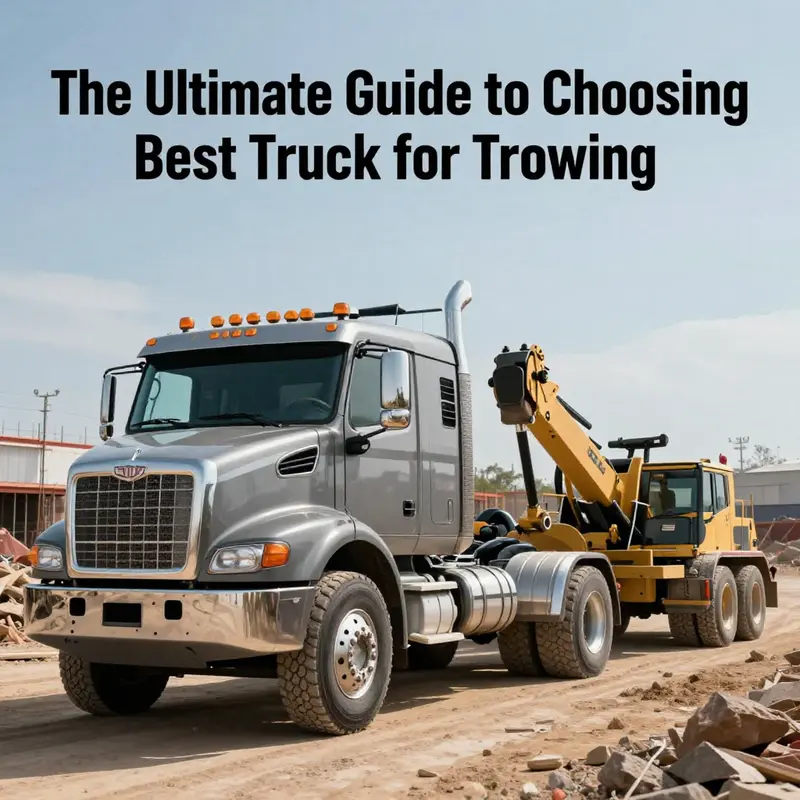
When you begin to plan for heavy towing, you quickly learn that raw horsepower matters far less than how that power is delivered, managed, and harnessed through the whole truck-trailer system. The best heavy-tow rigs are built around a core truth: torque wins when the road gets steep, wind presses from the side, and the trailer acts like a weathered sail. In practical terms, that means a high-torque engine that can deliver gutsy pulling power at low revs, a rigid yet forgiving frame that resists flex when you’re hauling a burden that could bend a lighter chassis, and a transmission tuned to keep the momentum steady rather than hunting gears while the trailer nose rises or yaw occurs in gusts. It also means a comprehensive towing package that does more than check a box. Integrated trailer brake control, sway management, and a hitch that maintains weight distribution under dynamic loads all play a part in turning a potential backfire into a confident pull.
Within this heavy-tow landscape, the upper echelon of trucks can approach some monumental figures when configured properly. In the heaviest configurations, towing capacities can reach the upper thirties of thousands of pounds. Imagine a setup where the vehicle and trailer together form a controlled mass that requires precise braking, thoughtful gearing, and a chassis built to resist the daily grind of commercial use, off-road work sites, or long-distance freight hauls. These are not shopping compromises; they are purpose-built solutions for the rare, demanding cases—when a single heavy trailer or equipment load must be moved with a rhythm that feels almost surgical rather than brute-force. Yet even as the numbers loom large, the real measure of capability lies in how the truck behaves under load: how the engine’s torque is delivered, how quickly the brakes respond, how well the trailer stays in line when a crosswind sweeps across the highway, and how predictable the handling remains as speed varies on long, open stretches or winding climbs.
Among the most capable options in this category, the core advantages are clear: a turbocharged or turbo-diesel engine that produces strong torque at low rpm, a drivetrain designed to handle sustained high load with minimal heat buildup, and a chassis that keeps the truck steady while the heavy trailer pulls. A high-torque diesel powerplant, paired with a heavy-duty automatic transmission and a carefully chosen axle ratio, creates the foundation for impressive towing performance. The axle ratio matters because it defines how aggressively the engine’s torque is multiplied at the wheels, translating to either quicker launch or more steady pulling at highway speeds. In addition, the availability of a factory-installed trailer brake controller and an integrated sway control system helps keep the entire combination on an even keel when braking is required without warning, or when a gust shifts the trailer’s direction mid-stroke.
But power and stability alone don’t tell the full story. Real strength in heavy towing also comes from the vehicle’s ability to manage weight and distribution. The payload capacity of the truck, the weight of the trailer tongue, and the towing configuration all interact in complex ways. A truck that can haul a heavy load with a generous payload rating is better prepared to handle occasional miscalculations along the way, such as a fuller fuel tank or extra cargo in the bed, which shift weight toward the front axle and improve overall balance. Conversely, a truck with limited payload capacity may feel overburdened, causing the rear suspension to sag and the trailer to wag more readily at modest changes in speed or direction. In practice, the driver’s sense of control grows when the truck’s engineering aligns with the load’s realities rather than simply advertising maximum numbers.
The landscape also includes a spectrum of conditions that test a heavy-tow setup differently. Long hills demand sustained torque, steady engine cooling, and a transmission that can hold a gear to prevent surge and drop in speed. Two-lane mountain passes with headwinds and tight curves demand precise steering and trailer-tracking stability. A gusting crosswind on a wide highway requires robust sway control and a suspension that resists a nervous wag from the trailer. In these moments, the best heavy-tow rigs reveal themselves not in a brief straight-line pull but in the quiet confidence with which they hold a heavy trailer in its lane. That is the defining characteristic of a truly capable towing machine: the ability to maintain a controlled cadence, even when the weight you’re pulling feels like a moving wall rather than a simple load.
Choosing the right heavy-tow truck also hinges on the practical realities of ownership and daily driving. A vehicle designed for maximum towing must still serve well as a daily workhorse or family vehicle, depending on the user’s needs. The best of these trucks balance utility with comfort, onboard technology, and the ability to navigate urban environments without turning every trip into a test of endurance. For many buyers, the ideal heavy-tow rig is the one that marries a high towing ceiling with a civilized ride, modern safety tech, and durable construction that can survive regular use around work sites, on long trips, and during off-duty adventures. In other words, the most capable option is not simply the one with the highest theoretical weight limit; it is the one that remains controllable, predictable, and cost-effective across a broad range of real-world scenarios.
From a decision-making perspective, the key considerations move beyond the peak numbers and into the realm of configuration and capability alignment. The right engine type matters more than the badge on the tailgate. A high-torque turbo-diesel or a similarly torquey powerplant will typically offer the strongest low-end pulling force and consistent power through steep grades. The transmission must be robust enough to handle repeated, heavy-duty shifts without overheating. An aggressive axle ratio helps maintain momentum on climbs, while a carefully engineered towing package ensures that the necessary braking, sway control, and hitch support are not add-ons but integrated features designed to work in harmony with the vehicle’s fundamental powertrain and chassis architecture. The behavior of the brakes—especially when the trailer is demanding extra stopping power—becomes a critical safety metric. And because the legal landscape for towing varies by region, it is essential to understand not only the vehicle’s raw capability but also the limits imposed by road rules, trailer brakes, and mass restrictions. In some regions, legal limits on the combined weight of tow vehicle plus trailer can be quite conservative, underscoring why prudent planning and accurate weight measurements are indispensable for any heavy-tow operation.
Within this framework, the heavy-duty category also interacts with other segments of the market in telling ways. For those who encounter frequent, very heavy towing jobs, a diesel-powered setup with a reinforced frame, heavy payload capacity, and a well-integrated trailer system offers the most reliable combination of sustained torque, control, and durability. At the same time, buyers who need to tow large but less extreme loads—such as large campers or substantial work trailers—benefit from a different sweet spot: a strong gasoline or hybrid-turbo engine paired with a robust six- or eight-speed transmission and a well-thought-out tow package that delivers a balanced blend of power, efficiency, and comfort. Electric options are beginning to enter the heavy-tow arena as well, bringing immediate torque and simplified maintenance into the conversation. While early offerings can tow substantial loads, the broader adoption will require continued advances in battery technology, weight distribution, and cooling solutions to sustain tows over longer trips and in demanding climates.
All of these considerations underscore a central point: the best heavy-tow choice is highly contextual. It depends on the expected trailer weight, the typical terrain, the driver’s tolerance for ride harshness, and the willingness to accept maintenance and operating costs that come with top-tier capability. It also depends on the support ecosystem—the ability to access parts, service, and knowledgeable technicians who understand heavy towing dynamics. In regions where the towing goal includes commercial or construction-related tasks, the importance of a durable, purpose-built setup cannot be overstated. The investment in a properly configured heavy-tow vehicle is justified by steady performance, predictable handling, and the confidence that comes from knowing the system has been designed to cope with heavy, recurring demands rather than occasional, optimistic pulls on a weekend excursion.
For readers seeking practical steps, consider how your typical loads align with the system’s strengths. Start with a realistic trailer weight and calculate your tongue and payload. Examine the towing package contents: a trailer brake controller, sway control, and a hitch system that preserves weight distribution. Confirm the axle ratio suits your expected speeds and gradients. Inspect cooling systems, transmission heat management, and the availability of driver-assist features that contribute to trailer control. Above all, test the complete package in conditions that mirror your normal use—gradients, wind, and traffic so you can experience how the truck will feel when it truly matters. If you’re planning on towing heavy loads near or beyond the upper limits, a professional appraisal of your needs and a verified configuration become not just prudent but essential. For those who want local guidance on towing logistics and services, you can explore options such as Truck towing Houston, which offers practical support for heavy-duty towing scenarios and on-site guidance.
In closing, the path to finding the best heavy-tow truck is less about chasing the number on a spec sheet and more about aligning engine torque, drivetrain resilience, and trailer-management technology with your real-world tasks. The strongest performers do not simply claim power; they translate it into controlled, repeatable performance. They are reliable under load, predictable in critical moments, and comfortable enough to be practical day to day. When that synthesis occurs, the heavy-tow truck becomes less a machine aimed at a single demonstration and more a steadfast partner in every demanding job, from commercial hauls to enduring weekend projects. For readers who want to explore official, in-depth specifications for towing, the following resource offers detailed guidance on how a given model handles trailer use and weight distribution: https://www.ford.com/trucks/f-150/towing/.
Tow-Ready Family Rides: Navigating the Best Trucks for Towing with Family in Mind
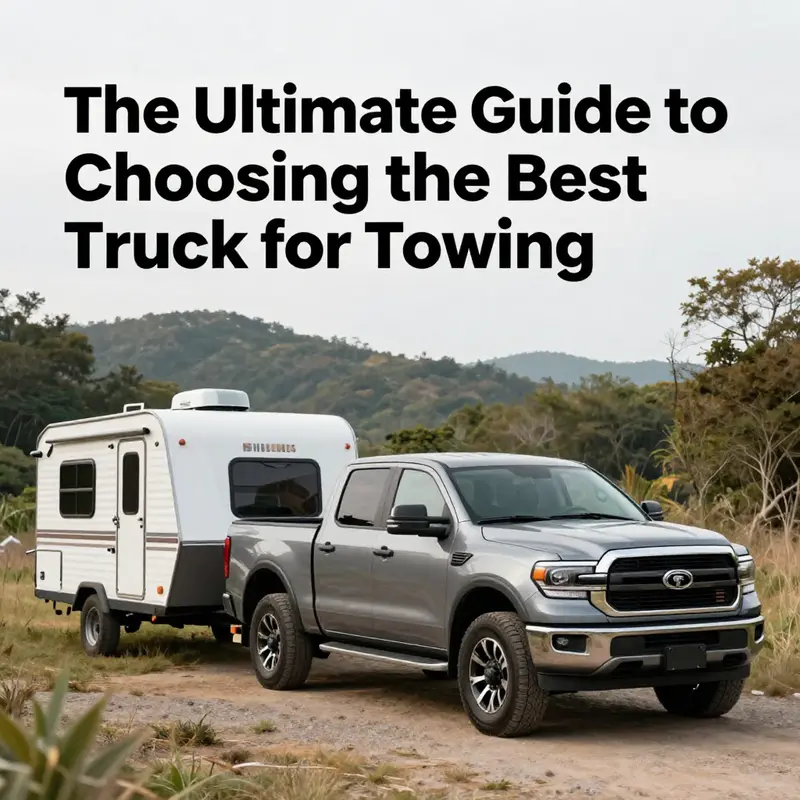
When a family considers a new truck, the conversation rarely starts with raw payload numbers or peak tow ratings. It moves first to everyday life: carpools, weekend camping, trips to the lake, and the carefully packed gear required for children, pets, and all the detours that make a trip memorable. The best choice, in this sense, isn’t simply the vehicle that can haul the heaviest load. It’s the one that blends serious towing capability with a cabin that prioritizes comfort, safety, and everyday practicality. The goal is a truck that disappears as a chore to load and unload, while appearing as a calm, composed partner on long drives and tight city streets alike. In this light, a leading option for family-focused towing is a full-size pickup that balances power with interior space, technology, and rider assurance. It offers the kind of torque and high-end drivetrain refinement that can tow substantial loads while maintaining a quiet, refined ride and a cabin that feels more like a living room on wheels than a commercial tool shed. For families, that balance translates into fewer moments of stress and more moments of shared experience on the road.
The core considerations for a family-oriented tow vehicle begin with power and control, but they quickly expand to how easy it is to use that power. Towing capability remains essential, and a capable truck will typically present a broad spectrum of trailers it can handle—from camping trailers to mid-size travel units and boats. Yet capability alone does not decide a family’s choice. The true value comes from how that power integrates with the daily reality of family life. A truck that offers a generous interior, flexible seating arrangements, and clear, well-ordered storage creates a more comfortable ride for everyone, including smaller children who may require easy access to devices, snacks, and toys during long drives. A well-designed cabin makes life simpler on the road: easy entry and exit for rear-seat passengers, generous headroom and legroom, and thoughtful materials that can withstand daily use while staying easy to clean after muddy caps or snack-time spills. These are not merely conveniences; they are safeguards against fatigue for the driver and reducer of friction for the whole crew on busy weekends.
Alongside interior comfort, the family-focused tow vehicle hinges on intelligent towing technology. Integrated trailer brake controllers, hitch guidelines, and sway mitigation systems become as standard as the seats themselves in the best designs. Pro Trailer Backup Assist, a feature now expected in many popular models, demonstrates how modern trucks translate complex maneuvers—like lining up a trailer in a crowded driveway—into intuitive actions. This kind of technology lowers the barrier to towing, especially for drivers who may use a trailer only occasionally or who want to feel more confident when parking at a campground or a job site. The result is not just smoother hitching; it’s a measurable reduction in stress during the entire towing experience. When family needs coincide with a busy schedule, this kind of assistive technology is a quiet, constant ally, turning what could feel like a demanding task into a routine, safety-forward operation.
Powertrain options matter in nuanced ways for family towing. A gasoline or turbocharged V6/V8 combination can deliver robust torque for confident, steady acceleration with a trailer in tow, while diesel variants typically emphasize low-end torque and sustained pulling power for sustained highway overtures. For families, the choice often leans toward engines that deliver steady, predictable performance rather than peak numbers alone. The presence of a well-calibrated transmission, especially a multi-speed automatic designed to optimize torque at low revs, can maintain smoothness when starting from a stop with a trailer or negotiating a hilly route to a lakeside camp. Axle ratios and gearing play their part behind the scenes, shaping how readily the truck maintains speed with a heavy load and how efficiently it handles the torque curve. The best family options present this power in a way that doesn’t demand constant micromanagement from the driver, leaving more focus for the passenger cabin and the road ahead.
Beyond power and gear, the vehicle’s chassis and suspension define how well it handles loaded conditions without sacrificing ride quality. A robust but compliant suspension system helps ensure that a trailer’s sway or a crosswind does not translate into a jittery, unsettled ride for occupants. A purposeful chassis design supports predictable handling and confident braking, both of which are critical when towing with kids on board. The result is a truck that not only pulls a trailer effectively but also protects the family’s comfort through careful balance between stiffness for control and compliance for ride quality. A large footprint and a well-tuned air or coil suspension can soften the impact of road imperfections, which is especially valuable on longer trips where the desire is to arrive relaxed, not exhausted.
Safety is the cornerstone that underpins every family-oriented towing decision. Modern vehicles in this space bring a suite of driver-assistance technologies that extend beyond basic airbags and stability control. Adaptive cruise control, lane-keeping assist, and intelligent emergency braking contribute to a sense of security when towing on highway stretches or during sudden work-site maneuvers. The ability to anticipate issues before they become imminent hazards reduces the cognitive load on the driver, a meaningful benefit when the family is in the cabin and the towing profile is more demanding. The best family-forward trucks also emphasize child-seat accommodations, rear-passenger climate control zones, and intuitive infotainment interfaces that enable a parent to monitor routes, entertainment, and navigation without distracting the driver. In practice, this blend of safety and convenience translates into fewer interruptions on the road and more time enjoying the trip itself.
Cost considerations naturally accompany these capabilities. Families weigh the total cost of ownership, including purchase price, fuel costs, and maintenance. The smarter choice often isn’t the highest-capacity model, but the one that aligns with daily needs while preserving long-term value. Used or near-new models can offer compelling value, especially when they come equipped with a sturdy towing package and a robust warranty. From a budgeting standpoint, the sweet spot lies in a balance between ample towing capacity and interior amenities that support family life, without paying a premium that exceeds the actual usage pattern. In this sense, the best option for family towing tends to be a full-size pickup that provides a strong, reliable platform, a comfortable cabin, and a suite of features that make hitching, towing, and road travel as frictionless as possible.
The landscape today also invites consideration of newer alternatives that push the boundaries of what a family truck can be. Electric offerings have begun to reframe the calculus by delivering instant torque and reduced maintenance demands, which can translate into quiet, high-utility driving for family trips. Yet for families who need a balance of power, reliability, and practical range, the familiar footprint of a conventional full-size pickup remains compelling. The practical takeaway for a family shopping with towing in mind is straightforward: focus on a vehicle that can deliver about 14,000 pounds of towing capacity with a package tuned for ease of use, a cabin that seats and stores comfortably, and a suite of safety tech that supports both new drivers and older, more confident ones alike. In many real-world scenarios, this approach yields a truck that handles weekend adventures with the same ease that it handles weekday school runs, chores, and errands, becoming less of a dedicated tool and more of a reliable, familiar partner on every mile of the family road ahead.
For readers who want a practical path to exploring these concepts locally, consider starting with nearby service and support options that can help with gear, hitching, and routine maintenance—resources that often sit just a short drive away and can be a big part of the overall experience when towing with family members aboard. If you’re curious about nearby help, you can explore options through local towing and roadside services, which can provide both peace of mind and hands-on support for hitching and safety checks along the way. This kind of practical planning complements the theoretical approach, ensuring that the decision you make isn’t just about raw capability but about a holistic, everyday towing solution that fits your family’s rhythm.
As you reflect on what matters most—the number of people you ferry, the trips you take, and the trailers you pull—remember that the best family-friendly towing truck is the one that makes the journey feel routine rather than halting. It’s the vehicle that respects your time, supports your plans, and quietly handles the demanding parts of towing so you can focus on the memories you’re building together on the road. The right choice will align power with comfort, efficiency with reliability, and safety with simplicity, ensuring every family adventure is as smooth as it is memorable. For further context and ongoing updates on how these capabilities are evolving, you can consult an external resource that outlines current capabilities and expectations in this category. External resource: https://www.ford.com/trucks/f-150/
Final thoughts
In summary, selecting the best truck for towing involves evaluating your specific needs, whether those are for heavy-duty tasks or family-oriented travel. Heavy-duty trucks like the Chevrolet Silverado 3500HD stand out for their unparalleled towing capacities, making them perfect for commercial use. On the other hand, family-friendly options like the Ford F-150 offer a balanced approach, combining comfort with solid towing capabilities. By aligning your choice with your operational requirements, you ensure both functionality and safety in all your towing endeavors.