
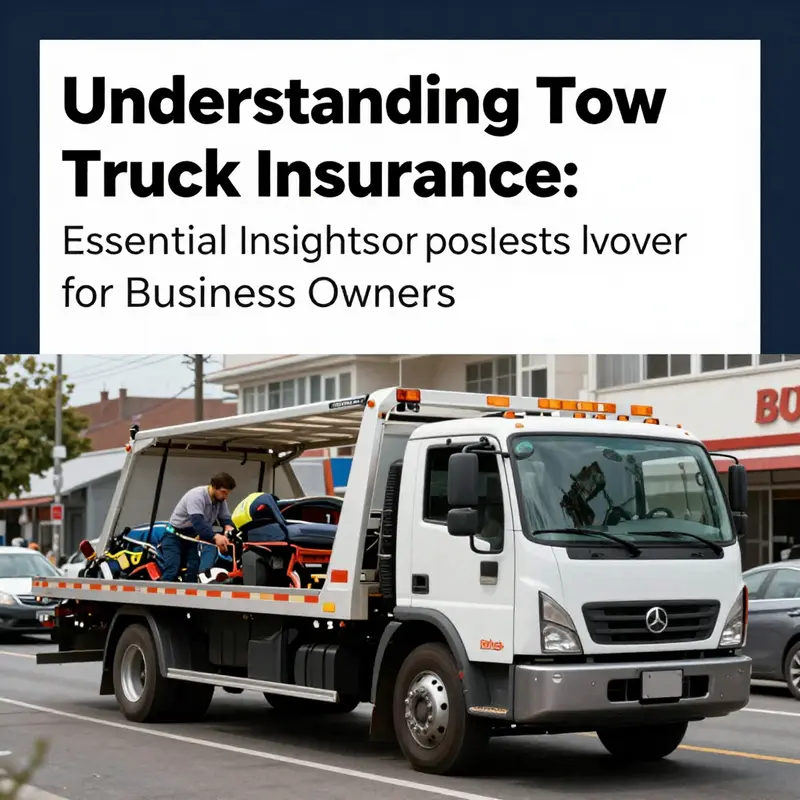
Tow truck insurance is a pivotal consideration for business owners in the towing industry, impacting both operational costs and risk management. Understanding how much tow truck insurance costs involves considering numerous factors, including vehicle type, usage, claims history, and the region in which your business operates. This article delves into the intricacies of tow truck insurance, helping you appreciate the various elements that determine pricing, the differences in costs across truck types, and the regional variations that can significantly affect your premiums. Each chapter will provide a comprehensive view, enabling you to make informed decisions about your insurance needs.
Decoding the Price Tag: What Drives Tow Truck Insurance Premiums
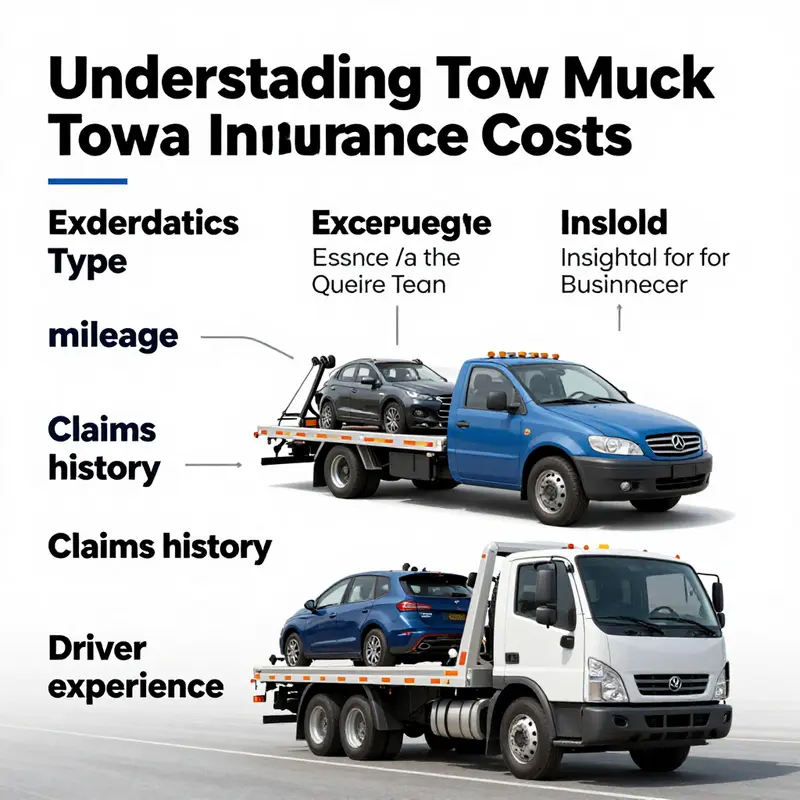
Tow truck insurance sits at the intersection of asset value, risk, and operational reality. For many shop owners and fleet operators, the sticker price on a policy feels opaque, influenced by a constellation of factors that can shift from one renewal to the next. The broad ranges you see in industry data—roughly two to six thousand dollars a year for standard tow trucks, with rotators climbing well above ten thousand and flatbeds typically landing somewhere in the three- to seven-thousand range—reflect more than just vehicle type. They reflect the daily risk profile of a business, the level of coverage chosen, and the specifics of where and how that business operates. Understanding why premiums vary helps operators negotiate better terms, align coverage with actual needs, and implement practices that quietly curb cost over time. In short, the price tag on tow truck insurance is less about a single number and more about a professional in the driver’s seat of risk management.
Vehicle type and size anchor the pricing conversation early. The most expensive premiums tend to follow the most capable equipment. Rotator tow trucks, with their complex recovery capabilities and heavier chassis, command higher premiums because they represent higher asset value and more intricate operation. Flatbeds, while still substantial in price and performance, generally carry lower risk profiles than rotators and thus cost less to insure—though their own load limits, maintenance demands, and service territories still push rates upward compared with lighter-duty tow trucks. The risk is not purely about weight; it’s about the potential for high-stakes recoveries, equipment failure during critical operations, and the consequences of roadside incidents where a vehicle is in precarious positions. The insurer is weighing how often that heavy equipment will be used in demanding situations and what the cost would be if something goes wrong. The more an operation relies on high-stakes recoveries, the more the premium reflects that elevated risk.
Beyond the machine itself, the driver’s hands on the wheel are a central driver of cost. Experience matters, and so does the driver’s safety record. An operator with a clean MVR and years of hands-on towing pulls a lower risk profile than a newer driver with limited on-the-job time and a string of minor incidents. Insurers look at the history, not just the present day. They assess how well the driver handles difficult calls, how consistently safety protocols are followed on busy highways, and whether the crew demonstrates a culture of risk awareness. The presence of telematics and driver training programs can modify that calculus. When a company can show cautious driving, timely maintenance, and adherence to safety standards, premiums can soften, even if the underlying asset remains substantial. Conversely, a pattern of accidents or repeated claims signals higher risk and translates into higher rates at renewal.
Operations and usage carve the day-to-day risk profile in more concrete ways. Urban settings, high-speed corridors, and peak call volumes bring more exposure than rural, low-traffic routes. The frequency of service calls, average distance per job, and the mix of emergency versus standard towing all feed into a premium’s math. A business that routinely undertakes complex recoveries, night calls, or multi-vehicle incidents carries greater risk—and insurers price that risk accordingly. The scope of services offered also matters. If a company adds roadside assistance or specialized recovery for difficult terrains, the likelihood of a claim can rise, as can the cost of potential damage. Location plays a role too. States and municipalities with tougher liability environments or higher litigation rates may tilt premiums upward. The insured’s operations plan and risk controls can counterbalance some of that pressure, but the geographic and operational footprint remains a fundamental driver of cost.
Policy details shape the price as surely as the vehicle and the driver. Coverage limits and deductibles are direct levers. Higher liability limits, comprehensive physical damage protection, and endorsements for cargo or on-hook coverage boost the premium, while higher deductibles soften the price by shifting more risk to the insured. The choice reflects a balance between risk tolerance and cash flow. Operators who rely on towing as a core revenue stream may opt for broader protection, recognizing that the cost of a single severe claim could dwarf annual premium savings gained from a higher deductible. It is also essential to consider whether the policy holds specialized endorsements tailored to towing operations, such as coverage for storage lots, ramp and dock areas, or specific types of recoveries. Each endorsement adds a line item to the premium, but it can be the difference between a policy that truly fits and one that leaves gaps in exposure.
Location and regulatory environment thread through pricing in nuanced ways. Urban counties with dense traffic, congested roadways, and higher accident rates tend to produce higher premiums. Local laws governing towing practices, permit requirements, and liability standards shape both the risk landscape and the insurer’s comfort with underwriting. In states where litigation risk is higher or where towing regulations are stringent, carriers may price more aggressively to reflect anticipated costs. These geographic differences underscore why blanket quotes rarely suffice. A policy that works well in one market may look materially different in another, even for identical trucks and driver qualifications. The takeaway is simple: risk is not a single dial you can twist; it’s a mosaic built from the truck, the team, the operation, and the place where it all happens.
To manage costs, operators should view insurance as an ongoing program rather than a one-time purchase. Safe-driving incentives, maintenance logs, and formal safety training can accrue value over time. Bundling auto coverage with other business lines, investing in fleet telematics, and implementing rigorous incident review processes can deliver tangible premium relief. It is also worth seeking quotes from insurers that specialize in commercial auto coverage for towing operations, as they will better understand the unique exposure and risk management requirements. For operators seeking practical, on-the-ground insights into service operations, see Mike’s Roadside Service. Mike’s Roadside Service.
When it comes to quotes, the goal is alignment: the price tag should reflect the level of risk you pose, while the policy should cover the realities of your daily operations. For those negotiating premiums, a careful, data-driven presentation of your driver training, maintenance records, and call-volume forecasts can sway terms in your favor. If you want a deeper dive into how carriers assess commercial auto risk, consider the broader framework of insurance factors and read about how different elements shape premiums in reputable industry resources. External insights can provide useful context as you weigh coverage decisions, especially when building a case to justify higher limits for catastrophic scenarios or comprehensive loss protection. For more detailed guidance on the factors that influence commercial auto insurance premiums, see https://www.thehartford.com/business-insurance/insurance-guides/commercial-auto-insurance-factors.
The Price of Protection: A Comparative Analysis of Tow Truck Insurance Costs Across Vehicle Types
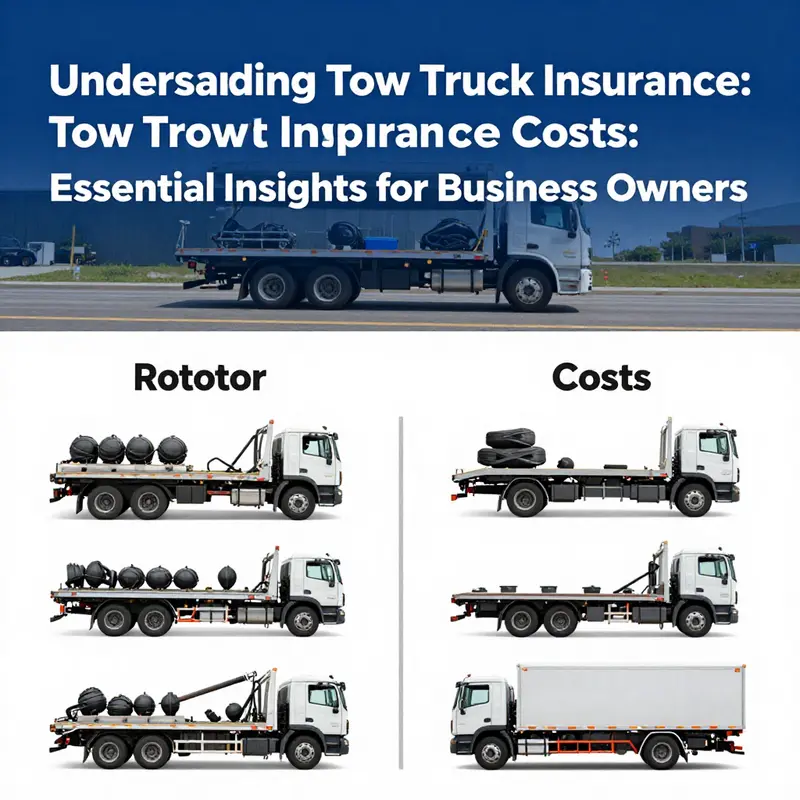
Insurance costs for a tow fleet do not exist in a vacuum. They unfold from the intersection of vehicle design, how the truck is used, and the environment in which it operates. For a business owner, understanding why one type of tow truck commands a higher premium than another is as important as knowing the base rate. The numbers are not arbitrary; they reflect risk profiles that assume how, where, and under what conditions a vehicle works.
The cost picture starts with the truck itself. Each configuration carries its own set of mechanical demands and potential liabilities. Standard chassis-mounted tow trucks, with basic wheel-lift or boom mechanisms, are the most common and historically the least expensive to insure among specialized units. Their risk footprint is comparatively modest: frequent but predictable towing operations, widely trained operators, and a long track record of failure modes that can be anticipated and mitigated. As a result, these units typically land in a broad price band—from roughly three thousand five hundred to seven thousand dollars per year in insurance premiums. In urban fleets, where high call volume but standardized tasks dominate, some models at the upper edge of that band may saturate the risk threshold, nudging premiums higher, particularly if the vehicle carries advanced hydraulics or if the operation runs many rapid, short trips.
Moving up in complexity, flatbed tow trucks add a different kind of value—and risk profile. By design, flatbeds minimize vehicle damage during transport because the towed car sits securely on a bed that never contacts the road during transit. That safety profile translates into lower risk of cargo damage claims and, in many cases, to more favorable coverage terms. Yet the hydraulics that tilt and slide the bed introduce their own failure modes and maintenance demands. A typical annual premium for a well-maintained flatbed ranges from about four thousand to eight thousand dollars, with variation driven by bed capacity, the age and value of the towed fleet, and the driver’s experience. Carriers assess how often the bed operates, how heavy the loads are, and how reliably the operator executes safe loading and unloading. When the operation includes frequent night runs, remote locations, or vehicles with high modification levels, the numbers move toward the higher end of the spectrum.
The rotator, or rotating-boom tow truck, sits at the far end of the risk spectrum. These machines are built to handle the most demanding recovery scenarios—upturned vehicles, wrecks on busy highways, or arduous terrain. The complexity of the mechanism, the need for specialized training, and the potential for dramatic single-event losses push premiums well beyond the norms for standard units. Industry patterns consistently place rotator insurance in a higher bracket, often from ten thousand to twenty thousand dollars per year, and in some cases above twenty‑five thousand for larger units or operations in high‑risk zones. Fleet managers who rely on rotators frequently justify the cost with the revenue they generate from critical, time-sensitive recoveries, but the premium remains a direct reflection of elevated liability exposure and the specialized skill set required.
Then there are specialty and high‑end towing vehicles designed for extreme conditions—heavy‑duty recoveries, industrial sites, or specialized missions. These units fuse multiple advanced features, imposing substantial asset value and complex risk processes that drive premiums upward, sometimes beyond twenty thousand dollars annually. In this tier, the gap between routine operations and worst‑case scenarios widens, making risk assessment and operator qualification central to underwriting decisions. Across all categories, though, one truth holds: the type of truck is a primary determinant of cost, but not the only one. Location, driving history, mileage, and how the business uses the vehicle all shape premium outcomes. In dense urban corridors, for example, insurers account for higher exposure due to traffic congestion, elevated accident rates, and greater likelihood of liability claims.
To get meaningful quotes, operators should assemble a clear picture of usage: average annual mileage, typical loads, patterns of emergency response, and the share of geographic operations. Maintaining vehicles to high standards, enforcing rigorous driver training, and adopting risk controls such as telematics can demonstrate lower risk to underwriters and push premiums downward within reason. A policy that matches coverage to risk—carrying sufficient liability limits, collision, and comprehensive coverage while avoiding unnecessary extras—often yields a better return than a generic, high-base plan. For businesses that operate in multiple markets, it helps to work with insurers who specialize in commercial auto coverage; they understand the nuances of tow work and the variability that comes with location, vehicle type, and call volume. For instance, fleets with Houston-based operations may find that certain local factors influence risk, including urban traffic patterns, pedestrian density, and incident response times. If your fleet includes a mix of vehicle types, you can use understanding from regional comparisons to negotiate better, tiered pricing—emphasizing how the safety culture and maintenance discipline across the fleet lowers overall risk, even when rotators or heavy‑duty units are present. For operators looking to illustrate this point to underwriters, a simple, well-documented record of maintenance, operator training, and incident history is worth more than a glossy brochure.
For operators in specific markets, you can explore regional considerations at tow-trucks-in-houston to understand how market conditions can influence risk. This example demonstrates how a single link can anchor a broader discussion about location sensitivity in pricing while remaining anchored to real-world practice.
The takeaway is practical: the price of protection follows the risk you carry, which is shaped by truck type, how it is used, and where it operates. The better you align coverage with actual exposure and prove sustained risk management, the more you can expect underwriters to reward prudent choices with favorable terms. If you want a deeper, externally grounded framework for evaluating these factors, the National Insurance Crime Bureau maintains a detailed guide on tow-truck insurance that outlines risk factors, coverage considerations, and underwriting perspectives. See the NICB Tow Truck Insurance Guide for a broad, evidence-based reference.
External resource: https://www.nicb.org/resources/tow-truck-insurance
Regional Variations and Real-World Tow Truck Insurance Costs
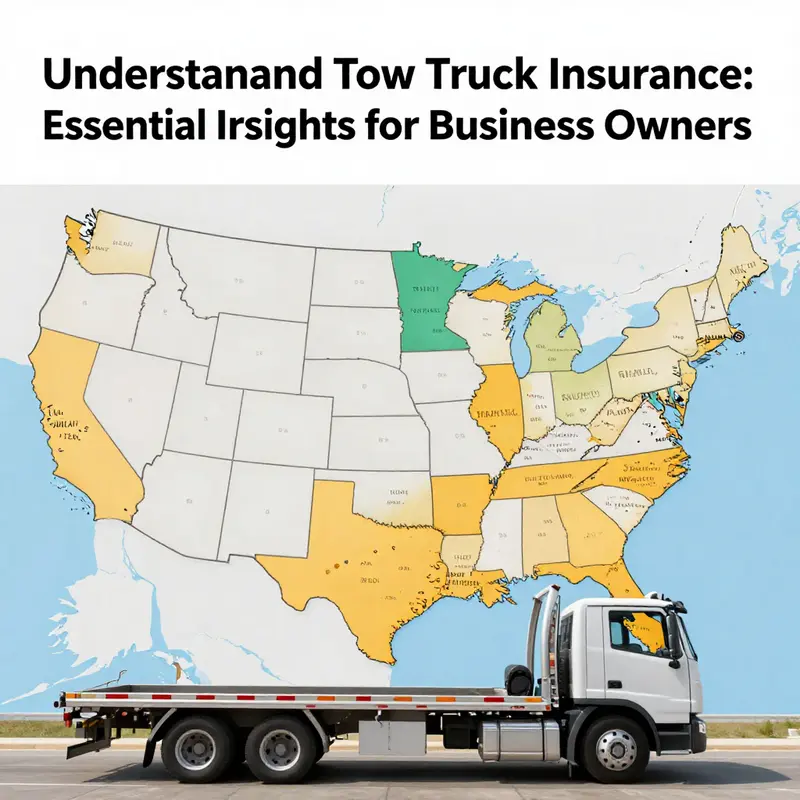
Insurance pricing for tow trucks varies by region, operation type, and driving history. Local regulations, climate, traffic density, and typical use all affect premiums. Typical commercial auto policies for tow trucks hover in the range of about $2,500 to $6,000 per year for standard fleets, with rotators often exceeding $10,000 and flatbeds roughly $3,000 to $7,000, though actual prices depend on regional risk.
Urban markets tend to have higher premiums due to higher exposure, while rural regions can be cheaper. Minimum coverage laws, filing requirements, and the insurer’s view of weather-related risk and theft patterns in a given area also shape prices. A rotator or heavy-duty wrecker will generally carry higher premiums than a standard flatbed, reflecting the added complexity and repair costs.
To manage regional cost differences, obtain quotes from providers who specialize in commercial auto coverage, and compare how each policy handles regional requirements and add-ons such as theft coverage or weather exposure. Invest in risk-management practices like driver training, regular vehicle maintenance, and incident-response planning to moderate costs over time. Understanding your regional exposure helps with budgeting and selecting coverage that aligns with your operations.
Final thoughts
In conclusion, understanding how much tow truck insurance costs is far more than just comparing premium prices; it encompasses a deep dive into various influential factors. From types of trucks to regional costs, each element plays a crucial role in determining your premiums. As a business owner, evaluating these factors thoroughly will equip you to choose the right insurance policy that safeguards your investments while keeping costs manageable. Stay informed and proactive about your insurance needs to ensure your business’s success.