
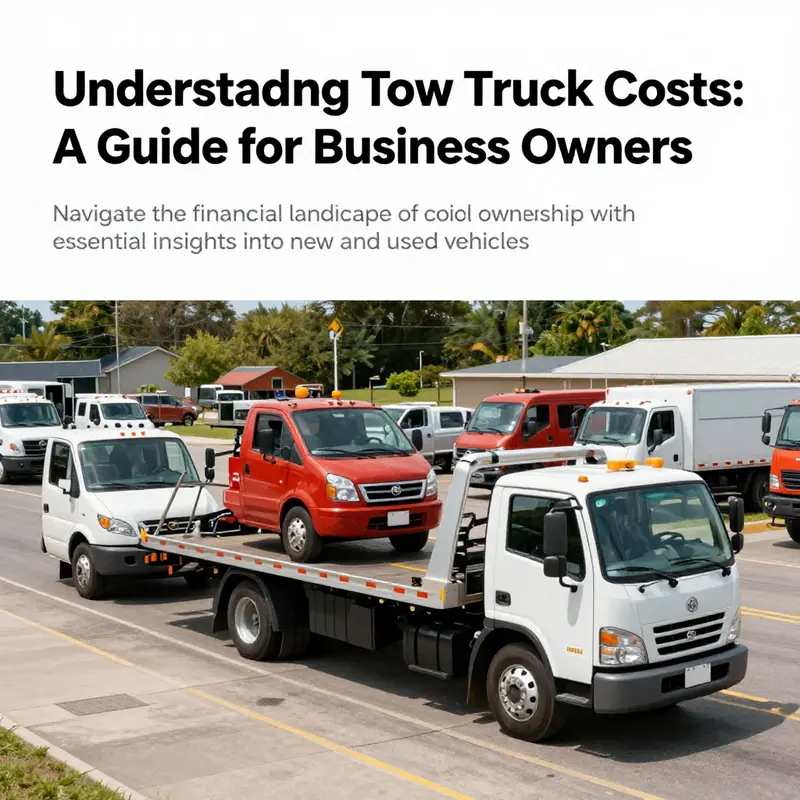
For business owners in the towing industry, understanding the costs associated with acquiring a tow truck is critical for sustainable growth and success. This guide sheds light on the diverse costs linked to tow trucks, from new purchases to used options, and further examines the additional expenses that owners must consider. The chapters unfold the nuances of new tow truck costs, delve into the benefits and considerations of buying used trucks, and outline the ongoing expenses tied to ownership, providing a comprehensive overview that empowers business owners to make informed purchasing decisions.
New Tow Truck Cost Considerations: Balancing Price, Capability, and ROI
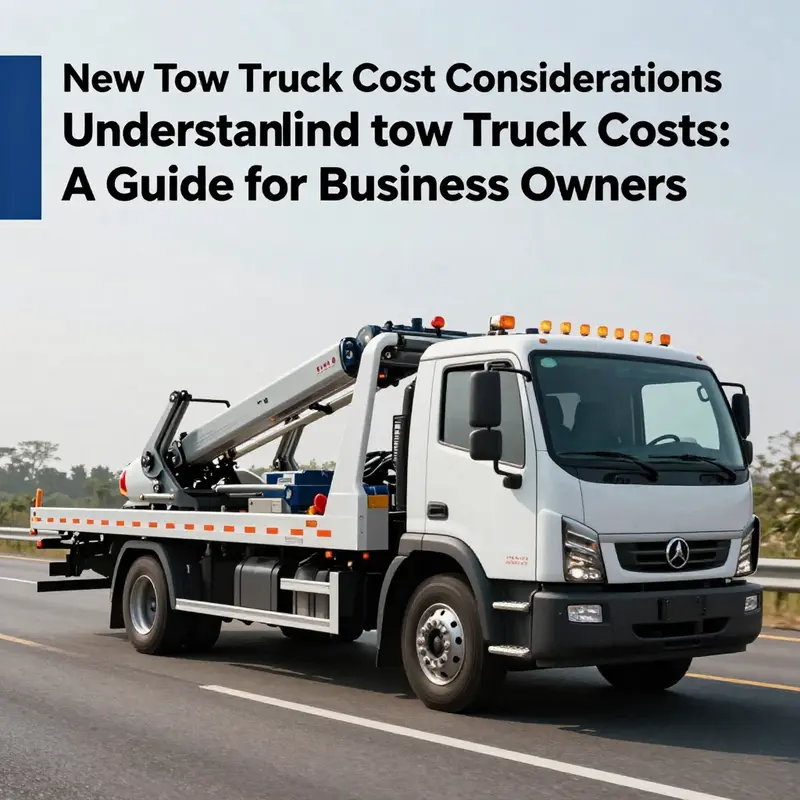
Buying a new tow truck is not simply writing a price on a worksheet. It is a strategic choice that reverberates through a fleet’s reliability, response times, and bottom line. As of early 2026, the price landscape for new tow trucks is broad because manufacturers tailor machines for different jobs, from routine roadside calls to high-stakes recoveries on crowded highways. The sticker price alone rarely tells the full story. Operators must weigh the upfront outlay against ongoing costs, availability of parts, maintenance cycles, and the kind of incidents a business expects to handle day after day. In practice, a purchase decision becomes a careful calibration of capability and lifetime cost. Rotator tow trucks sit at the top end of the price spectrum, with prices commonly landing well above the midrange. Their 360-degree rotating booms, heavy lift capacities, and robust cabins are built for overturns, multi-vehicle pileups, and other complex recoveries. The upfront cost reflects not only the hardware but the specialized hydraulics and chassis that survive long shifts in demanding environments. For emergencies in high-traffic areas, rotators deliver speed and flexibility that lighter units cannot, but they also bring higher fuel consumption and larger insurance premiums. Operators should assess whether the frequency and severity of calls justify the investment in such a machine, or whether it is a luxury few fleets can sustain. Flatbed tow trucks, while not as dramatic as rotators, offer a compelling balance of safety and versatility. Hydraulically tilting beds let drivers load vehicles without ground contact, making them ideal for AWDs, low-clearance cars, and premium models where bodywork matters. New flatbeds typically run from the mid-range to the upper end of the price spectrum, roughly $70,000 to $150,000, depending on bed length, payload, and added options like wheel-lift modules or integrated winches. These trucks tend to keep maintenance costs in check relative to rotators, but their specialized hydraulic systems and long-service life require attentive service. For many shops, the value comes from extended service windows and the ability to recover a wide variety of vehicles without damage. Conventional wheel-lift tow trucks sit at the more affordable end of the new market, offering a reliable workhorse for everyday towing. In general, prices range from $40,000 to $80,000, reflecting a simpler drivetrain, standard winch, and fewer moving parts. The wheel-lift system handles most passenger cars and light trucks, though it provides less protection for high-end or damaged frames compared with flatbeds. The savings at purchase can be meaningful for small fleets or startup operations, but planners should forecast how frequent full-service calls and occasional heavy recoveries will be. With the right maintenance program, these machines remain viable anchors of a resilient service fleet over many years. Beyond the sticker, ownership costs accumulate through equipment, safety gear, insurance, and ongoing maintenance. High-quality winches, straps, dollies, and axle pads can add several thousand dollars to the initial price. Safety gear such as light bars, sirens, and two-way radios also come with annual budgets. Insurance and licensing for commercial towing can run a few thousand dollars each year, and fuel consumption will be higher for heavy‑duty trucks, especially rotators and larger flatbeds. Smart buyers build a reserve for regular maintenance, component replacements, and predictable downtime so that the first year does not turn into an expensive surprise. The most successful operators treat capital expenditure as a lever for reliability and speed rather than a one-time line item. When evaluating value, operators must project call volume, service mix, and average recovery times. A rotator’s quick, versatile response can shrink downtime and unlock higher-margin work, but the cost requires a steady flow of severe incidents or municipal contracts to justify it. A well-chosen flatbed offers broad coverage with predictable maintenance, translating into smoother scheduling and fewer vehicle damages during transport. For many fleets, the sweet spot lies in a premium flatbed that handles the most common duty efficiently while preserving the ability to accept occasional specialized calls. Financing programs, depreciation, and tax considerations can further influence the true cost per year, guiding decisions about upgrading or expanding the fleet over time. While this chapter focuses on new models, many operators also weigh used or export-grade options when budgets constrain. A fresh unit promises the latest safety features and longer service life, but a well-chosen used machine can deliver substantial value with lower risk if inspected properly. For a sense of how these trucks translate into real-world service, Mikes Roadside Service. External resource: Industry analyses that break down price bands and feature sets provide a deeper dive into the market landscape. An external resource offers a detailed 2026 price and feature overview: https://www.towtruck.com/new-tow-truck-prices-features-and-applications-2026/.
null
null
Beyond the Sticker Price: Navigating the Ongoing Costs of Tow Truck Ownership
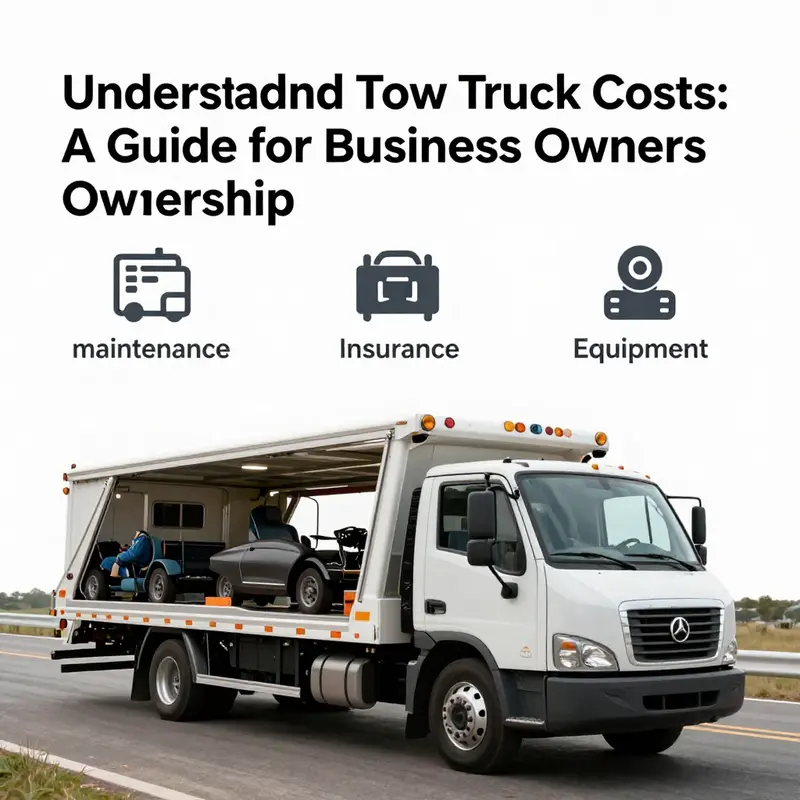
Purchasing a tow truck is only the first step in a lengthy financial journey. The sticker price becomes a small corner of a larger map of costs that accumulate over years of operation. In practice, the true economics hinge on how efficiently you manage fuel, maintenance, insurance, licensing, financing, and the specialized gear that keeps a tow fleet moving safely and legally. For operators weighing different purchase options—from rotators to flatbeds to conventional wheel-lifts—the cost calculus must account for these ongoing drains on the bottom line.
Fuel consumption and engine choice influence fuel spend in real ways. Rotators and heavy-duty equipment demand robust power plants and can burn more fuel, especially on long highway recoveries or in urban congestion. Diesel engines typically offer better mileage in heavy-duty service, but fuel costs still mount when miles and energy use climb. Beyond raw gallons, fuel efficiency interacts with duty cycles, idling, and the need to respond quickly to emergencies. This dynamic makes wholesale fuel budgeting essential, not optional, as it often creeps into every job rather than waiting for a monthly receipt.
Maintenance and repairs form a second, predictable line item. Regular oil changes, tire rotations, brake inspections, and hydraulic system servicing are essential to safety and reliability. Maintenance expenses can be higher for gasoline models, where more frequent engine servicing and part replacements may be necessary due to the wear from constant hauling and idling in diverse conditions. When specialized equipment is integrated—winches, booms, hydraulic pumps—the cost of parts and labor rises, because technicians must handle components with precise tolerances and calibration needs. It’s common for fleets to budget a dedicated maintenance reserve each year to cover unexpected repairs and to keep downtime to a minimum.
Insurance premiums reflect risk management. Commercial towing insurance can be a substantial recurring expense, often influenced by the size of the operation, the driving history of the crew, and the breadth of coverage. In many cases, annual premiums run in the thousands, with larger fleets facing higher numbers due to exposure and claim history. Insurance isn’t a one-time hurdle; it tracks the life of each asset, resets with fleet changes, and interacts with safety investments, to become a shaping force on the bottom line.
Licensing and registration fees—along with compliance costs—are another set of recurring responsibilities. Tow truck owners must stay aligned with local, state, and federal regulations, which may require licenses, permits, periodic inspections, and updated safety programs. These costs vary widely by jurisdiction, but they consistently add to annual operating expenses and must be anticipated when forecasting profitability.
Potential financing costs also affect overall ownership economics. If a tow truck is purchased on credit, interest and loan fees will accumulate over the term. Longer terms lower monthly payments but raise total interest, while shorter terms tighten cash flow but reduce interest charges. An accurate picture requires factoring in down payments, amortization schedules, and any penalties for early payoff or missed payments. Creating a financing plan that matches revenue cycles with debt service can prevent cash crunches during slower periods or after major repairs.
Specialized equipment and safety gear anchor the asset’s value and its ongoing cost. Tow trucks depend on winches, hydraulic systems, wheel-lift components, lighting, radios, straps, dollies, and axle pads. Each element requires regular inspection and eventual replacement as part of a proactive maintenance program. Safety upgrades and regulatory compliance gear can also shift over time, nudging the annual outlay upward as standards evolve.
Emissions regulations and regulatory drift present another layer of consideration. In dense urban zones, stricter emissions standards may limit the usability of certain gasoline-powered units or spur retrofit investments. When faced with new mandates, owners must weigh the capex of retrofits against the operability of their current fleet and the potential penalties for noncompliance.
A practical budgeting approach starts with a clear separation of fixed and variable costs and a conservative reserve fund. Build fuel forecasts around anticipated mileage and duty cycles. Tie maintenance plans to manufacturer intervals and track actual usage to refine estimates. Maintain transparent records of insurance costs, licensing renewals, and financing charges to monitor where money goes and why. The aim is a living model that adapts as the fleet evolves, not a static spreadsheet left to gather dust.
For practical fleet planning and ongoing services, see Mikes Roadside Service. This resource offers real-world context that can illuminate day-to-day cost decisions and service management within a tow operation. And for a deeper, data-driven breakdown, consult Understanding Tow Truck Ownership Costs: A Complete Guide for Prospective Owners.
Understanding these components helps explain why the initial purchase price is only part of the financial story. A well-planned ownership strategy acknowledges fuel, maintenance, insurance, licensing, financing, specialized gear, and regulatory considerations as essential threads in the overall profitability of a tow truck investment.
Final thoughts
In conclusion, understanding the full scope of tow truck costs is essential for business owners navigating the towing industry. Whether considering the purchase of a new or used vehicle, it is crucial to factor in all associated expenses such as equipment, insurance, and maintenance. This knowledge not only aids in budget planning but also positions owners for successful operations in a competitive market. Making informed decisions today can lead to greater profitability and effective service delivery tomorrow. Equipping yourself with this information empowers you to make smart investments geared towards your business’s longevity.