
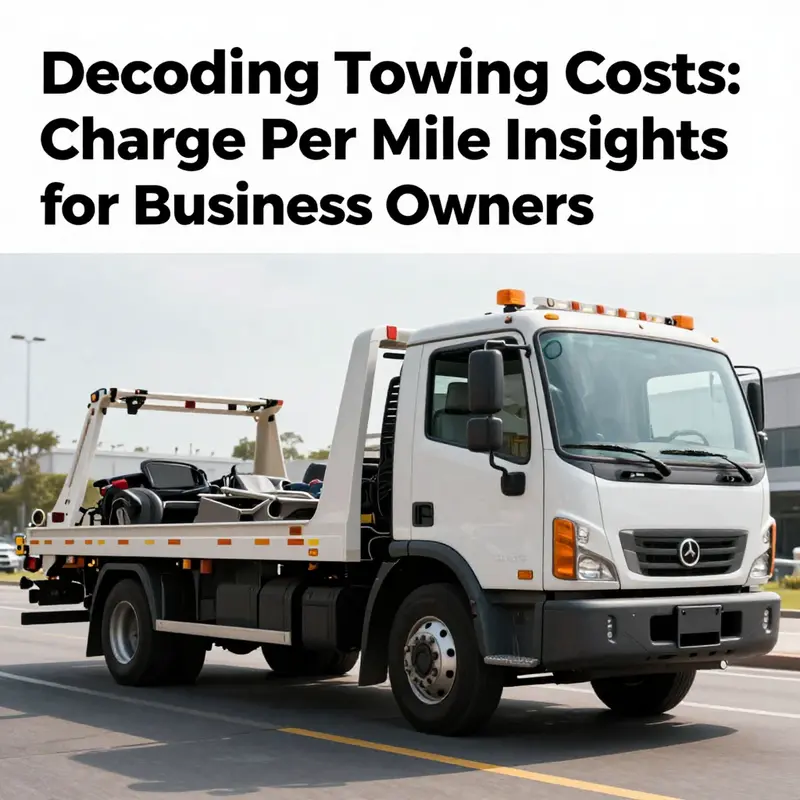
Understanding towing costs is crucial for businesses that rely on vehicles for operations. Knowing how much a tow truck charges per mile can help you budget for roadside emergencies. It’s not just about the distance; various factors influence towing costs that can affect your bottom line. The chapters that follow shed light on basic pricing structures and underline the factors that drive these costs, equipping you with the necessary information to make informed decisions when towing services are needed.
Mile Markers in the Tow Truck Invoice: Decoding What Tow Cars Charge Per Mile
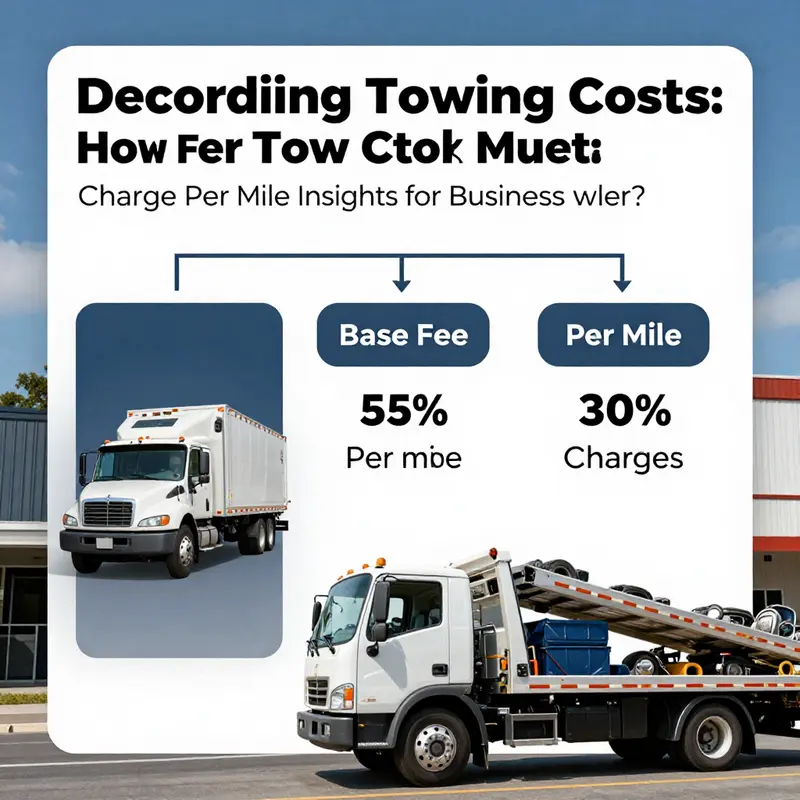
When a vehicle falters on a busy highway shoulder or a quiet rural lane, the tow truck becomes the practical link between immobility and repair. The price tag attached to that service is not a single number but a small stack of line items that can vary with where you are, what you drive, and when you call. In most situations, towing companies structure their charges as a base or hook-up fee to cover dispatching, arrival, and basic equipment, plus a per-mile rate that accrues as the truck travels to and from the scene. Distance traveled is often the largest single determinant of cost, but it sits on a broader bed of variables that can push the final bill up or down. Understanding these pieces helps you read the bill with confidence and avoid surprises when the vehicle finally reaches a shop or home garage.\n\nA typical model looks like this: a service fee, which covers the truck’s mobilization and the driver’s time, followed by a per-mile rate that applies for every mile transported. The numbers you see in practice vary by region and by the towing company, but a common framework is a base fee around fifty to one hundred dollars, with per-mile charges in the range of roughly one to three dollars. This structure means the distance towed and the rate per mile are the two big levers you can watch as the bill adds up. Consider a straightforward illustration: a service fee of fifty dollars and a per-mile rate of one dollar seventy-five yields a bill of seventy-one dollars when the truck tows twelve miles after the base fee. The math is simple but telling—the base fee gets you to the scene, and every mile after that produces the incremental charge. In this scenario, the calculation reads as follows: fifty dollars for the service fee, plus twelve miles times one seventy-five dollars, or twenty-one dollars, for a total of seventy-one dollars. This example shows how per-mile charges directly shape the final amount and why distance matters so much in the overall pricing picture.\n\nBeyond the math, a few core factors consistently tilt the price in one direction or another. Vehicle type and weight are among the strongest influencers. A compact sedan sits on a different hydraulic and wheel setup than a heavy pickup, an SUV, or a trailer. Heavier vehicles demand more powerful towing equipment, sometimes more complex rigging, and often a longer hook-up. That translates into higher base fees and higher per-mile costs in some cases, particularly when specialized equipment is necessary to protect the vehicle during transport. The equipment mix can also influence how quickly a tow can be completed, which in turn affects the overall labor component of the charge. The driver’s time matters too. If a vehicle has to be winched from a ditch, loaded from a steep embankment, or retrieved from a difficult location, extra labor can push the service fee higher and extend the duration of the job.\n\nTime of day and location exercise their own persistent pressure on pricing. Late-night calls, weekends, and holiday hours are widely recognized in the industry as peak demand periods. The same tow that would cost one amount during a daytime weekday can carry a premium when crews are scarce or travel demands are heavy. Rural or remote locations introduce additional challenges, such as longer travel distances to reach the scene or to deliver the vehicle to a repair facility. In urban areas, even short tows can be subject to higher operational costs due to traffic delays, parking restrictions, and stricter regulations, which can indirectly influence how a company sets its base fees and mile rates.\n\nDistance remains the most significant variable. Long-distance towing often triggers not only higher mileage charges but sometimes a separate long-distance surcharge or minimum charge that makes the total bill larger than a quick short tow. When the vehicle must be moved across county or state lines, or when the tow includes multiple legs—say, moving from a crash scene to a clearing facility and then to a repair shop—each leg can contribute to the overall price. In those cases, the per-mile rate may be recalibrated for longer runs, or the operator may apply a flat-distance surcharge to cover fuel, wear, and the extra crew time required.\n\nThe range of typical costs reflects these multiple moving parts. On average, a standard tow that covers five to ten miles often falls within roughly seventy-five to one hundred twenty-five dollars, but regional differences can push this outside the spectrum. In urban centers, where distances may be shorter but operational costs are higher, bills can climb beyond the three-dollar-per-mile mark, particularly for heavier or specialty vehicles that require more elaborate equipment. In contrast, rural regions may present lower per-mile rates, yet higher long-distance charges if the vehicle must be transported from a distant location. The most important takeaway is that while the distance is the loudest bell in the price orchestra, the other elements—vehicle type, time of day, and location—play a very real supporting role.\n\nTo navigate this landscape without overpaying, it helps to approach the tow with a plan rooted in transparency. Before the tow begins, ask for a detailed estimate that lays out the hook-up fee, the per-mile rate, and any potential surcharges. In practice, a clear written quote should spell out whether there are separate fees for after-hours service, remote location pickups, or heavy or oversized vehicles. If the estimate is not detailed, ask for one and request a line-by-line breakdown. It is reasonable to request a rough distance estimate as part of the quote, so you can gauge whether the rate per mile aligns with the miles you expect to be towed. A simple, practical check is to confirm whether the distance is calculated from the tow company’s yard to the scene or from scene to repair facility, and whether any fuel or toll surcharges apply. These clarifications help you avoid surprises when the invoice lands and give you a basis for comparing bids from different providers in your area.\n\nFor readers seeking a localized frame of reference, a helpful starting point is a provider of roadside services that outlines the common layers of charges customers encounter. This resource can give a practical sense of how service fees and per-mile rates tend to cluster in many markets, while also illustrating how regional variations shape the final tally. You can explore this understanding through a local provider’s overview and compare it to your own situation when you face a tow near home. Mikes Roadside Service.\n\nUltimately, the general rule remains: know the numbers before you agree to anything. A clear estimate, understanding of any surcharges, and an awareness that distance is central to the cost will empower you to negotiate fair pricing and avoid billing surprises. If you want additional guidance beyond a local quote, reputable consumer resources discuss nationwide expectations for towing costs and can help you benchmark a fair price for your area. External guidance from established associations provides broader context on typical towing costs and price ranges, which can help you interpret the bill you receive after a tow.\n\nExternal reference: https://www.aaa.com/autorepair/towing-costs
Tow by the Mile: Unpacking the Real Drivers Behind Per-Mile Tow Charges
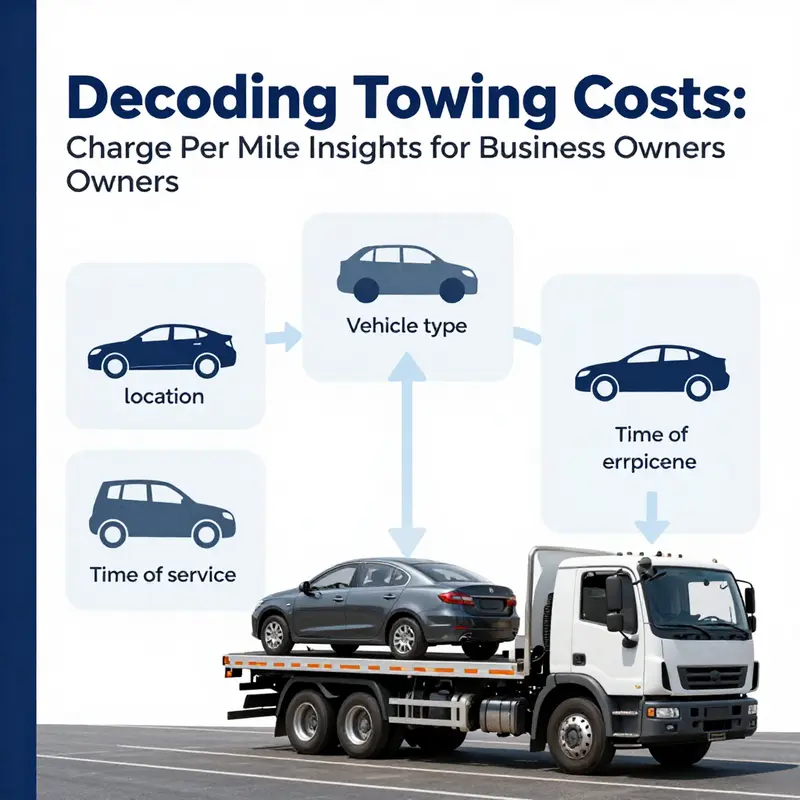
When a vehicle breaks down or is stranded on the roadside, the question of cost often feels as pressing as the immediate problem itself. People want to know the bottom line, but the price of a tow per mile is not a single, fixed number. It is shaped by a constellation of factors that arrive the moment a dispatcher clocks the distance to be covered, the kind of vehicle that needs help, and the time of day the call comes in. In practical terms, the per-mile charge is usually built on two core components: a base hook-up fee and a variable mileage rate. The base fee covers the cost of dispatch, mobilization, and getting the tow truck to the scene. The per-mile rate accrues as the vehicle is transported, and it rises with the distance traveled, the complexity of the job, and the risk the crew assumes along the way. This simple structure masks a lot of the nuance that can push the final bill up or down, sometimes by a noticeable margin from one tow to the next.
Distance Traveled is the primary driver of cost, yet the math behind that distance isn’t always linear. A short tow across a single block may cost far less than a longer move to a distant shop or another town. The word “per mile” implies a steady progression, but several practical realities complicate that picture. Fuel burn, time spent on the clock, and the wear and tear on equipment accumulate as the miles rack up. Long-distance tows often trigger different pricing dynamics, with some companies applying tiered mileage rates or adding distance-based surcharges after a certain threshold—say, beyond 25 or 50 miles. While many providers stick to a predictable base-plus-mile model, others tailor the math to the job, especially when the destination sits well outside the typical service radius.
Vehicle type and size are another essential factor. A small sedan is a very different animal to tow than a heavy SUV, a pickup with a load, or a large commercial vehicle. Larger, heavier, or more valuable vehicles require more powerful equipment, specialized handling, and sometimes extra protection during transport. Luxury cars, exotics, or classic vehicles can incur premium fees because they demand greater care, use of protective equipment like wheel covers or extra padding, and sometimes more conservative loading procedures to avoid damage. The towing crew may need a flatbed or a multi-car trailer for such jobs, which itself can add a fixed cost component that interacts with the per-mile rate. The net effect is that the same per-mile framework can yield meaningfully different totals depending on what is being moved and how delicate the move must be.
Time of service introduces another layer of variation. Off-hours—late at night, weekends, and holidays—almost always carry a premium. The logic is straightforward: staff must be available when most people aren’t, which increases labor costs and reduces the pool of nearby crews. In urban areas where demand can surge during commutes or after a breakdown on a busy highway, the window for quick response narrows, sometimes driving up not just the mileage fee but the overall price as well. For some drivers, the extra charge is described as a rush or after-hours fee, a small surcharge that reflects the inconvenience of working outside standard hours. When you combine late hours with a long-distance tow, the bill can rise quickly, even if the mileage itself isn’t extraordinary.
Road and traffic conditions affect both the difficulty and the duration of a tow. An ascent up a steep grade, a narrow mountain pass, or a serpentine urban corridor with heavy congestion can complicate maneuvers, increasing the time the driver spends behind the wheel and the amount of equipment handling required at the scene. In adverse conditions—icy surfaces, rain-slick roads, or flooded routes—the operator may use extra protective measures, slower speeds, and additional crew. Each of these elements translates into higher costs that show up in the per-mile calculation or as ancillary fees. The arithmetic isn’t simply distance multiplied by a rate; it’s distance adjusted by the operational complexity of the route and the risk the crew must manage to deliver the vehicle safely.
Geographic location matters as well. Prices are not identical across regions. Major metropolitan centers, coastal cities, and economically vibrant regions tend to incur higher operating costs—labor, insurance, vehicle maintenance, and the cost of doing business in densely populated areas all contribute to steeper price tags. Rural or less affluent areas may offer lower mileage rates due to different market dynamics and lower overhead. The same service can feel like a bargain in one place and a premium in another, even when the distance traveled is similar. If you’re reading this chapter from a big city or planning a tow across state lines, you’ll likely see the strongest price signals tied to local market conditions.
Each towing company defines its own service policies. Some adopt flat-rate pricing, others rely on the base fee plus an explicitly stated per-mile charge, while others combine elements of both with regional nuances. The policy choice affects how predictable your final bill will be, and it often reflects the level of service you receive. A company with a solid reputation for reliability, punctuality, and careful handling may price to reflect that value, even if its per-mile rate isn’t the absolute lowest. Conversely, a provider focused on budget-minded customers might lean into lower mileage rates or more aggressive base fees. It’s not merely the number that matters but what the price tangibly includes: the dispatcher’s response time, the crew’s travel time to the scene, the type of equipment used, and how far the vehicle must be moved once loaded.
Beyond the basic formula, several additional charges can change the overall cost in meaningful ways. Emergency or on-call fees can apply when you need immediate assistance outside regular hours. Highway access fees exist in some regions where tolling or state regulations add a layer of cost to operations that travel over major roadways. Special equipment charges may accompany the use of a flatbed instead of a wheel-lift, or the need for a crane to handle severely damaged vehicles. And if the tow requires multiple stops—picking up a vehicle en route, then delivering to a second location—the combined miles and time push the total higher.
All of these factors highlight an important reality for anyone budgeting a tow: the per-mile price you see in an advertisement or a quick estimate is rarely the whole story. Transparency matters. That means asking for a detailed estimate before any work begins, ideally in writing, so you can compare apples to apples with other providers. When you request an estimate, you should see a breakdown that includes the base hook-up fee, the per-mile rate, anticipated total mileage, and any potential surcharges or special fees. If a company cannot provide a clear estimate, or if the estimate omits conditions that could trigger extra charges, that should raise a red flag.
To illustrate how these variables play out in the real world, consider the local context of a large, service-demand market where a tow service operates regularly across urban cores and suburban corridors. In such markets, you’ll often find a wider spread between the low and high ends of pricing, driven by the mix of small, fee-conscious jobs and larger, more complex transports. There may be week-night spikes, weekend surges, and holiday demand that produce noticeable shifts in the final price. In places with dense traffic and limited parking, response times become a factor as well, since the tow truck must navigate crowded streets, often adding to the elapsed time and hence the mileage charge. For readers who are curious about regional differences, local operators typically publish a price structure that reflects nearby market dynamics, and the nuance matters when you’re comparing quotes. If you’re in a city with ample service providers, you’ll often find more options that help you negotiate a better overall deal—though that isn’t a guarantee that you’ll pay less per mile, given the other variables at play.
For readers who want to anchor their understanding with a concrete point of reference in their own area, exploring local service pages can be worthwhile. For example, if you’re near Houston, you can look into the broader landscape of options and how pricing tends to flow in that market by visiting the local service pages that outline their pricing and service levels. This approach helps you calibrate expectations against your own geography and the kind of vehicle you own. It also reinforces the point that the per-mile figure is not a standalone truth but a stance within a wider pricing ecosystem. If you’re curious about a Houston-based option, you can learn more about available services in that area through the broader local resource on towing services in Houston.
Ultimately, the per-mile tow cost is a composite outcome. Distance sets the pace, but vehicle type, timing, route difficulty, local market conditions, and policy choices shape the final figure. The best practice for anyone facing a tow is to secure a detailed, written estimate before the tow begins, ask for a line-by-line explanation of any additional charges, and compare at least a couple of quotes. In doing so, you align expectations with the reality of the market rather than accepting a single number presented in isolation. The goal is not to chase the cheapest option at any price, but to balance reliability, safety, and cost in a way that makes sense for the particular situation. For those who want to anchor their experience in a practical example, a quick review of reputable estimates and regional pricing patterns provides a solid foundation for making an informed choice when the next breakdown happens. And, if you’re navigating the urban landscape, keep in mind that a single mile can be priced differently depending on the path your tow takes and the conditions it encounters along the way. For more on the practicalities of finding dependable roadside help in your area, you can explore nearby service providers such as the broader category of towing services in Houston.
For readers seeking a broader, nationwide perspective beyond local pricing conversations, authoritative information from industry groups is useful. The American Automobile Association provides an overview of typical towing costs that can help you benchmark your expectations as you plan for maintenance or emergencies. Their guide covers a range of scenarios and offers transparency about common fees that show up in many markets. You can review that resource here: https://www.aaa.com/autorepair/towing-costs
Final thoughts
Being informed about how much a tow truck charges per mile, along with the various factors that influence these rates, can significantly aid business owners in planning expenses and managing budgets. Whether dealing with emergency roadside situations or routine towing services, understanding the cost structure ensures you’re not caught off guard. Knowledge is power, particularly when it comes to managing operational costs effectively.