
When facing a roadside emergency, one of the most pressing concerns for business owners is knowing how long it will take for a tow truck to arrive. In critical situations, every moment counts, and understanding the average response time can mean the difference between minimizing disruption and a prolonged wait that impacts your business operations. Factors such as location, time of day, and traffic conditions can all influence response times significantly. Therefore, being informed and prepared not only helps in managing expectations but also enhances your overall emergency response strategy. If you find yourself in Houston, learn more about our towing services to ensure quick assistance during emergencies.
Factors Influencing Tow Truck Arrival Times
Understanding the average arrival time of tow trucks is crucial for business owners who rely on timely roadside assistance for their clients. Various factors influence how long it takes for a tow truck to arrive, including distance, traffic conditions, service type, and even weather conditions.
1. Distance from Tow Service
Distance is arguably the most significant factor affecting arrival times. According to a report from The Hartford, average arrival times can range from 30 to 45 minutes in urban areas. However, this can increase dramatically based on proximity to the towing company:
- Urban Areas (Standard Service): Average of 30-45 minutes
- Rural Areas (Standard Service): Average of 29 minutes
For heavy-duty services that require specialized equipment, such as towing trucks or RVs:
- Urban Areas (Heavy-Duty Service): 60+ minutes
- Rural Areas (Heavy-Duty Service): 75+ minutes
2. Traffic Conditions
Traffic can significantly delay response times. During peak hours, the average waiting time for a tow truck can increase by as much as 18 minutes. In crowded city centers, where congestion is common, this delay can extend to over an hour, making planning and timing crucial for businesses that depend on quick responses.
3. Type of Service Required
The type of service also plays a critical role in how long it takes for a tow truck to arrive. For instance, basic roadside assistance might take less time compared to heavy-duty towing services, which require more extensive resources and time to mobilize. AAA reports that requests over 20 miles can take more than 60 minutes, highlighting the need for businesses to factor in the type of towing service they anticipate their clients might need.
4. Weather Conditions
Bad weather, including heavy rain or snow, can further increase response times by 20-30 minutes as it complicates the towing process and reduces overall efficiency on the roads.
In summary, as a business owner, understanding these factors can help you manage client expectations better. For more efficient roadside assistance options, consider exploring Mike’s Roadside Service. You can also check our range of services at Mike’s Towing for more tailored solutions to your needs.
Tow truck response times can vary significantly due to a number of different scenarios. Here are some common factors that can impact how long it takes for a tow truck to arrive:
- Peak Traffic Hours: During rush hours, delays can occur due to heavy congestion on the roads.
- Rural vs. Urban Settings: In urban areas, response times tend to be quicker, averaging 15-30 minutes, while rural areas may experience wait times of 1-2 hours due to distance and road conditions.
- Severe Weather Conditions: Bad weather, such as winter storms or heavy rainfall, often results in longer response times as roads become challenging to navigate.
- Multi-Vehicle Accidents: Accidents involving multiple vehicles can complicate dispatch processes and delay response times.
- Infrastructure Damage: Natural disasters often lead to structural damage on roads, affecting the accessibility for tow trucks.
If you’re interested in how our services handle such scenarios, learn more about our towing services.
| Location Type | Average Arrival Time | Source |
|---|---|---|
| Urban | 15-25 minutes | NIJ study |
| Urban | 20 minutes | TRB report |
| Rural | 35-60 minutes | NIJ study |
| Rural | 45 minutes | TRB report |
| Generally Rural | 149 minutes (big truck incidents) | FHWA report |
Best Practices to Speed Up the Tow Truck Response Process
As a business owner relying on tow truck services, understanding how to expedite the response time can significantly enhance customer satisfaction and operational efficiency. Here are some actionable best practices you can implement:
-
Deploy Tow Trucks Strategically
Position tow trucks near high-accident zones, such as busy intersections or highways. Proximity to potential incidents can reduce average response time by as much as 40%. -
Implement Real-Time GPS Tracking
Utilize GPS technology for dispatching. By locating the nearest available tow truck, you can significantly reduce wait times, enhancing service speed by up to 50%. -
Conduct Regular Vehicle Maintenance
Regular checks on your tow trucks can prevent breakdowns when on duty. Ensuring your equipment is always operational helps maintain quick response capabilities. -
Provide Driver Training
Invest in training that focuses on emergency protocols and efficient route planning. Skilled drivers can better navigate to accident sites without delays, ensuring prompt roadside assistance. -
Establish Partnerships with Emergency Services
Collaborating with local law enforcement and emergency services can ensure faster notifications of incidents. This relationship allows for quicker dispatch and readiness, further expediting response times.
Implementing these strategies can create a more efficient tow truck service. Companies applying these practices often report a response time improvement of up to 40%.
Visual Representation of Best Practices

For more insights on effective roadside assistance, check out our roadside services and towing options in Houston.
In conclusion, understanding the typical arrival times for tow trucks can significantly impact your business operations, ensuring that you’re well-prepared for unexpected roadside challenges. Factors such as location, traffic conditions, and the time of day can affect how quickly help arrives. For business owners in need of quick and reliable towing services, it’s essential to choose a service provider that prioritizes prompt assistance, like Mike’s Towing. By contacting us, you can expect a swift response and professional service that minimizes your downtime. Whether you’re dealing with a flat tire, engine trouble, or a vehicle lockout, our team is ready to assist you promptly. Don’t hesitate to reach out to Mike’s Roadside Service for all your towing needs, and ensure that help is just a call away!
The Importance of Reliable Tow Truck Services
Reliable tow truck services play a crucial role in ensuring road safety and minimizing disruption during emergencies. As emphasized by industry experts, the timeliness and professionalism of tow operations can significantly affect outcomes in emergency situations.
“In the first 30 minutes after an incident, clearing a disabled vehicle from the roadway can prevent secondary crashes and reduce traffic congestion by up to 60%. Without timely, professional towing, even minor accidents can escalate into major traffic disasters.”
- Dr. Elena Rodriguez, Chief of Emergency Transportation Systems, NHTSA
Read more about the role of tow trucks in emergency response.
Moreover, the expertise of tow operators, who are specially trained in handling vehicles and hazardous materials, enhances the safety of all road users. To delve deeper into emergency towing services and how they contribute to safety, learn more here.
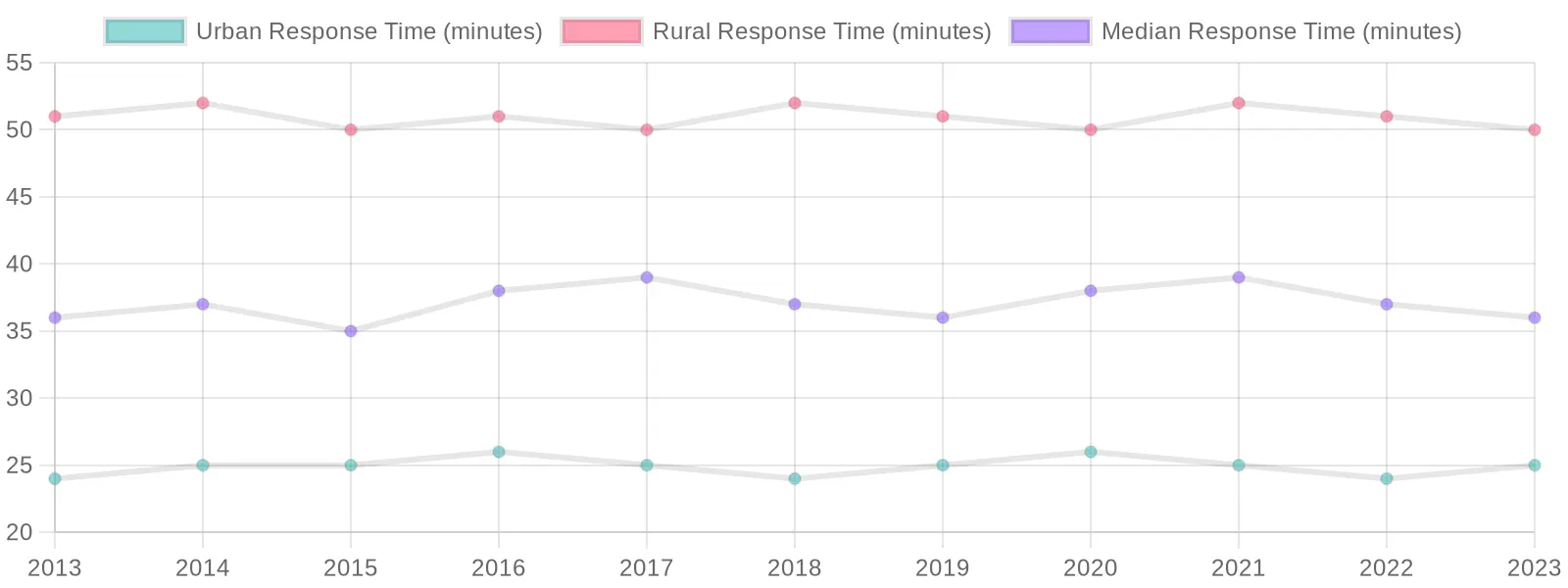
Trends in Tow Truck Response Times (2013-2023)
This chart visualizes the average tow truck response times across urban and rural areas in the United States over the past decade. The median response time has largely remained steady, fluctuating between 30 to 40 minutes, with urban areas usually experiencing quicker services compared to rural zones. This information can aid business owners in understanding the operational efficiency of towing services in different regions and planning accordingly.
For more insights into towing services, you can explore our roadside service options or check our Houston-area towing services.
Frequently Asked Questions About Tow Truck Services
1. How long does it typically take for a tow truck to arrive?
The average wait time for a tow truck is approximately 45 minutes, but this can vary widely based on location:
- Urban areas may see as low as 30-35 minutes.
- Rural areas may experience waits of 90 minutes or more.
Factors affecting these times include traffic, weather conditions, and the time of day. For better wait times, consider using mobile apps or subscription services which can reduce wait times by up to 20%. Learn more about average wait times.
2. What affects tow truck response times?
Response times can change significantly based on:
- Weather conditions: Storms can increase arrival times dramatically.
- Peak demand hours: Weekends and holidays often see a higher volume of requests.
- Technological advancements: Companies utilizing GPS and mobile apps can reduce wait times by around 35%. Read more on how tech helps response times.
3. Are there different fees for towing services?
Towing fees typically vary based on mileage and the type of vehicle. It’s advisable to ask for a detailed quote to avoid surprise charges. Also, you may want to check if your insurance covers towing costs.