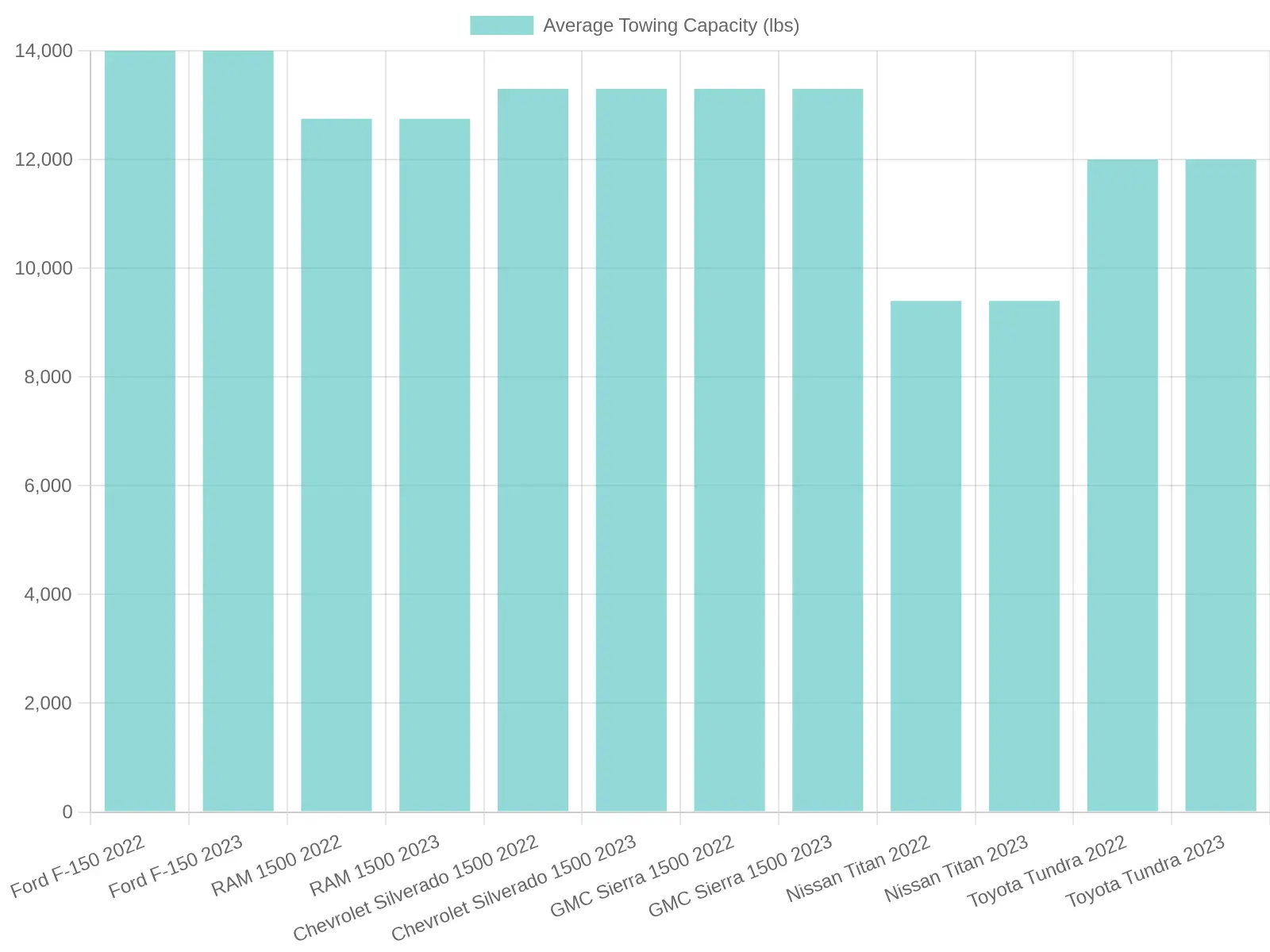

In the world of business, particularly for those relying heavily on transportation, understanding the concept of towing capacity is not just a technical detail; it’s a critical component of successful operations and a cornerstone of safety. Many business owners often find themselves asking, “how much weight can my truck tow?” This question is vital, as it determines how efficiently a truck can handle various loads-be it transporting equipment to a job site or moving inventory. The right truck, equipped with an appropriate towing capacity, ensures that business operations run smoothly while minimizing risks.
Selecting a truck with the correct towing specifications can significantly enhance truck efficiency, thereby affecting productivity and operational costs. An inadequate towing capacity can lead to severe issues, such as potential accidents or damage to both the cargo and the vehicle itself. On the contrary, overloading a truck not only violates legal weight limits but also poses a hazard on the roads, contributing to increased insurance premiums and potential liabilities.
Thus, grasping how much weight a truck can safely tow is essential for maintaining operational integrity and ensuring the safety of drivers and other road users. By investing time in understanding towing capacity and choosing the right vehicle based on load needs, business owners can safeguard their investments and contribute to a sustainable and compliant business model. For assistance with towing needs, learn more about our towing services that prioritize safety and efficiency.
Factors Affecting Towing Capacity
When it comes to understanding how much weight your truck can tow, several key factors influence the towing capacity of your vehicle. As a business owner, knowing these elements is crucial for safe and efficient transportation of goods. Below are the primary factors that affect towing capacity:
-
Truck Model: Each truck model is designed with specific capabilities, including its towing limits. Heavy-duty trucks like the Ford F-250 or Chevrolet Silverado 2500 tend to have higher towing ratings compared to light-duty models due to their build and engineering. Manufacturers provide detailed specifications for each truck model, helping owners understand their capabilities better.
-
Engine Size: The engine is the heart of the truck. Larger engines with higher horsepower and torque outputs drastically increase towing capacity. For instance, a truck equipped with a V8 engine generally can tow more than a V6 counterpart. This is vital for moving heavier loads like construction equipment or large trailers.
-
Weight Distribution: An evenly distributed load significantly enhances towing stability. Properly distributing weight across the trailer and truck ensures the vehicle handles well, reducing the risk of sway or jackknifing. Additionally, using weight distribution hitches can support enhanced stability and allow for higher payload when towing.
-
Trailer Type: The type of trailer being towed plays a significant role as well. For example, travel trailers typically require more towing capacity than utility trailers due to their design and weight. Understanding the specifics of the trailer type can help in selecting the right truck for the job.
-
Load Weight: The actual weight of the load is perhaps the most critical factor. Knowing how much weight you intend to tow will directly influence your choice of truck. The load should always remain within the truck’s towing capacity as indicated by the manufacturer to maintain safety.
-
Transmission and Braking Systems: The type and quality of the transmission can also affect towing capabilities. Trucks with heavy-duty transmissions or those with towing packages often provide better performance under load. Similarly, trucks equipped with advanced braking systems can handle heavier loads more efficiently, improving safety during towing operations.
Conclusion
Understanding these factors allows business owners to choose the right truck based on their towing needs. To ensure that you are operating within safe limits, always refer to the vehicle’s specifications as detailed by the manufacturer. Proper knowledge about factors like the truck model, engine size, weight distribution, trailer type, and load weight is essential for ensuring efficient transport operations. If you need assistance with towing services, consider contacting Mike’s Roadside Service. For further information on renting or hiring towing services, check out our towing services in Houston.
| Truck Model | Towing Capacity (lbs) |
|---|---|
| Ford F-150 | 14,000 |
| Chevy Silverado | 13,300 |
| Ram 1500 | 12,750 |
| Toyota Tundra | 12,000 |
| Nissan Titan | Estimated 10,000 |
Sources:


Calculating Towing Capacity: A Comprehensive Guide for Business Owners
When it comes to organizing transportation operations, a business must understand its vehicle’s towing capabilities. Overestimating what your vehicle can tow can lead to significant safety hazards, costly equipment damage, and legal repercussions. Here’s how to ensure you know your truck’s towing capacity, step by step.
1. Understand Key Terminology
To effectively calculate your truck’s towing capacity, it’s essential to know some fundamental terms:
-
Gross Vehicle Weight Rating (GVWR): This is the maximum total weight a vehicle can safely carry, including the vehicle’s own weight plus any cargo and passengers. It is crucial to consult your vehicle’s manufacturer specifications to find the GVWR, which is often displayed on a placard located on the driver’s side door or in the owner’s manual. For example, a 2023 Ford F-150 typically has a GVWR of around 14,000 pounds.
-
Gross Axle Weight Rating (GAWR): This refers to the maximum weight that can be distributed across the axles of the vehicle. It’s necessary to ensure that neither axle is overloaded, as this could compromise handling and safety.
-
Towing Capacity (or Maximum Tow Rating): This is the maximum weight that a vehicle can tow. It is essential for making informed decisions about what trailers or heavy equipment your truck can manage effectively.
2. Gather Information
To calculate your towing capacity effectively, follow these steps:
- Locate the GVWR: As stated earlier, this can typically be found on the door placard, in your owner’s manual, or through the vehicle manufacturer’s specifications. For reference, a truck like the 2023 Ford F-150 shows a GVWR of 14,000 pounds.
- Find the Curb Weight: This is the weight of the vehicle without any cargo-just the vehicle itself along with necessary fluids like oil and fuel. For example, the curb weight of the Ford F-150 is approximately 5,000 pounds.
- Determine the Payload Capacity: The payload capacity can be calculated by subtracting the curb weight from the GVWR. For our example:
- Payload Capacity = GVWR – Curb Weight
- Payload Capacity = 14,000 lbs – 5,000 lbs = 9,000 lbs
- Check the Manufacturer’s Tow Rating: The final step is to consult the manufacturer’s specifications for the maximum towing capacity to ensure the calculated value aligns with your vehicle’s towing capabilities. For example, let’s say, the Ford F-150’s maximum towing capacity is approximately 11,100 pounds.
3. Understanding Towing Safety
Safety should always be your primary consideration when towing.
- Keep within your limits: It’s crucial never to exceed the towing capacity listed by the manufacturer. Carrying too much weight can damage your vehicle and create an unsafe driving situation.
- Consider the Payload: Remember that you must account for your payload capacity when calculating total weight. If you carry heavy equipment or supplies in your truck, this weight must be subtracted from the total towing capacity.
- Check Local Laws: Regulations may also impact how much you can tow legally on public roads. Always ensure compliance with your local towing laws and regulations.
4. Using a Visual Aid
To help visualize the differences between GVWR, GAWR, and towing capacity, refer to the chart below:
| Specification | Description | Example Vehicle (e.g., Ford F-150) | Towing Capacity (lbs) | GVWR (lbs) | GAWR (lbs) |
|---|---|---|---|---|---|
| GVWR | Gross Vehicle Weight Rating, total weight of the vehicle plus cargo and passengers. | 2023 Ford F-150 | 11,100 | 14,000 | Front: 4,000; Rear: 7,000 |
| GAWR | Gross Axle Weight Rating, maximum weight per axle. | 2023 Ford F-150 | 11,100 | 14,000 | Front: 4,000; Rear: 7,000 |
| Towing Capacity | Maximum weight the vehicle can tow. | 2023 Ford F-150 | 11,100 | 14,000 | Front: 4,000; Rear: 7,000 |
5. Making Informed Decisions
When selecting a truck for your business operations, consider the towing capacity essential for the types of loads you plan to transport. This planning can help ensure you choose a vehicle that meets your business needs without compromising safety.
If you need professional assistance with towing and transportation needs, be sure to check out our services at Mike’s Towing.
By following these steps comprehensively, you can ensure your truck’s towing capacity meets your requirements. Always prioritize safety and adhere to regulatory limits for the best operational performance.
For emergencies or service needs, feel free to reach out to Mike’s roadside service.
“Exceeding or misjudging towing limits can impact vehicle control and stability while driving, leading to accidents or voiding of insurance claims. Proper handling of these limits is critical.”
- AANT, Source
Knowing your truck’s towing limits is not only crucial for safety but also for operational efficiency in your business. Whether you’re managing a fleet or handling personal towing responsibilities, understanding these limits will help prevent accidents and potential liabilities.
For more information on towing services and safety, consider reviewing our roadside services.
Industry Standards and Regulations for Towing
Navigating the complexities of towing regulations is essential for business owners in the industry. Adhering to industry standards not only ensures safety but also emphasizes compliance, which can significantly impact business operations and liability concerns. Here’s a summary of some key regulations:
Key Towing Regulations
Understanding the regulations surrounding towing can help business owners minimize risk and optimize operations:
-
Safety Standards:
-
Towing operations must comply with various safety standards, including the use of proper equipment, and adherence to load limits.
-
The Road Vehicle Standards (RVS) laws established effective from July 1, 2023, outline national safety standards for vehicles, crucial for operators involved in towing.
-
Insurance Requirements:
-
Operators are required to maintain liability insurance to protect against claims arising from accidents or damages that occur during towing.
-
Background checks on towing business operators are mandatory in some regions, ensuring that individuals have a clean legal record.
-
Maximum Towing Rates:
-
Certain jurisdictions, like Miami-Dade County, enforce maximum towing rates for non-consent tows to prevent price gouging. Compliance with such rates is vital for customer satisfaction and legal operation.
-
Licensing Requirements:
-
Towing services generally require specific licenses, which vary by state. These licenses verify that the company meets safety and operational standards.
-
Equipment Standards:
-
Tools and machinery used in towing must be regularly maintained, and operators must be trained in their use. For instance, safety chains and brakes must meet specific requirements to ensure functionality.
-
Regional Variances:
-
Towing laws can differ significantly from one locality to another. For example, Vermont has strict regulations regarding safety chains, while UK regulations govern trailer dimensions and braking systems.
Impact of Regulations on Business Operations
Regulations affect business operations and liability in several ways:
-
Operational Compliance:
-
Adhering to regulations helps businesses avoid fines and legal actions, allowing them to focus on providing their services efficiently.
-
Liability Concerns:
-
Without proper insurance and compliance with established standards, businesses face increased liability in case of accidents, leading to potential financial disasters.
-
Customer Trust:
-
Compliance with safety and operational regulations builds trust with customers, leading to repeat business and positive testimonials.
-
Operational Costs:
-
Maintaining compliance often requires investment in training, equipment, and insurance, impacting overall operational expenses. However, this investment also serves as a buffer against liabilities.
Conclusion
For towing business owners, understanding and implementing regulations can streamline operations, enhance safety, and reduce liabilities. Remaining abreast of local laws and seeking guidance from industry associations will help ensure compliance and foster successful operations.

As regulations evolve, staying informed will be essential for longevity in the towing business. For more details on towing services, feel free to explore our offerings.
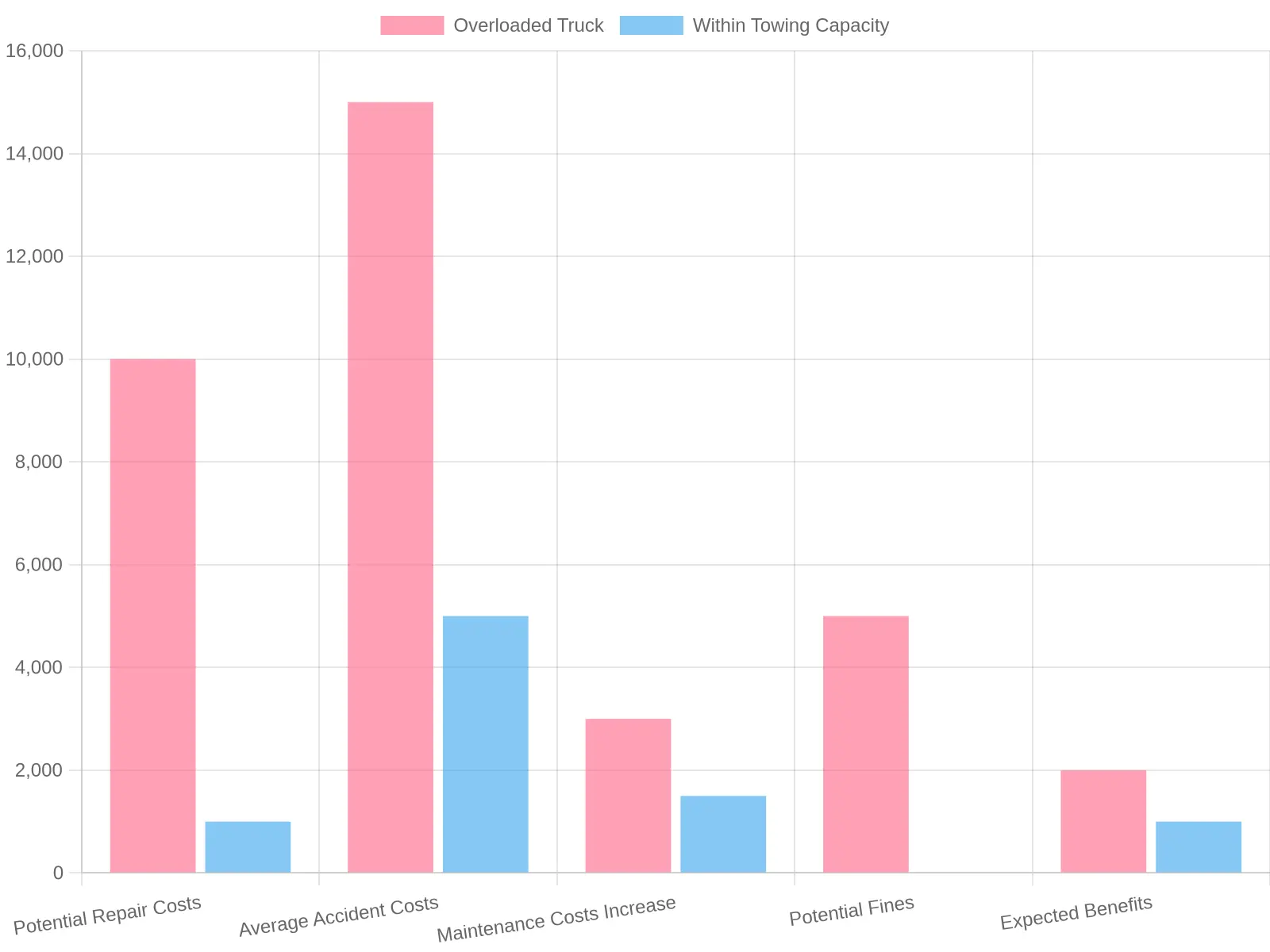
In the context of towing, understanding the implications of overloading versus adhering to specified towing capacities is crucial for business owners. Overloading a truck can lead to significant financial burdens and safety risks. Below is a detailed comparison of the potential costs associated with overloading a truck versus adhering to safe towing limits:
| Category | Overloaded Truck | Within Towing Capacity |
|---|---|---|
| Potential Repair Costs | $10,000 | $1,000 |
| Average Accident Costs | $15,000 | $5,000 |
| Maintenance Costs Increase | $3,000 | $1,500 |
| Potential Fines | $5,000 | $0 |
| Expected Benefits (Adhering to Capacity) | Improved safety ratings | |
| Longer vehicle lifespan | ||
| Lower insurance premiums | ||
| Lower operational costs |
Understanding these figures emphasizes the importance of following towing capacities to not only safeguard your assets but also to prevent unnecessary financial expenditure. For more information on safe towing practices, consider checking out our towing services in Houston or roadside assistance options that ensure safe towing and transport practices.
Conclusion and Call to Action
Understanding towing capacity is crucial for business owners who rely on transportation, whether for hauling goods or providing services. Adhering to the manufacturer’s towing specifications not only ensures safety but also maintains operational efficiency and compliance with local regulations. Exceeding towing limits can lead to severe consequences, including accidents, legal penalties, and damage to vehicles, which emphasize the necessity of having this knowledge as a core aspect of your business strategy.
Moreover, utilizing professional towing services can enhance your operations significantly. Whether dealing with vehicle breakdowns or transporting heavy equipment, effective towing services minimize disruptions and ensure prompt assistance, helping your business stay on track. For instance, reliable towing partners not only reduce downtime but also help your enterprise thrive by contributing positively to local economies-it’s been noted that every dollar spent on towing can generate an additional $1.80 in economic activity. This emphasizes the integral role of towing in maintaining business continuity and supporting local communities.
Your commitment to understanding towing capacity and utilizing trustworthy towing services is vital in protecting lives and property while optimizing your business’s performance.
Don’t wait – contact us today to discuss your needs, request a quote, or learn more about how we can support your mission to protect lives and property. Learn more about our towing services in Houston or check our affordable roadside assistance options.
Frequently Asked Questions (FAQ) About Towing Capacity
When it comes to towing capacity, various queries arise, especially among business owners who rely on trucks for their daily operations. Understanding towing limits is crucial not only for operational efficiency but also for safety. Below is a comprehensive FAQ addressing common questions and misconceptions related to towing capacity.
What is Towing Capacity?
Towing capacity is the maximum weight that your vehicle can safely tow. It includes not only the weight of the trailer but also the load that’s inside it. This measure is vital for any business that requires hauling equipment, materials, or goods.
How Do I Determine My Truck’s Towing Capacity?
To determine your truck’s towing capacity, refer to the owner’s manual. You can also check the vehicle’s specifications online or consult with your vehicle dealer. It generally varies based on:
- Vehicle make and model
- Engine size
- Type of transmission
- Axle ratio
- Equipment package
For more personalized assistance, contact our towing company in Houston.
Is Towing Capacity the Same as Payload Capacity?
No, these are two different metrics. Towing capacity refers to how much weight your vehicle can tow, while payload capacity is the maximum load your vehicle can carry within itself – including passengers and cargo. Many businesses overlook this distinction, leading to potential safety risks and vehicle damage.
What Happens If I Exceed My Truck’s Towing Capacity?
Exceeding your truck’s towing capacity can compromise safety, reduce braking efficiency, and lead to mechanical failure. It may also result in legal liabilities and insurance issues. Always stay within specified limits to ensure operational integrity.
Key Takeaway: Understanding and adhering to both towing and payload capacities is essential for safe operations and compliance with traffic regulations.
Can I Increase My Truck’s Towing Capacity?
Yes, you can often increase towing capacity by upgrading components such as:
- Hitch systems
- Suspension systems
- Braking systems
However, consult with a professional before making such modifications, as they can affect the vehicle’s warranty and safety.
Are There Common Misconceptions About Towing Capacity?
Absolutely! Here are a few prevalent misconceptions:
- All Trucks Can Tow the Same Weight: Different models have unique towing capacities. Always check your specific model.
- Payload Doesn’t Impact Towing Capacity: Ignoring what’s being carried within the truck can lead to unsafe towing conditions.
- The Manufacturer’s Specs Are Always Accurate: Adverse conditions, types of trailers, and added weight can influence actual towing capability.
For detailed insight, visit our towing service page.
What Should Business Owners Consider When Choosing a Truck for Towing?
When selecting a truck for towing purposes, consider the following:
- Expected Towing Needs: Consider both the maximum weight you’ll need to tow and regular loads.
- Driver Capability: Ensure drivers are trained and knowledgeable about driving with loads.
- Maintenance Records: A well-maintained vehicle typically performs better while towing.
- Future Growth: Choose a towing capacity that will accommodate potential business expansions.
Conclusion
Understanding your truck’s towing capacity and related terms can prevent accidents and damage. By recognizing these factors, business owners can make informed decisions that enhance efficiency and safety in their operations.
For specialized towing services, get in touch with Mike’s Towing to ensure your equipment and goods are transported safely and securely.