
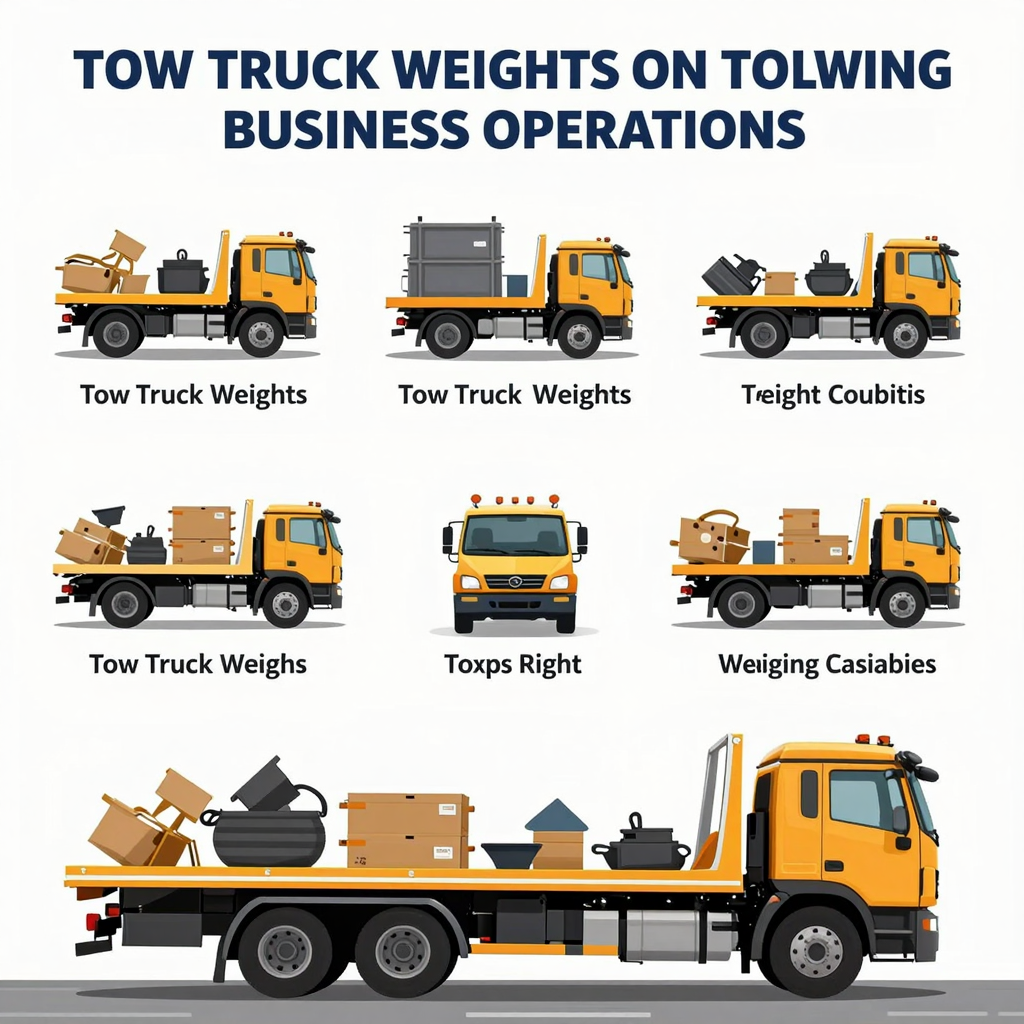
Understanding Tow Truck Weights: A Crucial Aspect for Towing Business Owners
In the competitive world of towing, understanding how much a tow truck weights is not just a matter of curiosity; it’s an essential element for business owners aiming to optimize operations and ensure compliance with legal regulations. Knowing the weight of your tow trucks can influence licensing requirements, insurance rates, and operational efficiency. For business owners in the towing industry, this knowledge can help in strategic decision-making, impacting everything from fleet management to pricing strategies. Additionally, correctly assessing the towing capacity linked to each truck’s weight allows towing service providers to meet customer demands effectively whilst maintaining safety standards. It’s a critical insight that not only enhances service delivery but also safeguards your business. To dive deeper into specifics, check out our towing services for more information on what you need to consider when operating for various weight classes.
Key Factors Affecting Tow Truck Weight
Understanding the weight of a tow truck is crucial for business owners in the towing industry. Several factors contribute to the overall weight of these vehicles. Here are some key points to consider:
- Size of the Truck: The overall dimensions, including length, width, and height, significantly impact the weight. Larger trucks can carry more and hence tend to weigh more.
- Type of Equipment: Different tow trucks come with a variety of equipment types, such as flatbeds, wheel lifts, and integrated systems. Each type has unique weight characteristics.
- Materials Used: The composition of the truck, whether made from steel, aluminum, or composite materials, affects overall body weight. Lightweight materials can substantially reduce the truck’s weight.
- Engine Size and Power: A more powerful engine typically weighs more, influencing the total weight due to added components like radiators and transmission systems.
- Additional Features: Additional features such as winches, storage boxes, and specialized towing apparatus can add extra weight to a tow truck.
For more insight on the services provided by tow trucks, check out Mike’s Towing Services. You can also learn more about Houston’s roadside services.
Average Weights of Different Types of Tow Trucks
Understanding the average weights of different types of tow trucks is crucial for business owners looking to purchase or utilize these vehicles. Below is a bar chart comparing the average weights of three main types of tow trucks:
- Light-Duty: Average weight between 8,500 – 10,000 lbs
- Medium-Duty: Average weight from 10,001 – 26,000 lbs
- Heavy-Duty: Average weight exceeds 26,001 lbs
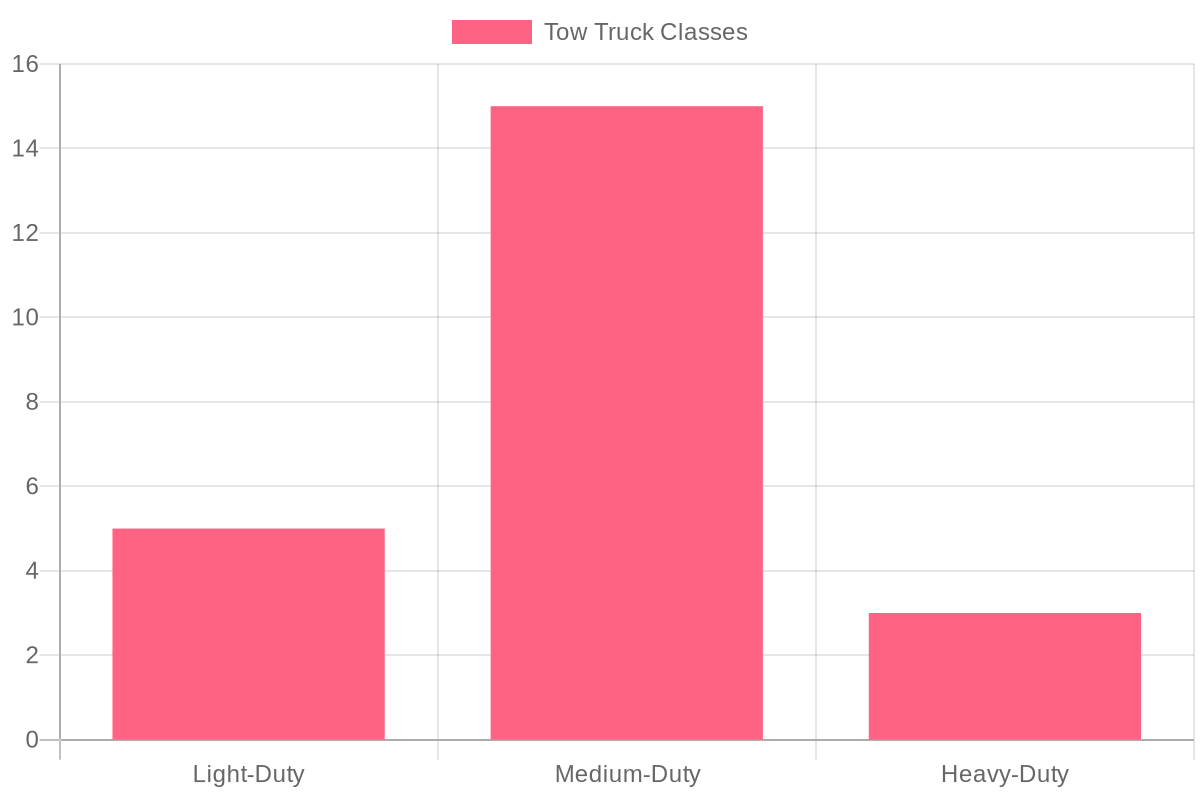
This chart will help you visualize the weight categories and make a more informed decision on which type of tow truck best suits your business needs. For more information about our towing services, check out Mike’s Towing or if you’re in need of roadside assistance, visit Mikes Roadside Service.
Understanding Tow Truck Weight Implications for Business Operations
When it comes to running a towing business, understanding the weight of your tow trucks is crucial for multiple facets of operation. The weight of a tow truck affects not only regulatory compliance and maintenance but also transportation costs, which are essential for making informed business decisions.
Regulatory Compliance
One of the primary implications of tow truck weight is adherence to federal and state regulations. Different regions have specific weight limits for vehicles operating on public roads. Failure to comply with these regulations can result in hefty fines, legal issues, and, in some instances, the temporary suspension of your towing license. It is essential for business owners to familiarize themselves with local regulations to avoid penalties. Regularly checking the gross vehicle weight rating (GVWR) helps ensure that your trucks remain within legal limits while fully loaded.
Transportation Costs
Transportation costs are significantly influenced by the weight of your tow trucks. Heavier trucks usually consume more fuel, leading to increased operating expenses. Additionally, business owners must consider the costs associated with maintaining a fleet of heavier vehicles, including tires, brakes, and fuel systems that may wear out more quickly. When selecting tow trucks for your fleet, it’s important to balance the weight against the jobs you expect to handle so that you can keep transportation costs manageable. Each fully loaded tow affects the fuel efficiency of the truck, which could either eat into your profit margins or dictate pricing for your services.
Vehicle Maintenance
A tow truck that consistently operates at or near its maximum weight capacity may be more prone to mechanical issues. Regular maintenance is essential to keep your vehicles safe and operational. Heavier vehicles often face increased wear and tear, which can lead to more frequent repairs and longer downtime. Understanding the weight of each truck allows business owners to implement a proactive maintenance schedule tailored to each vehicle’s usage patterns and weight capacity. Regular inspections and servicing can mitigate the risk of breakdowns, ensure vehicle longevity, and enhance driver safety.
Conclusion
In conclusion, understanding the implications of tow truck weight is critical for successful business operations. From regulatory compliance to maintaining transportation costs and ensuring proper vehicle maintenance, the decisions made concerning tow truck weight can significantly influence the operational efficiency and profitability of a towing business. For those interested on a deeper diversion into roadside services, check out Mikes Roadside Service for advanced insights.
Infographic: Why Weight Matters in Towing
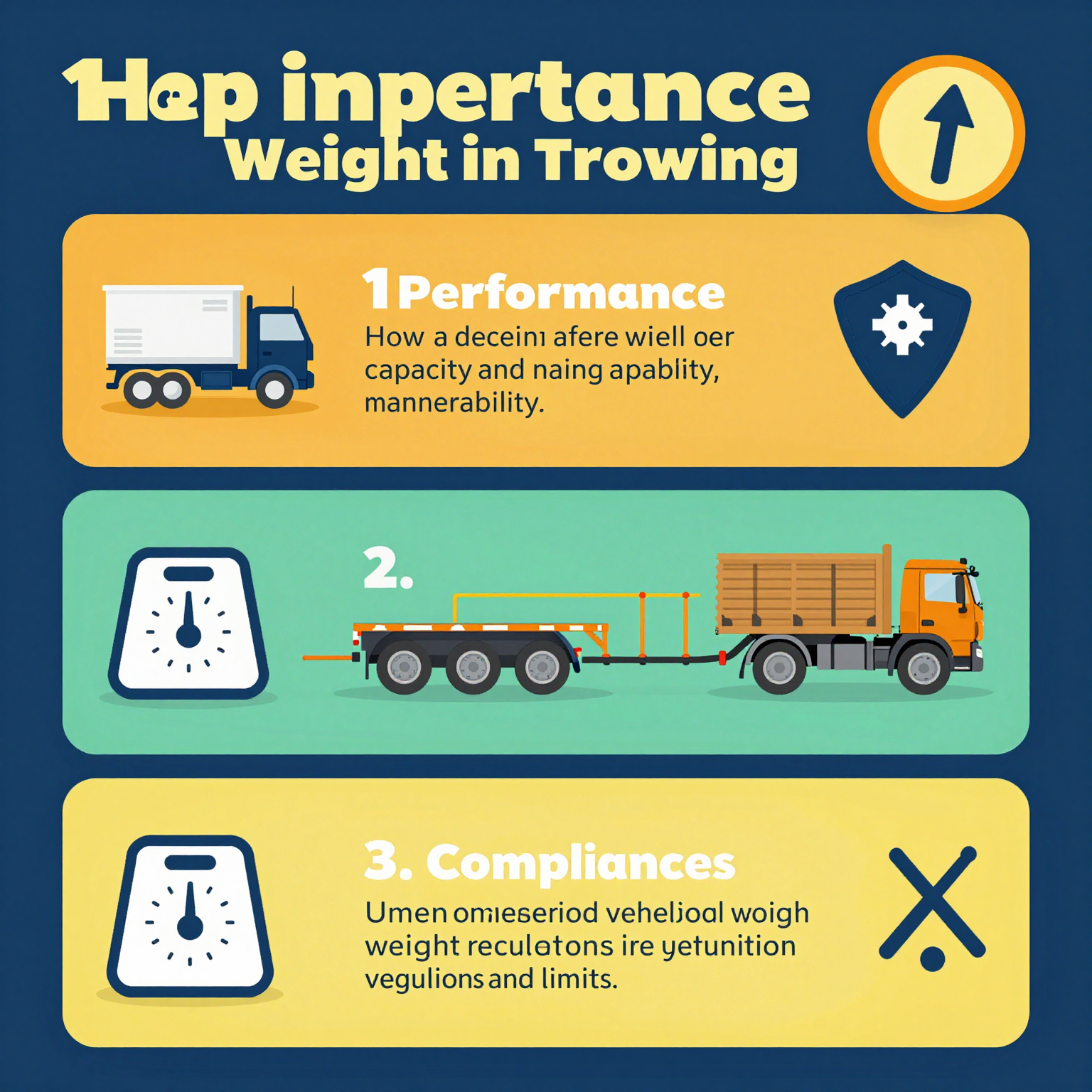
Understanding the weight of your tow truck can help ensure:
- Performance: Affects towing capacity and maneuverability.
- Safety: Stability while towing is directly related to weight.
- Compliance: Critical to adhere to weight regulations to avoid penalties.
For more details about towing regulations and services, check out our towing services in Houston or roadside assistance.
Benefits of Lighter vs. Heavier Tow Trucks
When it comes to choosing the right tow truck for your business, understanding the distinctions between lighter and heavier models is crucial. Each type has distinct advantages and disadvantages that can significantly impact operational efficiency, fuel consumption, maneuverability, and overall workload capabilities.
Advantages of Lighter Tow Trucks
- Fuel Efficiency:
- Lighter tow trucks generally consume less fuel compared to their heavier counterparts. This is primarily due to lower overall weight, which means the engine has less strain when moving the vehicle. For towing businesses looking to reduce operating costs, choosing lighter trucks can lead to significant savings in fuel expenditure over time.
- Maneuverability:
- Lighter tow trucks are easier to maneuver in tight spaces. They can navigate urban environments and congested roads more effectively, allowing operators to reach stranded vehicles quickly without hassle. This is particularly beneficial in cities where space can be limited.
- Cost-Effectiveness:
- The initial purchase price of lighter trucks can be lower than heavier models. For new or expanding towing businesses, investing in a lighter rig can be a more accessible option, making it easier to scale operations slowly without overspending.
- Ideal for Light Duties:
- Lighter trucks are perfect for towing smaller vehicles such as motorcycles, sedans, or compact cars. Having a fleet that includes lighter models can make a business more versatile in addressing various towing needs.
Disadvantages of Lighter Tow Trucks
- Limited Capacity:
- The weight limit for lighter tow trucks is low. While ideal for light-duty towing, they may struggle with heavier vehicles or larger equipment, limiting service offerings.
- Durability:
- Lighter models might not be built to withstand as much wear and tear as heavier trucks, particularly in environments with frequent off-road or rough surface activities.
Advantages of Heavier Tow Trucks
- Increased Capacity:
- Heavier tow trucks are designed for substantial towing capacities, making them capable of handling larger vehicles and heavier loads. This could include buses, larger trucks, or heavy equipment, allowing for a broader range of services.
- Stability and Safety:
- Heavier trucks offer greater stability while towing. This can be crucial when transporting oversized loads or navigating uneven terrain, as the added weight provides better control.
- Long-Term Durability:
- Built with reinforced structures, heavier tow trucks tend to exhibit greater durability over time, especially in demanding towing conditions. They are often designed for heavy use, contributing to longevity.
Disadvantages of Heavier Tow Trucks
- Higher Fuel Consumption:
- The increased weight correlates with higher fuel consumption, which can lead to significant costs for towing businesses operating on marginal profit margins. This factor can be particularly disadvantageous in economically challenging times.
- Reduced Maneuverability:
- Heavier trucks can be cumbersome in tight spaces, making them less suitable for urban environments or narrow roads. Operators may find it challenging to navigate and park heavier models in densely populated areas.
- Higher Initial Investment:
- The initial cost of heavier tow trucks is typically higher. For startups or smaller businesses, this expense may be prohibitive, leading to a more cautious approach in their fleet acquisition strategy.
Conclusion
Ultimately, the decision between lighter and heavier tow trucks should be based on the specific needs of a towing business, including service areas, target customer demographics, and financial considerations. Striking the right balance between capacity and efficiency is key to maximizing profitability while meeting customer demands. For more information on how various models can fit your operational needs, consider exploring Mike’s Towing Services for expert advice.
Understanding the weight capacity of tow trucks is critical for ensuring safety and compliance with regulations, as well as for preventing vehicle damage during towing operations.
Tow Truck Weight Categories
Tow trucks typically fall into several weight categories based on their intended use:
- Light-Duty Tow Trucks: These trucks usually weigh between 10,000 to 14,000 pounds. They’re often used for small vehicle towing, such as compact cars and SUVs.
- Medium-Duty Tow Trucks: With a weight range of 14,001 to 26,000 pounds, these trucks can handle larger vehicles including vans and small buses. They are also commonly utilized for roadside assistance.
- Heavy-Duty Tow Trucks: These trucks weigh more than 26,001 pounds and are capable of towing heavier vehicles like semi-trucks and large buses. They have powerful tow capacities that are crucial for serious recovery jobs.
Recent Trends
- Increased Compliance and Regulations: Many regions are enforcing stricter weight regulations and standards for tow trucks, focusing on safety and efficiency. This trend emphasizes the importance of maintaining proper weight limits for vehicle safety and road integrity.
- Technological Advancements: Newer models of tow trucks are being designed with advanced materials that can reduce weight without compromising strength. This trend not only enhances fuel efficiency but also improves towing capability.
- Eco-Friendly Options: There is a growing interest in hybrid and electric tow trucks, which tend to be lighter and more efficient compared to traditional models. As green initiatives take hold, businesses may look to these alternatives.
Understanding the different weight categories of tow trucks is crucial for business owners considering investments in towing equipment.
Conclusion
Understanding the weight of tow trucks is crucial for every business owner in the towing industry. It not only impacts compliance with local regulations and enhances operational safety but also plays a significant role in your business’s profitability. Owning the right type of tow truck tailored to your operational needs can lead to lower operational costs, improve efficiency, and ultimately ensure greater customer satisfaction.
As you continue to evaluate and refine your business strategies, remember that making informed decisions about your towing vehicles can lead to impressive returns on investment. For personalized assistance or to explore our wide range of towing services, contact us today and let’s ensure your operation runs smoothly and efficiently. Your success is our mission!
Don’t hesitate to learn more about our towing services and how we can support your business for a more profitable tomorrow!
Competitive Analysis of Towing Companies’ Offerings Based on Weight Capabilities
The towing industry is diverse, with various companies utilizing differently weighted tow trucks to cater to various needs. Understanding how towing companies leverage tow truck weight can reveal insights into their service offerings, operational abilities, and pricing strategies.
Tow Truck Weight Classes
Tow trucks are generally categorized into several weight classes, such as:
-
Light-Duty Towing (up to 10,000 lbs): These trucks are perfect for passenger vehicles and light trucks. Companies operating in this category often offer more affordable services targeted at vehicle owners needing quick roadside assistance.
-
Medium-Duty Towing (10,001 to 26,000 lbs): Ideal for commercial vehicles, medium-duty tow trucks allow companies to broaden their service range to include light delivery trucks and larger SUVs.
-
Heavy-Duty Towing (over 26,000 lbs): These trucks are essential for towing larger commercial vehicles like buses and heavy trucks. Companies with heavy-duty fleets can charge premium prices due to their ability to address more complex towing needs.
Impact on Service Offerings
-
Diversity of Services: Companies equipped with a variety of tow truck weights can offer a comprehensive range of services. For example, a company with both light-duty and heavy-duty trucks can provide everything from basic roadside assistance to towing wrecked semi-trucks.
-
Response Times: The weight capability of trucks influences the operational efficiency of towing businesses. Those with a higher number of heavy-duty trucks can cater to commercial clients more effectively, improving response times for larger vehicle recoveries.
-
Specialization Opportunities: Towing companies that specialize in specific weight classes can market themselves based on their expertise, potentially increasing customer trust and preferences. For instance, companies focusing on heavy-duty towing can develop relationships with commercial fleets for regular service contracts.
Pricing Strategies
-
Cost-Effective Solutions: Companies with light-duty vehicles might adopt competitive pricing strategies to attract price-sensitive customers, leveraging their lower operational costs.
-
Premium Pricing for Heavy-Duty Services: Firms offering heavy-duty towing services can charge substantially more due to the specialized equipment and expertise required. This often includes costs for recovery and roadside assistance associated with larger vehicles.
-
Dynamic Pricing Models: Some towing companies may implement dynamic pricing strategies based on demand and vehicle weight. During busy periods, companies might incentivize lighter-duty jobs with lower rates to keep their fleet operational.
Conclusion
Towing companies that effectively optimize their fleet based on weight capabilities can enhance their service offerings and structure competitive pricing strategies. Adaptability in service offerings tied to the weight capacity of their tow trucks allows these businesses to meet diverse client needs while maximizing profitability.
For more insights into specific towing services focused on roadside assistance, visit our services page. To explore the various towing options available in Houston, learn more here.