
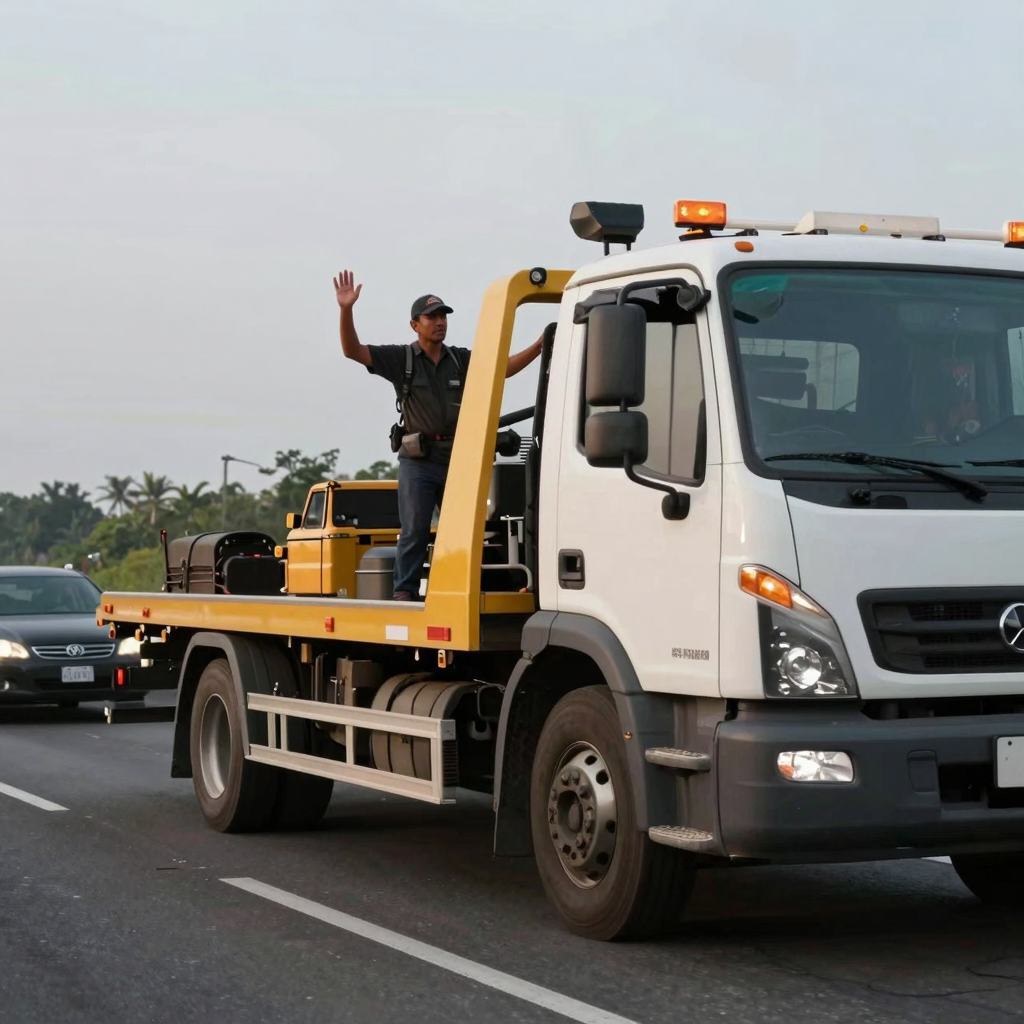
Tow Truck Drivers as First Responders
In the realm of emergencies, the role of tow truck drivers often goes unrecognized, yet their contributions are undeniably essential to public safety. Imagine a bustling highway where accidents can happen in the blink of an eye-a breakdown or collision can quickly turn into a chaotic situation, where every moment counts. This is where tow truck drivers step in as first responders, providing not just towing services but a lifeline to those in distress. For business owners, understanding the importance of timely towing services is crucial; it can mean the difference between a minor inconvenience and a major setback, impacting both customers and logistics. With their specialized training and quick response times, tow truck drivers not only clear the roads but also assist in managing hazardous situations, ensuring that safety is priority number one. By supporting reputable services like Mike’s Towing in Houston, businesses can foster a safer environment for everyone.
Definition of First Responders
First responders are crucial personnel who are among the first to arrive at the scene of an emergency. This group typically includes police officers, firefighters, paramedics, and emergency medical technicians (EMTs). Their primary responsibility is to provide immediate assistance in various situations, such as medical emergencies, fires, natural disasters, traffic accidents, and acts of violence.
Their duties encompass a broad range of activities, including:
- Rapid Assessment: Quickly evaluating the situation to determine the needed interventions.
- Medical Care: Providing life-saving procedures such as CPR, wound care, and stabilizing patients until they can be transported to a medical facility.
- Scene Safety: Ensuring the environment is safe for both victims and other responders, which may involve securing areas, controlling crowds, or preventing further hazards.
- Coordination: Working in conjunction with other emergency services to ensure a unified response.
First responders are trained to make quick decisions under pressure, often having to prioritize actions that can save lives. Their presence is vital in emergencies ranging from natural disasters, such as hurricanes, to medical crises, including heart attacks or injuries from accidents (learn more about emergency services). As integral parts of our safety net, training and readiness for these situations is paramount for effective emergency response.
The Crucial Role of Tow Truck Drivers in Emergency Situations
In the fast-paced world of road safety, tow truck drivers often emerge as unsung heroes, acting as first responders during critical emergency situations. Their expertise and prompt action can make a significant difference during accidents, vehicle breakdowns, and even natural disasters.
Accidents on the Road
When a vehicle accident occurs, chaos ensues. Smoke billows, debris scatters, and the urgency to ensure public safety accelerates. Tow truck operators arrive with their flashing lights cutting through the fog of panic. They are not just there to remove damaged vehicles; they are often the first to assess the scene. By securing wreckage and mediating between law enforcement and medical responders, they help maintain a level of order amidst the turmoil. Their quick response can also prevent secondary collisions, safeguarding other motorists as they navigate the accident scene.
Breakdowns and Stranded Vehicles
Every day, countless drivers experience vehicle breakdowns in locations that can pose significant risks. Tow truck drivers are ready to leap into action, ensuring that stranded vehicles are safely removed from busy highways or isolated back roads. Their role extends beyond towing; they provide roadside assistance and reassurance to distressed drivers, which is crucial for public safety. In a moment of unexpected turmoil, the presence of a friendly tow truck operator can be the difference between anxiety and relief.
Natural Disasters
During natural disasters, such as hurricanes or floods, tow truck drivers find themselves on the front lines, assisting with evacuations and clearing pathways for emergency services. They exemplify resilience and commitment, working tirelessly in conditions that test even the most seasoned professionals. In these instances, they become invaluable allies to law enforcement and disaster response teams, playing a part in heroically restoring safety in an environment of chaos.
Tow truck drivers are more than just operators of heavy machinery; they safeguard lives and highways. Their presence during emergencies exemplifies how integral they are to public safety and emergency responses. For more on the vital services offered by tow truck drivers, learn about our roadside assistance and how they help keep our roads safe.
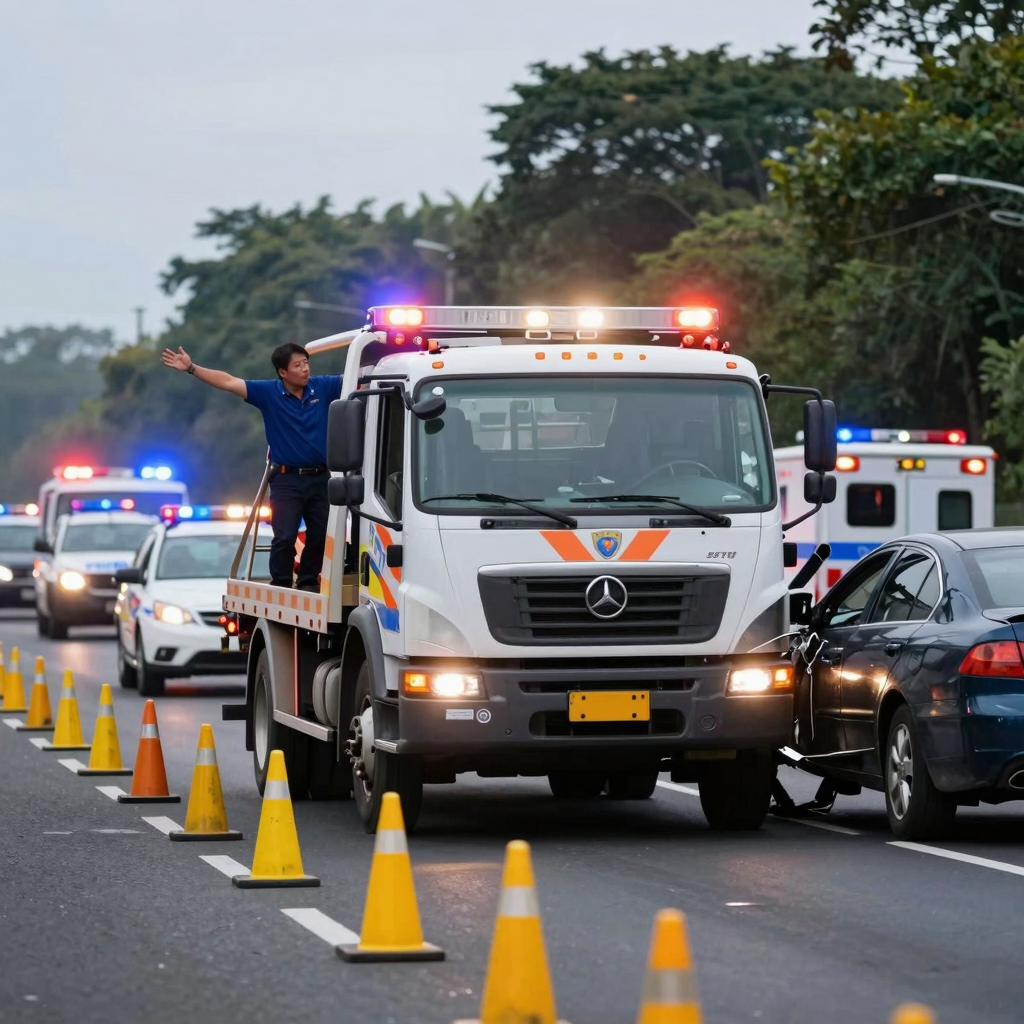
Tow truck drivers often find themselves in critical emergency situations where their quick thinking and skills can make a significant difference. Here are some real-life examples and insights that highlight the vital role they play as first responders.
-
High-Risk Situations: A study published in Accident Analysis and Prevention analyzed over 5,000 news reports on traffic incidents and identified tow truck drivers as some of the first responders on scene. The research found that tow truck drivers face a significantly higher risk of fatal incidents compared to other emergency responders. These accidents often occur in the early morning hours when many motorists are less attentive or when alcohol-related crashes occur. This data underscores the importance of recognizing tow truck operators not just as service providers but as essential emergency personnel.
-
Social Media Acknowledgment: In a heartwarming TikTok video, a tow truck driver recounts an incident where he arrived first at a car accident scene. Despite being typically viewed as “second responders,” he emphasized that they sometimes must act quickly to ensure safety before official emergency services arrive. His account reinforces that in moments of urgency, tow truck drivers are often the first to provide assistance, manage traffic flow, and prioritize the safety of those involved.
-
Heroic Actions in Emergencies: A notable example involved a tow truck driver who helped save victims from a vehicle that caught fire after a collision. This incident was reported extensively, highlighting how tow truck drivers can effectively intervene to mitigate dangers on the road, ensuring that all parties are safeguarded until proper help arrives.
These cases illustrate that tow truck drivers are not merely providers of roadside assistance; they often act as crucial first responders. For business owners in the towing industry, recognizing and promoting this aspect of their operations can enhance public perception and credibility. For instance, companies like Mike’s Towing can engage in community outreach to educate the public on the pivotal role their drivers play in emergencies.
Ultimately, the integration of safety training and recognition of their status as first responders can foster a safer road environment and enhance their operational framework. Tow truck drivers are truly on the front lines, demonstrating that they are indeed first responders in many critical situations.
Comparison of Tow Truck Services Across Regions
Understanding the differences in tow truck services across various regions can be crucial for business owners who may need to utilize these services. Here’s a detailed comparison of services available:
| Region | Response Time (Average) | Service Types Offered | Availability of Emergency Services |
|---|---|---|---|
| United States (Urban Areas) | 20-30 minutes | Vehicle towing, flat tire assistance, fuel delivery, lockout service, battery jump-start | 24/7 availability across major cities and highways |
| United Kingdom (England & Wales) | 15-25 minutes | Tow truck service, roadside assistance, key replacement, battery boost, fuel delivery | 24/7 emergency roadside assistance via national providers |
| Germany (Federal Regions) | 20-30 minutes | Towing, breakdown support, battery jump-start, fuel delivery | 24/7 emergency services provided by ADAC |
| Japan (Tokyo & Osaka) | 10-20 minutes | Towing, minor repairs, battery service, key replacement | 24/7 emergency services with high response efficiency |
| Australia (Sydney & Melbourne) | 25-40 minutes | Towing, roadside assistance, battery jump-start | 24/7 emergency services through national networks |
| Canada (Toronto & Vancouver) | 20-35 minutes | Towing, battery help, lockout service, fuel delivery, minor repairs | 24/7 emergency roadside assistance available nationwide |
For more information on the services offered by local providers, visit Mikes Towing Houston or read about Mike’s Roadside Service.
Training and Qualifications for Tow Truck Drivers
Tow truck drivers play a critical role as first responders in roadside emergencies. To effectively handle these situations, comprehensive training and qualifications are essential. Here’s a look at what is needed to ensure they are prepared for the challenges they face.
Required Certifications
- Commercial Driver’s License (CDL): Most tow truck drivers need a valid CDL, with Class B or C, based on the weight and type of vehicle operated. This ensures they are capable of safely handling large trucks in various conditions.
- Emergency Response Training: Training must include certified emergency response protocols such as basic life support (BLS), hazardous materials awareness, and vehicle extrication techniques. Some states mandate additional certifications, like Emergency Medical Responder (EMR) or completion of the Emergency Vehicle Operations Course (EVOC)
National Highway Traffic Safety Administration.
Safety Protocols
Tow truck drivers are required to adhere to rigorous safety protocols:
- Use of Personal Protective Equipment (PPE): Wearing high-visibility clothing is essential for personal safety.
- Scene Management: Training in scene safety, including the use of warning lights, cones, and hazard communication with emergency services, is a must.
- Ongoing Education: It is important for drivers to engage in ongoing education, including annual recertification courses for CPR and trauma care, to stay updated on current practices American Automobile Association.
Given the critical nature of their job, ongoing training ensures that tow truck drivers remain equipped to respond effectively in emergencies and uphold public safety.
The Role of Tow Truck Drivers in Emergencies
Tow truck drivers often find themselves at the forefront of emergency situations, stepping in at critical moments and providing essential services when needed most. Much like first responders, they exhibit professionalism and promptness in addressing urgent situations, whether that involves towing a vehicle from a dangerous spot or assisting someone whose car has broken down on the road.
Moreover, tow truck drivers are trained to assess situations quickly, ensuring the safety of all involved. Their tools and equipment are not just for towing; they are equipped with everything needed to help drivers in distress. This capability emphasizes their role as key players in roadside emergencies.
For instance, at Mike’s Roadside Service, our drivers exemplify these qualities, answering calls with urgency and care. Whether in Houston or surrounding areas, our professional tow truck services are always ready to assist when you need it the most.
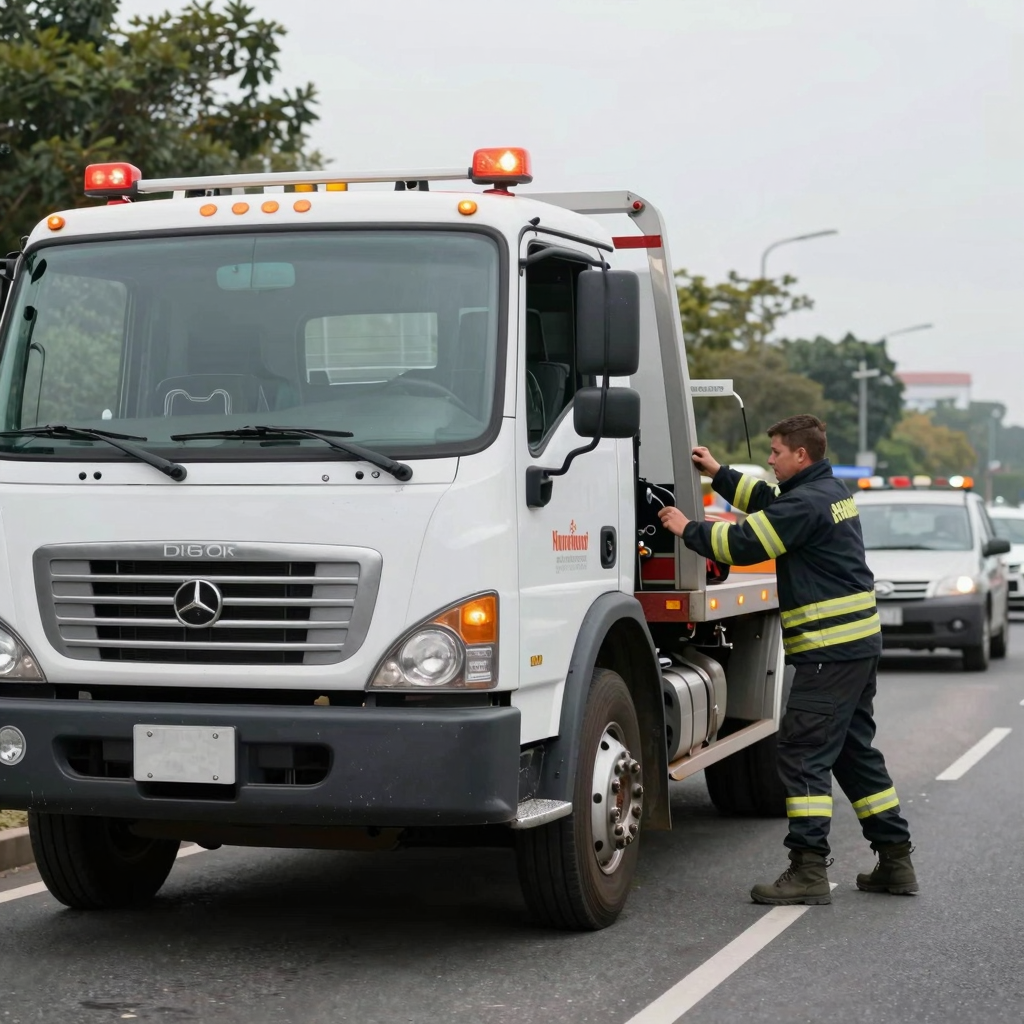
In an emergency, you can count on Mike’s Towing to provide the help you need promptly and efficiently.
Laws and Regulations Affecting Tow Truck Drivers
Tow truck drivers operate within a complex legal framework that governs their rights, responsibilities, and operational protocols, particularly in emergency situations. This legal structure varies from state to state, but certain federal regulations provide baseline standards for all operators across the United States.
Licensing Requirements
Under federal law, tow truck drivers who operate vehicles weighing over 26,000 pounds must hold a Commercial Driver’s License (CDL). Smaller tow truck operators might not require a CDL, depending on the weight of the vehicle they are licensed to drive. However, regardless of their licensing status, tow truck drivers must comply with the FMCSA Regulations which oversee safety and operational standards for vehicles used in commercial operations. This includes adherence to hours-of-service limits, vehicle maintenance requirements, and drug and alcohol testing protocols.
Additionally, state-specific regulations may impose additional requirements such as background checks and business permits. For example, drivers may need to pass state-administered tests or obtain special endorsements on their licenses, as outlined by the National Association of Automotive Repair & Service.
Responsibilities during Emergencies
During emergencies, tow truck drivers have crucial roles to play. According to guidelines established by the National Highway Traffic Safety Administration (NHTSA), they are mandated to prioritize safety by securing the accident scene with warning triangles or flares and positioning their vehicles safely without obstructing traffic unless absolutely necessary. Moreover, drivers must follow local laws regarding how and when they can operate during emergencies, including not moving any vehicles at a scene until law enforcement has cleared the area, in many jurisdictions.
Drivers also have responsibilities towards the stranded motorists they assist; they must communicate clearly and may not charge excessive fees during emergencies-a practice regulated by state laws. In strict adherence to safety and legal standards, they may face civil penalties or even criminal charges if these regulations are violated, as highlighted by the American Automobile Association (AAA).
Understanding these laws enhances the readiness and professionalism of tow truck operators, allowing them to serve effectively as needed first responders during roadside emergencies.
These regulations ensure not only the safety of the drivers themselves but also the safety of the public they serve.
Tips for Partnering with Tow Truck Services
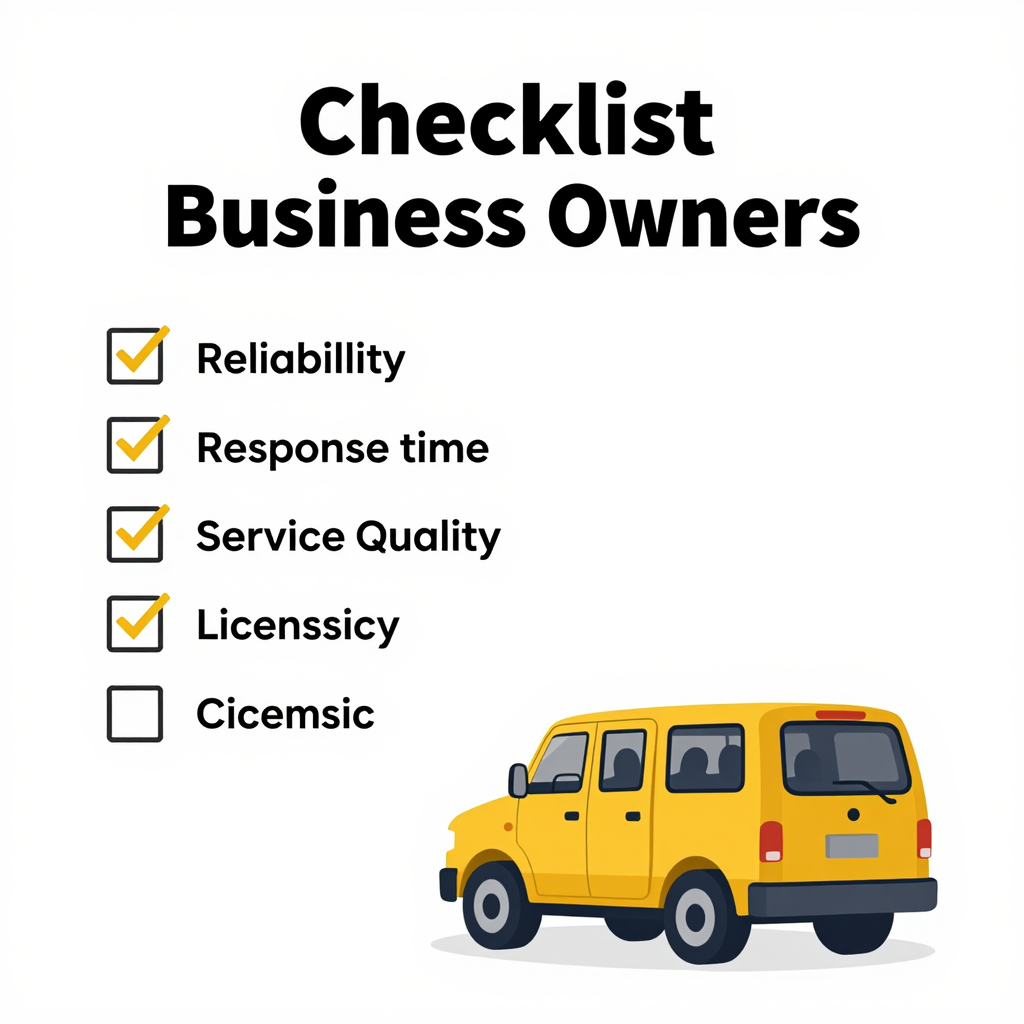
Choosing the right tow truck service can significantly impact your business operations. Here are some actionable tips for business owners:
- Assess Reliability: Look for towing companies with a proven track record. Check their online reviews and ask for recommendations from other businesses to ensure they are dependable.
- Evaluate Response Time: A quick response is crucial in emergencies. Ideally, choose a service that can reach you within 30 minutes. Ask about their average response times during peak hours.
- Check Service Quality: Ensure that the towing company maintains high service standards. Inquire about their equipment and if they have trained professionals handling your vehicles.
- Review Licensing and Insurance: Always confirm that the towing service is licensed and insured. This mitigates potential risks and ensures compliance with local regulations.
- Inquire About Additional Services: Some companies offer roadside assistance or other supportive services, which can be beneficial.
For more information on local services, visit this page on Mikes Towing.
Conclusion
In summary, tow truck drivers play an indispensable role as first responders on our roadways. They are often the first to arrive at the scene of an accident, providing critical support in managing traffic, ensuring safety, and assisting victims. Recent statistics reveal that tow truck drivers account for nearly 28% of all first responder fatalities, emphasizing the high-risk nature of their job and the need for adequate safety measures. Organizations like the National Highway Traffic Safety Administration (NHTSA) have repeatedly highlighted their importance, especially in clearing vehicles and restoring traffic flow after accidents.
Furthermore, the value of towing services goes beyond immediate roadside assistance. A 2023 report from the National Towing Association shows that 78% of fleet operators experience at least one vehicle breakdown annually, leading to significant operational disruptions. Timely towing service can reduce downtime and protect business revenue, making it a crucial element of operational resilience for many businesses. Essentially, reliable towing services contribute to smoother logistics and efficient business operations, making them an essential partner for business owners.
Given these insights, we encourage business owners to consider the benefits of strategic partnerships with towing service providers. Contact Zoomlion today for quotes on services that could enhance your operational efficiency and ensure you’re prepared for any roadside emergency. Empower your business by choosing a trusted towing partner to minimize disruptions and keep your operations running smoothly. Learn more about our services here and discover how we can support your business needs.