
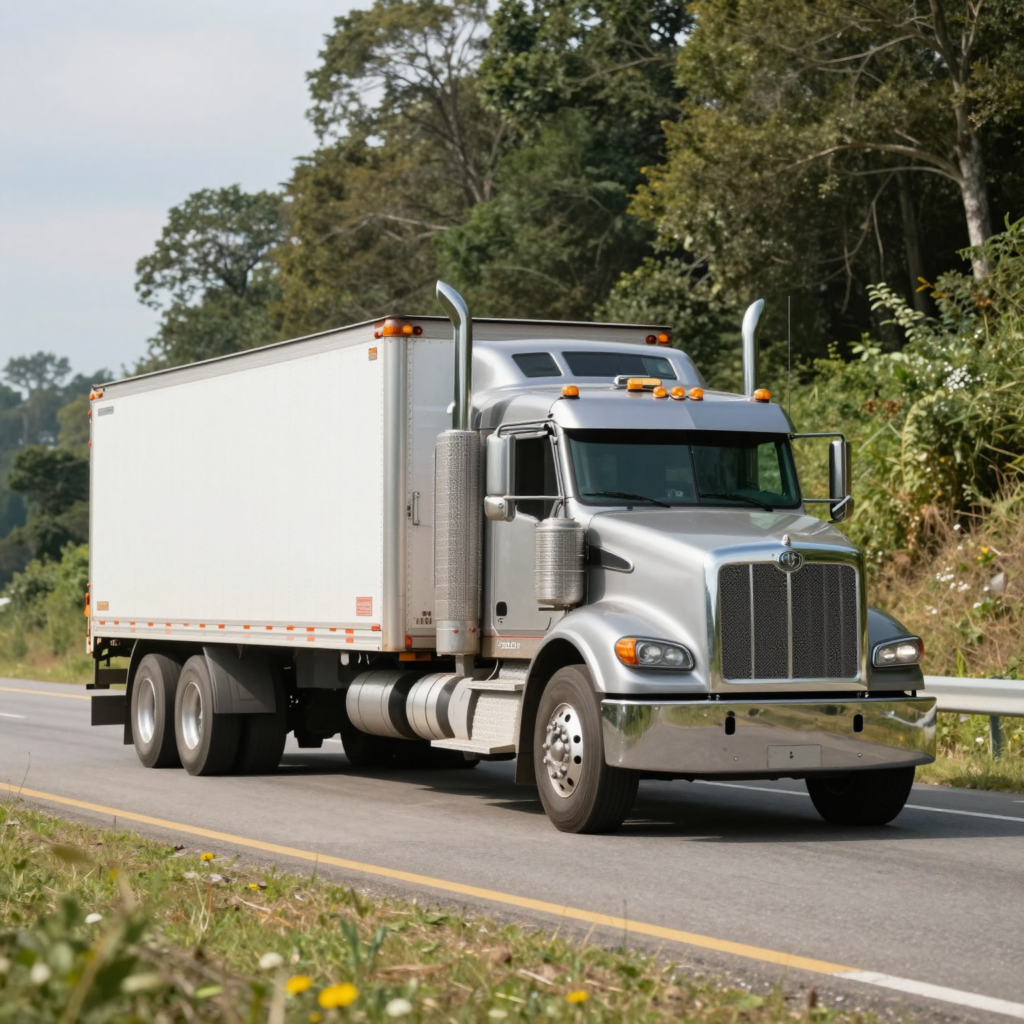
Understanding Half Ton Trucks and Their Towing Capacities
In the world of transportation and logistics, the ability to tow heavy loads efficiently is crucial for business operations. Half ton trucks, also known as light-duty trucks, have emerged as popular vehicles for both personal and commercial use. These trucks strike a balance between power and practicality, making them essential for various towing tasks. However, one of the most pressing questions for business owners is: how much weight can a half ton truck tow? Knowing your truck’s towing capacity is not just about horsepower; it directly impacts your business efficiency and safety.
Understanding towing limits is vital for ensuring that your vehicle can handle specific jobs without risking overload. Overloading your truck not only wears down its components faster but can also lead to severe accidents, compromising safety and driving performance. For business owners who rely on half ton trucks for transporting goods or machinery, comprehending towing capabilities can drive operational effectiveness and prevent costly mishaps. With various factors influencing towing capacity-including the type of trailer, cargo weight, and truck specifications-it’s imperative to have this knowledge at your fingertips. In the following sections, we’ll explore the specifics of half ton truck towing limits, so you can make informed decisions and keep your business running smoothly. If you’re seeking reliable towing services, learn more about our expert services to ensure your needs are met with efficiency!
Understanding the Towing Capacity of Half-Ton Trucks
Half-ton trucks, popular among business owners for their versatility, typically have a towing capacity ranging from 8,000 to 14,000 pounds. This capacity is highly dependent on several factors, including engine size, axle ratio, and the specific truck model.
Typical Towing Capacities
Most half-ton trucks fall within this capacity range:
- Chevrolet Silverado 1500: Up to 13,300 pounds, depending on engine and configuration.
- Ford F-150: Maximum of 14,000 pounds with the right engine and tow package.
- Ram 1500: Offers a towing limit of about 12,750 pounds.
These capacity figures represent the maximum towing potential when equipped appropriately. For instance, the 2023 Ford F-150 can achieve this maximum with its 3.5-liter EcoBoost V6 engine when equipped with the Max Trailer Tow Package. However, it can tow as little as 5,000 pounds with a standard setup.
Key Factors Affecting Towing Capacity
- Engine Size:
- A truck’s engine significantly influences its towing ability. More powerful engines like the V8 or turbocharged engines provide greater torque and horsepower, which enhance towing performance.
- Axle Ratio:
- The axle ratio determines the truck’s ability to pull weight and affects acceleration. A higher numerical ratio means better towing capacity. For example, a truck with a 3.73 axle ratio might tow better than one with a 3.31 ratio.
- Truck Model and Trim:
- Different truck models and trims have unique specifications that dictate their towing capabilities. Premium models often include advanced towing features, making them more efficient.
- Weight Distribution:
- Proper weight distribution is crucial for maximizing towing potential. Utilizing a weight distribution hitch is recommended, especially when towing near the truck’s maximum capacity, to ensure stability and safety. Proper hitch setup aids handling, braking, and reduces tire wear. This can be found in resources like the Equal-i-zer Hitch guide.
Conclusion
Understanding a half-ton truck’s towing capacity is vital for business owners who frequently move equipment or trailers. By considering key factors like engine size and axle ratio, one can maximize the towing capabilities while ensuring safety and efficiency. For those in Houston needing towing assistance, our towing services can help facilitate your needs.
Overall, making informed choices regarding your truck can significantly impact your business operations and transportation needs.
Comparison of Popular Half Ton Truck Models
When it comes to towing capacities, understanding how different half ton truck models stack up against each other is crucial for business owners and heavy-duty users. Below is a comparative analysis of some of the most popular half ton trucks available in 2023:
| Truck Model | Towing Capacity | Engine Specifications | Notable Features |
|---|---|---|---|
| Ford F-150 | 14,500 lbs | 3.5L EcoBoost V6 | Best-in-class towing rating, advanced towing technologies |
| Chevrolet Silverado 1500 | 13,400 lbs | 2.7L Turbo I4 | Excellent comfort, versatile trim options |
| Ram 1500 | 12,750 lbs | 5.7L HEMI V8 | Superior interior comfort, multiple configurations available |
| Toyota Tundra | 12,000 lbs | 5.7L V8 | Durable design, off-road capabilities |
| Nissan Titan | 9,400 lbs | 5.6L V8 | Attractive warranty, advanced safety features |
The above table provides a quick overview of the towing capacities of various half ton trucks. As seen, the Ford F-150 leads the pack with its impressive towing capacity of 14,500 lbs, making it an excellent choice for heavy towing needs. The Chevrolet Silverado 1500 and Ram 1500 follow close behind, each offering unique features suited to different preferences.
Understanding these specifications can help you make an informed decision based on your specific requirements, whether you’re looking for towing services or simply exploring options for your business’s hauling needs.
The Importance of Understanding Payload vs. Towing Capacity
For business owners using half-ton trucks, grasping the difference between payload and towing capacity is crucial for ensuring operational efficiency and compliance with safety standards. Here’s a detailed look at these two essential metrics:
What is Payload Capacity?
Payload capacity refers to the total weight a truck can carry within its bed and cab, including:
- Passengers
- Cargo
- Tools
- Aftermarket accessories (e.g., toolboxes, racks)
What is Towing Capacity?
Towing capacity, on the other hand, is the maximum weight a truck can safely pull behind it, like trailers, boats, or equipment haulers.
Key Differences Between Payload and Towing Capacity
- Functionality: Payload impacts how much the vehicle can carry, which affects its handling and suspension. Towing capacity indicates how much weight can be pulled, largely influenced by the engine and drivetrain strength.
- Independent Limits: A truck might have a high towing capacity but a lower payload capacity due to its design. For example, a truck can have a payload of 1,500 lbs and a towing capacity of 10,000 lbs, meaning it can accomplish one task at max efficiency but cannot do both simultaneously at peak levels.
Why Understanding These Metrics is Essential for Business Owners
- Operational Efficiency: Knowing the limits helps ensure trucks are used effectively without overload, which can lead to increased fuel costs and wear-and-tear.
- Legal Compliance: Exceeding either capacity can result in fines or citations from enforcement agencies, directly impacting your business operations.
- Safety: Overloading can compromise safety, leading to accidents, potential liabilities, and vehicle damage.
Quick Reference Table: Popular Half-Ton Trucks
| Feature | Ford F-150 (2024) | Chevrolet Silverado 1500 (2024) | RAM 1500 (2024) |
|---|---|---|---|
| Payload Capacity | Up to 3,320 lbs | Up to 3,460 lbs | Up to 2,380 lbs |
| Towing Capacity | Up to 14,000 lbs | Up to 13,400 lbs | Up to 12,750 lbs |
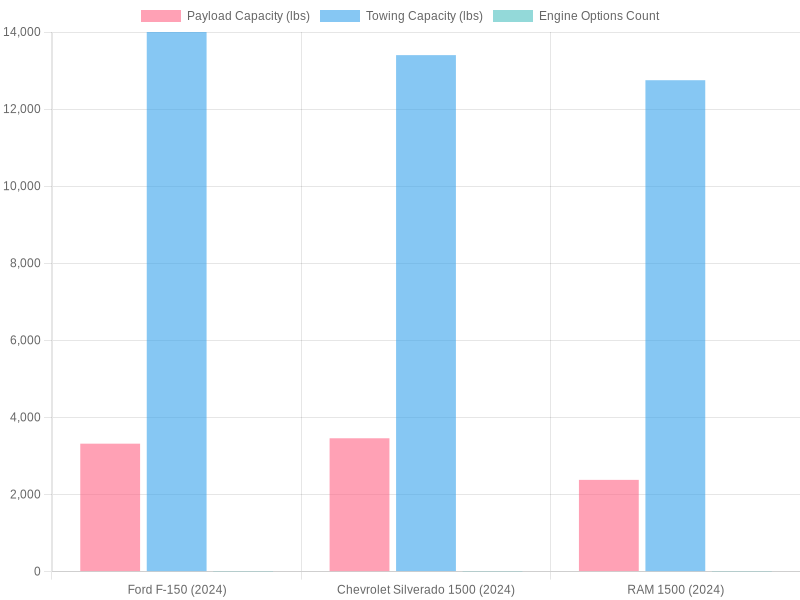
Understanding both payload and towing capacities helps business owners make informed choices about their vehicles, enabling better management of their resources. To ensure your trucks are always ready for any task, check our roadside service options.
Optimize your operations by understanding these vital metrics, ensuring safety, performance, and compliance.
Understanding Safety Factors in Towing
When it comes to towing, prioritizing safety is paramount. Every day, countless business owners rely on their vehicles to transport essential equipment, goods, and materials to do their jobs. However, towing isn’t just about hooking up a trailer and hitting the road; it requires careful planning, precise calculations, and a full understanding of how vehicle weight can impact performance. Understanding these safety factors can be the difference between a successful day of operations and a disaster on the road.
Importance of Calculating Safe Towing Limits
Calculating your vehicle’s safe towing limits begins with knowing the Gross Vehicle Weight Rating (GVWR). The GVWR is the maximum weight a vehicle is rated to safely tow. Exceeding this limit can lead to catastrophic consequences, including brake failure, loss of control, and even fatal accidents. According to the National Highway Traffic Safety Administration (NHTSA), many towing accidents occur because drivers do not adhere to their vehicle’s specified towing capacity.
Always ensure that the combined weight of your vehicle, passengers, cargo, and trailer does not exceed its GVWR. This may require using a weight scale before departing to check the total load.
The Role of Vehicle Weight
Heavier loads not only increase the demanded towing capacity but also compromise a vehicle’s braking ability. Research from Consumer Reports indicates that a fully loaded truck towing a heavy trailer can require up to 40% more distance to stop compared to when it is unloaded. This increase in stopping distance can be critical in avoiding collisions and ensuring the safety of not just the driver but also other road users.
Moreover, a 2023 study published in the SAE International Journal noted that for every 10% increase in gross vehicle weight, the stopping distance increases by approximately 12-15%. This emphasizes the importance of maintaining a manageable weight load while towing to enhance braking efficacy and vehicle stability.
The Impact on Braking Distance
Braking distance is directly affected by the load being towed. A heavy trailer adds to the inertia of the vehicle, meaning that when the brakes are applied, it takes significantly longer to come to a complete stop. Business owners should always consider how their towing practices might affect braking distances. This can be especially crucial in urban environments where quick stops are often necessary due to unexpected obstacles or traffic conditions.
Why Business Owners Must Prioritize Safety
For business owners, the stakes are higher than just a potential accident; they are at risk of losing time, resources, and possibly lives. Towing is often a fundamental part of operations, and ignoring safety can put the entire enterprise at risk. A commitment to safe towing practices not only protects the owner’s investment but also enhances the reputation of the business. Safety should never be viewed as an additional cost; it is an essential investment that pays off in the long term.
In conclusion, adhering to towing safety protocols is not merely a legal obligation; it is a moral one. Every business owner needs to be proactive in understanding their vehicle’s limits, ensuring proper loading, and maintaining their towing equipment. With a cautious approach and a commitment to safety, businesses can navigate the roads more securely.
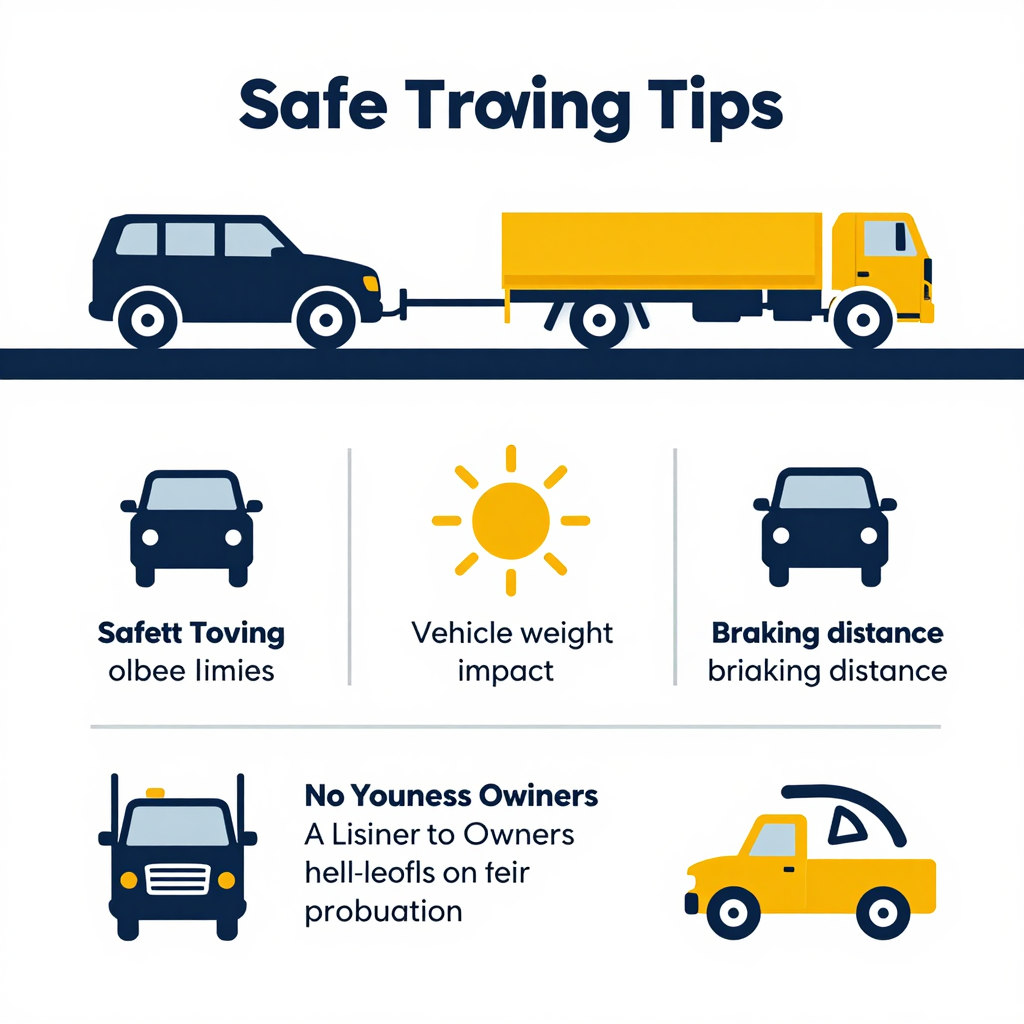
Graphical representation of towing safety tips.
Real-World Towing Experiences with Half-Ton Trucks
Towing capacity is a crucial factor for half-ton truck owners, especially those using their vehicles for business or recreational activities. In this article, we dive into real-world towing experiences shared by half-ton truck owners, providing insights on maximum weights they have towed and overall satisfaction levels.
Insights from Half-Ton Truck Owners
Recent surveys and testimonials reveal a range of experiences from half-ton truck owners regarding their towing capabilities:
- General Satisfaction: According to a report from Truck Trend Magazine, an impressive 87% of half-ton truck owners (model owners of popular makes like Ford F-150, Chevrolet Silverado 1500, and Ram 1500) reported meeting or exceeding their maximum towing capacity in real-world conditions. Common uses include:
- Travel Trailers (62%)
- Boat Trailers (23%)
-
Maximum Weights Towed: Many owners reported towing weights typically ranging from 10,000 lbs to 14,000 lbs, with the Ford F-150 capable of towing up to 14,000 lbs under optimal conditions. However, towing close to these limits often led to handling difficulties, especially in hilly terrain.
-
Feedback on Capacity: Experiences shared on forums like Reddit indicated that most users feel safest when towing at 75% to 85% of their truck’s rated capacity. A response from a Ford owner towing an 11,500-lb camper mentioned that feeling the engine strain while towing at capacity made him avoid heavy loads in the future.
-
Challenges Reported: While 91% of respondents from a survey conducted by AutoWeb Journal expressed satisfaction with their trucks’ performance, only 34% felt positive when towing at or above 90% of the maximum rating. Issues included:
- Brake wear
- Transmission overheating
- General strain on the vehicle’s mechanics
- Expert Recommendations: To ensure towing safety, manufacturers and experts agree that maintaining a safety margin below maximum capacity is crucial. Reported problems when exceeding limits include reduced braking performance and a heightened risk of accidents, as highlighted by a former heavy-duty truck repair technician.
Recommended Practices for Towing
For those actively involved in towing with half-ton trucks, consider the following:
- Use factory-installed towing packages.
- Always check load distribution, and ensure weights are within safe limits.
- Regularly maintain the vehicle to handle strain better during heavy towing.
By abiding by these guidelines, half-ton truck owners can maximize their vehicles’ performance and ensure safer towing experiences.
Conclusion
In conclusion, half-ton trucks provide considerable towing capacity, with many owners satisfied when operating within safe weight limits. By taking the necessary precautions and understanding their vehicle’s capabilities, business owners can effectively utilize their half-ton trucks for towing without compromising safety or performance.
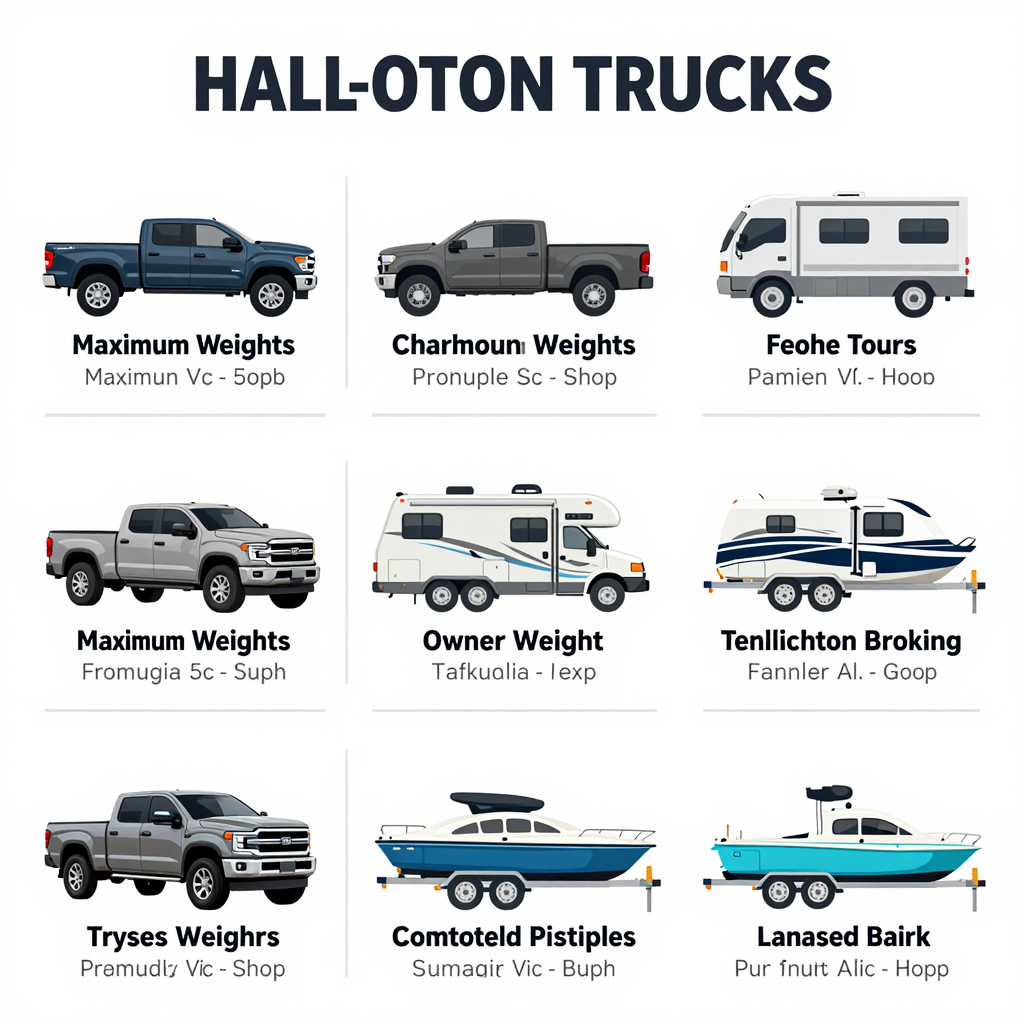
For more about towing services, check our roadside towing service or discover our towing solutions in Houston.
Towing Capacity vs Truck Weight Comparison
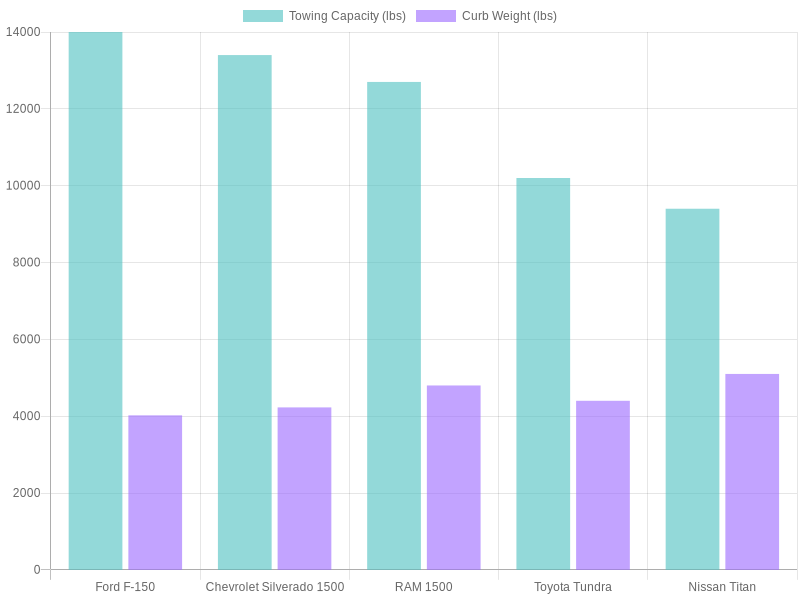
Understanding the towing capacity of half-ton trucks in relation to their weight is crucial for towing safely and efficiently. The following chart showcases the relationship between various half-ton truck models, their towing capacities, and their curb weights.
Data Insights
- Ford F-150: Tows up to 14,000 lbs and has a curb weight of 4,022 lbs.
- Chevrolet Silverado 1500: Towing capacity is 13,400 lbs with a curb weight of 4,229 lbs.
- RAM 1500: Can tow 12,700 lbs and weighs 4,800 lbs.
- Toyota Tundra: Tows a maximum of 10,200 lbs with a curb weight of 4,400 lbs.
- Nissan Titan: Offers a towing capacity of 9,400 lbs and has a curb weight of 5,100 lbs.
Note: Choosing the right truck for towing depends significantly on the specific requirements of the load you plan to haul. For more on safe towing techniques, check out this guide.
Conclusion
Understanding the towing capacities of half-ton trucks is crucial for any business owner who relies on their vehicle for hauling equipment and goods. As we’ve discussed, knowing your truck’s limitations helps ensure safety on the road, compliance with legal standards, and prolongs the life of your vehicle. Exceeding the specified towing limits can lead to dangerous situations, including increased stopping distances, compromised handling, and potential vehicle damage. Not only does this increase the risk of accidents, but it can also void warranties and complicate insurance claims.
As the average towing capacity for a half-ton truck generally ranges from 10,000 to 14,000 pounds depending on the model and configuration, it’s essential to consult your truck’s owner manual and adhere to these limits diligently. Always remember to account for the total weight of your load, including the trailer, cargo, passengers, and any additional equipment, to avoid overloading your vehicle.
Don’t wait – contact us today to discuss your needs, request a quote, or learn more about how we can support your mission to protect lives and property. Whether you need towing services or just some friendly advice, we’re here to help!
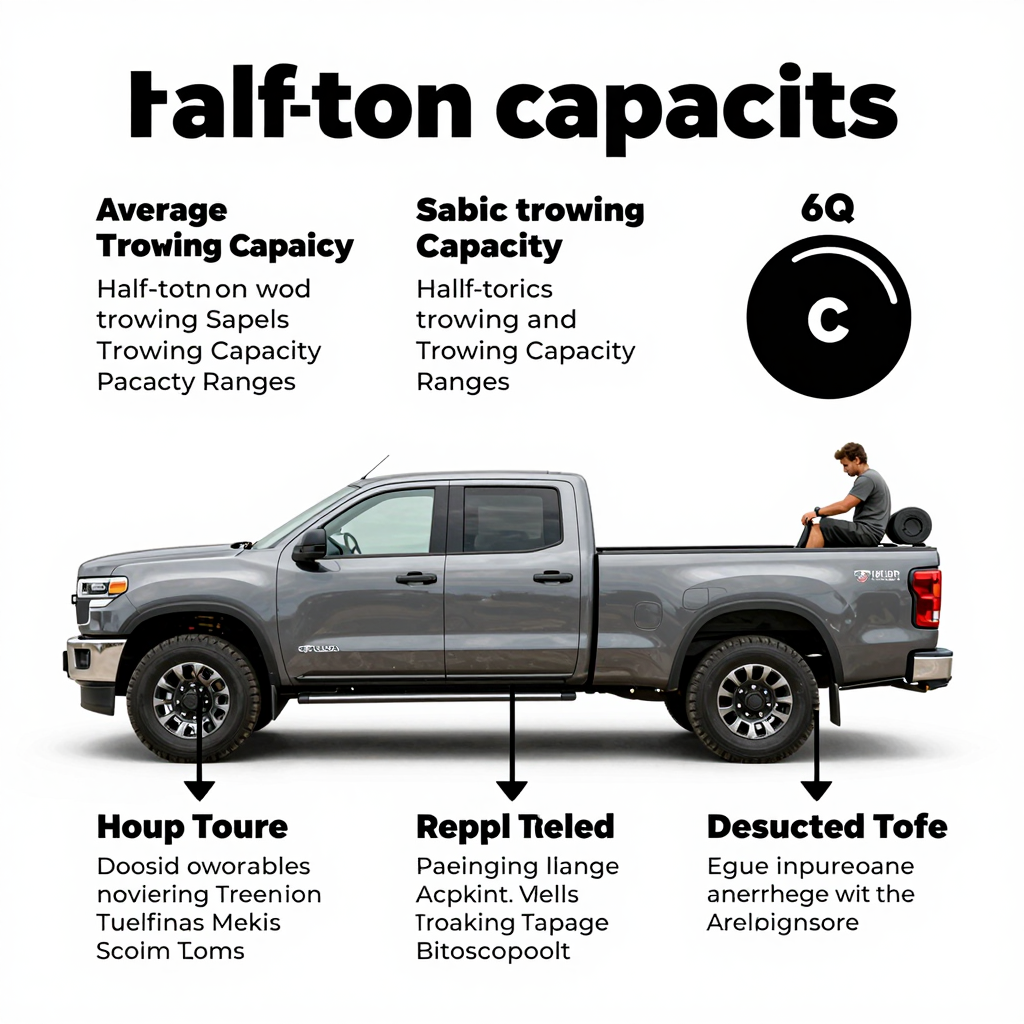
“Understanding a vehicle’s towing capacity is critical for both safety and operational efficiency. Exceeding the manufacturer’s specified towing capacity can lead to brake failure, suspension damage, overheating engines, and increased risk of accidents. Properly matching a trailer’s weight to the vehicle’s capacity ensures stable handling, especially during acceleration, braking, and cornering.”
- National Highway Traffic Safety Administration (NHTSA)
Understanding towing capacities is essential for business owners, ensuring safety and service efficiency in operations. Learn more about our roadside services or explore our towing options in Houston to see how we can assist you further.