
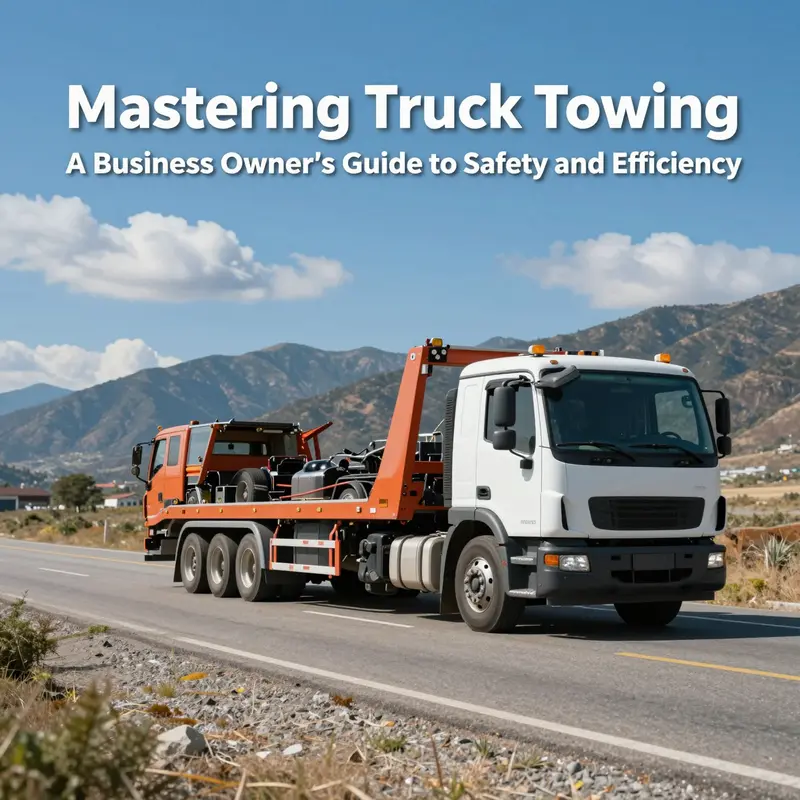
For business owners, towing a truck can be a necessary yet daunting task. Proper towing not only ensures vehicle safety but also protects your investment and maintain efficiency in operations. Whether you own a fleet of service vehicles or utilize trucks for logistics, understanding the intricacies of towing is crucial. This comprehensive guide will equip you with essential checks and the right equipment, demonstrate connection techniques, and provide vital driving safety tips when towing. Each chapter is designed to build your confidence and competence in handling truck towing efficiently while adhering to safety regulations.
The Prep-First Playbook: Essential Checks and Gear to Tow a Truck Safely
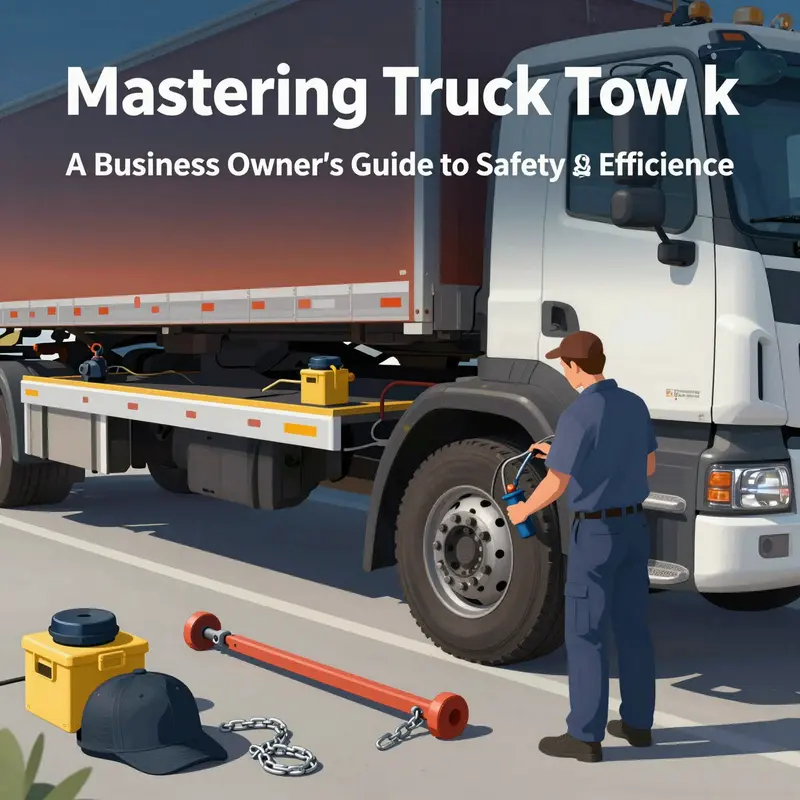
Preparing to tow a truck starts with a mindset of safety and a disciplined routine. It is the quiet start of a procedure that protects people, vehicles, and the road itself. Before the first move, you inventory the gear, verify the connections, and map a route that accounts for limits and conditions.
Begin with the towing equipment. Inspect the tow hook and the coupling for damage, deformation, or corrosion. Ensure it is securely fastened to the chassis and that torque specs are followed. A firm, manual tug on the assembly can confirm stability. For longer pulls a rigid tow bar is often the most stable choice; make sure all joints are tightened and the locking pins engaged. If a rope is used for short moves, examine for fraying and wear, and verify the length avoids entanglement or a hasty snap under tension. Never use an ordinary rope or a metal chain for automotive work.
Safety devices belong in easy reach. A fire extinguisher and a reflective warning triangle should be placed within the towing vehicle so you can act fast if something goes wrong.
Now turn to the towed vehicle. The handbrake must be fully released to avoid dragging brakes or creating a drag on the wheels. For automatics, shift to Neutral and confirm no gear in use that could cause drive shafts to rotate. For manuals, select neutral and confirm the engine is not fighting the release. Check tire pressure against manufacturer recommendations and inspect for cuts, bulges, or obvious wear. Brakes should feel firm when pressed and the steering should move with minimal resistance. If any of these systems show weakness, do not tow the vehicle until repairs are completed.
Consult the owner manual for the proper towing method, especially for four wheel drive or all wheel drive models. Some vehicles require flat towing, a tow dolly, or a flatbed trailer to avoid drivetrain damage. Understanding the intended method saves money and time and prevents costly mistakes.
Documentation and route planning complete the setup. Bring the vehicle registration, proof of insurance, and a valid driver license. Plan the route with attention to road conditions, traffic patterns, and potential bottlenecks like low bridges or narrow lanes. Identify service areas and fuel stops along the way and arrange for rest breaks so fatigue cannot creep in. Communicate clearly with the second driver and prepare for a simple signal system for slowing, stopping, and turning.
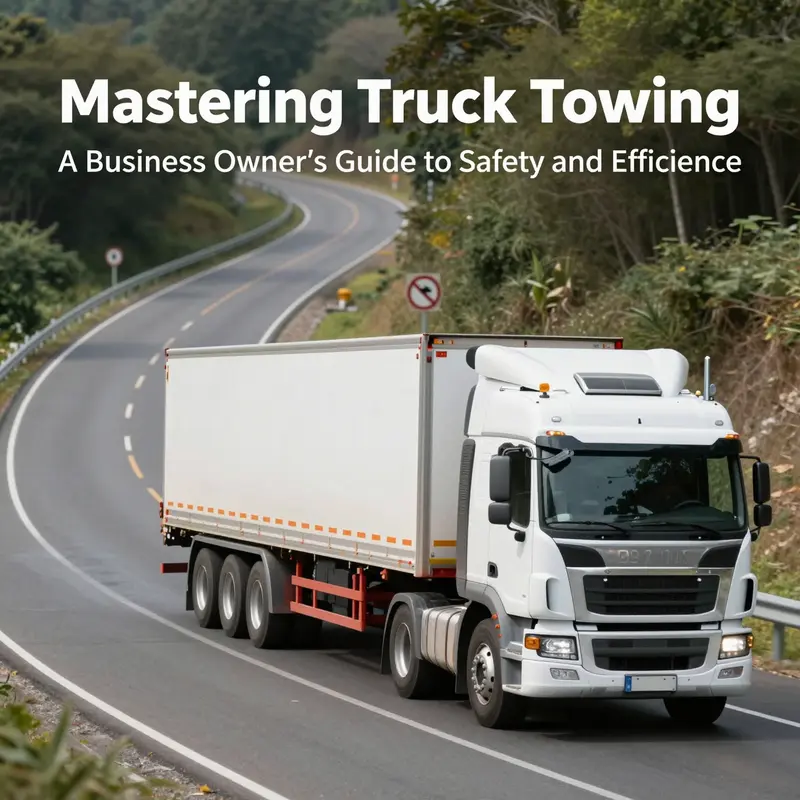
When it comes to on road operation, keep speeds cautious. For manual setups, stay under thirty kilometers per hour. For automatics, avoid high speeds and monitor the transmission for heat or unusual noises. If the trip is long, plan to cool the engine during extended towing and follow the manual guidance on breaks and resets. Maintain a larger following distance to give yourself room to react, and avoid sudden accelerations or sharp turns that could unsettle the towed vehicle.
A clear line of communication between drivers supports predictable movement. Agree on signals beforehand and use them consistently. One short signal can mean slow, a second means stop. If the towed unit swerves or appears unstable, ease off and pull over to a safe place as soon as possible.
Special conditions demand extra care. At night or in poor weather turn on hazard lights on both vehicles and use side marker and tail lights to improve visibility. If conditions are severe, postpone towing if possible. For longer hauls, check the tow equipment and tire pressure at regular intervals and permit the engine to cool after heavy usage on automatic transmissions.
Legal and practical guidelines emphasize certain limits. Maintain a safe distance during soft towing, typically between four and ten meters, and use a hard tow if the towed vehicle has brake failure. Always ensure hazard lights are flashing on both vehicles and avoid towing hazardous materials.
Once you reach the destination, stop on a flat surface and apply the handbrake on the towed vehicle. Detach or untie the equipment carefully and store everything securely for the next use.
For readers seeking practical guidance on roadside readiness, see Mikes Roadside Service.
External reference for broader technical guidelines can be found at Autocar: https://www.autocar.co.uk/.
Securing the Link: Mastering Safe Connection Techniques for Towing a Truck
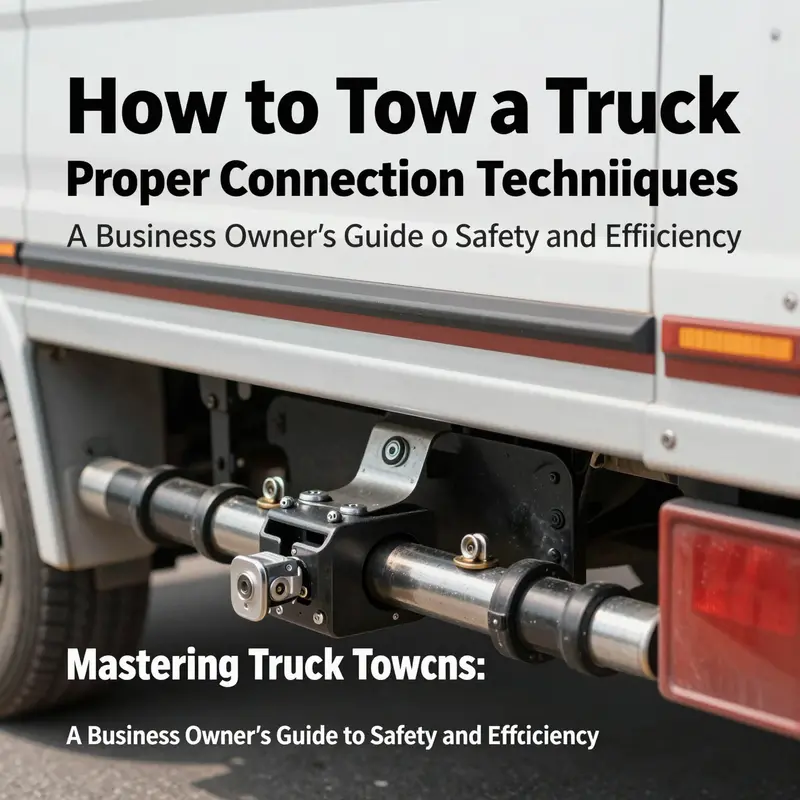
The act of connecting two vehicles for a tow is more than a mechanical step; it is the hinge on which every moment of the journey will pivot. A solid connection means controlled movement, predictable handling, and the margin of safety that keeps drivers, spectators, and property out of harm’s way. When you approach the task with method and respect for the weight and balance involved, the rest of the tow becomes a matter of steady procedure rather than reactive improvisation. The first truth is simple: never shortcut the connection. The second is practical: choose the right equipment and verify it is rated for the truck you are towing. Before you ever touch a bar or a strap, confirm the towing capacity in the owner’s manual and align that with the weight you intend to move. This isn’t about bravado; it’s about ensuring the tow vehicle can control the towed load across various grades and conditions. With that foundation, the choice between a dedicated tow bar, a tow dolly, or a receiver hitch setup becomes clear. A tow bar provides a direct, stable link and preserves steering control, making it suitable for longer distances and more challenging terrain. A tow dolly can be effective for lighter, rear-wheel-drive setups and quick repositioning. Each option carries its own installation and maintenance requirements, and the weight ratings on every component must be checked and respected. Mistakes here ripple through the entire tow, so take the time to inspect pins, brackets, receivers, and safety devices before the first movement.
null
null
Final thoughts
Towing a truck is a significant responsibility that requires preparation, knowledge, and adherence to safety guidelines. As a business owner, mastering the mechanics of towing can help protect not only your assets but also ensure the safety of your team on the road. By following the essential checks, employing proper connection techniques, and observing safe driving practices, you can perform towing operations smoothly and confidently. Enhance your towing knowledge and skills to reinforce safety standards in your business practices today.