
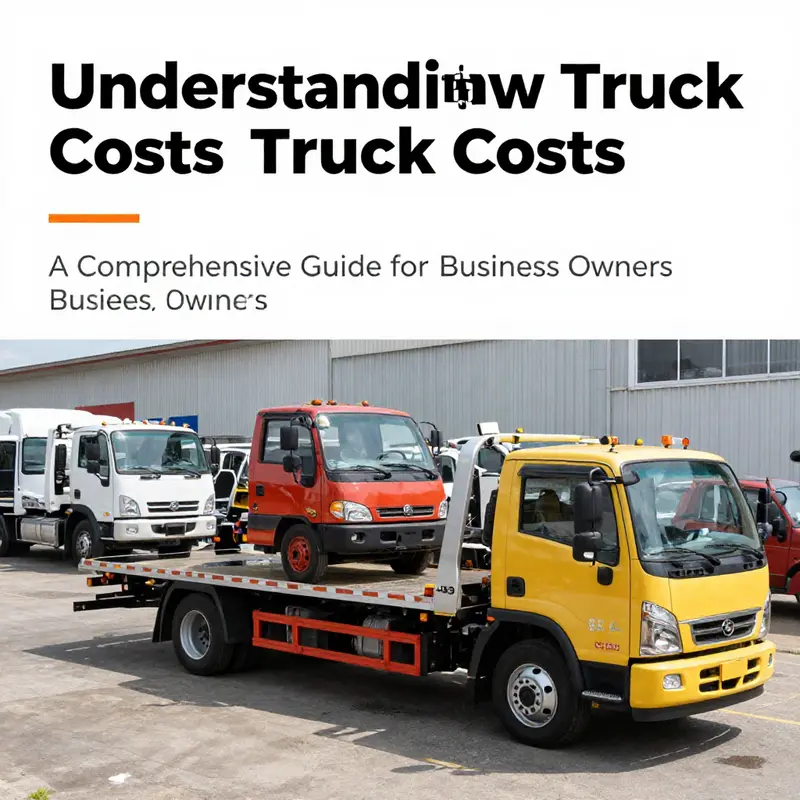
Investing in a tow truck is a significant decision for business owners in the transportation, recovery, and service industries. With varying costs based on truck type, capacity, and features, understanding the market landscape is crucial. This guide breaks down costs associated with new and specialized tow trucks, highlighting essential considerations to help you make informed choices for your business. Our exploration includes a comprehensive overview of new tow truck price ranges, specialized truck options and their costs, and the influential factors that determine these expenses.
Counting the Cost: A Practical Guide to New Tow Truck Pricing Across the Class Spectrum
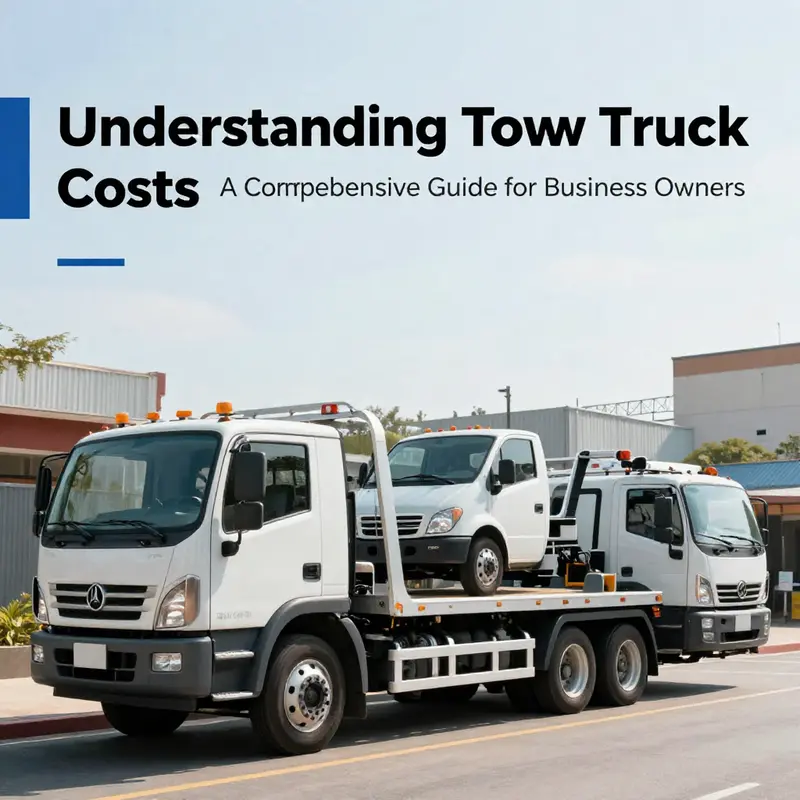
Price is a practical lens for understanding tow trucks. The total cost of a new tow truck depends on class, size, and the features that support safe, efficient recovery work. At the light end, 2-4 ton units built for passenger cars and small SUVs occupy a wide price band. A factory price range of roughly $12,800 to $39,800 captures basic options and larger engines or more robust winches. In practice, choosing a compact, entry-level unit can save thousands, while adding a stronger winch, better hydraulic pumps, or upgraded cab options can push the figure toward the upper end of that range. Buyers weigh whether they need a basic rollback or a truck with extra mounting points for additional tools. The same logic applies as you scale up.
Mid-range 5-10 ton models price toward the $30k-$50k zone, depending on configuration. These trucks are designed for full-size pickups, vans, and light commercial vehicles. They balance payload, maneuverability, and durability. A 5-ton, four-wheeled chassis with a decent winch and safety gear may fall in the middle of this band, while options like a flatbed or integrated wheel-lift can add several thousand dollars. The interest in flexibility drives many buyers to choose modular or multi-use platforms, which can slightly raise the price but offer long-term value through reduced damage during towing.
Beyond that, heavy-duty recovery vehicles push well beyond the mid-range. A genuine 25-ton class road wrecker is commonly priced in the low to mid-$30k range upfront for basic configurations, around $32,100 to $35,200 per unit, with standard equipment matched to industry expectations. These machines are built to haul large trucks, buses, or overturned cargos, and they emphasize horsepower, hydraulic capacity, and cab space for operators who work under demanding conditions. The difference between that baseline and premium configurations can be substantial, driven by added stabilization gear, more capable winches, enhanced cooling, and stronger frames.
Specialized architectures command premium pricing. Rotator units, which offer 360-degree rotation and enhanced reach for complex recoveries, often sit in the $150,000-$300,000 range or more. The rotational ability, along with reach and precision, makes them indispensable for highway emergencies and difficult terrains, but funding such equipment requires strategic planning, specialized training, and higher ongoing fuel and maintenance costs. Flatbeds, highlighted for their ability to load vehicles without ground contact, typically carry higher upfront costs than basic hook-and-recover configurations. Yet their long-term advantages—reduced vehicle damage, simpler loading, and broader vehicle compatibility—can translate into savings over time, especially when safeguarding expensive or low-clearance cars.
Pricing decisions also hinge on usage patterns. Distance of calls, time of day, and urban density can tilt hourly rates and travel surcharges. Heavier tasks demand bigger trucks, more specialized operators, and greater maintenance. For a buyer, this means the sticker price is only part of the story. A complete quote should itemize freight, delivery times, warranty terms, and any required training for staff. The choice between a first purchase and a staged upgrade often boils down to the expected job mix and budget cycles. To ground these considerations in real-world context, a look at the service-side perspective can be illuminating. For example, a nearby operator might highlight how a modular approach supported by reliable after-sales service creates the most cost-effective path over the truck’s life. If you’re looking for practical guidance, see the Mikes Roadside Service page for a concise overview of what a tow operation values in equipment and service levels. Mikes Roadside Service.
From a market perspective, buying new still remains the most straightforward way to guarantee warranty coverage and access to the latest safety and emission standards. The cheapest entry point is the light-duty class, while mid-range and heavy-duty purchases reflect the value of durability, regional support networks, and long-term reliability. For a broader, external perspective on how tow-truck pricing varies by application and geography, see the external resource that consolidates standards and pricing logic across the industry: https://www.example.com/tow-truck-prices-overview
Specialized Tow Trucks and Their Costs: Investing in Power, Precision, and Safer Recoveries
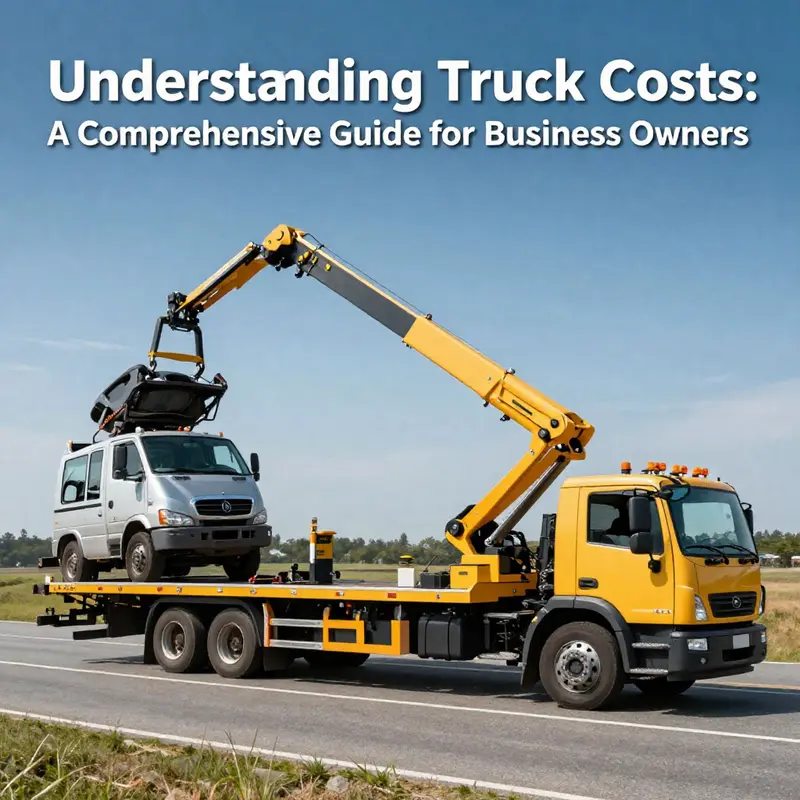
Specialized tow trucks are not merely larger versions of everyday wreckers; they are purpose-built machines designed to extend recovery capability, protect vehicles, and minimize downtime when hands-on winch work and lifts become a matter of safety. Among the most impactful options are rotator wreckers, which deploy a 360-degree hydraulic boom that can lift, tilt, and rotate in tight spaces or on crowded highways. This level of maneuverability makes them indispensable for complex scenes such as overturned cars, multi-vehicle pileups, or crashes in confined median zones where conventional rigs struggle to reach. The payoff, however, comes with a substantial price tag. Rotators typically sit in the high six figures, with real-world startup costs layered on top of heavy-duty components, demanding powertrains, and specialized hydraulic systems. The widely acknowledged range for these ultra-capable units falls roughly between one hundred fifty thousand and three hundred thousand dollars per unit, and many operators treat them as strategic assets rather than simple equipment. Alongside the fiscal commitment, rotator ownership carries an accompanying need for skilled operators and ongoing training; the intricate motions, exacting safety procedures, and the potential for complex lifts require a higher level of expertise than standard towing work. The investment, then, is twofold: an upfront purchase that reflects capability and reliability, and the long-term commitment to training and maintenance that preserves the unit’s effectiveness over years of demanding service.
Tilted flatbed, or hydraulic tilting bed, tow trucks offer a different but equally compelling set of advantages. By loading vehicles onto a moving platform that elevates and stabilizes the entire chassis, tilting flatbeds minimize contact damage and broaden the range of vehicle types that can be recovered without scuffing or undercarriage impairment. This capability makes flatbeds especially valuable for high-value, low-clearance, or all-wheel-drive vehicles that might suffer even minor impacts on a traditional wheel-lift setup. The cost story for these platforms is nuanced: while precise price data for tilting flatbeds is less openly published than for rotators, they are consistently described as premium offerings within the market. They often demand a higher upfront investment than basic tow trucks, reflecting their advanced hydraulics, precisely engineered mounting systems, and the safety margins built into the bed’s operation. Yet, their long-term value is reinforced by lower maintenance relative to more intricate rotating systems and a reduction in vehicle damage during transit, which can translate into lower downstream repair costs for customers and more repeat business for providers.
Beyond these core categories lie other specialized features that push price levels upward but also expand revenue potential. Powerful winches, extendable booms, and reinforced frames are not just nice-to-have upgrades; they are essential for performing heavy-duty recoveries with speed and control. Each of these elements adds to the initial cost, and collectively they shape the total cost of ownership. When a fleet evaluates whether to add a rotator or a tilting flatbed, the decision hinges on anticipated workload, typical vehicle types encountered, and the degree of risk operators are prepared to absorb. A 30-ton wrecker, for example, underscores the principle that lifting capacity and structural durability escalate expenses markedly, not only at purchase but in maintenance and component wear as well. Hydraulic systems demand regular servicing and skilled technicians to keep pressure, angles, and extensions precise, and downtime for service can affect a shop’s ability to meet demand.
In practice, these up-front costs must be weighed against potential gains: faster, safer recoveries; reduced vehicle damage; and the ability to tackle high-profile, time-critical incidents that yield higher service fees and broader client trust. For operators weighing a strategic purchase, it can be prudent to anchor the decision in workload forecasts, maintenance capabilities, and the anticipated lifespan of the asset. For a real-world reference to how these machines operate and the specifications that drive their performance, readers can consult deeper technical resources such as the overview on best tow trucks. If you’d like a firsthand look at how a dedicated wrecker asset is leveraged in daily operations, you can explore a practical profile here: mikes-wrecker. As always, when evaluating specialized equipment, it pays to compare certifications, warranties, and delivery timelines with multiple suppliers to ensure alignment with both budget and service expectations. For those seeking a broader, external technical perspective, a detailed overview is available here: A Technical Overview of Best Tow Trucks: Specifications and Applications.
Factors Shaping Tow Truck Costs: Distance, Weight, and Timing
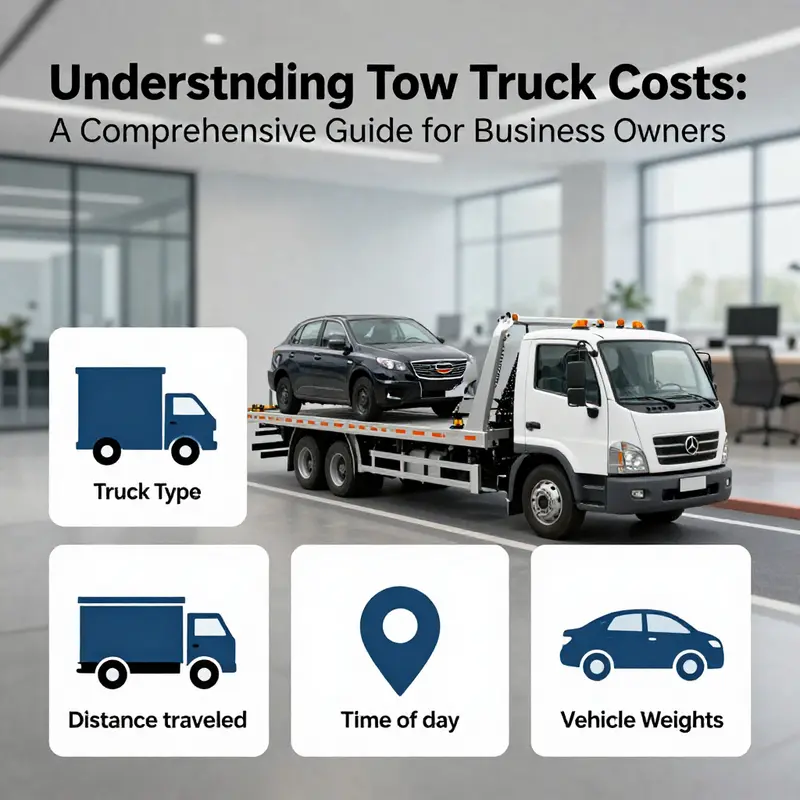
Tow truck pricing can seem opaque until you need service. The price is shaped by distance, vehicle weight and type, equipment used, and timing. Distance is often charged as a base hookup fee plus a per mile rate, or as a fixed service charge. A five mile tow might be around 75 dollars, while a fifty mile tow can exceed 300 dollars depending on local rates and fees. The vehicle type matters because heavier or more complex cars require a larger tow tractor, more labor, and potentially specialized equipment. Examples include light sedans versus heavy SUVs, all wheel drive vehicles, or units with damaged drivetrains. Additional services such as lockouts, battery jumps, fuel delivery, or tire changes may be charged separately or bundled with the tow. The equipment on the tow truck also drives cost: light duty wreckers cost less than heavy duty rollbacks, and rotator service can be much more expensive. Time of day and location affect price as well; after hours, weekends, or remote locations can add fees. A good quote should itemize base fee, per mile charges, after hours premiums, equipment fees, and any add ons, plus taxes and surcharges. To compare options, check local service pages and request a written estimate before you need service so you can budget more accurately.
Final thoughts
Understanding the costs of tow trucks is vital for business owners aiming to invest wisely in their service operations. With new truck prices ranging significantly from light-duty to heavy-duty models, and specialized trucks commanding higher prices, clarifying your operational needs can guide smarter investment choices. Various external factors—including vehicle weight, distance for service calls, and time of day—also play pivotal roles in overall pricing. By digging into these elements, you can ensure that your investment in tow trucks not only meets your operational demands but also aligns with your budgetary goals.