
Understanding the financial commitment involved in acquiring towing trucks is crucial for business owners aiming to succeed in the towing industry. With various models serving distinct purposes—ranging from small passenger vehicles to heavy-duty trucks—the cost of ownership can vary widely. This guide provides a deep dive into the pricing structures for small to medium-duty tow trucks, heavy-duty applications, and specialized or used vehicles, empowering you to make informed decisions in your investments.
Towing on a Budget: A Practical Cost Analysis for Small to Medium Duty Trucks
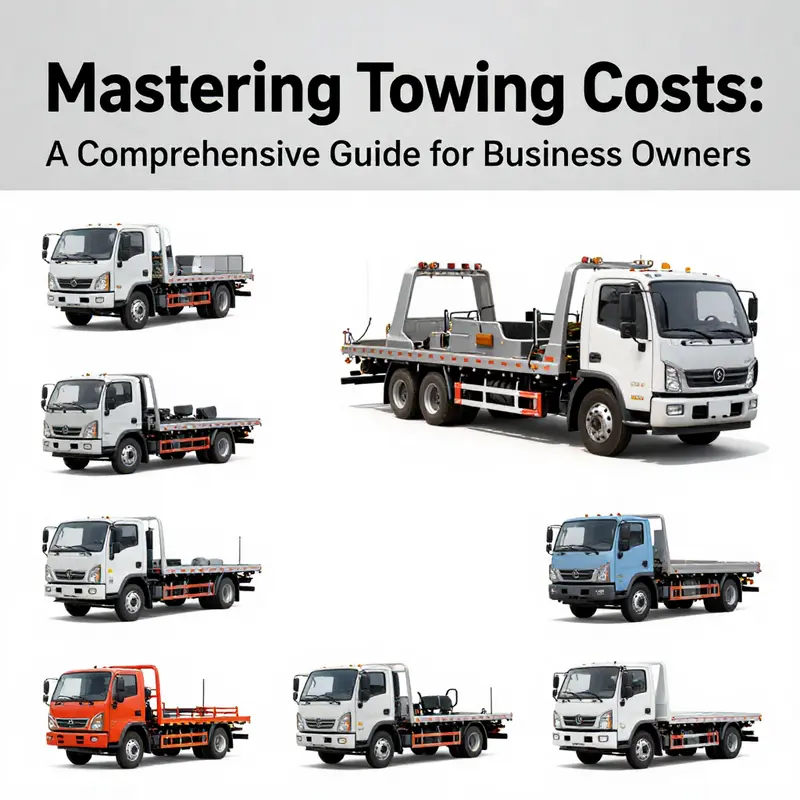
Answering the question ‘how much is a tow truck’ for small to medium duty operations means looking beyond sticker price. Price is shaped by four dimensions: size and capacity, configuration (for example how many axles and wheels), who builds it, and whether you buy new or used. In practice, fleets weigh the immediate ability to recover vehicles against longer-term operating costs, and that balance shifts price expectations in different markets. A practical way to frame the decision is to trace the price ladder from light-recovery 5–8 ton units through to larger 10-axle configurations, noting how each rung brings additional capabilities, compliance requirements, and cost of ownership.
On the lower to mid end of the spectrum, the typical 5–8 ton class is used for light recoveries and urban towing. Market data as of early 2026 places this segment roughly in the $18,000 to $39,800 range for standard configurations. Some bulk offers and simpler setups begin near $18,990, with prices rising as equipment adds features such as more powerful winches, better stabilization, or heavier-duty hydraulics. While these numbers describe a broad market, remember that a single unit can swing by thousands depending on regional factors, the included warranties, and whether upgrades are bundled with the sale.
Even more striking are the gaps created by new versus used and by overseas sourcing. In some listings, new medium-duty tow trucks can appear with alarmingly low entry prices around $3,500, especially for bare-bones configurations from suppliers serving mass markets. These entrants often reflect minimal equipment, specialized compliance packages, or unusual financing terms. In contrast, most buyers who want reliable daily service across a small fleet typically see a broader new-price range around the higher end of the small-to-mid category, where robust hydraulics, modern electronics, after-sales support, and local service networks are factored in. The difference between a bargain and a well-supported workhorse can be substantial, which is why buyers scrutinize the total cost of ownership as much as the sticker price.
Used tow trucks present another clear pathway to manage cost. Across online marketplaces and dealer networks, used units in the 5–8 ton range commonly sit in the $15,000 to $25,000 neighborhood, with a wider spread depending on mileage, mechanical condition, and the availability of essential equipment. Heavier or more complex used configurations can run higher, occasionally approaching $60,000 when they come with upgraded crane systems or additional redundancy. The appeal of used units lies in faster deployment and lower upfront cash outlay, but potential buyers should budget for more frequent maintenance, parts sourcing, and resale risk. For buyers watching inventory cycles, these price bands can shift quickly with supply chain dynamics and regional demand.
Beyond the light-to-mid segment, heavy-duty units designed for larger vehicles or major recovery work push into a different price territory. A recently observed range for high-capacity 50-ton class models sits roughly between $40,000 and $70,000 per unit, reflecting their more complex drivetrains, heavier frames, and enhanced safety and recovery features. While this chapter focuses on lighter applications, acknowledging the existence of this upper tier helps frame the price ladder and underscores how incremental capability comes with exponential cost.
Prices also tilt upward with specialized classes. Aircraft towing tractors, for example, occupy a distinct niche with comparatively affordable entry points around a few thousand dollars, though the equipment and regulatory requirements differ markedly from road-ready tow trucks. In the used-market realm, platforms that aggregate listings show a spectrum from under $37,500 up to more for heavier or more sophisticated setups. The takeaway is clear: every extra axle, every extra ton of capacity, and every compliance module carried by the vehicle translates into meaningful dollars, and buyers should align that added value with anticipated workload.
Understanding the full math of cost means looking at the total cost of ownership, not just the headline price. Financing terms can shave or swell monthly payments, especially for new rigs with extended warranties. Maintenance costs matter, including tires, brakes, hydraulics, and the wear that comes with frequent idling and winching. Insurance premia and licensing can vary by region and vehicle class, and some jurisdictions require equipment additions or periodic inspections that add to operating budgets. Fuel efficiency, driver training, and uptime expectations all feed into long-run cost: a unit might be cheaper upfront but costlier to operate if it sits idle or breaks down frequently. To obtain an apples-to-apples comparison, buyers should request quotes that isolate the base price, optional equipment, warranties, and after-sales support, then compute a rough five-year total cost of ownership based on expected utilization.
For those actively shopping, gathering multiple quotes and validating real-time listings helps sharpen the picture. When you want a practical sense of current market dynamics and procurement options, consider engaging with a reputable service provider or dealer network, and explore listings on broad B2B platforms that expose you to up-to-date pricing and customization options. For practical procurement and service options, see Mikes Towing. If you want a broader understanding of sourcing platforms and price ranges, you can also review external resources such as Alibaba’s marketplace for new models and configurations: https://www.alibaba.com
Heavy-Duty Tow Trucks: Decoding the Price Tag for Serious Recovery Capabilities
Pricing for heavy-duty tow trucks is a moving target. It depends on who makes it, the exact model, the hydraulic horsepower, the chassis configuration like 8×4 or 6×6, and the level of certification and after-sales support included. Even within the same weight class, design choices drive sticker prices up or down. A basic heavy-duty recovery unit differs from a fully fledged salvage tractor in ways that matter during a real roadside incident or a remote mine-site recovery, and those differences show up in the price tag.
In the market today, new heavy-duty tow trucks with robust recovery systems typically sit in a broad six-figure territory, with price ranges commonly cited from around $100,000 up to $250,000 or more for the most capable configurations. The leap from a lean chassis to a complete recovery setup is tied to components that stand up to harsh conditions: hydraulic power units that deliver controlled lifting and fast cycle times; winches with ample line pull and reliability under heavy loads; a sturdy chassis designed to withstand repeated shocks and long service intervals; and a transmission that can balance power, durability, and fuel efficiency. Each increment in lifting capacity, reach, or feature set—such as enhanced outriggers, advanced lighting, and integrated control systems—adds value but also adds cost. For fleets needing quick, safe, repeated recoveries, those costs translate into reduced downtime and steadier operations, which often justifies the investment.
Certifications and service networks also influence the final price. Buyers increasingly seek equipment with recognized standards like CE, BV, and ISO, not as ornaments but as indicators of predictable safety and compatibility with global maintenance ecosystems. In the global marketplace, many listings emphasize scenario-based solutions, material technology, and the assurance of parts availability across regions. The premium for an after-sales package is tangible: 24/7 online support, on-site service, and remote diagnostics can shave hours and days off downtime in critical operations. When a fleet operates across time zones or in locations with limited access to qualified technicians, those service elements become essential rather than optional luxuries. The total cost of ownership thus grows with the depth of the service network and the speed at which repairs and parts shipments can be mobilized.
For buyers who widen their lens to the international market, there is a broader menu of configurations, each with its own price logic. Some suppliers attract with lower upfront prices but longer lead times or variable service quality, while others bundle services and upgrades into a turnkey package that promises faster deployment and simpler budgeting. The prudent path is to request formal quotes from multiple sources, specifying the intended duty cycle, terrain, climate, and whether the truck will mainly function as a long-haul salvage unit or a quick-response recovery asset. Beyond the sticker price, a rigorous evaluation of total cost of ownership becomes essential: maintenance costs, availability of spare parts, fuel consumption, resale value, and the opportunity to upgrade as technology evolves. The conversation often centers on aligning lifting capacity, cycle speed, and chassis design with the anticipated recovery profiles and the geographic realities of the operation. A practical way to gain perspective is to study how real-world fleets balance performance with cost, and to consider how a supplier’s capability matches the planned duty cycles. For those curious about how these decisions play out in practice, see Mikes Wrecker.
In the final reckoning, the heavy-duty price tag encodes more than a price. It represents a combination of lifting power, durability under strain, and the backbone of support that keeps large recovery operations moving. Budgeting for heavy salvage or intercity freight recovery means anchoring expectations to the core levers: load capacity, winching reliability, chassis integrity, and the breadth of service and parts networks. The right choice balances performance with total cost of ownership, delivering better uptime and safer, faster recoveries. The market offers a spectrum of options, from manufacturer-backed lines to specialized configurations, each with its distinct price structure. Precise pricing, however, only comes after a clear briefing with a supplier that outlines operational needs, expected duty cycles, and regional support. For readers seeking broader context on supplier listings and certifications, an external resource provides additional detail: https://www.alibaba.com/product-detail/Brand-New-Wrecker-Truck-Units-Diesel_1600829934373.html
Market Variability in Towing Tractors: Navigating Specialized New Builds and Used Value
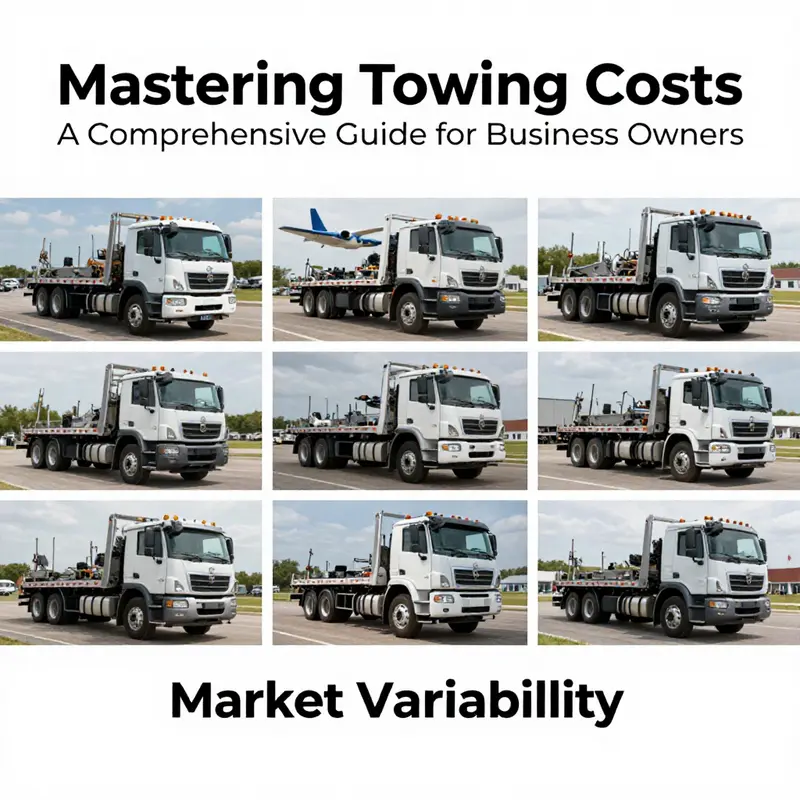
People frequently ask, “how much is a towing truck?” yet the answer isn’t a single number. The price landscape for tow trucks shifts with size, purpose, configuration, and the buyer’s timeline. A compact 5–8 ton unit built for light duty or passenger-vehicle recovery can be found in the lower tens of thousands up to the high thirties. Move into heavier workloads or different drivetrains, and prices rise quickly. Even within the same weight class, a fleet manager must weigh how much to invest today against uptime, maintenance, and the expected life of the equipment. The market’s variability becomes most evident when you compare specialized new builds with used units. In practice, the decision comes down to how a shop defines its core mission: fast response, heavy-and-technical recoveries, or a steady, lower-cost daily cycle. This nuance matters because the price tag is only part of the total cost of ownership. The real equation includes reliability, serviceability, and the ability to meet regulatory and safety requirements over time. When you map price to purpose, the picture of “how much is a tow truck” begins to resemble a spectrum rather than a flat price tag. Small-to-medium duty tow trucks, often used for light recovery or passenger-car towing, come in at several price points, roughly ranging from the upper teens to the mid forties thousand dollars depending on age, condition, and specific configuration. Heavy-duty tow trucks, built to haul larger vehicles or perform major accident recoveries, sit higher in the market, with a price band that can reflect both the sheer lifting capacity and the mechanical robustness required for continuous operation. The most dramatic shifts come with specialized and new builds, where engineering complexity and mission-critical capabilities push price into the higher ranges. The conversation about used equipment further complicates the picture. In the used market, value often sits well below new-equipment price, but with a caveat: aging fleets and higher mechanical risk mean higher long-term operating and repair costs if maintenance is neglected. Buyers commonly see used trucks priced well under new models, but the window for sound investment narrows as hours on the meter climb. A prudent buyer weighs hours, maintenance history, and the presence of essential safety and recovery gear against the ad price. The “what is the right price today” question thus hinges on a few decisive levers:Required capacity and payload, the expected uptime, the complexity of the recovery work, and the maintenance ecosystem a shop can sustain. For lighter duties, a used unit may deliver solid value if it’s well maintained and relatively young. For heavy-duty or specialized work—especially in environments where response time and reliability are non-negotiable—new builds or certified pre-owned options with up-to-date safety features tend to justify the premium. The market itself echoes this split. A general market average for used tow trucks sits around a broad range, and while a precise figure can vary by region and seller, the first-pass takeaway is clear: the most affordable entry point is not always the wisest, and the most expensive option isn’t always the best fit for every operation. The balance lies in tailoring capacity to demand without locking in excessive depreciation and unnecessary overhead.
Specialized (New) Tow Trucks showcase the most pronounced price gaps, driven by purpose-built design and advanced capabilities. An integrated tow truck, with a built-in towing mechanism that supports rapid, dependable recovery operations, typically falls within a broad range. Buyers will often see this class span from roughly seventy-five thousand to around one hundred fifty thousand dollars, with regional differences and customization pushing some quotes higher. The rotator tow truck, renowned for its 360-degree rotation and capability to lift overturned vehicles, represents the upper echelon of the market. Prices for this highly capable category commonly extend from the upper hundred thousands to well beyond three hundred thousand dollars, reflecting its sophisticated hydraulics, control systems, and the emergency-response role it plays. A flatbed model, valued for safe transport across vehicle types including all-wheel-drive and low-clearance cars, occupies a mid-to-high tier in the new category. While a precise price can fluctuate, flatbeds generally align with the broader range of new models, with total cost influenced by bed length, deck construction, and auxiliary recovery gear. In this spectrum, the clear throughline is that specialized new equipment represents a significant upfront investment, justified by performance, reliability, and the ability to handle high-stakes recoveries.
Used Tow Trucks tell a different story. The literature points to substantial discounts relative to new equipment, but with caution. The value of a used unit centers on age, operational hours, and the quality of maintenance history. While the exact price for used models isn’t spelled out with precision in every listing, the principal takeaway is that a well-kept used truck can land in a modest, budget-friendly window—often markedly lower than new-equipment pricing—yet the risk of higher long-term operating costs can accompany the savings. Buyers should perform due diligence: inspect wear components, verify service records, and assess the adequacy of the vehicle’s safety and recovery gear. The contrast is stark: new specialized trucks start at a level that represents a major investment but guarantees current standards and reduced risk, while used trucks offer an accessible entry point that can support a lean operation if matched with disciplined maintenance.
For fleet planning, this variability informs a practical approach. Start with a clear assessment of expected call volume, the mix of recovery scenarios, and the geographic scope of operations. If uptime is mission-critical and recovery complexity runs high, allocating budget toward new, specialized equipment is often the prudent path. If the operation prioritizes cost control and has solid maintenance support, a carefully selected used unit can deliver substantial value without compromising safety or compliance. The pivotal step is to align price with the fleet’s risk tolerance and strategic goals. When buyers understand how configurations—like light versus heavy-duty platforms, or integrated versus rotator capabilities—map to real-world needs, the price question becomes a diagnostic tool rather than a simple price quote. In the spirit of practical decision-making, consider how your organization’s maintenance discipline, technician availability, and emergency-response expectations interact with the price spectrum to shape the most economical and reliable choice.
For readers seeking a concrete example of how a specific decision point translates into a choice, explore the practical perspective on mikes-wrecker, which illustrates how a shop might balance capacity and reliability in daily operations. This aligns with the central theme: the cost of a tow truck is a function of purpose, performance, and the readiness you require to keep wheels turning and incidents resolved.
Final thoughts
In summary, assessing the costs associated with towing trucks is essential for any business owner in the towing industry. By understanding the price ranges for small to medium-duty trucks, heavy-duty vehicles, and specialized options, you can better allocate your budget, enhance your fleet capabilities, and ultimately improve your business’s service delivery. Each investment in towing equipment can lead to increased efficiency and client satisfaction, making it crucial to weigh your options and choose wisely.