
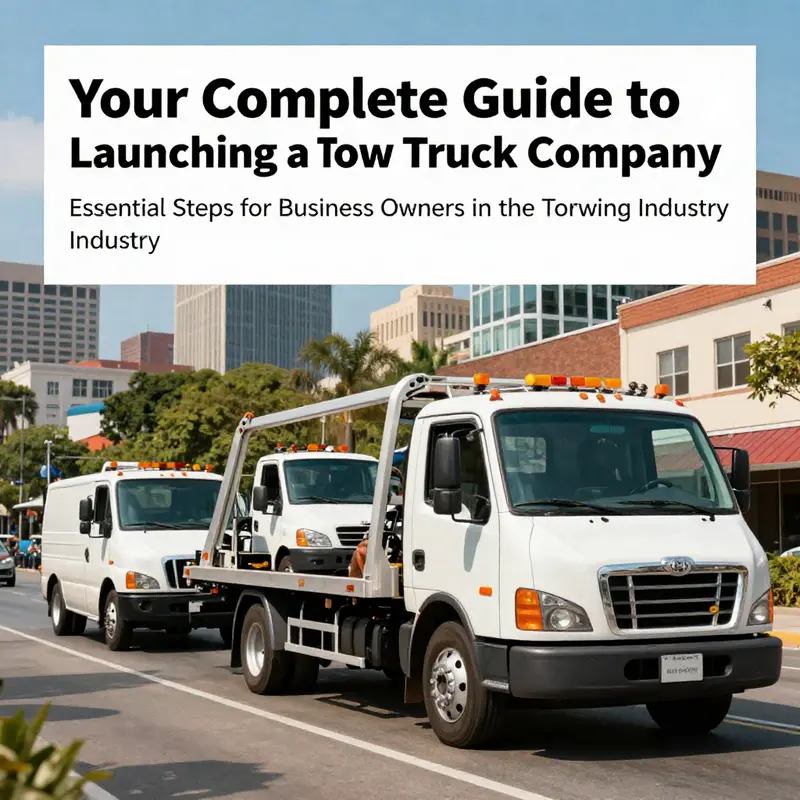
Starting a tow truck company is a promising venture for business owners seeking to enter the automotive service sector. With the constant need for towing services in urban areas, understanding the landscape of this industry is crucial. This guide delves into three vital chapters that will guide you through market research, business planning, and the essential legal requirements. Each chapter is designed to equip you with the knowledge needed to navigate the complexities of starting your business and ensure its compliance and success within the towing industry.
Charting the Road Ahead: Market Research as the Compass for Starting a Tow Truck Company
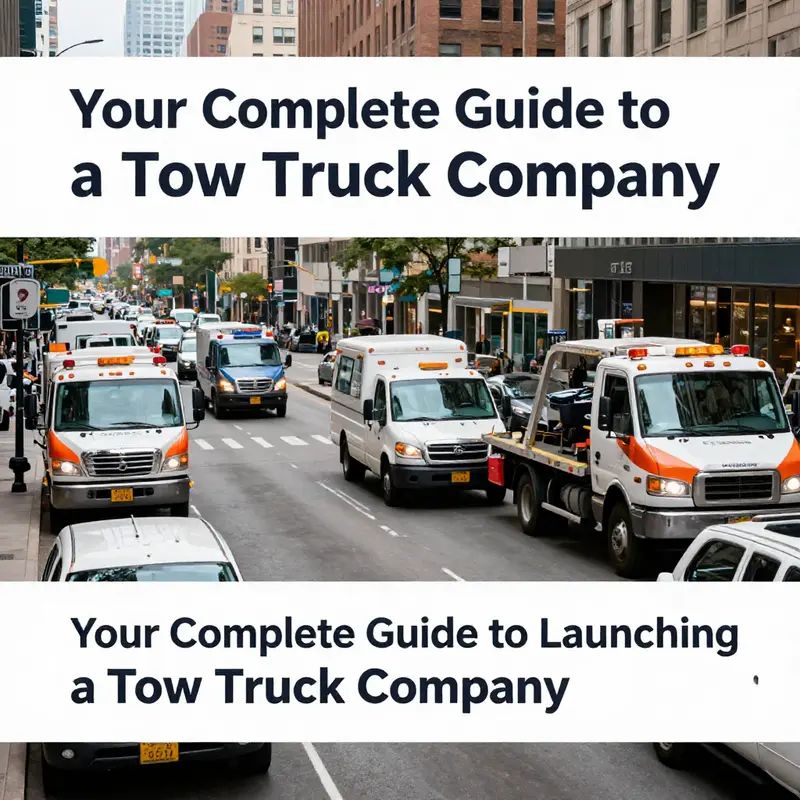
The launch of a tow truck company begins long before the first call comes in. It begins with market research that acts as a compass, guiding decisions about where to place a shop, what services to offer, and how to price them in a way that sustains growth. In this industry, the road to a reliable, scalable operation winds through understanding both the realities of local demand and the evolving tech that makes service delivery fast, accurate, and accountable. Market research is not a one-time checkbox; it is a dynamic process that aligns core capabilities with the needs of the community you intend to serve, from emergency roadside assistance to long-haul recoveries. When done well, it reveals not just the size of the market, but the shape of it—the segments most likely to pay for dependable service, the times of day or week when demand spikes, and the kinds of equipment and software that turn dispatch calls into efficient, repeatable outcomes.
A practical market picture begins with who your customers are and how they prefer to be reached. In towing, the typical customers fall into a few broad groups: auto repair shops that rely on steady turnaround and dependable partners, insurance companies and adjusters who need transparent, auditable processes, and individual drivers who value quick response times and fair billing. Each group has distinct expectations. Shops value reliability and consistent lead times; insurers prize accurate ETA tracking and clear documentation; drivers want a courteous experience from the moment they pick up the phone. Building a business plan around these needs helps ensure you design a service catalog that resonates rather than merely exists. It’s about delivering what matters most in the moment—a fast arrival, a safe tow, and transparent pricing that can stand up to a claim or complaint.
Beyond customer types, the market research landscape in tow is increasingly dominated by technology. The global towing software market has seen rapid growth as operators of all sizes embrace cloud-based dispatch, route optimization, and integrated billing. Platforms that were once optional have become foundational. Real-time tracking, mobile access for drivers, and seamless documentation are no longer add-ons; they are taps on a service reliability valve. This shift isn’t just about convenience—it’s about the capacity to scale with quality. When a single call can trigger a well-coordinated chain of events—from live location sharing to automated invoicing—the business becomes capable of handling higher volumes without sacrificing performance. For new entrants, recognizing this digital transformation from the outset can determine whether you carve out a niche or get overwhelmed by growing competition.
From a strategic standpoint, you’ll want to study both the software infrastructure and the physical fleet that will deliver on those promises. The market landscape reveals a spectrum of fleet configurations, with heavy-duty tow trucks continuing to command strong demand in many regions. Production hubs in Asia, particularly in provinces like Shandong and Hubei, have become key sources for the type of robust, high-capacity wreckers that large urban and highway operations rely on. For prospective operators, this means you must tailor your fleet plan to the anticipated workload and the local environment. A small-town operation may thrive with versatile light- to mid-duty units, while a metropolitan fleet might require a mix that includes heavier, more specialized recovery vehicles. The practical takeaway is to pair fleet choices with expected service patterns. If your market features frequent commercial recoveries or multi-vehicle incidents, investing in higher-capacity equipment—such as 5- to 20-ton flatbeds or integrated recovery units—can pay dividends in reliability and speed.
Yet market reality also carries constraints. A recent sector analysis notes that traditional tow setups have limitations when faced with AWD or 4WD platforms, a reminder that your equipment choices must reflect local vehicle demographics. The opportunity here lies in filling gaps left by generic service models with specialized capabilities. If your market includes a sizable share of complex recoveries, a niche strategy that combines targeted equipment with trained operators can differentiate your business from incumbents. It’s not enough to be fast; you must be capable where others are not. In practice, this could mean developing partnerships with local garages and fleet owners who frequently encounter tricky recoveries or investing in specialty units that can handle heavy-duty extraction under challenging conditions. By mapping these needs to your service design, you position your company not only as a response option but as a trusted partner for ongoing trouble-free operations.
What does this mean for pricing and service offerings in the early days? Market research should inform a lean, value-focused service mix. Start with core offerings that align with demand, such as standard towing, roadside assistance, and basic winching, while building a back-end capacity to absorb more specialized work as you gain reputation and cash flow. Pricing strategies should reflect local competition, but also the value you provide in terms of reliability, response times, and transparency. In markets where fleets and insurance partnerships are plentiful, your emphasis on dispatch accuracy, timely communication, and up-front billing can become a selling point that reduces friction in the sales cycle. A well-researched plan also anticipates seasonality and regulatory considerations—permits, licensing, and insurance requirements that vary by locality and can affect your ability to operate smoothly during peak demand.
As you begin to craft your market-entry blueprint, consider the ecosystem around your operation. Software platforms that support dispatch, routing, and invoicing are often the backbone of a scalable business. The narrative around technology is not about chasing features for their own sake but about choosing tools that translate into measurable improvements in dispatch efficiency, driver safety, and customer satisfaction. Look for systems with intuitive interfaces, strong mobile support, robust reporting, and the ability to integrate with your billing and payroll processes. This alignment reduces errors, accelerates onboarding, and creates a data trail that can be used to prove value to partners and clients.
In thinking through partnerships, the market research lens should emphasize relationships with garages, police departments, and insurance adjusters. Building credibility with these stakeholders can unlock a steady stream of calls and a more predictable workload. It’s worth visiting a few local operators—including those who offer roadside services—to observe how they manage demand, how they communicate with customers, and how they balance speed with safety. The aim is not to imitate but to learn patterns that can be adapted to your own operation. If you’re searching for a practical example of how local operators optimize their day, you can explore how neighbors describe their roadside capabilities through community profiles such as Mikes Roadside Service, which provides a window into how a hands-on operator positions reliability and accessibility in everyday circumstances. Mikes Roadside Service
Finally, the market context must acknowledge the growing importance of branding and online presence. In an industry where a single late-night call can set the tone for a new customer relationship, your reputation is a combination of response speed, professional conduct, and transparent communication. A professional website, clear service descriptions, and a straightforward booking or dispatch workflow reduce friction and encourage repeat use. Online reviews and testimonials, when managed thoughtfully, become a lever that converts first-time customers into returning clients who become anchors for steady revenue. The market landscape shows that operators who embrace digital tools while staying true to strong service fundamentals tend to outperform those who rely on word-of-mouth alone.
As you move from market intelligence to action, remember that strong market research supports not just startup decisions but ongoing execution. It helps you calibrate your fleet, fine-tune your service mix, and align your pricing with real-world demand. It also provides a framework for evaluating new opportunities, whether that means expanding into nearby towns, adding specialized recovery capabilities, or exploring partnerships with larger fleets. In short, market research is the compass that keeps your tow truck company oriented toward sustainable growth rather than reacting to every surge in demand. For more on what local operators are doing and how to position your offering in a competitive landscape, see Mikes Roadside Service. Mikes Roadside Service
External resource: https://www.hengzhouchengsi.com/market-research/global-towing-software-market-share-report-2025
Blueprint in Tow: Crafting a Resilient, Revenue-Driven Plan for a Tow Truck Company
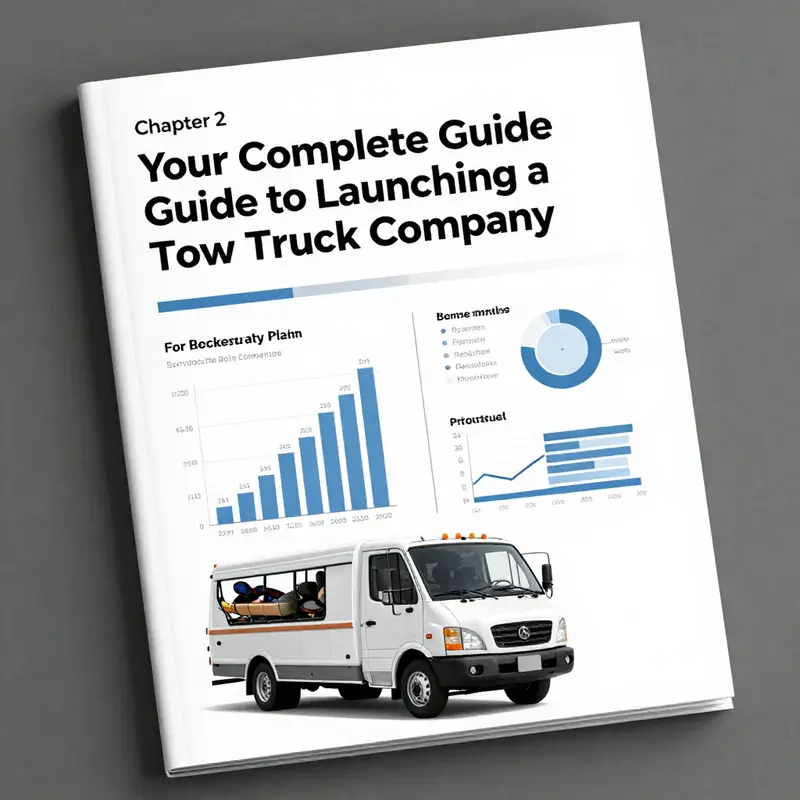
A tow truck company begins with a blueprint, not a wish list. A formal plan guides every decision from fleet size to pricing and safety standards. For a towing business, the plan is a living document that serves as a contract with your future self, lenders, and customers. It translates vision into measurable milestones and turns uncertainty into a disciplined growth path. The plan isn’t only about dollars; it’s about how you will move people, vehicles, and reputations through a crowded transportation ecosystem with speed and integrity. It starts with a clear purpose—why your company exists, whom you serve, and what promise you will consistently deliver on those calls in the middle of the night when every minute counts. A thoughtful plan also preempts problems by identifying risks, dependencies, and the capacity you need to manage them without compromising safety or service quality. The value lies not in fancy rhetoric, but in a framework that shapes day‑to‑day decisions and long‑term investments alike.
From there, you frame market positioning and core services. Define your target customers: local repair shops, independent drivers, insurance partners, and fleet managers who need rapid, reliable response. Differentiate on transparency, safety, and predictability rather than price alone. Your plan should articulate a service mix that fits your area: standard towing, roadside assistance, winching, and storage. Consider how you will price and package these offerings—per mile versus per incident, with dispatch fees, or bundled SLAs for fleet accounts. The narrative should answer why a customer would choose you over a competitor on a Tuesday when weather or traffic is challenging. It’s about reliability more than novelty, and your plan should translate that reliability into practical policies and performance targets that lenders and partners can verify through data. A well‑written plan also signals you understand operating leverage—the way fixed costs and variable costs interact as demand shifts—and that you have the discipline to scale responsibly.
Organization and governance come next, because structure drives execution. Outline who runs the shop, who dispatches, and who maintains the vehicles. Define roles with clear responsibilities and decision rights. The plan should describe training, safety programs, and performance metrics that align with service quality. This section doubles as a hiring blueprint, helping you forecast staffing requirements for peak periods and coverage across hours of operation. When you articulate the governance structure, you signal to potential investors that you can scale with discipline, not just grow headcount. A solid governance narrative also supports risk management, showing you have policies for incident response, compliance checks, and routine audits that reassure partners and insurers.
Fleet and capital expenditure form the backbone of the financial section. Decide how many tow trucks you need, what configurations fit your market, and how you will finance them. A balanced mix of flatbeds and wheel‑lifts may suit a diverse payload, along with auxiliary equipment such as winches, chains, dollies, and on‑board lighting. Your maintenance calendar, spare parts strategy, and mobile service for tire or battery replacements should be part of the operating model. Include depreciation timelines and salvage expectations. Your forecast should spell out the initial capex and the expected lifecycle costs, including insurance, permits, and safety gear, so lenders see a realistic path to profitability rather than a hopeful guess. This section also invites you to quantify the expected asset turnover, aligning equipment investments with utilization targets and service promises.
Staffing strategy ties the plan to execution. You’ll need qualified drivers with clean records, reliable dispatchers, and a safety‑focused maintenance team. Your hiring forecast should account for turnover, training time, and wage strategies that attract skilled workers in a tight labor market. The plan should describe onboarding programs, mentorship for new drivers, and ongoing safety training. Compensation design matters too—clear progression, incentive bonuses for high first‑call completion rates, and fair scheduling that respects rest and fatigue limits. Pair your human capital plan with a culture of accountability, where near‑miss reporting, incident reviews, and customer feedback are integrated into updates to the plan itself. A well‑structured staffing approach reduces downtime and boosts response times, which directly influence repeat business and the strength of insurance partnerships.
Technology and telematics are not optional extras but operational engines. Your plan should specify the telematics ecosystem you will deploy—GPS tracking, fuel usage monitoring, maintenance alerts, and driver behavior analytics. These data streams feed dispatch optimization, alerting you to delays, terrain hazards, and equipment wear before a breakdown occurs. The result is faster, more accurate allocations of trucks to calls, lower fuel costs, and safer operations. Your plan should describe data governance, cybersecurity, and the cadence of technology upgrades. It should also explain how real‑time visibility translates into concrete benefits for customers, such as ETA accuracy and proactive communication during incidents. A strong technology backbone supports service consistency, a crucial selling point for partners who need predictable performance from a tow provider.
Service Level Agreements are the bridge between your plan and customer expectations. They formalize response times, coverage windows, and escalation protocols. The document should define what constitutes an acceptable arrival window for light‑duty towing versus heavy‑duty recoveries and outline how delays are communicated and compensated. For fleet accounts, SLAs might specify monthly on‑time dispatch targets, maintenance of equipment standards, and quarterly performance reviews. Your plan should describe how you will monitor SLA compliance, how failures are addressed, and how data informs continuous improvement. By building SLAs into your business model, you reduce disputes and demonstrate professional discipline, which matters to insurance carriers and municipal partners who scrutinize your track record during bids and renewals. This section ties back to the customer promise at the heart of your plan: reliability under pressure.
Financial projections anchor the chapter. A five‑year forecast should balance ambition with realism. Start with capital costs for trucks and safety gear, then map ongoing expenses: fuel, insurance, maintenance, payroll, and licensing. Revenue assumptions should reflect service mix, negotiated rates, and expected utilization. Build scenarios for peak seasons, weather disruptions, and regulatory changes. A cash flow model with monthly granularity shows when you reach break‑even and when you start generating sustainable profits. Tie every revenue and expense line to a strategic objective—faster call closes, higher asset utilization, or stronger SLAs. The plan should include a disciplined depreciation schedule, tax considerations, and a contingency reserve for unexpected repairs or regulatory fees. Present lenders with sensitivity analyses that reveal how a moderate drop in call volume or a surge in insurance premiums could affect profitability, and be prepared to justify every assumption with data and market signals. A credible forecast inspires confidence and guides day‑to‑day decisions. This is where your analytics mindset becomes a competitive advantage, not just an accounting habit.
Practical templates and professional guidance can sharpen your draft. The industry best practice is to adapt proven frameworks rather than reinvent the wheel. You can begin with a model that maps to a box truck operation and then translate that structure to a towing business, adjusting for the different risk profile and service mix. This approach helps you set milestones, align stakeholders, and monitor performance. For inspiration and structured steps, a reputable resource offers a free, step‑by‑step guide that emphasizes goal setting, milestone tracking, and a clear path to profitability. It’s not a replacement for industry‑specific diligence, but it helps you organize the plan so you can present it with conviction. And when you have a solid plan, you can cultivate lender relationships and partner networks that turn ambition into a funded venture.
An operational reference you can explore is Mike’s roadside service page, which demonstrates how a focused service design translates into real‑world performance. Mike’s Roadside Service.
With the plan in hand, you move from concept to execution while remaining flexible to adapt to market realities. Your blueprint is the engine that powers every strategic choice, from fleet composition to customer negotiations, and it reduces risk by turning uncertainty into structured action.
External resource: https://www.sba.gov/start-your-business
Chapter 3: Navigating Legal Roads — Compliance, Licensing, and Vehicle Standards for a Tow Truck Startup
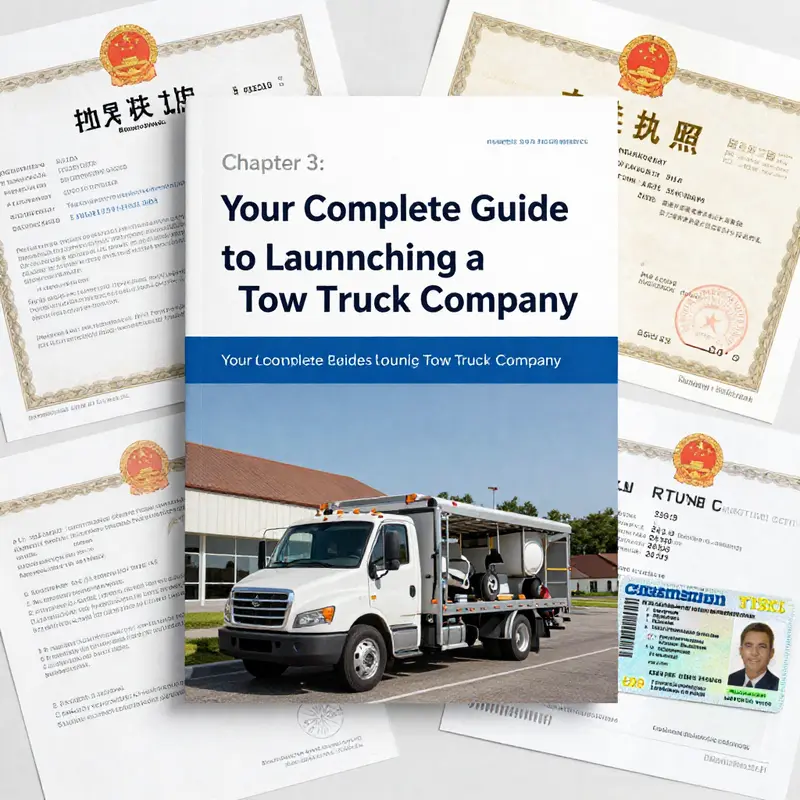
Stepping into the tow truck business means more than owning a vehicle and setting service rates. It is a legal enterprise that sits at the crossroads of road safety, local government rules, and ongoing vehicle standards. In regions where regulatory expectations are explicit, the path to a compliant startup runs through careful planning, diligent record-keeping, and a clear understanding of who enforces what. This chapter centers on the legal and regulatory framework you must move through to launch and sustain a tow truck operation, with a focus on standards that matter most for roadworthiness and responsible practice. The aim is not to overwhelm, but to provide a steady compass you can reference as you assemble your fleet, hire drivers, and schedule inspections so your business can operate with confidence rather than fear of a surprise stop from the authorities.
In Western Australia, the regulatory landscape for tow trucks emphasizes regular inspections to confirm roadworthiness and compliance with current technical standards. These standards, updated and enforced since November 2023, are designed to ensure every vehicle in service is mechanically sound, equipped with appropriate safety features, and fit for purpose. A failure to meet these requirements can carry consequences that go beyond a simple citation. Operators risk fines, vehicle seizure, or suspension of their operating licenses, which can halt revenue and damage reputation. Because standards can evolve, the onus falls on you to stay informed through official channels and to integrate those updates into your maintenance and operational planning. The most reliable path to current requirements is to consult the official source provided by Transport WA and to align your practices with the inspection criteria it publishes.
When you begin to translate these rules into action, you start with a practical understanding of what inspectors look for. Brake performance is a foundational concern. Inspectors evaluate how the braking system behaves under normal and emergency conditions, ensuring the vehicle can stop reliably without pulling to one side or overheating. Lighting systems must be complete and clearly visible in all typical driving and operating conditions. Structural integrity is assessed to confirm that the frame, mounts, and chassis have not been compromised by wear, corrosion, or previous repairs. Finally, towing equipment specifications are scrutinized to verify that winches, hooks, chains, hitches, and securement devices meet minimum safety and performance standards. The aim of these inspections is not to penalize but to prevent accidents and protect both operators and the public. By approaching maintenance with this lens, you reduce the risk of non-compliance that could disrupt service and damage your business continuity.
The consequences of non-compliance in Western Australia extend beyond penalties. In addition to fines, operators may face vehicle seizure or suspension of licenses, which can have cascading effects on your ability to fulfill contracts with insurers, police agencies, or roadside partners. This is why forward planning matters. A formal compliance program begins with identifying the exact licenses and permits required for your operation, then creating a calendar that tracks registrations, renewals, and inspections for every vehicle in your fleet. In practice, this means designating a compliance lead within your team or establishing a simple, repeatable process for your drivers and maintenance staff. Keeping thorough records of maintenance work, inspections, and parts replacements provides a ready-made defense should an audit or complaint arise. It also builds trust with clients who depend on predictable, safe service.
For a tow business starting from scratch, the regulatory journey begins with verification of licensing and registration requirements at the state level and then at the local level. Even though the broad objective is uniform safety, there can be jurisdiction-specific nuances. Engaging early with the relevant authorities and perhaps even with a local advisory service can help you interpret road-use rules, vehicle classifications, and any municipal ordinances that apply to operating depots or parking of assigned vehicles. A proactive approach to licensing translates into smoother operations when you add new vehicles or expand your service area. It also positions you to respond more quickly to inspections, should they occur, minimizing downtime and disruption to customers.
Within this framework, the concept of documentation becomes central. You should assemble a compact compliance package for each vehicle that includes the vehicle’s registration, proof of insurance, and a record of inspections and maintenance. Your maintenance logs should be precise and organized, detailing brake service intervals, lighting tests, tire condition, and the integrity of towing attachments. In a regulated environment, evidence of consistent upkeep supports your case if questions arise about a vehicle’s roadworthiness. Beyond the vehicle itself, your drivers require training in safety procedures and proper towing techniques, which are not only good practice but part of staying compliant with standards designed to reduce risk on the road. A well-trained team reduces the probability of incidents that would trigger investigations or enforcement actions.
Insurance remains a critical piece of the compliance puzzle. While not unique to Western Australia, robust coverage is essential in this high-risk sector. Commercial auto insurance protects your fleet and operations from damage during transport. General liability insurance provides a safety net for property damage or bodily injury resulting from your actions or those of your employees. In many jurisdictions, municipal or industry requirements may also call for bonding to guarantee fair practices and financial solvency in the event of disputes. If you employ staff, workers’ compensation insurance is typically mandatory, safeguarding your team while supporting your company’s financial resilience in the face of on-the-job injuries. Even when insurance is a cost, it is an essential risk management tool that helps you maintain service continuity and credibility with customers.
Equipment and fleet readiness sit at the heart of the WA standards conversation. Your choice of tow trucks should align with the service profile you intend to offer and the specific constraints of your operating area. Vehicles should be kept in a state of readiness through routine maintenance that emphasizes braking performance, lighting reliability, structural integrity, and the capacity to handle the towing equipment you rely on daily. The standards emphasize equipment compatibility and safe operation—your winches, hooks, and securement gear must perform under load without compromising other systems on the vehicle. Establishing a preventive maintenance program that covers daily checks, weekly inspections, and monthly service milestones is not merely good practice; it is a compliance safeguard that keeps your fleet roadworthy and minimizes the risk of unexpected downtime that can erode customer trust.
As you build your compliance roadmap, you may find it useful to reference real-world practice from broader markets while keeping your local authorities in view. The convergence of operations in different regions often reveals common best practices: maintain a roster of certified technicians, implement standardized checklists for inspections, and cultivate a culture of safety that permeates hiring, training, and daily dispatch decisions. One practical way to glimpse how fleet operations translate into compliant service is to study how established operators structure their maintenance ecosystems and respond to regulatory demands. You can explore perspectives like these at tow-trucks-in-houston.
Finally, this chapter reinforces a simple but crucial idea: compliance is not a one-time hurdle but an ongoing discipline. It requires ongoing education, timely upgrades to equipment as standards evolve, and transparent communication with customers about safety and reliability. By embedding compliance into your business model—through proactive licensing checks, scheduled inspections, meticulous documentation, and continuous driver training—you establish a foundation that supports scale without compromising safety or reputation. When you prepare for expansion, that disciplined approach helps you onboard new vehicles, extend service coverage, and enter new markets with confidence that you can meet the highest standards while maintaining operational agility. As you proceed to the next chapters, keep this mindset intact: reliability, safety, and regulatory alignment are the cornerstones that turn a tow truck startup into a respected, trusted service.
External resource: For the official and up-to-date guidelines on the technical standards, see the Tow truck technical standards page from Transport WA. https://www.transport.wa.gov.au/road-safety/vehicles-and-vehicle-standards/tow-truck-technical-standards
Final thoughts
In summary, launching a tow truck company involves significant planning and adherence to legal standards. By conducting thorough market research, developing a detailed business plan, and securing the necessary licenses and insurance, you set the groundwork for a successful venture. As you embark on this journey, remember that customer service and reliability will distinguish your business in a competitive market. Prepare, comply, and thrive in the towing industry.