
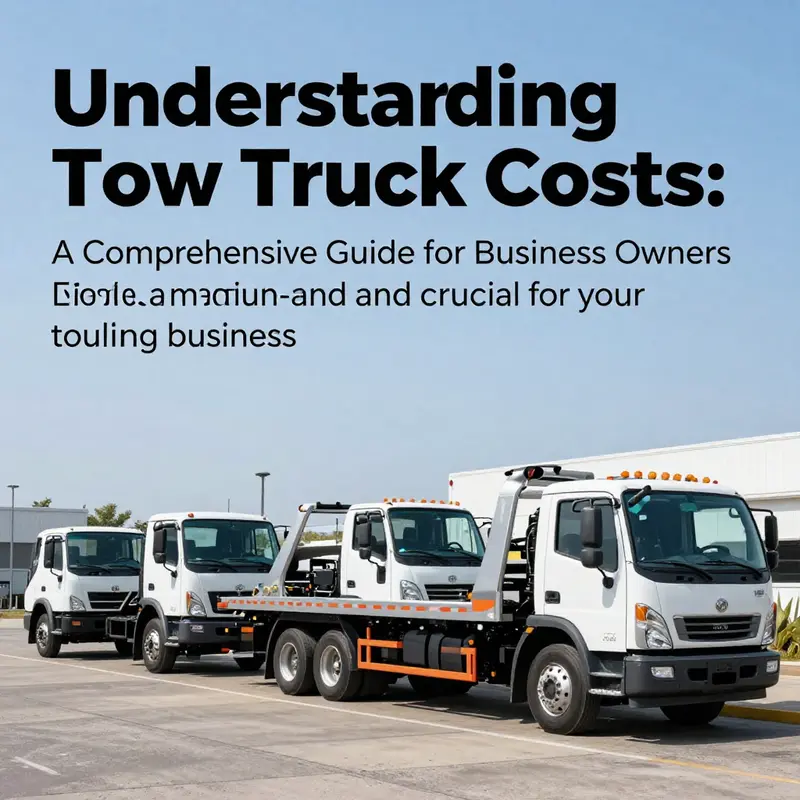
For business owners in the towing industry, understanding the costs associated with various types of tow trucks is essential for making informed purchasing decisions. These trucks vary significantly in price based on their type, capacity, and specific features. By uncovering the price ranges and key specifications for light, medium, and heavy-duty tow trucks, business owners can ensure they invest in the right equipment to support their operations. Each chapter in this guide provides insights and detailed analysis, equipping you with the knowledge necessary to navigate the market effectively.
Value in Motion: Understanding the Cost and Capabilities of Light-Duty Tow Trucks
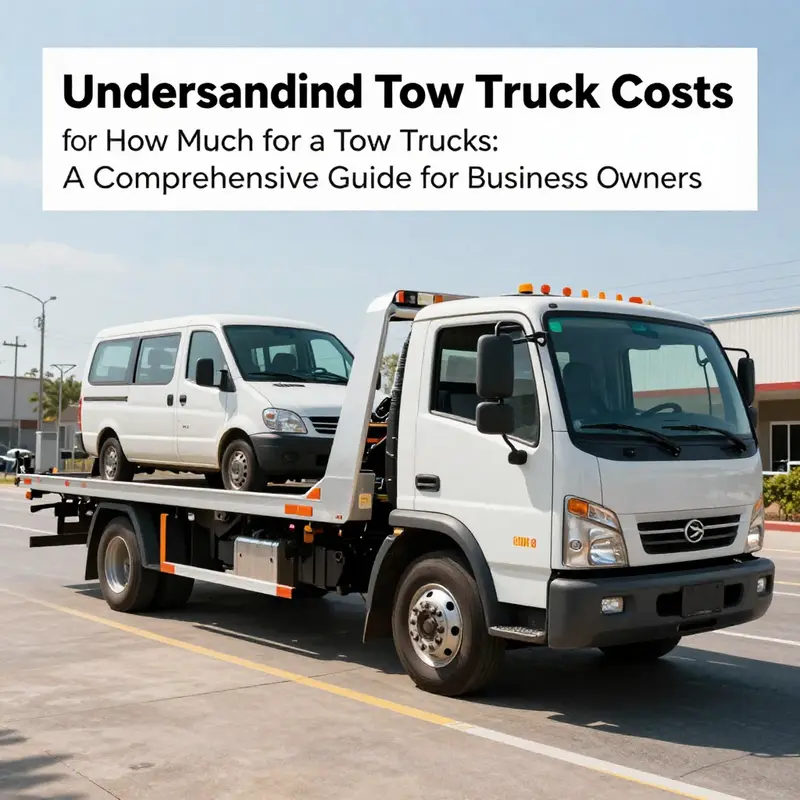
Light-duty tow trucks form a practical backbone for urban recovery, emergency response, and everyday roadside assistance. They are designed to move compact vehicles and light wrecks quickly, with a balance of maneuverability and lifting power that makes them essential for fleets serving city streets, parking lots, and tight alleys. When you ask how much a tow truck costs, these machines tend to occupy a price band that is accessible enough to build a fleet around, while still delivering reliable performance. In broad terms, a light-duty unit with a capacity of roughly 3 to 7 tons typically commands a price in the range of $13,500 to $19,880 per unit. This price span is influenced by the chosen brand, the exact specifications, and what kind of warranty or aftersales support accompanies the purchase. For operators weighing fleet renewal or expansion, those numbers matter because they connect directly to upfront capital and long-term depreciation, not merely the sticker price on a spec sheet.
Price, of course, reflects more than raw lifting capacity. It signals the kind of build quality, the durability of moving parts, and the compatibility with local regulations and service ecosystems. Buyers frequently evaluate configurations that align with their market’s requirements, particularly when it comes to drive type. Light-duty models are offered in left-hand drive or right-hand drive configurations to suit different regions and service norms. The choice can influence not only daily usability but also the ease of parts sourcing and technician training, both of which factor into lifecycle costs. In many fleets, a compact wheelbase, tight turning radius, and a thoughtfully integrated set of tools—boom lift, wheel-lift, and winch—translate into higher reliability in congested environments and a lower risk of secondary damage when maneuvering around disabled vehicles.
The chassis behind these trucks is drawn from a family of well-known manufacturers, including brands such as JMC, FAW, Dongfeng, JAC, Foton, and Shacman. These brands have built reputations on a combination of rugged frames, reliable hydraulics, and parts availability that keeps maintenance timelines predictable. Within the same class, you’ll encounter a spectrum of equipment levels. Some units emphasize the core requirement of a sturdy recovery system with efficient hydraulic power and robust wheel-lift, while others tilt toward added versatility through integrated hydraulic systems, an underlift recovery setup, or boosted winch capacity. In practice, that translates to a range of models that can fulfill urban recovery operations, simple accident responses, or routine roadside assistance with equal aplomb.
A defining feature of light-duty tow trucks is the opportunity to pair high-performance components with practical design. In higher-spec configurations, manufacturers may equip imported parts that enhance durability and precision. For instance, Italian-branded multi-way valves and balance valves can contribute to smoother hydraulic function, while German-made Roxroth hydraulic cylinders are prized for their stiffness and long service life. High-strength sealing elements further protect critical joints from dust, moisture, and temperature swings—conditions that are common in city environments and across shift-heavy schedules. These technical choices aren’t merely about speed; they influence reliability, uptime, and the ability to respond consistently to a market where every minute of downtime translates to lost productivity.
Design versatility is another hallmark. Light-duty wreckers often incorporate modular toolsets that can be swapped or upgraded as fleets expand or as urban requirements shift. Integrated hydraulic systems power a range of tasks, from lifting a vehicle to stabilizing a wreck for safe loading. A boom lift can extend reach into awkward angles, while a winch and wheel-lift combination enhances the ability to secure, recover, and transport a wide spectrum of vehicles. The result is a nimble, multi-tool platform that can be tailored to different yards or service areas without sacrificing the reliability that a fleet depends on day after day.
For buyers, the procurement path matters as much as the price. New units can offer the latest hydraulic innovations, warranty protections, and factory support networks, but they come at a premium relative to a used unit. Still, even within the light-duty space, there is a spectrum of options that allows operators to balance upfront cost against anticipated maintenance and downtime. If you’re evaluating options across suppliers, it helps to consider not just the sticker price but the total cost of ownership, including fuel efficiency, spare-parts availability, and the size of the service network in your region. To place these machines in a local context, you can explore how similar trucks are deployed in nearby markets by reviewing local fleet pages such as the towing services in Houston. This reference can provide practical insight into how a light-duty wrecker fits into everyday city ops, including response times, on-street limitations, and the common configurations favored by local operators.
Beyond new versus used, the market offers real-time quotes through supplier platforms, where buyers can compare configurations, delivery timelines, and optional equipment. For those who want to see concrete listings and specs, a widely used reference point is the Alibaba platform’s light-duty wrecker offerings, which illustrate typical configurations, materials, and price brackets for 3 to 7-ton units. As with any large equipment purchase, due diligence is essential: confirm the exact lifting capacity at the operating radius you expect, verify hydraulic flow and pressure ratings, check for warranty coverage on critical components, and assess the availability of a local technician network for preventative maintenance and repairs.
In summary, light-duty tow trucks offer a compelling balance of cost, capability, and versatility. They are designed to handle the majority of urban recovery tasks with speed and reliability, while giving fleets room to grow as demand increases. The price range is a meaningful guide for budgeting, but the true value reveals itself in uptime, ease of maintenance, and the ability to recover vehicles efficiently in tight city spaces. For operators seeking a practical baseline, starting with a 3 to 7-ton configuration from a reputable chassis supplier, and then layering on winch or wheel-lift options, often yields a fleet capable of handling routine recoveries without sacrificing long-term reliability. External resource: Alibaba listing for Light-Duty Wrecker 5 Tons Underlift Recovery (https://www.alibaba.com/product-detail/Light-Duty-Wrecker-5-Tons-Underlift-Recovery_1600262922299.html).
Mid-Range Might: Navigating Costs and Capabilities in Medium-Duty Tow Trucks
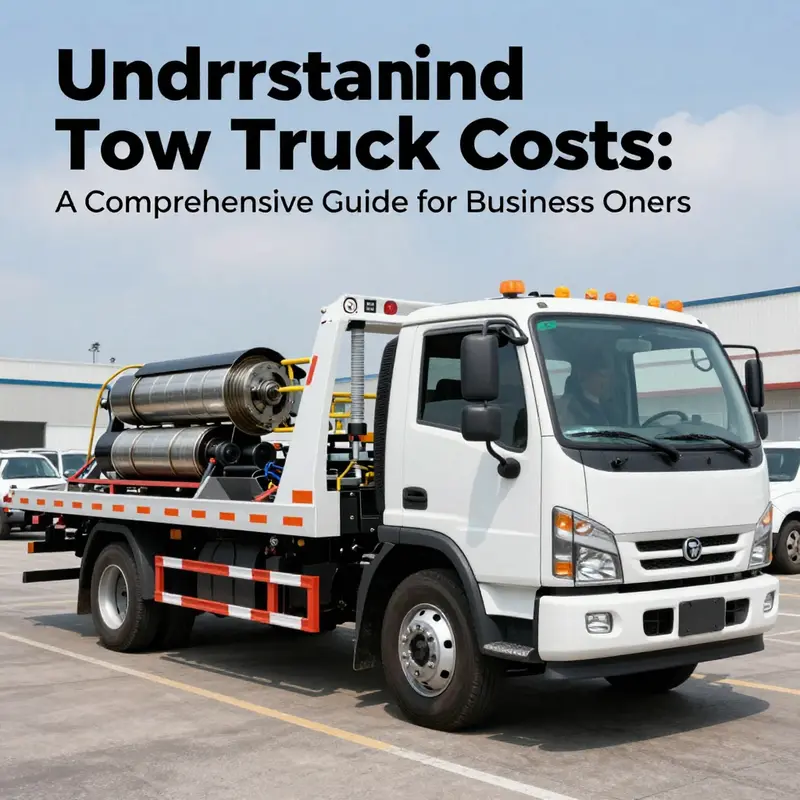
Medium-Duty Tow Trucks occupy a careful middle ground between compact light-duty wreckers and the heavy, high-capacity units that dominate long-haul and industrial work. For a fleet operator, the question ‘how much for a tow truck’ means balancing upfront price with payload, reliability, and the daily realities of urban streets. In this segment, you will find machines designed to lift and haul with enough power to handle suburban roads, tight alleys, and congested downtown blocks, without the sheer footprint of larger rigs. Prices reflect that balance. An entry-level mid-range unit can appear on international marketplaces for just a few thousand dollars, roughly $3,500 in some listings, though those figures often represent stripped or lightly equipped configurations. More capable builds, with larger tilt trays, heavier wheel lifts, stronger winches, and compliance-ready safety packages, move well beyond that starting point, climbing into several tens of thousands depending on options and condition. The spread encourages careful buyer planning and honest expectations about what a medium-duty tow truck must do in practice, rather than what a brochure promises.
Key factors drive these price differences. Brand reputation matters, not just for the nameplate but for the engineering philosophy behind the chassis and the towing hardware. Configuration matters as well: whether the truck uses a tilt-bed system or a wheel-lift with a slide-in carrier, what axle configuration supports the weight, and how the hydraulic and electrical systems are integrated. Engine power, particularly in the range of roughly 351 to 450 horsepower, translates into smoother recoveries and quicker deployments in demanding roadside situations. Drivetrain choices, including right-hand-drive variants for certain markets and the ability to operate in variable climate conditions, can add or subtract thousands depending on the intended base and the maintenance ecosystem in your region. Importantly, compliance with OEM standards becomes a liability or asset; a vehicle that meets industry norms typically costs more upfront, but it may save money over the life of the fleet through lower maintenance friction and simpler integration with existing tools and tie-ins.
The ownership curve in this segment is shaped as much by ongoing costs as by the sticker price. While the initial purchase is only part of the total investment, the right equipment—winches, straps, axle pads, and towing dollies—directly affects efficiency, safety, and the ability to complete calls on the first try. Many operators also add safety and communications gear: functional light bars, audible warning systems, and two-way radios or digital dispatch interfaces. These upgrades push the total cost upward, but they also translate into faster responses and better on-scene coordination, which can reduce labor hours and incident risk over time. A useful takeaway from recent market guides is that the medium-duty segment earns its affordability by offering a lower barrier to entry, while still demanding a higher level of operator skill and ongoing maintenance compared with lightweight trucks. The net effect is a fleet that can be nimble enough for city work, yet sturdy enough to earn its keep without the overhead of a full heavy-duty operation.
For buyers surveying the market, concrete pricing benchmarks help ground planning. The spectrum begins with modest, entry-level references on international marketplaces, then broadens into configurations that emphasize payload capacity, reach, and uptime. A model with a 12.00r20 tire size and a tilting tray of substantial length illustrates how few features can still make a difference in the daily grind, and how a few thousand dollars more can unlock safer, more reliable recovery work. To compare options and get a feel for what is realistic in your region, it helps to review multiple listings side by side and to talk with suppliers about OEM compliance, warranty terms, and service networks. For those considering a practical example of this marketplace, a concise profile of medium-duty tow trucks for sale provides a snapshot of the range you might encounter in a standard search.
As you map out a procurement plan, an on-ramp to practical knowledge is a good resource that translates from theory to field use. For a broader look at how a medium-duty truck can fit into daily roadside operations and fleet management, you can consult resources such as Mikes Roadside Service. This grounding in real-world service delivery helps bridge the gap between upfront cost and long-term value. External market insights also point to substantial variation across regions and suppliers, which means price alone is a poor guide—quality, service, and on-site responsiveness matter almost as much as the sticker price. In sum, the medium-duty market offers meaningful opportunities for new entrants and expanding fleets, provided buyers approach the purchase with a clear view of how the vehicle will be used, what it will tow, and how maintenance will be funded over the life of the asset. For those in urban settings, the balance between affordability, maneuverability, and operator readiness becomes the deciding lens through which every quote should be read.
External reference: https://www.alibaba.com/product-detail/Medium-Duty-Tow-Truck-For-Sale-995_1600484772459.html
Tow Trucks at Scale: Navigating Price, Power, and Purpose in Heavy-Duty Recovery
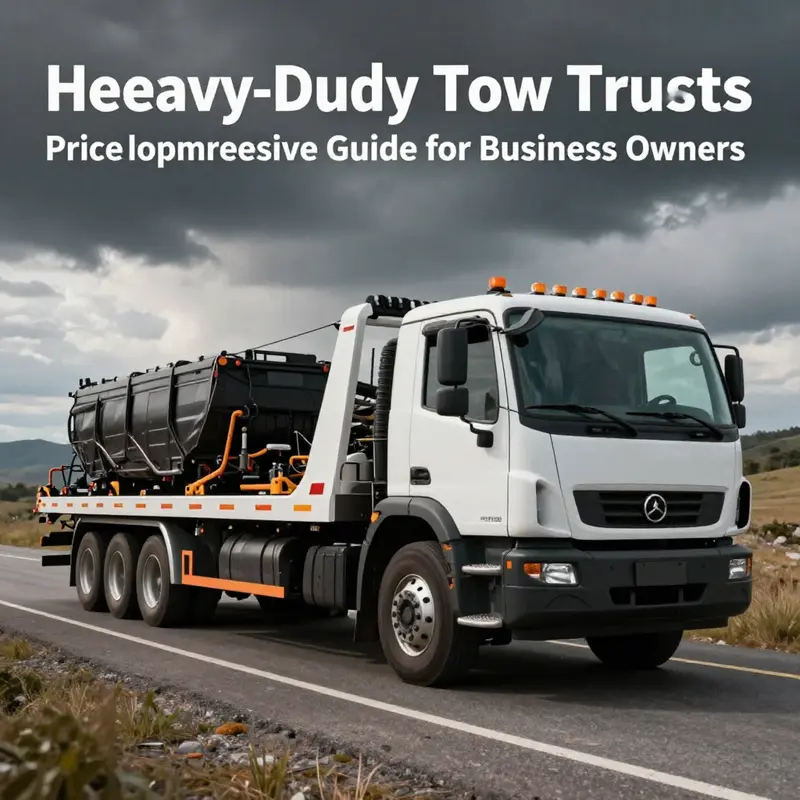
Heavy-duty tow trucks stand as the workhorses of large-scale vehicle recovery, emergency response, and industrial support.
Their prices reflect more than a sticker price; they mirror capacity, drivetrain, recovery technology, and the specific tasks they are built to perform.
When a fleet manager asks, “how much for a tow truck?” the answer starts with capacity and ends with a careful balance of investment and reliability.
A practical rule of thumb is that price scales with lifting capacity and the sophistication of the recovery system, but the story is more nuanced than a single number.
For many operators, the decision hinges on how often the truck will be called into action, where the work occurs, and how quickly it must respond.
The range from entry-level heavy-duty units to premium rotators maps a trajectory from dependable, straightforward recovery to highly capable, specialized solutions that can tackle overturned vehicles, complex urban recoveries, and remote inland incidents.
Final thoughts
In conclusion, understanding the pricing and specifications of tow trucks is pivotal for business owners in the towing industry. Whether you’re considering a light-duty, medium-duty, or heavy-duty truck, each category presents unique benefits and price ranges. Conducting thorough research and evaluating your business needs against these insights will empower you to make the right purchase decisions. Investing in the appropriate tow truck not only enhances service capabilities but also positions your business for success in a competitive market.