
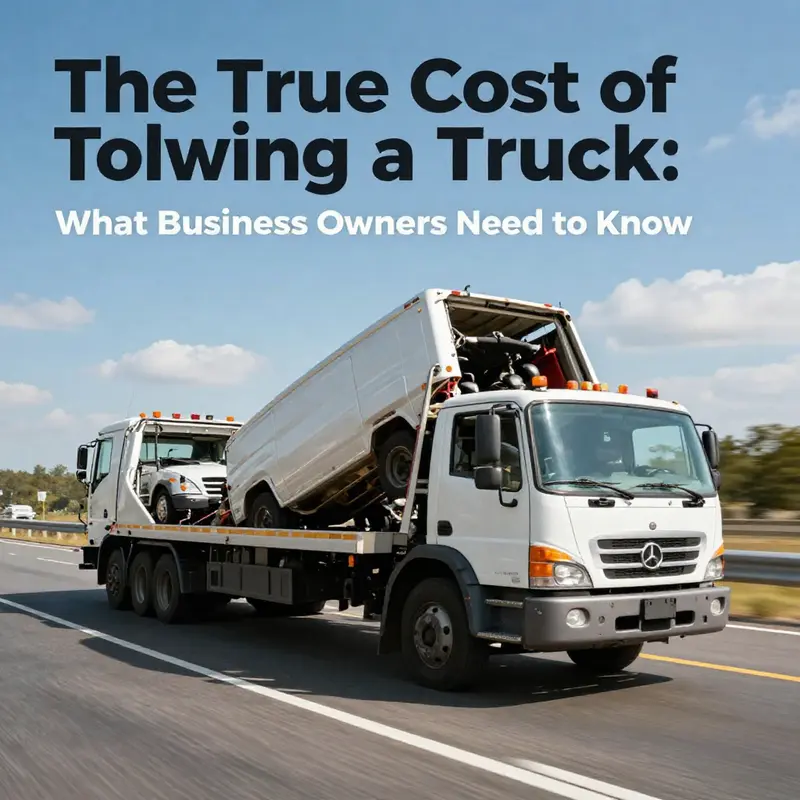
Businesses relying on trucks for operations must be prepared for unforeseen breakdowns or accidents. Understanding the costs associated with towing your truck can save you from unexpected expenses and delays. This article delves into the primary cost drivers of towing services, ensuring you’re informed and prepared. In the upcoming chapters, we’ll explore how the type and weight of your vehicle influence towing costs, how distance plays a critical role, and how urgency levels and extra services can further affect pricing. Equip yourself with knowledge that could prove invaluable for your business.
Tow Price Physics: How Vehicle Size and Weight Shape the Cost of Moving a Truck
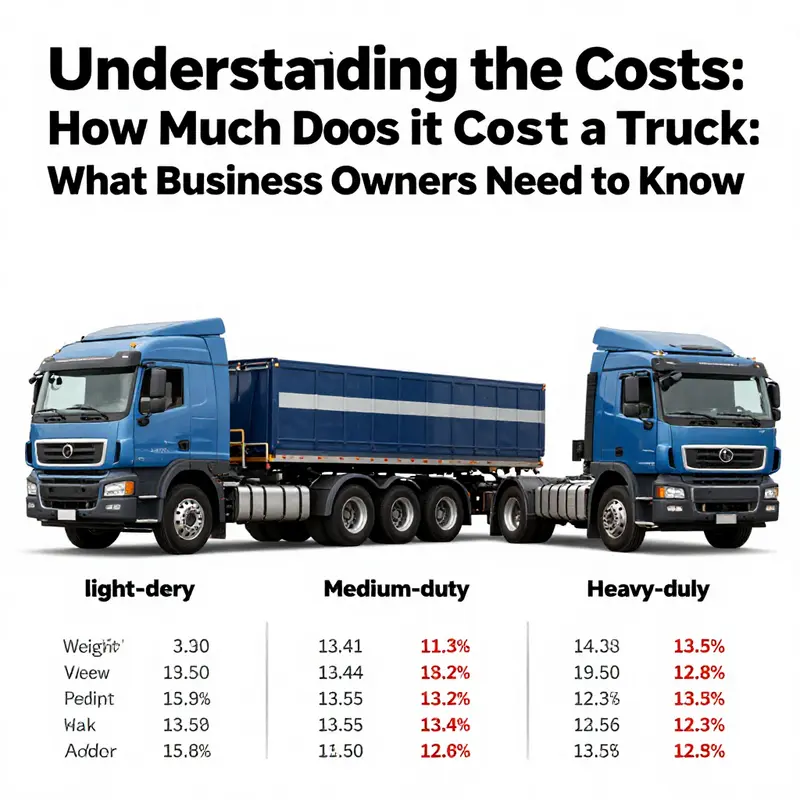
When you hear the word tow, the first thing most people notice is the bill. Yet behind the final number lies a straightforward physics of service: the bigger and heavier the truck, the more complex the recovery, and the higher the price. For a towing provider, weight is the strongest signal of what equipment will be necessary, how much time the job will require, and which specialized skills must be deployed. A light-duty pickup spins onto a wheel-lift quickly and with minimal strain on the truck doing the work, so the initial base charge can stay modest. A mid-size delivery van or a large commercial chassis, by contrast, can demand flatbeds, multiple winches, or integrated wreckers, and sometimes a rotator, to restore a safe loading and transport sequence. The math behind the cost is practical, not mysterious: weight, distance, urgency, and the right tool for the job all determine the price tag in a single, coherent line item.\n\nLight-duty trucks, those under roughly 10,000 pounds, illustrate the baseline. For short hops under ten miles, the typical range tends to land around seventy-five to one hundred fifty dollars. This catches the essence of wheel-lift towing and straightforward recoveries in urban centers, where rapid response and a compact profile keep the operation lean. The lighter weight translates into faster deployment and simpler handling, which keeps the hourly demand on the crew and equipment down. For many drivers, that means a quick road-side fix or a tow to a nearby shop at a predictable, relatively affordable rate. Yet even within this category, small differences in condition—whether the vehicle is running, how accessible the wheels are, or if the scene involves traffic constraints—can nudge the final number a little higher.\n\nAs the vehicle weight climbs into the medium- and heavy-duty range, the cost arc bends upward decisively. Medium to heavy trucks, typically over ten thousand pounds, almost always require equipment like flatbeds or integrated wreckers. Short-distance tows in these classes frequently range from one hundred fifty to three hundred plus dollars, depending on the exact weight, the need for specialized gear, and the recovery’s complexity. When a scene involves more than a simple roadside tow—imagine an accident with a rollover, a truck stuck in mud, or a vehicle that won’t start—operators may call in higher-capacity fleet assets such as rotator tow trucks. These machines command higher rates because their capabilities and operator training are significantly greater. The upshot is that the same weight category can yield a spectrum of prices, with the edge driven by the specific equipment and the intricacy of the recovery.\n\nDistance adds another layer. Many providers structure pricing with a base fee plus a per-mile surcharge, or they quote a flat rate that escalates as distance increases. A tow of twenty miles or more can push the total well beyond the baseline, with per-mile increments in the range of a couple of dollars to several dollars depending on regional norms and the service level chosen. In rural stretches, longer travel times and greater fuel use can tilt the economics toward higher charges, even when the car at the other end is small. The geography—urban congestion, flat terrain, or rugged backroads—plays a quiet but persistent role in shaping the final sum.\n\nTime of day and urgency are the silent multipliers. Emergency or after-hours towing—including nights, weekends, and holidays—often carries premium pricing, sometimes twofold or more, because immediate availability and rapid dispatch are scarce resources. Roadside assistance plans, if included in a policy, can temper this effect by offering coverage for emergency calls, which is another practical lever people can explore before making a decision. Additional services further modify the bill: flatbed transport, winching or recovery operations, multi-vehicle recoveries, or long-distance transports to distant repair centers all add lines to the invoice, based on the equipment and manpower required.\n\nTo manage costs, a prudent approach is essential. Always request an itemized estimate before agreeing to service, and inquire about flat-rate pricing or distance-based tiers. If your policy includes roadside benefits, check whether towing is covered and to what limit. When possible, provide the dispatcher with precise details—vehicle make and model, approximate weight, whether the truck is operable, and the intended destination—to help produce a fair and accurate quote. A practical step is to look to local, reputable providers and review the transparency of their pricing practices. For a real-world sense of how these factors translate into charges and to connect with a trusted local partner, see Mikes Towing. Their service page can offer a tangible example of how pricing aligns with vehicle size and recovery needs: https://mikes1towing.com/mikes-towing/\n\nIn the end, the most accurate cost estimate reflects the specifics of the situation—weight and size as primary drivers, distance and urgency as important modifiers, and the particularities of the scene that demand certain equipment. For accurate quotes, reach out to nearby towing companies and share the truck’s details and destination. If you want a broader overview of pricing dynamics beyond individual shops, you can consult external resources that summarize common pricing structures in the industry: Roadside Towing Costs. This broader context can help set expectations as you compare options and decide on the best path forward. For a broader overview, see Roadside Towing Costs: https://www.roadside.com/towing-costs/.
Distance Matters: Tracing the True Cost of Towing a Truck Across Miles
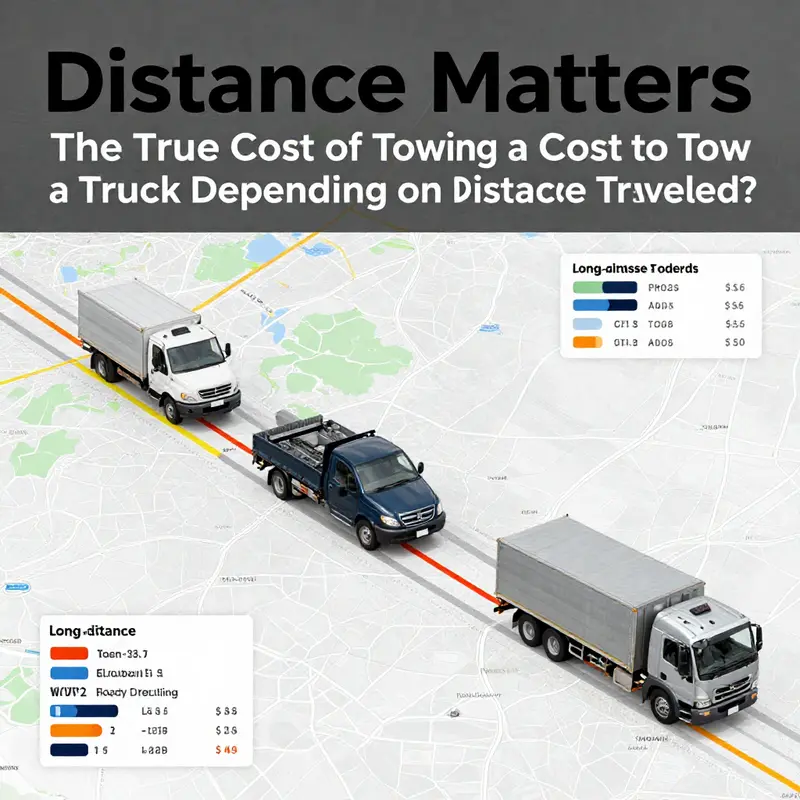
Distance shapes the price of towing a truck as surely as weight or weather does, yet it never travels alone. The moment a truck leaves the roadside, the clock and the odometer begin to press on the final bill. Most pricing structures hinge on two anchor points: a base hookup fee and a per‑mile charge, or a flat per‑mile rate that remains constant across the journey. But the interaction between distance and other realities—vehicle size, location, time of day—turns a simple calculation into a layered equation. Short distances within a crowded city may still be expensive if traffic slows the crew or if demand pushes labor rates up. In rural areas the miles stretch, and with more miles come more fuel, more time, and more wear on equipment. The result is a price that often reflects not just the miles traveled but the realities of moving a large, specialized vehicle through a specific terrain and market.
Pricing models vary, but most fall into one of a few common patterns. Some providers apply a base fee for the hookup and then add a per‑mile rate for the distance to the destination. Others lean on tiered pricing, where costs are grouped into ranges such as 0–10 miles, 10–25 miles, and beyond. A less obvious but increasingly common approach is a “hook and roll” structure: a fixed hookup charge paired with a separate per‑mile fee for the actual tow. In practice, a five‑mile tow can land in the neighborhood of seventy‑five to one hundred fifty dollars, while a fifty‑mile tow commonly climbs to three hundred dollars or more. When the target is a heavy, nonrunning, or unusually large vehicle, those numbers rise quickly because the tow crew must deploy larger equipment, more fuel, and often more time on scene. The local landscape matters, too: dense urban cores can shave a few miles off a trip but inflate costs through congestion and higher hourly labor rates; rural corridors may require longer travel times that compound mileage costs and fuel burn.
Weight and size amplify distance in a way that is easy to overlook. Heavier trucks demand bigger tow rigs, stronger winching capabilities, and more careful handling. Each extra ton translates into higher fuel consumption and extended operational time, which at many shops translates into a higher per‑mile charge or an adjunct fee for specialized gear. The implication for the quote is simple: distance is rarely a standalone figure. It combines with weight, the need for a flatbed or a heavy wrecker, and the route’s complexity to shape the final price. If you anticipate a longer haul, it helps to ask whether the price scales with distance in a linear way or through a stepped tier, and whether there is any minimum charge that already factors in the trip’s first miles.
Urgency and timing further tilt the cost deck. Emergency or after‑hours tows—such as those performed at night, on weekends, or during holidays—often carry premium rates. Some providers will state that those situations can push prices two to three times the standard rate, underscoring that distance is not the only variable at play when a truck must be moved quickly. The willingness to respond immediately can mean a higher effective rate overall, especially when the tow involves complex logistics or a hazardous scene. Beyond urgency, there are additional services that can add to the bill. Flatbed towing, winching or recovery operations, multi‑vehicle incidents, and long‑distance transport often carry supplementary charges that reflect the extra manpower, equipment, and time involved. Even routine long hauls can include surcharges for long‑distance transports across state lines.
Real‑world pricing mirrors these dynamics. The usual range for short, light loads sits at a modest base plus mileage, but the moment distance or weight shifts, the numbers rise. The scale of equipment and the specialized nature of the job are the quiet forces behind the price, reminding us that heftier trucks demand more capable gear and more expensive operating costs. The national picture often cites an average towing cost that is more indicative of cars than of heavy trucks, with the obvious caveat that heavier vehicles travel with higher price tags when miles are tallied. As miles accumulate, the total can look markedly different depending on whether the tow is urban or rural, urgent or planned, and whether additional services are needed to secure the vehicle safely.
To keep costs manageable, the practical path is clear: request a detailed, itemized estimate before any agreement. Ask whether prices are flat, distance‑based, or tiered, and seek a total projected cost that includes both the mileage and any potential surcharges tied to timing or services. If possible, provide the truck’s general profile—whether it’s running, its approximate weight class, and the destination—to help the provider tailor the quote accurately. Insurance can also play a role; many auto policies include towing benefits up to a set limit per incident, which can offset the bill when a move is unavoidable. For a closer view of local options and pricing nuances, you may consult local providers such as Tow service in Houston TX.
For a broader context that extends beyond regional pricing, you can explore external data on towing costs to complement the local estimates and ensure a well‑informed decision. External resources offer varied regional benchmarks and can help validate the quote you receive from a nearby service.
Understanding Emergency Tows: Costs, Add-Ons, and Decision-Making
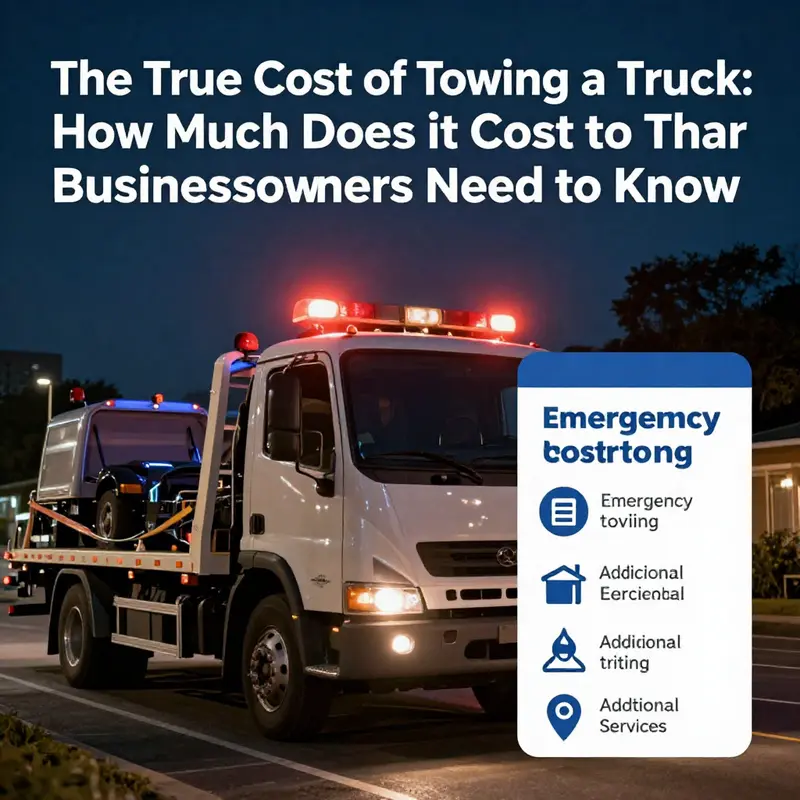
Emergencies push towing from a routine service into a pressure filled decision making moment. When a truck breaks down or is stuck, the clock becomes part of the cost. Urgent towing relies on rapid response, specialized equipment, and skilled operators who can maneuver heavy loads in tight spaces. Those factors lift the price tag, with emergency rates often adding a substantial premium to the base tow. In many towns, after hours, weekend, and holiday calls carry a rush or emergency fee. The premium can be at least 50 percent higher than a standard daytime tow, and sometimes higher depending on time and place. The math is simple in concept but emotionally charged in practice: speed costs money, and when speed is non negotiable, the bill tends to grow quickly.
Beyond the immediate response, the kind of work that follows can push costs further. For a running vehicle, the core tow may be straightforward, but for a non running vehicle or one lodged in a ditch or on uneven terrain, the operation becomes a multi faceted recovery job. Winching, crane work, or the deployment of a heavy flatbed may be necessary. Each element adds labor, time, and equipment charges that can turn a simple short tow into a longer, more expensive operation. For trucks, the complexity grows with heavier equipment. A heavy duty tow that requires a crane or a 20 ton wrecker is not only more expensive to hire; it also consumes more fuel, wears more gear, and calls on operators with specialized certifications. In practical terms, that means a longer tow distance paired with high load lifting can push the final price into the higher end of the spectrum.
As with any service where cost is tied to effort and risk, the distance traveled matters. Short transports may stay within a few hundred dollars, but longer moves tend to accumulate per mile charges on top of a base fee. In rural or remote areas, the penalties for distance and travel time are more pronounced, because the crew may be covering greater miles. The result is a tiered pricing reality: urgency drives the base fee up, with distance and the need for extra equipment inflating the total in a way that can surprise the unwary.
Another layer of cost comes from add ons such as jump starts, fuel delivery, lockout services, battery replacements, and diagnostic checks. If the vehicle is immobile, a recovery operation from mud, snow, or a ditch may require multiple devices and winches or cranes. Each additional service is a potential delta in the bill, especially if the job stretches into hours or requires multi vehicle coordination. Long distance transport or the need to lift another vehicle can compound the charges, as can temporary storage while arrangements are made or payment details are finalized.
Because the total can rise steeply, transparency becomes essential. A detailed, itemized estimate before work proceeds helps the owner understand what is driving the price and what could be adjusted. It is reasonable to ask for flat-rate pricing where available, or price tiers based on distance or weight class. If insurance covers towing benefits, understanding what the policy will cover and what remains as the customer s responsibility can prevent a shock at the end. When possible, provide the dispatcher with as much information as you can about truck size and weight, whether it is running, the exact location, and the destination. This helps ensure the quote reflects the actual task rather than a worst case scenario later on. For those under pressure, a quick conversation about add ons and the likelihood of storage fees can save money and confusion down the line.
In practice, the practical route to minimize surprise costs is to engage a local, reputable service with clear pricing practices and a published approach to emergency calls. A reliable provider will break down the anticipated charges, confirm mileage fees and labor costs, and discuss whether any services might be waived or substituted if a more economical approach is possible. External resources provide context on pricing dynamics, while local providers describe responsiveness and coverage area. Understanding these dynamics helps ensure that, even under pressure, the decision about who to call and what to add remains informed, reducing stress while protecting the vehicle and its value.
Final thoughts
Understanding the costs of towing a truck is essential for business owners who depend on reliable transportation for their operations. By considering the vehicle type, distance, urgency, and additional services, you can make informed decisions that prevent unnecessary expenses in emergencies. Always acquire itemized estimates and don’t hesitate to use insurance benefits when available. Being proactive in these scenarios can save you money and keep your business running smoothly.