
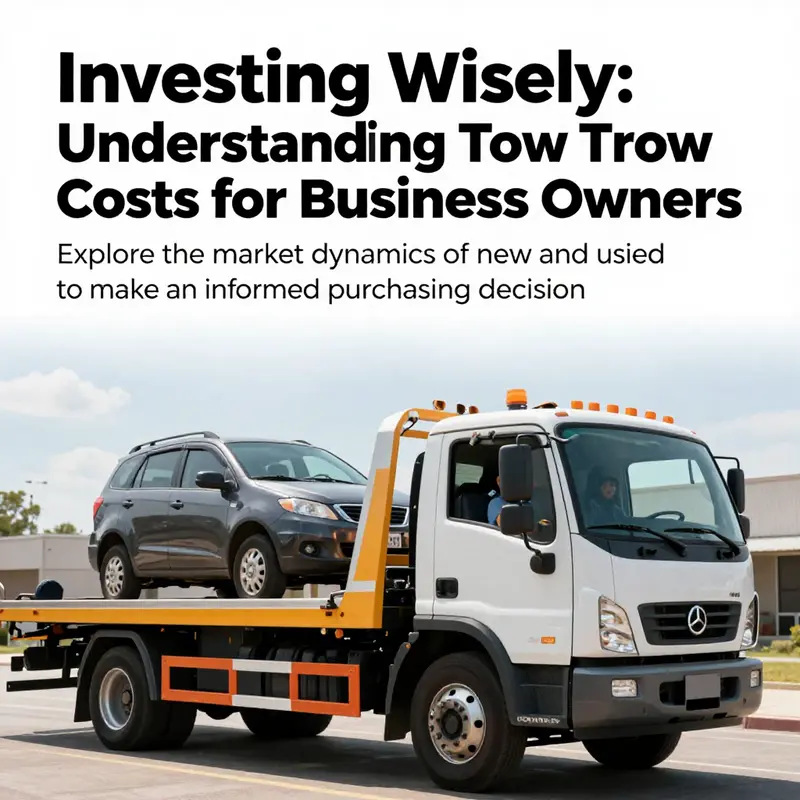
For business owners looking to expand their operations, investing in a tow truck can be both a necessity and a significant financial commitment. Understanding the costs associated with different types of tow trucks, whether new or used, is crucial for making an informed decision that aligns with your business strategy. This guide will explore the financial landscape of tow truck acquisition, diving into the breakdown of costs in the first chapter and examining the various factors that influence these prices in the second chapter. By the end, you’ll have a clearer picture of how to budget for your tow truck purchase effectively.
Investing in Reliability and Savings: A Comprehensive Analysis of New vs. Used Tow Truck Costs
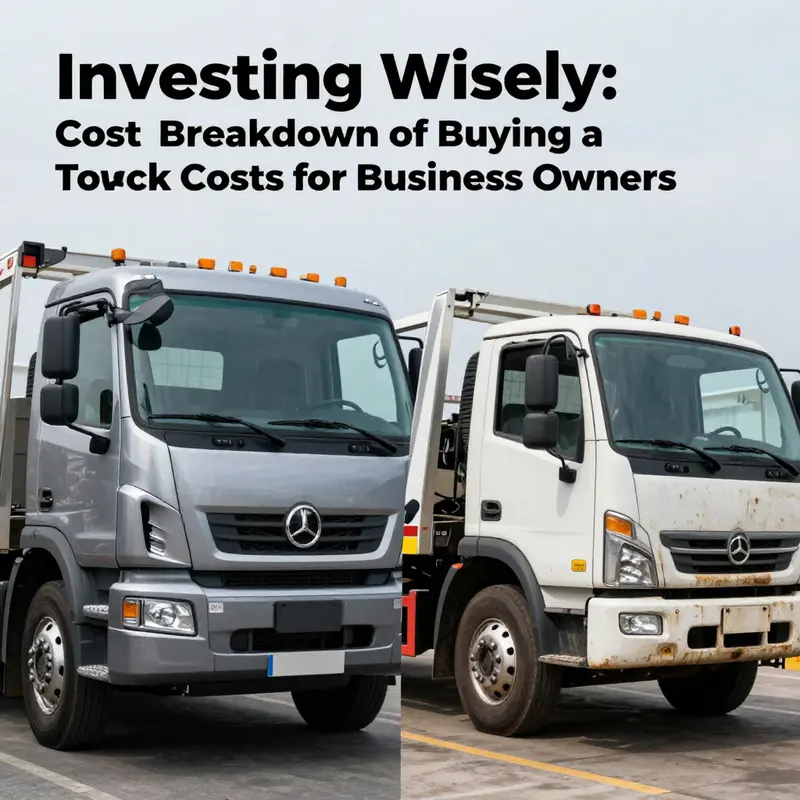
When considering the purchase of a tow truck, prospective buyers are confronted with a landscape of striking contrasts and subtle trade-offs. The decision between investing in a new unit or opting for a used model is not simply a matter of price tag but involves a comprehensive evaluation of performance, reliability, operational costs, and even long-term return on investment. In today’s market, where the prices can range from around $10,000 for a used heavy-duty tractor to over $150,000 for a brand-new, technologically advanced model, understanding these factors is essential. This chapter delves into the nuances of both choices, examining the benefits and drawbacks of each option and placing them within the broader context of obtaining optimal value for the money spent.
Many people begin their analysis with the attractiveness of lower up-front expenses. Used tow trucks, after all, promise an entry point that is budget-friendly and can, at first glance, offer an affordable solution for small businesses, startups, or operators with seasonal needs. On the other hand, the higher initial cost of a new tow truck is offset by the benefits of modern engineering, comprehensive warranties, enhanced fuel efficiency, and lower early maintenance costs. The differences in cost are emblematic of a larger set of considerations that influence not only how much the truck costs to purchase, but also how it performs on the road in terms of efficiency and reliability.
For those who opt for a new tow truck, the upfront expenditure is generally high. New models are engineered with the latest technology, offering a host of advanced features that enhance safety, reliability, and operational ease. A conventional tow truck, equipped with a winch, boom, or wheel-lift mechanism, typically falls between $75,000 and $150,000. These models are favored for smaller urban operations—accident recovery in congested city streets or even for repossession tasks—where efficiency and performance are critical. Moreover, new rotator tow trucks, which feature a 360-degree rotating boom, can cost anywhere from $150,000 to $300,000 or more. Their unparalleled versatility makes them the choice for heavy-duty tasks: rescuing overturned vehicles, recovering massive loads, or responding to emergencies rapidly. Flatbed models, known for their hydraulic tilting beds that allow safe transport without additional ground impact, usually range from $100,000 to $200,000 or above. While these figures represent significant investments from the outset, the benefits—such as lower downtime, improved fuel efficiency, and reliable performance backed by manufacturer warranties—often validate the premium. For operators who plan long-term, the initial premium is an investment in lower maintenance costs and fewer unexpected repairs during the early years of service.
Conversely, used tow trucks present an appealing option for those who must balance limited financial resources with operational necessities. The cost of these used models can vary significantly, with general used tow trucks generally priced between $30,000 and $80,000, depending on their age and condition. Even high-end used models—such as rotators or flatbeds—may be available for between $90,000 and $180,000, approaching a fraction of the price of a brand-new counterpart. However, while the lower purchase price is enticing, it comes with additional responsibilities and risks that can lead to hidden expenses. The used market is a realm where thorough inspections, careful consideration of service history, and an understanding of potential future maintenance become paramount.
Beyond the sticker price, the total cost of ownership is where a used truck might reveal challenges. Older engines, outdated hydraulic systems, and worn components can contribute to unexpected repairs and higher overall maintenance costs. A used truck is typically sold on an “as-is” basis, which means that any mechanical shortcomings or latent defects are the responsibility of the new owner. This can erode the initial savings if repairs or upgrades become necessary soon after the purchase. Similarly, fuel efficiency typically suffers in used models because of outdated technology and wear over time. Operators who choose used trucks must be prepared for more frequent visits to the repair shop and potential downtime, which can adversely affect service availability during critical operations.
The stark contrast between new and used tow trucks is not solely a financial equation. Practical considerations such as warranty coverage play a significant role in the decision-making process. New tow trucks come bundled with manufacturer warranties that typically extend for three to five years. These warranties act as a safety net, covering repairs and maintenance that might otherwise lead to significant expenditures. In contrast, most used trucks are sold without the security of warranty protection. This absence places the onus of any subsequent repair or mechanical issues entirely on the buyer, making the used option a higher-risk proposition. For commercial operations that rely on consistent performance and minimal downtime, this factor weighs heavily in favor of choosing a new unit, where the peace of mind can directly translate to a steadier revenue stream.
Reliability in the field is another aspect that differentiates new and used vehicles. New vehicles are built to meet current industry standards and incorporate the latest design improvements to increase durability. Their advanced diagnostic systems alert drivers to potential issues before they become severe, thereby reducing the likelihood of catastrophic failures during a towing operation. Conversely, used trucks, while often still capable of performing their duties, may lack these enhancing technologies. The risk of unexpected breakdowns is higher, and any inefficiencies in fuel consumption or mechanical performance will likely increase as the vehicle ages. The overall accountability, therefore, shifts from a trust in modern engineering to a gamble on the maintenance and careful inspection of a pre-owned unit.
One must also consider the broader economic implications of these choices. In many cases, the decision hinges on the operator’s business model and long-term outlook. For instance, a company that provides 24/7 emergency response services requires the utmost dependability from its equipment. In such scenarios, investing in a new tow truck is often the best route, as the potential downtime and repair costs associated with used trucks can quickly surpass the initial savings. Conversely, smaller businesses that operate within limited schedules or in regions with moderate demand may find that a well-maintained used truck can adequately serve their needs without breaking the bank.
The dynamic nature of the towing industry, including the availability of inventory and fluctuations in market prices, further complicates the decision. The market for tow trucks is influenced not only by technological advances but also by regional supply and demand. For instance, urban centers such as Houston often have a wide selection of both new and used tow truck options. If an operator in Houston is scouring listings, they might also explore specialized services like those discussed on websites featuring local information about tow trucks in Houston, which can guide buyers through the intricacies of regional pricing and available models. Those looking for reliable information and updated pricing data can find relevant market trends that help to inform their decision-making process.
Another element that must be considered in the cost analysis is the depreciation factor. New vehicles typically depreciate faster in the initial years of ownership. However, the steeper depreciation curve is often balanced out by lower repair costs and a higher resale value if the vehicle is maintained properly. On the other hand, while used trucks come at a lower initial cost, their depreciation rate is generally slower. This slower depreciation might imply a better residual value if bought at a good price; however, it does not compensate for increased repair costs or the potential need for more frequent maintenance. When operators consider resale or fleet updating strategies, understanding how depreciation impacts overall cost is vital to making a fully informed investment decision.
Furthermore, it is important to factor in the intended use and operational demands. Tow trucks vary widely in terms of design and capacity. A heavy-duty truck built for commercial towing might be indispensable for operators facing high-volume, challenging scenarios, but the cost of such models is significantly higher. In contrast, a lighter-duty truck might suffice for less demanding applications, but it could also mean sacrificing some functionality or durability. The decision must come down to the specific tasks the truck is expected to perform. New trucks are often tailored for high-demand operations; they incorporate enhanced safety features and are built for longevity under harsh conditions. In contrast, a used truck may be perfectly adequate for less rigorous service requirements, provided that a thorough mechanical inspection and a review of the vehicle history report have been completed.
In addition to the financial aspects, safety is an inherent part of the equation. New tow trucks benefit from the latest safety innovations, such as improved braking systems, advanced traction controls, and state-of-the-art driver assistance features. These innovations are not only appealing from a performance perspective but can also reduce the risks associated with high-stress towing operations. Safety certifications and compliance with the latest industry standards offer added reassurance to fleet managers and individual operators alike. With used trucks, however, there can be concerns about outdated safety features. Although a well-maintained used tow truck can still be safe in operation, the absence of the newest safety technologies might expose its drivers to higher risks, particularly in emergency scenarios.
Tire longevity, fluid systems, and even the design of the towing apparatus itself are factors that contribute to everyday operational costs. New trucks come calibrated with components designed to work together seamlessly, reducing the cumulative wear and tear across the entire system. Interior features, ergonomically designed controls, and updated diagnostic systems contribute not only to greater reliability but also to a safer workplace environment. These advantages are particularly meaningful to companies that prioritize long-term operational continuity. When ownership of a towing asset is measured over many years, the initial expense of a new truck can be justified by the cost savings and added safety it provides over time. The economic principle here is simple: invest upfront for long-term gains and minimize the probability of expensive interruptions in service.
In contrast, the used truck option requires constant vigilance. Prospective buyers must invest time in securing a comprehensive vehicle history report and, ideally, have the truck inspected by a trusted mechanic. Any oversight can have costly consequences. In many respects, buying a used tow truck is akin to buying a used car—it’s not merely about the sticker price, but also about understanding the vehicle’s past performance and its likely future dependability. Even a used truck that appears to be in decent condition might harbor issues that have not yet manifested as overt mechanical problems; these potential pitfalls can quickly add up, both in terms of repair expenses and unforeseen downtime.
Beyond the immediate operational concerns, the broader economic environment plays a role too. Fuel prices, regulatory changes regarding emissions, and evolving market standards influence the long-term cost of both new and used vehicles. New tow trucks, with their increased fuel efficiency and lower emissions, may come with additional advantages in areas where environmental regulations impose penalties or where green operation is a selling point. The newer models often incorporate engines and technologies that reduce fuel consumption, an often underestimated factor in operational budgets. Conversely, older models may incur higher fuel costs and could face stricter regulatory scrutiny, especially if they fall short of modern emission standards.
Operators must also reflect on service support and parts availability. With a new vehicle, dealership support and ready access to spare parts are common benefits. Manufacturers typically provide an integrated service network, ensuring that any necessary repairs or routine maintenance are performed with high quality and with genuine parts. This network of support extends not only the lifespan of the vehicle but also helps to maintain its value. Used trucks, effectively removed from the manufacturer’s direct after-sales network, may require sourcing parts from various suppliers, leading to delays and potentially higher costs. Even when a used tow truck is in good working order at purchase, the lack of streamlined support can lead to operational headaches down the line.
When evaluating the two options, it becomes clear that choosing between a new or used tow truck is not a binary decision based solely on upfront price. Rather, it is a complex equation where long-term operational costs, reliability, safety, and support services all interweave to form the final picture of total cost of ownership. Operators must weigh the high initial investment of a new truck against the potential for lower short-term costs with a used model, while also considering the risks inherent in each choice. The decision is driven by multiple factors that include immediate budget constraints as well as strategic, long-term planning for business growth and operational reliability.
The process of making this decision typically begins with a careful assessment of current needs. Businesses that operate on tight margins or that are entering the market for the first time might lean towards a used model, provided that they take the time to conduct a thorough mechanical inspection and acquire a complete service history. This extra diligence can help mitigate some of the risks associated with a used vehicle. On the other hand, operators who have the financial capacity to invest in a new model stand to benefit from the technological advances and energetic reliability that come with modern design. The added peace of mind provided by a comprehensive warranty, improved fuel efficiency, and built-in diagnostic systems can translate into tangible savings and fewer disruptions in day-to-day operations.
In the end, the decision between new and used tow trucks depends on the unique circumstances and priorities of the buyer. For those who place a premium on reliability, safety, and minimal downtime, investing in a new unit is a strategy that can offer long-term rewards. For budget-conscious operators who understand and are prepared for the ongoing maintenance challenges, a used truck may be the ideal route to expand service capacity without a prohibitive initial expense. Businesses that opt for a new model might also take comfort in the available service network and manufacturer support, aspects that contribute to secure operational continuity.
This detailed comparison of new versus used tow trucks illustrates how every aspect of a purchase, from the cost breakdown to the safety features and long-term reliability, must be weighed carefully. Decisions in this arena are seldom made on price alone—they are the result of well-considered evaluations that incorporate maintenance schedules, depreciation, regional market influences, and even environmental factors such as fuel efficiency. Interested operators in metropolitan areas, for example, can benefit from localized resources such as insights on tow trucks in Houston, which provide additional context and current regional pricing trends.
Ultimately, the most judicious approach is to base the decision on a deep analysis of both the immediate financial impact and the prospective long-term benefits. This involves a careful review of total ownership costs, an assessment of the operational demands, and a realistic appraisal of the risks associated with potential repairs and maintenance needs. Whether opting for the latest in new tow truck technology or a well-maintained used model, the value of a tow truck extends far beyond its base price tag—a value that is continuously shaped by its performance, safety, and reliability on the road.
For those looking to explore further details and market trends surrounding new tow truck innovations and the benefits they offer over time, additional insights can be found in expert analyses available on industry-specific sites such as this comprehensive overview. In the end, the decision is a matter of aligning financial resources with operational requirements, ensuring that the final investment not only meets the immediate needs of the business but also sets the stage for sustained growth and reliability for years to come.
Navigating the Complex Price Spectrum: How Tow Truck Specifications, Engine Choices, and Market Factors Define Your Investment
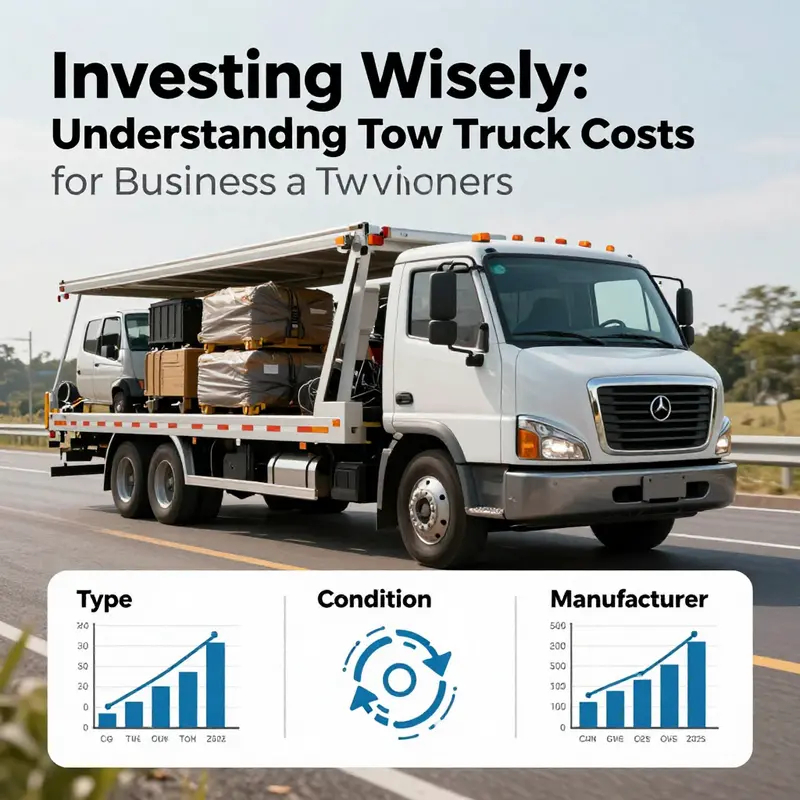
When considering the purchase of a tow truck, prospective buyers are not simply choosing a means of transport but investing in a multi-faceted tool that combines robust engineering, high-performance capabilities, and adherence to exacting safety standards. The cost of acquiring a tow truck is the result of an intricate interplay of numerous factors that range from the type and specifications of the vehicle to the engine technology, brand reputation, optional equipment, and even geographic variations. This chapter delves into the various elements that shape the final price, offering you a comprehensive perspective on how these considerations impact your overall investment.
The primary factor in determining the cost of a tow truck is undoubtedly the type of unit you choose to purchase. Tow trucks are not a one-size-fits-all commodity: they are purpose-built with an array of features designed for specific towing operations. For instance, heavy-duty rotator tow trucks are engineered for challenging recoveries, complete with a rotating boom that is not only advanced in its design but also requires highly skilled operators. These models are often the most expensive, with prices that can escalate to levels beyond $150,000, and in some instances even reaching close to $300,000. Their engineering sophistication, large physical footprints, and the necessary safety mechanisms reflect the significant investment needed to manage complex roadside recoveries, particularly in emergency response situations.
In contrast, flatbed tow trucks present a different set of advantages and cost benefits. With a hydraulically operated tilting bed, flatbed models are adept at transporting vehicles without any direct contact with the ground—a design choice that minimizes the risk of additional damage to delicate or low-clearance vehicles. The safety features and versatility of flatbeds typically result in a mid-range price spectrum, generally falling between $75,000 and $150,000. Their design not only emphasizes vehicle preservation and operational efficiency but is also indicative of lower maintenance expenses over time. As a result, flatbed tow trucks are a favorite among operators who prioritize both functionality and long-term cost management.
Continuing along the spectrum of available models, conventional tow trucks are recognized for their balance between simplicity and operational efficacy. These trucks usually come equipped with a hydraulic lift and winch system, which, while less complex than the rotating booms found on heavier models, still meet or exceed the requirements of routine urban towing and recovery tasks. The pricing for conventional models tends to mirror that of flatbeds, as both have similar engineering challenges and market demands, and they usually range between $75,000 and $150,000. For buyers who are primarily interested in cost-effective solutions for everyday towing needs, conventional tow trucks represent a compelling investment.
Beyond the type of tow truck, engine type stands out as a crucial determinant in the purchase price. The choice between diesel and gasoline-powered engines plays a significant role in both upfront expenditure and the total cost of ownership over time. Diesel engines, for instance, are renowned for their durability and capacity to handle heavy loads. They generally command a higher initial price due to improved longevity and higher torque, which is indispensable for heavy-duty towing applications. However, the robust nature of diesel engines also brings with it higher repair and maintenance costs. Additionally, strict emissions regulations in urban landscapes can factor into further expenses for diesel-powered trucks. In many parts of the country, such regulatory measures necessitate additional upgrades and parts modifications in order to meet environmental standards, thereby nudging up overall costs.
On the other hand, gasoline-powered tow trucks often present a lower entry point price. Their widespread availability and relatively simple mechanics mean that the initial investment is usually less significant compared with their diesel counterparts. Despite these advantages, gasoline engines may fall short in providing the requisite torque and endurance demanded by heavy-duty operations. For businesses that encounter frequent high-load towing, the cumulative effect of shorter engine lifespans and more frequent maintenance can offset the initial savings, ultimately leading to higher long-term expenses. As such, the decision between diesel and gasoline engines must be framed within the broader context of anticipated usage, operational duration, and adherence to local environmental regulations.
In addition to the technological and performance-related factors, the reputation of the manufacturer plays a subtle yet impactful role in the overall pricing of tow trucks. Well-established brands with long histories of quality, reliability, and technical innovation tend to command premium prices. This premium is attributable not only to the perceived value of their engineering but also to ongoing after-sale support, warranty coverage, and the availability of spare parts. When a company invests in a vehicle from a reputable manufacturer, the higher up-front cost can be partially justified by the increased durability and expected lower incidence of operational interruptions. Buyers frequently opt to pay a little more for the assurance of a robust, well-supported product that can weather both time and heavy use.
Optional equipment is another significant component in the pricing equation. Many tow trucks come with a host of additional features that enhance functionality but come at an extra cost. For instance, specialized winches, extended booms, and safety systems such as advanced braking and stability controls all contribute to a more expensive package. These enhancements are particularly valuable for companies that operate under challenging circumstances or in harsh weather and environmental conditions. While these extras can drive up the overall price, they also provide tangible benefits by increasing the machine’s range of abilities, lowering the risk of damage to recovered vehicles, and ensuring that the tow truck remains compliant with modern safety protocols. Each optional upgrade represents a strategic decision for the operator: the extra cost must be weighed against the practical benefits expected during day-to-day operations.
Another layer of complexity in price determination arises from geographic differences. Market conditions vary widely from one region to another, influenced by local demand, regulatory variances, and the availability of specific models. For example, in areas where urban density and strict emissions rules prevail, the premium on diesel-powered heavy-duty trucks might be substantially higher. Conversely, in rural regions where the demand for high-powered recovery vehicles is less intense, buyers may find more competitively priced options that still perform admirably. This geographic variability can also manifest itself through secondary market dynamics; used and smaller tow truck models often show a wide range in pricing depending on location. Whether buying a pre-owned unit or a truck that has seen limited regional use, operators must be mindful that a seemingly attractive purchase price in one market might not necessarily translate to similar cost efficiency when considering local service and maintenance support.
Beyond the core factors discussed, there are peripheral elements that can subtly affect the overall cost of a tow truck. Market timing plays a role, as fluctuations in economic conditions, raw material costs, and production scalability can shift dealership pricing. In times when supply chains are disrupted or fuel prices are high, manufacturers might adjust their pricing models, which in turn affects the final price tag of tow trucks. Additionally, financing options and leasing terms offer buyers further avenues to manage upfront costs. For many companies, the decision is not purely a matter of purchase price but also how the vehicle fits into their broader financial strategy, including depreciation forecasts, tax implications, and operational budgeting.
Economic considerations aside, the practical aspects of acquiring a tow truck extend to the balance between quality and cost. Buyers have to consider not only the present-day price but the long-term returns on investment: a higher initial outlay could be more economical over the life cycle of a vehicle if it comes with improved fuel economy, reduced maintenance, and less downtime. Consulting current market data is therefore critical. Online auction sites and classified listings offer important insights into prevailing market conditions and provide context for what current prices reflect. For those seeking localized information on towing capabilities or reliable service options, it can be useful to explore regional resources. For instance, one local resource presents valuable insights into service requirements and operational benefits for those within urban centers. You might find it helpful to review Houston towing service details for additional context on how regional demands may impact cost factors.
Because many decisions around purchasing a tow truck involve such diverse and interconnected factors, adopting a comprehensive approach to research is advisable. Prospective buyers must gather up-to-date information that accounts for the type of truck, engine type, optional features, manufacturer reputation, and regional market conditions. The inherent variability ranging from as low as $10,000 on used heavy-duty tractors to prices exceeding $150,000 for new, high-end models is such that one must evaluate what balance of features, longevity, and performance is required for the intended usage. Additionally, it is important to consider not just the purchase price but also recurring costs such as maintenance fees, fuel efficiency considerations, and potential repairs. These factors, in combination, determine the true total cost of ownership during the vehicle’s operational life.
The interplay between machinery engineering and economic pragmatism is vividly apparent when comparing the different tow truck models on offer. The rotator tow truck, with its advanced lifting mechanisms and integrated safety features, stands as the epitome of technological advancement in the industry. While this model is suited for high-intensity environments—like multi-vehicle accidents or extreme weather incident responses—the significant investment required underscores both the high risk and the high reward potential that these machines offer. In demanding scenarios where time is critical and safety is paramount, the capabilities of a rotator tow truck might well justify its substantial price. Equally, however, the specialized nature of this equipment means that its operational viability might be limited in less demanding contexts, where a flatbed or conventional model might be perfectly sufficient.
Within the practical framework of operational usage, the importance of efficient engine performance cannot be overstated. Diesel engines, for example, have carved a niche within the towing industry largely because they are built to withstand prolonged periods of heavy use. Their inherently high torque output and the durability that comes with it make them ideal for scenarios that involve heavy, repetitive lifting and towing. Nonetheless, these features come at a premium; diesel engines typically involve a higher initial outlay and come with maintenance protocols that might drive up long-term operational expenses. When juxtaposed with gasoline engines, which offer the allure of a lower starting cost, the decision ultimately rests on expected usage patterns. Companies that require extensive recovery operations in harsh conditions are likely to view the initial premium as an investment, whereas those with lighter duty needs may prioritize immediate cost savings over long-term robustness.
Brand reputation, a sometimes underappreciated factor, is crucial in establishing the reliability and safety of a tow truck. Established manufacturers invest heavily in research and development, ensuring that their vehicles are equipped with state-of-the-art technologies and robust construction. The premium you pay for a well-regarded brand is not merely a markup for a logo—it is an investment in the promise of longevity, access to comprehensive technical support, and an ongoing commitment to quality improvements. In many cases, the reputation of a manufacturer serves as a proxy for the reliability of both the vehicle and the customer service that will follow. This reputation can have a significant bearing on resale value and on the long-term efficiencies realized by the operating business.
There is also a growing trend among operators in considering optional technological upgrades that enhance operational safety and effectiveness. Advanced features such as boom extensions, specialized hydraulic systems, and integrated digital diagnostics are now commonplace in modern tow trucks. These options provide noteworthy advantages, such as more precise load handling and a reduction in wear and tear on both the tow truck and the vehicles being recovered. Yet, every additional feature represents an incremental increase in cost. Buyers must therefore establish a clear understanding of their operational requirements and weigh these against their available capital. A detailed cost-benefit analysis that considers the immediate and long-term impacts of these optional technologies is essential in making an informed decision.
Furthermore, geographic location exerts a subtle but persistent impact on overall purchase price. Factors such as regional demand, transportation regulations, climate, and even local competition influence market prices in different areas. In areas with high urban density or where severe weather or high-traffic congestion necessitates specialized recovery solutions, the cost of a tow truck may be driven upward. This local variance requires buyers to conduct targeted research to ensure that the model they invest in not only meets their operational needs but also fits into the economic landscape of their region. Additionally, buyers must consider the ease of obtaining local service and parts support. A tow truck that costs less up front but is difficult to service locally may ultimately prove more costly in terms of maintenance downtime and extra travel for specialized repairs.
The financial planning required to acquire a tow truck is not limited solely to the purchase itself. The total cost of ownership includes hidden expenses that extend throughout the vehicle’s lifecycle. Routine maintenance, insurance premiums, fuel costs, and potential financing fees all add layers of expense that must be anticipated. In an environment where every dollar counts, ensuring that the capital expenditure is balanced by ongoing savings and operational efficiencies can be the deciding factor in whether a particular model is the right choice. The delicate balance between initial cost, optional equipment costs, and long-term maintenance should therefore be analyzed meticulously, taking into account both quantitative data from market listings and qualitative insights from industry experts.
In this regard, the rapidly evolving landscape of technology, fuel efficiency standards, and safety requirements urges operators to look beyond static pricing figures. Future-proofing your investment by selecting a tow truck that is capable of integrating future upgrades or meeting anticipated regulatory changes is a smart strategy. This proactive approach involves staying informed about the latest industry trends and technological advancements. Consulting reputable sources and manufacturer websites—such as the detailed technical and pricing information available at National Truck & Equipment—provides additional context and helps ensure that your decision is well-informed.
Finally, the decision-making process for purchasing a tow truck is a blend of technical assessment, financial analysis, and strategic planning. It necessitates a realistic appraisal of current business needs alongside projections for future operations. Whether the choice falls on a robust rotator model with extensive features or a more economical conventional truck, the goal remains the same: to secure a heavy-duty partner that delivers reliability, efficiency, and safety over its operational lifespan. With a clear understanding of the various factors influencing cost—from machinery type and engine technology to the influence of brand, optional features, and regional market variations—buyers are better positioned to make choices that are not only financially sound but also strategically aligned with their operational priorities.
In summary, the cost of acquiring a tow truck is rarely a simple figure. It is a multidimensional equation that demands careful consideration of performance needs, engine types, advanced features, brand reliability, and local market conditions. Successful operators understand that a comprehensive approach, one that melds forethought with data-driven analysis, is essential for selecting the right vehicle for the right job. By balancing immediate investment with long-term operational savings, and by staying attuned to the evolving demands of the pulling and recovery industry, buyers can achieve an optimal match between their expectations and the realities of the market. For the astute investor, this multifaceted assessment not only clarifies the true cost of a tow truck but also paves the way for sustained operational success in an industry where every decision counts.
Final thoughts
Understanding the costs associated with purchasing a tow truck is key for business owners who want to make smart investments. Whether opting for a new, high-end model or a budget-friendly used truck, knowing the price ranges and the factors that influence these prices can guide you to the right choice. By carefully considering your operational needs and the market offerings, you can effectively manage your budget while ensuring a reliable tow service for your clientele. Evaluate your business’s specific requirements and financial context, and don’t hesitate to consult various listings to ensure you make a purchase that optimally supports your business goals.