
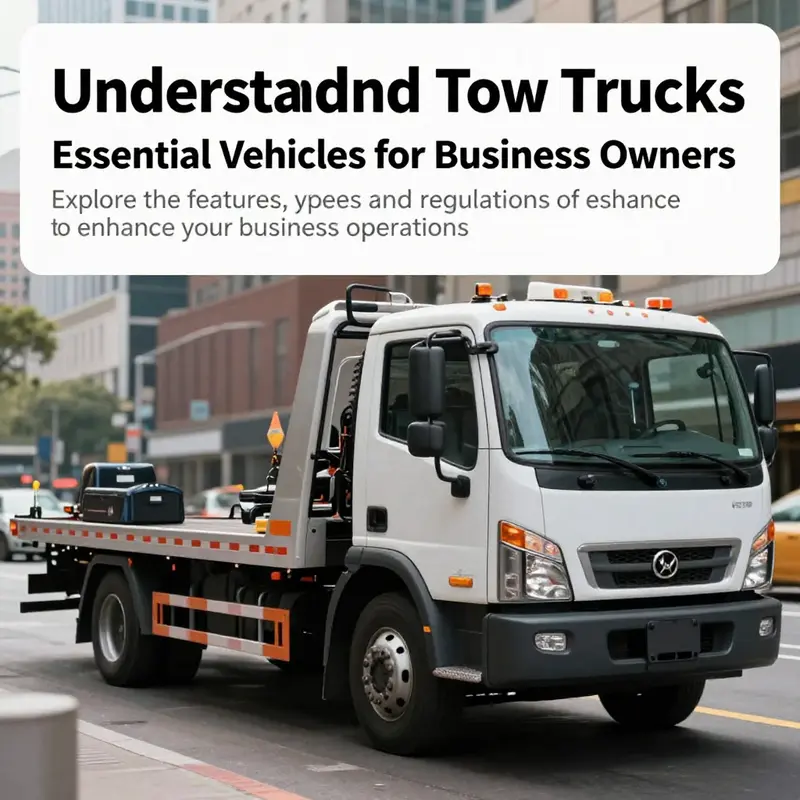
Tow trucks are pivotal in every business’s operational strategy, particularly for those involved in transportation, logistics, and roadside assistance. Business owners must comprehend what tow trucks offer to make informed decisions about utilizing such vehicles. From their specialized features and functionality to the diverse types tailored for various towing needs, understanding these vital assets is key to effectively managing fleet operations. Additionally, awareness of the regulations and safety standards governing towing operations is crucial to ensure compliance and safety. This comprehensive guide aims to equip business owners with an in-depth understanding of tow trucks, enabling them to leverage their benefits efficiently.
Tow Trucks in Motion: Unpacking the Tools, Techniques, and Tactics of Vehicle Recovery
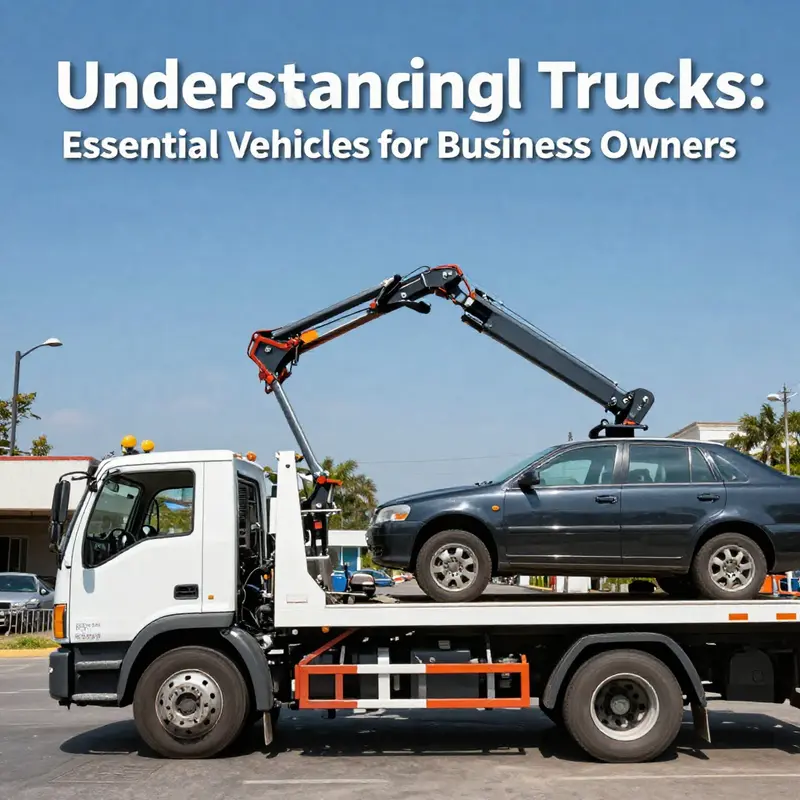
A tow truck is more than a larger pickup with a winch. It is a purpose-built instrument of mobility and restraint, a mobile workshop that brings heavy leverage, precise control, and specialized safety features to the roadside. When a vehicle breaks down, is involved in a collision, or faces a curbside conflict with parking rules, the tow truck steps in as the bridge between a stalled machine and the next point of care. Its role goes beyond simply pulling a car; it is about preserving the vehicle, protecting the scene, and restoring traffic flow with as little disruption as possible. In everyday language across the United States and many parts of the world, people may call it a wrecker or a breakdown truck, depending on local usage, but the function remains the same: to recover, transport, and safeguard. This chapter examines the core features that enable these functions, from the common to the highly specialized, and explains how the design of each system serves different environments and vehicle types.
At the heart of every tow truck is a decision about how to move a vehicle safely. The recovery scenario dictates the equipment. In a typical incident on a highway shoulder, speed and stability matter as much as reach. A flatbed, a wheel-lift, a rotator, or an integrated chassis all have distinct strengths. Flatbed tow trucks, often called rollback or slide trucks, use a hydraulically tilted bed. The operator can drive the disabled vehicle onto the platform or winch it up, placing every wheel on the bed so the car remains completely off the ground during transport. This ground-contact-free approach is especially beneficial for all-wheel-drive and high-end vehicles with low ground clearance, as well as vehicles with delicate undercarriages. It minimizes tire wear and suspension stress and reduces the chance of incidental damage that can occur when a vehicle is pulled from a single axle or dragged down a street. The mechanism itself is compact in the sense that the bed tilts and slides in one continuous motion, and the truck’s stabilizers help distribute the weight evenly. In urban settings, the flatbed’s ability to place a car down smoothly rather than drag it across pavement is a major advantage, and when a vehicle must be moved intact for insurance or dealer purposes, the flatbed is often the preferred option.
A gatekeeper principle in play here is safety through control. The operator must secure the vehicle with wheel straps and chains, align the bed for a clean roll-on, and monitor the angle of approach to avoid wheel slip or bed faults. The hydraulic tilt mechanism also means fewer moving parts near the ground during loading, reducing the risk to technicians on the road. Still, flatbeds are not a one-size-fits-all solution. They require specialized space to maneuver and can take more time to set up, which matters in high-traffic situations or when space is tight. The trade-off is straightforward: higher initial setup time for a safer, ground-contact-free transport, especially crucial for expensive, sensitive, or AWD models.
A second family of recovery vehicles expands the toolbox with rotator tow trucks, which embed a 360-degree rotating crane into the truck’s chassis. This arrangement grants remarkable flexibility. In a ditch, along a slope, or on uneven ground, the rotator can reach, lift, and place a vehicle without needing to reposition the entire platform. The crane’s reach and rotation allow technicians to manipulate the vehicle in tight spaces, rescue stranded cars, and work around obstacles with surgical precision. That versatility translates to faster recoveries in complex scenes, but it comes with costs: the rotator’s advanced hydraulic systems, the crane’s load limits, and the need for highly trained operators who can control multi-axis movements under potentially dangerous conditions. Setup times may be longer, and maintenance demands higher, but the payoff is the ability to salvage vehicles that would otherwise require more disruptive or dangerous extraction methods.
Wheel-lift tow trucks provide another essential option, particularly in dense urban environments or for quick-response tasks such as parking enforcement or short-distance towing. The wheel-lift uses a metal yoke that slides under either the front or rear axle to lift one end of the vehicle off the roadway. This design creates a compact, lightweight platform that can navigate narrow streets and parking garages with relative ease. It is fast to deploy, cost-effective, and popular for routine removals. However, the wheel-lift approach carries certain risks. Because only one end of the vehicle is fully supported, there is a greater chance of transmission or undercarriage damage, especially for AWD or four-wheel-drive vehicles. The lift’s precision and the operator’s technique thus become critical factors in preventing further harm during transport. The system’s footprint is smaller, the vehicle weight is centralized toward the towing point, and the overall structure is well-suited to short hauls and tight spaces. For many fleets, wheel-lift represents a practical balance between speed, cost, and risk when the mission calls for rapid, on-street recoveries.
Integrated tow trucks bring the towing mechanism into the truck’s very frame, producing a compact, stable platform that excels in heavy-duty recovery and industrial settings. The integration of the crane, winch, or lifting system with the chassis reduces the likelihood of misalignment and contributes to a lower center of gravity, which improves stability during complex maneuvers. Integrated designs are favored by companies that routinely handle rugged terrain, large commercial vehicles, or multi-vehicle recoveries. The streamlined chassis can support higher payloads and more predictable control, an important factor when coordinating recovery teams in challenging environments like construction sites, industrial parks, or flood-impacted areas. These machines blend power with durability, offering dependable performance in the most demanding jobs, albeit at higher upfront cost and with a requirement for skilled operators who understand heavy equipment dynamics.
All these configurations reflect a shared objective: to recover vehicles with minimum additional damage and maximum safety for everyone involved. The choice among a flatbed, rotator, wheel-lift, or integrated system hinges on variables that include vehicle type and condition, ground and road conditions, space constraints, and the urgency of the call. A skilled operator reads the scene, assesses the vehicle’s position, and selects the tool that will achieve a secure lift and clean transport with the least risk. In cities and towns where parking enforcement and roadside assistance are frequent, wheel-lift units may be the go-to for their speed and compactness. In roadside rescue scenarios involving high-end cars or vehicles with AWD systems, the flatbed’s non-contact approach often wins out. In more unpredictable landscapes—ditches, embankments, water-logged edges—the rotator’s versatility makes it indispensable. And in operations that demand repeatable, heavy-duty recoveries, integrated trucks provide a stable, robust platform that stands up to demanding workflows. The reality is that modern fleets commonly diversify their equipment to cover a wide range of scenarios, ensuring that no single method becomes a bottleneck.
For professionals and curious readers alike, understanding these distinctions helps illuminate why tow services look different from one call to the next. It also clarifies why a city’s or a region’s towing fleet might emphasize particular machinery over others based on road geometry, vehicle density, climate, and regulatory expectations. It is a window into the invisible choreography of a roadside operation—the careful balance of leverage, weight distribution, and precise control that keeps people and vehicles safe while moving traffic forward again. In this ongoing evolution, the industry aligns with established standards and training resources that guide practice and safety. For those who want to explore the standards and training further, the National Association of Automotive Recovery Specialists offers a comprehensive framework that supports professional development and safe operation. If you are curious about how these standards translate into real-world practice, you can explore more about the career pathways and guidelines at the organization’s site.
A practical note for readers navigating the landscape of tow services is the importance of matching the right tool to the job. If you are researching or selecting a local provider, consider factors such as the types of vehicles most likely to require service in your area, whether the fleet prioritizes low-damage recovery with flatbeds, or if rapid response in dense urban centers is the norm with wheel-lift units. In addition, understanding the nuances of vehicle compatibility—especially for AWD and high-end models—can help you anticipate how a given technique may impact your car. For readers who want to see how a regional operator approaches these decisions in practice, you can learn more about tow services in specific locales by visiting a local provider’s information hub. And for those who want to deepen their understanding of industry standards and training, reference materials and professional guidelines can be found through the external resource at NAARS.
Tow Truck Typologies: How Specialized Vehicles Lift, Drag, and Rescue the Road
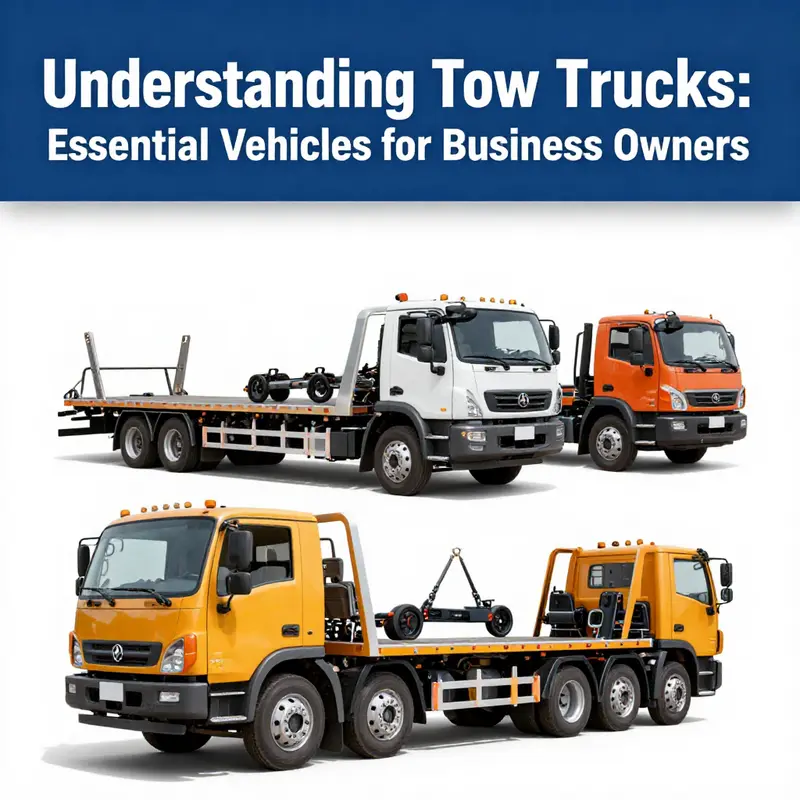
Tow trucks are not merely larger versions of everyday pickups. They are purpose-built responses to failure, appearing at the edge of traffic, in storms, and under tight deadlines. The simplest way to understand them is to think about the problem they solve: moving a vehicle that cannot safely move on its own from a road to a repair bay, storage yard, or another location. Over the decades, the toolset has expanded from crude hooks and pulleys to highly engineered machines shaped by physics, safety, and the demands of varied environments. The result is a coherent spectrum of specialized machines, each optimized for a certain kind of job, a particular setting, and a specific vehicle profile. This chapter traces that spectrum in a way that helps the reader grasp why one tow truck fits a scene while another would be a mismatch. The goal is not to list every model but to map the logic behind the choice, the constraints it faces, and the quiet, careful choreography that makes the job possible without adding to the hazards on the road.
The flatbed, or roll-back, stands as one of the most versatile and secure options in today’s fleets. Its hydraulically operated platform lowers to the ground, slides out to become a ramp, and then retracts to lock the vehicle firmly in place. Cars are winched, or driven, onto the flatbed and transported with all four tires off the surface. The advantages are clear: completely lifting the vehicle off the ground avoids road debris, weather, and surface imperfections from contacting sensitive undercarriages. This reduces the risk of tire damage, suspension misalignment, and rust that can arise from exposure to the road during transport. The flatbed’s design makes it the standard choice for operable vehicles when the goal is maximum protection and controlled transfer—whether a routine fleet move, a dealership transfer, or a complex accident recovery that requires careful handling of multiple points of restraint. In everyday practice, the flatbed becomes a default whenever the job benefits from complete vehicle separation from the road surface. For a real-world look at how these systems fit into a city fleet, see the towing services in Houston.
The wheel-lift, often called underlift, introduces a different philosophy. A metal yoke slides under one axle and allows the other end to be lifted, freeing the wheels off the ground. Its compact design and fast deployment make it ideal for tight urban spaces where maneuverability matters more than raw lifting capacity. Wheel-lift shines for routine roadside assistance, repossession work, and towing mid-sized cars in crowded streets. Yet it has limits. All-wheel-drive configurations and very low-clearance bodies can complicate a lift, and the system cannot always match the weight endurance of a larger flatbed. Operators balance these factors with the scene’s needs, using wheel-lift when speed and nimbility trump pure capacity and when the vehicle’s drivetrain can tolerate a single-axle lift without risk.
A third approach, the slide-bed tow truck, blends the efficiency of a flatbed with a faster loading cadence. The bed slides forward on rails to lower the front end and create a ramp without the full overhead of a traditional roll-back. This sequence reduces loading time and can increase throughput in high-volume environments while still providing the protection of a bed that keeps the vehicle off the ground. Slide-bed configurations fit well with operators who juggle multiple tow requests in a shift and must balance speed with care. The loading process remains gentle on the vehicle’s structure, underscoring that even speed must bow to safety when lives and livelihoods are on the line.
Beyond the roadside, certain environments demand specialized forms. Aircraft tow trucks, built for airports, illustrate how the same core principle—precise restraint and controlled movement—scales upward in weight and complexity. These machines navigate runways, taxiways, and hangar yards, moving aircraft with the same diligence a driver gives to a city street but at a far greater scale and with stricter safety protocols. The training and coordination required for their operation show that towing is not a hobbyist’s task but a critical component of complex transportation systems, where delays ripple through schedules and safety checks.
Then there are the heavy-duty wreckers, typically rated with substantial lifting capacity, such as thirty-ton class machines. They embody strength and rugged reliability, built to recover large trucks, buses, and heavy trailers. Their hydraulic systems pair with reinforced frames, stabilizers, and multiple lines to manage tense recoveries in urban canyons, rural shoulders, or embankments. The purpose is not simply to lift; it is to reposition a vehicle safely, stabilize the scene, and create a path for subsequent repairs or removals. These behemoths are deployed when lighter equipment would struggle, when timing is critical, and when the integrity of the vehicle and the roadway must be safeguarded through disciplined, practiced technique.
The oldest method in the repertoire—traditional chain and hook towing—remains a quiet reminder of the history of the trade. While it has faded from daily professional practice due to greater risk to the vehicle and the operator, it still appears in limited circumstances where simple, direct attachment is required or where time presses and the alternative options are unavailable. Its role is a counterpoint to the precision and safety of modern hydraulics. Operators who encounter this method treat it with caution, recognizing that simplicity can bring speed at the cost of increased potential for vehicle damage if misapplied.
Across these types lies a common thread: the choice is driven by the vehicle’s weight, its location, the surface or terrain, and the acceptable level of risk to the vehicle during transport. A crowded urban tow often leans on wheel-lift or a compact flatbed to minimize disruption and risk. A delicate recovery after a collision or in a sensitive environment may demand the full protection of a flatbed or the stabilization provided by a heavy-duty wrecker. A quick, routine transfer of an operable vehicle can be accomplished with a slide-bed that saves seconds without compromising safety. And in environments where the scale of movement matters as much as the movement itself, the aircraft and heavy-duty options demonstrate how the same engineering mindset scales to airplanes and heavy freight.
In all cases, operator training, rigging practices, and a steady commitment to roadside safety shape the outcomes. The choreography is meticulous: securing the vehicle, choosing the appropriate restraint points, balancing weight and leverage, and watching for any forces that could cause secondary damage. The narrative of tow trucks is not about brute force alone; it is about careful planning, clear process, and disciplined execution under pressure. As readers move from this overview to the chapters that follow, they will see how these principles unfold in scenes ranging from a quiet highway shoulder to a bustling airport ramp, reminding us that the road we share relies on a toolbox of specialized vehicles and the trained hands that wield them.
Under Towlight: How Regulations Safeguard Every Haul and Keep Roads Safe
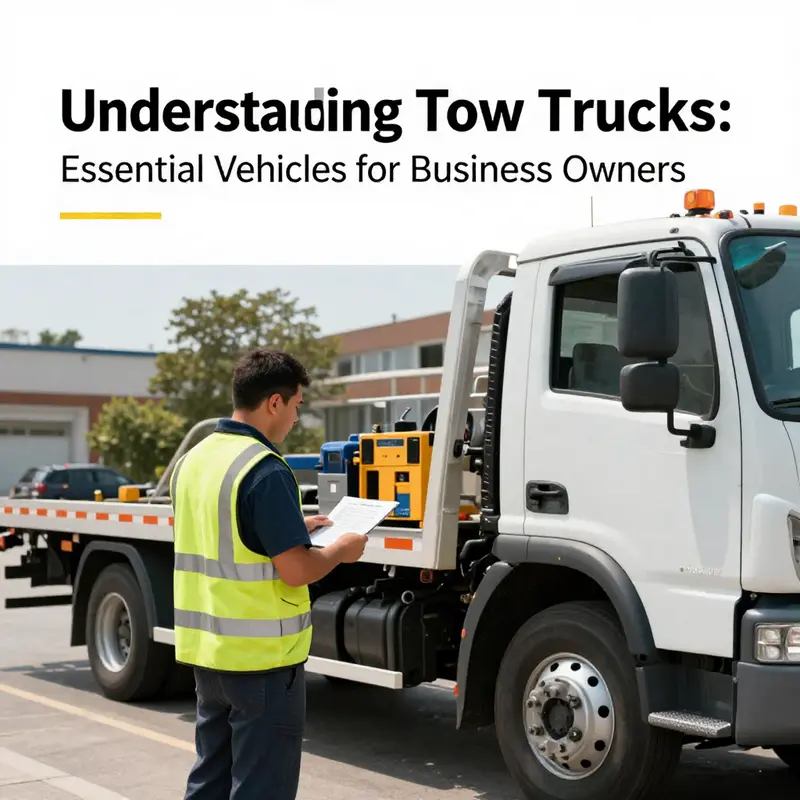
Tow trucks are more than heavy vehicles with winches and cables. They are mobile safety stations, deployed at moments when a car leaves the flow of traffic, or when a mechanical failure threatens to become a roadside hazard. The chapter that follows looks beyond the mechanics of lifting a car and toward the rules that govern how those tasks are performed. When a tow truck arrives at the scene of a breakdown or crash, it does so within a framework designed to protect the driver, the vehicle being moved, other road users, and the surrounding environment. Those safeguards are not arbitrary; they are the product of careful study, field testing, and ongoing refinement as technology advances and road conditions evolve. Understanding them helps illuminate why a tow truck is not just a vehicle, but a carefully regulated tool of public safety.
Central to this regulation is a clear, shared expectation that a tow truck will perform its duties without creating additional risk. This begins with the most visible aspects of the job: the equipment on the vehicle itself. General equipment requirements prescribe securing devices such as chains and straps, which must be in good condition and readily accessible. A winch or hydraulic arm, where appropriate, should function smoothly to stabilize and retrieve a disabled vehicle without jolts that could damage either vehicle. A fire extinguisher, specifically rated for vehicle fires, is not a luxury but a necessary safeguard for a scenario that can ignite quickly in the wake of an accident or mechanical failure. Equally important are clean-up items designed to manage spills of oil, coolant, or other fluids that would otherwise create environmental hazards on a busy roadway. The presence and condition of these tools reflect a broader regulatory philosophy: every component of the tow operation is a potential point of failure, and every failure has consequences that ripple through the traffic system.
Another essential element is visibility and identification. Clear vehicle signage helps other road users understand what is happening, where crews are working, and what precautions they should observe. Proper signage reduces the chances of confusion that can lead to secondary incidents. A more technical, but equally critical, feature is rear underrun protection. This safety device helps prevent vehicles from sliding underneath the tow truck in the event of a collision, a risk that can cause devastating injuries. Together, these provisions create a baseline of safety that applies whether the tow occurs on a highway, a city street, or a rural byway.
The regulatory framework also emphasizes standard operating procedures. These procedures guide the sequence of actions at a breakdown site or following an accident: how to position the tow truck relative to the scene, how to secure a disabled vehicle, how to manage bystanders and traffic, and how to coordinate with other emergency or road service teams. The goal is consistency, so that no matter which operator arrives at a given scene, the approach to safety and efficiency feels familiar to other drivers and responders. Consistency reduces the cognitive load on drivers who must react quickly, and it reduces the chance of miscommunication during high-stress moments.
Technological progress has, in turn, pushed regulators to rethink and update standards. As of 7 November 2022, a broad shift occurred: tow trucks must meet updated technical standards before being granted a vehicle licence. This milestone reflects a dynamic safety culture that recognizes how modern equipment—advanced stabilization systems, improved winches with better load control, and more robust hydraulic platforms—can raise the bar for on-road safety. It also acknowledges that operator training, maintenance practices, and record-keeping are inseparable from the hardware on the vehicle. When a licensing authority requires demonstrable compliance, it signals that the road network relies on predictable performance rather than ad hoc capability.
The practical implications of these updates are wide-ranging. For operators, compliance means regular inspections, timely maintenance, and formalized procedures that document how equipment is tested and used. For the public, it translates to a lower likelihood of secondary incidents, fewer spills, and a clearer line of responsibility if something goes wrong at the roadside. The emphasis on securing devices, spill control, signage, and underrun protection is not about restricting the job; it is about preserving options for fast, safe, and professional service. In places where these standards are well enforced, tow operators tend to be more consistent in how they respond to emergencies, how they manage space on crowded streets, and how they interact with other responders, such as police, firefighters, or emergency medical teams.
To bridge the gap between regulation and everyday practice, many operators invest in comprehensive training that goes beyond merely knowing how to lift a car. They learn site assessment, hazard identification, and dynamic risk management—skills essential when scenes spiral from routine vehicle trouble into complex traffic situations. They also learn to synchronize with traffic control devices and with other road service providers. This holistic approach helps ensure that the tow operation stays within the safety envelope even when conditions change in an instant, whether due to weather, traffic density, or the behavior of other drivers. The result is a service that remains reliable under pressure, which in turn supports broader traffic safety goals.
The regulatory landscape also invites reflection on the broader life cycle of a tow truck, from design and manufacture to daily operation and eventual retirement. Standards that govern the installation of equipment, the materials used in lifting and securing mechanisms, and the ergonomic considerations of the operator’s workspace contribute to a safer, more durable vehicle. Similarly, guidelines that govern environmental protection—such as rapid containment of fluids and proper disposal of hazardous waste—reflect an enduring commitment to responsible road stewardship. This is not merely a checklist; it is a cohesive system that aligns the equipment, the people, and the settings in which tow services perform.
For readers seeking a concrete sense of the regulatory locus, it helps to picture how a typical scene unfolds when a compliant tow truck arrives. The operator first assesses the location, traffic patterns, and potential hazards. They then position the vehicle to create a safe working corridor and engage securing devices to immobilize the target vehicle. If a spill is possible, containment measures are deployed before any lifting begins. Fire safety equipment is checked, and a clear path for the growing crowd of onlookers is established with appropriate signage and lighting as needed. Throughout, the operator communicates with others at the scene, coordinating the sequence of actions to minimize disruption and risk.
In this way, regulations do more than dictate what a tow truck must carry; they shape a professional ethos. They encourage meticulous maintenance, disciplined procedures, and a teamwork mindset that values the safety of bystanders as much as the protection of the vehicle being moved. They also foster an ongoing dialogue among authorities, manufacturers, and operators about where existing standards work well and where new technologies might demand updated practices. That dialogue, in turn, becomes the engine of continuous improvement in a field that sits at a crucial intersection of transportation, public safety, and environmental stewardship.
For readers who want to explore how these standards translate into real-world practice, a nearby provider’s resource hub can offer practical insights and firsthand perspectives on compliance and safety culture. Mikes Roadside Service is one example of how education, accountability, and readiness cohere in everyday roadside response. While no single chapter can capture every jurisdiction’s nuances, the throughline remains: safety, accountability, and continuous improvement are the common ground that keeps tow operations protective rather than perilous.
As the chapter closes, it’s worth noting that the regulatory conversation is not static. It evolves with new materials, better redundancy in critical systems, and clearer expectations about operator training and professional conduct. The aim is not to burden operators with paperwork but to ensure that each act of recovery—each assist to a stranded motorist—occurs within transparent, verifiable standards. When the public sees a tow truck on the shoulder, the safety measures in play are not merely bureaucratic frills; they are the visible expression of a broader commitment to responsible, reliable road assistance. For those who study or practice in this field, the standards provide a shared language that underpins trust and enables swift, effective action.
External resources for further exploration of these standards are available from official regulatory bodies, including up-to-date technical guidelines. For a detailed overview of current requirements and ongoing enhancements, refer to the Transport WA Tow Truck Technical Standards.
Final thoughts
In summary, tow trucks are essential assets that play a crucial role in the efficient operations of businesses in transportation and roadside assistance. Understanding their features, types, and adherence to safety regulations equips business owners with the knowledge needed to leverage these vehicles effectively, ensuring operational excellence and legal compliance. As industries evolve, so too must the strategies to utilize tow trucks, making it vital for business owners to stay informed on best practices and technological advancements in towing.