
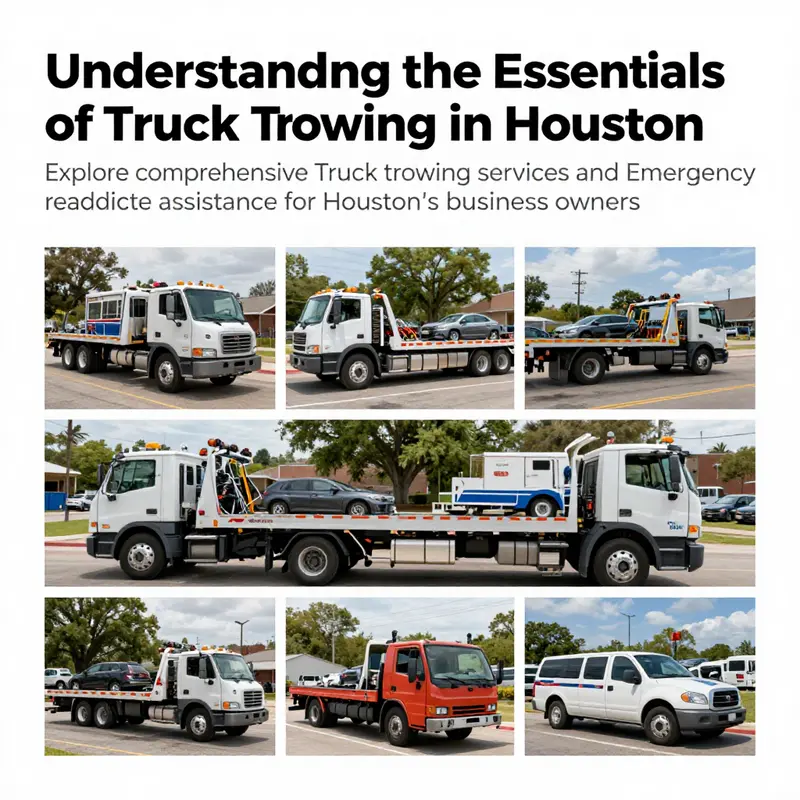
Truck towing is an essential service for business owners in Houston, especially given the city’s bustling environment and the prevalence of commercial transportation needs. Reliable towing services not only secure vehicles during emergencies but also ensure business continuity. This article delves into two crucial aspects of truck towing in Houston: a comprehensive overview of available services and emergency roadside assistance options. Both chapters will provide insights into how business owners can optimize their use of towing services, ensuring minimal disruption to their operations while maintaining customer satisfaction.
Tow Lines and Timelines: Navigating Houston’s Truck Towing Network
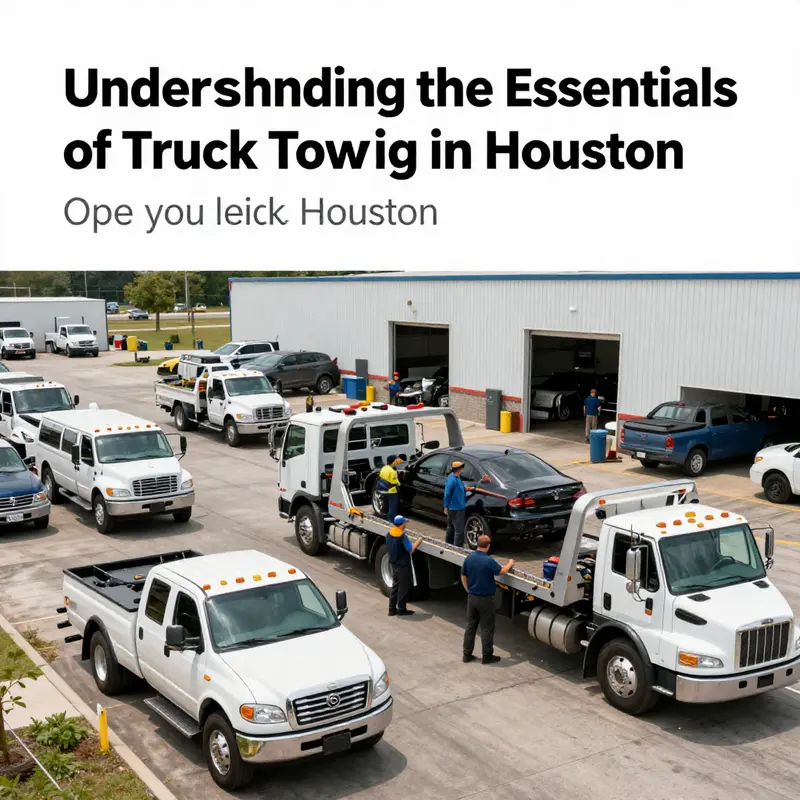
Houston sits at a crucial intersection of commerce, energy, and nationwide freight corridors, where hundreds of miles of highway pulse with the rhythm of trucks, containers, and critical cargo. In this sprawling urban logistics landscape, the role of truck towing services extends far beyond a simple roadside pull. They are a connected system that keeps supply chains moving, incidents from turning into cascading delays, and fleets online with minimal downtime. The sheer scale of Houston means that heavy-duty recoveries have to be rapid, precise, and safely executed under a spectrum of conditions—from the open lanes of I-10 to the weaving traffic near urban interchanges. The work calls for specialized equipment, trained operators, and a network capable of dispatching the right resources at a moment’s notice. The experience of the driver, the safety of other road users, and the integrity of the cargo all hinge on how effectively these services respond when mechanical trouble or an accident interrupts a journey.
Within this ecosystem, the service offerings are broad. Emergency roadside assistance can entail jump starts, lockouts, or winch-out operations, but the backbone of the industry remains the capability to move or recover heavy and oversized loads. A typical heavy-duty response requires a wrecker or a boom-equipped tow truck that can reach and stabilize a disabled semi, secure it, and recuperate it without exacerbating the risk to nearby traffic. For fleets that operate on tight schedules, even a short delay translates into missed delivery windows, extra fuel burn, and potential penalties. The best providers anticipate this, maintaining fleets of vehicles strategically stationed around the metro area to slash response times and coordinate with on-site personnel at distribution centers and terminals.
To understand the texture of this work, consider the two ends of the spectrum: on-road emergencies and planned recoveries. On the road, a driver may encounter a mechanical failure that leaves a heavy vehicle stranded on the shoulder or in a median, perhaps after a long haul across the Gulf Coast corridor. In those moments, the operator must balance speed with safety, deploying the precise equipment to secure the truck, protect other motorists, and minimize cargo exposure. Planned recoveries, by contrast, often involve fleets that must be relocated from one site to another—perhaps to a repair facility, a staging yard, or a distribution hub. This is where the capabilities of load securement, road-safe transport, and compliance with weight limits become critical. A well-coordinated team can convert uncertainty into predictability, turning a potentially disruptive incident into a controlled, auditable operation that keeps the supply chain intact.
In Houston, the work is performed by an array of providers that specialize in different facets of towing and recovery. Some operators build reputations on heavy-duty competency, operating 24 hours a day, seven days a week to meet the insistence of fleet managers who cannot afford long delays. A prominent example in this space focuses on oversized and high-capacity loads, delivering reliable, professional recovery for large vehicles through round-the-clock service. The emphasis is not merely on speed but on accuracy and care—recovery maneuvers executed with trained crews, well-maintained equipment, and a clear chain of custody for the vehicle and its cargo. For fleet operators, this reliability translates into fewer mislays, less cargo exposure to the elements, and more predictable maintenance cycles, which in turn support more consistent scheduling across the chain of distribution.
Another facet of Houston’s towing landscape is the presence of operators who balance rapid response with broad service portfolios. These providers may handle everything from jump starts and lockouts to Coast-to-Coast auto transport, offering a one-stop solution for customers who value convenience and continuity. This integrated approach lowers the friction of service interactions, enabling a single point of contact to manage a spectrum of needs—from the moment a problem arises on the road to the moment the vehicle returns to service. When a company can handle both emergency roadside needs and the subsequent logistics of repair or relocation, the overall downtime for a vehicle or a fleet is reduced, and the driver’s stress level drops as well.
In this network, a few distinctive attributes shape how effectively towing services operate in practice. The geographic footprint matters; Houston’s size requires multiple hubs that can funnel a call to the nearest appropriate unit, minimizing travel time for the operator and the client. Equipment variety matters too: flatbeds, wreckers, and boom-equipped units each fulfill different recovery scenarios, from straight towing to complex winching and trench or ditch recoveries. Training and safety culture matter as well, given the hazards of highway work during peak traffic hours. Operators who invest in ongoing driver training—covering load securing, rigging, hazard recognition, and incident command—tend to deliver safer recoveries and reduce secondary incidents that can be triggered by poorly executed maneuvers.
From the customer’s vantage point, the value of a robust Houston towing network lies in the predictability of outcomes. A reliable provider doesn’t just show up; they show up with the right equipment, the right plan, and the right timeline. For commercial customers, this translates into minimized unplanned downtime, predictable repair windows, and a smoother handoff from incident to repair. Some operators extend their value proposition into repair and body work, creating partnerships with facilities that can absorb the vehicle after a roadside event. With such arrangements, a single provider can manage the incident lifecycle—from call to on-site repair, with potential cost advantages tied to bundled service.
The human element looms large in every recovery. The drivers and technicians are problem-solvers who remain calm under pressure, read traffic patterns, and coordinate with dispatch on moving pieces of a complex puzzle. In Houston’s freeway environment, success hinges on clear communication, precise execution, and a willingness to adapt to shifting conditions—weather, fuel availability, traffic incidents, and the unpredictable nature of heavy vehicles. When a fleet operator experiences a breakdown along a busy corridor, the clock starts ticking not only for the vehicle but for the entire supply line. The right response reduces the domino effect of delays, protects drivers, and keeps critical goods flowing to market.
For readers exploring options locally, the landscape is often navigated through practical inquiries and search-driven paths. A straightforward starting point is to look for comprehensive coverage that aligns with the needs of heavy-duty and commercial trucking. If you want to dig into the Houston scene further, you can explore a practical overview titled “towing in Houston,” which surfaces local capabilities and service approaches. This resource highlights how local operators tailor their offerings to the city’s unique demand profile and road network, providing a grounded sense of what reliable service looks like in practice. towing in Houston
As Houston continues to grow as a regional hub for logistics, the evolution of its truck towing network will reflect the same principles that sustain any high-demand, time-sensitive service: rapid response, specialized equipment, safety-first procedures, and a broad yet cohesive service portfolio. The balance between quick-on-scene arrival and carefully controlled recovery determines how well a provider can minimize disruption. In this sense, the city’s towing ecosystem functions as a critical infrastructure layer—one that supports not only individual drivers in distress but the many fleets that keep commerce moving across the region. For the industry, the goal remains constant: deliver dependable, end-to-end support that respects the road, the cargo, and the people who rely on it every day. As the landscape shifts with new regulations, vehicle technologies, and traffic patterns, Houston’s towing professionals will continue to adapt, maintaining procedures that protect lives while preserving the momentum of movement that defines the city.
External perspectives also shape expectations. If you seek broader consumer insight, visiting review platforms can provide a sense of how responders perform under real-world conditions. For example, a comprehensive compilation of Houston towing reviews invites readers to gauge consistency, reliability, and customer care across providers. You can also consult independent feedback to supplement formal service descriptions and to compare response times, professionalism, and outcomes across the spectrum of heavy- and light-duty needs. Yelp remains a useful touchstone for this kind of qualitative signal, offering a window into the experiences of drivers and fleet operators alike: https://www.yelp.com/biz/the-best-10-towing-in-houston-tx.
Under Pressure on Houston Roads: Navigating Emergency Truck Towing and Roadside Help
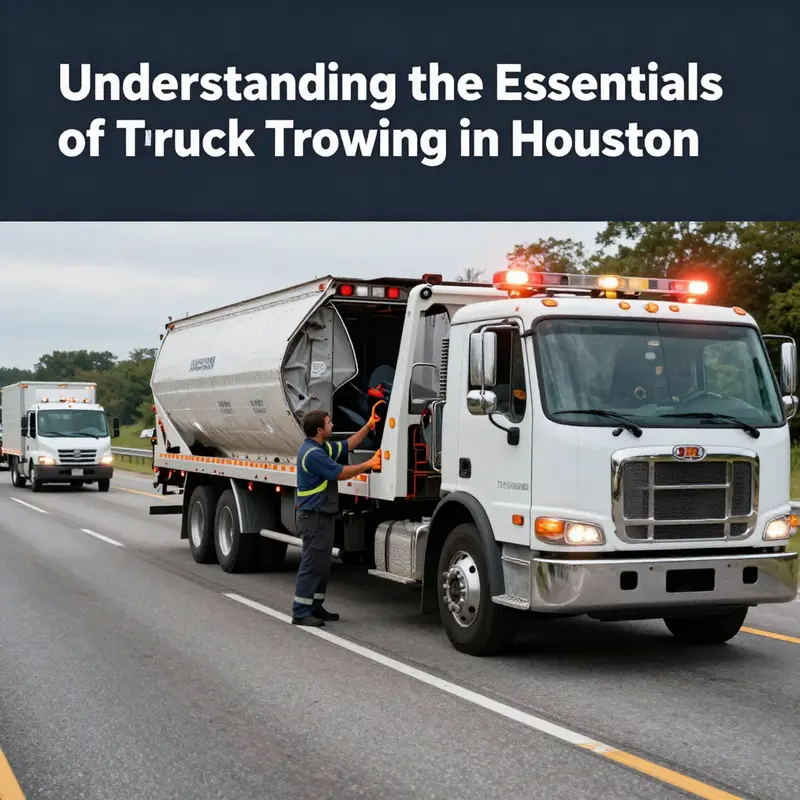
Houston’s asphalt never seems to quit, and neither do the challenges that can leave a truck stranded in the middle of a hot afternoon or a rain-slick night. In a city where freight corridors braid through neighborhoods and traffic patterns switch with the weather, a reliable emergency towing and roadside assistance service isn’t a luxury—it’s a lifeline. When a heavy rig breaks down, or a delivery vehicle spins out on a busy artery, the clock starts ticking. The right crew can mean the difference between a short delay and a major disruption to a supply chain that runs on tight schedules and synchronized handoffs. This is why, in Houston, reputable towing and recovery outfits have built something more robust than a single truck and a cheerful operator. They operate as a network—strategically stationed, fully equipped, and prepared to respond 24/7 to cars, light trucks, and heavy-duty vehicles alike, across the sprawling metro area and its surrounding pockets of industry like Webster, Pearland, and Clear Lake. The emphasis is on speed, safety, and a clear path to getting back on the road with minimal damage and maximum transparency about what is happening and why it’s taking the time it does.
When a truck or a fleet vehicle is immobilized, the immediate concern is safety. The scene needs careful management: warning signals, cones if the car is on a highway shoulder, proper placement of a tow vehicle, and signaling to nearby drivers. A quality service sets the tone for the rest of the encounter by explaining what they’re about to do, what equipment will be used, and what the vehicle owner should prepare for. In Houston, the most trusted operators offer a full range of solutions that go beyond simple towing. Flatbed towing is a common and often the safest choice for heavily loaded trucks or vehicles with damaged frames, delicate machinery, or low-clearance configurations. A wrecker service may be necessary when a vehicle cannot be moved safely with standard methods, such as when it’s embedded in mud, tangled in ditches, or blocked by other traffic. These capabilities are paired with more routine, yet equally vital, roadside assistance options: jump starts for stubborn batteries, lockouts when keys are left inside, winch-out services to pull a vehicle free from hazard, and timely auto transport for vehicles that must be relocated for repair or storage.
Houston’s fleet management mindset shows up in the way these services are organized. Reputable providers don’t rely on a single truck to cover a sprawling city; they disperse strategically located units so they can reach most neighborhoods quickly. That distribution matters as much as the equipment itself. A well‑equipped fleet includes heavy-duty pullers, multiple-wheel lifts, and secure rollback gear that can handle a spectrum of loads—from compact pickups to heavy freight trailers. The aim is to minimize the time a vehicle sits disabled and to reduce the risk of further damage during extraction or transport. Some operators extend their value proposition by maintaining on-site facilities that can handle minor repairs, alignments, and bodywork. In those cases, towing can be followed by on-site diagnostics or a smooth handoff to a shop with a realistic and transparent price for the necessary repairs. The promise of discounts on towing when repairs are completed at the company’s own shop creates a practical incentive for fleet managers and independent drivers who otherwise worry about the total cost of breakdowns.
For fleet operators and individual drivers alike, the real-time dimension of emergency towing matters. Dispatch systems, reliable GPS tracking, and clear communication channels help ensure that a response is not simply fast, but predictable. If a truck breaks down near one of Houston’s major corridors, the arrival time is often the deciding factor in whether a shipment is delayed or proceed with a minimal interruption. A professional service will provide a status update, confirm the scope of work, and outline the next steps with practical timelines. This level of clarity is especially important when the vehicle is a workhorse that must resume duty as soon as possible or when the breakdown occurs in a location that complicates the next leg of a journey. The best operators also recognize the human element of roadside emergencies. The driver’s stress, the fleet manager’s scheduling pressures, and the logistics team’s need for accountability all demand courteous, informed, and precise communication throughout the incident.
As you navigate an emergency on Houston’s streets, the decision about which service to call often hinges on a few core factors. First, availability and hours matter. The most dependable options are 24/7 operations with an established network that can mobilize quickly, no matter the hour. Second, the equipment—flatbeds for sensitive cargo, heavy-duty wreckers for larger trucks, and winches capable of extracting from precarious positions—determines whether the situation is resolved safely and efficiently. Third, the relationship with repair facilities can influence the total cost and the speed of returning a vehicle to service. Some providers maintain in-house repair shops or partner with nearby shops, offering customers the option to receive towing services at a reduced price if their vehicle is subsequently repaired at the same facility. This integrated approach can be a practical solution for fleets that move through Houston on tight schedules and must amortize the costs of downtime.
For those seeking options beyond a single company’s word, there is value in looking at the broader landscape of Houston’s emergency towing scene. Real-time feedback from other drivers, whether through word-of-mouth or online reviews, can illuminate response consistency and professionalism. Platforms that host customer reviews often reveal which outfits maintain the fastest response times, which drivers demonstrate courtesy and care, and which shops provide reliable follow-through on repairs. When time is of the essence, a local resource that aggregates verified experiences can help you separate the noise from a dependable partner. In practical terms, this means recognizing that the most reassuring choice is seldom the cheapest option. It’s often the company that combines a robust fleet, transparent pricing, clear communication, and a seamless path from tow to repair that keeps traffic moving and fleets productive, especially during peak hours or severe weather when demand spikes.
Interconnections matter, too. A Houston-based towing operation that can offer auto transport for relocations, or that can arrange rapid winching and recovery for situations involving complex scenes, stands out. The synergy between tow service and repair capabilities can shorten downtime and reduce the administrative burden on drivers and dispatch teams. To explore a broader spectrum of resources that align with these needs, you can visit the dedicated hub for tow-service-houston-tx, which highlights the practical aspects of rapid response and reliable service in the area. The intent is not to promote any single brand but to point toward a model of service that prioritizes preparedness, safety, and efficiency in a city that constantly tests its limits on the road.
In the end, emergency towing in Houston isn’t just about getting a vehicle off the shoulder. It’s about restoring momentum to a city that depends on trucks to move goods, fuel, and supplies every day. It’s about knowing that, when a breakdown disrupts a critical route, there is a trusted partner ready to respond with the right combination of equipment, expertise, and empathy. It’s about understanding how 24/7 availability, a well-distributed fleet, and the option to connect towing with repair services can collectively reduce downtime and prevent small problems from becoming expensive setbacks. For readers who want a direct path to a reliable local option, the tow-service-houston-tx link serves as a practical touchpoint within a broader ecosystem of road assistance that keeps Houston’s wheels turning. This integration of tow, repair, and dependable communication reflects the city’s practical approach to heavy-duty mobility and the everyday resilience of drivers who keep cargo moving even when the road throws a curveball.
External resource: For consumer reviews and real-world feedback on Houston-area towing experiences, see the Yelp listing at https://www.yelp.com/biz/a-tow-truck-houston
Final thoughts
In conclusion, understanding the diverse range of truck towing services available in Houston is vital for business owners to ensure their operations remain unimpeded during vehicle-related emergencies. The significant investment in reliable towing and roadside assistance services can prevent costly downtime and enhance overall efficiency. By working with reputable towing companies, businesses can not only safeguard their assets but also foster smoother operational flows. As Houston continues to grow and evolve, the need for dependable towing services will only increase, making it a priority for all truck-dependent business owners.