
Understanding the towing landscape in Houston is vital for business owners who may require towing services. As companies may face vehicle breakdowns or need assistance with transporting goods, navigating towing options is crucial. This article explores the comprehensive nature of towing services available, highlights essential customer feedback to evaluate providers, and examines the technological advancements transforming the towing industry. Each chapter builds towards a holistic understanding of how effective towing can support your business operations.
Tow Lines and City Lifelines: An In-Depth Look at Houston’s Towing Ecosystem
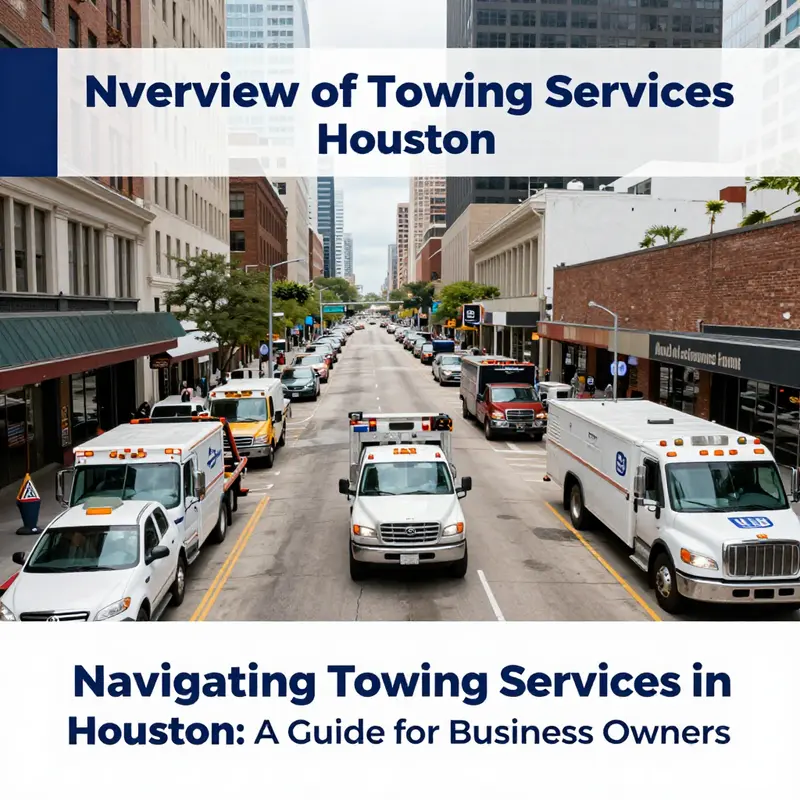
Houston is a city built on breadth. Its freeways stretch toward the horizon, its neighborhoods fan out in every direction, and its traffic patterns reflect a constant push and pull between commerce and commuters. In this setting, towing services emerge not merely as a fix for stalled wheels but as a critical thread that keeps the city moving. When a vehicle loses power on a busy beltway or a stalled truck blocks a lane, the clock starts ticking in real time. In dense urban sprawl, a well-tuned towing network does more than remove a car; it restores the flow of traffic, reduces the risk of secondary incidents, and supports emergency responders by clearing spaces so they can do their work efficiently. This is why the landscape of Houston’s towing is as much about timing and coordination as it is about hauling capacity.
The services offered by local towing operators cover a broad spectrum tailored to the city’s needs. Emergency roadside assistance helps drivers who are stranded on highways or city streets. Accident recovery relies on scene safety and careful vehicle handling, while disabled vehicle removal clears obstacles from travel lanes. Some operators also provide specialized capabilities for oversized or heavy equipment, requiring different equipment, permits, and crew coordination.
Demand for dependable towing in Houston stems from the city’s scale and weather patterns. Prompt assistance helps maintain traffic velocity, reduce collision risk, and support fleet operations. Speed of response and quality of service shape customer perception, with riders and fleet managers valuing reliability, clear communication, and professional handling.
Licensed and operating entities form a backbone for residents and businesses. Many providers balance direct consumer calls with service contracts for fleets, rental companies, and insurers. The physical footprint of services—shops, yards, and response vehicles—maps to the city’s traffic rhythms. The end result is a system that blends into daily life when functioning well, rather than dominating the scene.
For readers curious about practical realities, the narrative of a well-performing local operation often centers on a decisive factor: response time. Real-time reviews and community feedback influence expectations and drive improvements across the ecosystem. In Houston, the convergence of urgent need, specialized capability, and regulatory clarity has fostered a towing culture that values speed and stewardship.
When people seek help, digital channels increasingly connect motorists with available tow units, ETA details, and payment options. The core promise stays simple: reduce cognitive load during a stressful moment. For those who want to explore more, an example pathway highlighting Houston-area towing options can be found at https://mikes1towing.com/towing-services-in-houston/.
Trust in Towing: Customer Feedback, Local Integrity, and the Fleet Edge in Houston
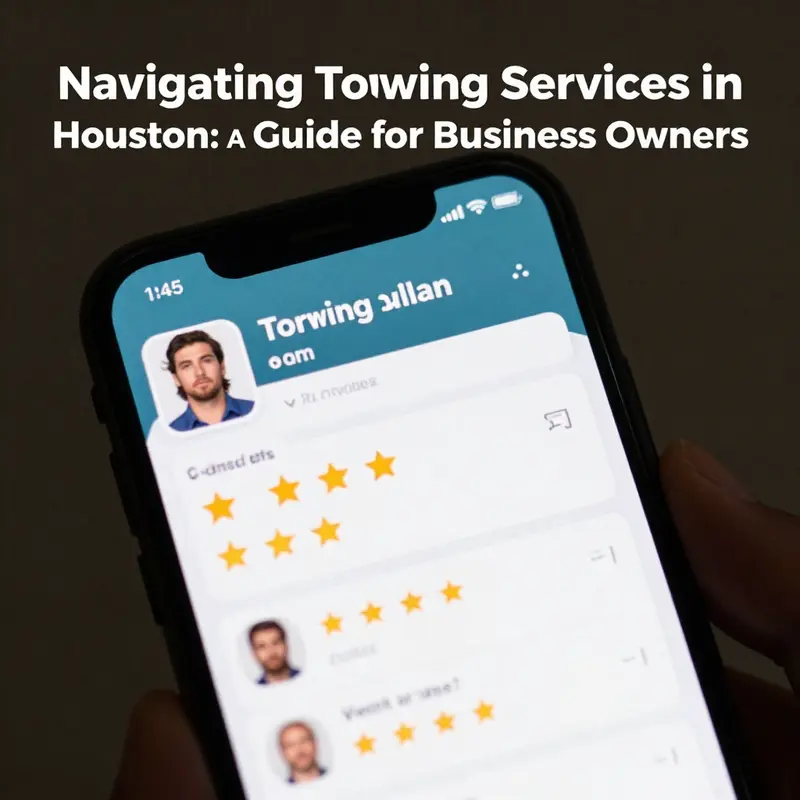
In Houston, the act of towing sits at the intersection of urgency, trust, and the economics of mobility. When a vehicle breaks down or a driver finds themselves stranded after a long haul through the bayous and boulevards of the city, the choice of who arrives first, who charges fairly, and who stays transparent becomes as important as the service itself. The landscape is shaped by the voices of customers who post real-time insights on platforms that aggregate experience, and by the competing forces of small, locally rooted outfits and larger, technically sophisticated fleets. In this environment, consumer feedback is not just a courtesy; it functions as a real-time signal about reliability, pricing, and the integrity of the service. A city as expansive as Houston rewards both speed and accuracy, and it is in the balance between those two that the story of its towing market unfolds.
One of the recurring threads in the feedback you’ll encounter on local review sites centers on pricing clarity. A local, women-owned operation named Pink Piggy Towing stands out in the chatter for its insistence on straightforward pricing. Reviewers consistently call out the absence of hidden fees and the lack of evasive explanations when a bill lands on the hood of a car that has just been rescued from a roadside moment of distress. In a market that can feel commodified by heavy machinery and quick dispatch, the emphasis on honest pricing—on showing the math of the service before it’s rendered—transforms a stressful incident into a moment of relief. For many customers, that reliability extends beyond the moment of aid. It becomes a reason to trust a small, local business to handle future roadside surprises with same-day responsiveness and a personal touch that larger fleets often struggle to replicate. The narrative here is less about flash and more about consistency, about a company that makes the experience predictable when fear and frustration are high.
On the other end of the spectrum sits Bay-Houston Towing Company, a heavyweight in the city’s port and inland towing ecosystem. The attention this firm garners in industry circles and among ship operators is less about single-vehicle rescues and more about scale, capability, and technical sophistication. The arrival of their third Z-Tech 7500-class towing vessel, nicknamed the Hunter M, signals more than an incremental upgrade. Built by Conrad’s Orange Ship Building in Orange County, Texas, the ship embodies a strategic infusion of power, reliability, and endurance designed for the demanding conditions of harbor and inland waterways. With a fleet that now numbers eighteen, Bay-Houston’s footprint demonstrates how advanced equipment can translate into operational resilience: greater capacity to assist multiple vessels, tighter coordination with port authorities, and the ability to push through the rigorous tests of pier and sea trials that validate performance in real-world scenarios. The physical scale—nearly 99 feet long and close to 40 feet wide—speaks to a philosophy of robustness. In this context, customer expectations shift slightly. While individual drivers might prize speed and fair billing, commercial customers in shipping and logistics environments value continuity, predictable scheduling, and fleet-backed commitments that reduce risk across a complex supply chain. The outcome is a market where a local operator can still offer a personable, transparent experience, but an industry leader can also provide the large-scale operational backbone that keeps a city’s essential movements flowing, even during peak demand or severe weather.
This duality—the value of intimate local service and the advantage of a technologically expansive fleet—shapes how Houstonians compare options. It’s not merely a matter of who is faster or cheaper; it’s about who can align with the broader needs of the community at any given moment. Personal breakdowns on a crowded boulevard demand the reassurance that a trusted crew will show up promptly, assess safely, and convey pricing clearly. For business customers, the equation tilts toward fleets that can guarantee coordination with port operations, rapid mobilization, and the stamina to handle multiple tasks without compromising service quality. The Houston market has learned to accommodate both realities, recognizing that each type of provider—whether the nimble, customer-focused small operator or the highly resourced, technologically integrated specialist—serves distinct but equally vital roles.
To readers seeking a concise, navigable view of how to weigh these options, one can look to how information flows in the local scene. The journey from first contact to a completed tow often passes through a few essential touchpoints: online reputation and recent customer feedback, the visible state of the fleet or the scale of the operation, and the practical details of pricing and availability. In this atmosphere, customers increasingly turn to mobile platforms and local networks that surface not just a phone number, but a track record of consistency. For those who want a quick guide to the broader landscape of Houston’s towing options, the article on towing in Houston offers a compact orientation that mirrors the real-world choices people make when the car won’t start and time is of the essence. towing in Houston.
The result is a city with a rich, layered towing market where service models coexist and compete. Small, locally rooted companies earn trust by delivering transparent pricing, friendly service, and a willingness to stand behind their quotes. They remind customers that when the moment demands it, a person on the other end of the line can still make a difference through honesty and empathy. Larger fleets, by contrast, demonstrate how modern equipment, robust scheduling, and established procedures can translate into reliability on a wider scale. They show that large-scale capability does not have to come at the expense of safety or quality; it can, in fact, guarantee timeliness and coverage across a metropolitan area where demand ebbs and flows with traffic, weather, and major events.
As the city continues to grow, its towing ecosystem is likely to reflect a blend of these strengths. The local consumer will appreciate the immediate reassurance of a transparent quote and the warm efficiency of a neighborhood operator, while corporate partners will rely on fleets that can coordinate across dozens of tasks with the same degree of precision you would expect from a well-tuned logistics operation. In Houston, feedback becomes a living map. It points toward providers who keep their promises on price, those who can deploy substantial resources when the situation calls for it, and everyone in between who learns from customers and adapts. This is not a tale of one best choice, but a chorus of viable paths, each shaped by the particular demands of the moment, the expectations of the user, and the evolving capabilities of the companies that answer the call when wheels spin and the city needs to move again.
External resource: For real-world experiences, see the Yelp collection that captures a range of local opinions on towing services in Houston. https://www.yelp.com/biz/the-best-towing-company-in-houston-2
Tow Tech at the Crossroads: How Digital Innovations Are Steering Houston’s Towing Landscape
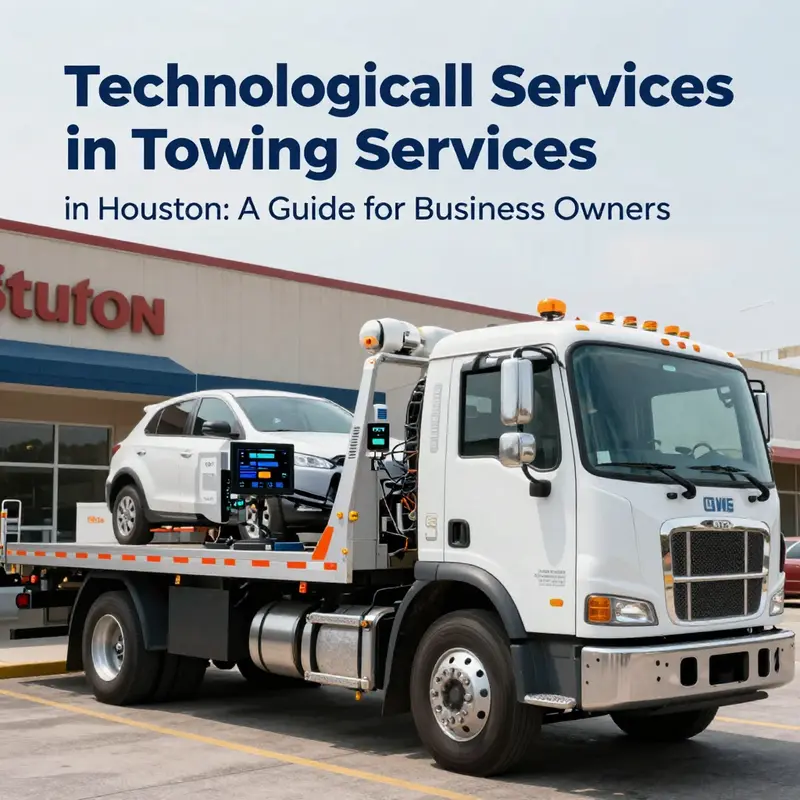
Houston sits at a busy junction of commerce, weathered roads, and a growing demand for rapid roadside assistance. In this environment, towing services have evolved from a simple roadside lift to a smart logistics and safety operation. Local companies, including registered entities such as Houston Towing & Transportation LLC, navigate a dense network of freeways, feeder streets, and urban neighborhoods where every minute matters. The city’s scale makes speed, accuracy, and reliability more than service attributes; they become public safety considerations and parts of the daily rhythm of traffic. In this setting, technology is not a luxury but a practical backbone. It aligns dispatch, fleet, and customer touchpoints into an integrated system designed to reduce wait times, protect the vehicle, and support the road user through a difficult moment.
GPS tracking is the quiet engine behind this shift. Modern tow trucks carry precise location data that lets operators pinpoint a vehicle’s neighborhood and exact curbside position. For customers, this translates into credible arrival estimates and fewer phone calls asking, where are you now? The GPS data feeds into route planning that avoids construction zones, emergency scenes, and other delays common in Houston’s sprawling roadways. The result is a smoother, more predictable ride from the moment a request is logged to the moment the vehicle is safely secured. When a family’s car breaks down on a busy artery or a fleet vehicle stalls near a distribution center, knowing the truck’s latitude and longitude turns anxiety into action. The same precision benefits fleet managers who must juggle multiple assignments while keeping the city’s lanes moving.
Real-time communication devices complete the picture. Dispatchers keep customers informed with timely updates on progress, unexpected detours, or changes in ETA. A short text message or in-app alert can tell a stranded driver that the tow is en route, that the technician has arrived, or that a diagnostic is underway. This ongoing dialogue builds trust as a core service element, replacing the old model of uncertain waits with clear expectations. Houston’s traffic patterns are inconsistent, and weather can shift plans in minutes. The ability to adapt and communicate quickly is not just nice to have; it is a safety feature. When a vehicle is host to a hidden fault, real-time notes from the technician can guide the customer about whether a simple tow will resolve the issue or if a follow-up repair is needed at a shop.
The rise of sophisticated diagnostic tools has changed pre-tow thinking. Tow operators now arrive with more than a winch and a hook. They bring the capacity to assess mechanical conditions remotely and select the right equipment before stepping out. If a car won’t start because of a battery issue, or if coolant levels indicate a looming cooling system problem, pre-diagnosis helps determine whether a flatbed, wheel-lift, or other equipment is required. This reduces the risk of additional damage during transport and minimizes the time spent on site. It also helps technicians prepare for the worst-case scenario, ensuring that the right personnel and tools are waiting when the vehicle is loaded. For customers, this translates into fewer miscommunications and a smoother handoff at the destination repair facility.
Behind these on-site capabilities sits a broader, customer-centric layer. Mobile applications and online platforms have become common tools for requesting service and tracking progress. A user can initiate a tow with a few taps, see a transparent pricing estimate, and watch the technician’s progress in real time. The service experience shifts from a phone call to a workflow that mirrors what people already expect from other on-demand services. Feedback features complete the loop, encouraging providers to adjust routes, scheduling, and pricing practices in response to real-world needs. An important side effect is that these platforms encourage standardization across providers, leading to more predictable customer experiences even when different companies handle various legs of a journey across Houston’s network.
Data analytics and fleet management software amplify operational clarity. By collecting information on vehicle health, driver performance, and route efficiency, Houston-based towing operations can anticipate maintenance needs and prevent unexpected breakdowns. Data-driven route optimization helps cut idle time and reduces fuel consumption while maintaining or improving service levels. The same insights support compliance with city regulations and emergency response protocols, ensuring that when responders or road-clearing crews are called, they encounter minimal delays. In this context, technology becomes a shared language that ties together independent businesses, municipal guidance, and customer expectations. The city’s growth makes it essential that the industry move with the pace of change, not lag behind it. A cohesive digital ecosystem helps avoid bottlenecks on busy corridors and contributes to safer streets by speeding up the recovery of disabled vehicles.
The impact on public safety and urban flow is tangible. Houston’s roads can be a gauntlet of congestion, incident scenes, and weather-induced hazards. In such conditions, the prompt recovery of a vehicle becomes a matter of public safety, not just convenience. Quick dispatch and accurate on-site assessments reduce the risk of secondary incidents and keep lanes clear for emergency responders. The combination of precise tracking, transparent communication, and smart diagnostics means that tow operators are not merely lifting cars; they are managing a complex mission that intersects traffic engineering, incident management, and customer service. The result is a more resilient transportation network where disruptions are contained and resolved more rapidly.
The broader ecosystem continues to evolve as more providers adopt shared standards and invest in teaching their teams to leverage technology responsibly. The digital shift also invites citizens to engage with the process more openly. People can learn about local options, compare timelines, and understand pricing before a call is made. This transparency helps build confidence in the Houston towing landscape and encourages a culture of accountability across the profession. For readers curious about local online resources, exploring the wider picture of how towing in Houston is organized can offer practical context and reassurance that the service you receive is part of a well-coordinated system. See the broader picture of towing in Houston here. towing in Houston
Looking ahead, Houston’s towing sector is likely to keep weaving technology into every link of the chain. The city’s evolving traffic patterns, commercial activity, and population growth will push operators to refine their data models, expand mobile interfaces, and deepen remote diagnostic capabilities. The aim is not to replace human expertise but to augment it with information that helps technicians make faster, safer decisions. This collaboration between humans and machines is what makes the modern tow truck a mobile command center rather than a merely mechanical machine. As new sensors, smarter dispatch rules, and more intuitive customer interfaces emerge, the public can expect a more reliable, responsive, and transparent service ethos to define Houston’s towing experience.
External resource for further reading: Technology Innovation in Towing Services
Final thoughts
In conclusion, the towing services landscape in Houston is multifaceted, catering to a variety of business needs. By understanding the available options, evaluating customer feedback, and embracing technological innovations, business owners can make informed decisions that enhance their operations. Utilizing effective towing services not only resolves immediate vehicle issues but can also safeguard business assets, promoting smoother logistics and operations over time.