
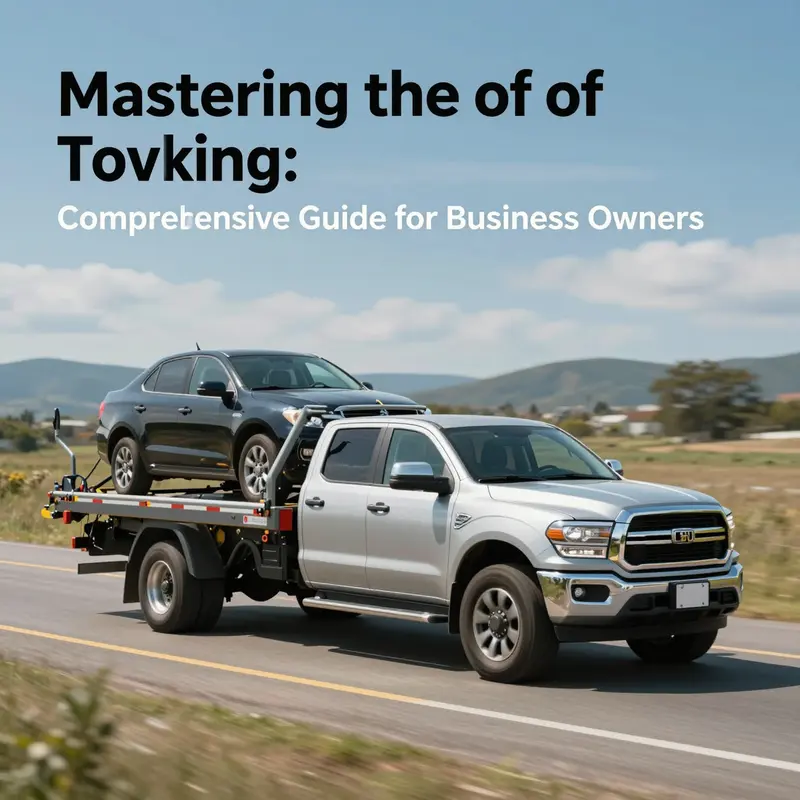
Towing a vehicle with a pickup truck is not just about connecting chains and hitting the road. For business owners, understanding the intricacies of vehicle compatibility, legal requirements, and safe towing methods is crucial. Whether you are in the roadside assistance industry, an automotive service provider, or simply seeking ways to transport vehicles for your business, having a solid grasp of the right practices can mitigate risks and enhance efficiency. The following chapters will delve into the essential aspects of vehicle compatibility and legalities, helping to navigate the complex landscape of towing, before exploring effective towing methods that ensure safety and reliability.
null
null
Tow in Tandem: A Safety-First, Readable Guide to Moving a Car Behind Your Pickup
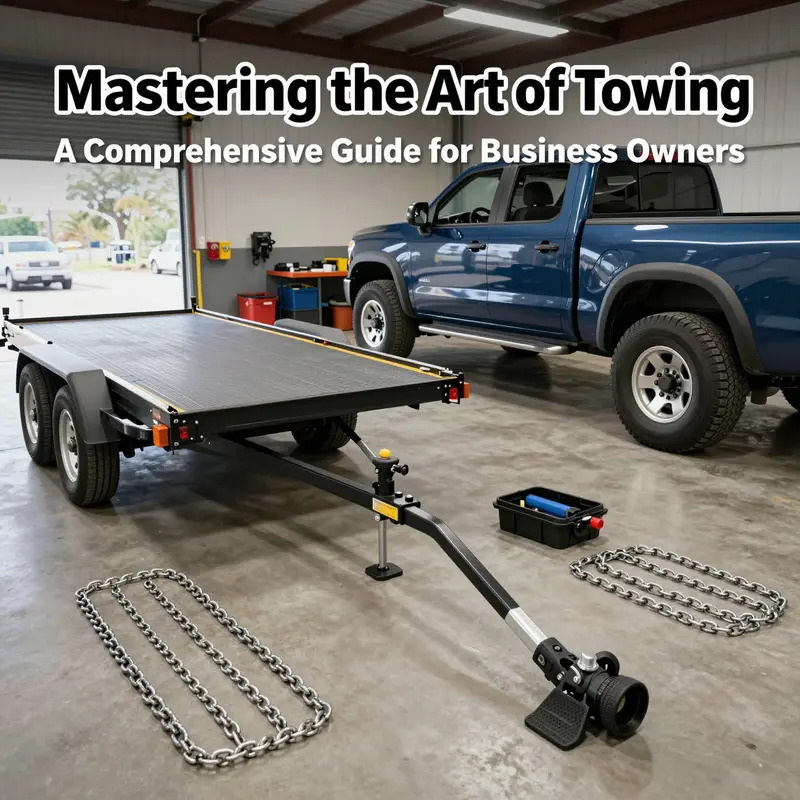
Tow in tandem behind a pickup requires preparation, the right equipment, and careful driving. This chapter covers how to choose a safe method (flatbed preferred; dolly or tow bar for shorter moves; rope only as a last resort), what checks to perform before towing, and how to drive, monitor, and disengage safely. Prioritize the vehicle’s gross vehicle rating and tow capacity, install and test lighting, securely attach the towed vehicle, and keep speeds slow with generous following distances. When in doubt, seek professional assistance to prevent damage or injury.
Final thoughts
Understanding how to tow a car with a pickup truck is critical not only for safety but also for compliance with regulations that protect your business’s interests. By ensuring vehicle compatibility and following the proper towing methods outlined in this guide, you position your business for success, enhancing customer satisfaction and operational efficiency. Make informed decisions when towing to safeguard your assets and uphold your professional reputation.