
For business owners managing fleets or company vehicles, knowing how to promptly and safely call for a tow truck is crucial. Unexpected breakdowns or accidents can disrupt operations and impact your bottom line. This guide lays out essential procedures beginning with prioritizing safety during vehicle troubles, then navigating various roadside assistance options tailored to business needs, and finally, ensuring effective communication by providing critical information to towing providers. Each chapter delivers actionable steps designed to minimize downtime and protect both your assets and personnel when roadside situations arise.
Calling for a Tow Truck: Staying Safe, Communicating Clearly, and Getting Help Fast
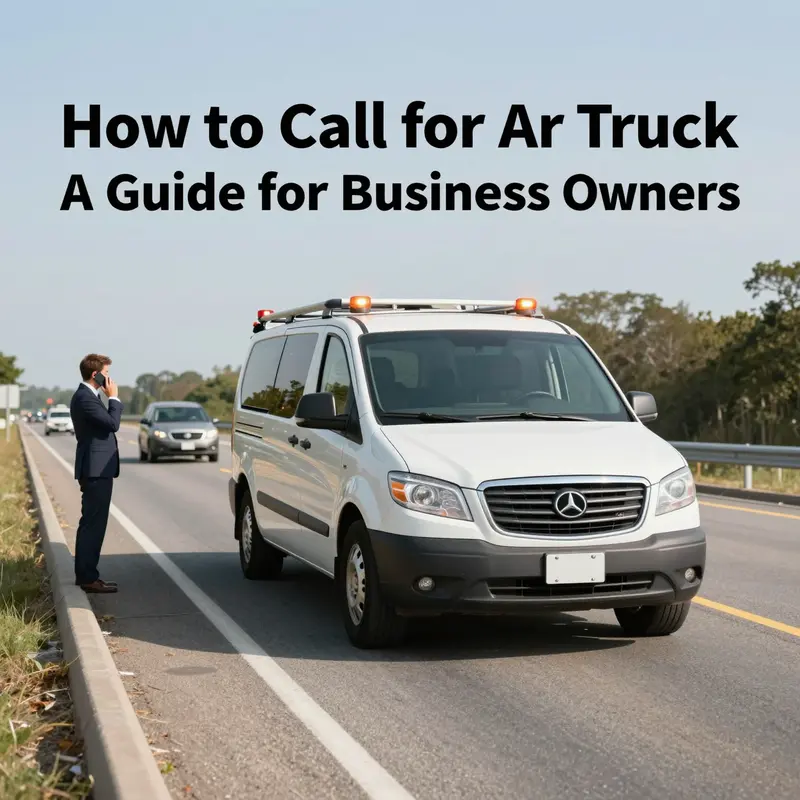
When a vehicle breaks down or stalls on a road, the immediate impulse is to fix the problem. Yet the true measure of a safe, efficient rescue is to slow down and prioritize safety first. The road is a dynamic place, and the moment you recognize trouble—whether the engine coughs, the dashboard lights flash, or you hear a tire hiss—you begin a sequence that protects you, other drivers, and the arriving tow crew. The first move is practical: if your car still moves, steer it away from the flow of traffic to the nearest safe spot, such as the shoulder, a parking lot, or a rest area. Activate hazard lights without delay to signal distress, and, if you’re on a highway, avoid stopping in a lane where fast-moving vehicles can complicate the situation. The scene becomes safer when you create space and time for the responders to reach you without forcing them to navigate a dangerous patch of road. On urban streets the dynamics change, so adjust your actions accordingly: stay inside the vehicle with seat belts fastened if the area feels risky, call for help, and let professionals arrive to manage traffic and assess the vehicle. Behind all this is a simple, unchanging principle: safety guides every choice you make while awaiting assistance. Once you have secured a safe position, the critical next step is to contact the right help quickly. If you have roadside coverage through your insurer, reach the 24/7 emergency line first. Insurance-backed roadside assistance is often integrated with dispatch, and in many cases the insurer can direct the tow to the safest and fastest route. If you belong to a roadside membership or an independent service, use their designated hotline. Either way, you should be ready to present clear facts that help the dispatcher assign the right tow truck and route. The details you provide form the map the dispatcher uses to find you: your exact location, described with landmarks or coordinates if possible; the nature of the problem—engine failure, a flat tire, or a collision; whether there are injuries or hazardous materials involved; and a reliable contact number for updates. The vehicle details also matter: make, model, color, and license plate can help the tow operator verify the pickup and avoid miscommunication in a crowded scene. It helps to practice a calm, concise delivery, almost like taking cover while you assemble the essential facts. In noisy traffic or in the glare of emergency lights, speaking slowly and clearly cuts through confusion, so you don’t have to repeat yourself. If there is a risk signal—smell of fuel, smoke, or fuel spilled on the pavement—state it plainly. This information can influence the order in which responders attend to the scene and determine if police or fire units should be involved to secure the area. Waiting time matters, but safety remains the permanent baseline. If you’re inside the car, continue to monitor the surroundings. If you must exit for any reason, do so from the side away from traffic and then move to a safe distance where you and others are protected from passing cars. The tow arrival can range from minutes to longer stretches, depending on traffic, location, and the provider’s workload. When the tow truck appears, greet the operator, provide any updates you have, and confirm the estimated cost and timing for the tow to your chosen destination. If you’re unsure about the cost, asking for a rough quote before services begin can prevent unwelcome surprises later. It is entirely reasonable to request a written receipt that itemizes the charges and the services performed. To support readers who want a quick path to credible help, consider using a reputable resource that covers the dispatch process and what to expect from road service teams. For additional guidance, you can consult Mikes Roadside Service, which offers practical tips and dispatch insights to help you navigate a roadside emergency with less stress. As you wait, keep your expectations realistic and stay aware of your surroundings. You are not stranded if you are safe, informed, and connected to the right responders. When the tow arrives, cooperate with the driver, unlock the vehicle if requested, and provide any documents required for the tow and transportation. The aim is an orderly handoff: you, the dispatcher, the tow operator, and your destination, all guided by a shared commitment to safety. Finally, remember that official emergency numbers in your area are your fastest lifeline in a crisis. In many regions, dialing the national emergency number connects you directly to police, fire, and medical teams who can coordinate a tow if needed. For broader, official guidance on emergency services, you can visit a government resource such as https://www.usa.gov/emergency-services.
When Breakdowns Happen: A Practical Guide to Calling for a Tow Truck and Navigating Roadside Help
Breakdowns arrive without warning, turning the hum of traffic into a moment of uncertainty. In those minutes, your first instinct—safety—must guide every step. A tow truck is not just a vehicle; it’s a promise that help is on the way. The path to getting it there is straightforward, but it rewards calm, precise information, and a quick decision about how to contact the right kind of responder. In this chapter we follow a practical, no-nonsense approach to calling for a tow, while weaving in the realities of modern roadside assistance, the protections your policy offers, and the tools you can use to track progress and avoid getting overcharged or left waiting in a hazardous spot.
The moment you realize your car won’t make it to the next exit is not the moment to improvise. Safety comes first. If you can move the vehicle to a shoulder or a shoulder-like safe area without endangering yourself, do so. Turn on hazard lights to alert other drivers, then take a breath and orient yourself. From there, map out who to call and what to say. The goal is to minimize wandering on a busy road and to establish a clear line of communication that your responder can act on immediately.
Your options for reaching a tow are layered. A built-in emergency system in your car can be the fastest path. Many newer vehicles offer a direct link to a 24/7 roadside response center through a dedicated button on the dashboard. This connection leverages your car’s location data and vehicle information, allowing a dispatcher to send the correct type of tow truck and to begin coordinating the arrival without you needing to repeat every detail. If your car has such a system, consider it your first call in a breakdown. If the system can’t be used for some reason, you’ll fall back to other routes.
Another common and often valuable route is contacting your auto insurance provider. If your policy includes roadside assistance, a 24/7 helpline can dispatch a tow at little or no direct cost, depending on your coverage and the distance to the destination. Whichever route you choose, have your policy number ready, and be prepared to share the precise location of the breakdown, the nature of the problem, and your contact information. It’s also wise to have your vehicle details on hand—make, model, color, and the license plate. These items speed the process and reduce the risk of miscommunication on the dispatcher’s end.
In many regions, public emergency lines exist specifically to coordinate traffic-related incidents and can arrange towing if the vehicle is blocking a lane or creating a hazard. The responsibility of these channels is to ensure safety and control of the scene, especially on busy highways. They can be relied on for immediate danger or for situations where private services are not readily reachable. Expect longer wait times if you are using public lines, but these options provide an essential safety net when other channels are unavailable.
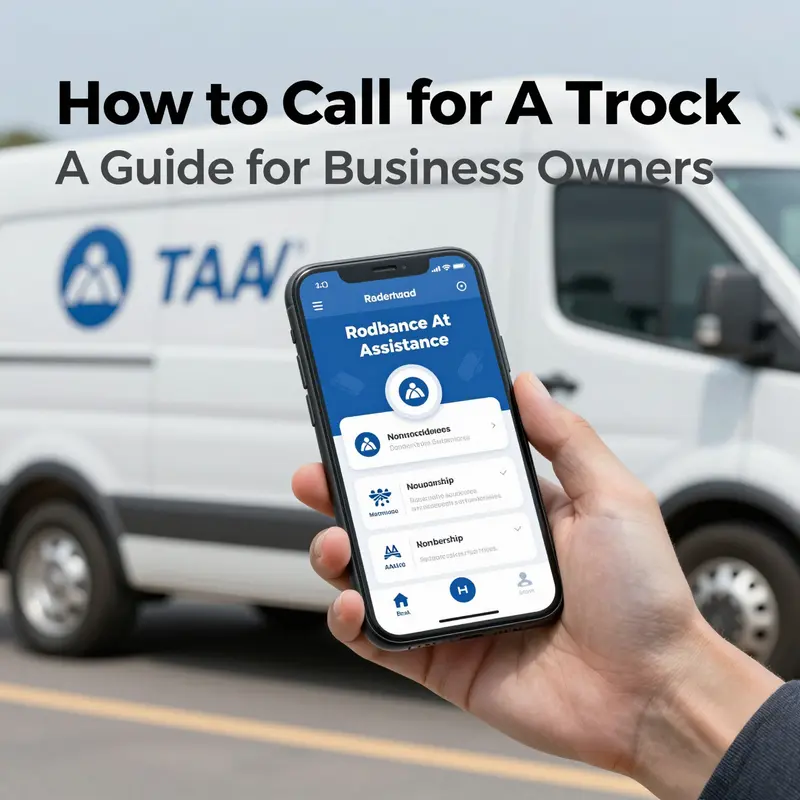
Beyond the formal channels, digital platforms have become a practical complement. App-based and online services let you request a tow with a few taps, showing estimated arrival times and, in many cases, pricing upfront. These tools are particularly helpful if you are in an area with limited phone reception or if you want to compare nearby options quickly. When using digital platforms, ensure you input your exact location, the problem you’re facing, and any special instructions that might assist the driver, such as the presence of a large vehicle blocking your lane or a narrow shoulder.
In the real world, having a couple of reliable options is better than relying on a single one. If you are in a familiar area, a quick call to a local tow service can yield faster service, and confirming whether they have any regional guidelines or caps on charges can prevent surprises. For readers who want a tangible example of a local route, you can access a regional tow line directly through this channel: Tow service Houston TX. This kind of direct link can simplify the process when you know you are in a city where the service operates and you want a straightforward dispatch.
Throughout the moment of waiting, keep your own safety in sharp focus. Stay inside the vehicle if it feels secure, keep your seatbelt fastened, and monitor the area around you for changing traffic patterns. If you must exit the vehicle, do so with extreme caution and step away from the roadway. It helps to have a plan for what you’ll do if the dispatcher asks for additional information or if weather or daylight becomes an issue. When the tow truck arrives, confirm the details with the driver and, if possible, obtain an estimated time of arrival and a rough price range before you proceed with the tow. Clear communication at every step helps prevent misunderstandings and fosters a smoother, faster resolution.
Key reminders emerge from these experiences. Always have your vehicle’s license plate, make, model, and VIN accessible. Safety remains paramount—hazard lights on, a safe distance from traffic, and a recognized route of communication that you can trust. Speak clearly about the location, the issue, and any constraints at the scene. And if a service requires payment or distance-based pricing, ask for the total before the tow begins. By aligning the built-in tools, insurance benefits, public services, and digital platforms, you create a resilient network that protects you when a breakdown is unavoidable. For broader guidance on roadside assistance and safety standards, refer to official transportation resources at the end of this chapter.
External resource: https://www.nhtsa.gov/road-safety/roadside-assistance
Tow Truck in View: A Clear, Safe Guide to Calling for Help on the Road
When your car coughs and the road ahead seems to stretch into an endless gray, calling for a tow truck can feel like the last thing you want to do. Yet the moment you anchor safety and clarity, you set the stage for a quick, coordinated response. The first move is to get to a safe space if you can—shoulder, parking area, or a wide shoulder away from traffic. Switch on hazard lights, and if you have a warning triangle, place it behind the vehicle to create a buffer for approaching drivers. The objective is to reduce risk while you establish contact with help and organize your next steps.
Next comes the question of whom to call. If you are in immediate danger, a local emergency line should be used so responders can coordinate police, fire, or a tow if needed. If there is no urgent danger but the vehicle must be moved, your best option is a 24/7 roadside service or your policy’s roadside coverage, if applicable. You may also consider a professional towing company that operates in your area, or a membership program that includes towing as part of the benefits. In some places, highway authorities maintain direct dispatch channels for stranded motorists. The aim remains the same: connect with a licensed, insured provider who can reach you without delay. For a quick frame of reference in many regions, you can explore a local option like towing-service-houston to understand typical procedures and expectations, even if you don’t end up using that exact service.
When you place the call, you should be ready to share critical information clearly and succinctly. Give your exact location using landmarks, mile markers, or GPS coordinates. Describe the problem in a few words—engine won’t start, flat tire, or a vehicle that won’t move—and note how many people are in the car and any medical needs. A dispatcher will want the vehicle’s make, model, color, and license plate. Have your contact number handy, and confirm you can be reached if the driver needs to adjust ETA or instructions. The more precise you are, the faster a tow truck can locate you in a busy or unfamiliar area.
Before the tow arrives, prioritize safety. If you can, move off the roadway to a shoulder or parking area, turn on hazard lights, and, if available, place warning devices at recommended distances behind your vehicle. Remain inside the vehicle with doors locked if traffic is risky, and keep the engine off with the keys in your possession. When the driver arrives, follow their directions and avoid trying to assist with the hookup. A calm, cooperative approach helps the process move smoothly for everyone.
As the conversation unfolds, request confirmation of the ETA and the expected cost. Towing charges vary by region, distance, and service level, so knowing a ballpark ahead of time helps you plan. If your policy covers towing in the incident you’re facing, ask what portion may be reimbursable and what documentation will be needed for a claim. If you’re paying out of pocket, request a written estimate or a final total before the service begins, and ask for a receipt after delivery. Keeping receipts is useful when you file a claim or seek reimbursement from your insurer or membership program.
After the tow starts, stay patient and ready. Do not exit the vehicle or approach the tow rig while it is moving. Ensure all valuables are secure and the doors remain locked. If you have a passenger who needs assistance, keep communication clear with the dispatcher and the driver so everyone remains safe. Once the tow is underway, you can use the waiting time to arrange for a rental car or alternate transport if needed, depending on your schedule and budget, and to confirm the next steps with your car’s service or dealership once you reach your destination.
This is more than a moment of crisis; it’s an opportunity to practice a practical, repeatable protocol. By staying calm, providing precise location data, describing the issue succinctly, and verifying ETA and cost, you improve your odds of a faster, safer recovery. The same principles apply whether you are stranded on a quiet back road or a busy highway, and they help minimize stress during an otherwise disruptive disruption. Consider keeping a small card in your glovebox listing essential numbers, your preferred roadside policy, and a quick checklist: safety first, locate and describe, verify, and wait in a protected space. This mindset keeps you prepared and reduces guesswork when every minute counts.
For broader guidelines on roadside safety and dispatcher coordination, consult official transportation resources for up-to-date recommendations and procedures. External resource: https://www.transportation.gov/
Final thoughts
Understanding how to call for a tow truck effectively is a vital skill for any business owner responsible for fleet management or company vehicles. Prioritizing safety helps protect your employees and vehicles during breakdowns, while knowing how to navigate roadside assistance ensures you get reliable and timely help without unnecessary delays or costs. Clear, concise communication of essential information equips service providers to respond quickly and accurately, minimizing downtime and protecting your operational efficiency. By mastering these steps, you safeguard your business assets and keep your fleet moving, even when the unexpected happens.