
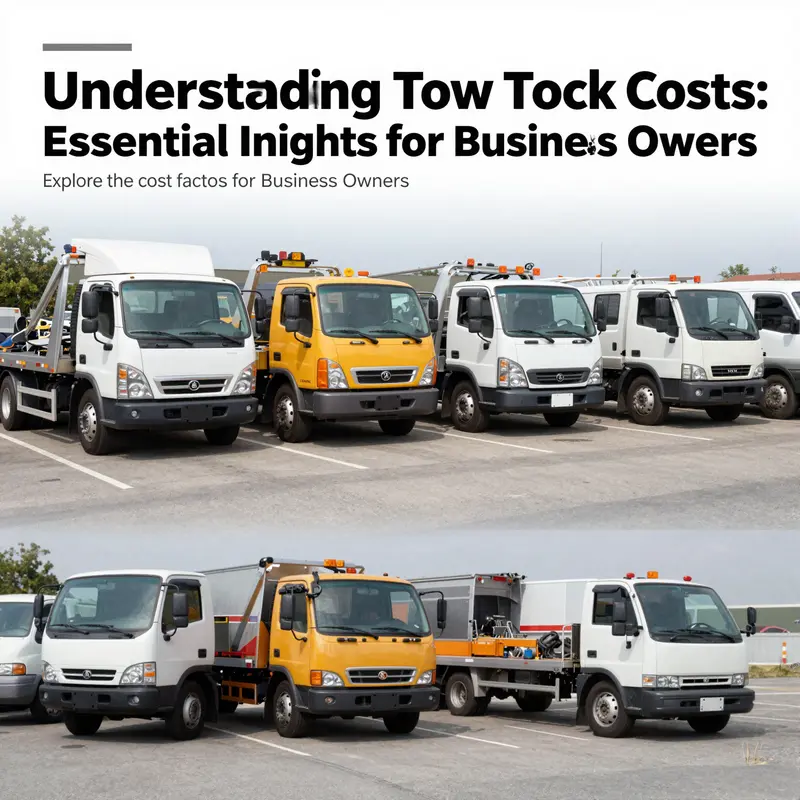
For business owners looking to enhance their towing services, understanding the cost of purchasing a tow truck is paramount. With a variety of factors influencing prices, such as truck capacity, brand, and features, it becomes essential to know how to navigate this significant investment. This article covers three critical areas: the cost factors associated with buying a tow truck, a market overview of various truck classes, and strategic purchasing approaches. Together, these insights will empower you to make informed decisions that align with your operational needs and budget.
null
null
Tow Truck Price Spectrum: Understanding Costs Across Vehicle Classes for Your Towing Operation
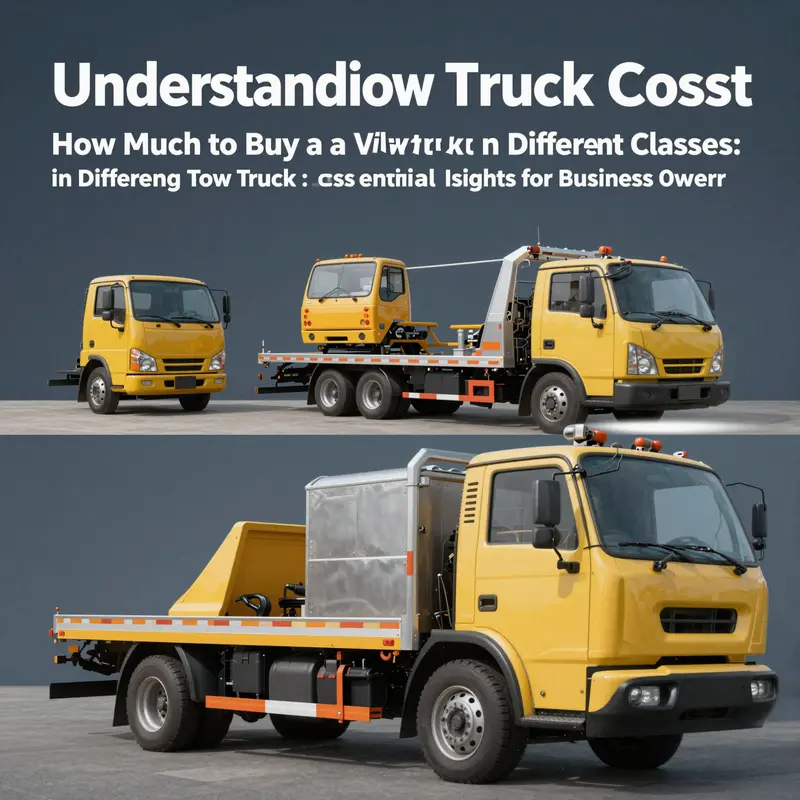
Price is not everything when you’re equipping a towing operation, but it is the thread that ties strategy to reality. The cost of a tow truck mirrors the range of tasks a shop or service provider expects to tackle, from quick roadside pulls to heavy, multi-vehicle recoveries. Understanding that spectrum helps a business align its capital outlay with its revenue potential, uptime goals, and the types of calls it hopes to win. In practice, the market breaks down into broad classes that reflect capacity, mechanisms, and the sophistication of the lifting and securing systems. The smallest, light-duty class typically covers everyday local work, while the largest, heavy-duty wreckers are designed for interstate recoveries and industrial-scale operations. Each tier has its own set of trade-offs: the upfront price, the long-term operating costs, the maintenance footprint, and the resale value. Those choices cascade into how quickly a fleet can scale, how reliably it can respond to a mix of calls, and how flexible it remains as a business grows. When you’re evaluating a purchase price, you’re really weighing the vehicle’s longevity against the task mix you expect to face in the coming years.
In the light-duties, which include wheel-lift, flatbed, and rollback configurations capable of handling roughly three to ten tons, the market commonly shows a price corridor from around $15,500 up to $29,000 for a unit. This range reflects variations in cab comfort, hydraulic reach, bed length, and the presence or absence of auxiliary systems such as auxiliary winches or stowable ramps. For a small operator or a shop that handles frequent local towing, this tier offers a practical balance between initial outlay and capability. It’s not just about the sticker price; it’s about what the truck can do on a typical shift and how much downtime a unit might endure for routine maintenance versus more complex recoveries. When assessing these options, operators often consider how a given configuration aligns with the type of vehicles most commonly encountered in their markets and whether the equipment can be upgraded later as demand grows. For those who want a hands-on path to comparison, a trusted local resource can provide practical guidance on the best configuration for the region and call profile; for example, you can explore a local provider’s offerings through Mikes Towing, which offers a sense of how these machines perform in the real world. Mikes Towing.
Moving into the medium-duty class, roughly four to six or seven tons depending on the setup, the price ladder moves upward to a broader band, typically from about thirty-five thousand to seventy thousand dollars. This range covers more robust flatbeds, underlift systems, and multi-axle wreckers that are built to handle heavier passenger vehicles, SUVs, light trucks, and larger failure recoveries. The extra investment buys you more hydraulic lift, longer reach, and often greater stability when stabilizing a downed vehicle on an inclined surface or over a curb. Medium-duty fleets frequently use these trucks for fleet maintenance teams or municipal services, where the demand for consistent uptime and the ability to manage a broader vehicle mix is critical. It’s important to pair the truck’s capabilities with the maintenance plan and the expected call volume, because the economics become favorable only when the truck remains productive for a significant portion of its usable life. In this class, buyers should also weigh after-sales support and warranty terms, since the longer the warranty and the more comprehensive the service package, the lower the risk of expensive repairs eroding operating margins. The market for mid-range rigs also encourages thoughtful consideration of financing or leasing options that preserve capital for other equipment or fleet upgrades, especially when a department must grow its range of services without tying up all available cash.
The heavy-duty tier, often described as 7–8 class or higher, embraces high-weight wreckers and specialized recovery units intended for major accident scenes, long-haul recoveries, and industrial tasks. Price ranges extend well beyond the mid-teens into the range of thirty-five thousand dollars to seventy thousand dollars, with premium models pushing past the six-figure mark when you add in the most advanced lifting booms, integrated winches, and robust underlift configurations. In practice, these are not merely bigger versions of lighter trucks; they are engineered for extreme reliability, rapid deployment, precise control, and the capacity to maneuver large wrecks or multiple vehicles in challenging environments. The decision at this level hinges on the anticipated call mix and the geographic realities of service coverage. If your operation expects recurring heavy-duty scenes, the additional investment often translates into faster response, higher payloads per tow, and the ability to service larger contracts with a leaner crew. Yet higher price tags demand careful analysis of utilization rates and the likelihood that each unit will be employed to its full potential, rather than sitting idle and accumulating depreciation. For specialty or custom configurations—such as integrated cranes or reinforced frames—the price can stretch higher still, reflecting the added engineering and durability that these features demand.
Beyond the three broad classes, there is a niche built around bespoke, purpose-built rigs. These machines, when well conceived, can command prices in the fifty-thousand-to-one-fifty-thousand-dollar range or more, depending on the exact capabilities, materials, and safety systems incorporated. The market is clear enough that price is a function of the potential return, not merely a badge of prestige. When you’re deciding how much to spend, you weigh the anticipated workload, utilization, maintenance costs, and the financing framework you’re able to secure. You also consider how the truck integrates with the rest of the fleet: compatible hoists, synchronized controllers, and the reliability of spare parts networks all influence an asset’s total cost of ownership. To paraphrase the market myopically would miss the larger point that the right purchase is the one that balances upfront cash outlay with predictable maintenance, uptime, and the ability to grow responsibly with demand. Real-time pricing and current listings can be explored on dedicated marketplaces and listings; this external reference provides a live snapshot of current market quotes and configurations, which can anchor budgeting discussions for your operation. For real-time pricing and availability, visit: https://www.alibaba.com/product-detail/3-10-ton-flatbed-rollback-tow-truck_1600347435379.html.
Tow Truck Budget Blueprint: Aligning Purchase Size with Your Real-World Needs

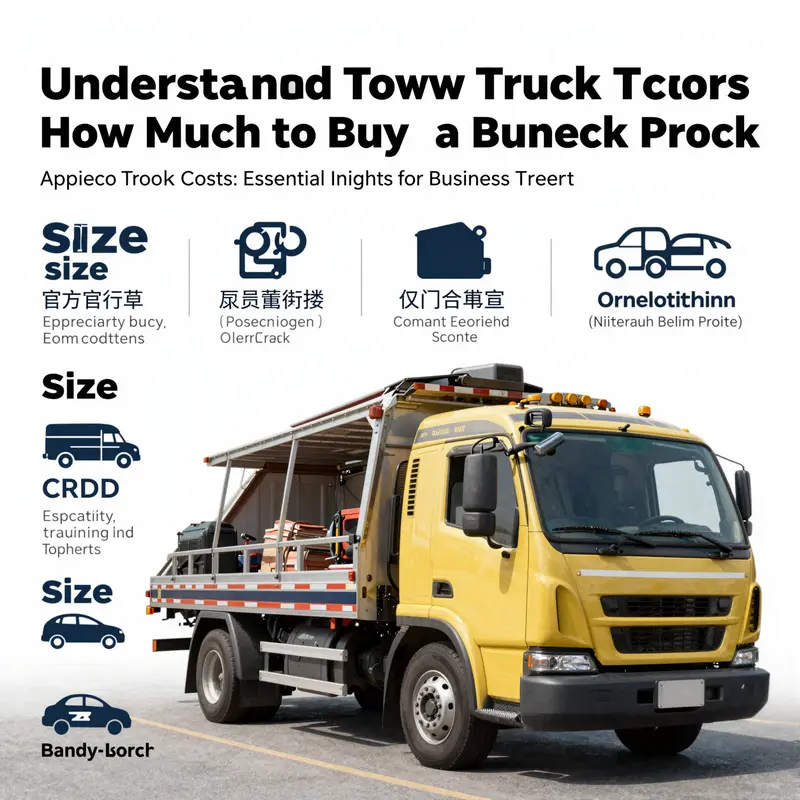
Choosing how much to invest in a tow truck starts with a clear view of your daily workload and the kinds of recoveries you expect to handle. Price tags on tow trucks are not a single number; they reflect size, capacity, build quality, and the features you require to perform safely and efficiently. A practical approach is to map your typical jobs to a truck’s capabilities, then balance that against your cash flow, financing options, and long-term maintenance costs. When you start from needs rather than from a sticker price, you gain a framework that helps you avoid both underbuying and overspending.
For light-duty work, where the focus is roadside assistance or routine recoveries of passenger vehicles, a compact 2- to 10-ton capacity unit can cover most daily tasks. These machines are commonly offered with flatbeds or wheel-lift configurations and include essential features such as a hydraulic winch and an integrated boom. In market terms, these lighter rigs tend to fall into a broad price band—roughly a mid-to-upper five-figure range—reflecting differences in brand, condition, and the specific equipment package included. If your fleet prioritizes agility and cost efficiency, a used or refurbished light-duty model can be a sensible starting point, provided the previous service history is solid and critical components have been inspected.
On the other end of the spectrum lie heavy-duty recoveries—the realm where you move multiple vehicles, large trucks, or equipment. These trucks operate in the 15- to 40-ton class and bring more robust chassis, hydraulic systems, and sometimes integrated cranes or under-lift mechanisms. Prices for new or well-equipped heavy-duty machines rise accordingly, often surpassing the mid-five-figure mark and reaching well beyond it depending on configuration and manufacturer support. In many cases, operators consider these rigs when a rural route, municipal contract, or industrial project demands the reliability that only a tougher, higher-capacity platform can provide. The added capability comes with higher ongoing costs in fuel, maintenance, and parts, so the decision hinges on whether your workload justifies the premium.
A crucial piece of the budgeting puzzle is total cost of ownership. Upfront price is only part of the story. Newer models may deliver better fuel efficiency, longer service intervals, and advanced safety features, which translate to fewer interruptions and potentially lower maintenance costs over time. Warranties and after-sales support also alter long-term value. A reliable supplier that offers a solid service network and a reasonable warranty can reduce downtime and help you plan for predictable expenditures. If you anticipate expanding service lines or increasing fleet size, consider how the chosen truck will scale with your business—whether through modular equipment, ease of maintenance, or compatibility with a broader set of recovery tools.
To make the numbers work, translate your typical job mix into a practical capacity target. Estimate the average weight you recover per call, the maximum weight you ever encounter, and the distance to the closest support hub. Then compare scenarios: a lean operation with mainly small- to mid-size recoveries versus a growing fleet that regularly handles heavier loads or multiple vehicles per incident. In the first case, a light- to mid-range unit may provide the best balance of performance and cost. In the second, a higher-capacity platform with robust uptime guarantees may deliver a better return on investment despite the higher upfront price. In addition, consider the reliability and availability of spare parts in your region; a truck that is easy to service locally can save hours on the road and reduce overall downtime, which matters greatly to cash flow.
Financing and acquisition strategies also influence the price you end up paying. Some operators prefer new equipment for its reliability and warranty coverage, while others optimize costs by purchasing certified pre-owned units with current service records. Regardless of choice, negotiate for the right mix of engine hours, mileage, and feature sets, and plan for the inevitable maintenance and insurance costs. Insurance premiums, inspection requirements, and potential financing terms can shift the effective monthly cost, so run a thorough cash-flow projection that includes fuel, tires, hydraulic fluid, and routine servicing. If you’re unsure where to start, a staged procurement plan—beginning with a single dependable light- to mid-range truck while you grow—can reduce risk and provide a practical testbed for refinement.
As you refine your buying strategy, keep the practical, local context in view. If your operation serves a dense urban area, you may prioritize compact maneuverability and quick response times, while rural or industrial work may justify the extra reach and weight capacity of larger units. For insights into how other operators balance performance and value, see practical guidance from industry sources and local peers. For a real-world look at local options, you can explore Tow trucks in Houston. This internal reference can help you compare service networks, availability of parts, and support commitments in your region. When you’re ready to broaden the picture, an external resource offers detailed comparisons of rollback and flatbed configurations and their long-term costs, helping you connect the dots between up-front investment and reliability over time.
Ultimately, the right budget for a tow truck sits at the intersection of your average job size, service expectations, and long-term financial planning. Prioritize durability and reliability, align equipment with your core workload, and avoid overcommitting to features you’ll rarely use. By grounding your decision in actual usage patterns and a clear cost of ownership, you’ll choose a model that sustains your service level and your bottom line, rather than chasing the latest gadgetry. The bottom line is simple: buy what you need to keep your fleet moving, with a careful eye on maintenance and uptime, and your investment will repay itself through steadier operations and lower interim costs over time.
External resource: Top 10 Best Rollback Tow Trucks
Final thoughts
Acquiring the right tow truck is not just about understanding its price; it’s about ensuring it aligns with your business operations and growth goals. By evaluating cost factors, grasping the market ranges for different types of trucks, and developing a sound buying strategy, you can secure the best fit for your towing business. Take charge of your investment with comprehensive knowledge to ensure success in your towing endeavors.